Ingredient Guide · Gourmand
Gourmand Family · Perfumery Note

Panacotta

Indulgent dessert-inspired gourmand heart note

Panacotta is a gourmand heart note in perfumery, evoking creamy vanilla and sweet caramel reminiscent of the Italian dessert. It is typically used at concentrations below 3%, offering a warm, inviting sweetness.

Panacotta
Ingredient Profile

Panacotta

Gourmand Family
Family Gourmand
Note Position Heart Note
Usage Level <3%
Key Origins Italy, Madagascar, France
Iconic In Devotion, Signorina
The Ingredient

What does Panacotta smell like and why is it cherished?

Panacotta, inspired by the classic Italian dessert, presents a scent profile characterized by creamy vanilla, sweet caramel, and a subtle lactonic creaminess. The key olfactory impression arises from vanillin and lactones, which contribute to its warm, gourmand sweetness reminiscent of a delicate custard. This note is classified as a heart note in perfumery, typically used at concentrations below 3%, allowing it to impart a rich, indulgent sweetness without overwhelming the composition. In perfumery, panacotta interacts with skin chemistry by blending smoothly with warm and sweet accords, often enhancing the gourmand character of a fragrance. Its creamy texture and moderate volatility ensure a lasting presence of 4 to 6 hours, especially when supported by complementary base notes like vanilla and caramel. Panacotta's softness and inviting warmth make it a versatile ingredient that bridges floral and sweet gourmand accords effectively. Notable examples include Dolce&Gabbana's Devotion (2023), where panacotta forms a creamy gourmand heart paired with candied lemon and orange blossom, and Salvatore Ferragamo's Signorina (2011), which uses panacotta to soften floral notes with a sweet, creamy base. These fragrances demonstrate panacotta's ability to evoke nostalgia and culinary indulgence while maintaining elegance in modern perfumery.

<3%
Typical usage concentration of panacotta in fragrance formulations to maintain balance and avoid overwhelming sweetness.
4–6 Hours
Average longevity of panacotta accords on skin, supported by complementary base notes enhancing persistence.
1–2 Sprays
Recommended application amount to capture panacotta’s creamy gourmand essence without saturation.
Origin & Extraction

Where Panacotta Comes From — Origin & Extraction

Panacotta’s aromatic inspiration is deeply tied to Italy, where the dessert originates. The rich dairy and vanilla used in Italian culinary traditions influence the fragrance note’s creamy and sweet character. The terroir, including soil quality and climate, impacts the vanilla beans and dairy quality, which in turn shape the aromatic nuances of natural components used in panacotta accords.

Panacotta as a fragrance ingredient draws inspiration from the Italian dessert of the same name, which originates from Northern Italy. The dessert itself is made from sweetened cream and vanilla, cooked slowly to create a silky custard. This culinary origin informs the ingredient's creamy, sweet aromatic profile. In perfumery, panacotta accords are typically created synthetically or through complex blends of natural and synthetic molecules rather than direct extraction from natural sources. The natural inspiration comes from dairy products and vanilla beans primarily cultivated in Italy and Madagascar, respectively. The key aromatic compounds include vanillin from vanilla and lactones that mimic creamy dairy notes. Extraction of natural components like vanilla absolute involves solvent extraction or CO2 supercritical extraction, yielding a complex aromatic profile. Vanilla absolute costs approximately $3,000 to $6,000 per kilogram. Synthetic analogues and lactones are produced via laboratory synthesis, offering cost-effective and stable alternatives priced between $50 and $200 per kilogram. Sustainability considerations favor synthetic production for panacotta accords due to the environmental impact of dairy farming and vanilla cultivation. Synthetic molecules provide consistent quality and reduce reliance on agricultural resources, aligning with modern perfumery's sustainability goals.

IT

Italy

Italy is the birthplace of panacotta, known for its rich dairy farming and culinary heritage. Regions like Piedmont and Lombardy produce high-quality dairy products that inspire the creamy facets of panacotta. Italian vanilla beans, though limited, contribute to the aromatic profile. Italy’s artisanal dessert culture enriches the narrative of panacotta in perfumery.

MG

Madagascar

Madagascar is the leading producer of vanilla beans, supplying approximately 80% of the world’s vanilla. The island’s tropical climate and volcanic soil create vanilla beans with rich vanillin content, essential for authentic panacotta accords. Sustainable vanilla farming practices are increasingly adopted to preserve this vital resource.

FR

France

France, particularly Grasse, is a center for perfume ingredient extraction and synthesis. While not a producing country for dairy or vanilla, French perfumers and chemists develop synthetic lactones and vanillin analogues that replicate panacotta’s creamy gourmand scent with high consistency and quality.

Chemistry

Natural vs Synthetic Panacotta in Perfumery

Panacotta accords in perfumery are crafted using both natural extracts and synthetic molecules. Natural panacotta elements primarily derive from vanilla absolute and dairy-inspired lactones extracted via solvent or supercritical CO2 methods. These natural ingredients are complex and variable in character, with costs ranging from $3,000 to $6,000 per kilogram. Synthetic alternatives include molecules such as safranal analogues and lactones that replicate the creamy, sweet facets of panacotta. These synthetics offer greater consistency, stability, and longevity in fragrance compositions and are significantly more affordable, costing between $50 and $200 per kilogram. Synthetic molecules also provide enhanced diffusion and longer-lasting scent profiles compared to natural extracts. Famous fragrances like Dolce&Gabbana Devotion employ a blend of natural and synthetic panacotta elements to achieve a balanced gourmand accord. The use of synthetics supports sustainability by reducing agricultural pressure and ensuring supply chain reliability. CA Perfume utilizes the HumanSafe™ platform to ensure transparency and safety in sourcing both natural and synthetic panacotta ingredients, prioritizing ethical and environmental standards.

Natural
Panacotta Absolute
Cost $3,000–6,000/kg
Method Solvent / CO₂
Character Complex, variable
vs
Synthetic
Safranal & Analogues
Cost $50–200/kg
Method Lab synthesis
Character Consistent, stable
Hall of Fame

Famous Fragrances That Define Panacotta in Perfumery

2023
heart note

Devotion

Dolce&Gabbana
by Alberto Morillas
candied lemonorange blossomvanilla
2011
supporting note

Signorina

Salvatore Ferragamo
floral notesvanillacaramel
2024
heart note

Pannaco Tahaa

FOMOWA Paris
tropical accordsflorals
2025
accent

Desirable Addiction

Maison Alhambra
caramelvanilla
2025
heart note

Allure Couture

Fragrance World
gourmand accordscream

Panacotta has become a signature gourmand note in contemporary perfumery, featured prominently in several landmark fragrances. Dolce&Gabbana's Devotion (2023), crafted by perfumer Alberto Morillas, uses panacotta as a creamy gourmand heart note, paired with candied lemon and orange blossom to create a balanced, indulgent scent. Salvatore Ferragamo's Signorina (2011) incorporates panacotta to soften its floral bouquet with a sweet, creamy base, enhancing the fragrance's feminine appeal. Other notable fragrances include FOMOWA Paris's Pannaco Tahaa (2024), which blends panacotta with tropical and floral accords for a sophisticated gourmand experience, and Maison Alhambra's Desirable Addiction (2025), where panacotta supports rich caramel and vanilla notes. Fragrance World’s Allure Couture (2025) also showcases panacotta in a lush gourmand composition. These fragrances illustrate panacotta's versatility as a heart note that bridges sweet gourmand and floral accords. CA Perfume’s collection reflects this lineage by offering fragrances that capture panacotta's creamy sweetness with modern elegance.

The Accord

How is a captivating Panacotta accord crafted?

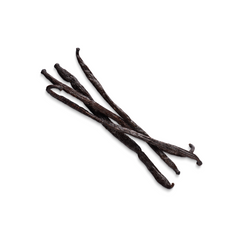
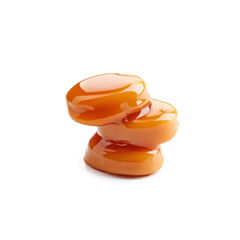
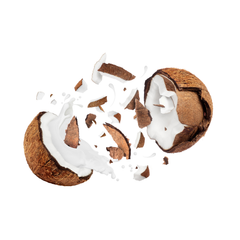
A panacotta accord is composed by blending creamy, sweet, and tropical notes to recreate the dessert’s rich, silky character. Vanilla forms 20–25% of the blend, providing warm vanillic sweetness and depth. Caramel contributes 15–20%, adding sugary richness and indulgence. Coconut at 10–15% introduces a tropical creaminess that complements the smooth texture. Panacotta itself makes up 25% of the blend, anchoring the accord with its signature creamy gourmand essence. This combination balances sweetness, creaminess, and exotic nuances for a luscious, edible fragrance profile.

25%

Panacotta

25% of blend

Panacotta provides the core creamy gourmand character with warm vanilla and subtle caramel nuances, essential for the accord’s identity.

25%

Vanilla

20–25% of blend

Vanilla enhances the creamy sweetness and adds a warm, comforting depth through vanillin molecules.

20%

Caramel

15–20% of blend

Caramel contributes a sugary, indulgent facet, elevating the gourmand richness with its complex sweet aroma.

15%

Coconut

10–15% of blend

Coconut adds a tropical creaminess that complements panacotta’s texture and introduces exotic nuances.

The Olfactory Layers

How Panacotta Evolves on Skin

Panacotta’s olfactory evolution begins with subtle top notes that quickly give way to a creamy, gourmand heart. The lactones and vanillin molecules evaporate moderately, allowing the creamy sweetness to emerge fully within 15 to 60 minutes. The base notes provide a lasting warmth and softness, with slower-evaporating caramel and vanilla compounds extending the scent’s presence for several hours.

I
Top notes
0–15 min
Sugary Prelude

The initial impression is light and sweet, often featuring subtle citrus or floral hints that prepare the senses for the creamy heart. High-volatility molecules like ethyl maltol provide a sugary, candy-like sweetness that evaporates quickly, setting the stage for the gourmand core.

SweetLightInviting
II
Heart notes
20–60 min
Creamy Core

The heart reveals the signature panacotta accord, dominated by creamy lactones and warm vanillin. These molecules have moderate volatility, creating a rich, smooth, and indulgent aroma reminiscent of cooked cream and caramelized sugar, evoking the dessert’s essence.

CreamyWarmGourmand
III
Base notes
Several hours
Warm Embrace

The base sustains the fragrance with slow-evaporating vanilla and caramel compounds, providing depth and longevity. These molecules anchor the scent close to the skin, offering a comforting, edible warmth that lingers for hours.

WarmSoftLong-lasting
TOP NOTES Sugary Prelude 0–15 minutes HEART NOTES Creamy Core 20–60 minutes BASE NOTES Warm Embrace Several hours
Through the Ages

The Story of Panacotta in Perfumery

Panacotta’s journey in perfumery traces from its culinary origins in Italy to its rise as a beloved gourmand note in modern fragrance design. Its integration into fine perfumes reflects evolving trends toward edible, creamy accords that evoke comfort and nostalgia.

1990s

Rise of Gourmand Notes

The gourmand fragrance family gained prominence in the 1990s, with edible and dessert-inspired notes like vanilla, caramel, and creamy accords becoming popular in niche and designer perfumery.

2011

Salvatore Ferragamo Signorina Launch

Signorina by Salvatore Ferragamo incorporated panacotta-inspired creamy gourmand notes, blending sweetness with florals to create a modern feminine fragrance.

2023

Dolce&Gabbana Devotion Debut

Dolce&Gabbana released Devotion, featuring a prominent panacotta accord at its heart, paired with citrus and floral notes, showcasing the note’s versatility and appeal.

2024

FOMOWA Paris Pannaco Tahaa

FOMOWA Paris introduced Pannaco Tahaa, a fragrance centered on panacotta’s creamy gourmand character combined with tropical and floral accords.

2025

Expansion in Niche Perfumes

Panacotta became a staple in niche perfumery, with multiple releases emphasizing its creamy, sweet profile, reflecting consumer demand for comforting gourmand scents.

The Art of Layering

How to Layer Panacotta

Understanding how to layer panacotta involves molecular compatibility with complementary notes that enhance its creamy gourmand profile without overpowering it.

01

Enhance Sweetness

Layer panacotta with caramel or vanilla to amplify shared vanillin and lactone compounds, creating a richer, more indulgent gourmand accord. This technique is exemplified in Dolce&Gabbana Devotion, where candied lemon and vanilla soften the sweetness.

02

Add Depth

Combine panacotta with woody notes like sandalwood or cedarwood to introduce molecular contrasts between creamy lactones and woody terpenes, adding complexity and grounding the sweetness. Salvatore Ferragamo’s Signorina uses this approach effectively.

03

Lighten the Glow

Pair panacotta with fresh florals such as orange blossom or jasmine, which share subtle lactone and floral aldehyde compounds, balancing sweetness with elegance. This layering creates a sophisticated gourmand-floral blend suitable for versatile wear.

Wear It Right

How to Wear Panacotta Like a Pro

Seasonal Guide

Fall & Winter

Cooler temperatures slow evaporation, allowing panacotta’s creamy gourmand notes to linger longer. Apply moderately to pulse points for cozy warmth and inviting sillage.

Spring

Mild weather enhances panacotta’s soft sweetness without overwhelming. Layer with light florals or fresh citrus to maintain balance and freshness.

Summer

Heat increases volatility, which can intensify sweetness but reduce longevity. Use lighter applications or blend with airy aquatic notes to prevent cloying effects.

Year-Round Tip

Adjust layering and application based on temperature and humidity to optimize panacotta’s creamy gourmand presence throughout the year.

Application Points

Strategic application of panacotta enhances its gourmand character and longevity.

1

Neck

Pulse points at the neck emit warmth that activates panacotta’s creamy and sweet molecules, enhancing projection.

2

Behind the Ears

This area’s subtle heat helps release panacotta’s gourmand facets softly, creating an intimate scent trail.

3

Inner Wrists

Wrists provide warmth and movement, allowing panacotta’s creamy notes to evolve naturally throughout the day.

4

Hair

Hair holds fragrance well; applying panacotta here offers a gentle, lingering gourmand aura with each movement.

★

Pro Tip

Layer panacotta-based perfumes over unscented moisturizers to enhance scent adherence and longevity.

HumanSafe™

Panacotta Safety Profile in Our Fragrances

No ingredient collection was found for panacotta.

Create or connect a collection with the same handle as this ingredient, then add products that contain this ingredient.

Expert Voices

What Masters Say About Panacotta

“
Panacotta serves as a delightful gourmand note, infusing compositions with a sweetness that is both tempting and comforting, evoking warm memories of culinary delights and shared moments.
CA Perfume Editorial
“
The panacotta accord is expertly crafted by harmonizing sweet and creamy notes with complementary ingredients that enhance its dessert-like profile, ensuring richness and depth.
CA Perfume Editorial
Common Questions

Frequently Asked Questions

Answers to common questions about panacotta in perfumery.

Panacotta in perfume smells creamy, sweet, and warm, reminiscent of the Italian dessert made from cooked cream and vanilla. Its scent profile features vanillin and lactones that create a smooth, gourmand aroma often balanced with caramel and floral notes. Examples include Dolce&Gabbana Devotion and Salvatore Ferragamo Signorina.

Panacotta is primarily used as a heart note in fragrance compositions. It provides a creamy, gourmand core that bridges the top and base notes, typically appearing after initial citrus or floral openings and before the lingering vanilla or caramel base.

Panacotta’s creamy, sweet gourmand character offers niche perfumers a versatile ingredient to evoke comfort and indulgence. Its ability to blend with florals, woods, and sweet notes allows for sophisticated, unique compositions that appeal to consumers seeking edible and nostalgic scents.

Panacotta fragrance uses include pairing with vanilla, caramel, coconut, milk, orange blossom, and jasmine. These combinations balance sweetness with creaminess and floral elegance, enhancing the gourmand profile while maintaining freshness and complexity.

Panacotta perfumes can be worn in summer but may require lighter application or layering with fresh, airy notes to prevent overwhelming sweetness. Heat increases volatility, so blending with citrus or aquatic accords helps maintain balance and freshness.

Panacotta fragrances typically last 4 to 6 hours on skin, with longevity enhanced by complementary base notes like vanilla and caramel. The creamy lactones and vanillin provide moderate persistence suitable for daytime and evening wear.

Yes, layering panacotta with complementary notes such as caramel, vanilla, woody accords, or fresh florals can create personalized scent profiles. Molecular compatibility ensures smooth blending, enhancing gourmand sweetness or adding depth and freshness.

For beginners, fragrances like Dolce&Gabbana Devotion and Salvatore Ferragamo Signorina offer approachable panacotta accords balanced with florals and citrus. Discovery sets or samples help newcomers explore panacotta’s creamy gourmand character gradually.

At CA Perfume, selecting a panacotta fragrance involves considering balance with florals or fresh notes, concentration level, and personal preference for sweetness intensity. Sampling multiple options or discovery sets allows finding a fragrance that suits your style and skin chemistry.

Panacotta smells predominantly sweet and creamy in fragrance, with minimal spiciness. Its gourmand profile centers on vanillin and lactones, producing a dessert-like aroma rather than a spicy one, though it may be complemented by subtle spices in some compositions.

Gourmand Collection

Explore Our Top Panacotta Fragrances

Discover curated selections featuring panacotta’s creamy gourmand essence, ideal for lovers of sweet, indulgent scents.

Shop all panacotta fragrances at CA Perfume →

Where Panacotta Comes From — Origin & Extraction

Panacotta as a fragrance ingredient draws inspiration from the Italian dessert of the same name, which originates from Northern Italy. The dessert itself is made from sweetened cream and vanilla, cooked slowly to create a silky custard. This culinary origin informs the ingredient's creamy, sweet aromatic profile. In perfumery, panacotta accords are typically created synthetically or through complex blends of natural and synthetic molecules rather than direct extraction from natural sources. The natural inspiration comes from dairy products and vanilla beans primarily cultivated in Italy and Madagascar, respectively. The key aromatic compounds include vanillin from vanilla and lactones that mimic creamy dairy notes. Extraction of natural components like vanilla absolute involves solvent extraction or CO2 supercritical extraction, yielding a complex aromatic profile. Vanilla absolute costs approximately $3,000 to $6,000 per kilogram. Synthetic analogues and lactones are produced via laboratory synthesis, offering cost-effective and stable alternatives priced between $50 and $200 per kilogram. Sustainability considerations favor synthetic production for panacotta accords due to the environmental impact of dairy farming and vanilla cultivation. Synthetic molecules provide consistent quality and reduce reliance on agricultural resources, aligning with modern perfumery's sustainability goals.

Famous Fragrances That Define Panacotta in Perfumery

Panacotta has become a signature gourmand note in contemporary perfumery, featured prominently in several landmark fragrances. Dolce&Gabbana's Devotion (2023), crafted by perfumer Alberto Morillas, uses panacotta as a creamy gourmand heart note, paired with candied lemon and orange blossom to create a balanced, indulgent scent. Salvatore Ferragamo's Signorina (2011) incorporates panacotta to soften its floral bouquet with a sweet, creamy base, enhancing the fragrance's feminine appeal. Other notable fragrances include FOMOWA Paris's Pannaco Tahaa (2024), which blends panacotta with tropical and floral accords for a sophisticated gourmand experience, and Maison Alhambra's Desirable Addiction (2025), where panacotta supports rich caramel and vanilla notes. Fragrance World’s Allure Couture (2025) also showcases panacotta in a lush gourmand composition. These fragrances illustrate panacotta's versatility as a heart note that bridges sweet gourmand and floral accords. CA Perfume’s collection reflects this lineage by offering fragrances that capture panacotta's creamy sweetness with modern elegance.

Natural vs Synthetic Panacotta in Perfumery

Panacotta accords in perfumery are crafted using both natural extracts and synthetic molecules. Natural panacotta elements primarily derive from vanilla absolute and dairy-inspired lactones extracted via solvent or supercritical CO2 methods. These natural ingredients are complex and variable in character, with costs ranging from $3,000 to $6,000 per kilogram. Synthetic alternatives include molecules such as safranal analogues and lactones that replicate the creamy, sweet facets of panacotta. These synthetics offer greater consistency, stability, and longevity in fragrance compositions and are significantly more affordable, costing between $50 and $200 per kilogram. Synthetic molecules also provide enhanced diffusion and longer-lasting scent profiles compared to natural extracts. Famous fragrances like Dolce&Gabbana Devotion employ a blend of natural and synthetic panacotta elements to achieve a balanced gourmand accord. The use of synthetics supports sustainability by reducing agricultural pressure and ensuring supply chain reliability. CA Perfume utilizes the HumanSafe™ platform to ensure transparency and safety in sourcing both natural and synthetic panacotta ingredients, prioritizing ethical and environmental standards.