
Best customer service, the scent is great but only lasted 2 hrs on me.
Everything is as advertised and the packaging and presentation was awesome
next level packaging and pretty quick delivery. complete blind buy. so far so good
A tropical note prized for its creamy, milky, and sweet facets.
Coconut is a heart and base note in perfumery, valued for its creamy, milky, and subtly sweet character. Its signature scent is primarily recreated with gamma-nonalactone, which imparts the recognizable coconut aroma at concentrations typically below 2%.

Coconut in perfumery is defined by a creamy, milky, and subtly sweet scent profile, primarily derived from the fruit of the coconut palm (Cocos nucifera). The characteristic coconut aroma is largely attributed to gamma-nonalactone (also known as 5-butyloxolan-2-one, CAS 104-61-0), a lactonic compound responsible for the rich, tropical, and slightly nutty facets. Additional contributors include delta-decalactone and minor esters, which together create the impression of fresh coconut flesh, coconut milk, and a hint of caramelized sweetness. This molecular composition gives coconut its signature scent, which is both comforting and evocative of sun-drenched beaches and tropical landscapes. In perfumery, coconut is most often classified as a heart or base note, depending on its formulation and pairing. It is typically used at concentrations ranging from 0.5% to 2% in the overall composition, though in gourmand or tropical-themed fragrances, it may be more prominent. Coconut interacts with skin chemistry by amplifying its creamy and lactonic facets on warmer, more humid skin, while on drier skin, its nutty and powdery aspects may become more pronounced. The note is valued for its ability to impart a velvety texture and a sense of indulgence, often bridging fruity, floral, and gourmand accords. Notable examples of coconut in perfumery include Creed Virgin Island Water (2007, Olivier Creed), where coconut is paired with lime and rum to evoke a Caribbean cocktail, and Tom Ford Soleil Blanc (2016, Nathalie Gracia-Cetto), which uses coconut alongside ylang-ylang and pistachio for a solar, beach-inspired effect. Dolce & Gabbana Dolce Garden (2018, Violaine Collas) features coconut as a creamy heart note, blended with frangipani and vanilla for a lush, floral-gourmand experience. These fragrances illustrate the versatility and enduring appeal of coconut in modern scent creation.
Coconut’s scent character is shaped by tropical climates, saline coastal soils, and high humidity, which enhance the concentration of lactonic compounds in the flesh. The terroir of each region imparts subtle differences in aroma, from sweeter, creamier notes in Pacific coconuts to more mineral, nutty nuances in Indian Ocean varieties.
Coconut, botanically classified as Cocos nucifera (family Arecaceae), is native to the Indo-Malayan region but is now cultivated in over 90 tropical and subtropical countries. Major producers include Indonesia (approximately 18 million metric tons annually), the Philippines (14 million), and India (12 million), together accounting for over 70% of global coconut production. The coconut palm thrives in coastal, sandy soils with high humidity and regular rainfall, making Southeast Asia, the Pacific Islands, and parts of the Caribbean primary sources. In perfumery, true coconut essential oil is extremely rare and is not typically used due to its low volatility and weak olfactory impact. Instead, coconut absolute can be produced via solvent extraction (using hexane or ethanol) from the dried coconut flesh (copra). This process operates at ambient temperatures to preserve the lactonic compounds, with yields typically below 0.1% by weight. Coconut absolute is expensive and used sparingly, while most coconut notes in fragrance are constructed from aroma molecules such as gamma-nonalactone, delta-decalactone, and supporting esters. These synthetics are produced via chemical synthesis from fatty acids and are far more cost-effective, with prices for gamma-nonalactone ranging from $50–$100 per kg, compared to $2,000–$4,000 per kg for coconut absolute. Sustainability considerations include the environmental impact of large-scale coconut agriculture, which can lead to monoculture and biodiversity loss. However, synthetic coconut aroma chemicals offer a lower environmental footprint and consistent quality. The HumanSafe™ platform provides transparency on the sourcing and safety of both natural and synthetic coconut ingredients used in CA Perfume formulations.
Sumatra and Sulawesi produce coconuts with high gamma-nonalactone content due to volcanic soils and equatorial rainfall. Indonesia accounts for over 30% of global coconut output, with traditional hand-harvesting and sun-drying methods preserving aromatic integrity.
The Bicol and Davao regions yield coconuts prized for their creamy, sweet aroma. The Philippines supplies about 25% of the world’s coconuts, with a focus on sustainable, smallholder farming and careful copra processing.
Kerala’s coastal groves are known for coconuts with a denser, more nutty scent profile, influenced by monsoon rains and laterite-rich soils. India is the third-largest producer, with annual output exceeding 12 million metric tons.
Sri Lanka’s Western Province produces coconuts with a delicate, floral sweetness, attributed to unique microclimates and organic cultivation. The country is recognized for high-quality copra and coconut derivatives.
Natural coconut extracts, such as coconut absolute, are rarely used in perfumery due to their low yield, high cost, and limited olfactory strength. The extraction process, typically solvent-based, captures a complex but subtle aroma, which is difficult to standardize and may contain impurities. In contrast, synthetic coconut notes are primarily constructed from gamma-nonalactone (CAS 104-61-0), delta-decalactone (CAS 705-86-2), and 5-decyloxolan-2-one (CAS 705-86-2), all of which are lactones that mimic the creamy, milky, and sweet aspects of coconut. These molecules offer superior performance in terms of longevity, diffusion, and stability, and are widely used in both fine fragrance and functional products. The cost differential is significant: gamma-nonalactone and related synthetics are priced at $50–$100 per kg, while natural coconut absolute can exceed $2,000 per kg. Most commercial and niche fragrances use synthetic coconut notes for consistency and sustainability. Notable fragrances such as Creed Virgin Island Water and Tom Ford Soleil Blanc rely on synthetic lactones for their coconut effect. The HumanSafe™ platform at CA Perfume ensures all coconut aroma chemicals are IFRA-compliant and fully traceable, supporting both safety and environmental responsibility. Synthetic coconut notes also avoid the agricultural pressures associated with large-scale coconut farming, making them a preferred choice for modern perfumers.
Coconut has played a pivotal role in shaping the identity of numerous iconic fragrances, particularly within the fruity, gourmand, and solar floral categories. One of the earliest and most influential examples is Creed Virgin Island Water (2007, Olivier Creed), where coconut is paired with lime, rum, and sugar cane to evoke a Caribbean cocktail, serving as a dominant note that bridges citrus and gourmand facets. Tom Ford Soleil Blanc (2016, Nathalie Gracia-Cetto) features coconut as a creamy, solar heart, blending it with ylang-ylang, pistachio, and amber for a luxurious beach-inspired scent. Dolce & Gabbana Dolce Garden (2018, Violaine Collas) uses coconut as a heart note, pairing it with frangipani and vanilla to create a lush, floral-gourmand composition. Mancera Coco Vanille (2016, Pierre Montale) highlights coconut as a dominant note, supported by vanilla and white peach for a sweet, tropical effect. Estée Lauder Bronze Goddess Eau de Parfum (2019) employs coconut as a bridge note, linking creamy florals with amber and vanilla to evoke sun-warmed skin. Other notable examples include Jean Paul Gaultier Le Beau Le Parfum (2022), which uses coconut as an accent in a woody-aromatic context, and Simone Andreoli Leisure in Paradise (2019), where coconut is paired with papaya and vanilla for a dessert-like impression. CA Perfume’s collection draws inspiration from this lineage, offering coconut-forward fragrances that explore both classic and innovative pairings.
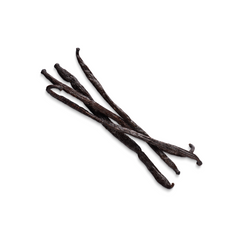
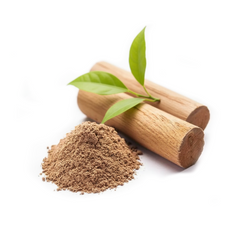
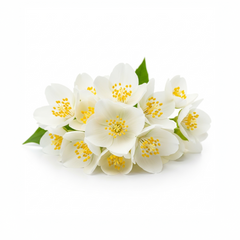
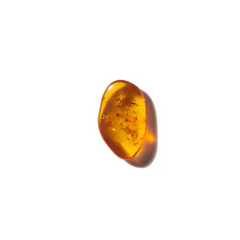
A coconut accord is typically constructed with 25–30% gamma-nonalactone for creamy, milky facets; 20–25% vanilla absolute for sweetness and warmth; 20–25% sandalwood for lactonic, woody undertones; and 25–30% jasmine or tiare flower for solar floral brightness. Each component is selected for its molecular compatibility, ensuring a rich, balanced, and long-lasting coconut impression.
Gamma-nonalactone provides the core creamy, milky coconut aroma, mimicking the lactonic compounds found in fresh coconut flesh.
Vanilla absolute or vanillin enhances coconut’s sweetness and extends longevity through olfactory masking and fixative properties.
Sandalwood’s lactonic, woody notes reinforce coconut’s creamy texture and add depth via shared lactone molecules.
Jasmine or tiare flower introduces solar floral facets, complementing coconut’s tropical character with indole and benzyl acetate.
Coconut’s olfactory evolution unfolds from a fresh, milky opening to a warm, creamy heart and a lingering, sweet base. High-volatility esters and lactones evaporate quickly, revealing deeper, nutty and woody facets as the scent develops over several hours.
The initial impression is dominated by high-volatility esters and gamma-nonalactone, producing a fresh, creamy, and slightly green coconut milk aroma. This stage is fleeting, as lighter molecules evaporate rapidly, setting the stage for the richer heart.
As the top fades, delta-decalactone and supporting lactones emerge, deepening the scent with velvety coconut flesh, soft sweetness, and a subtle nutty warmth. This phase is enhanced by floral and gourmand pairings, creating a lush, enveloping character.
The base is anchored by creamy vanilla, sandalwood, and musks, which extend coconut’s longevity and impart a cozy, lingering finish. These heavier molecules act as fixatives, ensuring the coconut note remains smooth and comforting throughout wear.
Coconut’s journey in perfumery spans from ancient tropical use to modern niche fragrance, marked by technical innovation and cultural symbolism.
Coconut palms were cultivated across Southeast Asia and the Pacific Islands, where coconut oil and water were used in rituals, cosmetics, and early aromatic preparations.
Portuguese and Spanish explorers introduced coconut to the Caribbean and the Americas, expanding its cultural and economic significance, including its use in scented oils.
Synthetic lactones such as gamma-nonalactone were developed, enabling perfumers to recreate coconut’s creamy aroma in sun care products and early beach-themed fragrances.
Creed Virgin Island Water launched, establishing coconut as a dominant note in luxury perfumery and inspiring a wave of tropical, cocktail-inspired scents.
Fragrances like Tom Ford Soleil Blanc and Dolce Garden cemented coconut’s role in solar florals and gourmand compositions, with advanced synthetics offering greater olfactory realism.
Understanding how to layer coconut involves pairing it with notes that share compatible molecular structures or olfactory effects. The key to how to layer coconut is to use it as a creamy, lactonic bridge between florals, fruits, and gourmand notes, maximizing synergy and minimizing olfactory clashes.
Layer coconut with vanilla or tonka bean to reinforce shared lactonic and coumarin compounds, creating a dessert-like, gourmand effect. This combination is exemplified in Mancera Coco Vanille, where vanilla extends coconut’s sweetness and longevity.
Pair coconut with jasmine, tiare, or ylang-ylang to amplify solar, tropical facets. Indole and benzyl acetate in florals interact with coconut’s lactones, producing a radiant, beach-inspired scent as seen in Tom Ford Soleil Blanc.
Combine coconut with sandalwood or cedarwood to anchor its creamy facets and add structure. The shared lactone content enhances smoothness, while woody notes provide balance and sophistication, as in Estée Lauder Bronze Goddess.
In cooler weather, coconut’s creamy and gourmand facets become more subdued, offering a cozy, comforting aura. Apply to pulse points under clothing to enhance warmth and longevity. Pair with vanilla or sandalwood for a richer, dessert-like effect.
Spring’s moderate temperatures allow coconut’s milky and floral aspects to shine. Layer with white florals or citrus notes for a fresh, uplifting effect. Apply lightly to avoid overwhelming lighter seasonal scents.
Heat and humidity amplify coconut’s projection and sweetness, making it ideal for beach or vacation wear. Apply sparingly to exposed skin, focusing on areas with high blood flow. Combine with tropical fruits or solar florals for a vibrant, sunlit impression.
Coconut’s versatility allows it to transition seamlessly across seasons. Adjust application and layering partners to match climate and mood, ensuring the note remains balanced and never cloying.
Strategic application enhances coconut’s creamy, lasting qualities and optimizes projection based on body heat and skin type.
Applying coconut fragrances to the neck leverages body heat to diffuse lactonic molecules, creating a gentle, enveloping sillage that evolves with movement.
This area maintains warmth and moisture, helping coconut’s creamy, sweet facets linger and interact with natural skin oils for a soft, intimate effect.
Pulse points on the wrists accelerate evaporation of top lactones, allowing the scent to transition quickly to its velvety heart and base.
Spraying coconut fragrance on hair provides a slow, sustained release of aroma, as hair fibers trap lactonic molecules and diffuse them gradually throughout the day.
Layer coconut with a neutral body lotion to enhance longevity and create a smooth, skin-like base that amplifies the creamy facets without overpowering other notes.
These Coconut-based fragrances scored highest on the MEI™ Mood Architecture Framework — measuring how a scent may influence your emotional state.
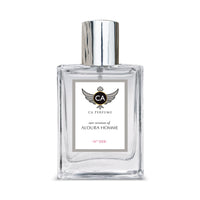


These Coconut-based fragrances have the highest product-level HumanSafe™ scores in this ingredient collection.
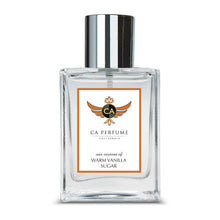
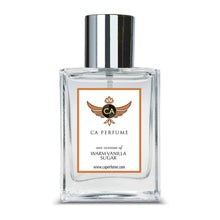
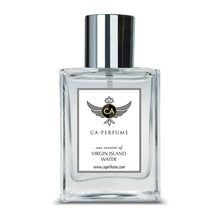

"Indian Coconut Nectar smells like the ideal tropical coconut to me. I smell sweetened, milky coconut flesh with a heavy dose of vanilla. There is a slight marzipan tinge to it, and I love marzipan. It's very fun, and even though it's gourmand, I still find it perfect for summer."
Coconut’s creamy, lactonic profile is primarily constructed from gamma-nonalactone and related molecules, allowing perfumers to evoke tropical, gourmand, or solar effects with precision and consistency.
Coconut harmonizes with a wide range of complementary ingredients, from tropical florals to gourmand and woody notes.
Frequently asked questions about coconut in perfumery, covering scent, use, and technical details.
Coconut in perfume is characterized by a creamy, milky, and subtly sweet aroma, reminiscent of fresh coconut flesh and coconut milk. The scent is constructed from lactonic molecules such as gamma-nonalactone, which impart a rich, tropical warmth with nutty and caramelized undertones. Depending on the formulation, coconut can evoke impressions ranging from sun-drenched beaches to dessert-like gourmand accords. Notable examples include Creed Virgin Island Water and Tom Ford Soleil Blanc, both of which showcase coconut’s versatility.
Coconut is most commonly used as a heart or base note in fragrance compositions. Its primary aroma molecules, such as gamma-nonalactone, have moderate molecular weight and volatility, allowing the scent to persist through the heart and base phases. In lighter concentrations, coconut can appear in the top, providing a fresh, milky opening, but it is valued for its ability to anchor and enrich the mid and drydown stages of a perfume.
Coconut is favored in niche perfumery for its ability to evoke tropical, gourmand, and solar themes with a single note. Its creamy, lactonic profile pairs well with both florals and woods, offering versatility and a sense of escapism. Niche brands often use coconut to create distinctive, memorable compositions that stand out from mainstream offerings, as seen in fragrances like Mancera Coco Vanille and Simone Andreoli Leisure in Paradise.
Coconut fragrance uses include pairing with vanilla, sandalwood, jasmine, tiare flower, ylang-ylang, and tropical fruits such as pineapple and lime. These combinations work due to shared lactonic, indolic, or ester-based molecules, which create harmonious, layered effects. Woody and gourmand notes also enhance coconut’s creamy facets, while florals add brightness and complexity.
Coconut perfumes are particularly well-suited for summer and hot weather due to their tropical, creamy character and the way lactonic molecules diffuse more readily in heat and humidity. However, application should be moderated to avoid overwhelming projection. Pairing coconut with citrus or solar florals can enhance its freshness and wearability in warm climates.
Coconut-dominant fragrances in Eau de Parfum (EDP) format typically last 5–8 hours on skin, thanks to the persistence of lactonic molecules like gamma-nonalactone. Longevity can be extended by layering with body lotion or applying to hair and clothing, which trap and slowly release the scent.
Yes, coconut is highly versatile for layering. It can be combined with vanilla, florals, woods, or tropical fruits to create custom scent profiles. The key to how to layer coconut is to match molecular families—lactones with lactones, indoles with indoles—to ensure a seamless blend. Examples include layering with jasmine for a solar effect or with sandalwood for added depth.
For those new to coconut fragrances, recommended options include Creed Virgin Island Water (fresh, citrus-coconut), Tom Ford Soleil Blanc (solar floral-coconut), and Mancera Coco Vanille (gourmand coconut-vanilla). These fragrances showcase coconut’s versatility and are well-balanced for daily wear.
Choosing the right coconut fragrance at CA Perfume depends on your preferred style—whether you favor tropical freshness, gourmand sweetness, or solar florals. Explore the collection by reading scent profiles and considering layering options. The HumanSafe™ platform provides ingredient transparency and safety data for all coconut-based fragrances.
Coconut’s sweetness can be moderated by blending with woody, citrus, or floral notes. Modern coconut fragrances are formulated to avoid cloying sweetness, focusing instead on creamy, milky, or solar effects. Proper application and thoughtful layering ensure coconut remains balanced and wearable for daily use.
Discover CA Perfume’s most popular coconut-inspired scents, each crafted to showcase the creamy, tropical, and versatile facets of this beloved note.
Shop all coconut fragrances at CA Perfume →Coconut, botanically classified as Cocos nucifera (family Arecaceae), is native to the Indo-Malayan region but is now cultivated in over 90 tropical and subtropical countries. Major producers include Indonesia (approximately 18 million metric tons annually), the Philippines (14 million), and India (12 million), together accounting for over 70% of global coconut production. The coconut palm thrives in coastal, sandy soils with high humidity and regular rainfall, making Southeast Asia, the Pacific Islands, and parts of the Caribbean primary sources. In perfumery, true coconut essential oil is extremely rare and is not typically used due to its low volatility and weak olfactory impact. Instead, coconut absolute can be produced via solvent extraction (using hexane or ethanol) from the dried coconut flesh (copra). This process operates at ambient temperatures to preserve the lactonic compounds, with yields typically below 0.1% by weight. Coconut absolute is expensive and used sparingly, while most coconut notes in fragrance are constructed from aroma molecules such as gamma-nonalactone, delta-decalactone, and supporting esters. These synthetics are produced via chemical synthesis from fatty acids and are far more cost-effective, with prices for gamma-nonalactone ranging from $50–$100 per kg, compared to $2,000–$4,000 per kg for coconut absolute. Sustainability considerations include the environmental impact of large-scale coconut agriculture, which can lead to monoculture and biodiversity loss. However, synthetic coconut aroma chemicals offer a lower environmental footprint and consistent quality. The HumanSafe™ platform provides transparency on the sourcing and safety of both natural and synthetic coconut ingredients used in CA Perfume formulations.
Coconut has played a pivotal role in shaping the identity of numerous iconic fragrances, particularly within the fruity, gourmand, and solar floral categories. One of the earliest and most influential examples is Creed Virgin Island Water (2007, Olivier Creed), where coconut is paired with lime, rum, and sugar cane to evoke a Caribbean cocktail, serving as a dominant note that bridges citrus and gourmand facets. Tom Ford Soleil Blanc (2016, Nathalie Gracia-Cetto) features coconut as a creamy, solar heart, blending it with ylang-ylang, pistachio, and amber for a luxurious beach-inspired scent. Dolce & Gabbana Dolce Garden (2018, Violaine Collas) uses coconut as a heart note, pairing it with frangipani and vanilla to create a lush, floral-gourmand composition. Mancera Coco Vanille (2016, Pierre Montale) highlights coconut as a dominant note, supported by vanilla and white peach for a sweet, tropical effect. Estée Lauder Bronze Goddess Eau de Parfum (2019) employs coconut as a bridge note, linking creamy florals with amber and vanilla to evoke sun-warmed skin. Other notable examples include Jean Paul Gaultier Le Beau Le Parfum (2022), which uses coconut as an accent in a woody-aromatic context, and Simone Andreoli Leisure in Paradise (2019), where coconut is paired with papaya and vanilla for a dessert-like impression. CA Perfume’s collection draws inspiration from this lineage, offering coconut-forward fragrances that explore both classic and innovative pairings.
Natural coconut extracts, such as coconut absolute, are rarely used in perfumery due to their low yield, high cost, and limited olfactory strength. The extraction process, typically solvent-based, captures a complex but subtle aroma, which is difficult to standardize and may contain impurities. In contrast, synthetic coconut notes are primarily constructed from gamma-nonalactone (CAS 104-61-0), delta-decalactone (CAS 705-86-2), and 5-decyloxolan-2-one (CAS 705-86-2), all of which are lactones that mimic the creamy, milky, and sweet aspects of coconut. These molecules offer superior performance in terms of longevity, diffusion, and stability, and are widely used in both fine fragrance and functional products. The cost differential is significant: gamma-nonalactone and related synthetics are priced at $50–$100 per kg, while natural coconut absolute can exceed $2,000 per kg. Most commercial and niche fragrances use synthetic coconut notes for consistency and sustainability. Notable fragrances such as Creed Virgin Island Water and Tom Ford Soleil Blanc rely on synthetic lactones for their coconut effect. The HumanSafe™ platform at CA Perfume ensures all coconut aroma chemicals are IFRA-compliant and fully traceable, supporting both safety and environmental responsibility. Synthetic coconut notes also avoid the agricultural pressures associated with large-scale coconut farming, making them a preferred choice for modern perfumers.