Ingredient Guide · Amber Gourmand
Amber Gourmand Family · Perfumery Note

Vanilla

Creamy, sweet, and complex — vanilla defines warmth in perfumery.

Vanilla is a foundational base note in perfumery, prized for its creamy, sweet, and woody character. Its scent is shaped by vanillin, piperonal, and trace phenolics, with natural vanilla absolute used at 0.5–2% for depth and longevity.

Vanilla
Ingredient Profile

Vanilla

Amber Gourmand Family
Family Amber Gourmand
Note Position Base Note
Usage Level <2%
Key Origins Madagascar, Mexico, French Polynesia (Tahiti)
Iconic In Shalimar, Dior Addict
The Ingredient

What does Vanilla smell like and why is it essential in perfumery?

Vanilla’s scent profile in perfumery is defined by its primary molecule, vanillin (4-hydroxy-3-methoxybenzaldehyde), which imparts a creamy, sweet, and slightly woody aroma. Natural vanilla absolute, extracted from Vanilla planifolia pods, also contains piperonal (heliotropine) and trace amounts of eugenol and anisaldehyde, contributing subtle spicy, floral, and balsamic nuances. The result is a multi-layered olfactory experience: the initial impression is reminiscent of warm baked goods and custard, while the drydown reveals woody, resinous, and even smoky undertones, especially in high-quality Bourbon or Mexican vanilla extracts. This complexity distinguishes natural vanilla from its synthetic counterparts, which often lack the pod’s darker, boozy, or treacle-like facets. In perfumery, vanilla is almost exclusively used as a base note due to its high molecular weight and low volatility. Typical concentrations in fine fragrance range from 0.5% (in floral or woody blends) up to 2% or more in gourmand compositions. Vanilla’s fixative properties help anchor more volatile notes, extending overall longevity and enhancing diffusion. On skin, vanilla interacts with individual pH and moisture levels, sometimes amplifying creamy facets or, in rare cases, revealing a faintly leathery or spicy edge. Its ability to mask harshness and round off sharp notes makes it indispensable for balancing complex accords. Vanilla in perfumery is exemplified by landmark fragrances such as Guerlain’s Shalimar (1925, Jacques Guerlain), where natural vanilla absolute is paired with bergamot and opoponax to create the archetypal amber accord. More recently, Indult’s Tihota (2006, Francis Kurkdjian) showcases a minimalist approach, focusing almost exclusively on the purity of vanilla absolute and musk. These examples demonstrate vanilla’s versatility—from supporting role to starring note—across both classic and contemporary compositions.

<2%
Maximum concentration of natural vanilla absolute in fine fragrance, as recommended by IFRA to minimize sensitization risk while ensuring olfactory impact.
8–12 Hours
Typical longevity of vanilla as a base note in EDP or Parfum formats, due to vanillin’s high molecular weight and low volatility.
$4,000–8,000/kg
Market price range for natural vanilla absolute, reflecting labor-intensive cultivation and curing. Synthetic vanillin costs $10–20/kg.
Origin & Extraction

Where Vanilla Comes From — Origin & Extraction

Vanilla’s scent character is shaped by geography: Madagascar’s humid, volcanic soils yield Bourbon vanilla with creamy, caramel facets, while Tahitian and Mexican origins impart floral or spicy nuances due to unique terroir and curing methods.

Vanilla used in perfumery is primarily derived from the cured seed pods of Vanilla planifolia, a tropical climbing orchid native to Mexico but now cultivated extensively in Madagascar (producing over 60% of the world’s supply), Réunion (formerly Île Bourbon), Tahiti, and Mexico. The pods undergo a labor-intensive process: hand pollination (outside Mexico, due to the absence of native Melipona bees), harvesting at 8–9 months, scalding, sweating, sun-drying, and curing for up to 6 months to develop their characteristic aroma. Extraction for perfumery typically involves solvent extraction (using hexane or ethanol) to yield vanilla absolute—a viscous, dark brown liquid with a yield of approximately 1–2% by weight of cured pods. Supercritical CO2 extraction is increasingly used for its lower temperature (35–40°C) and ability to capture delicate top notes, resulting in a truer-to-pod scent profile. Alcoholic tinctures (maceration in ethanol) are less common due to lower aromatic intensity. Natural vanilla absolute is among the most expensive perfumery ingredients, with prices ranging from $4,000 to $8,000 per kilogram depending on origin and quality. In contrast, synthetic vanillin (CAS 121-33-5), typically produced from lignin or guaiacol, costs $10–20/kg, while ethyl vanillin (CAS 121-32-4), which is three times as potent, is priced around $50–100/kg. Sustainability concerns include deforestation, monoculture farming, and market volatility due to crop failures and theft. Certified sustainable vanilla (e.g., Fair for Life, Rainforest Alliance) is gaining traction, with traceability and ethical sourcing now prioritized by leading fragrance houses. Synthetic vanilla derivatives offer a more stable, lower-impact alternative, but lack the full spectrum of natural vanilla’s aroma.

MG

Madagascar

Sava region is the world’s leading producer, responsible for over 60% of global vanilla. Volcanic soils and humid microclimate yield Bourbon vanilla with pronounced creamy, caramel, and dried fruit notes. Annual production fluctuates between 1,200–2,000 metric tons due to weather and market volatility.

MX

Mexico

Veracruz and Papantla regions are the historical cradle of vanilla. Mexican vanilla is spicier, with earthy, woody undertones attributed to native Melipona bee pollination and traditional sun-curing. Production is small-scale, under 100 metric tons/year, but prized for complexity.

PF

French Polynesia (Tahiti)

Taha’a Island produces Vanilla tahitiensis, noted for its floral, anise, and cherry-like aroma. Lower vanillin content but higher heliotropin and anisaldehyde. Output is limited (under 50 metric tons/year), with artisanal hand-curing.

RE

Réunion

Formerly Île Bourbon, Réunion pioneered hand-pollination. Vanilla here is similar to Madagascar’s but often more resinous and spicy due to unique curing and terroir. Now a minor producer (<10 metric tons/year), but maintains a PDO for Bourbon vanilla.

Chemistry

Natural vs Synthetic Vanilla in Perfumery

Natural vanilla absolute is a complex mixture dominated by vanillin (1.5–2% of cured pod mass), piperonal, eugenol, and anisaldehyde, yielding a nuanced, multi-dimensional scent. Synthetic vanillin (CAS 121-33-5) and ethyl vanillin (CAS 121-32-4) are the most common aroma chemicals used to replicate vanilla’s sweetness and warmth. Ethyl vanillin, in particular, is three to four times stronger than vanillin and imparts a more pronounced, creamy sweetness. Other synthetic molecules include heliotropin (piperonal, CAS 120-57-0) for almond-floral facets and maltol (CAS 118-71-8) for caramelized sugar effects. Performance-wise, synthetics offer greater stability, batch consistency, and enhanced longevity, especially in high-temperature or light-exposed formulations. They are also free from the agricultural risks and supply chain disruptions that affect natural vanilla. However, natural vanilla’s complexity and trace volatiles are difficult to fully reproduce, resulting in a less rounded scent profile for synthetics. Iconic fragrances such as Guerlain Shalimar and Tom Ford Vanilla utilize both natural and synthetic vanilla for balance, while mass-market and body sprays often rely solely on synthetics for cost efficiency. The HumanSafe™ platform at CA Perfume ensures ingredient transparency, with all vanilla-containing fragrances disclosing the proportion of natural versus synthetic vanilla and verifying allergen compliance.

Natural
Vanilla Absolute
Cost $3,000–6,000/kg
Method Solvent / CO₂
Character Complex, variable
vs
Synthetic
Safranal & Analogues
Cost $50–200/kg
Method Lab synthesis
Character Consistent, stable
Hall of Fame

Famous Fragrances That Define Vanilla in Perfumery

1925
dominant note

Shalimar

Guerlain
by Jacques Guerlain
bergamotopoponaxiristonka bean
2002
base note

Dior Addict

Dior
by Thierry Wasser
orange blossomtonka beanjasmine sambac
2007
bridge note

Tobacco Vanille

Tom Ford
by Olivier Gillotin
tobacco leafdried fruitscacaospices
2006
dominant note

Tihota

Indult
by Francis Kurkdjian
musk
2018
supporting note

Gentle Fluidity Gold

Maison Francis Kurkdjian
by Francis Kurkdjian
ambermuskjuniper berries

Vanilla has shaped the evolution of perfumery from the early 20th century to the present, serving as both a dominant note and a subtle accent. Guerlain’s Shalimar (1925, Jacques Guerlain) is widely recognized as the first fragrance to use synthetic vanillin in combination with natural vanilla absolute, establishing the oriental amber genre. Dior Addict (2002, Thierry Wasser) leverages vanilla as a creamy, enveloping base, paired with orange blossom and tonka bean for a modern floral-gourmand effect. Tom Ford’s Tobacco Vanille (2007, Olivier Gillotin) demonstrates vanilla’s ability to bridge spicy tobacco and dried fruit notes, while Indult’s Tihota (2006, Francis Kurkdjian) is a minimalist showcase of pure vanilla absolute and musk. Maison Francis Kurkdjian Gentle Fluidity Gold (2018, Francis Kurkdjian) uses vanilla as a backbone for a musky, amber accord, highlighting its versatility in both feminine and unisex compositions. In CA Perfume’s collection, vanilla is featured in both classic and contemporary interpretations, reflecting its enduring appeal and adaptability.

The Accord

How is a captivating Vanilla accord crafted?

A balanced vanilla accord typically blends 30–35% vanilla absolute or vanillin for sweetness and depth, 20–25% tonka bean absolute for almond and coumarin warmth, 20–25% sandalwood for creamy, woody smoothness, and 20–25% benzoin resin for balsamic, ambery richness. Each component is selected for molecular synergy: vanillin and coumarin share structural motifs, while sandalwood’s santalols and benzoin’s benzoic acid esters reinforce vanilla’s longevity and complexity.

35%

Vanilla Absolute

30–35% of blend

Provides the core creamy, sweet, and woody facets via vanillin and piperonal, forming the backbone of the accord.

25%

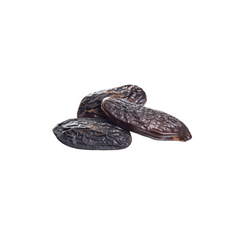
Tonka Bean Absolute

20–25% of blend

Rich in coumarin, it amplifies vanilla’s warmth and adds a subtle almond nuance through molecular resonance.

25%

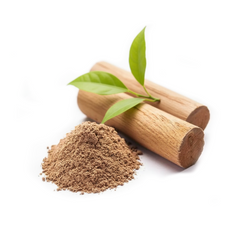
Sandalwood

20–25% of blend

Santalols in sandalwood create a creamy, long-lasting base that enhances vanilla’s smoothness and projection.

25%

Benzoin Resin

20–25% of blend

Benzoin’s benzoic acid esters reinforce the balsamic, ambery side of vanilla, increasing fixative power and complexity.

The Olfactory Layers

How Vanilla Evolves on Skin

Vanilla’s olfactory evolution is gradual: initial top notes are faint, giving way to a creamy, sweet heart and a persistent, woody-balsamic base. High molecular weight compounds like vanillin and coumarin evaporate slowly, ensuring longevity.

I
Top notes
0–15 min
Subtle Creaminess

Vanilla’s top notes are subtle, often masked by more volatile ingredients. Trace aldehydes and esters may impart a fleeting fruity or floral nuance, but the main impression is minimal due to vanillin’s low volatility.

subtlefaintly floralbarely sweet
II
Heart notes
20–60 min
Gourmand Warmth

The heart reveals vanilla’s core: vanillin and piperonal dominate, producing a creamy, custard-like sweetness with hints of caramel and almond. Coumarin from tonka bean or benzoin may reinforce this phase, adding warmth and roundness.

creamygourmandwarm
III
Base notes
Several hours
Woody Balsamic

The base is rich, woody, and balsamic, anchored by persistent vanillin, benzoin, and sandalwood. Subtle smoky or leathery undertones may emerge, especially in natural vanilla, due to trace phenolics and residual resins.

woodybalsamiclong-lasting
TOP NOTES Subtle Creaminess 0–15 minutes HEART NOTES Gourmand Warmth 20–60 minutes BASE NOTES Woody Balsamic Several hours
Through the Ages

The Story of Vanilla in Perfumery

Vanilla’s journey in perfumery spans from Aztec rituals to modern niche fragrances, marked by advances in extraction, synthesis, and global cultivation.

Pre-16th century

Aztec Use of Vanilla

The Aztecs cultivate Vanilla planifolia, using it to flavor xocoatl (cacao beverage) and in ceremonial offerings. Only the elite and priesthood have access to vanilla pods.

1841

Hand Pollination Revolution

Edmond Albius invents manual pollination on Réunion, enabling vanilla cultivation outside Mexico. This breakthrough leads to the rise of Madagascar and Réunion as major producers.

1874

Synthesis of Vanillin

German chemists Ferdinand Tiemann and Wilhelm Haarmann synthesize vanillin from coniferin, making vanilla’s signature aroma accessible and affordable for perfumery and food.

1925

Shalimar Launches the Oriental Genre

Jacques Guerlain’s Shalimar combines natural vanilla absolute with synthetic vanillin, creating the first true amber-oriental fragrance and establishing vanilla as a perfumery staple.

2000s–Present

Gourmand and Niche Vanilla Renaissance

Minimalist and complex vanilla fragrances proliferate, from Indult Tihota (2006) to Tom Ford Tobacco Vanille (2007), reflecting renewed interest in both natural and synthetic vanilla.

The Art of Layering

How to Layer Vanilla

Understanding how to layer vanilla is key to creating a balanced, multidimensional scent. Molecular compatibility with florals, spices, and woods allows vanilla to bridge and soften other notes.

01

Enhance Sweetness

Layer vanilla with tonka bean or benzoin to amplify creamy, gourmand facets. Both share coumarin and benzoic acid derivatives, creating a seamless, long-lasting sweetness. Fragrances like Guerlain Shalimar and Maison Francis Kurkdjian Gentle Fluidity Gold demonstrate this synergy.

02

Add Depth

Pair vanilla with sandalwood or patchouli for woody, earthy depth. Santalols and patchoulol molecules interact with vanillin, extending the base and adding complexity. Tom Ford Tobacco Vanille exemplifies this approach.

03

Lighten the Glow

Combine vanilla with citrus or green notes (bergamot, neroli) to brighten and freshen the composition. The high volatility of citrus aldehydes offsets vanilla’s heaviness, as seen in Diptyque Eau Duelle.

Wear It Right

How to Wear Vanilla Like a Pro

Seasonal Guide

Fall & Winter

Cool air suppresses volatility, allowing vanilla’s creamy, balsamic notes to linger. Apply to pulse points and clothing for maximum warmth and sillage. Layer with spices or woods for added depth.

Spring

Mild temperatures highlight vanilla’s floral and almond facets. Pair with light florals or citrus for a fresh, uplifting effect. Apply sparingly to avoid overwhelming lighter notes.

Summer

Heat increases volatility, amplifying vanilla’s sweetness and projection. Use lighter concentrations (EDT) or layer with citrus and green notes for balance. Avoid overapplication to prevent cloying effects.

Year-Round Tip

Adjust application based on humidity: in dry climates, vanilla may seem softer and more powdery; in humid conditions, its sweetness and sillage are enhanced. Test on skin before layering.

Application Points

Strategic application maximizes vanilla’s longevity and evolution on skin.

1

Neck

Pulse points on the neck radiate heat, enhancing vanilla’s projection and allowing the creamy heart to develop fully.

2

Behind the Ears

This area is slightly cooler, slowing evaporation and preserving vanilla’s base notes for a longer-lasting scent.

3

Inner Wrists

Frequent movement and warmth help vanilla’s sweet, gourmand facets diffuse, but avoid rubbing to prevent molecular breakdown.

4

Hair

Hair fibers retain heavier molecules like vanillin, offering a subtle, lingering vanilla aura throughout the day.

Pro Tip

Layer vanilla-based fragrance over unscented moisturizer to lock in scent and enhance longevity, especially in dry climates.

Mood Architecture™

Top Vanilla Fragrances by Mood Score

These Vanilla-based fragrances scored highest on the MEI™ Mood Architecture Framework — measuring how a scent may influence your emotional state.

Highest MEI Score
Alexandria II — Xerjoff Alexandria II Alternative Perfume
8.87
MEI™
Primary Confident
Secondary Romantic
Confidence
8.92
Presence
9.25
Mood Lift
8.91
Identity
9.23
Warmth
9.5
Social Ease
8.67
Energy
4.5
" I am unstoppable.
View full mood profile →
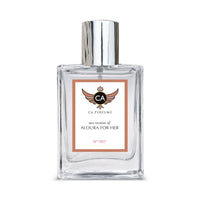
Aloura For Her — Chanel Allure For Her Alternative Perfume
8.68
MEI™
Primary Romantic
Secondary Confident
Confidence
7.83
Presence
8.15
Mood Lift
9.5
Identity
7.83
Warmth
9.5
Social Ease
9.5
Energy
4.6
" I am beautiful.
View full mood profile →
Beautifully Me — Estee Lauder Beautiful Alternative Perfume
8.56
MEI™
Primary Romantic
Secondary Confident
Confidence
7.87
Presence
8.75
Mood Lift
9.5
Identity
8.27
Warmth
9.49
Social Ease
8.35
Energy
4.5
" I am beautiful.
View full mood profile →
Noir Extreme — Tom Ford Noir Extreme Alternative Cologne
8.39
MEI™
Primary Romantic
Secondary Confident
Confidence
8.24
Presence
7.55
Mood Lift
8.93
Identity
7.5
Warmth
9.5
Social Ease
8.54
Energy
3.6
" I am beautiful.
View full mood profile →
HumanSafe™

Top Vanilla Fragrances by HumanSafe™ Score

These Vanilla-based fragrances have the highest product-level HumanSafe™ scores in this ingredient collection.

Highest HumanSafe™ Score
Women in Gold — Women In Gold Alternative Perfume
A-
HumanSafe™ Score Generally Safe
Safest Evaluated Ingredients EDP
AQUA Solvent / Carrier ISS 10.0
3-BUTEN-2-ONE, 3-METHYL-4-(2,6,6-TRIMETHYL-2- Evaluated ingredient ISS 8.0
LINALYL ACETATE Evaluated ingredient ISS 7.0
LINALOOL Evaluated ingredient ISS 7.0
ALCOHOL DENAT. Solvent / Carrier ISS 7.0
3-BUTEN-2-ONE, 4-(2,6,6-TRIMETHYL-1-CYCLOHEXEN-1- Evaluated ingredient ISS 7.0
View full safety profile →
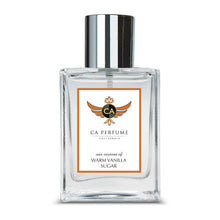
Warm Vanilla Sugar — Bath & Body Work WARM VANILLA SUGAR Alternative Perfume
A-
HumanSafe™ Score Generally Safe
Safest Evaluated Ingredients EDP
AQUA Solvent / Carrier ISS 10.0
2H-1-BENZOPYRAN-6-OL, 3,4-DIHYDRO-2,5,7,8-TETRAMETHYL- Evaluated ingredient ISS 8.0
LINALOOL Evaluated ingredient ISS 7.0
BENZALDEHYDE, 3,4-DIMETHOXY- Evaluated ingredient ISS 7.0
ALCOHOL DENAT. Solvent / Carrier ISS 7.0
1,3,4,6,7,8-HEXAHYDRO-4,6,6,7,8,8-HEXAMETHYLINDENO[5,6- Evaluated ingredient ISS 7.0
View full safety profile →
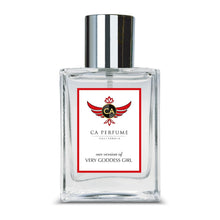
Very Goddess Girl — Very Good Girl Alternative Perfume
A-
HumanSafe™ Score Generally Safe
Safest Evaluated Ingredients EDP
OXACYCLOHEPTADEC-10-EN-2-ONE Evaluated ingredient ISS 10.0
AQUA Solvent / Carrier ISS 10.0
2H-1-BENZOPYRAN-2-ONE Evaluated ingredient ISS 8.0
LINALYL ACETATE Evaluated ingredient ISS 7.0
LINALOOL Evaluated ingredient ISS 7.0
ALCOHOL DENAT. Solvent / Carrier ISS 7.0
View full safety profile →
Vanilla Sex — Tom Ford Vanilla Sex Alternative Perfume
A-
HumanSafe™ Score Generally Safe
Safest Evaluated Ingredients EDP
AQUA Solvent / Carrier ISS 10.0
1,4-DIOXACYCLOHEPTADECANE-5,17-DIONE Evaluated ingredient ISS 10.0
2H-1-BENZOPYRAN-2-ONE Evaluated ingredient ISS 8.0
LINALOOL Evaluated ingredient ISS 7.0
ALCOHOL DENAT. Solvent / Carrier ISS 7.0
2H-1-BENZOPYRAN-6-OL, 3,4-DIHYDRO-2,5,7,8- Evaluated ingredient ISS 7.0
View full safety profile →
Expert Voices

What Masters Say About Vanilla

Vanilla is a cornerstone in the perfumer’s palette—not just for its scent, but for its structure. Often used as a base note, it provides depth, warmth, and longevity.
CA Perfume Editorial
The scent of vanilla consists of several components, main of which are vanillin and piperonal (heliotropine).
Fragrantica Editorial
Common Questions

Frequently Asked Questions

Answers to common questions about vanilla’s scent, usage, and performance in perfumery.

Vanilla in perfume smells creamy, sweet, and woody, with subtle balsamic and spicy undertones. The primary molecule, vanillin, imparts a custard-like warmth, while natural vanilla absolute adds complexity with hints of treacle, caramel, and even smoky or boozy nuances. The scent evolves from a soft, gourmand opening to a persistent, enveloping base, making vanilla both comforting and sophisticated. Iconic fragrances like Guerlain Shalimar and Indult Tihota showcase vanilla’s multifaceted character.

Vanilla is almost always used as a base note in perfumery due to its high molecular weight and low volatility. Its main components, such as vanillin and piperonal, evaporate slowly, anchoring the fragrance and providing longevity. While some lighter vanilla derivatives may appear in heart notes, true vanilla absolute or tincture is reserved for the base, where it imparts depth, warmth, and a long-lasting creamy sweetness.

Vanilla is favored in niche perfumery for its versatility, molecular complexity, and emotional resonance. It can soften sharp florals, sweeten woody or spicy compositions, and add creaminess to citrus blends. Niche brands often use high-quality natural vanilla absolute or innovative synthetic derivatives to create unique, multi-layered accords. Vanilla’s ability to evoke comfort, nostalgia, and sophistication makes it a perennial favorite among perfumers and fragrance enthusiasts.

Vanilla fragrance uses include pairing with tonka bean (for almond and coumarin warmth), sandalwood (for creamy, woody depth), benzoin (for balsamic richness), and patchouli (for earthy complexity). Florals like rose and jasmine, spices like cinnamon and clove, and citrus notes such as bergamot also complement vanilla, creating balanced, multidimensional accords. These combinations are found in classics like Tom Ford Tobacco Vanille and Diptyque Eau Duelle.

Vanilla can be worn year-round, but its performance in summer depends on concentration and pairing. In hot weather, vanilla’s sweetness and projection are amplified due to increased volatility. Lighter concentrations (EDT) or blends with citrus and green notes prevent cloying effects. For best results, apply sparingly and consider layering with fresher notes to maintain balance and wearability.

Vanilla is renowned for its longevity as a base note, typically lasting 8–12 hours in Eau de Parfum or Parfum formats. Its high molecular weight and low volatility ensure that the creamy, woody, and balsamic facets persist on skin and clothing. Oil-based or higher-concentration formulations may extend longevity even further, while lighter formats (EDT) offer a more transient vanilla impression.

Yes, vanilla is one of the most versatile notes for layering. Its molecular compatibility with florals, woods, and spices allows it to bridge and soften other notes. For example, layering vanilla with tonka bean or benzoin enhances sweetness, while pairing with sandalwood or patchouli adds depth. Always test combinations on skin to ensure harmonious evolution and avoid overpowering lighter notes.

Beginner-friendly vanilla perfumes include Guerlain Shalimar (for a classic amber-vanilla blend), Diptyque Eau Duelle (for a fresh, spicy vanilla), and Indult Tihota (for pure vanilla absolute). These fragrances offer a range of vanilla expressions, from complex and layered to minimalist and linear, allowing newcomers to explore the note’s versatility.

At CA Perfume, you can select vanilla fragrances based on concentration, pairing notes, and desired complexity. The HumanSafe™ platform provides transparency on natural versus synthetic vanilla content and allergen compliance. Sampling different vanilla-centric fragrances—ranging from gourmand to woody or floral—helps identify your preferred style and performance.

Vanilla’s sweetness can be tailored through concentration and pairing. While some vanilla fragrances are overtly gourmand, many modern compositions balance vanilla with woods, spices, or citrus for a more nuanced, wearable profile. Choosing lighter concentrations or blends with green or floral notes ensures vanilla remains versatile and suitable for daily use.

Amber Gourmand Collection

Explore Our Top Vanilla Fragrances

Discover CA Perfume’s most-loved vanilla scents, from classic amber blends to modern gourmand creations.

Shop all vanilla fragrances at CA Perfume →

Where Vanilla Comes From — Origin & Extraction

Vanilla used in perfumery is primarily derived from the cured seed pods of Vanilla planifolia, a tropical climbing orchid native to Mexico but now cultivated extensively in Madagascar (producing over 60% of the world’s supply), Réunion (formerly Île Bourbon), Tahiti, and Mexico. The pods undergo a labor-intensive process: hand pollination (outside Mexico, due to the absence of native Melipona bees), harvesting at 8–9 months, scalding, sweating, sun-drying, and curing for up to 6 months to develop their characteristic aroma. Extraction for perfumery typically involves solvent extraction (using hexane or ethanol) to yield vanilla absolute—a viscous, dark brown liquid with a yield of approximately 1–2% by weight of cured pods. Supercritical CO2 extraction is increasingly used for its lower temperature (35–40°C) and ability to capture delicate top notes, resulting in a truer-to-pod scent profile. Alcoholic tinctures (maceration in ethanol) are less common due to lower aromatic intensity. Natural vanilla absolute is among the most expensive perfumery ingredients, with prices ranging from $4,000 to $8,000 per kilogram depending on origin and quality. In contrast, synthetic vanillin (CAS 121-33-5), typically produced from lignin or guaiacol, costs $10–20/kg, while ethyl vanillin (CAS 121-32-4), which is three times as potent, is priced around $50–100/kg. Sustainability concerns include deforestation, monoculture farming, and market volatility due to crop failures and theft. Certified sustainable vanilla (e.g., Fair for Life, Rainforest Alliance) is gaining traction, with traceability and ethical sourcing now prioritized by leading fragrance houses. Synthetic vanilla derivatives offer a more stable, lower-impact alternative, but lack the full spectrum of natural vanilla’s aroma.

Famous Fragrances That Define Vanilla in Perfumery

Vanilla has shaped the evolution of perfumery from the early 20th century to the present, serving as both a dominant note and a subtle accent. Guerlain’s Shalimar (1925, Jacques Guerlain) is widely recognized as the first fragrance to use synthetic vanillin in combination with natural vanilla absolute, establishing the oriental amber genre. Dior Addict (2002, Thierry Wasser) leverages vanilla as a creamy, enveloping base, paired with orange blossom and tonka bean for a modern floral-gourmand effect. Tom Ford’s Tobacco Vanille (2007, Olivier Gillotin) demonstrates vanilla’s ability to bridge spicy tobacco and dried fruit notes, while Indult’s Tihota (2006, Francis Kurkdjian) is a minimalist showcase of pure vanilla absolute and musk. Maison Francis Kurkdjian Gentle Fluidity Gold (2018, Francis Kurkdjian) uses vanilla as a backbone for a musky, amber accord, highlighting its versatility in both feminine and unisex compositions. In CA Perfume’s collection, vanilla is featured in both classic and contemporary interpretations, reflecting its enduring appeal and adaptability.

Natural vs Synthetic Vanilla in Perfumery

Natural vanilla absolute is a complex mixture dominated by vanillin (1.5–2% of cured pod mass), piperonal, eugenol, and anisaldehyde, yielding a nuanced, multi-dimensional scent. Synthetic vanillin (CAS 121-33-5) and ethyl vanillin (CAS 121-32-4) are the most common aroma chemicals used to replicate vanilla’s sweetness and warmth. Ethyl vanillin, in particular, is three to four times stronger than vanillin and imparts a more pronounced, creamy sweetness. Other synthetic molecules include heliotropin (piperonal, CAS 120-57-0) for almond-floral facets and maltol (CAS 118-71-8) for caramelized sugar effects. Performance-wise, synthetics offer greater stability, batch consistency, and enhanced longevity, especially in high-temperature or light-exposed formulations. They are also free from the agricultural risks and supply chain disruptions that affect natural vanilla. However, natural vanilla’s complexity and trace volatiles are difficult to fully reproduce, resulting in a less rounded scent profile for synthetics. Iconic fragrances such as Guerlain Shalimar and Tom Ford Vanilla utilize both natural and synthetic vanilla for balance, while mass-market and body sprays often rely solely on synthetics for cost efficiency. The HumanSafe™ platform at CA Perfume ensures ingredient transparency, with all vanilla-containing fragrances disclosing the proportion of natural versus synthetic vanilla and verifying allergen compliance.