
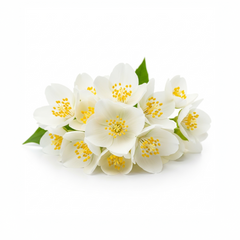
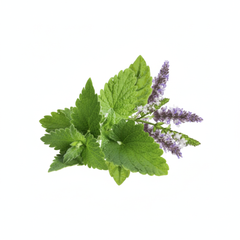
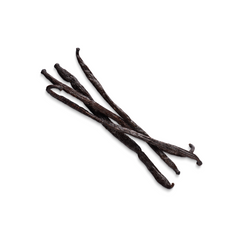
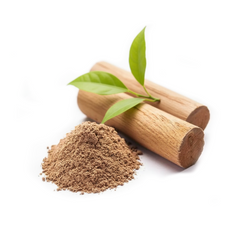
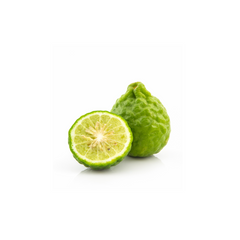
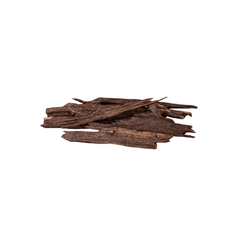
This is soooo nice !!!! Very much like wu long cha, or ethereal wave from liss but a fraction of the cost ! Full bottle worthy if you like tea scents.
Smells like heaven. Fast shipping. I will purchase from this company again.
From dew-laden petals to spicy absolutes, rose defines perfumery.
In perfumery, rose is a heart note renowned for its complex, multifaceted scent profile—ranging from fresh and dewy to spicy and honeyed. Its main odorants include phenylethyl alcohol, citronellol, and geraniol, with typical concentrations in fine fragrance between 0.5–2%.

Rose in perfumery is not a singular scent but a complex olfactory spectrum shaped by hundreds of volatile compounds. The primary molecular contributors are phenylethyl alcohol (floral, honeyed), citronellol (fresh, citrusy), and geraniol (green, rosy). Depending on extraction and species, rose can present as dewy and green (Rosa centifolia), spicy and rich (Rosa damascena), or even fruity, powdery, or musky. This multifaceted character is why the question 'what does rose smell like' yields such a broad answer: it can be crisp and lemony, jammy and plush, or dark and velvety, with nuances of honey, spice, or even tobacco. In perfumery, rose is most commonly used as a heart note, acting as the structural bridge between volatile top notes and long-lasting base notes. Typical concentrations range from 0.5% in light floral compositions to 2% or higher in soliflore or oriental fragrances. Rose’s interaction with skin chemistry is notable—its aldehydic and phenolic components can shift in warmth and intensity depending on skin pH and moisture, sometimes amplifying powdery facets or deepening spicy undertones. Rose in perfumery is exemplified by iconic fragrances such as Frédéric Malle Portrait of a Lady (2010, Dominique Ropion), where Turkish rose absolute is paired with patchouli and incense for a dramatic, modern effect, and Maison Francis Kurkdjian A La Rose (2014, Francis Kurkdjian), which highlights the fresh, green facets of Damask rose. These compositions demonstrate rose’s versatility and enduring significance in both classic and contemporary perfumery.
The scent profile of rose is shaped by its terroir—soil, climate, and cultivation practices. High-altitude, mineral-rich soils in Bulgaria and Turkey yield Damask roses with intense, spicy facets, while Grasse’s mild climate produces Rosa centifolia with delicate, honeyed notes.
The primary botanical sources for perfumery rose are Rosa damascena (Damask rose) and Rosa centifolia (Rose de Mai). Rosa damascena is cultivated extensively in Bulgaria’s Rose Valley (producing approximately 70% of global rose oil, with annual yields around 1.5–2 tons of oil from 100,000+ tons of petals), Turkey (notably Isparta), Morocco (Dades Valley), and Iran. Rosa centifolia is grown primarily around Grasse, France, in limited quantities. Extraction methods include steam distillation (yielding rose otto or attar of roses), solvent extraction (producing rose absolute), and supercritical CO2 extraction. Steam distillation is performed at temperatures below 100°C to prevent degradation of key volatiles; it takes roughly 3,500–5,000 kg of petals to produce 1 kg of rose otto. Solvent extraction, often using hexane followed by ethanol, yields rose concrete, which is then processed into absolute—this method preserves more of the delicate, fruity, and spicy facets. Supercritical CO2 extraction is increasingly used for its ability to capture a broader spectrum of odorants at lower temperatures. Natural rose absolute can cost $7,000–12,000 per kg, while rose otto is similarly expensive due to low yields and labor intensity. Synthetic rose aroma chemicals (e.g., phenylethyl alcohol, geraniol) are considerably less costly, at $20–100 per kg. Sustainability concerns include water usage, labor conditions, and the impact of monoculture farming; some producers are shifting to organic and fair-trade practices. Synthetic production reduces pressure on natural resources and enables greater supply chain transparency.
The Rose Valley (Kazanlak region) produces over 70% of the world’s rose oil. Its loamy soils and cool, humid mornings yield Damask roses with pronounced spicy and citrusy facets. Annual production exceeds 1.5 tons of oil, with strict PDO standards ensuring quality.
Isparta province is renowned for Damask rose cultivation, with unique volcanic soils and high-altitude fields. Turkish rose oil is noted for its deep, rich aroma and high citronellol content. Production is highly seasonal, with harvests in May–June.
The Dades Valley produces Damask roses with a slightly fruitier, honeyed scent due to arid climate and mineral-rich soils. Moroccan rose oil is prized for its balance of floral and spicy notes, with annual exports increasing steadily.
Grasse, in Provence, is famed for Rosa centifolia (Rose de Mai). The region’s mild, Mediterranean climate and limestone soils yield roses with delicate, powdery, and honeyed nuances. Production is limited, making Grasse rose absolute highly sought after.
Natural rose extracts—rose otto (CAS 8007-01-0) and rose absolute—contain over 400 volatile compounds, including phenylethyl alcohol, citronellol, geraniol, nerol, and trace β-damascenone. Synthetic rose notes are typically constructed from a blend of these key molecules: phenylethyl alcohol (CAS 60-12-8), citronellol (CAS 106-22-9), geraniol (CAS 106-24-1), and supporting materials such as rose oxide (CAS 16409-43-1), β-damascenone (CAS 23696-85-7), and β-ionone (CAS 14901-07-6). Synthetics offer greater batch-to-batch consistency, enhanced stability, and improved allergen control, while natural extracts provide greater olfactory complexity and subtlety. Cost differences are significant: natural rose absolute can exceed $10,000/kg, while a synthetic rose accord costs $50–200/kg. Longevity and projection are often superior in synthetic blends due to higher concentrations of stable molecules. Notable fragrances using natural rose include Serge Lutens La Fille de Berlin (2013) and Chanel No. 5 (1921), while synthetic rose is prominent in Le Labo Rose 31 (2006) and Mancera Roses Vanille (2011). Sustainability is a key driver for synthetic adoption, reducing land and water use and supporting ethical sourcing. The HumanSafe™ platform at CA Perfume verifies ingredient transparency and allergen management for both natural and synthetic rose materials.
Rose has been a cornerstone of perfumery for centuries, with its role evolving from classical soliflore compositions to complex, modern blends. In Guerlain Nahema (1979, Jean-Paul Guerlain), rose absolute is the dominant note, paired with peach and passionfruit for a lush, oriental effect. Serge Lutens La Fille de Berlin (2013, Christopher Sheldrake) uses Turkish rose with pepper and patchouli, creating a dark, spicy interpretation. Frédéric Malle Portrait of a Lady (2010, Dominique Ropion) features an overdose of Turkish rose absolute, anchored by patchouli, incense, and blackcurrant, redefining the modern rose chypre. Maison Francis Kurkdjian A La Rose (2014, Francis Kurkdjian) highlights the fresh, green facets of Damask rose, supported by violet and musk. Byredo Rose of No Man’s Land (2015, Jérôme Epinette) presents a clean, dewy rose, softened by raspberry and papyrus. CA Perfume’s rose-inspired collection draws on this lineage, offering both classic and contemporary interpretations.
A modern rose accord balances natural and synthetic materials for depth and realism. Typical proportions: Rose absolute 25–30%, Geraniol 20–25%, Patchouli 20–25%, Ambrette seed 20–25%. Rose absolute provides the core floral signature; geraniol amplifies green, rosy facets; patchouli adds earthy, woody depth via sesquiterpenes; ambrette seed introduces musky, slightly fruity nuances, enhancing longevity and skin affinity.
Rose absolute delivers the central floral signature, rich in phenylethyl alcohol and damascenone, providing depth and complexity.
Geraniol, a major rose odorant, boosts green, fresh facets and supports the floral heart, enhancing realism and projection.
Patchouli’s sesquiterpenes provide earthy, woody depth, grounding the accord and extending longevity.
Ambrette seed introduces musky, slightly fruity nuances, enhancing the accord’s sillage and skin-like warmth.
Rose’s olfactory evolution unfolds over hours: initial top notes are shaped by volatile aldehydes and green facets, followed by a heart dominated by phenylethyl alcohol and damascenone, and a base enriched by musky, woody molecules. Evaporation rates and molecular weights determine each stage’s prominence.
The opening is marked by green, citrusy aldehydes and linalool, providing a fresh, dewy impression. These high-volatility molecules evaporate quickly, giving way to the floral heart. The initial impression is crisp, slightly lemony, and airy.
The core of rose’s scent emerges as phenylethyl alcohol, geraniol, and damascenone dominate. This stage is intensely floral, honeyed, and slightly spicy, with hints of fruit and powder. These mid-weight molecules linger, forming the signature rose character.
As the fragrance dries down, heavier molecules like β-ionone, ambrettolide, and patchouli anchor the scent. The base is musky, woody, and subtly sweet, with a lingering warmth that enhances rose’s longevity and depth.
Rose has shaped perfumery from antiquity to the present, evolving with advances in extraction and chemistry.
Roses were prized in ancient Persia, Egypt, and Rome for their fragrance and medicinal properties. Rosewater and rose oil were used in religious ceremonies, cosmetics, and culinary preparations.
Persian alchemists perfected steam distillation of rose petals, producing attar of roses. This innovation spread to the Ottoman Empire and Europe, establishing rose oil as a luxury commodity.
Rosa centifolia cultivation in Grasse, France, led to the production of Rose de Mai absolute, prized for its delicate, powdery scent. Grasse became a global hub for fine fragrance production.
Ernest Beaux’s iconic Chanel No. 5 used both natural and synthetic rose materials, demonstrating the versatility and modernity of rose in perfumery.
Contemporary perfumers such as Dominique Ropion (Portrait of a Lady, 2010) and Francis Kurkdjian (A La Rose, 2014) redefined rose with innovative accords, blending natural extracts and cutting-edge synthetics for new olfactory expressions.
Understanding how to layer rose involves molecular compatibility—shared odorants and olfactory masking create harmonious blends. The question of 'how to layer rose' is best answered by examining the interplay of floral, woody, and gourmand notes.
Layering rose with vanilla or tonka bean leverages vanillin’s olfactory masking effect, softening rose’s sharp edges and amplifying its honeyed, gourmand facets. This technique is exemplified in Mancera Roses Vanille, where rose and vanilla create a creamy, enveloping accord.
Pairing rose with oud or patchouli introduces shared woody and earthy molecules (e.g., patchoulol, guaiacol), deepening the scent and extending longevity. Frédéric Malle Portrait of a Lady demonstrates this synergy, with patchouli anchoring the rose heart.
Combining rose with citrus notes such as bergamot or grapefruit utilizes shared aldehydes and terpenes, brightening the composition and enhancing freshness. Maison Francis Kurkdjian A La Rose uses this approach for a luminous, airy effect.
In cooler weather, rose’s heavier, spicy, and musky facets are more pronounced, while lower temperatures slow evaporation, prolonging wear. Apply to pulse points and layer with amber or oud for added warmth and sillage.
Spring’s moderate temperatures highlight rose’s fresh, green, and dewy notes. The scent projects well without becoming overwhelming. Pair with citrus or violet for a light, uplifting effect.
Heat increases volatility, causing top notes to evaporate quickly and intensifying projection. Opt for lighter concentrations (EDT or body mist) and apply sparingly. Combine with aquatic or citrus notes for a refreshing, airy impression.
Adjust application and layering based on climate and occasion. In humid conditions, rose’s sillage is amplified; in dry environments, moisturize skin before application to enhance longevity.
Strategic application enhances rose’s evolution and projection.
Pulse points on the neck radiate heat, accelerating the release of rose’s top and heart notes for immediate impact.
This area is slightly cooler, allowing rose’s floral heart to linger and evolve gradually, enhancing longevity.
Wrist application exposes rose to movement and warmth, intensifying projection and facilitating olfactory transitions.
Spraying rose on hair provides a subtle, long-lasting trail, as hair fibers retain scent molecules and release them with movement.
Layer rose with a neutral or musky base lotion to anchor volatile top notes and extend the fragrance’s lifespan.
These Rose-based fragrances scored highest on the MEI™ Mood Architecture Framework — measuring how a scent may influence your emotional state.
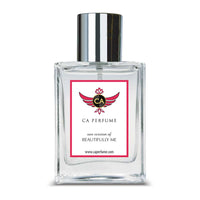
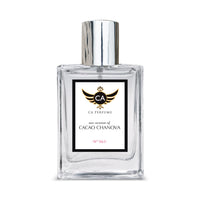
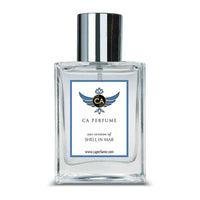

These Rose-based fragrances have the highest product-level HumanSafe™ scores in this ingredient collection.
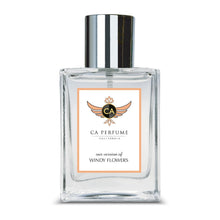
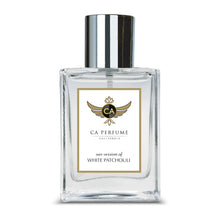
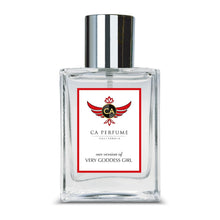
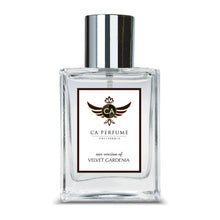
Rose in perfumery is a whole universe, not a single flower. It can smell like fresh petals torn in the morning, cool and dewy, or like a heavy bouquet left in a warm room, thick with sweetness and faint spice.
Rose comprises more than 400 known constituents, with a variety of reconstructions across every price point. Its scent is powerful and rich, with floral and fruity facets of contrast: sweet yet spicy, green yet honeyed.
Rose pairs well with a wide range of complementary ingredients, each enhancing specific facets of its scent profile.
Answers to common questions about rose in perfumery.
Rose in perfume can range from fresh, dewy, and green to rich, honeyed, and spicy. The scent is shaped by hundreds of volatile compounds, including phenylethyl alcohol (floral, honeyed), citronellol (citrusy), and damascenone (fruity, powdery). Depending on extraction and species, rose can present as crisp and lemony, jammy and plush, or dark and velvety. Notable examples include the fresh, green rose in Maison Francis Kurkdjian A La Rose and the spicy, dramatic rose in Frédéric Malle Portrait of a Lady.
Rose is most commonly used as a heart (middle) note in fragrance compositions. Its molecular weight and volatility allow it to bridge the transition between fleeting top notes and long-lasting base notes. However, in some compositions, rose can appear in the top or base, depending on the supporting ingredients and extraction method.
Rose’s complex chemistry and versatility make it a favorite in niche perfumery. It can be shaped to express fresh, spicy, fruity, or even woody facets, allowing perfumers to create unique, signature scents. Its historical significance and association with luxury and romance also contribute to its enduring popularity.
Rose fragrance uses often involve pairing with patchouli, oud, vanilla, jasmine, and citrus notes. These combinations exploit molecular affinities—patchouli and oud add depth via shared woody molecules, while vanilla and jasmine enhance floral and gourmand aspects. Citrus notes brighten the composition with shared aldehydes and terpenes.
Rose can be worn year-round, but in summer, lighter concentrations (EDT or body mist) and fresh, green rose compositions are preferable. Heat increases volatility, causing top notes to evaporate quickly and intensifying projection. Pairing rose with citrus or aquatic notes creates a refreshing, airy effect suitable for hot weather.
Longevity depends on concentration and formulation. Parfum and EDP formats with high-quality rose absolute can last 6–12 hours, while EDTs may last 3–5 hours. Oil-based or resinous compositions extend wear by slowing evaporation. Skin chemistry, application method, and climate also influence longevity.
Yes, rose is highly versatile for layering. It blends well with vanilla (for sweetness), oud or patchouli (for depth), and citrus (for freshness). Layering exploits molecular compatibility—shared odorants and olfactory masking create harmonious blends. Notable layered examples include Mancera Roses Vanille and Frédéric Malle Portrait of a Lady.
Beginner-friendly rose perfumes include Maison Francis Kurkdjian A La Rose (fresh, green), Byredo Rose of No Man’s Land (clean, dewy), and Diptyque Eau Rose (fruity, floral). These fragrances showcase rose’s versatility in approachable, modern compositions.
Explore CA Perfume’s rose collection by considering your preferred scent profile—fresh and green, spicy and woody, or sweet and gourmand. Sample different concentrations and note pairings to find the rose interpretation that best suits your skin chemistry and style.
Rose is traditionally associated with femininity, but modern perfumery increasingly uses rose in unisex and masculine compositions. When paired with oud, patchouli, or spices, rose takes on a darker, more gender-neutral character, as seen in fragrances like Le Labo Rose 31 and Amouage Epic Man.
Discover CA Perfume’s curated selection of rose fragrances, from classic soliflores to modern, layered compositions.
Shop all rose fragrances at CA Perfume →The primary botanical sources for perfumery rose are Rosa damascena (Damask rose) and Rosa centifolia (Rose de Mai). Rosa damascena is cultivated extensively in Bulgaria’s Rose Valley (producing approximately 70% of global rose oil, with annual yields around 1.5–2 tons of oil from 100,000+ tons of petals), Turkey (notably Isparta), Morocco (Dades Valley), and Iran. Rosa centifolia is grown primarily around Grasse, France, in limited quantities. Extraction methods include steam distillation (yielding rose otto or attar of roses), solvent extraction (producing rose absolute), and supercritical CO2 extraction. Steam distillation is performed at temperatures below 100°C to prevent degradation of key volatiles; it takes roughly 3,500–5,000 kg of petals to produce 1 kg of rose otto. Solvent extraction, often using hexane followed by ethanol, yields rose concrete, which is then processed into absolute—this method preserves more of the delicate, fruity, and spicy facets. Supercritical CO2 extraction is increasingly used for its ability to capture a broader spectrum of odorants at lower temperatures. Natural rose absolute can cost $7,000–12,000 per kg, while rose otto is similarly expensive due to low yields and labor intensity. Synthetic rose aroma chemicals (e.g., phenylethyl alcohol, geraniol) are considerably less costly, at $20–100 per kg. Sustainability concerns include water usage, labor conditions, and the impact of monoculture farming; some producers are shifting to organic and fair-trade practices. Synthetic production reduces pressure on natural resources and enables greater supply chain transparency.
Rose has been a cornerstone of perfumery for centuries, with its role evolving from classical soliflore compositions to complex, modern blends. In Guerlain Nahema (1979, Jean-Paul Guerlain), rose absolute is the dominant note, paired with peach and passionfruit for a lush, oriental effect. Serge Lutens La Fille de Berlin (2013, Christopher Sheldrake) uses Turkish rose with pepper and patchouli, creating a dark, spicy interpretation. Frédéric Malle Portrait of a Lady (2010, Dominique Ropion) features an overdose of Turkish rose absolute, anchored by patchouli, incense, and blackcurrant, redefining the modern rose chypre. Maison Francis Kurkdjian A La Rose (2014, Francis Kurkdjian) highlights the fresh, green facets of Damask rose, supported by violet and musk. Byredo Rose of No Man’s Land (2015, Jérôme Epinette) presents a clean, dewy rose, softened by raspberry and papyrus. CA Perfume’s rose-inspired collection draws on this lineage, offering both classic and contemporary interpretations.
Natural rose extracts—rose otto (CAS 8007-01-0) and rose absolute—contain over 400 volatile compounds, including phenylethyl alcohol, citronellol, geraniol, nerol, and trace β-damascenone. Synthetic rose notes are typically constructed from a blend of these key molecules: phenylethyl alcohol (CAS 60-12-8), citronellol (CAS 106-22-9), geraniol (CAS 106-24-1), and supporting materials such as rose oxide (CAS 16409-43-1), β-damascenone (CAS 23696-85-7), and β-ionone (CAS 14901-07-6). Synthetics offer greater batch-to-batch consistency, enhanced stability, and improved allergen control, while natural extracts provide greater olfactory complexity and subtlety. Cost differences are significant: natural rose absolute can exceed $10,000/kg, while a synthetic rose accord costs $50–200/kg. Longevity and projection are often superior in synthetic blends due to higher concentrations of stable molecules. Notable fragrances using natural rose include Serge Lutens La Fille de Berlin (2013) and Chanel No. 5 (1921), while synthetic rose is prominent in Le Labo Rose 31 (2006) and Mancera Roses Vanille (2011). Sustainability is a key driver for synthetic adoption, reducing land and water use and supporting ethical sourcing. The HumanSafe™ platform at CA Perfume verifies ingredient transparency and allergen management for both natural and synthetic rose materials.