
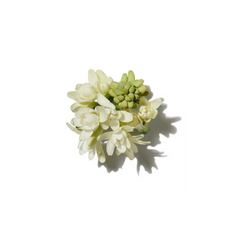
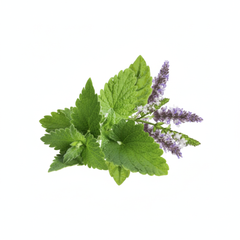
This is soooo nice !!!! Very much like wu long cha, or ethereal wave from liss but a fraction of the cost ! Full bottle worthy if you like tea scents.
Smells like heaven. Fast shipping. I will purchase from this company again.
The queen of white florals—complex, radiant, and unmistakable.
Jasmine is a cornerstone heart note in perfumery, prized for its multifaceted floral, sweet, and musky character. Its scent is defined by indole, benzyl acetate, and jasmone, with typical usage at 0.2–2% of a fragrance formula.

Jasmine, botanically Jasminum grandiflorum or Jasminum sambac, is renowned in perfumery for its intensely floral, sweet, and slightly animalic scent. Its olfactory signature is shaped by a complex blend of molecules: benzyl acetate (34%), benzyl benzoate (24%), linalool (8%), cis-jasmone (3%), and indole (2.5%). Indole, in particular, imparts the musky, sometimes animalic undertone that gives jasmine its sensual depth, while methyl anthranilate and cis-3-hexenyl acetate contribute green and fruity nuances. The result is a note that can be creamy, luminous, or sultry, depending on species and extraction. In perfumery, jasmine is classified as a heart (middle) note, typically used at concentrations ranging from 0.2% to 2% of the total formula. Its volatility is moderate, allowing it to bridge the transition between fleeting top notes and long-lasting base notes. Jasmine’s interaction with skin chemistry is notable: acidic skin can amplify its green facets, while warmer, more alkaline skin may enhance its creamy, indolic warmth. This variability contributes to jasmine’s reputation for evolving uniquely on each wearer. Jasmine in perfumery is foundational to both classic and modern compositions. In Chanel No. 5 (1921, Ernest Beaux), jasmine absolute from Grasse forms the heart of the iconic bouquet. More recently, Gucci Bloom (2017, Alberto Morillas) showcases jasmine as a dominant note, paired with tuberose and Rangoon creeper for a radiant, modern white floral accord. These examples illustrate jasmine’s versatility—from supporting note in complex florals to starring role in soliflores and contemporary blends.
Jasmine’s scent character is shaped by terroir—soil, climate, and harvesting practices. Warm, humid nights and rich, well-drained soils yield the most indolic, opulent absolutes.
Jasmine used in perfumery is primarily sourced from Jasminum grandiflorum (Royal Jasmine) and Jasminum sambac (Arabian Jasmine), both members of the Oleaceae family. The main producing countries are Egypt (accounting for approximately 70% of global jasmine absolute production, with annual yields around 50 metric tons), India (notably the Madurai region, producing up to 30 metric tons), and Morocco (noted for high-quality grandiflorum). Smaller quantities come from France (Grasse), China, and Italy. Jasmine flowers must be hand-harvested at dawn, as their volatile compounds peak in the early morning. Extraction is performed via solvent extraction, typically using hexane to produce a concrete, which is then washed with ethanol to yield the absolute. Yields are extremely low: approximately 1 kg of absolute requires 7–8 million blossoms (roughly 800 hours of labor). Traditional enfleurage, once common in Grasse, is now rare due to inefficiency. Modern innovations include supercritical CO2 extraction, which preserves delicate aroma compounds and improves sustainability by reducing solvent use. Steam distillation is unsuitable, as heat degrades key molecules like indole and jasmone. Natural jasmine absolute commands prices of $4,000–$10,000 per kg, depending on origin and quality. Synthetic substitutes, such as hedione (methyl dihydrojasmonate, CAS 24851-98-7), cost $50–$200 per kg. Sustainability challenges include high water and labor requirements, with some producers adopting fair-trade and organic certifications. Synthetic production reduces pressure on natural resources but can lack the complexity of true jasmine absolute.
The Nile Delta, especially around Gharbia and Fayoum, produces over 70% of global jasmine absolute. Egyptian jasmine is noted for its balanced floral and indolic profile, with moderate sweetness and green undertones due to alluvial soils and high humidity. Annual production exceeds 50 metric tons.
Madurai in Tamil Nadu is famed for sambac jasmine, with a greener, more herbal aroma and pronounced indole. The region’s red loamy soils and monsoon climate yield a distinctive, robust absolute. India supplies up to 30 metric tons annually, with GI status for Madurai Malli.
The El Kelaa des Sraghna region produces high-quality grandiflorum with a honeyed, fruity nuance. Calcareous soils and dry, warm summers concentrate aroma compounds, resulting in a sweeter, less indolic profile. Morocco accounts for 5–10% of global supply.
Grasse, in Provence-Alpes-Côte d’Azur, is historically renowned for jasmine cultivation. The region’s limestone-rich soils and Mediterranean climate produce a delicate, creamy absolute with subtle green notes. Production is now limited (<2 metric tons/year), but Grasse jasmine remains a benchmark for quality.
Natural jasmine absolute is a complex mixture of over 250 compounds, including benzyl acetate, indole, cis-jasmone, and methyl anthranilate. Synthetic jasmine notes are typically constructed using a combination of hedione (methyl dihydrojasmonate, CAS 24851-98-7), jasmone (CAS 488-10-8), and methyl jasmonate (CAS 399-00-8). These molecules replicate key facets—hedione for the airy, luminous quality; indole for animalic depth; and methyl anthranilate for fruity nuances. Performance-wise, natural jasmine offers greater olfactory complexity and a nuanced evolution on skin, but is less stable and more variable batch-to-batch. Synthetic jasmine accords provide consistency, enhanced longevity, and better stability under light and heat. Cost is a major differentiator: natural jasmine absolute can exceed $8,000/kg, while synthetic blends are available for $50–$200/kg. Iconic fragrances like Chanel No. 5 and Joy by Jean Patou historically used natural jasmine, while many modern mass-market and niche fragrances employ synthetics for cost and regulatory reasons. Sustainability is a key concern. Natural jasmine cultivation is labor-intensive and water-demanding, with potential for overharvesting. Synthetic production reduces environmental impact but may rely on petrochemical feedstocks. The HumanSafe™ platform at CA Perfume ensures full transparency, with all jasmine-containing fragrances clearly labeled as natural, synthetic, or blended, and verified for IFRA compliance and ethical sourcing.
Jasmine has been central to perfumery for over a century, shaping both classic and contemporary fragrance structures. In Chanel No. 5 (1921, Ernest Beaux), jasmine absolute from Grasse is a heart note, providing creamy, floral depth beneath aldehydic top notes and a sandalwood-amber base. Joy by Jean Patou (1929, Henri Alméras) is legendary for its lavish use of natural jasmine, reportedly containing 10,600 jasmine flowers per 30ml bottle. In Mugler Alien (2005, Dominique Ropion, Laurent Bruyère), jasmine sambac is the dominant note, paired with cashmeran and amber for a radiant, modern white floral. Gucci Bloom (2017, Alberto Morillas) places jasmine at the center of a lush bouquet with tuberose and Rangoon creeper. Tom Ford Jasmin Rouge (2011, Rodrigo Flores-Roux) explores the spicy, animalic facets of jasmine, blending it with clary sage, spices, and amber. These fragrances illustrate jasmine’s versatility: as a dominant note (Alien, Jasmin Rouge), bridge note (Chanel No. 5), or supporting accent (Gucci Bloom). CA Perfume’s jasmine collection draws inspiration from this lineage, offering both soliflore and blended interpretations that honor jasmine’s multifaceted role in perfumery.
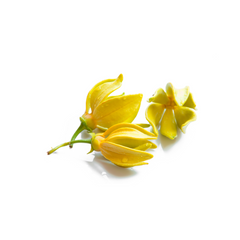
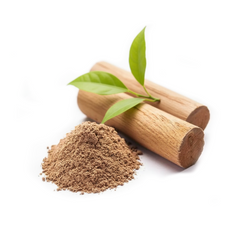
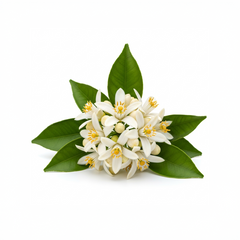
A jasmine accord typically blends Jasmine Absolute (35–40%), Ylang-Ylang (20–25%), Sandalwood (20–25%), and Orange Blossom (15–20%). Jasmine provides the core floral character via indole and jasmone; ylang-ylang adds creamy, banana-like facets through benzyl acetate; sandalwood anchors the accord with lactonic, woody smoothness; orange blossom introduces fresh, green, and slightly citrusy notes via linalool and nerolidol.
Supplies the main floral, indolic, and creamy facets through benzyl acetate, indole, and jasmone.
Contributes creamy, banana-like sweetness via benzyl acetate and p-cresyl methyl ether, enhancing jasmine’s richness.
Provides lactonic, woody smoothness and fixative properties, extending the longevity of jasmine’s floralcy.
Adds green, fresh, and slightly citrusy notes through linalool and nerolidol, brightening the accord.
Jasmine’s olfactory evolution unfolds over hours. Initial green and fruity top notes (cis-3-hexenyl acetate, methyl anthranilate) evaporate within 15 minutes. The heart, dominated by benzyl acetate and indole, emerges as the fragrance warms on skin, lasting 1–3 hours. Base notes—anchored by benzyl benzoate and jasmone—linger for several hours, imparting creamy, musky depth.
The opening is marked by green, slightly fruity facets from cis-3-hexenyl acetate and methyl anthranilate. These high-volatility molecules impart a fresh, dewy impression, reminiscent of crushed leaves and spring air. Their rapid evaporation sets the stage for the heart’s floral richness.
Benzyl acetate and indole dominate the heart, creating a lush, opulent floral character with creamy, musky undertones. Linalool and cis-jasmone add brightness and subtle spice. This stage is the signature of jasmine, lasting up to three hours and forming the core of the scent profile.
As the fragrance dries down, benzyl benzoate and jasmone persist, providing a soft, powdery, and slightly woody foundation. Indolic and lactonic molecules linger, giving the scent a sensual, skin-like warmth that melds with the wearer’s chemistry.
Jasmine’s journey in perfumery spans millennia, from ancient rituals to modern icons. Its cultivation, extraction, and use have shaped fragrance history.
Jasmine is documented in Egyptian texts as a sacred flower, used to perfume bath water and anoint statues of deities. Its oil was prized for both ceremonial and cosmetic applications.
Jasmine cultivation flourishes in South India, especially around Madurai. The flower becomes associated with Kama, the Hindu god of love, and is woven into garlands for rituals and celebrations.
Jasmine is introduced to China, where it is used to scent black and green teas, a tradition reserved for the imperial court. The practice continues to shape jasmine’s cultural significance.
Jasmine is cultivated in Grasse, France, becoming a cornerstone of the region’s perfume industry. Enfleurage extraction is perfected, enabling large-scale production of jasmine pomade and absolute.
Ernest Beaux’s Chanel No. 5 revolutionizes perfumery by featuring jasmine absolute as a central heart note, paired with aldehydes and ylang-ylang. This marks jasmine’s ascent as a modern perfumery icon.
Advances in CO2 extraction and the development of synthetic molecules like hedione expand jasmine’s accessibility. Sustainability initiatives emerge in Egypt and India to support ethical cultivation.
Understanding how to layer jasmine is key to maximizing its olfactory impact. The art of layering jasmine involves molecular compatibility—shared compounds like linalool and jasmone create bridges with other notes, while olfactory masking and synergy can enhance or soften specific facets.
Layer jasmine with vanilla or tonka bean. Vanillin and coumarin mask indolic sharpness, amplifying jasmine’s creamy, gourmand qualities. This technique is demonstrated in Dior J’adore, where jasmine and vanilla create a luminous, enveloping sweetness.
Pair jasmine with sandalwood or patchouli. The lactonic, woody molecules in sandalwood (santalol) and earthy patchoulol interact with jasmine’s indole and benzyl acetate, deepening the fragrance and extending longevity. Tom Ford Jasmin Rouge exemplifies this approach.
Combine jasmine with citrus notes like bergamot or mandarin. Limonene and linalool in citrus oils brighten jasmine’s floralcy, reducing heaviness and enhancing freshness. Gucci Bloom and Mugler Alien both use citrus top notes to lift jasmine’s heart.
Cooler temperatures suppress jasmine’s volatility, resulting in a more subdued, creamy, and musky impression. Apply to pulse points and under clothing to enhance warmth and diffusion. Layer with amber or sandalwood for added depth.
Mild temperatures allow jasmine’s floral and green facets to shine. The scent projects well without overwhelming, making it ideal for daytime wear. Pair with citrus or green notes for a fresh, uplifting effect.
Heat increases the evaporation rate of jasmine’s top and heart notes, intensifying projection and sillage. Apply sparingly to avoid olfactory fatigue. Layer with aquatic or citrus accords to balance richness.
Adjust application based on humidity—moist skin enhances sillage, while dry conditions may mute jasmine’s presence. For longevity, apply to well-moisturized skin and consider layering with a matching body lotion.
Strategic application maximizes jasmine’s radiance and longevity.
Pulse points on the neck emit heat, accelerating the release of jasmine’s heart notes. This area enhances projection and allows the scent to evolve with body temperature.
A discreet spot that retains warmth, allowing jasmine’s creamy, musky base to linger. This area is less exposed to sunlight, reducing photodegradation.
Frequent movement and warmth at the wrists help volatilize jasmine’s top and heart notes, creating a subtle sillage trail throughout the day.
Hair fibers trap fragrance molecules, providing a gentle, long-lasting diffusion of jasmine’s floralcy. Avoid direct application to prevent dryness—spray onto a brush first.
Layer jasmine fragrance over unscented moisturizer or matching body lotion to anchor volatile molecules and extend wear time.
These Jasmine-based fragrances scored highest on the MEI™ Mood Architecture Framework — measuring how a scent may influence your emotional state.
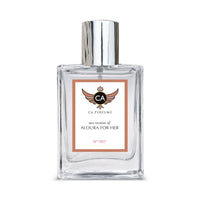

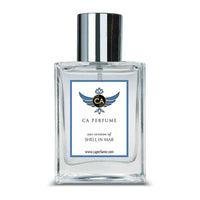

These Jasmine-based fragrances have the highest product-level HumanSafe™ scores in this ingredient collection.
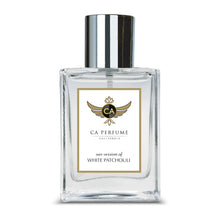
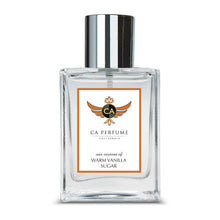
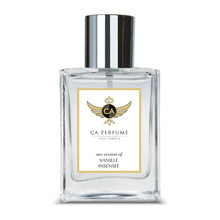

Jasmine’s fragrance is a symphony of notes—intensely floral, with sweet, fruity undertones and a hint of green freshness. Its complexity lies in its ability to present different sensations simultaneously: warm and exotic, yet fresh and delicate.
Jasmine gives a richness and intensity to fragrances: a sweet floral note, but with a dead-sexy muskiness to it. If you smell different concentrated ‘absolutes,’ they have their own characters: some smell medicinal, some sweet, some musky, some green.
Jasmine’s complexity is complemented by a range of ingredients that enhance or balance its floralcy.
Frequently asked questions about jasmine in perfumery, covering scent, usage, and practical considerations.
Jasmine in perfume smells intensely floral, sweet, and musky, with green and fruity nuances. The scent profile is shaped by molecules like benzyl acetate, indole, and jasmone, creating a multi-layered experience that can be creamy, luminous, or animalic depending on the extraction and blend. Notable fragrances like Chanel No. 5 and Mugler Alien showcase jasmine’s versatility.
Jasmine is classified as a heart (middle) note in perfumery. Its moderate volatility allows it to bridge the gap between fleeting top notes and long-lasting base notes, providing a rich, evolving floral character that anchors many compositions.
Jasmine’s complex scent profile—combining floral, green, fruity, and musky facets—makes it highly versatile. Its ability to interact with other notes and evolve uniquely on each wearer’s skin has made it a favorite in both classic and niche perfumery. Additionally, its cultural and historical significance adds prestige to niche creations.
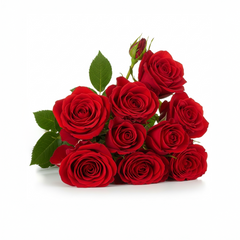
Jasmine fragrance uses often involve pairing with rose, ylang-ylang, sandalwood, orange blossom, and citrus notes. These combinations leverage shared molecules like linalool and jasmone for seamless blending, while woody and gourmand notes like sandalwood and vanilla add depth and longevity.
Jasmine’s volatility increases in heat, making it project more strongly in summer. Lighter concentrations or layering with citrus and aquatic notes can make jasmine fragrances suitable for hot weather, while heavier, indolic blends may be best reserved for cooler months.
Jasmine fragrances typically last 4–8 hours, depending on concentration and supporting notes. Natural jasmine absolute provides a nuanced, evolving scent, while synthetic accords may offer extended longevity due to enhanced stability and fixatives.
Yes, jasmine layers well with a variety of notes. For example, pairing with vanilla or tonka bean enhances sweetness, while sandalwood or patchouli adds depth. Layering with citrus brightens the floralcy. Understanding molecular compatibility—such as shared linalool or masking effects—can optimize results.
Beginner-friendly jasmine perfumes include Gucci Bloom (2017), which offers a modern, radiant white floral, and Mugler Alien (2005), known for its bold, luminous jasmine sambac. For a classic introduction, Chanel No. 5 provides a balanced, aldehydic jasmine heart.
Consider your preferred scent profile—whether you favor creamy, green, or musky facets—and desired concentration. CA Perfume’s collection includes both soliflore and blended jasmine fragrances, with clear labeling of natural, synthetic, or blended origins via the HumanSafe™ platform.
While jasmine is traditionally associated with feminine fragrances due to its floral character, its versatility allows it to appear in unisex and masculine compositions as well. When paired with woods, spices, or citrus, jasmine can create balanced, gender-neutral scents.
Discover CA Perfume’s curated selection of jasmine-centric fragrances, from radiant soliflores to complex blends inspired by perfumery’s greatest icons.
Shop all jasmine fragrances at CA Perfume →Jasmine used in perfumery is primarily sourced from Jasminum grandiflorum (Royal Jasmine) and Jasminum sambac (Arabian Jasmine), both members of the Oleaceae family. The main producing countries are Egypt (accounting for approximately 70% of global jasmine absolute production, with annual yields around 50 metric tons), India (notably the Madurai region, producing up to 30 metric tons), and Morocco (noted for high-quality grandiflorum). Smaller quantities come from France (Grasse), China, and Italy. Jasmine flowers must be hand-harvested at dawn, as their volatile compounds peak in the early morning. Extraction is performed via solvent extraction, typically using hexane to produce a concrete, which is then washed with ethanol to yield the absolute. Yields are extremely low: approximately 1 kg of absolute requires 7–8 million blossoms (roughly 800 hours of labor). Traditional enfleurage, once common in Grasse, is now rare due to inefficiency. Modern innovations include supercritical CO2 extraction, which preserves delicate aroma compounds and improves sustainability by reducing solvent use. Steam distillation is unsuitable, as heat degrades key molecules like indole and jasmone. Natural jasmine absolute commands prices of $4,000–$10,000 per kg, depending on origin and quality. Synthetic substitutes, such as hedione (methyl dihydrojasmonate, CAS 24851-98-7), cost $50–$200 per kg. Sustainability challenges include high water and labor requirements, with some producers adopting fair-trade and organic certifications. Synthetic production reduces pressure on natural resources but can lack the complexity of true jasmine absolute.
Jasmine has been central to perfumery for over a century, shaping both classic and contemporary fragrance structures. In Chanel No. 5 (1921, Ernest Beaux), jasmine absolute from Grasse is a heart note, providing creamy, floral depth beneath aldehydic top notes and a sandalwood-amber base. Joy by Jean Patou (1929, Henri Alméras) is legendary for its lavish use of natural jasmine, reportedly containing 10,600 jasmine flowers per 30ml bottle. In Mugler Alien (2005, Dominique Ropion, Laurent Bruyère), jasmine sambac is the dominant note, paired with cashmeran and amber for a radiant, modern white floral. Gucci Bloom (2017, Alberto Morillas) places jasmine at the center of a lush bouquet with tuberose and Rangoon creeper. Tom Ford Jasmin Rouge (2011, Rodrigo Flores-Roux) explores the spicy, animalic facets of jasmine, blending it with clary sage, spices, and amber. These fragrances illustrate jasmine’s versatility: as a dominant note (Alien, Jasmin Rouge), bridge note (Chanel No. 5), or supporting accent (Gucci Bloom). CA Perfume’s jasmine collection draws inspiration from this lineage, offering both soliflore and blended interpretations that honor jasmine’s multifaceted role in perfumery.
Natural jasmine absolute is a complex mixture of over 250 compounds, including benzyl acetate, indole, cis-jasmone, and methyl anthranilate. Synthetic jasmine notes are typically constructed using a combination of hedione (methyl dihydrojasmonate, CAS 24851-98-7), jasmone (CAS 488-10-8), and methyl jasmonate (CAS 399-00-8). These molecules replicate key facets—hedione for the airy, luminous quality; indole for animalic depth; and methyl anthranilate for fruity nuances. Performance-wise, natural jasmine offers greater olfactory complexity and a nuanced evolution on skin, but is less stable and more variable batch-to-batch. Synthetic jasmine accords provide consistency, enhanced longevity, and better stability under light and heat. Cost is a major differentiator: natural jasmine absolute can exceed $8,000/kg, while synthetic blends are available for $50–$200/kg. Iconic fragrances like Chanel No. 5 and Joy by Jean Patou historically used natural jasmine, while many modern mass-market and niche fragrances employ synthetics for cost and regulatory reasons. Sustainability is a key concern. Natural jasmine cultivation is labor-intensive and water-demanding, with potential for overharvesting. Synthetic production reduces environmental impact but may rely on petrochemical feedstocks. The HumanSafe™ platform at CA Perfume ensures full transparency, with all jasmine-containing fragrances clearly labeled as natural, synthetic, or blended, and verified for IFRA compliance and ethical sourcing.