Great class packaging and the scent is spot on!
I loove this scent. It smells like the original at a reasonable price. It brings back great memories and it is spot on!
A legendary white flower with creamy, intoxicating power.
Tuberose is a heart note in perfumery, renowned for its creamy, narcotic, and green facets. Its signature scent is driven by methyl benzoate, indole, and lactones, with concentrations typically ranging from 0.1–1% in fine fragrance compositions.
Tuberose (Polianthes tuberosa) is famed in perfumery for its intensely narcotic, creamy, and sweet white floral scent. The tuberose scent profile is multi-layered: methyl benzoate imparts a honeyed, fruity creaminess; indole gives a carnal, animalic undertone; methyl salicylate adds a medicinal, wintergreen nuance; and lactones such as delta-nonalactone and jasmine lactone contribute to its milky, tropical facets. The result is a fragrance that is both lush and complex, with green, buttery, and sometimes even rubbery or camphoraceous edges. The flower’s aroma is so potent that a handful of blooms can perfume an entire room for days, making it a benchmark for white floral intensity. In perfumery, tuberose is classified as a heart (middle) note, typically used at concentrations of 0.1–1% in the finished composition. Its high-impact molecules, especially indole and methyl benzoate, interact strongly with skin chemistry—on warmer, more acidic skin, the indolic and animalic facets are accentuated, while on drier or cooler skin, the creamy lactonic notes become more prominent. Tuberose’s volatility is moderate, allowing it to persist through the heart and into the base of a fragrance, often acting as a bridge between lighter top notes and heavier base accords. Tuberose in perfumery is exemplified by iconic fragrances such as Frédéric Malle Carnal Flower (2005, Dominique Ropion), which showcases the flower’s green, mentholated, and creamy facets, and Gucci Bloom (2017, Alberto Morillas), where tuberose is paired with jasmine and Rangoon creeper for a lush, garden-like effect. These compositions demonstrate the ingredient’s versatility—from vintage bombshells like Robert Piguet Fracas (1948, Germaine Cellier) to modern, gender-neutral interpretations.
Tuberose’s scent character is shaped by its growing region’s climate and soil. Warm, humid nights and mineral-rich soils intensify indolic and lactonic notes, while cooler, drier climates yield greener, less animalic absolutes.
Tuberose (Polianthes tuberosa), a perennial plant in the Asparagaceae family, is native to central and southern Mexico, where it was cultivated by the Aztecs under the name omixochitl (“bone flower”). Today, the largest commercial producers are India (especially Tamil Nadu and West Bengal, accounting for over 70% of global supply), Egypt, Morocco, China, and the Grasse region of France. Indian tuberose absolute dominates the perfumery market due to its high indole content and rich, creamy profile. Extraction of tuberose is technically challenging due to the fragility of its aromatic compounds. Historically, enfleurage (using animal fat at 20–25°C over several days) was used, but this method is now rare due to cost and labor intensity. The modern standard is solvent extraction, typically using hexane or petroleum ether, followed by ethanol washing to yield tuberose absolute. Yields are extremely low: it takes approximately 1,000 kg of fresh flowers to produce 1 kg of absolute, with a typical extraction yield of 0.05–0.15%. Supercritical CO₂ extraction is emerging for its ability to preserve delicate lactones and indoles at lower temperatures (35–45°C), but remains costly. Natural tuberose absolute can cost $8,000–12,000 per kg, compared to $50–200 per kg for synthetic reconstitutions. Sustainability is a concern: tuberose is a cultigen (not found in the wild), requiring intensive irrigation and manual harvesting. Some French and Indian growers are experimenting with organic and regenerative practices to reduce water and pesticide use. Synthetic tuberose accords, based on molecules like methyl benzoate (CAS 93-58-3), methyl anthranilate (CAS 134-20-3), and indole (CAS 120-72-9), offer more stable, affordable, and scalable alternatives.
Tamil Nadu and West Bengal are the primary regions, producing over 70% of global tuberose absolute. Indian tuberose is known for its high indole content and creamy, narcotic aroma. The hot, humid climate and alluvial soils enhance the production of lactones and indoles, resulting in a rich, opulent scent.
Grasse, Provence, produces small batches of tuberose absolute, prized for its balanced green and creamy facets. The Mediterranean climate and limestone soils yield a more nuanced, less animalic profile. Production is limited—less than 2% of global supply—but highly valued for niche perfumery.
The Nile Delta region supports large-scale tuberose cultivation. Egyptian tuberose is lighter, with pronounced green and fresh notes due to cooler nights and sandy soils. Estimated at 10–15% of global production.
The Souss-Massa region produces tuberose with a subtle, spicy undertone. The arid climate and mineral soils yield a less creamy, more herbal absolute. Moroccan output is small but increasing, with a focus on sustainable practices.
Natural tuberose absolute is a complex mixture of over 60 identified aroma compounds, including methyl benzoate, methyl salicylate, indole, benzyl benzoate, and various lactones. The natural extract is prized for its depth, evolving from green and medicinal to creamy, animalic, and even leathery facets. However, the high cost ($8,000–12,000/kg), low yield, and supply chain volatility have led most modern perfumery to rely on synthetic tuberose accords. Key synthetic molecules include methyl benzoate (CAS 93-58-3), methyl anthranilate (CAS 134-20-3), and tuberolide (CAS 120-51-4), which together replicate the creamy, fruity, and indolic aspects of the flower. Other supporting synthetics, such as benzyl acetate and gamma-undecalactone, are used to enhance the lactonic, peachy, or coconut-like nuances. Synthetic tuberose is more stable, less allergenic, and offers greater batch-to-batch consistency, with a cost advantage of 50–100x over natural absolute. Famous fragrances using natural tuberose include Frédéric Malle Carnal Flower and Robert Piguet Fracas, while most mainstream launches (e.g., Gucci Bloom, Giorgio Armani My Way) use sophisticated synthetic reconstitutions. From a sustainability perspective, synthetics reduce land and water use, but some consumers prefer the complexity of natural absolute. The HumanSafe™ platform at CA Perfume ensures full transparency on ingredient sourcing and allergen content, whether natural or synthetic tuberose is used.
Tuberose has been a signature of both classic and contemporary perfumery, shaping the white floral genre. Robert Piguet Fracas (1948, Germaine Cellier) set the benchmark for tuberose’s unapologetic opulence, using natural absolute to create a creamy, narcotic effect. In the 1980s, Dior Poison (1985, Edouard Fléchier) used tuberose as a dominant note, paired with plum and spices for a bold, provocative character. Frédéric Malle Carnal Flower (2005, Dominique Ropion) is considered a modern masterpiece, blending natural tuberose absolute with green, mentholated notes for a photorealistic effect. Gucci Bloom (2017, Alberto Morillas) presents a lush, garden-like tuberose, paired with jasmine and Rangoon creeper. Diptyque Do Son (2005, Fabrice Pellegrin) offers a more transparent, airy interpretation, highlighting the flower’s creamy and green facets. Serge Lutens Tubéreuse Criminelle (1999, Christopher Sheldrake) explores the camphoraceous, almost medicinal side of tuberose, pushing the boundaries of the note’s versatility. CA Perfume’s collection draws inspiration from this lineage, offering both classic and modern tuberose interpretations, always with full ingredient transparency.
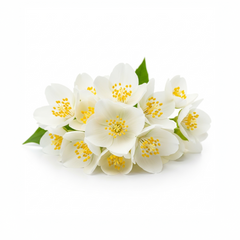
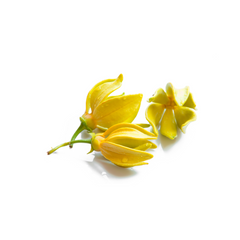
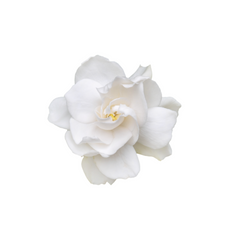
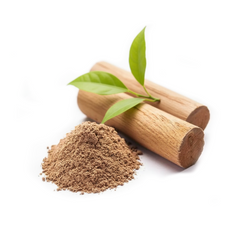
A tuberose accord balances creamy, narcotic, and green facets. Tuberose absolute (30–35%) provides the core floral intensity. Jasmine absolute (20–25%) amplifies the indolic, heady character through shared indole and benzyl acetate. Ylang-ylang (20–25%) adds creamy, banana-like lactones, softening sharpness. Sandalwood (20–25%) anchors the blend, enhancing longevity via santalol’s fixative properties. This structure mirrors the molecular interplay in classic white floral bouquets.
Provides the narcotic, creamy, and indolic core. Rich in methyl benzoate, indole, and lactones, it defines the accord’s signature.
Enhances the heady, floral intensity via shared indole and benzyl acetate, reinforcing the white floral bouquet.
Contributes creamy, banana-like lactones (methyl benzoate, benzyl acetate), rounding the accord and softening sharp indolic facets.
Acts as a fixative and creamy base, with santalol molecules enhancing longevity and supporting the floral heart.
Tuberose’s olfactory evolution is marked by a transition from green, mentholated top notes (high-volatility molecules) to creamy, indolic heart and lactonic, woody base. Evaporation rates and molecular weights dictate the shifting character over time.
The opening is dominated by green, slightly medicinal facets from methyl salicylate and benzyl acetate—volatile molecules that evaporate quickly, giving a fresh, almost camphoraceous impression. Subtle coconut and fruity lactones may also appear.
The creamy, narcotic core emerges as methyl benzoate, indole, and jasmine lactone become prominent. These mid-weight molecules linger, creating a lush, heady white floral bouquet with hints of honey and butter.
As the fragrance dries down, heavier lactones and benzyl benzoate provide a milky, woody, and slightly animalic base. The indolic undertone persists, while sandalwood or musk notes may reinforce longevity.
Tuberose’s journey in perfumery spans from Aztec rituals to modern niche masterpieces, with key milestones in extraction, cultivation, and olfactory interpretation.
Tuberose (omixochitl) is cultivated by the Aztecs in central Mexico for ceremonial and culinary uses, including flavoring chocolate. The flower is sacred to Xochiquetzal, goddess of beauty and love.
Father Théophile Minuti brings tuberose bulbs to Provence, France, where it becomes a staple of Grasse’s perfume industry. The flower’s intense aroma earns it a reputation for sensuality and opulence.
Enfleurage becomes the standard method for extracting tuberose absolute in Grasse. The labor-intensive process cements tuberose’s status as a luxury ingredient in fine perfumery.
Germaine Cellier’s Fracas sets the benchmark for tuberose-centric fragrances, using natural absolute to create an iconic, creamy white floral composition.
Dominique Ropion’s Carnal Flower redefines tuberose for the 21st century, blending natural and synthetic materials for a photorealistic, green, and mentholated effect.
Alberto Morillas introduces Gucci Bloom, pairing tuberose with jasmine and Rangoon creeper, sparking renewed interest in white floral compositions in both niche and mainstream perfumery.
Understanding how to layer tuberose involves pairing it with notes that share or complement its molecular structure. Knowing how to layer tuberose at a molecular level enables seamless blends and creative contrasts.
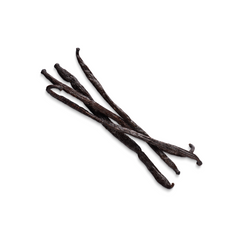
Layer tuberose with vanilla or tonka bean. Vanillin and coumarin molecules mask tuberose’s sharper indolic edges, amplifying its creamy, gourmand facets. This pairing is demonstrated in Armani My Way, where vanilla softens the floral heart.
Combine tuberose with woody notes like sandalwood or cedar. Santalol and cedrol molecules act as fixatives, anchoring the volatile floral compounds and extending the scent’s longevity. Frédéric Malle Carnal Flower uses sandalwood to ground the lush tuberose bouquet.
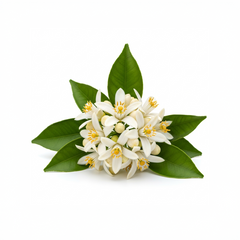
Pair with citrus (bergamot, neroli) or green notes. Limonene and linalool molecules cut through the density of tuberose, accentuating its fresh, green top notes. Diptyque Do Son demonstrates this effect with orange blossom and marine accords.
In cooler months, tuberose’s creamy and animalic facets are more subdued, allowing the green and woody notes to shine. Lower temperatures reduce volatility, resulting in a closer-to-skin scent. Apply to pulse points under clothing for a subtle, long-lasting effect.
Spring’s moderate warmth enhances tuberose’s floral and lactonic heart. The scent projects more readily, with a balanced interplay of green and creamy notes. Apply lightly to exposed skin for a fresh, radiant impression.
High heat increases the volatility of tuberose’s lighter molecules, amplifying the green, mentholated top notes and accelerating the transition to the floral heart. Humidity boosts sillage but can intensify indolic facets. Use sparingly and avoid overapplication in direct sun.
Layer tuberose with citrus or woody notes to adapt its profile for any season. In humid climates, opt for lower concentrations or oil-based formulas to control projection and longevity.
Strategic application of tuberose fragrances can optimize projection, longevity, and scent evolution based on molecular volatility.
Applying to the neck maximizes projection, as body heat accelerates the evaporation of top notes, releasing green and mentholated molecules quickly.
This area is slightly cooler, allowing the creamy, indolic heart notes to linger and evolve more gradually, enhancing the narcotic effect.
Pulse points on the wrists generate moderate heat, balancing the transition from green top to creamy heart, and facilitating subtle sillage with movement.
Spraying on hair provides a slow, sustained release of heavier lactones and benzyl benzoate, prolonging the milky, woody base throughout the day.
Layer tuberose with a sandalwood or musk base on skin to anchor the floral heart and extend longevity, leveraging molecular affinity for enhanced persistence.
These Tuberose-based fragrances scored highest on the MEI™ Mood Architecture Framework — measuring how a scent may influence your emotional state.
These Tuberose-based fragrances have the highest product-level HumanSafe™ scores in this ingredient collection.
Tuberose is a mesmerizing white flower that holds a legendary status in the world of perfumery. Its powerful, intoxicating aroma is characterized by green, floral, lactonic, and narcotic facets.
Tuberose’s scent profile is defined by methyl benzoate, indole, and lactones, creating a creamy, narcotic, and complex white floral heart.
Answers to the most common questions about tuberose in perfumery, from scent character to layering and seasonal use.
Tuberose in perfume is intensely creamy, narcotic, and green, with a complex blend of honeyed, fruity, and animalic facets. The scent profile is driven by methyl benzoate (creamy, fruity), indole (animalic, narcotic), and lactones (milky, tropical). Depending on extraction and concentration, tuberose can also exhibit mentholated, buttery, or even rubbery nuances. Iconic fragrances like Frédéric Malle Carnal Flower and Robert Piguet Fracas showcase the full spectrum of tuberose’s olfactory character.
Tuberose is classified as a heart (middle) note in perfumery. Its key molecules—methyl benzoate, indole, and lactones—have moderate volatility, allowing tuberose to persist from the heart through the base of a composition. It bridges lighter top notes (citrus, green) and heavier base notes (woods, musks), providing both projection and longevity.
Tuberose’s multifaceted scent profile—combining creamy, narcotic, and green facets—offers perfumers a versatile tool for creating complex, memorable fragrances. Its high-impact molecules interact uniquely with other notes, allowing for both classic and avant-garde interpretations. Niche perfumers value tuberose for its ability to evoke both vintage glamour and modern sensuality.
Tuberose fragrance uses include pairing with jasmine (shared indole and benzyl acetate), ylang-ylang (lactones), sandalwood (santalol fixative), vanilla (vanillin for sweetness), and citrus (limonene for freshness). These combinations create harmonious white floral bouquets or highlight contrasting facets, as seen in Gucci Bloom and Diptyque Do Son.
Tuberose can be worn year-round, but in hot weather, its green and mentholated top notes become more prominent due to increased volatility. The creamy, indolic heart may project more strongly, so lighter concentrations or layering with citrus/woody notes is recommended for summer use.
Tuberose fragrances generally last 5–8 hours on skin, with the creamy, narcotic heart persisting longest. Longevity depends on concentration (Parfum, EDP, EDT), skin chemistry, and supporting base notes. Oil-based formulas and higher concentrations extend wear time.
Yes, tuberose layers well with vanilla, sandalwood, citrus, and green notes. Layering at a molecular level—matching lactones, indole, or fixatives—ensures a seamless blend. For example, pairing with vanilla amplifies creaminess, while sandalwood anchors the floral heart.
Beginner-friendly tuberose perfumes include Gucci Bloom (2017), Diptyque Do Son (2005), and Giorgio Armani My Way (2020). These fragrances offer balanced, modern interpretations of tuberose, blending it with jasmine, orange blossom, or vanilla for a wearable, approachable effect.
Consider your preference for creamy, green, or animalic facets. CA Perfume provides full ingredient transparency via the HumanSafe™ platform, allowing you to select fragrances with natural or synthetic tuberose, and to explore layering options for personalized scent profiles.
While tuberose has historically been associated with feminine fragrances due to its opulent, narcotic character, modern perfumery increasingly features tuberose in unisex and even masculine compositions. Its versatility allows it to be paired with woods, spices, or citrus for a gender-neutral effect.
Discover CA Perfume’s curated selection of tuberose fragrances, from classic white floral bouquets to modern, layered interpretations.
Shop all tuberose fragrances at CA Perfume →Tuberose (Polianthes tuberosa), a perennial plant in the Asparagaceae family, is native to central and southern Mexico, where it was cultivated by the Aztecs under the name omixochitl (“bone flower”). Today, the largest commercial producers are India (especially Tamil Nadu and West Bengal, accounting for over 70% of global supply), Egypt, Morocco, China, and the Grasse region of France. Indian tuberose absolute dominates the perfumery market due to its high indole content and rich, creamy profile. Extraction of tuberose is technically challenging due to the fragility of its aromatic compounds. Historically, enfleurage (using animal fat at 20–25°C over several days) was used, but this method is now rare due to cost and labor intensity. The modern standard is solvent extraction, typically using hexane or petroleum ether, followed by ethanol washing to yield tuberose absolute. Yields are extremely low: it takes approximately 1,000 kg of fresh flowers to produce 1 kg of absolute, with a typical extraction yield of 0.05–0.15%. Supercritical CO₂ extraction is emerging for its ability to preserve delicate lactones and indoles at lower temperatures (35–45°C), but remains costly. Natural tuberose absolute can cost $8,000–12,000 per kg, compared to $50–200 per kg for synthetic reconstitutions. Sustainability is a concern: tuberose is a cultigen (not found in the wild), requiring intensive irrigation and manual harvesting. Some French and Indian growers are experimenting with organic and regenerative practices to reduce water and pesticide use. Synthetic tuberose accords, based on molecules like methyl benzoate (CAS 93-58-3), methyl anthranilate (CAS 134-20-3), and indole (CAS 120-72-9), offer more stable, affordable, and scalable alternatives.
Tuberose has been a signature of both classic and contemporary perfumery, shaping the white floral genre. Robert Piguet Fracas (1948, Germaine Cellier) set the benchmark for tuberose’s unapologetic opulence, using natural absolute to create a creamy, narcotic effect. In the 1980s, Dior Poison (1985, Edouard Fléchier) used tuberose as a dominant note, paired with plum and spices for a bold, provocative character. Frédéric Malle Carnal Flower (2005, Dominique Ropion) is considered a modern masterpiece, blending natural tuberose absolute with green, mentholated notes for a photorealistic effect. Gucci Bloom (2017, Alberto Morillas) presents a lush, garden-like tuberose, paired with jasmine and Rangoon creeper. Diptyque Do Son (2005, Fabrice Pellegrin) offers a more transparent, airy interpretation, highlighting the flower’s creamy and green facets. Serge Lutens Tubéreuse Criminelle (1999, Christopher Sheldrake) explores the camphoraceous, almost medicinal side of tuberose, pushing the boundaries of the note’s versatility. CA Perfume’s collection draws inspiration from this lineage, offering both classic and modern tuberose interpretations, always with full ingredient transparency.
Natural tuberose absolute is a complex mixture of over 60 identified aroma compounds, including methyl benzoate, methyl salicylate, indole, benzyl benzoate, and various lactones. The natural extract is prized for its depth, evolving from green and medicinal to creamy, animalic, and even leathery facets. However, the high cost ($8,000–12,000/kg), low yield, and supply chain volatility have led most modern perfumery to rely on synthetic tuberose accords. Key synthetic molecules include methyl benzoate (CAS 93-58-3), methyl anthranilate (CAS 134-20-3), and tuberolide (CAS 120-51-4), which together replicate the creamy, fruity, and indolic aspects of the flower. Other supporting synthetics, such as benzyl acetate and gamma-undecalactone, are used to enhance the lactonic, peachy, or coconut-like nuances. Synthetic tuberose is more stable, less allergenic, and offers greater batch-to-batch consistency, with a cost advantage of 50–100x over natural absolute. Famous fragrances using natural tuberose include Frédéric Malle Carnal Flower and Robert Piguet Fracas, while most mainstream launches (e.g., Gucci Bloom, Giorgio Armani My Way) use sophisticated synthetic reconstitutions. From a sustainability perspective, synthetics reduce land and water use, but some consumers prefer the complexity of natural absolute. The HumanSafe™ platform at CA Perfume ensures full transparency on ingredient sourcing and allergen content, whether natural or synthetic tuberose is used.