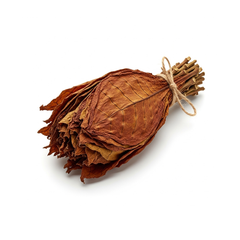
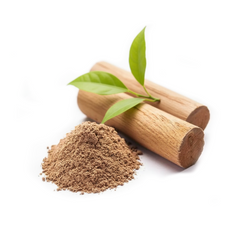
Tonka bean, derived from the seeds of Dipteryx odorata, is renowned in perfumery for its multifaceted scent profile. The dominant aroma molecule, coumarin (2H-chromen-2-one, CAS 91-64-5), imparts a sweet, hay-like, and almond-vanilla character. Depending on concentration, tonka bean can evoke freshly mown hay, marzipan, caramel, and even subtle tobacco nuances. The absolute, which can contain up to 90% coumarin, is further enriched by minor constituents such as dihydrocoumarin, anisaldehyde, and traces of cinnamic acid, contributing creamy, nutty, and balsamic undertones. This complexity makes tonka bean a cornerstone of gourmand, oriental, and fougère compositions.
In perfumery, tonka bean is classified as a base note due to its low volatility and fixative properties. Typical usage ranges from 0.5% to 2% of the formula, though IFRA restricts coumarin to a maximum of 1.6% in finished products. Tonka bean’s molecular structure allows it to interact with skin chemistry, amplifying sweetness on warmer or more acidic skin, while revealing drier, hay-like facets on cooler or alkaline skin. Its ability to blend seamlessly with vanilla, tobacco, amber, and woods makes it indispensable for both masculine and feminine fragrances.
Notable fragrances that exemplify tonka bean’s role include Guerlain’s Tonka Impériale (2009, Thierry Wasser), where it is the dominant note, paired with tobacco and almond, and Tom Ford’s Tobacco Vanille (2007, Olivier Gillotin), where it bridges vanilla and dried fruit notes. In Jo Malone’s Myrrh & Tonka (2016, Mathilde Bijaoui), tonka bean’s creamy sweetness is juxtaposed with resinous myrrh, highlighting its versatility in both classic and modern perfumery. The question “what does tonka bean smell like” is thus answered by its unique ability to evoke warmth, comfort, and complexity in a wide range of compositions, cementing its status in perfumery.