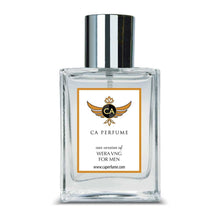
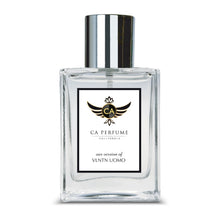
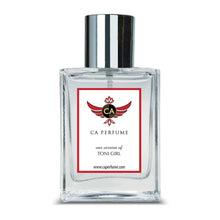
Great class packaging and the scent is spot on!
I loove this scent. It smells like the original at a reasonable price. It brings back great memories and it is spot on!
The essence of smoky, tactile luxury in perfumery.
Leather is a foundational base note in perfumery, known for its smoky, animalic, and tactile character. Its signature scent is constructed from birch tar, labdanum, and isoquinoline molecules, with typical concentrations of 1–5% in blends.
Leather in perfumery is not a direct extract from animal hide, but an olfactory construct designed to evoke the scent of tanned leather goods. The leather scent profile is defined by a complex interplay of smoky, animalic, and woody notes, primarily achieved through molecules such as birch tar (which imparts a burnt, smoky aroma), iso-butyl quinoline (CAS 86-75-9, responsible for the green-leathery nuance), and labdanum resin (which adds a balsamic, ambery undertone). Other contributors include styrax (sweet-balsamic, smoky), castoreum (animalic, though now almost exclusively synthetic), and musks. The result is a note that can range from raw and rugged to soft, suede-like, or powdery, depending on the composition. In perfumery, leather is classified as a base note due to its high molecular weight and low volatility, providing longevity and a grounding effect to compositions. Leather notes are typically used at concentrations of 1–5% in the base, though in some niche or vintage formulas, higher concentrations are possible. On skin, leather interacts with individual chemistry—skin pH, moisture, and lipid content can emphasize either the smoky, animalic, or sweet facets, making the scent highly personal and variable. Leather in perfumery is exemplified by iconic fragrances such as Chanel Cuir de Russie (1924, Ernest Beaux), which pairs birch tar and florals for a powdery, refined leather, and Tom Ford Tuscan Leather (2007, Harry Fremont), where raspberry and saffron accentuate a photorealistic, modern leather accord. These compositions demonstrate the versatility and enduring appeal of the leather note in both classic and contemporary perfumery.
Leather’s scent profile is shaped by the origin and processing of its key components. Birch tar from Eastern Europe, labdanum from Spain, and styrax from Turkey each impart unique nuances, while synthetic molecules are produced globally.
Leather as a perfume note is not a direct natural extract but a constructed accord, historically inspired by the scent of tanned hides. In the 16th and 17th centuries, European tanners in Spain, Italy, and France would perfume leather goods—especially gloves—using aromatic blends to mask the harsh odors of the tanning process. Typical ingredients included birch tar (from Betula species, produced by destructive distillation of birch wood at 400–700°C), castoreum (from Castor canadensis, now replaced by synthetic analogs), labdanum (Cistus ladaniferus resin, extracted via solvent or steam distillation), and styrax (Liquidambar orientalis, solvent-extracted resin). Birch tar, in particular, is critical for the smoky, tarry aspect, but is now restricted by IFRA due to allergenic polycyclic aromatic hydrocarbons (PAHs). Modern leather accords are primarily built using synthetic molecules for consistency, safety, and ethical reasons. Iso-butyl quinoline (IBQ, CAS 86-75-9) was first synthesized in the late 19th century and became a cornerstone of leather fragrances, providing a green, bitter-leathery note. Other synthetics include hexyl quinoline, suede-type musks, and aldehydes. Natural birch tar is expensive (up to $800/kg) and tightly regulated, while synthetics like IBQ cost $50–100/kg. The shift to synthetics also addresses sustainability and animal welfare concerns, as castoreum and civet are no longer harvested from animals for mainstream perfumery. Key manufacturing centers for leather aroma chemicals include France (Grasse), Germany, Switzerland, and the US, with major suppliers such as Givaudan, Firmenich, and IFF. The HumanSafe™ platform provides transparency on the sourcing and safety of these molecules, ensuring compliance with IFRA and environmental standards.
The 'Cuir de Russie' (Russian Leather) style originated from tanned hides perfumed with birch tar in regions such as Tula and Moscow. Russian birch tar is prized for its intense smokiness and historical association with military and equestrian leather goods.
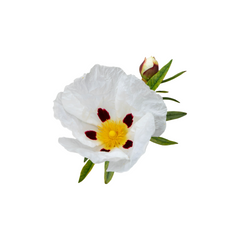
Andalusia is renowned for labdanum production, with resin harvested from Cistus ladaniferus. Spanish labdanum is rich in amber facets and supplies much of the global demand for this fixative resin.
Styrax resin from southwestern Turkey (Muğla Province) is valued for its sweet, balsamic, and smoky aroma, contributing to the softening of leather accords. Turkey accounts for over 60% of global styrax production.
Grasse remains a center for both natural and synthetic leather aroma chemical production, with historical expertise in perfumed glove-making and modern manufacturing of IBQ and suede molecules.
Natural leather notes were historically achieved using birch tar, castoreum, labdanum, and styrax. Birch tar (CAS 8001-88-5) imparts a smoky, tarry aroma, but its use is now limited due to PAH content and IFRA restrictions. Castoreum (CAS 8023-83-4), once derived from beaver glands, is now almost entirely replaced by synthetic analogs for ethical and regulatory reasons. Labdanum (CAS 8016-26-0) and styrax (CAS 8046-19-3) provide balsamic, resinous undertones. Synthetic leather notes offer greater consistency, safety, and creative flexibility. Iso-butyl quinoline (IBQ, CAS 86-75-9) is the primary synthetic, delivering a green, bitter-leather effect. Suederal (CAS 4707-47-5) and hexyl quinoline (CAS 25309-41-9) are also used for suede and soft leather nuances. Synthetics are more cost-effective ($50–200/kg) compared to natural birch tar or labdanum, and are not subject to the same allergen or ethical concerns. Famous fragrances such as Tom Ford Tuscan Leather and Memo Paris Irish Leather rely on synthetic accords for their signature profiles, while vintage compositions like Caron Tabac Blond (1919) originally used natural birch tar and castoreum. Synthetics also support sustainability by reducing reliance on animal-derived materials and minimizing environmental impact. The HumanSafe™ platform ensures that all leather aroma chemicals used by CA Perfume are fully traceable, IFRA-compliant, and transparently labeled.
Leather has been a defining note in perfumery for over a century, shaping both classic and avant-garde compositions. In 1919, Caron Tabac Blond (Ernest Daltroff) introduced leather as a gender-bending note, pairing birch tar and tobacco to mask cigarette odors for women. Chanel Cuir de Russie (1924, Ernest Beaux) followed, blending birch tar, florals, and aldehydes for a refined, powdery leather accord. In 1981, Chanel Antaeus (Jacques Polge) modernized leather with aromatic and mossy notes, while Tom Ford Tuscan Leather (2007, Harry Fremont) set a new standard for photorealistic, raspberry-accented leather using IBQ and saffron. Memo Paris Irish Leather (2013, Alienor Massenet) reinterpreted leather with green, herbal facets, and Guerlain Cuir Intense (2019, Thierry Wasser) showcased a contemporary, ambery leather profile. These fragrances demonstrate the versatility of leather: as a dominant note (Tuscan Leather, Tabac Blond), a bridge (Cuir de Russie), or an accent (Antaeus). CA Perfume’s collection draws inspiration from this lineage, offering modern interpretations that respect both tradition and innovation.
A classic leather accord is constructed by blending birch tar (25–30%), labdanum (20–25%), iso-butyl quinoline (20–25%), and styrax (25–30%). Birch tar delivers the smoky, tarry backbone; labdanum adds ambery, balsamic warmth; iso-butyl quinoline provides a green, bitter-leather nuance; and styrax imparts a sweet, resinous, slightly animalic finish. This balance creates a multidimensional, photorealistic leather effect.
Provides the essential smoky, tarry backbone of the leather accord through phenolic compounds and cresols.
Adds ambery, balsamic warmth and fixative power via labdane-type diterpenes, rounding out harsh edges.
Contributes a green, bitter-leather nuance and enhances longevity through its low volatility.
Imparts sweet, resinous, and slightly animalic facets, smoothing the overall accord and adding complexity.
Leather fragrances evolve from sharp, smoky top notes to a warm, animalic heart and a deep, ambery base. High-volatility phenolics dissipate quickly, while heavier resins and musks linger for hours.
The opening features sharp, smoky, and tarry impressions from birch tar and phenolic compounds (cresols, guaiacol). These high-volatility molecules evaporate rapidly, creating an initial blast reminiscent of burnt wood, rubber, or new leather goods.
As the top fades, labdanum and styrax emerge, introducing ambery, balsamic, and slightly sweet nuances. Iso-butyl quinoline adds a green, bitter-leather effect, while musks and florals (if present) soften the animalic core.
The drydown is dominated by labdanum, musks, and residual birch tar, yielding a warm, resinous, and subtly powdery finish. These high molecular weight compounds ensure longevity and a tactile, skin-like impression.
Leather’s journey in perfumery spans from ancient tanned hides to modern synthetic accords, reflecting shifts in technology, fashion, and olfactory taste.
Spanish and Italian tanners perfume leather gloves with birch tar, musk, and florals to mask tanning odors. This practice inspires the first leather accords in fragrance.
Ernest Daltroff creates Tabac Blond for Caron, blending birch tar, tobacco, and clove. It becomes the first major leather fragrance aimed at women.
Ernest Beaux crafts Cuir de Russie for Chanel, using birch tar and aldehydes to evoke Russian tanned leather. The fragrance sets a new standard for refined leather accords.
Iso-butyl quinoline and other synthetics replace animal-derived materials, allowing for safer, more consistent leather effects in mainstream perfumery.
Harry Fremont’s Tuscan Leather uses IBQ, raspberry, and saffron for a photorealistic, contemporary leather accord, influencing a new wave of niche and designer fragrances.
Understanding how to layer leather is key for customizing its scent profile. Leather’s dominant molecules (phenolics, quinolines, resins) interact with complementary notes via olfactory masking and molecular bridges, enabling endless creative combinations.
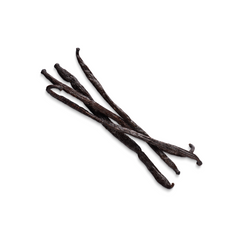
Layering leather with vanilla or tonka bean introduces vanillin and coumarin, which mask the bitter, smoky facets of birch tar and IBQ. This synergy is demonstrated in Guerlain Cuir Intense, where osmanthus and vanilla soften the leather accord.
Pairing leather with oud or patchouli leverages shared resinous and earthy molecules (e.g., guaiacol, patchoulol), amplifying the base and extending longevity. Tom Ford Tuscan Leather is often layered with oud-centric fragrances for a richer, darker effect.
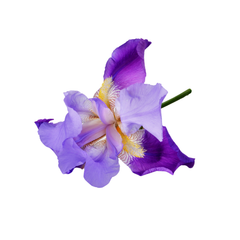
Combining leather with citrus (bergamot, grapefruit) or florals (iris, violet) introduces high-volatility molecules that brighten the opening and create a powdery, romantic twist. Chanel Cuir de Russie exemplifies this approach with aldehydes and florals.
Cool temperatures suppress volatility, allowing leather’s smoky and ambery notes to linger. Apply to pulse points under clothing for a warming, enveloping effect. Layer with spices or woods for added richness.
Mild weather allows for moderate projection. Pair leather with green or floral notes (iris, violet) to lighten the profile. Apply sparingly to avoid overpowering delicate spring scents.
Heat increases volatility, amplifying smoky and animalic facets. Opt for lighter concentrations (EDT), or layer with citrus (bergamot, lemon) to freshen the accord. Apply to less exposed areas to control sillage.
Adjust application based on humidity and temperature. In high humidity, leather’s resinous molecules project further; in dry climates, the scent remains closer to the skin. Experiment with layering to adapt to seasonal shifts.
Strategic application of leather fragrances enhances their tactile, long-lasting qualities.
Pulse points on the neck generate heat, accelerating the evaporation of smoky top notes and revealing the ambery base more quickly.
This area retains warmth and moisture, allowing leather’s animalic and musky facets to develop gradually and persist throughout the day.
The thin skin and constant movement help diffuse volatile phenolic molecules, creating a dynamic, evolving scent trail.
Spraying on hair or clothing provides a sustained release of leather’s resinous and powdery notes, as fibers trap heavier molecules.
Layer leather with a touch of vanilla or iris on pulse points to soften the smoky edge and enhance the tactile, suede-like impression.
These Leather-based fragrances scored highest on the MEI™ Mood Architecture Framework — measuring how a scent may influence your emotional state.
These Leather-based fragrances have the highest product-level HumanSafe™ scores in this ingredient collection.
Leather in perfumery is typically described as warm, rich, and musky, with hints of smokiness and animalic notes. Leather fragrance notes are designed to evoke the scent of well-worn leather goods, such as saddles, horse bridles, and leather jackets.
Leather’s scent profile is constructed from birch tar, labdanum, and isoquinoline molecules, creating a tactile, smoky, and ambery signature that is both timeless and versatile.
Answers to the most common questions about leather in perfumery.
Leather in perfume smells smoky, animalic, and warm, with nuances of burnt wood, tar, and subtle sweetness. The scent is constructed from birch tar, labdanum, iso-butyl quinoline, and sometimes musks or florals. Depending on the composition, leather can evoke new saddles, vintage handbags, or suede gloves. Iconic examples include Tom Ford Tuscan Leather (smoky, raspberry-tinged) and Chanel Cuir de Russie (powdery, floral-leather).
Leather is classified as a base note in perfumery due to its high molecular weight and low volatility. It anchors the composition, providing longevity and depth. While some modern fragrances introduce leather facets earlier in the evolution, its core molecules—birch tar, labdanum, and IBQ—persist for hours, forming the foundation of the scent.
Leather is favored in niche perfumery for its complexity, versatility, and historical resonance. Its ability to evoke luxury, craftsmanship, and tactile experiences makes it a powerful storytelling tool. Niche brands use leather to create bold, unconventional compositions that stand apart from mainstream offerings, often leveraging unique combinations of smoky, animalic, and ambery notes.
Leather fragrance uses often involve pairing with resins (labdanum, styrax), woods (sandalwood, cedar), spices (saffron, clove), florals (iris, violet), and gourmand notes (vanilla, tonka bean). These combinations balance leather’s intensity, create molecular bridges, and enhance longevity. For example, vanilla softens leather’s edge, while iris adds powdery elegance.
Leather can be worn in summer, but lighter concentrations (EDT) and layering with citrus or florals are recommended. Heat amplifies the smoky, animalic facets, so apply sparingly and focus on pulse points less exposed to sun. Look for compositions that balance leather with fresh, bright notes for a more seasonally appropriate effect.
Leather fragrances are known for their longevity, typically lasting 6–10 hours on skin. This persistence is due to the high molecular weight of labdanum, musks, and synthetic quinolines. Projection is strongest in the first 2–3 hours, with a warm, resinous drydown that lingers for hours.
Yes, leather is highly versatile for layering. It can be paired with vanilla or tonka bean for sweetness, oud or patchouli for depth, or citrus and florals for brightness. Layering allows you to customize the scent profile and adapt leather to different occasions or seasons. Apply the lighter fragrance first, then layer leather on top for best results.
For beginners, try Tom Ford Ombré Leather (smooth, approachable), Memo Paris Irish Leather (green, herbal), or Chanel Cuir de Russie (powdery, floral-leather). These fragrances showcase leather’s versatility without overwhelming smokiness or animalic intensity. Sampling before purchase is recommended due to skin chemistry variability.
Explore CA Perfume’s collection by considering your preferred leather style—smoky, sweet, powdery, or green. Read scent profiles, note pairings, and customer reviews to find a match for your taste and seasonal needs. Sampling is encouraged to experience how leather interacts with your skin chemistry.
Leather can present both sweet and spicy facets depending on the composition. When paired with vanilla, tonka bean, or labdanum, it takes on a sweet, ambery character. When combined with saffron, clove, or pepper, the spicy aspects are accentuated. The balance of these facets is determined by the blend of supporting notes and the concentration of key molecules.
Discover CA Perfume’s curated selection of leather-centric scents, from smoky classics to modern, suede-inspired blends.
Shop all leather fragrances at CA Perfume →Leather as a perfume note is not a direct natural extract but a constructed accord, historically inspired by the scent of tanned hides. In the 16th and 17th centuries, European tanners in Spain, Italy, and France would perfume leather goods—especially gloves—using aromatic blends to mask the harsh odors of the tanning process. Typical ingredients included birch tar (from Betula species, produced by destructive distillation of birch wood at 400–700°C), castoreum (from Castor canadensis, now replaced by synthetic analogs), labdanum (Cistus ladaniferus resin, extracted via solvent or steam distillation), and styrax (Liquidambar orientalis, solvent-extracted resin). Birch tar, in particular, is critical for the smoky, tarry aspect, but is now restricted by IFRA due to allergenic polycyclic aromatic hydrocarbons (PAHs). Modern leather accords are primarily built using synthetic molecules for consistency, safety, and ethical reasons. Iso-butyl quinoline (IBQ, CAS 86-75-9) was first synthesized in the late 19th century and became a cornerstone of leather fragrances, providing a green, bitter-leathery note. Other synthetics include hexyl quinoline, suede-type musks, and aldehydes. Natural birch tar is expensive (up to $800/kg) and tightly regulated, while synthetics like IBQ cost $50–100/kg. The shift to synthetics also addresses sustainability and animal welfare concerns, as castoreum and civet are no longer harvested from animals for mainstream perfumery. Key manufacturing centers for leather aroma chemicals include France (Grasse), Germany, Switzerland, and the US, with major suppliers such as Givaudan, Firmenich, and IFF. The HumanSafe™ platform provides transparency on the sourcing and safety of these molecules, ensuring compliance with IFRA and environmental standards.
Leather has been a defining note in perfumery for over a century, shaping both classic and avant-garde compositions. In 1919, Caron Tabac Blond (Ernest Daltroff) introduced leather as a gender-bending note, pairing birch tar and tobacco to mask cigarette odors for women. Chanel Cuir de Russie (1924, Ernest Beaux) followed, blending birch tar, florals, and aldehydes for a refined, powdery leather accord. In 1981, Chanel Antaeus (Jacques Polge) modernized leather with aromatic and mossy notes, while Tom Ford Tuscan Leather (2007, Harry Fremont) set a new standard for photorealistic, raspberry-accented leather using IBQ and saffron. Memo Paris Irish Leather (2013, Alienor Massenet) reinterpreted leather with green, herbal facets, and Guerlain Cuir Intense (2019, Thierry Wasser) showcased a contemporary, ambery leather profile. These fragrances demonstrate the versatility of leather: as a dominant note (Tuscan Leather, Tabac Blond), a bridge (Cuir de Russie), or an accent (Antaeus). CA Perfume’s collection draws inspiration from this lineage, offering modern interpretations that respect both tradition and innovation.
Natural leather notes were historically achieved using birch tar, castoreum, labdanum, and styrax. Birch tar (CAS 8001-88-5) imparts a smoky, tarry aroma, but its use is now limited due to PAH content and IFRA restrictions. Castoreum (CAS 8023-83-4), once derived from beaver glands, is now almost entirely replaced by synthetic analogs for ethical and regulatory reasons. Labdanum (CAS 8016-26-0) and styrax (CAS 8046-19-3) provide balsamic, resinous undertones. Synthetic leather notes offer greater consistency, safety, and creative flexibility. Iso-butyl quinoline (IBQ, CAS 86-75-9) is the primary synthetic, delivering a green, bitter-leather effect. Suederal (CAS 4707-47-5) and hexyl quinoline (CAS 25309-41-9) are also used for suede and soft leather nuances. Synthetics are more cost-effective ($50–200/kg) compared to natural birch tar or labdanum, and are not subject to the same allergen or ethical concerns. Famous fragrances such as Tom Ford Tuscan Leather and Memo Paris Irish Leather rely on synthetic accords for their signature profiles, while vintage compositions like Caron Tabac Blond (1919) originally used natural birch tar and castoreum. Synthetics also support sustainability by reducing reliance on animal-derived materials and minimizing environmental impact. The HumanSafe™ platform ensures that all leather aroma chemicals used by CA Perfume are fully traceable, IFRA-compliant, and transparently labeled.