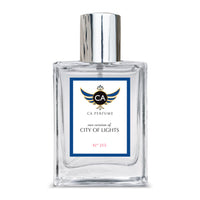
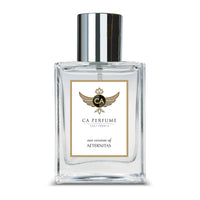
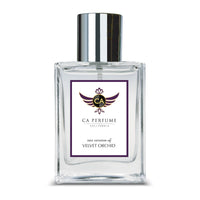
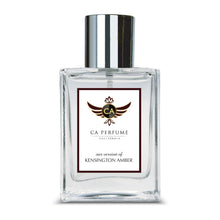
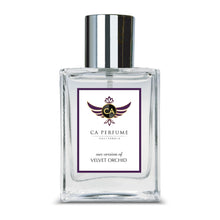
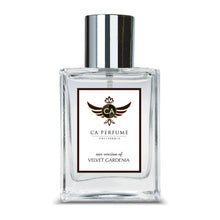
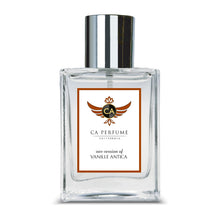
Great class packaging and the scent is spot on!
I loove this scent. It smells like the original at a reasonable price. It brings back great memories and it is spot on!
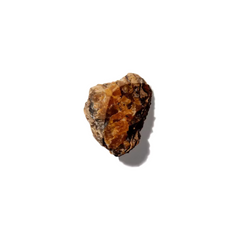
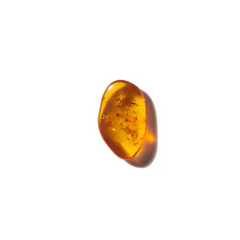
A complex amber resin from Mediterranean rockrose
Labdanum is a resin extracted from the Cistus ladanifer plant, prized as a base note and fixative in perfumery. It contains labdane-type diterpenoid acids and is used at 1–5% concentration.
Labdanum is a resin derived from the Mediterranean rockrose plants, primarily Cistus ladanifer and Cistus creticus. Its scent is characterized by warm, leathery, ambery, and slightly sweet balsamic notes, with animalic undertones reminiscent of ambergris. Chemically, it is dominated by labdane-type diterpenoid acids, especially labdanolic acid, which contribute to its dense, resinous aroma. The resin also contains methylated flavonoids and phenolic compounds that add complexity and a leathery facet. In perfumery, labdanum functions mainly as a base note and natural fixative, typically used at concentrations between 1% and 5%. It stabilizes and prolongs the longevity of more volatile top and middle notes by slowing their evaporation. Labdanum also acts as a structural bridge, connecting bright citrus and floral notes to deeper woody, mossy, and balsamic accords. Its interaction with skin chemistry results in a warm, enveloping scent that can vary depending on dilution and aging. Notable fragrances showcasing labdanum include Le Labo's Labdanum 18 (2006) by Maurice Roucel, where it forms a rich, warm amber accord with vanilla and musk, and Amouage Jubilation for Women (1997), which uses labdanum to add depth and sensuality. Chanel Coco Eau de Parfum also features labdanum in its dry down, contributing to its leathery and balsamic character.
Labdanum's scent character is influenced by the Mediterranean climate and soil where Cistus ladanifer grows. Dry, rocky soils and hot, sun-baked conditions in regions like Andalusia, Spain, produce resin with rich, warm, and leathery notes. Variations in altitude and harvest methods affect the balance between fresh green and deep resinous facets.
Labdanum is a resinous exudate harvested from the Mediterranean rockrose plants, primarily Cistus ladanifer and Cistus creticus. These shrubs thrive in dry, rocky soils typical of the western Mediterranean basin, including regions in Spain (notably Andalusia), Portugal, Morocco, France (Corsica), Greece, and Mediterranean islands. The plants secrete the sticky resin as a protective mechanism against heat and water loss. Traditional harvesting involved combing the resin from the beards of goats and sheep grazing on the bushes, using a wooden tool called a lambadistrion with leather strips. Modern extraction methods primarily use solvent extraction: fresh cistus branches are bundled and boiled in soda solution to dissolve the resin, yielding 3-5% crude labdanum gum. This gum is then acid-treated, skimmed, dried, and washed with ethanol to remove waxes, producing labdanum absolute. Alternatively, hydrocarbon solvent extraction followed by alcohol washing produces labdanum resinoid. Steam distillation yields a lighter essential oil with less complexity. Global production of cistus faggots is approximately 10,000 tonnes annually, with about 80% sourced from Andalusia, Spain. The cost of natural labdanum absolute ranges from $3,000 to $6,000 per kilogram, reflecting its labor-intensive harvest and complex extraction. Synthetic substitutes exist but cannot fully replicate its multi-layered aroma. Sustainability efforts focus on ethical wild harvesting and maintaining biodiversity in native habitats.
Andalusia region is the primary source, producing approximately 80% of global labdanum. The dry, rocky terrain and hot climate yield resin with dense, ambery, and leathery qualities. Harvesting involves manual collection of cistus faggots and solvent extraction.
Portugal contributes a smaller share of labdanum production, with similar Mediterranean conditions. The resin here tends to have a slightly greener, fresher facet due to local soil and climate variations.
Moroccan labdanum is known for a balanced profile with both fresh and deep resinous notes. Traditional harvesting and solvent extraction methods are employed, with production volumes lower than Spain.
Corsica and southern France produce labdanum with a slightly softer, sweeter character due to milder climate and soil differences. Production is limited but valued for quality.
Labdanum's complex scent profile, dominated by labdane-type diterpenoid acids (CAS 531-69-3) and phenolic compounds, is challenging to replicate synthetically. Synthetic aroma chemicals such as Ambroxide (CAS 6790-58-5), Ambrarome, and Ambrain are used to mimic facets of labdanum's amber, animalic, and leathery notes. However, these synthetics lack the full depth and multi-dimensionality of natural labdanum. Natural labdanum offers superior longevity and diffusion due to its complex molecular composition, contributing to a richer and more nuanced fragrance experience. Synthetic molecules provide greater consistency, stability, and cost-effectiveness, with prices around $50–200/kg compared to natural labdanum's $3,000–6,000/kg. Synthetics also support allergen-free and cruelty-free formulations. Famous fragrances like Le Labo Labdanum 18 and Amouage Jubilation for Women use natural labdanum for its authentic depth, while some modern amber accords rely on synthetic analogues for economic and regulatory reasons. The HumanSafe™ platform emphasizes transparency and safety, encouraging balanced use of natural and synthetic ingredients to optimize performance, sustainability, and consumer safety.
Labdanum has been a cornerstone of perfumery since ancient times, featuring prominently in numerous landmark fragrances. Le Labo's Labdanum 18 (2006), crafted by Maurice Roucel, highlights labdanum as a dominant note, blending it with vanilla, musk, and patchouli to create a warm, leathery amber accord. Amouage Jubilation for Women (1997), by perfumer Guy Robert, uses labdanum as a rich base note, adding depth and sensuality alongside frankincense and myrrh. Chanel Coco Eau de Parfum (1984), by Jacques Polge, incorporates labdanum as a supporting base note, contributing to its leathery and balsamic dry down. Yves Saint Laurent M7 (2002), by Alberto Morillas, features labdanum as a bridge note linking woody and amber accords. Prada Amber (2011), by Daniela Andrier, uses labdanum to enrich its oriental amber composition. These fragrances demonstrate labdanum's versatility in creating complex, long-lasting bases that support and enhance floral, citrus, and woody notes. CA Perfume's collection respects this lineage by incorporating labdanum in accords that emphasize depth and structure without overpowering.
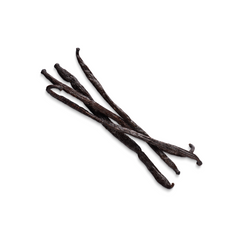
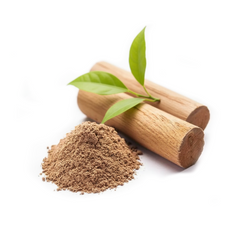
A labdanum accord typically balances the resin's warm, leathery, and ambery facets with complementary ingredients that enhance its complexity and longevity. Labdanum (30-35%) provides the rich, balsamic core. Rose (15-20%) introduces floral brightness and shares methylated flavonoids with labdanum for molecular harmony. Sandalwood (20-25%) adds creamy, woody smoothness, softening labdanum's resinous edge. Vanilla (20-25%) contributes sweet vanillin, which masks labdanum's animalic undertones and rounds the accord with warmth.
Forms the resinous, warm, and leathery backbone of the accord, with labdane diterpenoids providing depth and tenacity.
Adds floral brightness and shares methylated flavonoids with labdanum, creating a seamless olfactory bridge.
Provides creamy, woody smoothness that softens labdanum's resinous facets and enhances longevity.
Contributes sweet vanillin which masks animalic undertones and rounds the accord with warm sweetness.
Labdanum's olfactory evolution spans from initial warm resinous impressions to deep leathery and musky base notes. Its labdane diterpenoids evaporate slowly, providing a long-lasting foundation that supports the fragrance's structure over hours.
Labdanum's top notes are subtle, often masked by brighter citrus or floral elements. The most volatile components evaporate quickly, revealing a warm, slightly sweet resinous opening with faint honeyed nuances.
The heart reveals labdanum's leathery and amber facets, with increased animalic and balsamic tones. This stage bridges floral or spicy middles to the deep base, supported by methylated flavonoids and phenolics.
Labdanum's base notes are rich and tenacious, dominated by musky, animalic, and resinous qualities. The slow evaporation of labdane acids ensures a persistent, warm, and skin-close dry down.
Labdanum's history in perfumery spans millennia, from ancient Egyptian incense to modern amber accords. Its evolving use reflects advances in extraction and fragrance composition.
Labdanum was used in incense blends like kyphi and valued for its aromatic and medicinal properties. Greeks and Romans harvested it by combing resin from goats and sheep.
Labdanum became a sought-after commodity in Europe, used as a fixative in perfumes and pomanders to prolong scent and ward off illness.
Solvent extraction and distillation methods improved, enabling more consistent production of labdanum absolute and essential oil.
Labdanum became a key ingredient in amber and oriental fragrances, used by master perfumers to add depth and longevity.
Maurice Roucel's Labdanum 18 showcased labdanum as a dominant note, emphasizing its warm, leathery, and musky facets in a modern amber accord.
Understanding how to layer labdanum involves molecular compatibility and olfactory synergy. Labdanum's resinous and leathery compounds blend well with florals sharing methylated flavonoids, such as rose, creating a seamless transition. Vanilla's vanillin masks labdanum's animalic edges through olfactory masking, softening the composition. Woody notes like sandalwood provide creamy smoothness that complements labdanum's resinous density. These combinations enhance complexity and balance, as demonstrated in Le Labo Labdanum 18 and Amouage Jubilation for Women.
Layering labdanum with vanilla softens its animalic facets via vanillin's olfactory masking, producing a warm, rounded accord. This synergy is evident in Le Labo Labdanum 18.
Combining labdanum with patchouli and benzoin deepens resinous and balsamic qualities, creating a rich amber accord as used in Amouage Jubilation for Women.
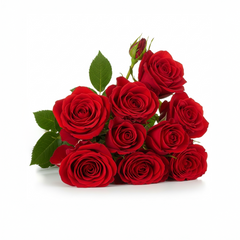
Pairing labdanum with rose exploits shared methylated flavonoids, bridging resinous and floral notes for a balanced, elegant scent profile.
Labdanum thrives in cold weather, where lower temperatures slow evaporation, enhancing its warm, enveloping qualities. Apply moderately for cozy, long-lasting wear.
Spring's mild temperatures allow labdanum to balance warmth and freshness. Layer with florals or citrus to brighten its resinous depth for versatile daytime wear.
Heat increases labdanum's volatility, potentially intensifying its animalic and resinous facets. Use lighter dilutions or blend with aquatic or green notes to freshen.
Adjust application based on temperature and humidity. Layer labdanum with complementary notes to tailor its warmth and projection for any season.
Strategic application of labdanum enhances its warm, resinous character and longevity.
Pulse points like the neck provide warmth that activates labdanum's resinous and leathery notes, enhancing projection.
This area allows subtle diffusion of labdanum's animalic facets, creating an intimate scent trail.
Applying here helps release labdanum's warm amber qualities with moderate sillage due to skin heat.
Hair fibers hold labdanum molecules, enabling a slow, sensual release with movement.
Layer labdanum-based fragrances with complementary florals or citrus on clothing for balanced scent complexity.
These Labdanum-based fragrances scored highest on the MEI™ Mood Architecture Framework — measuring how a scent may influence your emotional state.
These Labdanum-based fragrances have the highest product-level HumanSafe™ scores in this ingredient collection.
Labdanum is one of perfumery’s quiet load-bearing materials, providing the ambery backbone and natural fixative that hold a fragrance together long after the opening has faded.
Labdanum’s warm, leathery, and resinous scent is complex and multi-layered, making it irreplaceable in classic amber accords where it blends with benzoin and vanillin.
Common questions about labdanum's scent, usage, and characteristics in perfumery.
Labdanum smells warm, leathery, ambery, and slightly sweet with balsamic and animalic undertones. It is often described as resembling ambergris with a resinous, honeyed, and musky character. Its scent evolves from a warm resinous opening to a deep, musky dry down, providing richness and longevity to fragrances like Le Labo Labdanum 18 and Amouage Jubilation for Women.
Labdanum is primarily used as a base note in perfumery. It has low volatility and slow evaporation, making it ideal for providing depth, structure, and longevity to a fragrance. Occasionally, it can appear as a middle note to add warmth and sweetness, but its main function is as a long-lasting base.
Labdanum is favored in niche perfumery for its complex, multi-layered scent that adds depth and richness. Its ability to act as a natural fixative prolongs fragrance wear, and its versatility allows it to blend harmoniously with florals, spices, and woods. This makes it essential for creating sophisticated amber and oriental compositions.
Labdanum pairs well with rose, vanilla, sandalwood, patchouli, benzoin, amber, musk, frankincense, and myrrh. These combinations enhance its resinous, warm, and leathery facets, creating balanced and complex accords. For example, rose shares methylated flavonoids with labdanum, creating molecular harmony.
Labdanum can be intense in hot weather due to increased volatility, which may amplify its animalic and resinous notes. For summer wear, lighter dilutions or layering with fresh, aquatic, or citrus notes can moderate its intensity and maintain freshness.
Labdanum is highly tenacious, with substantivity exceeding 400 hours on blotter at 20% concentration. On skin, it provides long-lasting warmth and depth, often persisting for 6-8 hours or more depending on formulation and concentration.
Yes, layering labdanum with compatible notes like rose, vanilla, or sandalwood can enhance complexity and balance. Understanding molecular compatibility helps avoid clashing scents and creates a personalized, harmonious fragrance experience.
Beginner-friendly labdanum perfumes include Le Labo Labdanum 18, Amouage Jubilation for Women, and Prada Amber. These fragrances showcase labdanum's warmth and depth in balanced compositions that are approachable and refined.
Consider the fragrance's concentration, complementary notes, and your skin chemistry. CA Perfume offers labdanum-based scents with transparent ingredient sourcing and balanced accords, allowing you to select fragrances that suit your preferences and occasion.
Labdanum primarily smells warm and resinous with sweet balsamic undertones. While it can be blended with spicy notes, its intrinsic character is more leathery and ambery than overtly spicy.
Discover expertly crafted labdanum-based perfumes that showcase its warm, resinous, and leathery qualities.
Shop all labdanum fragrances at CA Perfume →Labdanum is a resinous exudate harvested from the Mediterranean rockrose plants, primarily Cistus ladanifer and Cistus creticus. These shrubs thrive in dry, rocky soils typical of the western Mediterranean basin, including regions in Spain (notably Andalusia), Portugal, Morocco, France (Corsica), Greece, and Mediterranean islands. The plants secrete the sticky resin as a protective mechanism against heat and water loss. Traditional harvesting involved combing the resin from the beards of goats and sheep grazing on the bushes, using a wooden tool called a lambadistrion with leather strips. Modern extraction methods primarily use solvent extraction: fresh cistus branches are bundled and boiled in soda solution to dissolve the resin, yielding 3-5% crude labdanum gum. This gum is then acid-treated, skimmed, dried, and washed with ethanol to remove waxes, producing labdanum absolute. Alternatively, hydrocarbon solvent extraction followed by alcohol washing produces labdanum resinoid. Steam distillation yields a lighter essential oil with less complexity. Global production of cistus faggots is approximately 10,000 tonnes annually, with about 80% sourced from Andalusia, Spain. The cost of natural labdanum absolute ranges from $3,000 to $6,000 per kilogram, reflecting its labor-intensive harvest and complex extraction. Synthetic substitutes exist but cannot fully replicate its multi-layered aroma. Sustainability efforts focus on ethical wild harvesting and maintaining biodiversity in native habitats.
Labdanum has been a cornerstone of perfumery since ancient times, featuring prominently in numerous landmark fragrances. Le Labo's Labdanum 18 (2006), crafted by Maurice Roucel, highlights labdanum as a dominant note, blending it with vanilla, musk, and patchouli to create a warm, leathery amber accord. Amouage Jubilation for Women (1997), by perfumer Guy Robert, uses labdanum as a rich base note, adding depth and sensuality alongside frankincense and myrrh. Chanel Coco Eau de Parfum (1984), by Jacques Polge, incorporates labdanum as a supporting base note, contributing to its leathery and balsamic dry down. Yves Saint Laurent M7 (2002), by Alberto Morillas, features labdanum as a bridge note linking woody and amber accords. Prada Amber (2011), by Daniela Andrier, uses labdanum to enrich its oriental amber composition. These fragrances demonstrate labdanum's versatility in creating complex, long-lasting bases that support and enhance floral, citrus, and woody notes. CA Perfume's collection respects this lineage by incorporating labdanum in accords that emphasize depth and structure without overpowering.
Labdanum's complex scent profile, dominated by labdane-type diterpenoid acids (CAS 531-69-3) and phenolic compounds, is challenging to replicate synthetically. Synthetic aroma chemicals such as Ambroxide (CAS 6790-58-5), Ambrarome, and Ambrain are used to mimic facets of labdanum's amber, animalic, and leathery notes. However, these synthetics lack the full depth and multi-dimensionality of natural labdanum. Natural labdanum offers superior longevity and diffusion due to its complex molecular composition, contributing to a richer and more nuanced fragrance experience. Synthetic molecules provide greater consistency, stability, and cost-effectiveness, with prices around $50–200/kg compared to natural labdanum's $3,000–6,000/kg. Synthetics also support allergen-free and cruelty-free formulations. Famous fragrances like Le Labo Labdanum 18 and Amouage Jubilation for Women use natural labdanum for its authentic depth, while some modern amber accords rely on synthetic analogues for economic and regulatory reasons. The HumanSafe™ platform emphasizes transparency and safety, encouraging balanced use of natural and synthetic ingredients to optimize performance, sustainability, and consumer safety.