Ingredient Guide · Sweets and Gourmand Smells
Sweets and Gourmand Smells Family · Perfumery Note

Caramel

A synthetic note evoking creamy sweetness and toasted sugar.

Caramel is a synthetic base note in perfumery, prized for its rich, creamy, and buttery character. Its scent comes from molecules like ethyl maltol and furaneol, used at 0.05–0.3% for a deep, enveloping sweetness.

Caramel
Ingredient Profile

Caramel

Sweets and Gourmand Smells Family
Family Sweets and Gourmand Smells
Note Position Base Note
Usage Level 0.05–0.3%
Key Origins Switzerland, France, United States
Iconic In Angel, Prada Candy
The Ingredient

What does Caramel smell like and why is it a modern gourmand icon?

Caramel in perfumery is defined by its creamy, buttery, and toasted sugar aroma, achieved through a blend of synthetic molecules. The primary contributors to the caramel scent profile are ethyl maltol (CAS 4940-11-8), maltol (CAS 118-71-8), furaneol (caramel furanone, CAS 3658-77-3), and sotolone (CAS 28664-35-9). These molecules collectively produce a scent reminiscent of freshly made toffee, burnt sugar, and a subtle lactonic warmth. At low concentrations, caramel notes are sweet and comforting; at higher concentrations, they can develop maple syrup or even slightly spicy, curry-like nuances due to sotolone. The result is a candy-deep, rich, and enveloping aroma that is both nostalgic and sophisticated, forming the backbone of many gourmand fragrances. In perfumery, caramel is classified as a base note due to its low volatility and long-lasting presence. It is typically used at concentrations of 0.05–0.3% in fine fragrance formulations, providing a sweetening effect and a sense of indulgent warmth. Caramel interacts with skin chemistry by amplifying lactonic and buttery facets, sometimes revealing a faintly smoky or salty undertone depending on the wearer’s skin pH and moisture. Its synthetic nature ensures consistency and stability, allowing perfumers to craft reliable gourmand accords that remain true from bottle to skin. Caramel in perfumery is exemplified by landmark fragrances such as Thierry Mugler’s Angel (1992, perfumer Olivier Cresp), which pioneered the use of ethyl maltol for a bold, candy-like effect, and Prada Candy (2011, perfumer Daniela Andrier), where caramel is paired with benzoin and musk for a creamy, modern signature. Other notable examples include Aquolina Pink Sugar (2004) and Jean Paul Gaultier Scandal Pour Homme (2021), both of which showcase caramel’s versatility as a dominant or accent note. These fragrances demonstrate how caramel can be both playful and refined, anchoring the gourmand trend in contemporary perfumery.

0.05–0.3%
Typical concentration of ethyl maltol or caramel accord in fine fragrance formulas, sufficient for a dominant gourmand effect without overpowering the composition.
6–10 Hours
Average longevity of caramel-dominant fragrances, due to the low volatility and fixative properties of caramel’s synthetic molecules.
$50–$200/kg
Approximate cost of synthetic caramel aroma chemicals (ethyl maltol, maltol), making them accessible for both niche and mass-market perfumery.
Origin & Extraction

Where Caramel Comes From — Origin & Extraction

Caramel’s scent character is shaped entirely by laboratory synthesis, not geography. However, the choice of manufacturing site and process purity can influence subtle nuances in the final aroma chemical’s profile.

Caramel as a perfumery ingredient is entirely synthetic; there is no natural extraction process that yields a stable, usable caramel note. The olfactory concept of caramel is constructed in the laboratory using key aroma molecules that replicate the complex chemistry of sugar pyrolysis. The principal molecules are ethyl maltol (CAS 4940-11-8, created 1969), maltol (CAS 118-71-8, isolated from larch bark in 1861 but now synthesized from furfural derivatives), furaneol (caramel furanone, CAS 3658-77-3), and sotolone (CAS 28664-35-9). These compounds are produced globally by major aroma chemical manufacturers such as Givaudan, Firmenich, and Symrise, with production volumes tailored to industrial demand. The synthesis of ethyl maltol and maltol involves chemical reactions starting from furfural, a derivative of agricultural byproducts like corncobs and bran. Furaneol is produced via controlled chemical synthesis to ensure purity and olfactory consistency. Caramel furanone and sotolone are also synthesized, with sotolone’s concentration carefully managed to avoid overpowering the composition. The resulting aroma chemicals are dark amber to brown viscous liquids, used in trace amounts (0.05–0.3%) due to their potency. There is no direct agricultural or geographical origin for caramel in perfumery, as the note is a product of modern synthetic chemistry. Cost-wise, synthetic caramel aroma chemicals are highly economical, with ethyl maltol priced at approximately $50–$200 per kg, compared to natural gourmand absolutes (like vanilla) which can exceed $3,000 per kg. Sustainability is favorable for synthetics: laboratory production reduces reliance on agricultural land and avoids the environmental impact of large-scale sugarcane or vanilla farming. There are no IFRA restrictions on caramel aroma chemicals, and their consistent quality supports the HumanSafe™ platform’s transparency and safety goals.

CH

Switzerland

Home to Givaudan, a leading producer of ethyl maltol and maltol. Swiss manufacturing emphasizes high purity and consistent olfactory quality, ensuring caramel notes are reliably sweet and stable.

FR

France

France’s Firmenich and Symrise produce caramel aroma chemicals for fine fragrance. French expertise in synthetic aroma design ensures nuanced, balanced caramel accords for global perfumery.

US

United States

Major US aroma chemical plants supply ethyl maltol and related molecules for both food and fragrance. US production focuses on scalability and regulatory compliance, supporting mass-market gourmand perfumery.

DE

Germany

German manufacturers like BASF produce furaneol and sotolone for the global market, emphasizing process efficiency and environmental standards in synthetic aroma production.

Chemistry

Natural vs Synthetic Caramel in Perfumery

Caramel in perfumery is exclusively synthetic, as no natural extraction of caramelized sugar yields a stable or usable fragrance ingredient. The scent is constructed from a blend of synthetic molecules, primarily ethyl maltol (CAS 4940-11-8), maltol (CAS 118-71-8), furaneol (CAS 3658-77-3), and sotolone (CAS 28664-35-9). Ethyl maltol imparts a dense, cotton-candy sweetness with caramelized, jammy nuances, while maltol adds a spun-sugar effect. Furaneol bridges burnt sugar and fruit, and sotolone provides depth, shifting from caramel at low concentrations to maple syrup or curry at higher levels. Synthetic caramel notes offer superior performance in terms of longevity, diffusion, and stability compared to any attempt at natural caramel extraction. These molecules are highly potent, requiring only trace amounts to achieve the desired effect, and are not subject to the variability of agricultural harvests. Cost is a major advantage: synthetic caramel aroma chemicals are available at $50–$200 per kg, whereas natural gourmand absolutes (e.g., vanilla, tonka) are significantly more expensive. Famous fragrances such as Thierry Mugler Angel (1992), Prada Candy (2011), and Aquolina Pink Sugar (2004) rely on synthetic caramel notes for their signature sweetness. From a sustainability perspective, synthetic caramel reduces the environmental impact associated with large-scale sugar or vanilla cultivation, and modern production methods can utilize renewable feedstocks. The HumanSafe™ platform ensures full ingredient transparency and safety, with no known IFRA restrictions for these molecules. CA Perfume’s approach prioritizes traceable, HumanSafe™-verified synthetics for consistent, safe, and environmentally responsible gourmand compositions.

Natural
Caramel Absolute
Cost $3,000–6,000/kg
Method Solvent / CO₂
Character Complex, variable
vs
Synthetic
Safranal & Analogues
Cost $50–200/kg
Method Lab synthesis
Character Consistent, stable
Hall of Fame

Famous Fragrances That Define Caramel in Perfumery

1992
dominant note

Angel

Thierry Mugler
by Olivier Cresp
patchoulivanillared berriespraline
2011
dominant note

Prada Candy

Prada
by Daniela Andrier
benzoinmuskvanilla
2004
dominant note

Pink Sugar

Aquolina
cotton candyvanillamusklicorice
2011
bridge note

Lira

Casamorati 1888
by Chris Maurice
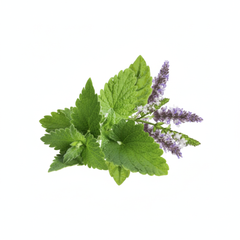
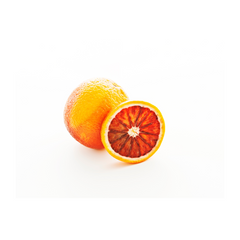
blood orangelavendervanillacinnamon
2021
bridge note

Scandal Pour Homme

Jean Paul Gaultier
by Quentin Bisch, Christophe Raynaud, Nathalie Cetto
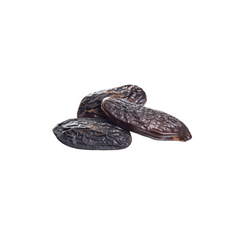
tonka beanvetiversagemandarin

Caramel has become a defining note in modern perfumery, particularly within the gourmand and amber fragrance families. Its rise began with the launch of Thierry Mugler’s Angel (1992, perfumer Olivier Cresp), which utilized ethyl maltol to create a bold, candy-like signature that revolutionized the industry. Prada Candy (2011, Daniela Andrier) further cemented caramel’s status, pairing it with benzoin and musk for a creamy, contemporary effect. Aquolina Pink Sugar (2004) is another landmark, offering a playful, spun-sugar caramel accord that remains a bestseller. In niche perfumery, Casamorati 1888 Lira (2011, Chris Maurice) demonstrates caramel’s versatility by blending it with blood orange, lavender, and vanilla for a sophisticated, citrus-gourmand profile. Jean Paul Gaultier Scandal Pour Homme (2021, Quentin Bisch, Christophe Raynaud, Nathalie Cetto) employs caramel as a bridge note, linking sweet and woody facets for a modern masculine gourmand. Other notable examples include Penhaligon’s Changing Constance (2018, Quentin Bisch), which balances caramel with cardamom and salt, and Sol de Janeiro Cheirosa ’62, where caramel is paired with pistachio and salted vanilla for a creamy, beach-inspired scent. These fragrances illustrate caramel’s ability to function as a dominant note, a bridge, or an accent, often paired with vanilla, patchouli, musks, or fruity notes. CA Perfume’s collection draws inspiration from this lineage, offering caramel-forward compositions that balance sweetness with complexity, always prioritizing ingredient transparency and safety.

The Accord

How is a captivating Caramel accord crafted?

A classic caramel accord is built from 25–30% ethyl maltol (for cotton-candy sweetness), 20–25% vanilla absolute (for creamy lactonic depth), 25–30% benzoin (for resinous warmth), and 20–25% patchouli (for earthy contrast). Each ingredient is selected for its molecular compatibility, ensuring the accord is rich, balanced, and long-lasting.

30%

Caramel (Ethyl Maltol/Furaneol)

25–30% of blend

Ethyl maltol and furaneol provide the core caramelized sugar and cotton-candy facets, delivering intense sweetness and a toasted, slightly fruity nuance.

25%

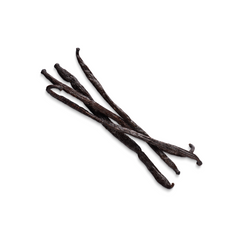
Vanilla Absolute

20–25% of blend

Vanilla absolute supplies vanillin, which enhances caramel’s creamy, lactonic warmth and rounds off sharp edges through olfactory masking.

30%

Benzoin

25–30% of blend

Benzoin’s benzoic acid esters add a balsamic, resinous undertone, extending caramel’s longevity and providing a smooth, enveloping base.

25%

Patchouli

20–25% of blend

Patchouli’s sesquiterpenes introduce earthy, woody depth, counterbalancing caramel’s sweetness and preventing the accord from becoming cloying.

The Olfactory Layers

How Caramel Evolves on Skin

Caramel’s olfactory evolution is gradual, with low-volatility molecules ensuring a persistent, enveloping sweetness. The top impression is diffusive and sugary, evolving into creamy, lactonic warmth before settling into a balsamic, resinous base.

I
Top notes
0–15 min
Sugary Diffusion

The initial impression is intensely sweet and diffusive, dominated by high-impact molecules like ethyl maltol and furaneol. These compounds evaporate slowly but are immediately perceptible, creating a cotton-candy and burnt sugar effect that projects strongly in the opening.

sugarydiffusivetoasted
II
Heart notes
20–60 min
Buttery Warmth

As the fragrance develops, caramel’s creamy, buttery facets emerge, supported by lactonic molecules and vanilla. The sweetness becomes rounder and more enveloping, with benzoin and patchouli beginning to anchor the composition and introduce subtle warmth.

creamybutterywarm
III
Base notes
Several hours
Balsamic Drydown

In the drydown, caramel’s sweetness is tempered by balsamic resins and earthy patchouli. Low-volatility molecules like benzoin esters and vanillin provide longevity, while sotolone and patchouli add depth and prevent the base from becoming overly linear.

balsamicresinousearthy
TOP NOTES Sugary Diffusion 0–15 minutes HEART NOTES Buttery Warmth 20–60 minutes BASE NOTES Balsamic Drydown Several hours
Through the Ages

The Story of Caramel in Perfumery

Caramel’s history in perfumery is a story of synthetic innovation, from early sugar-derived molecules to the modern gourmand revolution.

1861

Maltol Isolated from Larch Bark

Maltol, a key caramel aroma molecule, is first isolated from larch bark. Its sweet, caramelized scent would later inspire synthetic gourmand notes.

1969

Ethyl Maltol Created

Ethyl maltol, four to six times sweeter than maltol, is synthesized and rapidly adopted by perfumers for its intense caramel-cotton candy aroma.

1992

Angel by Thierry Mugler Launches

Olivier Cresp’s Angel introduces ethyl maltol as a dominant note, pioneering the gourmand fragrance category and making caramel a mainstream perfumery accord.

2011

Prada Candy Popularizes Modern Caramel

Daniela Andrier’s Prada Candy pairs caramel with benzoin and musk, showcasing a creamy, sophisticated take on the note and influencing a new wave of caramel-centric perfumes.

2021

Caramel in Contemporary Niche Fragrance

Caramel continues to evolve in niche and designer perfumery, appearing in complex compositions such as Jean Paul Gaultier Scandal Pour Homme and Casamorati Lira, often paired with spices, citrus, and woods.

The Art of Layering

How to Layer Caramel

Understanding how to layer caramel is key to maximizing its gourmand appeal. The molecular compatibility of caramel with vanilla, patchouli, and fruity notes allows for creative, long-lasting combinations. Here’s how to layer caramel for optimal effect.

01

Enhance Creaminess

Layer caramel with vanilla-based fragrances. Both share vanillin and lactonic molecules, creating a seamless, creamy blend. This synergy is evident in Prada Candy, where caramel and vanilla form a rich, enveloping core.

02

Add Depth

Combine caramel with patchouli or amber notes. Patchouli’s earthy sesquiterpenes and amber’s resinous molecules counterbalance caramel’s sweetness, as seen in Thierry Mugler Angel. This pairing prevents cloying and adds complexity.

03

Brighten the Sweetness

Layer caramel with citrus or fruity notes. The shared aldehydes and esters create a playful, uplifting effect, as in Casamorati Lira, where blood orange and caramel interact for a vibrant, modern gourmand.

Wear It Right

How to Wear Caramel Like a Pro

Seasonal Guide

Fall & Winter

Cooler temperatures suppress volatility, allowing caramel’s creamy, balsamic facets to linger and project more subtly. Apply to pulse points and layer with vanilla or amber for a cozy, enveloping effect ideal for colder months.

Spring

Moderate warmth enhances caramel’s diffusive, sweet qualities without overwhelming the senses. Pair with floral or fruity notes to lighten the composition and create a playful, uplifting gourmand suitable for transitional weather.

Summer

High temperatures increase the volatility of caramel’s top molecules, making the sweetness more pronounced but potentially fleeting. Apply sparingly and consider layering with citrus or aquatic notes to balance the richness and prevent cloying.

Year-Round Tip

Adjust application based on climate and personal preference. For maximum longevity, apply caramel fragrances to moisturized skin and consider layering with complementary lotions or oils to anchor the scent in any season.

Application Points

Strategic application enhances caramel’s longevity and olfactory evolution.

1

Neck

Applying caramel fragrances to the neck leverages body heat, accelerating the release of top notes and creating a warm, enveloping sillage.

2

Behind the Ears

This area retains warmth and moisture, allowing caramel’s creamy and buttery facets to evolve gradually and remain perceptible throughout the day.

3

Inner Wrists

Pulse points on the wrists amplify the initial diffusive sweetness, while skin movement helps project caramel’s aroma during natural gestures.

4

Hair

Spraying caramel fragrances on hair provides sustained, gentle diffusion as the molecules are released with movement, enhancing the scent’s longevity.

Pro Tip

Layer caramel fragrances with unscented or vanilla-based lotions to anchor the note and extend its evolution, especially in dry or cold climates.

Mood Architecture™

Top Caramel Fragrances by Mood Score

These Caramel-based fragrances scored highest on the MEI™ Mood Architecture Framework — measuring how a scent may influence your emotional state.

Highest MEI Score
Bianco Puro — Tiziana Terenzi Bianco Puro Alternative Perfume
8.95
MEI™
Primary Confident
Secondary Magnetic
Confidence
9.15
Presence
9.46
Mood Lift
8.98
Identity
9.5
Warmth
9.5
Social Ease
8.45
Energy
4.9
" I am unstoppable.
View full mood profile →
Mmmm — Mmmm Eau De Parfume Alternative Perfume
8.44
MEI™
Primary Romantic
Secondary Confident
Confidence
7.36
Presence
7.84
Mood Lift
9.5
Identity
7.9
Warmth
9.5
Social Ease
9.16
Energy
3.9
" I am beautiful.
View full mood profile →
Fave Deliciousness — Feve Delicieuse Alternative Perfume
8.35
MEI™
Primary Romantic
Secondary Energizing
Confidence
7.22
Presence
7.07
Mood Lift
9.5
Identity
7.64
Warmth
9.5
Social Ease
9.15
Energy
4.9
" I am beautiful.
View full mood profile →
Gran Ballo — Xerjoff Gran Ballo Alternative Perfume
8.22
MEI™
Primary Romantic
Secondary Confident
Confidence
6.95
Presence
7.2
Mood Lift
9.5
Identity
7.1
Warmth
9.5
Social Ease
9.26
Energy
3.1
" I am beautiful.
View full mood profile →
HumanSafe™

Top Caramel Fragrances by HumanSafe™ Score

These Caramel-based fragrances have the highest product-level HumanSafe™ scores in this ingredient collection.

Highest HumanSafe™ Score
Scandalous Women — Scandal Alternative Perfume
A-
HumanSafe™ Score Generally Safe
Safest Evaluated Ingredients EDP
AQUA Solvent / Carrier ISS 10.0
ACETIC ACID, PHENYLMETHYL ESTER Evaluated ingredient ISS 10.0
BENZYL SALICYLATE Evaluated ingredient ISS 9.0
7-OCTEN-2-OL, 2,6-DIMETHYL- Evaluated ingredient ISS 9.0
LINALYL ACETATE Evaluated ingredient ISS 7.0
View full safety profile →
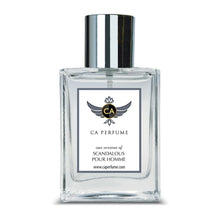
Scandalous Pour Homme — Roja Dove Scandal Pour Homme Alternative Perfume
A-
HumanSafe™ Score Generally Safe
Safest Evaluated Ingredients EDP
AQUA Solvent / Carrier ISS 10.0
4H-INDEN-4-ONE, 1,2,3,5,6,7-HEXAHYDRO-1,1,2,3,3- Evaluated ingredient ISS 9.0
LINALYL ACETATE Evaluated ingredient ISS 7.0
LINALOOL Evaluated ingredient ISS 7.0
BENZOIC ACID, 2,4-DIHYDROXY-3,6-DIMETHYL-, METHYL Evaluated ingredient ISS 7.0
ALCOHOL DENAT. Solvent / Carrier ISS 7.0
View full safety profile →
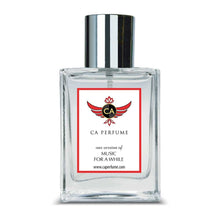
Music For A While — Frederic Malle Music For A While Alternative Perfume
A-
HumanSafe™ Score Generally Safe
Safest Evaluated Ingredients EDP
AQUA Solvent / Carrier ISS 10.0
2-OXABICYCLO[2.2.2]OCTANE, 1,3,3-TRIMETHYL- Evaluated ingredient ISS 9.0
1,6-HEPTADIEN-3-ONE, 1-(2,6,6-TRIMETHYL-2- Evaluated ingredient ISS 9.0
LINALYL ACETATE Evaluated ingredient ISS 7.0
LINALOOL Evaluated ingredient ISS 7.0
ALCOHOL DENAT. Solvent / Carrier ISS 7.0
View full safety profile →
Mmmm — Mmmm Eau De Parfume Alternative Perfume
A-
HumanSafe™ Score Generally Safe
Safest Evaluated Ingredients EDP
AQUA Solvent / Carrier ISS 10.0
1,4-DIOXACYCLOHEPTADECANE-5,17-DIONE Evaluated ingredient ISS 10.0
3-CYCLOPENTENE-1-ACETALDEHYDE, 2,2,3-TRIMETHYL-, Evaluated ingredient ISS 9.0
LINALOOL Evaluated ingredient ISS 7.0
BENZALDEHYDE, 4-METHOXY- Evaluated ingredient ISS 7.0
ALCOHOL DENAT. Solvent / Carrier ISS 7.0
View full safety profile →
Expert Voices

What Masters Say About Caramel

Caramel in perfumery is entirely synthetic, constructed from ethyl maltol, maltol, furaneol, and sotolone—molecules that replicate the complex chemistry of sugar pyrolysis.
CA Perfume Editorial
Caramel notes in perfume offer a delightful, indulgent scent profile that resonates with the sweet, edible qualities of gourmand fragrances.
Hez Binkowitz, Hez Parfums
Common Questions

Frequently Asked Questions

Answers to the most common questions about caramel as a perfume ingredient.

Caramel in perfume smells creamy, buttery, and toasted, with a deep, candy-like sweetness. The scent is constructed from synthetic molecules such as ethyl maltol and furaneol, which replicate the aroma of freshly made toffee and burnt sugar. Depending on the formula, caramel can also reveal subtle lactonic, nutty, or even slightly salty nuances, especially when paired with vanilla, patchouli, or amber. This makes caramel a versatile and comforting note in modern gourmand fragrances.

Caramel is classified as a base note in perfumery due to its low volatility and long-lasting presence. Its synthetic molecules, such as ethyl maltol and benzoin esters, evaporate slowly, allowing the sweet, creamy aroma to persist for several hours. Caramel often anchors gourmand compositions and is used at concentrations of 0.05–0.3% to provide depth and longevity.

Caramel is favored in niche perfumery for its ability to create a distinctive, indulgent gourmand effect. Its synthetic molecules are highly versatile, allowing perfumers to craft unique, comforting, and long-lasting compositions. Caramel’s compatibility with a wide range of notes—floral, woody, spicy—enables endless creative possibilities, as seen in fragrances like Casamorati Lira and Penhaligon’s Changing Constance.

Caramel fragrance uses often involve pairing with vanilla, patchouli, benzoin, amber, and fruity notes like blood orange or plum. These combinations work at a molecular level: vanillin and lactones enhance creaminess, patchouli’s sesquiterpenes add earthiness, and fruity esters brighten the sweetness. This layering creates balanced, multidimensional gourmand accords.

Caramel perfumes can be worn in summer, but their rich sweetness may become more pronounced in high heat due to increased volatility. To prevent cloying, apply sparingly and consider layering with citrus or aquatic notes. Lighter caramel compositions, such as those blended with fruity or floral top notes, are well-suited for warm weather.

Caramel-dominant fragrances typically last 6–10 hours, thanks to the low volatility and fixative properties of synthetic molecules like ethyl maltol and benzoin. Longevity is further enhanced when caramel is paired with resins or patchouli, which anchor the sweetness and extend the scent’s evolution on skin.

Yes, caramel is highly layerable due to its molecular compatibility with vanilla, patchouli, amber, and fruity notes. Layering caramel with vanilla enhances creaminess, while patchouli or amber adds depth and prevents the sweetness from becoming overwhelming. Many modern fragrances, such as Prada Candy and Angel, demonstrate successful caramel layering.

For those new to caramel fragrances, Prada Candy (2011), Aquolina Pink Sugar (2004), and Jean Paul Gaultier Scandal Pour Homme (2021) are excellent entry points. These perfumes showcase caramel’s versatility, blending it with vanilla, musk, and patchouli for balanced, approachable gourmand compositions.
Choosing the right caramel fragrance at CA Perfume involves considering your preferred level of sweetness, supporting notes, and desired longevity. Explore the collection by filtering for gourmand or amber families, and sample fragrances that pair caramel with vanilla, patchouli, or fruity accords to find your ideal match.

Caramel’s sweetness can be tailored through formulation and layering. In balanced compositions, caramel provides a comforting, creamy warmth suitable for daily wear. Pairing with earthy, woody, or citrus notes prevents the scent from becoming cloying, making caramel fragrances versatile for both casual and formal occasions.

Sweets and Gourmand Smells Collection

Explore Our Top Caramel Fragrances

Discover CA Perfume’s selection of caramel-forward scents, each crafted for optimal balance and long-lasting gourmand appeal.

Shop all caramel fragrances at CA Perfume →

Where Caramel Comes From — Origin & Extraction

Caramel as a perfumery ingredient is entirely synthetic; there is no natural extraction process that yields a stable, usable caramel note. The olfactory concept of caramel is constructed in the laboratory using key aroma molecules that replicate the complex chemistry of sugar pyrolysis. The principal molecules are ethyl maltol (CAS 4940-11-8, created 1969), maltol (CAS 118-71-8, isolated from larch bark in 1861 but now synthesized from furfural derivatives), furaneol (caramel furanone, CAS 3658-77-3), and sotolone (CAS 28664-35-9). These compounds are produced globally by major aroma chemical manufacturers such as Givaudan, Firmenich, and Symrise, with production volumes tailored to industrial demand. The synthesis of ethyl maltol and maltol involves chemical reactions starting from furfural, a derivative of agricultural byproducts like corncobs and bran. Furaneol is produced via controlled chemical synthesis to ensure purity and olfactory consistency. Caramel furanone and sotolone are also synthesized, with sotolone’s concentration carefully managed to avoid overpowering the composition. The resulting aroma chemicals are dark amber to brown viscous liquids, used in trace amounts (0.05–0.3%) due to their potency. There is no direct agricultural or geographical origin for caramel in perfumery, as the note is a product of modern synthetic chemistry. Cost-wise, synthetic caramel aroma chemicals are highly economical, with ethyl maltol priced at approximately $50–$200 per kg, compared to natural gourmand absolutes (like vanilla) which can exceed $3,000 per kg. Sustainability is favorable for synthetics: laboratory production reduces reliance on agricultural land and avoids the environmental impact of large-scale sugarcane or vanilla farming. There are no IFRA restrictions on caramel aroma chemicals, and their consistent quality supports the HumanSafe™ platform’s transparency and safety goals.

Famous Fragrances That Define Caramel in Perfumery

Caramel has become a defining note in modern perfumery, particularly within the gourmand and amber fragrance families. Its rise began with the launch of Thierry Mugler’s Angel (1992, perfumer Olivier Cresp), which utilized ethyl maltol to create a bold, candy-like signature that revolutionized the industry. Prada Candy (2011, Daniela Andrier) further cemented caramel’s status, pairing it with benzoin and musk for a creamy, contemporary effect. Aquolina Pink Sugar (2004) is another landmark, offering a playful, spun-sugar caramel accord that remains a bestseller. In niche perfumery, Casamorati 1888 Lira (2011, Chris Maurice) demonstrates caramel’s versatility by blending it with blood orange, lavender, and vanilla for a sophisticated, citrus-gourmand profile. Jean Paul Gaultier Scandal Pour Homme (2021, Quentin Bisch, Christophe Raynaud, Nathalie Cetto) employs caramel as a bridge note, linking sweet and woody facets for a modern masculine gourmand. Other notable examples include Penhaligon’s Changing Constance (2018, Quentin Bisch), which balances caramel with cardamom and salt, and Sol de Janeiro Cheirosa ’62, where caramel is paired with pistachio and salted vanilla for a creamy, beach-inspired scent. These fragrances illustrate caramel’s ability to function as a dominant note, a bridge, or an accent, often paired with vanilla, patchouli, musks, or fruity notes. CA Perfume’s collection draws inspiration from this lineage, offering caramel-forward compositions that balance sweetness with complexity, always prioritizing ingredient transparency and safety.

Natural vs Synthetic Caramel in Perfumery

Caramel in perfumery is exclusively synthetic, as no natural extraction of caramelized sugar yields a stable or usable fragrance ingredient. The scent is constructed from a blend of synthetic molecules, primarily ethyl maltol (CAS 4940-11-8), maltol (CAS 118-71-8), furaneol (CAS 3658-77-3), and sotolone (CAS 28664-35-9). Ethyl maltol imparts a dense, cotton-candy sweetness with caramelized, jammy nuances, while maltol adds a spun-sugar effect. Furaneol bridges burnt sugar and fruit, and sotolone provides depth, shifting from caramel at low concentrations to maple syrup or curry at higher levels. Synthetic caramel notes offer superior performance in terms of longevity, diffusion, and stability compared to any attempt at natural caramel extraction. These molecules are highly potent, requiring only trace amounts to achieve the desired effect, and are not subject to the variability of agricultural harvests. Cost is a major advantage: synthetic caramel aroma chemicals are available at $50–$200 per kg, whereas natural gourmand absolutes (e.g., vanilla, tonka) are significantly more expensive. Famous fragrances such as Thierry Mugler Angel (1992), Prada Candy (2011), and Aquolina Pink Sugar (2004) rely on synthetic caramel notes for their signature sweetness. From a sustainability perspective, synthetic caramel reduces the environmental impact associated with large-scale sugar or vanilla cultivation, and modern production methods can utilize renewable feedstocks. The HumanSafe™ platform ensures full ingredient transparency and safety, with no known IFRA restrictions for these molecules. CA Perfume’s approach prioritizes traceable, HumanSafe™-verified synthetics for consistent, safe, and environmentally responsible gourmand compositions.