Ingredient Guide · Musk, Amber, Animalic Smells
Musk, Amber, Animalic Smells Family · Perfumery Note

Milk

A soft, lactonic note shaping modern gourmand perfumery.

Milk is a synthetic heart note in perfumery, delivering creamy, lactonic, and subtly sweet nuances. Its defining quality comes from lactones such as δ-decalactone, imparting a velvety, condensed-milk effect at 1–5% concentration in accords.

Milk
Ingredient Profile

Milk

Musk, Amber, Animalic Smells Family
Family Musk, Amber, Animalic Smells
Note Position Heart Note
Usage Level 1–5% Accord Concentration
Key Origins United States, Germany, Japan
Iconic In Milk, Blanche Bête
The Ingredient

What does Milk smell like and why is it significant in perfumery?

Milk in perfumery is defined by its lactonic, creamy, and subtly sweet scent profile, achieved primarily through synthetic lactones such as δ-decalactone and γ-nonalactone. These molecules create a smooth, velvety aroma reminiscent of fresh dairy cream, condensed milk, or steamed milk, with undertones that can evoke coconut, peach, or almond milk. The olfactory impression is not overtly sugary; instead, it is textural and enveloping, providing a soft, skin-like warmth. The presence of ethyl vanillin and maltol derivatives in milk fragrance bases further enhances the creamy sweetness without tipping into cloying territory, while low-level musks add persistence and tactile roundness. This molecular structure positions milk as a unique note, distinct from traditional gourmand or purely musky accords. In perfumery, milk is most often classified as a heart note, with volatility between low and medium. It typically appears at 1–5% concentration within an accord, sufficient to impart a recognizable lactonic character without overwhelming the composition. On skin, milk notes interact with body heat and pH, amplifying their creamy aspects and sometimes shifting toward powdery or nutty nuances depending on the wearer’s chemistry. The note’s mild persistence and moderate diffusion make it ideal for close-to-the-skin or “second skin” fragrances, aligning with contemporary trends for intimate, comforting scents. Milk in perfumery is valued for its ability to soften sharp edges, round out florals, and add a tactile, gourmand dimension to both niche and mainstream compositions. Several modern fragrances exemplify the use of milk in perfumery. Commodity’s Milk (2021, perfumer Christelle Laprade) is a benchmark, blending cold milk accord with marshmallow, mahogany, and tonka bean for a creamy, woody, and slightly sweet effect. Les Liquides Imaginaires Blanche Bête (2020) uses a luminous milk accord alongside white florals and incense, creating a radiant, dreamy trail. These examples highlight how milk, as a synthetic note, has become a defining element in the evolution of gourmand and musky scent profiles, offering both comfort and olfactory innovation.

4–8 Hours
Typical longevity of milk-based fragrances in EDP formats, driven by the persistence of δ-decalactone and musks. Longevity may vary with skin type and application.
1–5% Accord Concentration
Milk notes are usually formulated at 1–5% of the total fragrance concentrate, balancing creamy impact with stability and skin safety.
$80–150/kg
Approximate cost of key synthetic lactones (δ-decalactone, γ-nonalactone) used to create milk accords, reflecting their accessibility and sustainability.
Origin & Extraction

Where Milk Comes From — Origin & Extraction

Milk note production is centered in global fragrance laboratories, with the scent’s creamy, lactonic character shaped by the purity and quality of synthetic lactones. Regional differences in manufacturing processes and access to specialty aroma chemicals influence subtle variations in the final accord.

In perfumery, the milk note is not derived from natural dairy sources but is constructed using synthetic aroma chemicals, primarily lactones. Key molecules include δ-decalactone (CAS 705-86-2), γ-nonalactone (CAS 104-61-0), and γ-undecalactone (CAS 104-67-6), which are also found in fruits like peach, coconut, and apricot. These lactones are synthesized industrially via chemical processes such as aldol condensation and hydrogenation, allowing for precise control over purity and olfactory quality. Natural extraction from dairy is not viable due to instability, rapid rancidity, and allergen concerns; thus, all commercial 'milk' notes in perfumery are vegan and allergen-controlled. The primary producers of lactonic aroma chemicals are global fragrance houses and specialty chemical companies, with manufacturing hubs in the United States, Germany, Switzerland, and Japan. Firmenich, Givaudan, Symrise, and Takasago are leading suppliers. Production volumes are not publicly disclosed, but the market for lactonic aroma chemicals is estimated at several hundred metric tons annually, with δ-decalactone priced at approximately $80–150/kg (2026 data). In contrast, natural dairy extracts are not commercially available for perfumery due to spoilage and regulatory limitations. Extraction of lactones involves multi-step organic synthesis, typically starting from fatty acids or alcohols, followed by cyclization and purification. The resulting compounds are highly stable, soluble in alcohol and oil bases, and resistant to oxidation. Sustainability considerations favor synthetics: lactones are produced with minimal waste, no animal inputs, and lower environmental impact compared to animal-derived musks or natural dairy. All milk notes used in CA Perfume formulations are HumanSafe™ verified for transparency and safety.

US

United States

Major fragrance houses in New Jersey and Texas produce high-purity δ-decalactone and related lactones, known for their creamy, stable profiles and strict IFRA compliance. The US accounts for a significant share of global lactone production.

DE

Germany

German manufacturers such as Symrise and BASF supply lactones with precise molecular purity, contributing to the smooth, nuanced milk accords favored in European perfumery. Germany’s market share is estimated at 25–30%.

JP

Japan

Japanese firms like Takasago specialize in high-tech synthesis and biotechnological lactones, producing exceptionally clean, delicate milk notes used in niche and luxury fragrances. Japan’s output is prized for its subtlety and refinement.

CH

Switzerland

Switzerland’s Givaudan leads in sustainable lactone synthesis, offering HumanSafe™ verified materials with minimal environmental impact. Swiss lactones are known for their soft, skin-like diffusion and are widely used in high-end perfumery.

Chemistry

Natural vs Synthetic Milk in Perfumery

Milk as a perfume note is exclusively synthetic, as natural dairy extracts are unsuitable for fine fragrance due to instability, allergenicity, and rapid spoilage. The core synthetic molecules used to create a milk accord are δ-decalactone (CAS 705-86-2), γ-nonalactone (CAS 104-61-0), and γ-undecalactone (CAS 104-67-6). These lactones are valued for their creamy, velvety, and slightly fruity facets, closely mimicking the olfactory impression of fresh milk, coconut cream, or condensed milk. Ethyl vanillin (CAS 121-32-4) and maltol (CAS 118-71-8) are often added to enhance sweetness and roundness. Performance-wise, synthetic milk notes offer superior stability, longevity (4–8 hours in EDP formats), and batch-to-batch consistency compared to any natural dairy material. They are also vegan, allergen-controlled, and free from animal welfare concerns. Cost is significantly lower: δ-decalactone and related lactones retail at $80–150/kg, while natural dairy absolutes (if available) would be prohibitively expensive and short-lived. Notably, all major milk-forward fragrances—such as Commodity Milk, DedCool Milk, and Les Liquides Imaginaires Blanche Bête—rely on synthetic lactones for their signature effect. From a sustainability perspective, synthetic lactones have a smaller environmental footprint than animal-derived musks or natural dairy extracts. CA Perfume’s HumanSafe™ platform ensures all lactonic materials are transparently sourced, IFRA-compliant, and free from animal testing. The use of synthetics also enables broader creative freedom, allowing perfumers to fine-tune the creamy, nutty, or fruity nuances of the milk accord for diverse fragrance applications.

Natural
Milk Absolute
Cost $3,000–6,000/kg
Method Solvent / CO₂
Character Complex, variable
vs
Synthetic
Safranal & Analogues
Cost $50–200/kg
Method Lab synthesis
Character Consistent, stable
Hall of Fame

Famous Fragrances That Define Milk in Perfumery

2021
dominant note

Milk

Commodity
by Christelle Laprade
MarshmallowMahoganyTonka BeanSkin Musk
2020
dominant note

Blanche Bête

Les Liquides Imaginaires
White FloralsIncenseAmbretteTuberose
2017
bridge note

Dent de Lait

Serge Lutens
by Serge Lutens
AlmondMuskSandalwood
2021
accent

Italica

Casamorati 1888
by Chris Maurice
AlmondToffeeVanillaSaffron
2006
supporting note

Secretions Magnifiques

Etat Libre d’Orange
by Antoine Lie
AldehydesMuskBlood AccordIris

Milk notes have become a hallmark of modern gourmand and musky perfumery, with several landmark fragrances showcasing their versatility. Commodity Milk (2021, perfumer Christelle Laprade) is widely regarded as the archetype, blending cold milk accord with marshmallow, mahogany, and tonka bean to create a creamy, woody, and subtly sweet signature. Les Liquides Imaginaires Blanche Bête (2020) features a luminous milk accord paired with white florals and incense, resulting in a radiant, textural scent that has influenced the rise of 'skin scents.' Serge Lutens Dent de Lait (2017, perfumer Serge Lutens) explores the metallic and mineral facets of milk, combining almond, musk, and sandalwood for a unique lactonic effect. Casamorati Italica (2021, perfumer Chris Maurice) uses milk alongside almond, toffee, and vanilla, producing a rich, dessert-like gourmand. DedCool Milk (2020) and its variants (Xtra Milk, Mochi Milk) have popularized the note among younger audiences, emphasizing its layering potential and versatility. Other notable examples include Etat Libre d’Orange Secretions Magnifiques (2006, perfumer Antoine Lie), which employs lactonic notes for a provocative, animalic effect, and By Kilian Love, Don’t Be Shy (2007, perfumer Calice Becker), where milk blends with marshmallow and orange blossom. These fragrances demonstrate milk’s ability to function as a dominant note, bridge, or softening accent, often paired with vanilla, sandalwood, tonka bean, and white florals. CA Perfume’s collection draws inspiration from this lineage, offering milk-forward compositions that balance comfort, innovation, and textural complexity.

The Accord

How is a captivating Milk accord crafted?

A milk accord is constructed by blending 25–30% δ-decalactone for creamy lactonic volume, 20–25% ethyl vanillin for sweet roundness, 25–30% sandalwood for a milky-woody backbone, and 20–25% white musk for persistence and skin-like diffusion. Each component is chosen for its molecular affinity: lactones provide the core creamy effect, ethyl vanillin enhances sweetness, sandalwood adds lactonic woodiness, and white musk ensures longevity and tactile softness.

30%

δ-Decalactone

25–30% of blend

δ-Decalactone is the primary lactone responsible for the creamy, milky aroma. Its low volatility ensures a persistent, velvety effect in the accord.

25%

Ethyl Vanillin

20–25% of blend

Ethyl vanillin adds sweet, creamy facets and rounds out the lactonic sharpness, enhancing the gourmand aspect of the milk accord.

30%

Sandalwood

25–30% of blend

Sandalwood’s lactonic, woody molecules (notably santalol) reinforce the milky texture and provide a smooth, supportive base.

25%

White Musk

20–25% of blend

White musk (e.g., ambrettolide) extends the accord’s longevity and imparts a skin-like, tactile softness, enhancing the intimate character.

The Olfactory Layers

How Milk Evolves on Skin

Milk-based fragrances evolve from a cool, lactonic opening to a creamy, musky heart and a soft, woody base. High-volatility lactones evaporate within the first 10–15 minutes, revealing persistent, low-volatility musks and woods that anchor the scent for hours.

I
Top notes
0–15 min
Cool Lactonic Freshness

The initial impression is defined by high-volatility lactones (e.g., γ-nonalactone), producing a fresh, slightly sweet, and airy milkiness. This stage often evokes cold milk or steamed milk foam, with subtle fruity or coconut nuances. Rapid evaporation of these lighter molecules gives way to the denser heart.

LactonicFreshSlightly Sweet
II
Heart notes
20–60 min
Creamy Velvet Core

The heart is dominated by δ-decalactone and ethyl vanillin, creating a creamy, velvety, and enveloping sensation. Here, the milk note is at its most textural, blending with marshmallow, almond, or white florals, depending on the composition. The persistence of these mid-weight molecules ensures a tactile, skin-like warmth.

CreamyVelvetyTextural
III
Base notes
Several hours
Musky Woody Softness

As the fragrance settles, low-volatility musks (e.g., ambrettolide) and sandalwood molecules dominate, imparting a soft, powdery, and subtly woody finish. The milk accord lingers as a gentle, comforting trail, with the creamy lactones slowly fading into a musky, skin-like base.

MuskyPowderyWoody
TOP NOTES Cool Lactonic Freshness 0–15 minutes HEART NOTES Creamy Velvet Core 20–60 minutes BASE NOTES Musky Woody Softness Several hours
Through the Ages

The Story of Milk in Perfumery

The milk note’s history in perfumery traces a rapid ascent from niche curiosity to mainstream trend, shaped by advances in synthetic chemistry and evolving consumer preferences for comfort and skin-like scents.

1998

Le Feu d’Issey Launches

Issey Miyake’s Le Feu d’Issey introduces an overdose of milk and lactonic notes, marking one of the earliest uses of a pronounced milk accord in modern perfumery. The fragrance is polarizing but influential.

2006

Secretions Magnifiques Pushes Boundaries

Etat Libre d’Orange’s Secretions Magnifiques (Antoine Lie) employs milk and metallic lactones for a provocative, animalic effect, challenging conventional notions of comfort in scent.

2017

Dent de Lait Explores Lactonic Complexity

Serge Lutens releases Dent de Lait, focusing on the mineral and metallic facets of milk, paired with almond and sandalwood, expanding the creative potential of lactonic notes.

2020

Blanche Bête Popularizes Luminous Milk

Les Liquides Imaginaires launches Blanche Bête, a cult favorite built around a luminous milk accord, white florals, and incense, catalyzing the trend for skin-like, textural fragrances.

2021

Commodity Milk Defines the Modern Archetype

Commodity Milk (Christelle Laprade) sets the standard for contemporary milk fragrances, blending cold milk accord with marshmallow, mahogany, and tonka bean. Its success inspires a wave of lactonic perfumes.

2023–2026

Milk Notes Dominate Social Media and Niche Launches

Milk-inspired perfumes surge in popularity, with brands like DedCool, Snif, and Arcadia releasing milk-forward scents. Layering and customization become central to the trend, reflecting consumer demand for comfort and individuality.

The Art of Layering

How to Layer Milk

Understanding how to layer milk fragrances involves molecular compatibility—lactones blend seamlessly with musks, woods, and select florals, enhancing creaminess and textural complexity. Here’s how to layer milk for optimal effect.

01

Enhance Sweetness

Layering milk with vanilla or tonka bean exploits shared lactonic and coumarin molecules, amplifying the creamy, dessert-like facets. For example, pairing Commodity Milk with a vanilla-forward scent produces a rich, gourmand effect, as vanillin and δ-decalactone mutually reinforce sweetness and roundness.

02

Add Depth

Combining milk with sandalwood or cedarwood introduces lactonic-woody synergy. Santalol in sandalwood and lactones in milk share molecular affinity, resulting in a smooth, milky-woody accord. This technique is demonstrated in Les Liquides Imaginaires Blanche Bête, where sandalwood grounds the luminous milk note.

03

Lighten the Glow

Pairing milk with white florals (e.g., jasmine, tuberose) leverages shared indole and lactone components, creating a creamy, solar effect. This approach is seen in Amouage Love Tuberose, where milk and tuberose blend for a radiant, airy impression.

Wear It Right

How to Wear Milk Like a Pro

Seasonal Guide

Fall & Winter

In cooler months, milk notes become denser and more comforting, as low temperatures slow the evaporation of lactones and musks. Apply to pulse points and layer with woody or spicy fragrances to enhance the creamy, enveloping effect. Milk accords excel in cozy, intimate settings during fall and winter.

Spring

Spring’s moderate temperatures allow the milk accord’s creamy and floral facets to shine. Pair with light florals or green notes for a fresh, uplifting effect. Apply sparingly to avoid overwhelming the senses as ambient warmth increases diffusion.

Summer

Heat accelerates the volatility of lactones, making milk notes more prominent but potentially fleeting. Use lighter concentrations (EDT or body mist) and focus on hair or clothing application for a subtle, lingering trail. Pair with citrus or aquatic notes for a refreshing, creamy twist.

Year-Round Tip

Milk notes are versatile and can be adapted for any season through strategic layering and concentration choices. Adjust application areas and pairings to suit temperature and personal preference, ensuring optimal performance and comfort.

Application Points

Strategic application of milk fragrances enhances their creamy, skin-like diffusion and optimizes longevity.

1

Neck

Applying milk fragrances to the neck leverages body heat, accelerating the diffusion of lactones and musks for a soft, enveloping sillage that projects gently.

2

Behind the Ears

This area maintains warmth and subtle moisture, allowing the creamy heart of the milk accord to persist and blend with natural skin oils for a personalized effect.

3

Inner Wrists

Pulse points on the wrists provide warmth and movement, enhancing the evolution of the milk note from fresh lactonic top to creamy, musky base.

4

Hair

Spraying milk fragrances on hair fibers extends longevity and creates a subtle, airy diffusion, as the lactones and musks are gradually released with movement.

Pro Tip

Layer milk fragrances with unscented body lotion to lock in moisture and slow evaporation, intensifying the creamy, tactile effect and prolonging wear.

Mood Architecture™

Top Milk Fragrances by Mood Score

These Milk-based fragrances scored highest on the MEI™ Mood Architecture Framework — measuring how a scent may influence your emotional state.

Highest MEI Score
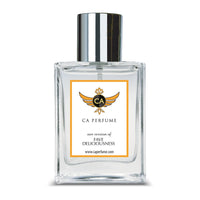
Fave Deliciousness — Feve Delicieuse Alternative Perfume
8.35
MEI™
Primary Romantic
Secondary Energizing
Confidence
7.22
Presence
7.07
Mood Lift
9.5
Identity
7.64
Warmth
9.5
Social Ease
9.15
Energy
4.9
" I am beautiful.
View full mood profile →
Kissing Burns 6.4 Calories — Kissing Burns 6.4 Calories An Hour. Wanna Work Out? Alternative Perfume
7.06
MEI™
Primary Romantic
Secondary Grounding
Confidence
5.11
Presence
4.6
Mood Lift
8.64
Identity
5.21
Warmth
9.09
Social Ease
8.75
Energy
3.9
" I am beautiful.
View full mood profile →
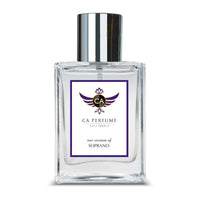
Soprano Perfume Spray — Soprano Alternative Perfume
7.03
MEI™
Primary Romantic
Secondary Confident
Confidence
7.36
Presence
8.04
Mood Lift
7.03
Identity
8.11
Warmth
7.54
Social Ease
6.05
Energy
2.5
" I am beautiful.
View full mood profile →
Italica — Xerjoff Italica Alternative Perfume
6.85
MEI™
Primary Romantic
Secondary Grounding
Confidence
5.9
Presence
5.97
Mood Lift
7.44
Identity
6.12
Warmth
9.29
Social Ease
6.91
Energy
3.4
" I am beautiful.
View full mood profile →
HumanSafe™

Top Milk Fragrances by HumanSafe™ Score

These Milk-based fragrances have the highest product-level HumanSafe™ scores in this ingredient collection.

Highest HumanSafe™ Score
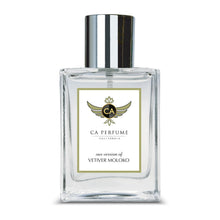
Vetiver Moloko — Ex Nihilo Vetiver Moloko Alternative Perfume
A-
HumanSafe™ Score Generally Safe
Safest Evaluated Ingredients EDP
AQUA Solvent / Carrier ISS 10.0
BENZYL SALICYLATE EYE IRRITATION - CAT. 2B [H320] Evaluated ingredient ISS 9.0
4H-INDEN-4-ONE, 1,2,3,5,6,7-HEXAHYDRO-1,1,2,3,3- Evaluated ingredient ISS 9.0
1H-3A,7-METHANOAZULENE, OCTAHYDRO-6-METHOXY-3,6,8,8- Evaluated ingredient ISS 9.0
OCTANAL, 2-(PHENYLMETHYLENE)- Evaluated ingredient ISS 8.0
REACTION MASS OF: (E)-OXACYCLOHEXADEC-12-EN-2-ONE, (E)- Evaluated ingredient ISS 7.0
View full safety profile →
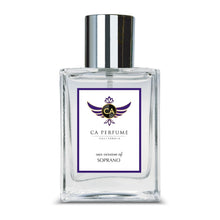
Soprano Perfume Spray — Soprano Alternative Perfume
A-
HumanSafe™ Score Generally Safe
Safest Evaluated Ingredients EDP
AQUA Solvent / Carrier ISS 10.0
BENZYL SALICYLATE Evaluated ingredient ISS 9.0
3-CYCLOPENTENE-1-ACETALDEHYDE, 2,2,3-TRIMETHYL-, Evaluated ingredient ISS 9.0
CITRONELLOL Evaluated ingredient ISS 7.0
View full safety profile →
So Scandal — Jean Paul Gaultier So Scandal Alternative Perfume
A-
HumanSafe™ Score Generally Safe
Safest Evaluated Ingredients EDP
AQUA Solvent / Carrier ISS 10.0
ACETIC ACID, PHENYLMETHYL ESTER Evaluated ingredient ISS 10.0
BENZYL SALICYLATE Evaluated ingredient ISS 9.0
BENZOIC ACID, 2-AMINO-, METHYL ESTER Evaluated ingredient ISS 9.0
7-OCTEN-2-OL, 2,6-DIMETHYL- Evaluated ingredient ISS 9.0
View full safety profile →
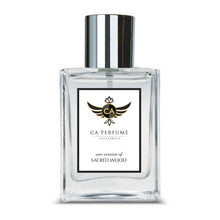
Sacred Wood — By Kilian Sacred Wood Alternative Perfume
A-
HumanSafe™ Score Generally Safe
Safest Evaluated Ingredients EDP
AQUA Solvent / Carrier ISS 10.0
3-CYCLOPENTENE-1-ACETALDEHYDE, 2,2,3-TRIMETHYL-, Evaluated ingredient ISS 9.0
SANTALOL Evaluated ingredient ISS 8.0
AMBREIN Evaluated ingredient ISS 7.0
View full safety profile →
Expert Voices

What Masters Say About Milk

Milk notes, when handled delicately, feel more textural than sugary. They create smoothness without heaviness and warmth without stickiness. The effect is less pastry and more skin, a quiet, enveloping presence rather than an overtly indulgent one.
Emma Hamsa, fragrance label founder (Vogue Arabia interview)
Milk in perfumery is constructed from synthetic lactones, offering a creamy, tactile dimension that softens and rounds out both gourmand and musky compositions.
CA Perfume Editorial
Common Questions

Frequently Asked Questions

Answers to common questions about milk as a perfume note.

In perfume, milk smells creamy, lactonic, and subtly sweet, with a velvety texture reminiscent of fresh dairy cream or steamed milk. The scent is achieved using synthetic lactones such as δ-decalactone and γ-nonalactone, which impart a smooth, enveloping quality. Depending on the composition, milk notes may also evoke coconut, almond, or soft vanilla undertones. Notable examples include Commodity Milk and Les Liquides Imaginaires Blanche Bête, both of which showcase the creamy, skin-like effect of milk in modern perfumery.

Milk is typically classified as a heart (middle) note in perfumery. Its main lactonic molecules have moderate volatility, allowing the creamy, tactile effect to persist for 30–90 minutes before gradually fading into the base. In some compositions, supporting musks and woods extend the milk accord into the drydown, but its primary impact is in the heart phase.

Milk is favored in niche perfumery for its ability to add texture, comfort, and a modern, skin-like quality to fragrances. The note’s creamy, lactonic character softens sharp edges, rounds out florals, and enhances gourmand or musky compositions. Its versatility and subtlety align with current trends for intimate, close-to-the-skin scents that evoke warmth and individuality.

Milk fragrance uses include pairing with vanilla, tonka bean, sandalwood, almond, coconut, and white florals such as jasmine and tuberose. These notes share molecular affinities—lactones, coumarin, and indoles—that enhance the creamy, gourmand, or solar facets of the milk accord. For example, pairing milk with sandalwood creates a milky-woody effect, while vanilla amplifies sweetness.

Milk perfumes can be worn in summer, but the creamy, lactonic notes may become more pronounced in heat due to increased volatility. Lighter concentrations (EDT or body mist) and pairing with citrus or aquatic notes can make milk fragrances feel refreshing and less dense. Application to hair or clothing can also help maintain subtlety in hot weather.

Milk-based fragrances generally last 4–8 hours in Eau de Parfum (EDP) formats, depending on concentration, skin chemistry, and application area. The persistence is driven by low-volatility lactones and musks, which anchor the creamy accord in the heart and base phases.

Yes, milk perfumes are ideal for layering due to their molecular compatibility with musks, woods, and gourmands. Layering with vanilla, sandalwood, or white florals can amplify creaminess, add depth, or lighten the overall effect. Notable layering examples include pairing Commodity Milk with vanilla-forward scents or Les Liquides Imaginaires Blanche Bête with sandalwood.

For those new to milk notes, recommended entry points include Commodity Milk (for a balanced creamy-woody effect), Les Liquides Imaginaires Blanche Bête (luminous and floral), and DedCool Milk (versatile and layerable). These fragrances showcase the core lactonic character of milk without overwhelming sweetness or heaviness.

Choosing the right milk fragrance at CA Perfume involves considering your preferred concentration (EDP for richness, EDT for lightness), desired pairings (gourmand, woody, or floral), and intended season or occasion. Sampling is recommended, as milk notes interact with skin chemistry to produce unique results for each wearer.

Milk perfumes are generally not overly sweet; their creamy, lactonic character is balanced by musks, woods, or subtle florals. The sweetness level depends on supporting notes—pairing with vanilla or caramel increases gourmand facets, while sandalwood or musk keeps the effect soft and textural. Most milk fragrances are suitable for daily wear, offering comfort without cloying intensity.

Musk, Amber, Animalic Smells Collection

Explore Our Top Milk Fragrances

Discover CA Perfume’s curated selection of milk-inspired fragrances, each crafted to showcase the creamy, lactonic, and musky facets of this modern note.

Shop all milk fragrances at CA Perfume →

Where Milk Comes From — Origin & Extraction

In perfumery, the milk note is not derived from natural dairy sources but is constructed using synthetic aroma chemicals, primarily lactones. Key molecules include δ-decalactone (CAS 705-86-2), γ-nonalactone (CAS 104-61-0), and γ-undecalactone (CAS 104-67-6), which are also found in fruits like peach, coconut, and apricot. These lactones are synthesized industrially via chemical processes such as aldol condensation and hydrogenation, allowing for precise control over purity and olfactory quality. Natural extraction from dairy is not viable due to instability, rapid rancidity, and allergen concerns; thus, all commercial 'milk' notes in perfumery are vegan and allergen-controlled. The primary producers of lactonic aroma chemicals are global fragrance houses and specialty chemical companies, with manufacturing hubs in the United States, Germany, Switzerland, and Japan. Firmenich, Givaudan, Symrise, and Takasago are leading suppliers. Production volumes are not publicly disclosed, but the market for lactonic aroma chemicals is estimated at several hundred metric tons annually, with δ-decalactone priced at approximately $80–150/kg (2026 data). In contrast, natural dairy extracts are not commercially available for perfumery due to spoilage and regulatory limitations. Extraction of lactones involves multi-step organic synthesis, typically starting from fatty acids or alcohols, followed by cyclization and purification. The resulting compounds are highly stable, soluble in alcohol and oil bases, and resistant to oxidation. Sustainability considerations favor synthetics: lactones are produced with minimal waste, no animal inputs, and lower environmental impact compared to animal-derived musks or natural dairy. All milk notes used in CA Perfume formulations are HumanSafe™ verified for transparency and safety.

Famous Fragrances That Define Milk in Perfumery

Milk notes have become a hallmark of modern gourmand and musky perfumery, with several landmark fragrances showcasing their versatility. Commodity Milk (2021, perfumer Christelle Laprade) is widely regarded as the archetype, blending cold milk accord with marshmallow, mahogany, and tonka bean to create a creamy, woody, and subtly sweet signature. Les Liquides Imaginaires Blanche Bête (2020) features a luminous milk accord paired with white florals and incense, resulting in a radiant, textural scent that has influenced the rise of 'skin scents.' Serge Lutens Dent de Lait (2017, perfumer Serge Lutens) explores the metallic and mineral facets of milk, combining almond, musk, and sandalwood for a unique lactonic effect. Casamorati Italica (2021, perfumer Chris Maurice) uses milk alongside almond, toffee, and vanilla, producing a rich, dessert-like gourmand. DedCool Milk (2020) and its variants (Xtra Milk, Mochi Milk) have popularized the note among younger audiences, emphasizing its layering potential and versatility. Other notable examples include Etat Libre d’Orange Secretions Magnifiques (2006, perfumer Antoine Lie), which employs lactonic notes for a provocative, animalic effect, and By Kilian Love, Don’t Be Shy (2007, perfumer Calice Becker), where milk blends with marshmallow and orange blossom. These fragrances demonstrate milk’s ability to function as a dominant note, bridge, or softening accent, often paired with vanilla, sandalwood, tonka bean, and white florals. CA Perfume’s collection draws inspiration from this lineage, offering milk-forward compositions that balance comfort, innovation, and textural complexity.

Natural vs Synthetic Milk in Perfumery

Milk as a perfume note is exclusively synthetic, as natural dairy extracts are unsuitable for fine fragrance due to instability, allergenicity, and rapid spoilage. The core synthetic molecules used to create a milk accord are δ-decalactone (CAS 705-86-2), γ-nonalactone (CAS 104-61-0), and γ-undecalactone (CAS 104-67-6). These lactones are valued for their creamy, velvety, and slightly fruity facets, closely mimicking the olfactory impression of fresh milk, coconut cream, or condensed milk. Ethyl vanillin (CAS 121-32-4) and maltol (CAS 118-71-8) are often added to enhance sweetness and roundness. Performance-wise, synthetic milk notes offer superior stability, longevity (4–8 hours in EDP formats), and batch-to-batch consistency compared to any natural dairy material. They are also vegan, allergen-controlled, and free from animal welfare concerns. Cost is significantly lower: δ-decalactone and related lactones retail at $80–150/kg, while natural dairy absolutes (if available) would be prohibitively expensive and short-lived. Notably, all major milk-forward fragrances—such as Commodity Milk, DedCool Milk, and Les Liquides Imaginaires Blanche Bête—rely on synthetic lactones for their signature effect. From a sustainability perspective, synthetic lactones have a smaller environmental footprint than animal-derived musks or natural dairy extracts. CA Perfume’s HumanSafe™ platform ensures all lactonic materials are transparently sourced, IFRA-compliant, and free from animal testing. The use of synthetics also enables broader creative freedom, allowing perfumers to fine-tune the creamy, nutty, or fruity nuances of the milk accord for diverse fragrance applications.