
Best customer service, the scent is great but only lasted 2 hrs on me.
Everything is as advertised and the packaging and presentation was awesome
Sweet, nutty, and powdery — almond’s signature in scent.
Almond is a base note in perfumery, prized for its sweet, nutty, and powdery aroma. Its marzipan-like scent comes from benzaldehyde and is often used at 0.5–2% for creamy, gourmand depth.

Almond (Prunus dulcis) in perfumery is defined by a sweet, nutty, and slightly powdery scent profile, often reminiscent of marzipan, amaretto, or freshly baked pastries. The dominant aroma compound responsible for almond’s characteristic scent is benzaldehyde (C6H5CHO), which imparts a cherry-like, bitter-sweet note. Depending on extraction and formulation, almond can also reveal facets of creamy warmth, subtle woodiness, and a faintly floral undertone. In some compositions, the scent leans toward a gourmand marzipan effect, while in others it can evoke the dry, toasted nuance of almond skins. This complexity makes the almond scent profile highly versatile in perfumery. Almond in perfumery is typically classified as a base note due to its fixative properties and moderate volatility. It is usually used at concentrations of 0.5–2% in the fragrance formula, providing a lasting, cozy foundation for both gourmand and floral compositions. Almond’s interaction with skin chemistry is notable: on warmer, more acidic skin, the benzaldehyde can become more pronounced, amplifying the marzipan and cherry facets, while on drier or more alkaline skin, the creamy, powdery aspects may dominate. This adaptability makes almond a popular choice for layering and for creating signature scents that evolve with the wearer. Notable fragrances that exemplify almond’s role include Dior Hypnotic Poison (1998, perfumer Annick Menardo), where almond is paired with vanilla and jasmine for a creamy, sultry effect, and Maison Francis Kurkdjian Baccarat Rouge 540 Extrait (2017, Francis Kurkdjian), which uses almond to add a subtle, nutty depth beneath saffron and ambergris. Other examples include Casamorati Italica (2021) and Guerlain L’Homme Idéal (2014, Thierry Wasser), both of which showcase almond’s ability to bridge gourmand and woody notes. Almond in perfumery thus offers a multi-dimensional, comforting, and enduring olfactory signature.
Almond’s scent profile varies by origin, reflecting soil, climate, and cultivation practices. Mediterranean and Californian almonds yield subtle differences in aroma, oil content, and extraction quality.
Almond (Prunus dulcis) is a deciduous tree native to the Mediterranean basin, now extensively cultivated in regions such as California (producing over 80% of the world’s almonds, with annual outputs exceeding 1.3 million metric tons), Spain, Italy, and Iran. The almond fragrance note is derived from both natural and synthetic sources. Natural almond oil is typically extracted from the kernels via cold pressing, yielding a pale, aromatic oil rich in benzaldehyde and fatty acids. For perfumery, bitter almond oil (from Prunus amygdalus var. amara) is preferred due to its higher benzaldehyde content. The extraction process may involve solvent extraction (using hexane or ethanol) or steam distillation, though the latter is less common due to the risk of hydrolyzing amygdalin into toxic hydrogen cyanide. Yields are low, with approximately 1–2% oil by weight from the kernels. Due to the high cost and safety considerations of natural extraction, most almond notes in perfumery are recreated using synthetic benzaldehyde (CAS 100-52-7), which is chemically identical to the natural compound but produced via oxidation of toluene or benzal chloride. Synthetic benzaldehyde is significantly less expensive, costing around $10–20/kg compared to $1,000–3,000/kg for natural bitter almond oil. Sustainability concerns favor the synthetic route, as large-scale almond cultivation requires substantial water and land resources, with California’s almond industry alone consuming an estimated 3.8 billion cubic meters of water annually. The use of synthetic almond aroma also avoids the cyanogenic glycoside content of bitter almond, ensuring safety and regulatory compliance in fragrance production.
California’s Central Valley produces over 80% of global almonds, with sandy loam soils and a Mediterranean climate. The region’s almonds are high in oil content and benzaldehyde, yielding a creamy, sweet aroma. Annual production exceeds 1.3 million metric tons. Strict quality standards apply, but no PDO/PGI designation.
Spanish almonds, especially from Andalusia and Valencia, are known for their slightly drier, more aromatic profile, influenced by limestone-rich soils and moderate rainfall. Spain accounts for 10–12% of global production. Hand-harvesting and traditional sun-drying methods are common.
Iranian almonds from Fars Province are valued for their intense, slightly bitter aroma, attributed to higher amygdalin content and arid climate. Iran produces approximately 5% of the world’s almonds, with a focus on traditional cultivars.
Sicilian and Apulian almonds are prized for their delicate, floral aroma and high oil yield, shaped by volcanic soils and coastal microclimates. Italy’s annual output is smaller but regarded for artisanal quality, especially in confectionery and perfumery.
Natural almond oil, primarily derived from Prunus amygdalus var. amara, contains benzaldehyde (CAS 100-52-7), amygdalin, and minor fatty acids. However, due to the presence of cyanogenic glycosides, natural bitter almond oil must be carefully processed to remove toxic hydrogen cyanide. As a result, most almond notes in modern perfumery are recreated using synthetic benzaldehyde, which offers greater purity, safety, and batch-to-batch consistency. Other key synthetic molecules used to enhance or modify the almond effect include heliotropin (piperonal, CAS 120-57-0), coumarin (CAS 91-64-5), and anisaldehyde (CAS 123-11-5), each contributing powdery, creamy, or floral nuances to the accord. Synthetic almond notes exhibit superior stability, longevity, and diffusion compared to their natural counterparts, which can oxidize and degrade over time. The cost differential is significant: synthetic benzaldehyde is available for $10–20/kg, while natural bitter almond oil may exceed $1,000/kg due to low yields and labor-intensive extraction. Notable fragrances using synthetic almond include Dior Hypnotic Poison (1998) and Guerlain L’Homme Idéal (2014), both of which rely on benzaldehyde and heliotropin for a marzipan effect. Sustainability is a key advantage of synthetics, reducing agricultural water use and environmental impact. CA Perfume’s HumanSafe™ platform ensures full transparency regarding the use of natural versus synthetic almond aroma, prioritizing safety, traceability, and regulatory compliance in all formulations.
Almond has played a defining role in both classic and contemporary perfumery, often serving as a bridge between gourmand, floral, and woody notes. Dior Hypnotic Poison (1998, Annick Menardo) is a landmark fragrance that uses synthetic almond and vanilla to create a creamy, seductive base, with jasmine and musk for added complexity. Maison Francis Kurkdjian Baccarat Rouge 540 Extrait (2017, Francis Kurkdjian) features almond as a subtle, nutty undertone beneath saffron and ambergris, enhancing the overall richness of the composition. Casamorati Italica (2021) by Xerjoff highlights almond as a dominant note, paired with toffee, vanilla, and sandalwood for a pastry-like, gourmand effect. Guerlain L’Homme Idéal (2014, Thierry Wasser) employs almond as a bridge note, connecting citrus top notes with tonka bean and leather in the base. BDK Parfums Velvet Tonka (2021, Alexandra Carlin) showcases almond’s powdery, marzipan character, blending it with orange blossom and tobacco for a nuanced, unisex scent. These fragrances demonstrate almond’s versatility, from dominant gourmand signatures to subtle supporting roles. CA Perfume’s almond-based collection draws inspiration from this lineage, offering both classic and modern interpretations of the note.
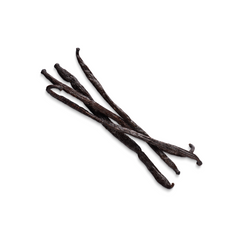
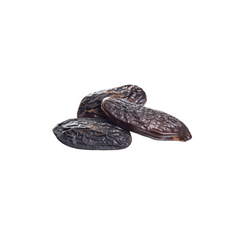
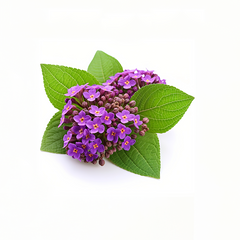
A classic almond accord balances sweet, nutty, and powdery facets. Almond (25–30%) provides the marzipan core via benzaldehyde. Heliotrope (20–25%) adds creamy, floral-powdery nuances through heliotropin. Vanilla (25–30%) supplies lactonic sweetness and softens bitterness with vanillin. Tonka bean (20–25%) reinforces almond’s warmth and longevity via coumarin and almondy lactones. This blend creates a multi-dimensional, lasting almond impression.
Almond provides the core marzipan and nutty facets, primarily via benzaldehyde. It establishes the gourmand signature and anchors the accord.
Heliotrope introduces creamy, powdery, and slightly floral notes through heliotropin, enhancing almond’s softness and lending a pastel nuance.
Vanilla, rich in vanillin, rounds out the accord with lactonic sweetness, masking any bitterness and increasing the overall comfort factor.
Tonka bean, high in coumarin, reinforces almond’s warmth and longevity, adding a subtle spicy-woody undertone and supporting the fixative effect.
Almond’s olfactory evolution unfolds gradually. High-volatility benzaldehyde dominates the opening, followed by creamy heliotropin and vanillin in the heart, and a lingering powdery-woody base from tonka and musk. The transition from top to base is marked by a shift from sharp marzipan to a soft, warm, and lasting gourmand trail.
The initial impression is dominated by benzaldehyde, delivering a sharp, sweet, marzipan-like aroma with faint cherry undertones. This volatile compound evaporates quickly, providing an immediate, recognizable almond signature. Subtle citrus or fruity nuances may be present, depending on the formulation.
As the top fades, heliotropin and vanillin emerge, lending a creamy, powdery, and slightly floral character. The almond becomes softer and more rounded, with hints of pastry and confection. The heart is defined by the interplay of almond, heliotrope, and vanilla, creating a comforting, gourmand effect.
In the drydown, coumarin from tonka bean and soft musks provide warmth and longevity. The almond note persists as a subtle, nutty undertone, blended with woody and ambery facets. The base is smooth, cozy, and slightly earthy, ensuring a lasting, skin-like finish.
Almond’s history in perfumery spans ancient incense, culinary traditions, and modern gourmand fragrance innovation.
Almonds were used in ancient Egypt for incense and perfumed oils, valued for their sweet, nutty aroma. Archaeological evidence shows almond oil in burial sites and as a base for scented ointments.
Friedrich Wöhler and Justus von Liebig isolate benzaldehyde from bitter almond oil, enabling the synthetic recreation of almond aroma for perfumery and flavoring.
Annick Menardo’s Hypnotic Poison (Dior) establishes almond as a modern gourmand signature, blending synthetic almond with vanilla and jasmine for a creamy, sensual effect.
Thierry Wasser’s L’Homme Idéal (Guerlain) uses almond as a bridge note, connecting citrus, tonka bean, and leather, expanding almond’s role in men’s fragrances.
Fragrances like Casamorati Italica and BDK Parfums Velvet Tonka highlight almond’s versatility, from dominant marzipan notes to subtle, powdery accents in niche perfumery.
Understanding how to layer almond is key to maximizing its gourmand and powdery facets. Layering works best with notes that share molecular bridges or provide olfactory contrast, such as vanilla, cherry, or sandalwood.
Layer almond with vanilla or tonka bean fragrances. Vanillin and coumarin share lactonic and almondy facets, creating a seamless, creamy gourmand effect. Fragrances like Guerlain Tonka Impériale or BDK Parfums Velvet Tonka demonstrate this synergy.
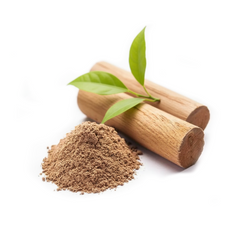
Combine almond with woody notes such as sandalwood or cedar. Sandalwood’s santalol molecules provide a smooth, milky base that anchors almond’s volatility, resulting in a longer-lasting, more sophisticated scent. Casamorati Italica and Guerlain L’Homme Idéal illustrate this pairing.
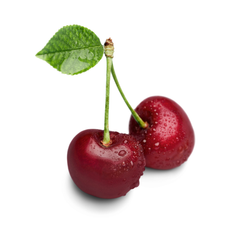
Layer almond with citrus or cherry notes. Benzaldehyde is present in both almond and cherry, creating a molecular bridge that enhances the fruity, sparkling aspect. Maison Francis Kurkdjian Baccarat Rouge 540 Extrait and Tom Ford Lost Cherry are examples of this technique.
Cooler temperatures suppress volatility, allowing almond’s creamy, marzipan facets to linger and develop slowly. Apply to pulse points and consider layering with vanilla or tonka for extra warmth. Almond’s cozy profile is ideal for cold-weather comfort and evening wear.
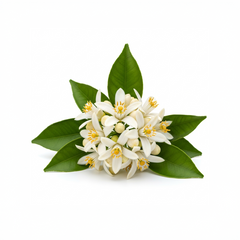
Mild temperatures highlight almond’s floral and powdery nuances. Pair with orange blossom or heliotrope for a fresh, pastel effect. Moderate application is recommended, as almond’s sweetness can become more pronounced with rising humidity.
Heat increases volatility, causing almond’s top notes to evaporate quickly and revealing the woody base sooner. Use sparingly and focus on lighter, EDT formulations. Layer with citrus or green notes to balance sweetness and prevent cloying effects.
Adjust almond fragrance intensity based on climate and occasion. For daytime, use lighter concentrations and apply to clothing or hair for a subtle trail. In the evening or cooler settings, opt for richer formats and layer with complementary gourmand notes.
Strategic application enhances almond’s projection and longevity, with pulse points and layering techniques optimizing the scent experience.
Applying almond fragrance to the neck leverages body heat to diffuse the marzipan top notes, creating an inviting, enveloping aura.
This area retains warmth and moisture, helping almond’s creamy, powdery heart to persist and evolve throughout the day.
Pulse points on the wrists accelerate almond’s olfactory evolution, allowing the wearer to experience the full transition from sweet top to woody base.
Spraying almond fragrance on hair provides a gentle, long-lasting sillage, as the scent is released gradually with movement and warmth.
Layer almond fragrance over an unscented or complementary almond-scented lotion to lock in moisture and extend projection, especially in dry climates.
These Almond-based fragrances scored highest on the MEI™ Mood Architecture Framework — measuring how a scent may influence your emotional state.
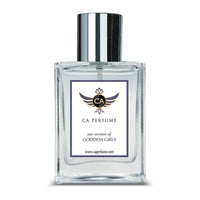
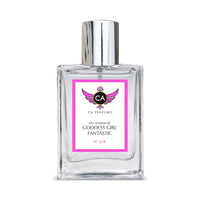

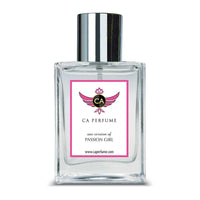
These Almond-based fragrances have the highest product-level HumanSafe™ scores in this ingredient collection.


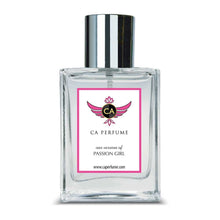
Almond in perfumery is defined by its sweet, nutty, and powdery aroma, with marzipan and cherry nuances from benzaldehyde. Its versatility allows it to serve as both a dominant gourmand note and a subtle supporting accent.
Bitter almond oil is produced not only from almonds, but cherries, apricots, peaches, and prunes.
Almond pairs well with a range of complementary notes, from florals to woods and gourmand accords.
Answers to common questions about almond’s scent, use, and performance in perfumery.
In perfume, almond smells sweet, nutty, and powdery, often evoking marzipan, amaretto, or almond pastries. The primary aroma compound is benzaldehyde, which provides a cherry-like, bitter-sweet top note. Almond’s scent can also reveal creamy, woody, and slightly floral facets, depending on the composition. Notable examples include Dior Hypnotic Poison and Casamorati Italica, where almond is paired with vanilla and heliotrope for a rich, gourmand effect.
Almond is typically used as a base note in perfumery due to its moderate volatility and fixative properties. It anchors the composition and provides lasting sweetness and warmth. However, in some formulas, almond’s marzipan facet can appear in the top notes, especially when paired with citrus or cherry. Its most enduring impression is in the heart and base of the fragrance.
Almond is popular in niche perfumery for its versatility and ability to evoke comfort, nostalgia, and gourmand indulgence. Its scent bridges sweet, powdery, and woody accords, allowing perfumers to create complex, multi-layered compositions. Almond’s molecular compatibility with vanilla, tonka bean, and heliotrope makes it a favorite for innovative gourmand and floral blends.
Almond fragrance uses often involve pairing with vanilla, tonka bean, heliotrope, sandalwood, and cherry. These notes share molecular bridges (e.g., vanillin, coumarin, benzaldehyde), creating harmonious, creamy, and powdery accords. Almond also complements orange blossom, patchouli, and amber for added depth and complexity.
Almond can be worn in summer, but its sweet, creamy profile is best suited to cooler months. In hot weather, almond’s volatility increases, causing the marzipan top notes to fade quickly and revealing the woody base sooner. For summer, choose lighter concentrations (EDT) and layer with citrus or green notes to balance the sweetness.
Almond fragrances generally last 4–8 hours on the skin, depending on concentration, formulation, and skin chemistry. Oil-based and EDP formats provide the longest longevity. Almond’s fixative properties help anchor other notes, ensuring a persistent, cozy trail.
Yes, almond is highly layerable. It pairs well with vanilla, tonka bean, cherry, and sandalwood, as well as floral notes like orange blossom. Layering enhances almond’s creamy or fruity facets and can extend longevity. For best results, choose fragrances with shared molecular components or complementary accords.
For those new to almond, recommended entry points include Dior Hypnotic Poison (creamy, vanilla-almond), Guerlain L’Homme Idéal (almond with citrus and leather), and Casamorati Italica (gourmand almond pastry). These fragrances showcase almond’s versatility in both feminine and unisex contexts.
Consider your preferred style: for a sweet, gourmand effect, look for almond paired with vanilla and tonka bean; for a fresher profile, seek almond with citrus or floral notes. CA Perfume’s collection offers both classic and modern almond interpretations, with full ingredient transparency via the HumanSafe™ platform.
Almond’s sweetness can be moderated by pairing with woody, floral, or citrus notes. While some almond fragrances are intensely gourmand, others are balanced and versatile for daily use. The powdery, nutty facets make almond suitable for both casual and formal occasions, depending on the formula.
Discover CA Perfume’s selection of almond-inspired scents, from classic marzipan accords to modern, powdery interpretations.
Shop all almond fragrances at CA Perfume →Almond (Prunus dulcis) is a deciduous tree native to the Mediterranean basin, now extensively cultivated in regions such as California (producing over 80% of the world’s almonds, with annual outputs exceeding 1.3 million metric tons), Spain, Italy, and Iran. The almond fragrance note is derived from both natural and synthetic sources. Natural almond oil is typically extracted from the kernels via cold pressing, yielding a pale, aromatic oil rich in benzaldehyde and fatty acids. For perfumery, bitter almond oil (from Prunus amygdalus var. amara) is preferred due to its higher benzaldehyde content. The extraction process may involve solvent extraction (using hexane or ethanol) or steam distillation, though the latter is less common due to the risk of hydrolyzing amygdalin into toxic hydrogen cyanide. Yields are low, with approximately 1–2% oil by weight from the kernels. Due to the high cost and safety considerations of natural extraction, most almond notes in perfumery are recreated using synthetic benzaldehyde (CAS 100-52-7), which is chemically identical to the natural compound but produced via oxidation of toluene or benzal chloride. Synthetic benzaldehyde is significantly less expensive, costing around $10–20/kg compared to $1,000–3,000/kg for natural bitter almond oil. Sustainability concerns favor the synthetic route, as large-scale almond cultivation requires substantial water and land resources, with California’s almond industry alone consuming an estimated 3.8 billion cubic meters of water annually. The use of synthetic almond aroma also avoids the cyanogenic glycoside content of bitter almond, ensuring safety and regulatory compliance in fragrance production.
Almond has played a defining role in both classic and contemporary perfumery, often serving as a bridge between gourmand, floral, and woody notes. Dior Hypnotic Poison (1998, Annick Menardo) is a landmark fragrance that uses synthetic almond and vanilla to create a creamy, seductive base, with jasmine and musk for added complexity. Maison Francis Kurkdjian Baccarat Rouge 540 Extrait (2017, Francis Kurkdjian) features almond as a subtle, nutty undertone beneath saffron and ambergris, enhancing the overall richness of the composition. Casamorati Italica (2021) by Xerjoff highlights almond as a dominant note, paired with toffee, vanilla, and sandalwood for a pastry-like, gourmand effect. Guerlain L’Homme Idéal (2014, Thierry Wasser) employs almond as a bridge note, connecting citrus top notes with tonka bean and leather in the base. BDK Parfums Velvet Tonka (2021, Alexandra Carlin) showcases almond’s powdery, marzipan character, blending it with orange blossom and tobacco for a nuanced, unisex scent. These fragrances demonstrate almond’s versatility, from dominant gourmand signatures to subtle supporting roles. CA Perfume’s almond-based collection draws inspiration from this lineage, offering both classic and modern interpretations of the note.
Natural almond oil, primarily derived from Prunus amygdalus var. amara, contains benzaldehyde (CAS 100-52-7), amygdalin, and minor fatty acids. However, due to the presence of cyanogenic glycosides, natural bitter almond oil must be carefully processed to remove toxic hydrogen cyanide. As a result, most almond notes in modern perfumery are recreated using synthetic benzaldehyde, which offers greater purity, safety, and batch-to-batch consistency. Other key synthetic molecules used to enhance or modify the almond effect include heliotropin (piperonal, CAS 120-57-0), coumarin (CAS 91-64-5), and anisaldehyde (CAS 123-11-5), each contributing powdery, creamy, or floral nuances to the accord. Synthetic almond notes exhibit superior stability, longevity, and diffusion compared to their natural counterparts, which can oxidize and degrade over time. The cost differential is significant: synthetic benzaldehyde is available for $10–20/kg, while natural bitter almond oil may exceed $1,000/kg due to low yields and labor-intensive extraction. Notable fragrances using synthetic almond include Dior Hypnotic Poison (1998) and Guerlain L’Homme Idéal (2014), both of which rely on benzaldehyde and heliotropin for a marzipan effect. Sustainability is a key advantage of synthetics, reducing agricultural water use and environmental impact. CA Perfume’s HumanSafe™ platform ensures full transparency regarding the use of natural versus synthetic almond aroma, prioritizing safety, traceability, and regulatory compliance in all formulations.