
Best customer service, the scent is great but only lasted 2 hrs on me.
Everything is as advertised and the packaging and presentation was awesome
Almond, marzipan, and powder — heliotrope’s signature in scent.
Heliotrope is a heart note in perfumery, prized for its powdery, almond-like sweetness and creamy, floral nuance. Its defining scent comes from piperonal (heliotropin), used at 3–10% for a plush, nostalgic effect.

Heliotrope, botanically Heliotropium arborescens, is renowned in perfumery for its unique scent profile: a blend of powdery, sweet, and almond-like aromas, often likened to marzipan or vanilla custard. The primary molecule responsible for this signature is piperonal (heliotropin, CAS 120-57-0), which imparts a creamy, floral sweetness with subtle cherry and nutty facets. Supporting molecules such as vanillin and benzaldehyde contribute to its gourmand, comforting character, while coumarin and anisaldehyde add depth and a faintly spicy undertone. This complex bouquet is neither overtly floral nor strictly gourmand, but occupies a liminal space between the two, making heliotrope in perfumery highly versatile. In perfumery, heliotrope is classified as a heart note, typically used at concentrations of 3–10% within an accord. Its moderate molecular weight and volatility allow it to emerge after the initial top notes dissipate, providing a plush, powdery bridge between brighter florals and deeper base notes. Heliotrope’s interaction with skin chemistry is notable: on warmer, more acidic skin, its almond and cherry facets become pronounced, while on drier or more alkaline skin, the powdery and vanilla aspects dominate. This adaptability has made heliotrope a staple in both vintage and modern fragrance compositions. Classic fragrances that exemplify heliotrope’s use include Guerlain L’Heure Bleue (1912, Jacques Guerlain), where it forms a powdery, nostalgic heart alongside iris and anise, and Serge Lutens Dent de Lait (2017, Serge Lutens), which showcases heliotrope’s creamy, lactonic side paired with almond milk and musk. In contemporary perfumery, heliotrope in perfumery is frequently used to evoke comfort, softness, and a sense of vintage elegance, as seen in BDK Parfums Rouge Smoking (2018, Amelie Bourgeois) and Tom Ford Metallique (2019, Alberto Morillas, Marie Salamagne, and Laurent Le Guernec).
Heliotrope’s scent is shaped by geography: French heliotrope is prized for its delicate, powdery aroma, while Californian and Italian crops yield sweeter, more gourmand nuances due to climate and soil.
Heliotrope refers to a genus of flowering plants in the Boraginaceae family, with Heliotropium arborescens being the species most associated with perfumery. Native to South America, particularly Peru and Bolivia, heliotrope is now cultivated in France (notably Grasse), California (USA), and Italy for its fragrant blooms. The plant produces clusters of small, violet or white flowers, often called 'cherry pie flower' due to their sweet, marzipan-like aroma. Natural extraction of heliotrope’s scent is rare due to the flower’s low oil yield and delicate aroma. Traditional methods included maceration and enfleurage, but modern extraction relies on solvent extraction (using hexane or ethanol) or supercritical CO₂ to produce heliotrope absolute. Yields are extremely low, often less than 0.05% by weight, making natural heliotrope absolute prohibitively expensive at $3,000–6,000/kg. The absolute is complex and variable, with batch-to-batch differences in sweetness and powderiness. Because of these limitations, the vast majority of heliotrope notes in perfumery are reconstructed using synthetic aroma chemicals. Piperonal (heliotropin) is the principal synthetic, first isolated in 1869 by Fittig and Mielck from sassafras oil. Other key synthetics include heliotropyl acetate, vanillin, and anisaldehyde. Synthetic heliotrope accords are stable, consistent, and cost-effective ($50–200/kg), allowing for scalable, sustainable use in modern fragrance production. Sustainability concerns are minimal for synthetics, while natural heliotrope cultivation is limited by land use and water requirements in horticultural regions.
Grasse, Provence: Renowned for horticultural expertise, French heliotrope is cultivated in mineral-rich, sun-drenched soils. The region’s moderate rainfall and cool nights yield flowers with a refined, powdery scent. France supplies a small but high-quality share of the global market, with strict quality standards for perfumery use.
California: Extensive heliotrope cultivation in the Central Valley and coastal regions, where warm days and dry summers intensify the flower’s sweetness. U.S. production is geared toward artisanal perfumery, with a focus on sustainable irrigation and hand-harvesting methods.
Liguria and Tuscany: Italian heliotrope benefits from temperate Mediterranean climates, producing blooms with pronounced marzipan and vanilla notes. Italian growers emphasize organic practices and small-batch harvesting, contributing to the ingredient’s niche appeal.
Natural heliotrope absolute is exceedingly rare in perfumery due to low extraction yields and high cost. Most heliotrope notes are created using synthetic molecules, primarily piperonal (heliotropin, CAS 120-57-0), which replicates the almond-vanilla-powder profile with high fidelity. Additional synthetics such as heliotropyl acetate (CAS 120-51-4), vanillin (CAS 121-33-5), and anisaldehyde (CAS 123-11-5) are blended to round out the accord, introducing creamy, floral, and faintly spicy nuances. Performance-wise, synthetic heliotrope offers superior stability, longevity, and batch consistency compared to the natural absolute, which can vary in intensity and sweetness. Synthetic heliotrope is also less prone to oxidation and photodegradation, ensuring a reliable scent profile in finished fragrances. Cost is a major differentiator: synthetic heliotrope accords cost $50–200/kg, while natural absolute can exceed $6,000/kg. Most iconic fragrances, including Guerlain L’Heure Bleue and Serge Lutens Dent de Lait, use synthetic heliotropin for both economic and olfactory reasons. From a sustainability perspective, synthetic heliotrope reduces pressure on agricultural land and water resources, and avoids the toxicity issues associated with heliotrope plants (which contain pyrrolizidine alkaloids). The HumanSafe™ platform at CA Perfume ensures all heliotrope materials, whether natural or synthetic, are fully traceable and IFRA-compliant, with transparent sourcing and allergen disclosure.
Heliotrope has played a pivotal role in both classic and contemporary perfumery, often serving as a bridge note or dominant heart in powdery, gourmand, and floral compositions. Guerlain L’Heure Bleue (1912, Jacques Guerlain) is perhaps the most iconic heliotrope fragrance, where it forms a powdery, melancholic heart alongside iris and anise. L.T. Piver Heliotrope Blanc (1850, Louis-Toussaint Piver) is an early soliflore that established the note’s marzipan and almond associations. In Serge Lutens Dent de Lait (2017, Serge Lutens), heliotrope is paired with almond milk and musk for a modern, lactonic effect. BDK Parfums Rouge Smoking (2018, Amelie Bourgeois) uses heliotrope as a creamy, gourmand accent against cherry and vanilla, while Tom Ford Metallique (2019, Alberto Morillas, Marie Salamagne, Laurent Le Guernec) highlights heliotrope’s powdery, metallic edge in a contemporary aldehydic floral. Initio Parfums Prives Psychedelic Love (2017, Alexandra Kosinski) demonstrates heliotrope’s versatility as a sensual, almond-powdered bridge between floral and woody notes. CA Perfume’s collection draws inspiration from this lineage, offering heliotrope-driven scents that balance vintage softness with modern clarity.
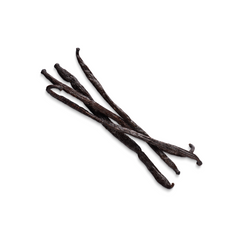
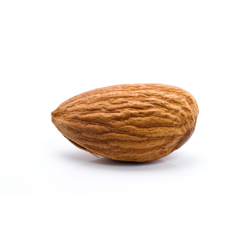
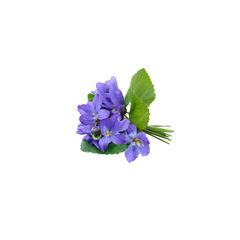
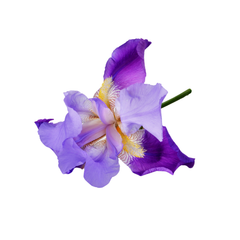
A heliotrope accord balances powdery sweetness, creamy florals, and subtle gourmand nuances. Typical proportions: Heliotrope (20–25%), Almond (20–25%), Vanilla (25–30%), Violet (20–25%). Almond and vanilla reinforce the marzipan and custard facets via shared benzaldehyde and vanillin content, while violet introduces ionones for a plush, powdery lift. This synergy creates a multi-dimensional, comforting scent.
Provides the core powdery, almond-vanilla aroma via piperonal (heliotropin), anchoring the accord with creamy, floral sweetness.
Benzaldehyde in almond amplifies heliotrope’s marzipan and cherry facets, deepening the gourmand aspect and enhancing perceived warmth.
Vanillin softens heliotrope’s powderiness, providing creamy, custard-like undertones and olfactory masking for a rounder finish.
Ionones in violet add a plush, powdery lift, bridging heliotrope’s floral and gourmand facets for a vintage, cosmetic effect.
Heliotrope’s olfactory evolution unfolds over several hours: initial almond-cherry brightness (high-volatility piperonal), followed by a creamy, powdery heart (vanillin, ionones), and a soft, musky base (coumarin, musk).
The opening is marked by a fleeting burst of sweet almond and cherry, driven by high-volatility piperonal and benzaldehyde. These molecules evaporate quickly, creating an immediate impression of marzipan and soft floral brightness before yielding to the heart.
Heliotrope’s signature emerges: powdery, creamy, and floral. Vanillin and ionones dominate, blending with heliotropin to create a plush, nostalgic effect reminiscent of vintage cosmetics and vanilla custard. This stage is persistent and enveloping.
The drydown is soft and musky, with coumarin and musks providing a gentle, skin-like finish. Subtle woody and balsamic undertones linger, extending heliotrope’s comforting presence long after the floral sweetness fades.
Heliotrope’s journey in perfumery spans from ancient Egypt to modern niche fragrances, evolving from natural extractions to synthetic mastery.
Heliotrope flowers were used in ceremonial garlands and unguents, valued for their sweet scent and symbolic association with the sun.
Louis-Toussaint Piver launches Heliotrope Blanc, one of the earliest heliotrope soliflores, establishing the note’s marzipan and powdery reputation in Western perfumery.
Chemists Fittig and Mielck isolate piperonal (heliotropin) from sassafras oil, enabling the first synthetic heliotrope accords and revolutionizing fragrance formulation.
Jacques Guerlain’s L’Heure Bleue debuts, using synthetic heliotropin to create a powdery, melancholic heart, cementing heliotrope’s place in classic perfumery.
Fragrances like Serge Lutens Dent de Lait and Tom Ford Metallique reinterpret heliotrope’s creamy, almond-powdered facets for contemporary tastes, blending vintage nostalgia with modern clarity.
Understanding how to layer heliotrope involves pairing it with notes that share molecular affinities or provide olfactory contrast. The 'how to layer heliotrope' approach leverages shared vanillin, benzaldehyde, and ionone content for seamless blends.
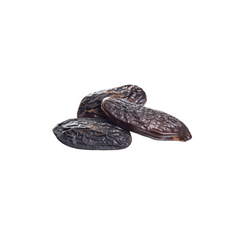
Layer heliotrope with vanilla or tonka bean fragrances. Vanillin and coumarin molecules synergize, amplifying creamy, custard-like facets. This pairing is exemplified in Guerlain L’Heure Bleue and BDK Parfums Rouge Smoking, where heliotrope and vanilla create plush, edible warmth.
Combine heliotrope with violet or iris notes. Ionones in violet and irones in iris share powdery, cosmetic qualities with heliotropin, resulting in a plush, vintage effect. Serge Lutens Dent de Lait and Guerlain Apres l’Ondee demonstrate this synergy.
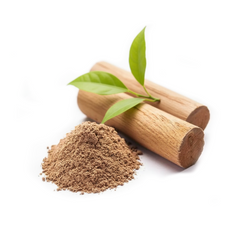
Layer with sandalwood or cashmere wood. The lactonic, creamy molecules in sandalwood (santalol) and cashmeran provide a smooth, grounding base, balancing heliotrope’s sweetness and extending its longevity. Tom Ford Metallique and Initio Psychedelic Love use this approach for a modern, enveloping finish.
Cool temperatures suppress heliotrope’s volatility, allowing its powdery, creamy facets to linger and create a comforting, enveloping aura. Apply to pulse points and under clothing for a long-lasting, cozy effect that pairs well with cashmere and wool.
Mild weather brings out heliotrope’s floral brightness and marzipan sweetness. Increased humidity enhances projection, making it ideal for daytime wear. Layer with green or citrus notes for a fresh, uplifting twist.
Heat increases the volatility of piperonal and vanillin, amplifying heliotrope’s sweet, gourmand aspects. Apply sparingly to avoid overwhelming sillage; focus on cooler areas like the inner elbows or behind the knees for a subtle, skin-like effect.
Adjust application based on climate: in dry or cold conditions, moisturize skin beforehand to extend heliotrope’s longevity. In humid or hot weather, use lighter concentrations or layer with citrus for balance.
Strategic application enhances heliotrope’s evolution and sillage, maximizing its powdery, creamy qualities.
Pulse points on the neck generate warmth, accelerating heliotrope’s top note diffusion and enhancing the marzipan-cherry opening.
This area maintains a stable temperature, allowing heliotrope’s powdery heart to linger and blend with skin’s natural oils for a soft-focus effect.
Frequent movement helps project heliotrope’s creamy, almond facets. Body heat here intensifies the heart and base notes over time.
Spraying on hair or a hairbrush provides a slow, sustained release of heliotrope’s sweeter, gourmand molecules, enhancing sillage throughout the day.
Layer heliotrope over unscented almond or vanilla lotion to amplify its gourmand facets and extend longevity through occlusion and molecular affinity.
These Heliotrope-based fragrances scored highest on the MEI™ Mood Architecture Framework — measuring how a scent may influence your emotional state.

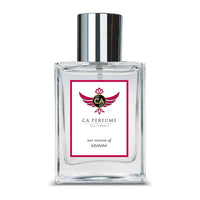
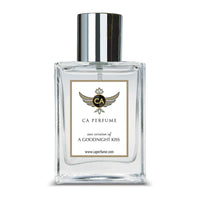
These Heliotrope-based fragrances have the highest product-level HumanSafe™ scores in this ingredient collection.
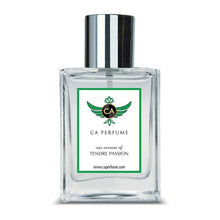
Heliotropin, also known as piperonal, combines smells of vanilla, almond and cinnamon. You smell heliotropin in classic perfumes of the 20th century, especially from floral and oriental families.
Heliotrope’s scent profile is a unique balance of floral delicacy and warm, powdery sweetness, making it a treasured addition in perfumery.
Heliotrope pairs well with ingredients that reinforce its powdery, gourmand, or floral facets.
Frequently asked questions about heliotrope’s scent, use, and performance.
Heliotrope in perfume is characterized by a powdery, sweet, and almond-like aroma, often compared to marzipan or vanilla custard. Its scent is primarily due to piperonal (heliotropin), which imparts creamy, floral, and cherry facets. Heliotrope’s profile is both nostalgic and comforting, making it a popular choice for vintage-inspired and modern gourmand fragrances such as Guerlain L’Heure Bleue and Serge Lutens Dent de Lait.
Heliotrope is most commonly used as a heart note in perfumery. Its moderate molecular weight and volatility allow it to emerge after the top notes dissipate, providing a plush, powdery bridge between brighter florals and deeper base notes. In some formulations, especially those with high concentrations of vanillin or musk, heliotrope can also contribute to the base.
Heliotrope’s unique blend of powdery, almond, and floral facets allows perfumers to evoke nostalgia, comfort, and vintage elegance. Its versatility enables it to bridge floral, gourmand, and powdery olfactory families, making it a staple in both classic and contemporary niche fragrances. Its synthetic reconstruction also offers consistency and sustainability, which are valued in artisanal perfumery.
Heliotrope fragrance uses include pairing with vanilla, almond, violet, iris, and tonka bean for creamy, gourmand depth; rose and jasmine for floral richness; and sandalwood or cashmere wood for a smooth, woody base. These combinations leverage shared molecules like vanillin, benzaldehyde, and ionones for seamless blending.
Heliotrope can be worn year-round, but in hot weather, its sweet, gourmand facets become more pronounced due to increased volatility of piperonal and vanillin. For summer, lighter concentrations or layering with citrus and green notes can balance its richness and prevent overwhelming sillage.
Heliotrope-forward fragrances typically last 5–7 hours on the skin, depending on concentration and individual skin chemistry. Longevity is influenced by the volatility of piperonal and vanillin, as well as the presence of fixatives like musk or sandalwood.
Yes, heliotrope is highly layerable due to its molecular affinity with vanilla, almond, and powdery florals. Layering with gourmand or woody notes enhances its creamy, comforting qualities, while pairing with citrus or green notes adds freshness and contrast. Examples include layering with vanilla for depth or violet for a vintage powder effect.
Beginner-friendly heliotrope perfumes include L.T. Piver Heliotrope Blanc (classic soliflore), BDK Parfums Rouge Smoking (modern gourmand), and Tom Ford Metallique (contemporary aldehydic floral). These fragrances showcase heliotrope’s versatility in both vintage and modern contexts.
When selecting a heliotrope fragrance at CA Perfume, consider your preferred scent profile—whether you favor powdery, gourmand, or floral facets. Review the fragrance pyramid and ingredient list for notes like vanilla, almond, or violet, which complement heliotrope. The HumanSafe™ platform provides full transparency on sourcing and allergen content.
Heliotrope’s sweetness can be tailored through concentration and layering. In lower concentrations or when paired with green, woody, or citrus notes, it becomes soft and wearable for daily use. Its powdery, nostalgic character makes it suitable for both casual and formal settings, depending on the composition.
Discover CA Perfume’s curated selection of heliotrope-driven scents, from vintage-inspired powdery florals to modern gourmand blends.
Shop all heliotrope fragrances at CA Perfume →Heliotrope refers to a genus of flowering plants in the Boraginaceae family, with Heliotropium arborescens being the species most associated with perfumery. Native to South America, particularly Peru and Bolivia, heliotrope is now cultivated in France (notably Grasse), California (USA), and Italy for its fragrant blooms. The plant produces clusters of small, violet or white flowers, often called 'cherry pie flower' due to their sweet, marzipan-like aroma. Natural extraction of heliotrope’s scent is rare due to the flower’s low oil yield and delicate aroma. Traditional methods included maceration and enfleurage, but modern extraction relies on solvent extraction (using hexane or ethanol) or supercritical CO₂ to produce heliotrope absolute. Yields are extremely low, often less than 0.05% by weight, making natural heliotrope absolute prohibitively expensive at $3,000–6,000/kg. The absolute is complex and variable, with batch-to-batch differences in sweetness and powderiness. Because of these limitations, the vast majority of heliotrope notes in perfumery are reconstructed using synthetic aroma chemicals. Piperonal (heliotropin) is the principal synthetic, first isolated in 1869 by Fittig and Mielck from sassafras oil. Other key synthetics include heliotropyl acetate, vanillin, and anisaldehyde. Synthetic heliotrope accords are stable, consistent, and cost-effective ($50–200/kg), allowing for scalable, sustainable use in modern fragrance production. Sustainability concerns are minimal for synthetics, while natural heliotrope cultivation is limited by land use and water requirements in horticultural regions.
Heliotrope has played a pivotal role in both classic and contemporary perfumery, often serving as a bridge note or dominant heart in powdery, gourmand, and floral compositions. Guerlain L’Heure Bleue (1912, Jacques Guerlain) is perhaps the most iconic heliotrope fragrance, where it forms a powdery, melancholic heart alongside iris and anise. L.T. Piver Heliotrope Blanc (1850, Louis-Toussaint Piver) is an early soliflore that established the note’s marzipan and almond associations. In Serge Lutens Dent de Lait (2017, Serge Lutens), heliotrope is paired with almond milk and musk for a modern, lactonic effect. BDK Parfums Rouge Smoking (2018, Amelie Bourgeois) uses heliotrope as a creamy, gourmand accent against cherry and vanilla, while Tom Ford Metallique (2019, Alberto Morillas, Marie Salamagne, Laurent Le Guernec) highlights heliotrope’s powdery, metallic edge in a contemporary aldehydic floral. Initio Parfums Prives Psychedelic Love (2017, Alexandra Kosinski) demonstrates heliotrope’s versatility as a sensual, almond-powdered bridge between floral and woody notes. CA Perfume’s collection draws inspiration from this lineage, offering heliotrope-driven scents that balance vintage softness with modern clarity.
Natural heliotrope absolute is exceedingly rare in perfumery due to low extraction yields and high cost. Most heliotrope notes are created using synthetic molecules, primarily piperonal (heliotropin, CAS 120-57-0), which replicates the almond-vanilla-powder profile with high fidelity. Additional synthetics such as heliotropyl acetate (CAS 120-51-4), vanillin (CAS 121-33-5), and anisaldehyde (CAS 123-11-5) are blended to round out the accord, introducing creamy, floral, and faintly spicy nuances. Performance-wise, synthetic heliotrope offers superior stability, longevity, and batch consistency compared to the natural absolute, which can vary in intensity and sweetness. Synthetic heliotrope is also less prone to oxidation and photodegradation, ensuring a reliable scent profile in finished fragrances. Cost is a major differentiator: synthetic heliotrope accords cost $50–200/kg, while natural absolute can exceed $6,000/kg. Most iconic fragrances, including Guerlain L’Heure Bleue and Serge Lutens Dent de Lait, use synthetic heliotropin for both economic and olfactory reasons. From a sustainability perspective, synthetic heliotrope reduces pressure on agricultural land and water resources, and avoids the toxicity issues associated with heliotrope plants (which contain pyrrolizidine alkaloids). The HumanSafe™ platform at CA Perfume ensures all heliotrope materials, whether natural or synthetic, are fully traceable and IFRA-compliant, with transparent sourcing and allergen disclosure.