Ingredient Guide · Fruity
Fruity Family · Perfumery Note

Kiwi

Bright, juicy, and tangy fruit note

Kiwi is a heart note in perfumery, known for its fresh, vibrant, and juicy character. It is typically used below 5% concentration to impart a lively fruity brightness.

Kiwi
Ingredient Profile

Kiwi

Fruity Family
Family Fruity
Note Position Heart Note
Usage Level <5%
Key Origins New Zealand, Italy, Peru
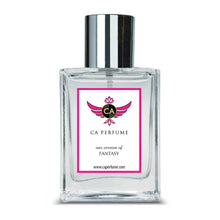
Iconic In Fantasy, D&G Anthology L'Imperatrice 3
The Ingredient

What does Kiwi smell like and why is it a unique ingredient?

Kiwi, botanically known as Actinidia deliciosa, is a tropical fruit note prized in perfumery for its fresh, vibrant, and juicy scent profile. Its aroma combines sweet and tangy facets, reminiscent of strawberries, melons, and citrus zest, primarily due to esters such as ethyl butyrate (C6H12O2), which contribute to its characteristic fruity brightness. This note is classified as a heart note in fragrance compositions. In perfumery, kiwi is typically used at concentrations below 5%, where it adds a lively and invigorating burst without overpowering other elements. Kiwi accords are often synthetically recreated using esters and green aromatic molecules since natural extraction of essential oil from the fruit is not commercially viable. On skin, kiwi interacts with body heat to enhance its juicy and fresh facets, lasting approximately 4 to 6 hours. Notable fragrances featuring kiwi include Valentino Donna Born In Roma Coral Fantasy (2022) by Valentino, where kiwi blends with florals and citrus to create a playful heart, and Britney Spears' Fantasy (2005), which uses kiwi to add a sweet, tropical brightness. These examples demonstrate kiwi's role in modern fruity and fresh fragrance compositions.

<5%
Typical maximum usage level of kiwi accords in fragrance formulas to ensure balance and minimize sensitization.
4–6 Hours
Average longevity of kiwi’s fresh and juicy scent on skin before fading significantly.
1–3 Sprays
Recommended application range to enjoy kiwi’s brightness without overwhelming the fragrance composition.
Origin & Extraction

Where Kiwi Comes From — Origin & Extraction

Kiwi’s scent character is influenced by its geographic origins, where soil composition, climate, and cultivation practices shape its aromatic profile. Key producing countries include New Zealand, Italy, and Peru, each imparting distinct nuances to the fruit’s aroma.

Kiwi fruit, Actinidia deliciosa, originates from China, where it was first described in the 12th century. Commercial cultivation began in New Zealand in the early 20th century, which remains a key producer alongside Italy and Peru. As of 2023, global kiwi production reached approximately 4.4 million tons, with China accounting for 55% of output, primarily from mountainous regions upstream of the Yangtze River and Sichuan province. Kiwi cultivation thrives in temperate climates with well-drained soils, and the fruit's natural fuzz protects it from pests, reducing pesticide use. Unlike many perfume raw materials, kiwi fruit does not yield an essential oil or absolute suitable for perfumery. Instead, the kiwi scent is recreated synthetically using esters such as ethyl butyrate and other aroma chemicals that mimic its sweet-tart and green nuances. Synthetic kiwi accords are produced using solvent extraction and supercritical CO2 methods to isolate aromatic compounds from related botanical sources or created entirely in labs. Natural kiwi absolute costs range from $3,000 to $6,000 per kilogram, while synthetic aroma chemicals used to replicate kiwi's scent cost between $50 and $200 per kilogram. Sustainability considerations favor synthetic production due to lower resource consumption and consistent quality.

NZ

New Zealand

Known for pristine orchards and sun-drenched landscapes, New Zealand kiwis have a fresh, energetic aroma. The temperate climate and volcanic soils contribute to the fruit’s bright and vibrant scent. New Zealand is a major exporter, with high-quality standards and sustainable farming practices.

IT

Italy

Italy’s Mediterranean climate enriches kiwis with a unique sweetness and juiciness. The volcanic soils of regions like Lazio and Piedmont enhance aromatic complexity. Italian kiwis are favored for their balance of tartness and sweetness, making them popular in perfumery blends.

PE

Peru

Peru produces robust-flavored kiwis cultivated in high-altitude valleys with fertile soils. The distinct climate yields fruit with pronounced tartness and fresh green notes, often used in perfumery to highlight kiwi’s refreshing character.

Chemistry

Natural vs Synthetic Kiwi in Perfumery

Natural kiwi absolute is rare and complex, extracted via solvent or CO2 extraction methods, yielding a variable aromatic profile reflecting the fruit's ripeness and origin. It is costly, priced between $3,000 and $6,000 per kilogram, and its supply is limited due to the fruit's delicate nature and lack of essential oil. Synthetic kiwi accords are primarily composed of esters such as ethyl butyrate (CAS 105-54-4) and other green, fruity molecules like cis-3-hexenol and hexyl acetate. These synthetics offer consistent quality, greater stability, and cost-effectiveness, typically priced between $50 and $200 per kilogram. Synthetic kiwi accords provide longevity and diffusion advantages in fragrance formulations. Famous fragrances like Valentino Donna Born In Roma Coral Fantasy use synthetic kiwi accords for their brightness and stability, while natural kiwi absolute is less common in commercial perfumery. The HumanSafe™ platform ensures transparency in ingredient sourcing and safety, with CA Perfume favoring verified synthetic kiwi accords for sustainability and quality assurance.

Natural
Kiwi Absolute
Cost $3,000–6,000/kg
Method Solvent / CO₂
Character Complex, variable
vs
Synthetic
Safranal & Analogues
Cost $50–200/kg
Method Lab synthesis
Character Consistent, stable
Hall of Fame

Famous Fragrances That Define Kiwi in Perfumery

2005
accent note

Fantasy

Britney Spears
sweet tropical fruitsgourmand notes
2009
heart note

D&G Anthology L'Imperatrice 3

Dolce&Gabbana
watermeloncyclamencitrus
2012
accent note

Interlude Woman

Amouage
resinsflorals
2022
heart note

Valentino Donna Born In Roma Coral Fantasy

Valentino
jasminecitrusflorals
2023
accent note

Coach Green

Coach
green notescitrus

Kiwi has been embraced in several notable fragrances over the past two decades, often as a heart or accent note that imparts freshness and vibrancy. Britney Spears' Fantasy (2005) uses kiwi to add a tropical sweetness that complements its gourmand facets. Dolce&Gabbana's D&G Anthology L'Imperatrice 3 (2009) features kiwi as a bright fruity heart note paired with watermelon and cyclamen, creating a playful and fresh composition. Amouage's Interlude Woman (2012) incorporates kiwi to provide a juicy contrast to its rich, resinous base. Valentino Donna Born In Roma Coral Fantasy (2022) highlights kiwi alongside jasmine and citrus, crafting a lively and modern fruity floral. Coach Green (2023) uses kiwi to energize its aromatic profile, blending it with green and citrus notes. CA Perfume's collection reflects this lineage by including fragrances that showcase kiwi's fresh and vibrant character, emphasizing its role in contemporary fruity accords.

The Accord

How is a captivating Kiwi accord crafted?

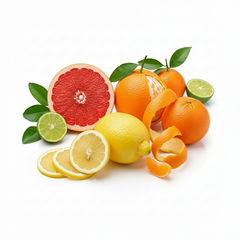
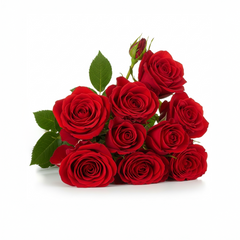
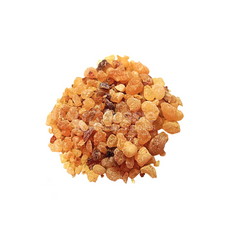
A typical kiwi accord balances the fruit’s sweet and tart nuances with complementary notes to enhance its fresh personality. Citrus notes (15–20%) amplify kiwi's brightness with zesty energy. Rose (20–25%) adds a velvety floral softness that bridges the fruity and green facets. Myrrh (10–15%) introduces resinous depth, balancing kiwi's lightness and providing a smooth transition to warmer base notes. Kiwi itself comprises 20–25% of the blend, delivering the signature juicy and tangy heart of the accord.

25%

Kiwi

20–25% of blend

Provides the core juicy, tangy, and fresh character through esters and green aromatic compounds.

20%

Citrus

15–20% of blend

Adds zesty brightness and enhances the fresh, vibrant facets of kiwi through limonene and related terpenes.

15%

Myrrh

10–15% of blend

Introduces resinous depth and complexity, balancing the lightness of kiwi with warm, balsamic undertones.

25%

Rose

20–25% of blend

Lends a velvety floral softness that harmonizes with kiwi’s fruity and green notes via shared aromatic compounds like phenyl ethyl alcohol.

The Olfactory Layers

How Kiwi Evolves on Skin

Kiwi’s olfactory evolution begins with a bright, juicy burst of esters and citrusy molecules that evaporate quickly within the first 15 minutes. The heart phase reveals the fuller fruity and floral facets lasting up to an hour, supported by mid-volatility compounds. Base notes emerge over several hours, where resinous and woody molecules provide depth and longevity, balancing kiwi’s initial freshness.

I
Top notes
0–15 min
Bright Juicy Burst

The initial impression is dominated by highly volatile esters such as ethyl butyrate, providing a fresh, tangy, and juicy burst reminiscent of freshly sliced kiwi and citrus zest. These molecules evaporate rapidly, creating an immediate bright and sparkling effect.

FreshJuicyTangy
II
Heart notes
20–60 min
Fruity Floral Blend

Mid-volatility compounds including fruity esters and floral alcohols like phenyl ethyl alcohol develop, blending kiwi’s sweet and tart nuances with soft rose and green aromatic notes. This phase maintains the vibrant character while adding complexity and smoothness.

FruityFloralVibrant
III
Base notes
Several hours
Resinous Woody Depth

Lower volatility molecules such as myrrh resin, cedarwood, and galbanum provide a warm, resinous, and slightly earthy foundation. These base notes anchor the fragrance, extending longevity and balancing the initial brightness with depth.

ResinousWoodyEarthy
TOP NOTES Bright Juicy Burst 0–15 minutes HEART NOTES Fruity Floral Blend 20–60 minutes BASE NOTES Resinous Woody Depth Several hours
Through the Ages

The Story of Kiwi in Perfumery

Kiwi’s journey in perfumery traces from its botanical origins in China to modern synthetic recreations, reflecting evolving fragrance trends and technological advances.

12th Century

First Recorded Description of Kiwi

Kiwi fruit was first documented in China, marking the earliest known reference to Actinidia deliciosa, the botanical source of the kiwi note.

Early 20th Century

Commercial Cultivation Begins in New Zealand

Kiwi was introduced to New Zealand, where commercial orchards were established, leading to the fruit’s global popularization.

1960s

Kiwi Named and Marketed

New Zealand growers rebranded the Chinese gooseberry as 'kiwi,' inspired by the native bird, boosting international recognition.

2000s

Synthetic Kiwi Accords Developed

Advances in aroma chemical synthesis enabled the creation of stable, consistent kiwi accords for perfumery, overcoming natural extraction limitations.

2020s

Kiwi Featured in Contemporary Fragrances

Kiwi became a popular heart note in modern fruity and fresh perfumes, exemplified by launches such as Valentino Donna Born In Roma Coral Fantasy (2022).

The Art of Layering

How to Layer Kiwi

Understanding how to layer kiwi involves molecular compatibility to enhance or balance its fresh, fruity facets. Layering kiwi with citrus notes like lime or grapefruit amplifies its tangy brightness through shared ester compounds. Pairing with florals such as jasmine or freesia introduces complementary aromatic alcohols that soften kiwi’s sharpness while maintaining vibrancy. Adding vanilla or soft musk creates olfactory masking, smoothing kiwi’s acidity and extending longevity. This molecular synergy allows for creative, multi-dimensional fragrance experiences.

01

Enhance Sweetness

Layer kiwi with tropical fruits like passionfruit or pineapple, which share ester compounds, boosting the overall juicy sweetness and creating a lush, vibrant accord.

02

Add Depth

Combine kiwi with resinous notes like myrrh or benzoin to introduce warm, balsamic undertones that balance kiwi’s brightness and add complexity.

03

Lighten the Glow

Pair kiwi with fresh florals such as jasmine or freesia, whose aromatic alcohols blend seamlessly with kiwi’s green facets, producing a soft, elegant freshness.

Wear It Right

How to Wear Kiwi Like a Pro

Seasonal Guide

Fall & Winter

Cooler temperatures slow molecular diffusion, muting kiwi’s brightness. Layer kiwi with warm woods and resins to maintain presence and add depth.

Spring

Mild weather enhances kiwi’s fresh and floral facets. Use light application to enjoy its vibrant and uplifting qualities.

Summer

Heat amplifies kiwi’s juicy and tangy notes, making it perfect for daytime wear. Apply sparingly to avoid rapid evaporation.

Year-Round Tip

Combine kiwi with complementary florals or musks to extend longevity and adapt the scent to different climates.

Application Points

Strategic application enhances kiwi’s fresh and juicy character and longevity.

1

Neck

Pulse points like the neck emit heat that activates kiwi’s volatile esters, enhancing projection and freshness.

2

Behind the Ears

This warm area helps diffuse kiwi’s bright notes subtly, creating a pleasant aura around the wearer.

3

Inner Wrists

The pulse here intensifies kiwi’s juicy facets, allowing the fragrance to evolve naturally with body chemistry.

4

Hair

Hair holds fragrance molecules longer, releasing kiwi’s fresh scent gradually with movement.

Pro Tip

Layer kiwi-based body oils or lotions under perfume to lock in moisture and extend the scent’s longevity.

Mood Architecture™

Top Kiwi Fragrances by Mood Score

These Kiwi-based fragrances scored highest on the MEI™ Mood Architecture Framework — measuring how a scent may influence your emotional state.

Highest MEI Score
Interval Women — Interlude Women Alternative Perfume
7.45
MEI™
Primary Romantic
Secondary Confident
Confidence
7.29
Presence
8.02
Mood Lift
7.62
Identity
7.83
Warmth
8.8
Social Ease
6.51
Energy
4.8
" I am beautiful.
View full mood profile →
Fantasy — Britney Spears Fantasy Alternative Perfume
5.91
MEI™
Primary Fresh
Secondary Romantic
Confidence
4.63
Presence
4.71
Mood Lift
7.61
Identity
5.13
Warmth
6.32
Social Ease
6.67
Energy
3.3
" I am radiant.
View full mood profile →
HumanSafe™

Top Kiwi Fragrances by HumanSafe™ Score

These Kiwi-based fragrances have the highest product-level HumanSafe™ scores in this ingredient collection.

Highest HumanSafe™ Score
Interval Women — Interlude Women Alternative Perfume
A-
HumanSafe™ Score Generally Safe
Safest Evaluated Ingredients EDP
AQUA Solvent / Carrier ISS 10.0
LINALYL ACETATE Evaluated ingredient ISS 7.0
LINALOOL Evaluated ingredient ISS 7.0
ALCOHOL DENAT. Solvent / Carrier ISS 7.0
1,3,4,6,7,8-HEXAHYDRO-4,6,6,7,8,8- Evaluated ingredient ISS 7.0
D-LIMONENE Evaluated ingredient ISS 6.8
View full safety profile →
Fantasy — Britney Spears Fantasy Alternative Perfume
A-
HumanSafe™ Score Generally Safe
Safest Evaluated Ingredients EDP
AQUA Solvent / Carrier ISS 10.0
1,4-DIOXACYCLOHEPTADECANE-5,17-DIONE Evaluated ingredient ISS 10.0
BENZYL SALICYLATE EYE IRRITATION - CAT.2B [H320] Evaluated ingredient ISS 9.0
4H-INDEN-4-ONE, 1,2,3,5,6,7-HEXAHYDRO-1,1,2,3,3- Evaluated ingredient ISS 9.0
1H-3A,7-METHANOAZULEN-6-OL, OCTAHYDRO-3,6,8,8- Evaluated ingredient ISS 9.0
OCTANAL, 2-(PHENYLMETHYLENE)- Evaluated ingredient ISS 8.0
View full safety profile →
Expert Voices

What Masters Say About Kiwi

Kiwi’s fresh and tangy aroma provides a vibrant, youthful energy in fragrance compositions, often recreated synthetically to capture its complex fruity facets.
CA Perfume Editorial
The synthetic kiwi accord allows perfumers to evoke the juicy brightness of the fruit without the limitations of natural extraction, ensuring consistency and longevity.
CA Perfume Editorial
Common Questions

Frequently Asked Questions

Frequently asked questions about kiwi in perfumery.

Kiwi in perfume smells fresh, vibrant, and juicy with a sweet-tart profile reminiscent of tropical fruits like strawberries and melons, combined with citrusy zest. It is primarily recreated synthetically using esters such as ethyl butyrate, which provide its characteristic bright and tangy aroma. Kiwi is typically used as a heart note in fruity and fresh fragrances, adding a lively and invigorating burst.

Kiwi is generally classified as a heart note in fragrance compositions. It provides a juicy, fresh, and vibrant character that bridges the bright top notes and the deeper base notes, lasting several hours on the skin.

Kiwi is favored in niche perfumery for its unique combination of sweet and tangy freshness, which adds a modern and youthful twist to compositions. Its synthetic accords offer consistency and versatility, allowing perfumers to craft vibrant fruity accords that appeal to contemporary fragrance consumers.

Kiwi fragrance uses include pairing with citrus notes like lime and grapefruit to enhance its tanginess, tropical fruits such as passionfruit and pineapple to amplify sweetness, and florals like jasmine and freesia to add sophistication. Vanilla and soft musk can ground kiwi, extending longevity and adding warmth.

Yes, kiwi’s fresh, juicy, and vibrant scent profile makes it ideal for summer and hot weather. Its bright and uplifting character evokes sunny days and warmth, performing well in light, airy compositions suited for daytime wear.

Kiwi fragrances typically last between 4 to 6 hours on the skin, depending on the formulation and concentration. Its volatile esters provide an initial bright freshness that gradually transitions to softer fruity and floral notes.

Yes, layering kiwi perfume is effective when combined with complementary notes such as citrus, tropical fruits, florals, vanilla, or musk. This layering enhances kiwi’s brightness, adds complexity, and extends the fragrance’s longevity.

Beginner-friendly kiwi perfumes include Britney Spears Fantasy (2005) for a sweet tropical experience, Dolce&Gabbana L'Imperatrice 3 (2009) for a fresh fruity floral, and Valentino Donna Born In Roma Coral Fantasy (2022) for a modern vibrant scent. These fragrances showcase kiwi’s versatility and approachable freshness.

At CA Perfume, selecting the right kiwi fragrance involves considering your preference for freshness, fruitiness, and longevity. Explore fragrances that balance kiwi with florals or citrus for daytime wear or those layered with musk and woods for evening sophistication. The HumanSafe™ platform ensures ingredient transparency and safety.

Kiwi in fragrance primarily smells sweet and tangy rather than spicy. Its aroma combines juicy tropical fruit sweetness with a citrusy tartness, creating a fresh and vibrant scent without spicy undertones.

Fruity Collection

Explore Our Top Kiwi Fragrances

Discover a curated selection of perfumes featuring kiwi’s fresh and vibrant scent profile.

Shop all kiwi fragrances at CA Perfume →

Where Kiwi Comes From — Origin & Extraction

Kiwi fruit, Actinidia deliciosa, originates from China, where it was first described in the 12th century. Commercial cultivation began in New Zealand in the early 20th century, which remains a key producer alongside Italy and Peru. As of 2023, global kiwi production reached approximately 4.4 million tons, with China accounting for 55% of output, primarily from mountainous regions upstream of the Yangtze River and Sichuan province. Kiwi cultivation thrives in temperate climates with well-drained soils, and the fruit's natural fuzz protects it from pests, reducing pesticide use. Unlike many perfume raw materials, kiwi fruit does not yield an essential oil or absolute suitable for perfumery. Instead, the kiwi scent is recreated synthetically using esters such as ethyl butyrate and other aroma chemicals that mimic its sweet-tart and green nuances. Synthetic kiwi accords are produced using solvent extraction and supercritical CO2 methods to isolate aromatic compounds from related botanical sources or created entirely in labs. Natural kiwi absolute costs range from $3,000 to $6,000 per kilogram, while synthetic aroma chemicals used to replicate kiwi's scent cost between $50 and $200 per kilogram. Sustainability considerations favor synthetic production due to lower resource consumption and consistent quality.

Famous Fragrances That Define Kiwi in Perfumery

Kiwi has been embraced in several notable fragrances over the past two decades, often as a heart or accent note that imparts freshness and vibrancy. Britney Spears' Fantasy (2005) uses kiwi to add a tropical sweetness that complements its gourmand facets. Dolce&Gabbana's D&G Anthology L'Imperatrice 3 (2009) features kiwi as a bright fruity heart note paired with watermelon and cyclamen, creating a playful and fresh composition. Amouage's Interlude Woman (2012) incorporates kiwi to provide a juicy contrast to its rich, resinous base. Valentino Donna Born In Roma Coral Fantasy (2022) highlights kiwi alongside jasmine and citrus, crafting a lively and modern fruity floral. Coach Green (2023) uses kiwi to energize its aromatic profile, blending it with green and citrus notes. CA Perfume's collection reflects this lineage by including fragrances that showcase kiwi's fresh and vibrant character, emphasizing its role in contemporary fruity accords.

Natural vs Synthetic Kiwi in Perfumery

Natural kiwi absolute is rare and complex, extracted via solvent or CO2 extraction methods, yielding a variable aromatic profile reflecting the fruit's ripeness and origin. It is costly, priced between $3,000 and $6,000 per kilogram, and its supply is limited due to the fruit's delicate nature and lack of essential oil. Synthetic kiwi accords are primarily composed of esters such as ethyl butyrate (CAS 105-54-4) and other green, fruity molecules like cis-3-hexenol and hexyl acetate. These synthetics offer consistent quality, greater stability, and cost-effectiveness, typically priced between $50 and $200 per kilogram. Synthetic kiwi accords provide longevity and diffusion advantages in fragrance formulations. Famous fragrances like Valentino Donna Born In Roma Coral Fantasy use synthetic kiwi accords for their brightness and stability, while natural kiwi absolute is less common in commercial perfumery. The HumanSafe™ platform ensures transparency in ingredient sourcing and safety, with CA Perfume favoring verified synthetic kiwi accords for sustainability and quality assurance.