Where Citrus Comes From — Origin & Extraction
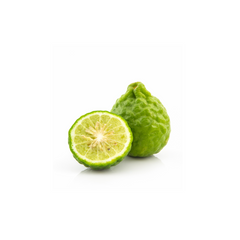
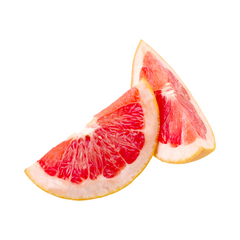
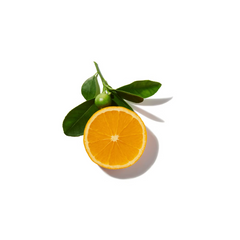
Citrus notes in perfumery are derived primarily from the peels of fruits in the Rutaceae family, including Citrus limon (lemon), Citrus aurantium (orange, bitter orange), Citrus bergamia (bergamot), Citrus paradisi (grapefruit), and others such as mandarin, yuzu, and citron. The main producing countries are Italy (notably Calabria for bergamot, responsible for over 80% of global production, with annual yields exceeding 200 metric tons of oil), Spain (major exporter of sweet orange and lemon oils), Brazil (world’s largest producer of orange oil, with over 70% market share), and the United States (notably Florida for grapefruit and orange oils).
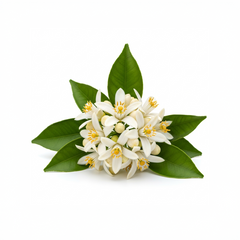
The primary extraction method is cold pressing (expression), a mechanical process that ruptures the oil glands in the peel without the use of heat. This method preserves the volatile, true-to-fruit aroma and yields essential oils containing 2–4% of the total peel weight. The process involves pressing, centrifugation, and filtration. For more delicate or specific fractions, supercritical CO2 extraction is increasingly used, allowing for solvent-free isolation of aroma compounds at low temperatures (31–40°C) and high pressure (70–300 bar). Steam distillation is reserved for leaves and twigs (petitgrain) or blossoms (neroli), yielding oils with greener or floral facets.
Natural citrus oils are relatively affordable compared to some florals or woods, with prices ranging from $15–$60/kg for sweet orange oil, $50–$200/kg for lemon oil, and $150–$250/kg for bergamot oil. However, fractionated or FCF (furanocoumarin-free) bergamot can reach $400/kg. Synthetic substitutes (e.g., synthetic limonene, CAS 138-86-3) are even less expensive, at $5–$10/kg, but lack the nuanced complexity of natural oils. Sustainability concerns include overuse of pesticides in citrus agriculture, the risk of citrus greening disease (Huanglongbing), and the need for responsible waste management of peel byproducts. Modern extraction methods such as CO2 and molecular distillation improve yield and reduce environmental impact.
Famous Fragrances That Define Citrus in Perfumery
Citrus has defined entire genres of perfumery, from the earliest colognes to modern niche compositions. Guerlain Eau de Cologne Impériale (1853, Pierre-François-Pascal Guerlain) is a landmark, blending lemon, bergamot, and neroli for a sparkling, imperial freshness. Acqua di Parma Colonia (1916) became the gold standard for Italian citrus colognes, with a luminous blend of Sicilian citrus and lavender. Dior Eau Sauvage (1966, Edmond Roudnitska) revolutionized masculine perfumery by pairing lemon and bergamot with hedione and vetiver, creating a crisp, modern signature. Tom Ford Neroli Portofino (2011, Rodrigo Flores-Roux) exemplifies the Mediterranean citrus style, fusing orange, lemon, and neroli with amber undertones. Atelier Cologne Orange Sanguine (2010, Ralf Schwieger) highlights the juicy, photorealistic quality of blood orange, while Chanel Allure Homme Edition Blanche (2008, Jacques Polge) uses lemon and bergamot for a creamy, citrus-forward opening.
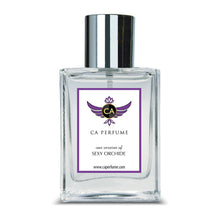
These fragrances demonstrate citrus’s versatility as a dominant note, a bridge, or an accent, often paired with florals (neroli, jasmine), herbs (rosemary, basil), or woods (cedar, vetiver). CA Perfume’s collection draws inspiration from this lineage, offering both classic and contemporary interpretations of citrus freshness.
Natural vs Synthetic Citrus in Perfumery
Natural citrus oils are chemically complex, with d-limonene as the dominant molecule (up to 95% in sweet orange oil), but also containing trace aldehydes (octanal, decanal), esters (linalyl acetate in bergamot), and alcohols (linalool). Synthetic substitutes include pure d-limonene (CAS 138-86-3), citral (CAS 5392-40-5, providing a lemony sharpness), and aldehydes such as octanal (CAS 124-13-0) and decanal (CAS 112-31-2). Synthetic versions are prized for their stability, consistency, and cost-effectiveness, but often lack the subtlety and complexity of natural oils.
Performance-wise, natural citrus oils are highly volatile, typically lasting 30–60 minutes on skin, while synthetic molecules can be engineered for greater longevity and diffusion. For example, aldehydes and synthetic musks are often added to extend the citrus effect into the heart and base of a fragrance. Most modern perfumes use a blend of natural and synthetic citrus to balance authenticity and performance. Iconic fragrances such as Chanel No. 5 (1921, Ernest Beaux) use aldehydes to amplify and prolong the citrus opening, while Acqua di Parma Colonia (1916) relies on natural citrus for its classic freshness.
From a sustainability and safety perspective, synthetics reduce pressure on citrus agriculture and allow for allergen-free formulations. The HumanSafe™ platform at CA Perfume ensures transparency in sourcing, allergen disclosure, and IFRA compliance for both natural and synthetic citrus ingredients.