Ingredient Guide · Citrus
Citrus Family · Perfumery Note

Mandarin

A burst of juicy, sweet citrus for uplifting top notes.

Mandarin is a prized top note in perfumery, celebrated for its vibrant, juicy, and sweet citrus character. Its essential oil, extracted from Citrus reticulata peel, is rich in d-limonene and imparts a sparkling freshness at concentrations of 1–5%.

Mandarin
Ingredient Profile

Mandarin

Citrus Family
Family Citrus
Note Position Base Note
Usage Level 1–5%
Key Origins Italy, Brazil, Spain
Iconic In Eau de Mandarine Ambrée, Sundazed
The Ingredient

What does Mandarin smell like and why is it prized in perfumery?

Mandarin, derived from the peel of Citrus reticulata, is renowned in perfumery for its vibrant, juicy, and sweet citrus aroma. The dominant molecular component, d-limonene (C10H16), imparts a lively, zesty profile with subtle floral and green undertones. Additional constituents such as gamma-terpinene, linalool, and beta-pinene contribute to its nuanced scent, making it less sharp and more rounded than other citrus notes like lemon or grapefruit. The result is a cheerful, sparkling, and uplifting olfactory experience that evokes the sensation of freshly peeled fruit. In perfumery, mandarin functions almost exclusively as a top note due to its high volatility and rapid evaporation rate. Typical usage concentrations range from 1–5% of the total formula, depending on the desired intensity and composition style. On skin, mandarin’s bright opening can be fleeting, but its molecular complexity allows traces to linger into the heart of the fragrance, especially when paired with fixatives or heavier base notes. Its interaction with skin chemistry can either amplify its sweetness or accentuate its tangy, green facets, depending on individual pH and moisture levels. Mandarin in perfumery is exemplified by fragrances such as Hermès Eau de Mandarine Ambrée (2013, Jean-Claude Ellena), where it forms the sparkling opening, and Byredo Sundazed (2019, Jérôme Epinette), which showcases mandarin’s juicy, solar character alongside neroli and jasmine. Louis Vuitton Afternoon Swim (2019, Jacques Cavallier-Belletrud) also features mandarin as a dominant note, highlighting its role in modern citrus compositions.

1–5%
Typical concentration of mandarin oil in fragrance formulas. Higher percentages are used in colognes for maximum freshness; lower in parfums for subtlety.
10–30 minutes
Mandarin’s top note projection window on skin. The high volatility of d-limonene means the scent is most intense in the first half hour after application.
$60–120/kg
Market price for natural mandarin oil, reflecting seasonal fluctuations and regional quality differences. Synthetic substitutes are significantly less expensive.
Origin & Extraction

Where Mandarin Comes From — Origin & Extraction

Mandarin’s scent character is shaped by the terroir of its growing region—soil composition, climate, and harvesting methods all influence oil quality and aroma.

Mandarin essential oil is obtained from the peel of Citrus reticulata, a small evergreen tree native to China and Southeast Asia. Today, the primary producing countries include Italy (notably Sicily and Calabria), Brazil, Argentina, Spain, and China. Italy and Brazil together account for a significant share of global production, with Italy’s annual output estimated at over 1,500 metric tons of mandarin oil. The extraction process is cold expression (mechanical pressing) of the fresh fruit peel, a method that preserves the delicate volatile compounds—primarily d-limonene (up to 70%), gamma-terpinene, linalool, and beta-pinene. Cold expression is performed at ambient temperatures (20–25°C), yielding 1.5–2.5% oil by weight of peel. Hydrodistillation and solvent extraction are rarely used for mandarin, as heat and solvents can degrade its characteristic top note freshness. Natural mandarin oil costs approximately $60–120 per kg, with price fluctuations based on harvest yields and quality. Synthetic substitutes, such as racemic limonene (CAS 138-86-3) and synthetic linalool (CAS 78-70-6), are available at $10–30 per kg, but lack the nuanced complexity of the natural oil. Sustainability concerns include pesticide use in citrus orchards and the environmental impact of large-scale monoculture. However, mandarin peel is often a byproduct of the juice industry, making its oil extraction relatively resource-efficient. Organic-certified mandarin oil is increasingly available, with traceability and reduced agrochemical input. No major IFRA restrictions exist for mandarin oil, but phototoxicity is minimal compared to other citrus oils.

IT

Italy

Sicily and Calabria are renowned for producing high-quality mandarin oil with a sweet, rounded profile and minimal bitterness. Volcanic soils and Mediterranean climate yield oil rich in d-limonene and gamma-terpinene. Italy produces over 1,500 metric tons annually, with strict quality standards and increasing organic certification.

BR

Brazil

Brazilian mandarins, especially from São Paulo state, are characterized by intense juiciness and a slightly greener, zestier aroma. Brazil is a major exporter, with production exceeding 1,000 metric tons per year, often as a byproduct of the juice industry.

ES

Spain

Valencia and Andalusia are key regions for mandarin cultivation, producing oil with a balanced sweet-tart profile. Spanish mandarin oil is valued for its clarity and brightness, with annual output around 800 metric tons.

CN

China

China, the ancestral home of Citrus reticulata, produces large volumes of mandarin for both domestic and export markets. Oil from Hunan and Guangdong provinces tends to be more robust and slightly spicier, reflecting subtropical growing conditions.

Chemistry

Natural vs Synthetic Mandarin in Perfumery

Natural mandarin oil is composed of a complex mixture of terpenes, with d-limonene (CAS 138-86-3), gamma-terpinene (CAS 99-85-4), and linalool (CAS 78-70-6) as major constituents. Synthetic mandarin notes are typically constructed from isolated aroma molecules such as pure limonene, linalool, and aldehydes (e.g., decanal, CAS 112-31-2) to mimic the fresh, juicy profile. Synthetic versions offer greater stability, consistency, and longevity, as natural mandarin oil is prone to oxidation and rapid evaporation. However, synthetics may lack the subtle green and floral nuances of the natural oil. Cost-wise, synthetic mandarin accords can be produced for $10–30 per kg, while natural oil ranges from $60–120 per kg. Many modern fragrances, such as Escentric Molecules Molecule 01 + Mandarin, demonstrate the synergy between a single synthetic molecule (Iso E Super, CAS 54464-57-2) and natural mandarin for a long-lasting, airy effect. Sustainability is a key consideration: synthetic aroma chemicals reduce pressure on citrus agriculture but are often derived from petrochemicals. CA Perfume’s HumanSafe™ platform ensures full traceability and safety data for both natural and synthetic mandarin sources, prioritizing transparency and consumer safety. Notable aroma chemicals for synthetic mandarin effects include limonene, linalool, and citral (CAS 5392-40-5).

Natural
Mandarin Absolute
Cost $3,000–6,000/kg
Method Solvent / CO₂
Character Complex, variable
vs
Synthetic
Safranal & Analogues
Cost $50–200/kg
Method Lab synthesis
Character Consistent, stable
Hall of Fame

Famous Fragrances That Define Mandarin in Perfumery

2013
dominant note

Eau de Mandarine Ambrée

Hermès
by Jean-Claude Ellena
amberpassionfruitbenzoin
2019
dominant note

Sundazed

Byredo
by Jérôme Epinette
nerolijasminecotton candy
2007
dominant note

Aqua Allegoria Mandarine Basilic

Guerlain
by Thierry Wasser
basilgreen teaivy
2019
dominant note

Afternoon Swim

Louis Vuitton
by Jacques Cavallier-Belletrud
orangebergamotginger
2000
dominant note

Oyedo

Diptyque
by Olivia Giacobetti
yuzuthymelemon

Mandarin has played a pivotal role in both classic and contemporary perfumery, often serving as the sparkling top note that introduces a fragrance with immediate freshness and joy. Hermès Eau de Mandarine Ambrée (2013, Jean-Claude Ellena) is a benchmark, where mandarin dominates the opening before yielding to amber and passionfruit. Byredo Sundazed (2019, Jérôme Epinette) showcases mandarin’s solar, juicy character, paired with neroli and jasmine for a radiant summer impression. Guerlain Aqua Allegoria Mandarine Basilic (2007, Thierry Wasser) features mandarin as the central note, complemented by basil and green tea for a crisp, aromatic freshness. Louis Vuitton Afternoon Swim (2019, Jacques Cavallier-Belletrud) is celebrated for its photorealistic mandarin note, blended with orange and bergamot for a vibrant, aquatic effect. Diptyque Oyedo (2000, Olivia Giacobetti) uses mandarin alongside yuzu and thyme, highlighting its versatility in both citrus and aromatic structures. CA Perfume’s mandarin-focused collection draws inspiration from these landmark fragrances, offering a range of interpretations from pure citrus to complex, layered blends.

The Accord

How is a captivating Mandarin accord crafted?

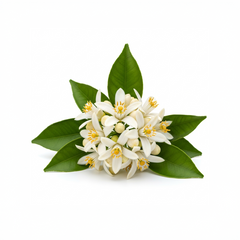
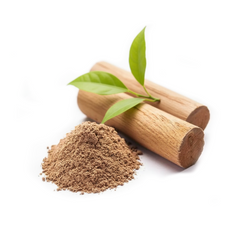
A mandarin accord balances juicy citrus with floral, green, and woody facets for a multidimensional effect. Typical proportions: Mandarin 30–35%, Neroli 20–25%, Green Tea 20–25%, Sandalwood 20–25%. Mandarin provides the main juicy, sweet citrus impact via d-limonene. Neroli adds floral brightness through linalool and nerolidol, creating a seamless bridge. Green tea introduces a subtle, tannic green note (cis-3-hexenol) that tempers sweetness. Sandalwood (santalol) offers a creamy, woody base, anchoring the volatile citrus for greater longevity.

35%

Mandarin

30–35% of blend

Mandarin delivers the juicy, sweet, and sparkling citrus core, driven by d-limonene and gamma-terpinene. Its high volatility ensures a vibrant opening.

25%

Neroli

20–25% of blend

Neroli contributes linalool and nerolidol, providing a floral, slightly green brightness that extends mandarin’s freshness into the heart.

25%

Green Tea

20–25% of blend

Green tea introduces cis-3-hexenol and tannic notes, adding a subtle green astringency that balances mandarin’s sweetness and increases complexity.

25%

Sandalwood

20–25% of blend

Sandalwood’s santalol molecules provide a creamy, woody base, enhancing fixative properties and supporting the fleeting citrus top notes.

The Olfactory Layers

How Mandarin Evolves on Skin

Mandarin’s olfactory evolution is rapid and dynamic. The top note explodes with juicy, sweet citrus, driven by high-volatility terpenes. Within 10–20 minutes, the brightness fades, revealing subtle floral and green heart notes. The base is minimal, as mandarin’s molecules evaporate quickly, but traces can persist when anchored by fixatives.

I
Top notes
0–15 min
Juicy Citrus Burst

A burst of juicy, sweet, and tangy citrus—mandarin’s signature opening. D-limonene and gamma-terpinene dominate, providing a sparkling, effervescent effect. The initial impression is intensely fresh and uplifting, reminiscent of freshly peeled fruit.

Juicy CitrusSparklingSweet
II
Heart notes
20–60 min
Soft Floral Glow

As the top fades, subtle floral and green nuances emerge. Linalool and beta-pinene contribute a soft, slightly soapy floralcy, while minor aldehydes add a green, leafy undertone. The heart is gentle, maintaining a trace of citrus brightness.

FloralGreenSoft
III
Base notes
Several hours
Clean Woody Trace

Mandarin’s base is delicate and fleeting. If paired with fixatives, faint woody or musky undertones may persist, but the citrus character is largely gone. Any lingering scent is due to residual linalool or santalol from supporting notes.

FaintWoodyClean
TOP NOTES Juicy Citrus Burst 0–15 minutes HEART NOTES Soft Floral Glow 20–60 minutes BASE NOTES Clean Woody Trace Several hours
Through the Ages

The Story of Mandarin in Perfumery

Mandarin’s journey in perfumery spans millennia, from ancient Chinese symbolism to modern fragrance icons.

Antiquity

Cultivation in Ancient China

Mandarin oranges are cultivated in China for over 3,000 years, symbolizing prosperity and good fortune. The fruit is exchanged during New Year celebrations and used in traditional medicine.

19th Century

Introduction to Europe

Mandarin trees are introduced to Mediterranean Europe, especially Italy and Spain, in the early 1800s. The fruit quickly becomes popular for its sweetness and ease of peeling.

Late 19th Century

First Use in Eau de Cologne

Mandarin oil is incorporated into classic Eau de Cologne formulas, adding a sweet, juicy twist to traditional citrus blends dominated by bergamot and lemon.

2000

Diptyque Oyedo Launch

Olivia Giacobetti creates Oyedo for Diptyque, a fragrance that spotlights mandarin alongside yuzu and thyme, marking a modern revival of citrus-focused perfumery.

2013–2019

Mandarin in Contemporary Icons

Mandarin becomes a star in fragrances like Hermès Eau de Mandarine Ambrée (2013), Guerlain Aqua Allegoria Mandarine Basilic (2007), and Louis Vuitton Afternoon Swim (2019), reflecting its enduring appeal.

The Art of Layering

How to Layer Mandarin

Understanding how to layer mandarin involves pairing it with notes that complement its molecular structure. For 'how to layer mandarin', use it as a top note over woody, floral, or gourmand bases to create a multidimensional scent.

01

Brighten Florals

Mandarin’s d-limonene and linalool molecules create a molecular bridge with neroli and jasmine, enhancing floral brightness and adding a juicy, sparkling lift. This technique is demonstrated in Byredo Sundazed, where mandarin and neroli form a radiant, solar accord.

02

Add Depth with Woods

Layering mandarin over sandalwood or vetiver leverages olfactory contrast—mandarin’s volatility is anchored by santalol and vetiverol, extending the citrus impression. Hermès Eau de Mandarine Ambrée pairs mandarin with amber and sandalwood for a lasting, warm finish.

03

Sweeten Gourmands

Mandarin’s sweet, juicy profile synergizes with vanilla and caramel through olfactory masking, where vanillin and maltol soften citrus sharpness. This is seen in fragrances like Armaf Odyssey Mandarin Sky, where mandarin and caramel create a candy-like, approachable scent.

Wear It Right

How to Wear Mandarin Like a Pro

Seasonal Guide

Fall & Winter

Cooler temperatures suppress mandarin’s projection, resulting in a more subtle, skin-close citrus effect. Pair with spicy or woody notes (e.g., cinnamon, sandalwood) to add warmth and depth. Apply to pulse points under clothing to maximize longevity.

Spring

Spring’s moderate temperatures allow mandarin’s freshness to bloom without rapid evaporation. Layer with floral notes like neroli or peony for a bright, uplifting effect. Apply to wrists and neck for balanced diffusion.

Summer

Heat accelerates mandarin’s volatility, creating an immediate, radiant burst of citrus. Apply lightly to avoid overwhelming the senses. Reapply as needed for sustained freshness, and consider pairing with aquatic or green notes for added longevity.

Year-Round Tip

For all-season wear, combine mandarin with fixatives such as musk or sandalwood to anchor the fleeting top note. Moisturize skin before application to slow evaporation and enhance projection, regardless of climate.

Application Points

Strategic application enhances mandarin’s fleeting top note and maximizes its sparkling freshness.

1

Neck

Applying mandarin-based fragrances to the neck leverages body heat to amplify the initial citrus burst, but expect rapid evaporation due to high volatility.

2

Behind the Ears

This area is slightly cooler, allowing mandarin’s top note to linger a bit longer and creating a gentle sillage as you move.

3

Inner Wrists

Pulse points on the wrists intensify mandarin’s projection, but frequent hand washing may reduce longevity. Reapply as needed for a fresh boost.

4

Hair

Spraying on hair provides a subtle, continuous release of mandarin’s aroma, as hair absorbs and diffuses the volatile molecules more slowly than skin.

Pro Tip

Layer mandarin with a moisturizer or unscented oil before application to slow evaporation and extend the life of the top note.

Mood Architecture™

Top Mandarin Fragrances by Mood Score

These Mandarin-based fragrances scored highest on the MEI™ Mood Architecture Framework — measuring how a scent may influence your emotional state.

Highest MEI Score
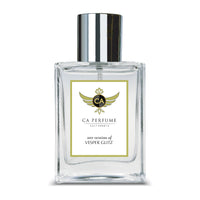
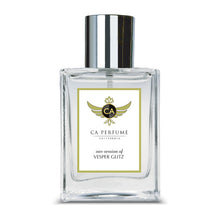
Vesper Glitz — Ex Nihilo Vesper Glitz Alternative Perfume
8.51
MEI™
Primary Romantic
Secondary Confident
Confidence
7.43
Presence
8.05
Mood Lift
9.5
Identity
7.78
Warmth
9.5
Social Ease
9.37
Energy
3.7
" I am beautiful.
View full mood profile →
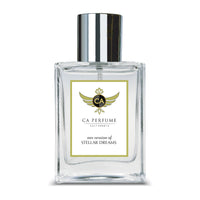
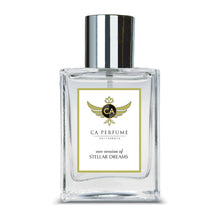
Stellar Dreams — Ex Nihilo Stellar Dreams Alternative Perfume
8.05
MEI™
Primary Fresh
Secondary Romantic
Confidence
7.87
Presence
7.6
Mood Lift
9.35
Identity
7.45
Warmth
8.2
Social Ease
7.66
Energy
3.6
" I am radiant.
View full mood profile →
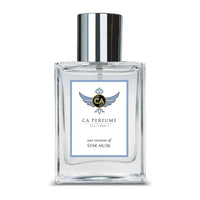
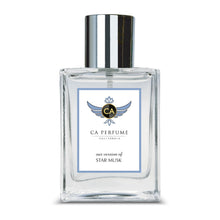
Star Musk — Xerjoff Star Musk Alternative Perfume
7.95
MEI™
Primary Romantic
Secondary Confident
Confidence
7.26
Presence
7.16
Mood Lift
8.48
Identity
7.37
Warmth
9.5
Social Ease
8.26
Energy
4.4
" I am beautiful.
View full mood profile →
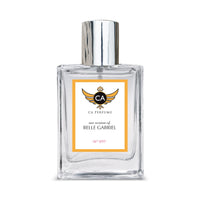
Belle Gabriel — Gabrielle Alternative Perfume
7.68
MEI™
Primary Fresh
Secondary Romantic
Confidence
6.81
Presence
7.43
Mood Lift
9.5
Identity
6.78
Warmth
7.54
Social Ease
7.86
Energy
3.6
" I am radiant.
View full mood profile →
HumanSafe™

Top Mandarin Fragrances by HumanSafe™ Score

These Mandarin-based fragrances have the highest product-level HumanSafe™ scores in this ingredient collection.

Highest HumanSafe™ Score
Vesper Glitz — Ex Nihilo Vesper Glitz Alternative Perfume
A-
HumanSafe™ Score Generally Safe
Safest Evaluated Ingredients EDP
AQUA Solvent / Carrier ISS 10.0
BENZENEPROPANAL, 4-METHOXY-.ALPHA.-METHYL- Evaluated ingredient ISS 9.0
LINALYL ACETATE Evaluated ingredient ISS 7.0
LINALOOL Evaluated ingredient ISS 7.0
CITRONELLOL Evaluated ingredient ISS 7.0
AMBREIN Evaluated ingredient ISS 7.0
View full safety profile →
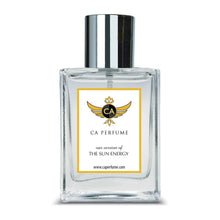
The Sun Energy — Gliza The Sun Energy Alternative Perfume
A-
HumanSafe™ Score Generally Safe
Safest Evaluated Ingredients EDP
AQUA Solvent / Carrier ISS 10.0
4,7-METHANO-1H-INDENE-2-CARBOXALDEHYDE, OCTAHYDRO-5- Evaluated ingredient ISS 9.0
LINALYL ACETATE Evaluated ingredient ISS 7.0
LINALOOL Evaluated ingredient ISS 7.0
BENZOIC ACID, 2,4-DIHYDROXY-3,6-DIMETHYL-, METHYL ESTER Evaluated ingredient ISS 7.0
ALCOHOL DENAT. Solvent / Carrier ISS 7.0
View full safety profile →
Stellar Dreams — Ex Nihilo Stellar Dreams Alternative Perfume
A-
HumanSafe™ Score Generally Safe
Safest Evaluated Ingredients EDP
AQUA Solvent / Carrier ISS 10.0
1,4-DIOXACYCLOHEPTADECANE-5,17-DIONE Evaluated ingredient ISS 10.0
BENZYL SALICYLATE Evaluated ingredient ISS 9.0
BENZENEPROPANAL, 4-METHOXY-.ALPHA.-METHYL- Evaluated ingredient ISS 9.0
CITRONELLOL Evaluated ingredient ISS 7.0
View full safety profile →
Star Musk — Xerjoff Star Musk Alternative Perfume
A-
HumanSafe™ Score Generally Safe
Safest Evaluated Ingredients EDP
AQUA Solvent / Carrier ISS 10.0
AMBROXID Evaluated ingredient ISS 10.0
AMBROXIDE Evaluated ingredient ISS 9.0
3-BUTEN-2-ONE, 3-METHYL-4-(2,6,6-TRIMETHYL-2- Evaluated ingredient ISS 8.0
2H-1-BENZOPYRAN-2-ONE Evaluated ingredient ISS 8.0
CITRONELLOL Evaluated ingredient ISS 7.0
View full safety profile →
Expert Voices

What Masters Say About Mandarin

Mandarin’s zestiness is instantly cheering: sweet, fruity, citrussy, with hints of neroli – and just what perfumers often look for to ‘lift’ the overture of a scent.
Sarah McCartney, Perfumer (4160 Tuesdays)
Mandarin’s essential oil is prized for its vibrant, juicy, and sweet citrus profile, making it a staple top note in both classic and modern compositions.
CA Perfume Editorial
Common Questions

Frequently Asked Questions

Answers to common questions about mandarin in perfumery.

Mandarin in perfume smells juicy, sweet, and sparkling, with a vibrant citrus freshness and subtle floral undertones. The scent is dominated by d-limonene, which imparts a lively, effervescent quality. Mandarin is less sharp than lemon or grapefruit, making it more rounded and approachable. It is often used as a top note for its immediate, uplifting impact, as seen in fragrances like Hermès Eau de Mandarine Ambrée and Louis Vuitton Afternoon Swim.

Mandarin is almost always used as a top note in fragrance compositions due to its high volatility and rapid evaporation. Its bright, juicy aroma provides an immediate burst of freshness, but it fades quickly, typically within 10–30 minutes. In some cases, traces of mandarin can linger into the heart notes if paired with fixatives or heavier bases.

Mandarin is favored in niche perfumery for its ability to deliver a natural, photorealistic citrus impression that feels both uplifting and sophisticated. Its nuanced sweetness and subtle floral undertones allow it to blend seamlessly with florals, woods, and gourmands. Niche brands often use high-quality natural mandarin oil or innovative synthetic accords to create distinctive, memorable openings.

Mandarin fragrance uses include pairing with neroli, jasmine, sandalwood, vanilla, and green tea. These notes complement mandarin’s juicy, sweet profile by adding floral brightness, creamy warmth, or green freshness. For example, Guerlain Aqua Allegoria Mandarine Basilic pairs mandarin with basil and green tea for a crisp, aromatic effect.

Yes, mandarin is especially well-suited for summer and hot weather due to its refreshing, uplifting character. Heat enhances the volatility of mandarin’s aroma molecules, creating a radiant, immediate citrus burst. However, the scent may fade quickly in high temperatures, so reapplication or layering with fixatives is recommended.

Mandarin’s top note typically lasts 10–30 minutes on skin, depending on concentration, skin chemistry, and environmental conditions. In Eau de Toilette and Cologne formats, the projection is most intense at first but fades rapidly. Pairing with fixatives like sandalwood or musk can extend the citrus impression into the heart notes.

Yes, mandarin is highly versatile for layering. It can be used to brighten florals, add freshness to woody scents, or sweeten gourmand compositions. For best results, apply mandarin-based fragrances as the top layer over richer bases, or combine with complementary notes like neroli, jasmine, or vanilla.

Recommended mandarin perfumes for beginners include Hermès Eau de Mandarine Ambrée, Guerlain Aqua Allegoria Mandarine Basilic, and Louis Vuitton Afternoon Swim. These fragrances showcase mandarin’s juicy, sweet character in accessible, well-balanced compositions that highlight its versatility.

To choose the right mandarin fragrance at CA Perfume, consider your preferred style—pure citrus, floral, woody, or gourmand. Explore the scent profile and supporting notes in each formula, and sample different concentrations to find the balance of freshness and longevity that suits your taste.

Mandarin in fragrance is primarily sweet, juicy, and sparkling, with only subtle green or slightly bitter undertones. It is not considered spicy, but can be paired with spices like basil or ginger for added complexity, as seen in Guerlain Aqua Allegoria Mandarine Basilic and Louis Vuitton Afternoon Swim.

Citrus Collection

Explore Our Top Mandarin Fragrances

Discover CA Perfume’s curated selection of mandarin-focused scents, from pure citrus colognes to complex, layered compositions.

Shop all mandarin fragrances at CA Perfume →

Where Mandarin Comes From — Origin & Extraction

Mandarin essential oil is obtained from the peel of Citrus reticulata, a small evergreen tree native to China and Southeast Asia. Today, the primary producing countries include Italy (notably Sicily and Calabria), Brazil, Argentina, Spain, and China. Italy and Brazil together account for a significant share of global production, with Italy’s annual output estimated at over 1,500 metric tons of mandarin oil. The extraction process is cold expression (mechanical pressing) of the fresh fruit peel, a method that preserves the delicate volatile compounds—primarily d-limonene (up to 70%), gamma-terpinene, linalool, and beta-pinene. Cold expression is performed at ambient temperatures (20–25°C), yielding 1.5–2.5% oil by weight of peel. Hydrodistillation and solvent extraction are rarely used for mandarin, as heat and solvents can degrade its characteristic top note freshness. Natural mandarin oil costs approximately $60–120 per kg, with price fluctuations based on harvest yields and quality. Synthetic substitutes, such as racemic limonene (CAS 138-86-3) and synthetic linalool (CAS 78-70-6), are available at $10–30 per kg, but lack the nuanced complexity of the natural oil. Sustainability concerns include pesticide use in citrus orchards and the environmental impact of large-scale monoculture. However, mandarin peel is often a byproduct of the juice industry, making its oil extraction relatively resource-efficient. Organic-certified mandarin oil is increasingly available, with traceability and reduced agrochemical input. No major IFRA restrictions exist for mandarin oil, but phototoxicity is minimal compared to other citrus oils.

Famous Fragrances That Define Mandarin in Perfumery

Mandarin has played a pivotal role in both classic and contemporary perfumery, often serving as the sparkling top note that introduces a fragrance with immediate freshness and joy. Hermès Eau de Mandarine Ambrée (2013, Jean-Claude Ellena) is a benchmark, where mandarin dominates the opening before yielding to amber and passionfruit. Byredo Sundazed (2019, Jérôme Epinette) showcases mandarin’s solar, juicy character, paired with neroli and jasmine for a radiant summer impression. Guerlain Aqua Allegoria Mandarine Basilic (2007, Thierry Wasser) features mandarin as the central note, complemented by basil and green tea for a crisp, aromatic freshness. Louis Vuitton Afternoon Swim (2019, Jacques Cavallier-Belletrud) is celebrated for its photorealistic mandarin note, blended with orange and bergamot for a vibrant, aquatic effect. Diptyque Oyedo (2000, Olivia Giacobetti) uses mandarin alongside yuzu and thyme, highlighting its versatility in both citrus and aromatic structures. CA Perfume’s mandarin-focused collection draws inspiration from these landmark fragrances, offering a range of interpretations from pure citrus to complex, layered blends.

Natural vs Synthetic Mandarin in Perfumery

Natural mandarin oil is composed of a complex mixture of terpenes, with d-limonene (CAS 138-86-3), gamma-terpinene (CAS 99-85-4), and linalool (CAS 78-70-6) as major constituents. Synthetic mandarin notes are typically constructed from isolated aroma molecules such as pure limonene, linalool, and aldehydes (e.g., decanal, CAS 112-31-2) to mimic the fresh, juicy profile. Synthetic versions offer greater stability, consistency, and longevity, as natural mandarin oil is prone to oxidation and rapid evaporation. However, synthetics may lack the subtle green and floral nuances of the natural oil. Cost-wise, synthetic mandarin accords can be produced for $10–30 per kg, while natural oil ranges from $60–120 per kg. Many modern fragrances, such as Escentric Molecules Molecule 01 + Mandarin, demonstrate the synergy between a single synthetic molecule (Iso E Super, CAS 54464-57-2) and natural mandarin for a long-lasting, airy effect. Sustainability is a key consideration: synthetic aroma chemicals reduce pressure on citrus agriculture but are often derived from petrochemicals. CA Perfume’s HumanSafe™ platform ensures full traceability and safety data for both natural and synthetic mandarin sources, prioritizing transparency and consumer safety. Notable aroma chemicals for synthetic mandarin effects include limonene, linalool, and citral (CAS 5392-40-5).