Great class packaging and the scent is spot on!
I loove this scent. It smells like the original at a reasonable price. It brings back great memories and it is spot on!
A luminous, green-citrus floral with sparkling clarity.
Neroli is the essential oil distilled from the flowers of the bitter orange tree, prized as a top or heart note in perfumery for its fresh, green, and subtly spicy floral character. Its defining quality is a high linalool and limonene content, with typical usage at 0.2–1% in fine fragrance compositions.
Neroli, the essential oil obtained from the steam distillation of Citrus aurantium amara (bitter orange) blossoms, is renowned for its radiant, fresh, and multifaceted scent profile. Chemically, neroli oil is rich in linalool, linalyl acetate, and limonene, which together create a sparkling citrus-floral aroma with green, honeyed, and slightly spicy nuances. The presence of minor components such as nerolidol, beta-ocimene, and methyl anthranilate adds subtle complexity, lending a delicate balance between airy citrus and soft white floral facets. This molecular composition gives neroli its signature clean, uplifting, and luminous character, distinct from the denser, more indolic orange blossom absolute. In perfumery, neroli is typically classified as a top or heart note due to its moderate volatility and ability to impart immediate freshness. It is used at concentrations ranging from 0.2% to 1% in fine fragrance formulas, where it acts as both a brightening accent and a structural bridge between citrus, floral, and green notes. Neroli’s interaction with skin chemistry is notable: on warmer, more acidic skin, its citrus and green facets are accentuated, while on drier or more alkaline skin, the floral and powdery aspects become more pronounced. This variability makes neroli a versatile ingredient for both men’s and women’s fragrances. Neroli in perfumery is exemplified by Tom Ford’s Neroli Portofino (2011, Rodrigo Flores-Roux), where it forms the luminous core of a Mediterranean citrus cologne, and Guerlain’s Aqua Allegoria Nerolia Vetiver (2022, Delphine Jelk), which highlights neroli’s green and woody dimensions. These compositions showcase what does neroli smell like in modern fragrance: a seamless blend of citrus brightness, floral transparency, and subtle green undertones.
Neroli’s scent is shaped by Mediterranean climates, where mild winters and hot summers, combined with well-drained soils, yield blossoms rich in volatile oils. Regional differences in altitude, rainfall, and harvesting tradition influence both oil yield and olfactory nuance.
Neroli is derived from the flowers of the bitter orange tree (Citrus aurantium amara), a species native to Southeast Asia but now cultivated extensively in Mediterranean regions. The primary producing countries are Tunisia (notably the Nabeul region), Morocco, Egypt, and southern Italy, with Tunisia alone accounting for an estimated 60–70% of global neroli oil production. Annual output is limited by the short flowering season and the labor-intensive harvesting process, with yields averaging 1 kg of essential oil per 1,000 kg of fresh blossoms (0.1% yield). The extraction of neroli oil is performed exclusively via steam distillation (hydrodistillation) of freshly picked flowers, typically harvested in March and April. The process must be initiated within hours of harvest to prevent loss of volatile compounds. The distillation yields both neroli essential oil and orange flower water (hydrosol), the latter used in culinary and cosmetic applications. In contrast, orange blossom absolute is obtained from the same flowers using solvent extraction (hexane or ethanol), resulting in a denser, more indolic material with less citrus brightness. Natural neroli oil commands a high price, ranging from $5,000 to $7,000 per kilogram, due to the low yield and intensive manual labor required. Synthetic substitutes such as nerolidol (CAS 7212-44-4), linalool (CAS 78-70-6), and methyl anthranilate (CAS 134-20-3) are used to replicate aspects of neroli’s scent at a fraction of the cost ($30–$200/kg), but lack the full olfactory complexity of the natural oil. Sustainability efforts focus on small-scale, family-run farms, upcycling of floral byproducts, and traceability through platforms such as HumanSafe™.
The Nabeul region is globally renowned for neroli production, with small family farms handpicking flowers at peak bloom. Tunisian neroli is prized for its luminous, green-citrus profile and accounts for 60–70% of global output. The region’s sandy soils and coastal climate enhance oil concentration and clarity.
Moroccan neroli, especially from the Gharb and Marrakech regions, is noted for its slightly spicier, more herbaceous character. Morocco produces around 20% of the world’s neroli, with a focus on sustainable, small-scale cultivation and immediate distillation to preserve freshness.
Egyptian neroli, primarily from the Nile Delta, offers a softer, sweeter floral profile. The alluvial soils and high humidity contribute to a rounder, less green scent. Egypt supplies approximately 10% of global neroli oil.
Southern Italy, especially Calabria and Sicily, produces neroli with a pronounced citrus brightness and subtle honeyed undertones. Italian neroli is favored for high-end niche perfumery, with strict quality controls and PDO designations for select batches.
Natural neroli oil is composed of a complex mixture of terpenes and esters, with linalool, linalyl acetate, and limonene as dominant constituents. Synthetic alternatives, such as nerolidol (CAS 7212-44-4), linalool (CAS 78-70-6), and methyl anthranilate (CAS 134-20-3), are commonly used to mimic neroli’s fresh, floral-citrus profile. Nerolidol, in particular, imparts a woody-floral nuance, while linalool and linalyl acetate provide the characteristic citrus and green facets. These synthetics offer greater batch-to-batch consistency, improved stability, and lower allergenic potential compared to natural oil. Performance-wise, synthetic neroli components typically exhibit longer-lasting diffusion and greater resistance to oxidation, but may lack the subtle complexity and evolving character of the natural oil. Cost is a major differentiator: natural neroli oil can exceed $6,000/kg, while synthetic analogs are available for under $200/kg. Iconic fragrances such as Tom Ford Neroli Portofino and Creed Neroli Sauvage use both natural and synthetic sources, depending on batch and regulatory requirements. Sustainability considerations increasingly favor upcycled or bio-sourced synthetics, reducing pressure on fragile Mediterranean ecosystems. CA Perfume’s HumanSafe™ platform ensures full ingredient traceability, prioritizing ethically sourced natural neroli and high-purity synthetics verified for safety and environmental impact. This approach balances olfactory authenticity with responsible sourcing and consumer transparency.
Neroli has been a cornerstone of citrus and floral compositions since the 18th century, when it was a key ingredient in the original 4711 Eau de Cologne (Mäurer & Wirtz, 1792). In modern perfumery, Tom Ford’s Neroli Portofino (2011, Rodrigo Flores-Roux) redefined the note with a Mediterranean citrus-floral structure, pairing neroli with bergamot, lemon, and amber. Creed’s Neroli Sauvage (1994, Olivier Creed) showcases neroli as a dominant note, supported by verbena and ambergris for a luminous, unisex effect. Guerlain’s Aqua Allegoria Nerolia Vetiver (2022, Delphine Jelk) highlights neroli’s green and woody facets, blending it with vetiver and fig for a contemporary twist. Byredo’s Sundazed (2019, Jérôme Epinette) uses neroli as a bridge between citrus top notes and a musky, solar base, while Le Labo Neroli 36 (2006, Françoise Caron) emphasizes the floral-musky dimension of neroli in a minimalist structure. These fragrances demonstrate neroli’s versatility as a dominant note, bridge, or accent, paired with citrus, white florals, woods, and musks. CA Perfume’s neroli-inspired collection draws on this lineage, offering both classic and modern interpretations for diverse olfactory preferences.
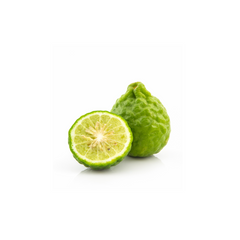
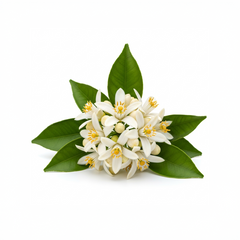
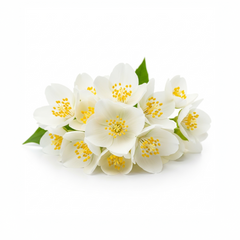
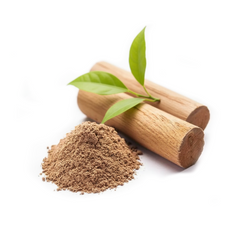
A balanced neroli accord typically blends Neroli essential oil (25–30%), Bergamot (20–25%), Jasmine (20–25%), and Sandalwood (25–30%). Neroli provides the luminous floral-citrus core, while bergamot amplifies the sparkling freshness via shared limonene and linalool. Jasmine introduces indolic, creamy undertones, enhancing the floral body, and sandalwood anchors the accord with lactonic, woody smoothness, extending longevity and softening sharp citrus facets.
Neroli delivers the core citrus-floral brightness through linalool, limonene, and nerolidol, providing lift and radiance.
Bergamot shares limonene and linalyl acetate with neroli, intensifying the sparkling citrus top and supporting green nuances.
Jasmine’s indole and benzyl acetate add depth, creaminess, and a subtle animalic facet, rounding out neroli’s floral heart.
Sandalwood’s santalol and lactones provide a smooth, woody base, enhancing longevity and softening neroli’s sharp citrus edges.
Neroli’s olfactory evolution begins with a burst of citrus-green freshness, transitioning to a soft, powdery floral heart and settling into a subtle, musky-woody base. High-volatility terpenes evaporate quickly, while heavier esters and alcohols linger, shaping the scent’s progression over several hours.
The initial impression is dominated by high-volatility molecules such as limonene, beta-ocimene, and alpha-pinene, producing a sparkling, green-citrus freshness with hints of bitter orange zest and leafy facets. This phase is bright, airy, and immediately uplifting.
As the top notes dissipate, linalool, linalyl acetate, and methyl anthranilate emerge, revealing neroli’s floral, powdery, and slightly honeyed core. This stage is characterized by a delicate balance between white floral and soft, sweet nuances, with subtle spicy undertones.
In the drydown, nerolidol, farnesol, and minor musky components provide a gentle woody-musky foundation. The scent becomes skin-like and subtly persistent, with a lingering trace of green and creamy floral warmth.
Neroli’s journey in perfumery spans from ancient Mediterranean rituals to its modern role in iconic citrus-floral compositions.
Bitter orange blossoms were used in Egyptian rituals and body anointing, valued for their soothing and aromatic properties.
Anne Marie Orsini, Princess of Nerola (Italy), introduces neroli oil to European aristocracy by scenting her gloves and baths, giving the oil its name.
Wilhelm Mülhens launches 4711, one of the earliest colognes to feature neroli as a dominant note, establishing its place in citrus perfumery.
Olivier Creed creates Neroli Sauvage, a modern unisex fragrance that spotlights neroli’s luminous, green-citrus qualities.
Rodrigo Flores-Roux crafts Neroli Portofino, revitalizing the Mediterranean citrus-floral genre and inspiring a new wave of neroli-centric fragrances.
Delphine Jelk’s composition highlights neroli’s green and woody facets, reflecting contemporary preferences for fresh, versatile florals.
Understanding how to layer neroli involves pairing it with notes that share molecular affinities or offer olfactory contrast. The key to how to layer neroli is leveraging shared terpenes and esters for seamless blends or using masking and synergistic effects for creative combinations.
Layer neroli with bergamot or grapefruit fragrances to amplify the citrus top notes. Shared limonene and linalyl acetate molecules create a seamless, sparkling effect, as seen in Tom Ford Neroli Portofino and Atelier Cologne Bergamote Soleil.
Combine neroli with jasmine or orange blossom to intensify the white floral heart. Indole and methyl anthranilate in both notes reinforce the creamy, powdery dimension, as demonstrated in Le Labo Neroli 36 and Guerlain Aqua Allegoria Nerolia Vetiver.
Pair neroli with sandalwood or clean musks for a longer-lasting, skin-like drydown. Santalol and muscone molecules act as fixatives, extending neroli’s presence and softening its sharpness, as in Byredo Sundazed and Creed Neroli Sauvage.
Cooler temperatures suppress neroli’s volatility, resulting in a closer, more intimate scent profile. Layer with woods or amber for added warmth and longevity. Apply to pulse points under clothing to enhance projection without overwhelming freshness.
Spring’s mild temperatures and moderate humidity allow neroli’s citrus and floral facets to bloom naturally. Apply to exposed skin for optimal diffusion, and consider pairing with green or herbal notes for a garden-fresh effect.
Heat amplifies neroli’s citrus top notes, increasing volatility and projection but shortening longevity. Apply lightly to avoid overexposure, and refresh as needed. Neroli pairs well with aquatic or solar notes for a breezy, Mediterranean vibe.
Adjust application based on climate: use higher concentrations or layer with fixatives in cold weather, and opt for lighter formats or reapply in heat. Neroli’s versatility makes it suitable for daily wear across all seasons.
Strategic application enhances neroli’s projection and longevity, allowing for tailored scent experiences.
The warmth of the neck accelerates the release of neroli’s citrus and floral volatiles, maximizing initial projection and sillage.
This area retains scent longer due to lower sebaceous activity, allowing neroli’s powdery heart notes to linger subtly throughout the day.
Pulse points on the wrists enhance the evolution of neroli’s top and heart notes, but frequent hand washing may reduce longevity.
Spraying on hair or a hairbrush provides sustained, gentle diffusion of neroli’s lighter molecules, prolonging the fresh, floral aura.
Layer neroli-based fragrances over unscented moisturizer to slow evaporation and enhance both projection and longevity, especially in dry climates.
These Neroli-based fragrances scored highest on the MEI™ Mood Architecture Framework — measuring how a scent may influence your emotional state.
These Neroli-based fragrances have the highest product-level HumanSafe™ scores in this ingredient collection.
Neroli’s scent is intense, fresh, floral, sweet, multifaceted – it has citrus fruit, honey, herbaceous, metallic and spicy nuances. Neroli oil doesn't resemble the smell of fresh flowers, as is often the case with extracted perfume materials.
Neroli’s versatility allows it to bridge citrus, floral, and green notes, making it a staple in both classic colognes and modern niche compositions.
Answers to common questions about neroli in perfumery.
Neroli in perfume is characterized by a luminous, green-citrus freshness, a soft, powdery floral heart, and a gentle musky-woody drydown. The scent is shaped by molecules such as linalool, limonene, and methyl anthranilate, resulting in a profile that is both uplifting and serene. Notable examples include Tom Ford Neroli Portofino and Guerlain Aqua Allegoria Nerolia Vetiver.
Neroli is most commonly used as a top or heart note due to its moderate volatility. Its high content of linalool and limonene ensures a bright, immediate impact, while its floral and powdery aspects persist into the heart of the composition. In some modern fragrances, neroli can also act as a bridge note.
Neroli’s complex molecular profile allows it to bridge citrus, floral, and green notes, providing both freshness and depth. Its versatility and ability to interact with a wide range of ingredients make it a favorite among niche perfumers seeking to create luminous, transparent, and multi-layered fragrances.
Neroli fragrance uses often involve pairing with bergamot, lemon, jasmine, sandalwood, and vetiver. These notes share molecular affinities (limonene, linalool, indole) or provide olfactory contrast, enhancing neroli’s brightness or grounding its volatility for a balanced composition.
Yes, neroli’s high volatility and fresh, citrus-floral character make it ideal for summer and hot climates. Its projection is enhanced by heat, though longevity may be reduced. Light application or layering with fixatives can help maintain the scent throughout the day.
Neroli fragrances typically last 4–6 hours in Eau de Parfum format, with the citrus top notes fading within the first hour and the floral-musky heart persisting longer. Longevity can be extended by layering or using oil-based applications.
Yes, neroli is highly compatible with other fragrances due to its shared terpenes and esters. It layers well with citrus, floral, and woody notes, allowing for customized blends that highlight different facets of its scent profile. Layering techniques can extend longevity and create unique olfactory signatures.
For beginners, Tom Ford Neroli Portofino, 4711 Original Eau de Cologne, and Guerlain Aqua Allegoria Nerolia Vetiver are excellent starting points. These fragrances showcase neroli’s versatility in both classic and modern contexts, offering a range of citrus, floral, and green interpretations.
Consider your preferred scent profile (citrus-forward, floral, woody) and desired concentration (EDT, EDP, oil). CA Perfume’s collection includes both traditional and contemporary neroli compositions, with detailed ingredient transparency via the HumanSafe™ platform to help you make an informed choice.
Neroli’s scent is primarily fresh, green, and citrus-floral, with subtle sweetness from methyl anthranilate and linalool, and faint spicy nuances from minor terpenes. It is less sweet than orange blossom absolute and less spicy than notes like cardamom or pink pepper, offering a balanced, multifaceted profile.
Discover CA Perfume’s most popular neroli-based scents, each crafted to highlight the ingredient’s luminous citrus-floral character and versatility.
Shop all neroli fragrances at CA Perfume →Neroli is derived from the flowers of the bitter orange tree (Citrus aurantium amara), a species native to Southeast Asia but now cultivated extensively in Mediterranean regions. The primary producing countries are Tunisia (notably the Nabeul region), Morocco, Egypt, and southern Italy, with Tunisia alone accounting for an estimated 60–70% of global neroli oil production. Annual output is limited by the short flowering season and the labor-intensive harvesting process, with yields averaging 1 kg of essential oil per 1,000 kg of fresh blossoms (0.1% yield). The extraction of neroli oil is performed exclusively via steam distillation (hydrodistillation) of freshly picked flowers, typically harvested in March and April. The process must be initiated within hours of harvest to prevent loss of volatile compounds. The distillation yields both neroli essential oil and orange flower water (hydrosol), the latter used in culinary and cosmetic applications. In contrast, orange blossom absolute is obtained from the same flowers using solvent extraction (hexane or ethanol), resulting in a denser, more indolic material with less citrus brightness. Natural neroli oil commands a high price, ranging from $5,000 to $7,000 per kilogram, due to the low yield and intensive manual labor required. Synthetic substitutes such as nerolidol (CAS 7212-44-4), linalool (CAS 78-70-6), and methyl anthranilate (CAS 134-20-3) are used to replicate aspects of neroli’s scent at a fraction of the cost ($30–$200/kg), but lack the full olfactory complexity of the natural oil. Sustainability efforts focus on small-scale, family-run farms, upcycling of floral byproducts, and traceability through platforms such as HumanSafe™.
Neroli has been a cornerstone of citrus and floral compositions since the 18th century, when it was a key ingredient in the original 4711 Eau de Cologne (Mäurer & Wirtz, 1792). In modern perfumery, Tom Ford’s Neroli Portofino (2011, Rodrigo Flores-Roux) redefined the note with a Mediterranean citrus-floral structure, pairing neroli with bergamot, lemon, and amber. Creed’s Neroli Sauvage (1994, Olivier Creed) showcases neroli as a dominant note, supported by verbena and ambergris for a luminous, unisex effect. Guerlain’s Aqua Allegoria Nerolia Vetiver (2022, Delphine Jelk) highlights neroli’s green and woody facets, blending it with vetiver and fig for a contemporary twist. Byredo’s Sundazed (2019, Jérôme Epinette) uses neroli as a bridge between citrus top notes and a musky, solar base, while Le Labo Neroli 36 (2006, Françoise Caron) emphasizes the floral-musky dimension of neroli in a minimalist structure. These fragrances demonstrate neroli’s versatility as a dominant note, bridge, or accent, paired with citrus, white florals, woods, and musks. CA Perfume’s neroli-inspired collection draws on this lineage, offering both classic and modern interpretations for diverse olfactory preferences.
Natural neroli oil is composed of a complex mixture of terpenes and esters, with linalool, linalyl acetate, and limonene as dominant constituents. Synthetic alternatives, such as nerolidol (CAS 7212-44-4), linalool (CAS 78-70-6), and methyl anthranilate (CAS 134-20-3), are commonly used to mimic neroli’s fresh, floral-citrus profile. Nerolidol, in particular, imparts a woody-floral nuance, while linalool and linalyl acetate provide the characteristic citrus and green facets. These synthetics offer greater batch-to-batch consistency, improved stability, and lower allergenic potential compared to natural oil. Performance-wise, synthetic neroli components typically exhibit longer-lasting diffusion and greater resistance to oxidation, but may lack the subtle complexity and evolving character of the natural oil. Cost is a major differentiator: natural neroli oil can exceed $6,000/kg, while synthetic analogs are available for under $200/kg. Iconic fragrances such as Tom Ford Neroli Portofino and Creed Neroli Sauvage use both natural and synthetic sources, depending on batch and regulatory requirements. Sustainability considerations increasingly favor upcycled or bio-sourced synthetics, reducing pressure on fragile Mediterranean ecosystems. CA Perfume’s HumanSafe™ platform ensures full ingredient traceability, prioritizing ethically sourced natural neroli and high-purity synthetics verified for safety and environmental impact. This approach balances olfactory authenticity with responsible sourcing and consumer transparency.