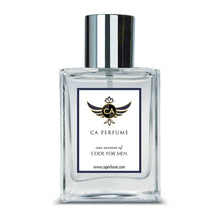
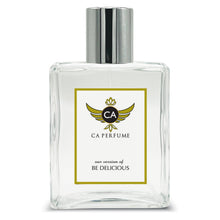
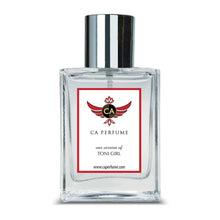
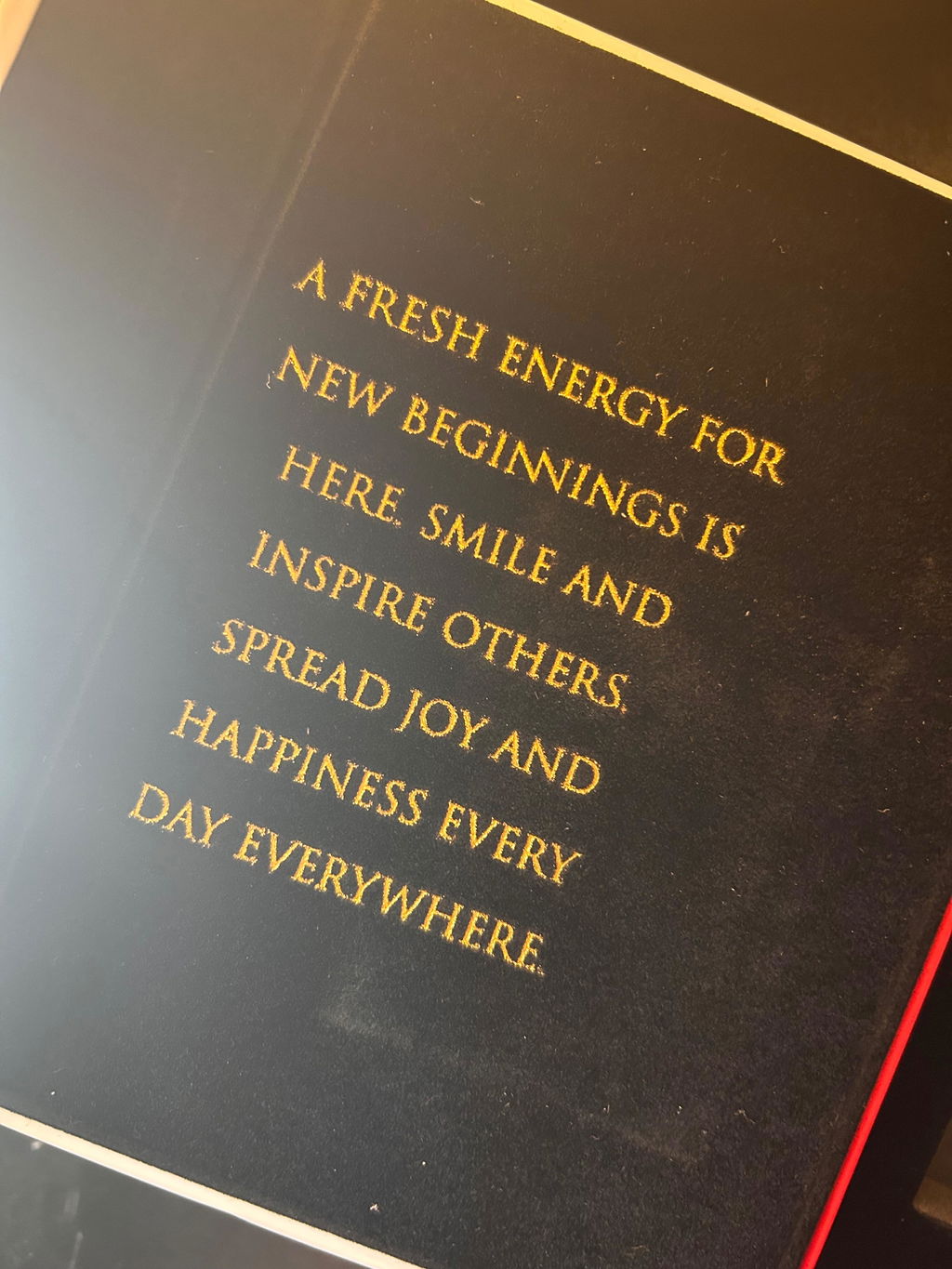
Great class packaging and the scent is spot on!
I loove this scent. It smells like the original at a reasonable price. It brings back great memories and it is spot on!
A sparkling, bitter-sweet top note with green and woody nuances.
In perfumery, grapefruit is a quintessential top note, prized for its zesty, bitter-sweet, and green aroma. Its defining molecules—nootkatone and d-limonene—create a vibrant citrus profile used at <5% concentration for immediate freshness.
Grapefruit (Citrus × paradisi) is characterized by a vivid, zesty aroma that combines sweet, tart, and bitter facets. The scent profile is dominated by d-limonene (90–95% of the oil), which imparts a juicy citrus freshness, while nootkatone (0.05–0.3%) is responsible for the signature bitter, woody, and slightly green nuance unique to grapefruit. Trace sulfur compounds, especially para-menth-1-en-8-thiol (grapefruit mercaptan), contribute a tropical, blackcurrant-like undertone even at concentrations below one part per billion. Depending on the cultivar, white grapefruit tends to be sharper and more bitter, while pink and red varieties are rounder and slightly sweeter due to differences in aldehyde and nootkatone content. In perfumery, grapefruit is almost exclusively used as a top note, valued for its immediate, uplifting impact and volatility. Typical usage levels are less than 5% of the total formula, as the note is highly diffusive and can easily dominate a blend. Grapefruit's volatile molecules evaporate quickly, delivering an initial burst of freshness that fades within 1–2 hours. Its interaction with skin chemistry is notable: acidic skin can accentuate the bitter-green aspect, while alkaline skin may soften the tartness. The note is often paired with other citrus, green, or floral materials to extend its presence and complexity. Grapefruit in perfumery is exemplified by Jo Malone London Grapefruit (1992, Jo Malone), which highlights the note’s invigorating, earthy-citrus freshness, and Chanel Chance Eau Tendre (2010, Jacques Polge), where grapefruit’s tartness is balanced by quince and soft musks. In Dolce & Gabbana Light Blue Eau Intense Pour Homme (2017, Alberto Morillas), grapefruit opens the composition with a sharp, marine freshness, demonstrating its versatility across both masculine and feminine fragrances.
Grapefruit’s scent profile is shaped by the terroir—soil type, climate, and cultivation methods—of its growing regions. Warm, sunlit orchards with well-drained soils yield fruit with higher nootkatone content, intensifying the bitter-green aroma prized in perfumery.
Grapefruit (Citrus × paradisi) originated as a hybrid of sweet orange (Citrus sinensis) and pomelo (Citrus maxima), first documented in Barbados in the mid-18th century by Rev. Griffith Hughes. Today, the principal producing countries are the United States (notably Florida and Texas), Mexico, South Africa, Israel, and Spain. The United States accounts for approximately 40% of global grapefruit production, with Florida alone yielding over 1 million metric tons annually. The essential oil used in perfumery is extracted from the outer peel (epicarp) via mechanical cold pressing. This process involves zesting the fruit, followed by expression to release the volatile oil, which is then decanted and filtered. Cold pressing preserves the integrity of heat-sensitive molecules such as nootkatone and d-limonene. Typical yields are 0.5–1.5% by weight of fresh peel. For high-end applications, fractional distillation may be used to reduce furocoumarin content (notably bergapten), minimizing phototoxicity. Natural grapefruit oil (CAS 8016-20-4) is a co-product of juice processing and costs $80–150/kg for standard grades, but grapefruit absolute (solvent or CO₂ extracted) can reach $3,000–6,000/kg due to its complexity and low yield. Synthetic grapefruit notes, primarily based on nootkatone (CAS 4674-50-4) and paradisamide, are more consistent and cost-effective ($50–200/kg). Sustainability concerns include pesticide use in citrus orchards and the environmental impact of large-scale monoculture, but grapefruit oil production is generally considered low-impact compared to other natural materials.
Florida’s Indian River region is renowned for grapefruit with a high nootkatone content and balanced sweetness. Sandy soils and subtropical humidity yield fruit with pronounced bitterness and aromatic intensity. The U.S. produces over 1 million metric tons annually, accounting for about 40% of global supply.
Veracruz and Tamaulipas regions produce grapefruit with a juicy, vibrant profile and slightly softer acidity. Warm, arid conditions and traditional hand-harvesting methods result in essential oil with a rounder, less bitter character. Mexico is among the top three global exporters.
The Limpopo province’s high-altitude orchards yield grapefruit with elevated aldehyde content, giving a fresher, more effervescent aroma. South Africa’s rigorous quality standards and export focus make its oil highly valued in fine fragrance.
Murcia and Valencia regions are known for sweet, aromatic grapefruit, cultivated in calcareous soils with Mediterranean rainfall. Spanish grapefruit oil is prized for its mild bitterness and floral undertones, representing a small but premium share of the market.
Natural grapefruit oil is composed mainly of d-limonene (90–95%), with nootkatone and minor sulfur compounds providing the distinctive bitter-sweet, green, and tropical facets. However, natural oil is highly volatile, prone to oxidation, and contains furocoumarins (notably bergapten), which can cause phototoxic reactions. To address these issues, perfumers often turn to synthetic aroma chemicals such as nootkatone (CAS 4674-50-4), paradisamide (CAS 32986-56-4), and grapefruit mercaptan (para-menth-1-en-8-thiol, CAS 38462-22-5). These synthetics offer greater stability, longer-lasting diffusion, and batch-to-batch consistency. Synthetic grapefruit notes are widely used in commercial perfumery due to their cost-effectiveness and performance. For example, paradisamide provides a persistent, luminous grapefruit effect without the sulfurous or "catty" undertones of natural mercaptans. Nootkatone, though expensive to isolate naturally, is now produced via biotechnological synthesis, reducing cost and environmental impact. Synthetic grapefruit notes are featured in fragrances such as Chanel Chance Eau Tendre and Dolce & Gabbana Light Blue Eau Intense Pour Homme, where longevity and clarity are prioritized. From a sustainability and safety perspective, synthetics reduce reliance on monoculture citrus farming and minimize allergenic and phototoxic risks. The HumanSafe™ platform at CA Perfume ensures transparency in sourcing, allergen screening, and IFRA compliance for both natural and synthetic grapefruit materials.
Grapefruit has played a pivotal role in shaping modern citrus and aquatic fragrance families. In Jo Malone London Grapefruit (1992, Jo Malone), the note is showcased as a dominant, invigorating top note, paired with rosemary, mint, and vetiver for an earthy-citrus freshness. Chanel Chance Eau Tendre (2010, Jacques Polge) utilizes grapefruit as a sparkling, tart opening, balanced by quince and soft white musks, demonstrating its compatibility with fruity-floral compositions. Dolce & Gabbana Light Blue Eau Intense Pour Homme (2017, Alberto Morillas) features grapefruit in the top notes, lending a sharp, marine freshness that defines the fragrance’s Mediterranean character. Bvlgari Tygar (2016, Jacques Cavallier) employs grapefruit as a bridge note, linking spicy ginger with woody ambroxan, while Guerlain Aqua Allegoria Pamplelune (1999, Jean-Paul Guerlain) is renowned for its photorealistic grapefruit, achieved through a high concentration of natural oil and supporting sulfuric and green notes. These compositions illustrate grapefruit’s versatility as a dominant note, bridge, or accent, often paired with vetiver, woods, florals, and other citrus materials. CA Perfume’s collection draws inspiration from this lineage, offering grapefruit-forward fragrances that emphasize both natural zest and modern aromatic freshness.
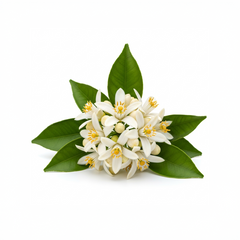
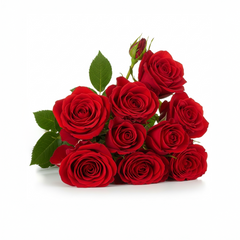
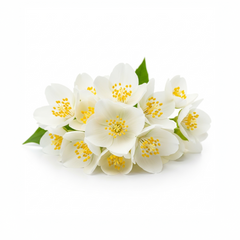
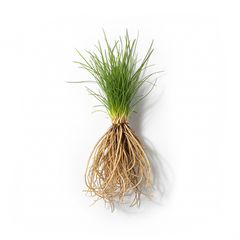
A grapefruit accord is built by blending 25–30% grapefruit oil or synthetic nootkatone for zesty bitterness, 20–25% rose for floral softening via shared damascenone, 25–30% vetiver for woody-green depth (vetiverol and nootkatone synergy), and 20–25% jasmine for a radiant, sweet lift. This balance creates a multidimensional citrus opening with floral and woody complexity.
Provides the zesty, bitter-sweet citrus core through d-limonene and nootkatone, essential for the accord’s brightness and green nuance.
Adds floral softness and complexity via damascenone, which molecularly bridges citrus and floral facets for a seamless transition.
Imparts woody-green depth; vetiverol and nootkatone share structural similarities, reinforcing grapefruit’s earthy undertone.
Contributes a sweet, radiant lift through benzyl acetate and indole, enhancing the accord’s longevity and adding a subtle floral radiance.
Grapefruit’s olfactory evolution is rapid: the top note delivers a burst of volatile d-limonene and aldehydes within the first 15 minutes, followed by a transition to green and woody facets as nootkatone and minor sulfur compounds persist. The base fades quickly, leaving a faint, musky-green trail.
The initial impression is a sparkling, juicy citrus explosion dominated by d-limonene and aldehydes. These highly volatile molecules evaporate quickly, creating an immediate sense of freshness and brightness. Subtle sulfur compounds lend a tropical, slightly blackcurrant nuance.
As the top fades, nootkatone emerges, imparting a bitter, woody-green character. This phase is less volatile, with the grapefruit’s tartness softened by floral or herbal companions. The scent becomes more aromatic and slightly earthy.
The drydown is subtle, with faint traces of musky-green and woody notes. Nootkatone and minor sesquiterpenes linger, providing a gentle, persistent bitterness. The overall effect is clean, with a lingering freshness that gradually dissipates.
Grapefruit’s journey in perfumery spans from its Caribbean origins to its modern role as a staple top note in contemporary fragrance.
Rev. Griffith Hughes documents grapefruit as the 'forbidden fruit' in Barbados, noting its unique aroma and hybrid origin. Early uses are culinary rather than olfactory.
Grapefruit cultivation expands to Florida, where large-scale orchards are established. By the late 1800s, Florida becomes a global center for grapefruit production.
Grapefruit essential oil is introduced to European perfumery, initially as a novelty citrus note. Early applications are limited by volatility and cost.
Jo Malone releases Grapefruit, showcasing the note as a dominant, modern top note. The fragrance’s success popularizes grapefruit in both niche and mainstream perfumery.
Advances in synthetic chemistry (notably nootkatone and paradisamide) allow for stable, photorealistic grapefruit effects in fragrances such as Chanel Chance Eau Tendre and Dolce & Gabbana Light Blue Eau Intense Pour Homme.
Understanding how to layer grapefruit is key to maximizing its impact. At a molecular level, grapefruit’s high-volatility compounds blend seamlessly with florals and woods, while its tartness can be softened by gourmand notes.
Layer grapefruit with rose or jasmine to create a molecular bridge via shared damascenone and benzyl acetate. This pairing is exemplified in Chanel Chance Eau Tendre, where the floral heart softens grapefruit’s tartness and extends its freshness.
Combine grapefruit with vetiver or cedarwood. Nootkatone in both grapefruit and vetiver creates a woody-green synergy, as seen in Jo Malone London Grapefruit and Bvlgari Tygar. The woody base anchors the fleeting citrus, providing structure and persistence.
Layer grapefruit with vanilla or tonka bean. The sweet threshold of vanillin masks grapefruit’s bitterness, resulting in a creamy, balanced effect. This technique is effective in modern gourmand-citrus blends, adding vibrancy without cloying sweetness.
Cooler temperatures suppress grapefruit’s volatility, resulting in a softer, more subdued projection. Apply to pulse points and layer with woody or spicy notes to enhance warmth and persistence. Avoid overapplication, as the note can become muted in cold, dry air.
Spring’s moderate temperatures and humidity allow grapefruit’s zesty freshness to shine. Apply to exposed skin for a bright, uplifting effect. Pair with green or floral notes to echo the season’s renewal.
High heat accelerates molecular diffusion, amplifying grapefruit’s citrus burst but shortening its lifespan. Apply sparingly, focusing on cooler areas like the inner elbows or behind the knees. Reapply as needed, and avoid direct sun exposure to minimize phototoxicity.
Layer grapefruit with longer-lasting base notes (vetiver, musk, woods) to extend its presence. Use unscented moisturizers to anchor the fragrance and enhance projection regardless of season.
Strategic application maximizes grapefruit’s fleeting freshness and ensures optimal projection.
Pulse points on the neck emit heat, accelerating the evaporation of grapefruit’s volatile molecules for an immediate, vivid citrus impression.
This area is slightly cooler, allowing the grapefruit note to diffuse gradually and prolonging its presence in the scent’s opening.
Frequent movement and warmth from the wrists enhance sillage, but the note will fade quickly due to high volatility—ideal for a refreshing burst.
Spraying on hair traps grapefruit’s aroma in the cuticle, allowing for a subtle, lingering freshness as the hair moves. Avoid overapplication to prevent dryness.
Layer grapefruit-based fragrances over unscented lotion to slow evaporation and increase longevity. This technique anchors the top note and enhances projection.
These Grapefruit-based fragrances scored highest on the MEI™ Mood Architecture Framework — measuring how a scent may influence your emotional state.
These Grapefruit-based fragrances have the highest product-level HumanSafe™ scores in this ingredient collection.
An important feature of the grapefruit smell is its sulfurous 'tropical' character, and the substance making it is para-menth-1-en-8-thiol aka grapefruit mercaptan. It has an extremely intense smell – its content in the grapefruit essential oil is less than one part in a billion; however, it is responsible for the very characteristic exotic fruity note in grapefruit.
Grapefruit’s scent profile is defined by d-limonene and nootkatone, which together create a zesty, bitter-sweet citrus impression with green and woody undertones. Its volatility means it shines as a top note but fades quickly, making it ideal for bright, modern compositions.
Answers to common questions about grapefruit in perfumery.
Grapefruit in perfume is characterized by a zesty, bitter-sweet citrus aroma with green and woody undertones. The scent is dominated by d-limonene for freshness and nootkatone for its signature bitterness. Trace sulfur compounds add a tropical, blackcurrant nuance. The result is a vibrant, uplifting top note that is both tart and slightly sweet, evolving into a subtle green and musky drydown. Notable examples include Jo Malone London Grapefruit and Chanel Chance Eau Tendre.
Grapefruit is almost exclusively used as a top note in perfumery due to its high volatility and immediate impact. Its key molecules, d-limonene and nootkatone, evaporate quickly, creating a bright, refreshing opening that typically fades within 1–2 hours. It is rarely used as a base note because it lacks the molecular weight and persistence required for long-lasting effects.
Grapefruit is favored in niche perfumery for its ability to deliver a photorealistic, natural citrus burst that sets a modern, energetic tone. Its unique bitter-green and tropical facets, driven by nootkatone and sulfur compounds, distinguish it from other citrus notes. Niche perfumers use grapefruit to create fresh, unconventional openings and to bridge citrus and green or woody accords, as seen in Bvlgari Tygar and Guerlain Aqua Allegoria Pamplelune.
Grapefruit fragrance uses often involve pairing with other citrus notes (bergamot, lemon), florals (rose, jasmine), and woody materials (vetiver, cedarwood). The molecular compatibility of nootkatone with vetiverol and damascenone in rose allows for seamless blending. Gourmand notes like vanilla can also soften grapefruit’s bitterness through olfactory masking.
Grapefruit’s volatility makes it ideal for summer and hot weather. High temperatures enhance its diffusion and projection, creating an invigorating, refreshing effect. However, the note fades quickly in heat, so reapplication may be necessary. Avoid direct sun exposure if using natural grapefruit oil, as furocoumarins can cause photosensitivity.
Grapefruit-based fragrances typically last 1–2 hours in the top note phase, with residual green and musky nuances lingering for up to 4–6 hours depending on the formula. Its high volatility means the initial burst is fleeting, but layering with fixatives or woody notes can extend its presence.
Yes, grapefruit layers well with florals (rose, jasmine), woods (vetiver, cedarwood), and gourmand notes (vanilla, tonka bean). Molecular bridges such as damascenone and nootkatone facilitate seamless blending. Layering can enhance sweetness, add depth, or brighten heavier compositions.
For beginners, Jo Malone London Grapefruit, Chanel Chance Eau Tendre, and Guerlain Aqua Allegoria Pamplelune are excellent starting points. These fragrances showcase grapefruit’s zesty freshness in approachable, balanced compositions, often paired with florals or woods for added complexity.
Consider your preferred style—whether you want a pure citrus burst, a floral-citrus blend, or a woody-green composition. CA Perfume’s collection offers options across these profiles, and discovery sets allow you to sample different grapefruit-forward blends to find your ideal match.
Grapefruit in fragrance balances sweet, tart, and bitter facets. White grapefruit is typically sharper and more bitter, while pink and red varieties are rounder and slightly sweeter due to differences in aldehyde and nootkatone content. The overall impression is zesty and refreshing, with a persistent bitter-green undertone.
Discover CA Perfume’s curated selection of grapefruit-forward scents, from pure citrus bursts to complex blends with florals and woods.
Shop all grapefruit fragrances at CA Perfume →Grapefruit (Citrus × paradisi) originated as a hybrid of sweet orange (Citrus sinensis) and pomelo (Citrus maxima), first documented in Barbados in the mid-18th century by Rev. Griffith Hughes. Today, the principal producing countries are the United States (notably Florida and Texas), Mexico, South Africa, Israel, and Spain. The United States accounts for approximately 40% of global grapefruit production, with Florida alone yielding over 1 million metric tons annually. The essential oil used in perfumery is extracted from the outer peel (epicarp) via mechanical cold pressing. This process involves zesting the fruit, followed by expression to release the volatile oil, which is then decanted and filtered. Cold pressing preserves the integrity of heat-sensitive molecules such as nootkatone and d-limonene. Typical yields are 0.5–1.5% by weight of fresh peel. For high-end applications, fractional distillation may be used to reduce furocoumarin content (notably bergapten), minimizing phototoxicity. Natural grapefruit oil (CAS 8016-20-4) is a co-product of juice processing and costs $80–150/kg for standard grades, but grapefruit absolute (solvent or CO₂ extracted) can reach $3,000–6,000/kg due to its complexity and low yield. Synthetic grapefruit notes, primarily based on nootkatone (CAS 4674-50-4) and paradisamide, are more consistent and cost-effective ($50–200/kg). Sustainability concerns include pesticide use in citrus orchards and the environmental impact of large-scale monoculture, but grapefruit oil production is generally considered low-impact compared to other natural materials.
Grapefruit has played a pivotal role in shaping modern citrus and aquatic fragrance families. In Jo Malone London Grapefruit (1992, Jo Malone), the note is showcased as a dominant, invigorating top note, paired with rosemary, mint, and vetiver for an earthy-citrus freshness. Chanel Chance Eau Tendre (2010, Jacques Polge) utilizes grapefruit as a sparkling, tart opening, balanced by quince and soft white musks, demonstrating its compatibility with fruity-floral compositions. Dolce & Gabbana Light Blue Eau Intense Pour Homme (2017, Alberto Morillas) features grapefruit in the top notes, lending a sharp, marine freshness that defines the fragrance’s Mediterranean character. Bvlgari Tygar (2016, Jacques Cavallier) employs grapefruit as a bridge note, linking spicy ginger with woody ambroxan, while Guerlain Aqua Allegoria Pamplelune (1999, Jean-Paul Guerlain) is renowned for its photorealistic grapefruit, achieved through a high concentration of natural oil and supporting sulfuric and green notes. These compositions illustrate grapefruit’s versatility as a dominant note, bridge, or accent, often paired with vetiver, woods, florals, and other citrus materials. CA Perfume’s collection draws inspiration from this lineage, offering grapefruit-forward fragrances that emphasize both natural zest and modern aromatic freshness.
Natural grapefruit oil is composed mainly of d-limonene (90–95%), with nootkatone and minor sulfur compounds providing the distinctive bitter-sweet, green, and tropical facets. However, natural oil is highly volatile, prone to oxidation, and contains furocoumarins (notably bergapten), which can cause phototoxic reactions. To address these issues, perfumers often turn to synthetic aroma chemicals such as nootkatone (CAS 4674-50-4), paradisamide (CAS 32986-56-4), and grapefruit mercaptan (para-menth-1-en-8-thiol, CAS 38462-22-5). These synthetics offer greater stability, longer-lasting diffusion, and batch-to-batch consistency. Synthetic grapefruit notes are widely used in commercial perfumery due to their cost-effectiveness and performance. For example, paradisamide provides a persistent, luminous grapefruit effect without the sulfurous or "catty" undertones of natural mercaptans. Nootkatone, though expensive to isolate naturally, is now produced via biotechnological synthesis, reducing cost and environmental impact. Synthetic grapefruit notes are featured in fragrances such as Chanel Chance Eau Tendre and Dolce & Gabbana Light Blue Eau Intense Pour Homme, where longevity and clarity are prioritized. From a sustainability and safety perspective, synthetics reduce reliance on monoculture citrus farming and minimize allergenic and phototoxic risks. The HumanSafe™ platform at CA Perfume ensures transparency in sourcing, allergen screening, and IFRA compliance for both natural and synthetic grapefruit materials.