Ingredient Guide · Musk, Amber, Animalic
Musk, Amber, Animalic Family · Perfumery Note

Musk

The molecular backbone of perfumery’s most iconic scents.

Musk is the quintessential base note in perfumery, renowned for its powdery, skin-like, and subtly animalic character. Its defining quality comes from muscone and synthetic musks, used at 0.1–5% to impart lasting warmth and fixative power.

Musk
Ingredient Profile

Musk

Musk, Amber, Animalic Family
Family Musk, Amber, Animalic
Note Position Base Note
Usage Level <1%
Key Origins China, Russia, France
Iconic In Jovan Musk for Men, White Musk
The Ingredient

What does Musk smell like and why is it so essential in perfumery?

Musk in perfumery is defined by its complex, multifaceted scent profile, which is often described as powdery, skin-like, warm, and subtly animalic. The primary molecular contributor to natural musk is muscone (3-methylcyclopentadecanone), a macrocyclic ketone responsible for the characteristic sweet, earthy, and slightly oily aroma. Synthetic musks, such as galaxolide (CAS 1222-05-5), ambrettolide, and habanolide, replicate and expand upon these nuances, ranging from clean and soapy to creamy, woody, or even metallic. The musk scent profile is unique in its ability to evoke both intimacy and radiance, often likened to the scent of clean skin, soft fabric, or the faint warmth of a body’s natural pheromones. In perfumery, musk is almost universally used as a base note due to its low volatility and exceptional fixative properties. Typical concentrations in fine fragrance range from 0.1% for macrocyclic musks in high-end compositions to 2–5% for synthetic musks in mainstream perfumery. Musk molecules interact with skin chemistry in a way that can amplify or mute their presence—some people experience anosmia (inability to smell certain musks), while others find musk notes especially pronounced. This variability is due to genetic differences in olfactory receptors, making musk a highly personal note. Musk in perfumery is exemplified by fragrances such as Narciso Rodriguez For Her (2003, Christine Nagel and Francis Kurkdjian), which centers around a radiant, powdery musk heart, and Serge Lutens Clair de Musc (2003, Christopher Sheldrake), which explores the clean, ethereal side of musk. These compositions demonstrate musk’s versatility, from the intimate and subtle to the bold and enveloping, cementing its status as a foundational element in both classic and modern scent architecture.

<1%
Macrocyclic musks like muscone and ambrettolide are typically used at concentrations below 1% in fine fragrances, providing powerful fixative and radiance effects.
6–12 Hours
Synthetic musks, especially macrocyclic and polycyclic types, can persist on skin for 6–12 hours, anchoring the entire fragrance pyramid and enhancing longevity.
>$45,000/kg
Natural deer musk, now banned in perfumery, once commanded prices exceeding $45,000 per kilogram, compared to $20–$5,000/kg for synthetic musks.
Origin & Extraction

Where Musk Comes From — Origin & Extraction

Geography historically shaped musk’s scent character, with Himalayan and Siberian musk deer producing the most prized animalic musk. Today, regional differences persist in synthetic musk manufacturing, with European and Asian producers leading innovation.

Musk originally referred to the glandular secretion of the male musk deer (Moschus moschiferus), native to the mountainous regions of Tibet, Nepal, Siberia, and northern China. The musk pod, located in a preputial gland on the abdomen, contains a reddish-brown paste that, upon drying, becomes musk grain. Historically, 30–50 deer were required to produce 1 kg of musk grains, making natural musk one of the most expensive animal-derived aromatics—at times valued at twice its weight in gold. Extraction involved killing the deer and sun-drying the pod, then tincturing the grains in ethanol at concentrations of 3–5% for perfumery use. This process yielded a material with a sharp, ammonia-like opening that mellowed into a sweet, balsamic, animalic warmth. Due to severe overhunting and the musk deer’s endangered status, the use of natural musk in perfumery was banned internationally by CITES in 1979. Today, nearly all musk in perfumery is synthetic, produced via petrochemical or biotechnological routes. Key synthetic musks include nitro musks (e.g., musk ketone, now largely discontinued for safety reasons), polycyclic musks (e.g., galaxolide), macrocyclic musks (e.g., muscone, ambrettolide), and alicyclic musks (e.g., habanolide). The cost of synthetic musks ranges from $20–$200/kg for polycyclics to $1,000–$5,000/kg for high-purity macrocyclics, compared to $45,000–$50,000/kg for illegal natural musk. Major producers include Firmenich, IFF, and Givaudan. Sustainability has driven the industry toward biodegradable macrocyclic musks and biotechnologically produced muscone. The HumanSafe™ platform at CA Perfume ensures full traceability and IFRA compliance, with all musks sourced from certified cruelty-free and environmentally responsible suppliers.

CN

China

Sichuan and Tibet were historic centers for natural musk, producing Tonkin musk renowned for its sweet, balsamic, and intensely animalic profile. Legal production is now limited to traditional medicine, with less than 100 kg/year.

RU

Russia

Siberian musk, sourced from the Altai and Amur regions, was known for a harsher, more leathery and castoreum-like profile. Production is now illegal for perfumery, but Russia remains a reference for historical musk quality.

FR

France

Grasse and Paris are global centers for synthetic musk innovation, with companies like Firmenich and Givaudan producing macrocyclic musks under strict IFRA and EU REACH regulations, ensuring high purity and safety.

US

United States

Major manufacturers in New Jersey and Texas produce polycyclic and macrocyclic musks for global export, focusing on high-volume, IFRA-compliant materials for both fine fragrance and functional uses.

Chemistry

Natural vs Synthetic Musk in Perfumery

Natural musk, derived from Moschus moschiferus, is now virtually absent from modern perfumery due to ethical, legal, and sustainability concerns. Its scent is dominated by muscone (CAS 541-91-3), cyclopentadecanone, and related macrocyclic ketones, which provide a rich, animalic, and balsamic profile. Synthetic musks, such as galaxolide (CAS 1222-05-5), ambrettolide (CAS 3738-68-3), and habanolide (CAS 116-66-5), offer a spectrum from clean, powdery, and skin-like to creamy or metallic. Synthetic musks are prized for their stability, low allergenicity, and cost-effectiveness—galaxolide, for example, is used at up to 5% in commercial fragrances, costing $20–$50/kg, while macrocyclic musks like ambrettolide are used at 0.1–1% and cost $1,000–$5,000/kg. Performance-wise, synthetic musks provide excellent longevity and diffusion, with macrocyclic musks offering a closer olfactory match to natural musk and greater biodegradability. Iconic fragrances such as Narciso Rodriguez For Her (macrocyclic musks), The Body Shop White Musk (galaxolide, tonalide), and Le Labo Gaiac 10 (ambrettolide) demonstrate the versatility of synthetic musks. CA Perfume’s HumanSafe™ platform ensures all musks are IFRA-compliant, cruelty-free, and transparently sourced, with a preference for biodegradable macrocyclic and alicyclic musks to minimize environmental impact.

Natural
Musk Absolute
Cost $3,000–6,000/kg
Method Solvent / CO₂
Character Complex, variable
vs
Synthetic
Safranal & Analogues
Cost $50–200/kg
Method Lab synthesis
Character Consistent, stable
Hall of Fame

Famous Fragrances That Define Musk in Perfumery

1973
dominant note

Jovan Musk for Men

Jovan
citrusspiceswoods
1981
dominant note

White Musk

The Body Shop
galaxolidetonalidelily of the valleyrose
2003
dominant note

Clair de Musc

Serge Lutens
by Christopher Sheldrake
irisnerolibergamot
2003
dominant note

For Her

Narciso Rodriguez
by Christine Nagel, Francis Kurkdjian
rosepeachamberpatchouli
2008
bridge note

Gaiac 10

Le Labo
by Annick Menardo
guaiac woodcedarincense
2010
dominant note

Not a Perfume

Juliette Has a Gun
by Romano Ricci
cetalox (ambroxan)

Musk has shaped the landscape of perfumery for centuries, transitioning from the animalic intensity of natural deer musk to the clean, radiant profiles of modern synthetic musks. One of the earliest musk-centric fragrances is Jovan Musk for Men (1973), which popularized the use of synthetic musks in mainstream perfumery. In 1981, The Body Shop’s White Musk, composed primarily of galaxolide and tonalide, redefined musk as a clean, skin-like note, making it accessible and gender-neutral. Serge Lutens Clair de Musc (2003, Christopher Sheldrake) explores the powdery, ethereal side of musk, while Narciso Rodriguez For Her (2003, Christine Nagel and Francis Kurkdjian) established the modern standard for a radiant, musky heart. More recently, Le Labo Gaiac 10 (2008, Annick Menardo) and Juliette Has a Gun Not a Perfume (2010, Romano Ricci) have showcased the versatility of musks, from woody and creamy to minimalist and molecular. These fragrances demonstrate musk’s ability to function as a dominant note, a bridge, or a subtle fixative, often paired with florals (rose, jasmine), woods (sandalwood, cedar), or ambers. CA Perfume’s collection draws inspiration from this lineage, offering musk-forward compositions that honor both tradition and innovation.

The Accord

How is a captivating Musk accord crafted?

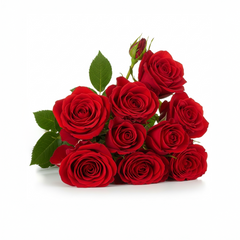
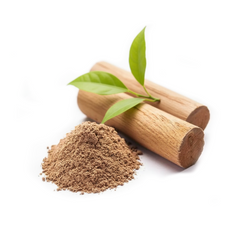
A classic musk accord balances macrocyclic musks (30–35%), ambrettolide (25–30%), rose (15–20%), and sandalwood (20–25%). Macrocyclic musks provide the core powdery, skin-like effect; ambrettolide adds creamy, slightly fruity nuances; rose introduces subtle floralcy via shared damascone compounds; sandalwood offers a soft, woody base that enhances musk’s longevity through molecular affinity.

35%

Macrocyclic Musk

30–35% of blend

Macrocyclic musks (e.g., muscone, ambrettolide) provide the core powdery, skin-like, and subtly animalic facets, with high substantivity and low volatility.

30%

Ambrettolide

25–30% of blend

Ambrettolide, a naturally occurring macrocyclic lactone, imparts creamy, musky, and slightly fruity nuances, enhancing the roundness and radiance of the accord.

20%

Rose

15–20% of blend

Rose absolute introduces damascone and ionone molecules, which bridge musk’s powdery facets with floralcy, creating a seamless, skin-like effect.

25%

Sandalwood

20–25% of blend

Sandalwood’s santalol content provides a creamy, woody base that enhances musk’s longevity and rounds out any sharpness, supporting the overall accord.

The Olfactory Layers

How Musk Evolves on Skin

Musk’s olfactory evolution is subtle, with low-volatility macrocyclic and polycyclic molecules persisting for hours. Top notes fade quickly, revealing musk’s skin-like warmth, which anchors the fragrance and enhances longevity.

I
Top notes
0–15 min
Clean Veil

The initial impression is often shaped by volatile aldehydes or citrus, but musk’s presence is already perceptible as a faint, powdery, skin-like veil. Molecules such as galaxolide and habanolide begin to emerge, providing a soft, clean sensation.

PowderyCleanSubtle
II
Heart notes
20–60 min
Skin Warmth

As top notes dissipate, musk’s core character unfolds—warm, slightly sweet, and enveloping. Macrocyclic musks (muscone, ambrettolide) interact with floral and woody notes, creating a seamless, radiant effect that feels both intimate and diffusive.

Skin-likeWarmRadiant
III
Base notes
Several hours
Animalic Depth

Musk dominates the drydown, with its low-volatility molecules persisting for 6–12 hours. The scent becomes more animalic, creamy, and subtly woody, as muscone and ambrettolide anchor the composition and enhance the longevity of all other notes.

AnimalicCreamyLong-lasting
TOP NOTES Clean Veil 0–15 minutes HEART NOTES Skin Warmth 20–60 minutes BASE NOTES Animalic Depth Several hours
Through the Ages

The Story of Musk in Perfumery

Musk’s journey in perfumery spans millennia, from ancient luxury to modern molecular artistry.

Antiquity

Early Use in Asia and the Middle East

Musk was prized in ancient China, India, and Persia for its intense aroma and fixative power, used in incense, medicine, and royal perfumery. Musk grains were traded along the Silk Road as a luxury commodity.

12th–13th Century

Arab Perfumery and Extraction Techniques

Arab perfumers refined musk extraction and blending, incorporating it into attars and complex compositions. Musk’s reputation as an aphrodisiac and fixative spread throughout the Islamic world.

1888

Discovery of Synthetic Nitro Musks

Albert Baur accidentally synthesizes the first artificial musk (musk Baur, a nitro musk) while working with TNT derivatives in Germany, revolutionizing the industry and paving the way for ethical alternatives.

1979

CITES Ban on Natural Musk

International trade in natural musk is banned to protect endangered musk deer. Perfumery shifts almost entirely to synthetic musks, especially polycyclic and macrocyclic types.

2003–Present

Modern Musk Renaissance

Fragrances like Narciso Rodriguez For Her and Le Labo Gaiac 10 showcase the versatility of macrocyclic musks, while biotechnological production and HumanSafe™ verification drive sustainability and transparency.

The Art of Layering

How to Layer Musk

Understanding how to layer musk is key to customizing its scent profile. Molecular compatibility allows musk to bridge florals, woods, and gourmands, creating seamless, long-lasting blends.

01

Enhance Sweetness

Layering musk with vanilla or tonka bean leverages olfactory masking, as vanillin and coumarin soften musk’s animalic edge. This combination is exemplified in Guerlain’s Shalimar, where musk and vanilla create a creamy, enveloping base.

02

Add Depth

Pairing musk with patchouli or sandalwood exploits shared fixative properties and molecular affinity. Patchouli’s earthy facets amplify musk’s warmth, as seen in Narciso Rodriguez For Her, while sandalwood enhances creaminess and longevity.

03

Lighten the Glow

Combining musk with citrus or aldehydes increases volatility and radiance. Aldehydes (e.g., C-12 MNA) lift musk’s powdery facets, creating a clean, airy effect as in Chanel No. 5, where musk anchors the aldehydic top.

Wear It Right

How to Wear Musk Like a Pro

Seasonal Guide

Fall & Winter

In cooler temperatures, musk’s low volatility ensures it lingers close to the skin, creating a cozy, enveloping aura. Apply to pulse points and under clothing for maximum warmth and persistence.

Spring

Spring’s moderate temperatures allow musk’s powdery and floral facets to shine. Layer with light florals or citrus for a fresh, radiant effect that feels clean and uplifting.

Summer

Heat increases the volatility of musks, enhancing their projection but potentially shortening longevity. Use lighter concentrations or layer with citrus and aquatic notes for a breezy, skin-like scent.

Year-Round Tip

Musk’s adaptability makes it a staple for any season. Adjust application amount and layering partners based on climate and personal preference to optimize performance and sillage.

Application Points

Strategic application of musk fragrances enhances their longevity and skin-like effect.

1

Neck

Applying musk to the neck leverages body heat, enhancing the diffusion of macrocyclic musks and creating a subtle, intimate sillage that evolves with your natural scent.

2

Behind the Ears

This area is slightly cooler, allowing musk’s powdery and creamy facets to develop slowly, prolonging the fragrance’s evolution and maintaining a close-to-skin aura.

3

Inner Wrists

Pulse points on the wrists amplify musk’s warmth and radiance, but frequent hand washing may reduce longevity. Reapply as needed for a consistent skin scent.

4

Hair

Spraying musk on hair provides a gentle, long-lasting diffusion, as hair fibers trap macrocyclic musks and release them gradually with movement.

Pro Tip

Layer musk with unscented moisturizer or body oil to create a hydrated base, enhancing absorption and extending the longevity of both natural and synthetic musks.

Mood Architecture™

Top Musk Fragrances by Mood Score

These Musk-based fragrances scored highest on the MEI™ Mood Architecture Framework — measuring how a scent may influence your emotional state.

Highest MEI Score
Parfums Gypsy Aqua — Gypsy Water Alternative Perfume
8.69
MEI™
Primary Romantic
Secondary Confident
Confidence
7.99
Presence
8.46
Mood Lift
9.5
Identity
8.39
Warmth
9.5
Social Ease
8.81
Energy
5.8
" I am beautiful.
View full mood profile →
Aloura Homme — Chanel Allure Alternative Cologne
8.46
MEI™
Primary Romantic
Secondary Confident
Confidence
7.54
Presence
7.47
Mood Lift
9.5
Identity
7.67
Warmth
9.5
Social Ease
9.0
Energy
5.3
" I am beautiful.
View full mood profile →
Layton — Parfums De Marly Layton Alternative Perfume
8.14
MEI™
Primary Romantic
Secondary Confident
Confidence
7.52
Presence
7.64
Mood Lift
8.61
Identity
7.72
Warmth
9.5
Social Ease
8.38
Energy
4.8
" I am beautiful.
View full mood profile →
Brit — Burberry Brit Alternative Perfume
7.94
MEI™
Primary Romantic
Secondary Energizing
Confidence
6.37
Presence
6.58
Mood Lift
9.5
Identity
6.75
Warmth
9.5
Social Ease
8.72
Energy
4.7
" I am beautiful.
View full mood profile →
HumanSafe™

Top Musk Fragrances by HumanSafe™ Score

These Musk-based fragrances have the highest product-level HumanSafe™ scores in this ingredient collection.

Highest HumanSafe™ Score
Urban Musk — Tom Ford Impression Urban Musk Alternative Perfume
A-
HumanSafe™ Score Generally Safe
Safest Evaluated Ingredients EDP
AQUA Solvent / Carrier ISS 10.0
1,4-DIOXACYCLOHEPTADECANE-5,17-DIONE Evaluated ingredient ISS 10.0
4H-INDEN-4-ONE, 1,2,3,5,6,7-HEXAHYDRO-1,1,2,3,3- Evaluated ingredient ISS 9.0
2H-1-BENZOPYRAN-2-ONE Evaluated ingredient ISS 8.0
LINALYL ACETATE Evaluated ingredient ISS 7.0
LINALOOL Evaluated ingredient ISS 7.0
View full safety profile →
Terre — Hermes Terre Alternative Cologne
A-
HumanSafe™ Score Generally Safe
Safest Evaluated Ingredients EDP
AQUA Solvent / Carrier ISS 10.0
2-HEXENE, 6,6-DIMETHOXY-2,5,5-TRIMETHYL- Evaluated ingredient ISS 8.0
LINALYL ACETATE Evaluated ingredient ISS 7.0
LINALOOL Evaluated ingredient ISS 7.0
CITRONELLOL Evaluated ingredient ISS 7.0
View full safety profile →
Rose Ventus — Rose Des Vents Alternative Perfume
A-
HumanSafe™ Score Generally Safe
Safest Evaluated Ingredients EDP
AQUA Solvent / Carrier ISS 10.0
1,4-DIOXACYCLOHEPTADECANE-5,17-DIONE Evaluated ingredient ISS 10.0
HEXYL SALICYLATE Evaluated ingredient ISS 9.0
AMBROXIDE Evaluated ingredient ISS 9.0
4H-INDEN-4-ONE, 1,2,3,5,6,7-HEXAHYDRO-1,1,2,3,3- Evaluated ingredient ISS 9.0
View full safety profile →
Pure Vetiver — Azzaro Pure Vetiver Alternative Cologne
A-
HumanSafe™ Score Generally Safe
Safest Evaluated Ingredients EDP
AQUA Solvent / Carrier ISS 10.0
1,4-DIOXACYCLOHEPTADECANE-5,17-DIONE Evaluated ingredient ISS 10.0
HEXYL SALICYLATE Evaluated ingredient ISS 9.0
BENZYL SALICYLATE EYE IRRITATION - CAT.2B [H320] Evaluated ingredient ISS 9.0
7-OCTEN-2-OL, 2,6-DIMETHYL- CAT. 3 Evaluated ingredient ISS 9.0
1H-3A,7-METHANOAZULENE, OCTAHYDRO-6-METHOXY- Evaluated ingredient ISS 9.0
View full safety profile →
Expert Voices

What Masters Say About Musk

The more one studies [musk] the more contrasting, vibrant and oscillating it becomes: repulsive–attractive, chemical–warm, sweaty–balmy, acrid–waxy, earthy–powdery, fatty–chocolate-like, pungent–leathery, resinous–spicy, fig-like, dry, nutty and woody, to give just some impressions.
Philip Kraft, fragrance chemist
Musk in perfumery is the molecular backbone of modern scent design, providing both fixative power and a skin-like radiance that adapts to each wearer.
CA Perfume Editorial
Common Questions

Frequently Asked Questions

Answers to the most common questions about musk in perfumery.

Musk in perfume is characterized by a powdery, skin-like, subtly animalic scent with warm, sweet, and balsamic undertones. Its primary molecule, muscone, imparts a soft, intimate aura, while synthetic musks can range from clean and soapy to creamy or woody. The scent profile adapts to individual skin chemistry, making musk fragrances highly personal. Notable examples include Narciso Rodriguez For Her and The Body Shop White Musk, which showcase both the intimate and radiant facets of musk.

Musk is almost exclusively used as a base note in perfumery due to its low volatility and high substantivity. Its molecules, such as muscone and galaxolide, persist for hours, anchoring the fragrance and enhancing the longevity of more volatile top and heart notes. Musk’s fixative properties make it an essential foundation in both classic and modern scent structures.

Musk is favored in niche perfumery for its ability to create a skin-like, intimate effect and to enhance the longevity and complexity of a composition. Macrocyclic musks, in particular, offer a nuanced, radiant profile that adapts to the wearer, allowing perfumers to craft highly personal, signature scents. Its versatility and molecular compatibility with florals, woods, and gourmands make it indispensable in niche fragrance design.

Musk fragrance uses often involve pairing with rose, jasmine, sandalwood, vanilla, patchouli, and amber. These notes share molecular affinities—such as damascones in rose and santalol in sandalwood—that create seamless, harmonious blends. Musk also bridges citrus and aldehydic notes, enhancing radiance and longevity.

Musk performs well in summer, especially when paired with citrus or aquatic notes. Heat increases the volatility of musks, enhancing projection and creating a breezy, skin-like aura. Lighter concentrations and layering with fresh notes are recommended for optimal performance in hot weather.

Musk-based fragrances are known for their longevity, with macrocyclic and polycyclic musks persisting on skin for 6–12 hours or more. Their low volatility and strong fixative properties anchor the entire composition, ensuring a lasting scent experience throughout the day.

Yes, musk is highly versatile for layering. Its molecular structure allows it to bridge florals, woods, and gourmands, creating custom blends. For example, layering musk with vanilla softens its animalic edge, while pairing with citrus or aldehydes increases radiance. Fragrances like Chanel No. 5 and Guerlain Shalimar demonstrate successful musk layering.

Beginner-friendly musk perfumes include The Body Shop White Musk (clean, powdery), Narciso Rodriguez For Her (radiant, floral-musk), and Juliette Has a Gun Not a Perfume (minimalist, molecular musk). These fragrances showcase musk’s versatility and are widely appreciated for their approachable, skin-like profiles.

At CA Perfume, selecting the right musk fragrance involves considering your preferred scent profile (clean, powdery, creamy, or animalic), desired longevity, and layering preferences. The HumanSafe™ platform ensures all musks are ethically sourced and IFRA-compliant, with options ranging from minimalist skin scents to complex, musky florals.

Modern musk perfumes, especially those using macrocyclic and white musks, are formulated to be subtle, skin-like, and versatile for daily use. While natural deer musk was intensely animalic, today’s synthetic musks offer a clean, intimate aura that is suitable for all occasions. Adjust concentration and layering partners to match your personal style and environment.

Musk, Amber, Animalic Collection

Explore Our Top Musk Fragrances

Discover CA Perfume’s most popular musk-centric compositions, from radiant skin scents to complex, musky florals.

Shop all musk fragrances at CA Perfume →

Where Musk Comes From — Origin & Extraction

Musk originally referred to the glandular secretion of the male musk deer (Moschus moschiferus), native to the mountainous regions of Tibet, Nepal, Siberia, and northern China. The musk pod, located in a preputial gland on the abdomen, contains a reddish-brown paste that, upon drying, becomes musk grain. Historically, 30–50 deer were required to produce 1 kg of musk grains, making natural musk one of the most expensive animal-derived aromatics—at times valued at twice its weight in gold. Extraction involved killing the deer and sun-drying the pod, then tincturing the grains in ethanol at concentrations of 3–5% for perfumery use. This process yielded a material with a sharp, ammonia-like opening that mellowed into a sweet, balsamic, animalic warmth. Due to severe overhunting and the musk deer’s endangered status, the use of natural musk in perfumery was banned internationally by CITES in 1979. Today, nearly all musk in perfumery is synthetic, produced via petrochemical or biotechnological routes. Key synthetic musks include nitro musks (e.g., musk ketone, now largely discontinued for safety reasons), polycyclic musks (e.g., galaxolide), macrocyclic musks (e.g., muscone, ambrettolide), and alicyclic musks (e.g., habanolide). The cost of synthetic musks ranges from $20–$200/kg for polycyclics to $1,000–$5,000/kg for high-purity macrocyclics, compared to $45,000–$50,000/kg for illegal natural musk. Major producers include Firmenich, IFF, and Givaudan. Sustainability has driven the industry toward biodegradable macrocyclic musks and biotechnologically produced muscone. The HumanSafe™ platform at CA Perfume ensures full traceability and IFRA compliance, with all musks sourced from certified cruelty-free and environmentally responsible suppliers.

Famous Fragrances That Define Musk in Perfumery

Musk has shaped the landscape of perfumery for centuries, transitioning from the animalic intensity of natural deer musk to the clean, radiant profiles of modern synthetic musks. One of the earliest musk-centric fragrances is Jovan Musk for Men (1973), which popularized the use of synthetic musks in mainstream perfumery. In 1981, The Body Shop’s White Musk, composed primarily of galaxolide and tonalide, redefined musk as a clean, skin-like note, making it accessible and gender-neutral. Serge Lutens Clair de Musc (2003, Christopher Sheldrake) explores the powdery, ethereal side of musk, while Narciso Rodriguez For Her (2003, Christine Nagel and Francis Kurkdjian) established the modern standard for a radiant, musky heart. More recently, Le Labo Gaiac 10 (2008, Annick Menardo) and Juliette Has a Gun Not a Perfume (2010, Romano Ricci) have showcased the versatility of musks, from woody and creamy to minimalist and molecular. These fragrances demonstrate musk’s ability to function as a dominant note, a bridge, or a subtle fixative, often paired with florals (rose, jasmine), woods (sandalwood, cedar), or ambers. CA Perfume’s collection draws inspiration from this lineage, offering musk-forward compositions that honor both tradition and innovation.

Natural vs Synthetic Musk in Perfumery

Natural musk, derived from Moschus moschiferus, is now virtually absent from modern perfumery due to ethical, legal, and sustainability concerns. Its scent is dominated by muscone (CAS 541-91-3), cyclopentadecanone, and related macrocyclic ketones, which provide a rich, animalic, and balsamic profile. Synthetic musks, such as galaxolide (CAS 1222-05-5), ambrettolide (CAS 3738-68-3), and habanolide (CAS 116-66-5), offer a spectrum from clean, powdery, and skin-like to creamy or metallic. Synthetic musks are prized for their stability, low allergenicity, and cost-effectiveness—galaxolide, for example, is used at up to 5% in commercial fragrances, costing $20–$50/kg, while macrocyclic musks like ambrettolide are used at 0.1–1% and cost $1,000–$5,000/kg. Performance-wise, synthetic musks provide excellent longevity and diffusion, with macrocyclic musks offering a closer olfactory match to natural musk and greater biodegradability. Iconic fragrances such as Narciso Rodriguez For Her (macrocyclic musks), The Body Shop White Musk (galaxolide, tonalide), and Le Labo Gaiac 10 (ambrettolide) demonstrate the versatility of synthetic musks. CA Perfume’s HumanSafe™ platform ensures all musks are IFRA-compliant, cruelty-free, and transparently sourced, with a preference for biodegradable macrocyclic and alicyclic musks to minimize environmental impact.