Ingredient Guide · Floral
Floral Family · Perfumery Note

Ylang-Ylang

A lush, tropical heart note with creamy, fruity facets.

Ylang-ylang is a heart note in perfumery, prized for its creamy, floral, and subtly fruity aroma. Its scent profile is defined by molecules like linalool and benzyl acetate, with typical usage at 0.5–3% in fine fragrance compositions.

Ylang-Ylang
Ingredient Profile

Ylang-Ylang

Floral Family
Family Floral
Note Position Heart Note
Usage Level <0.8%
Key Origins Madagascar, Comoros, Philippines
Iconic In Chanel No. 5, Samsara
The Ingredient

What does Ylang-Ylang smell like and why is it so prized in perfumery?

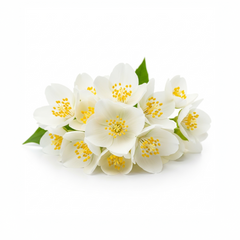
Ylang-ylang (Cananga odorata) is botanically classified as a tropical flowering tree native to Southeast Asia and the Indian Ocean islands. Its essential oil is extracted from the star-shaped, yellow flowers and is renowned for a scent profile that is both intensely floral and creamy, with pronounced notes of banana, custard, and honey. The key molecular contributors to the ylang-ylang scent profile include linalool (CAS 78-70-6), benzyl acetate (CAS 140-11-4), p-cresyl methyl ether (CAS 104-93-8), and geranyl acetate (CAS 105-87-3). These compounds impart a rich, sweet, and slightly spicy aroma with undertones of tropical fruit and a faint medicinal nuance. What does ylang-ylang smell like? It is often described as a heady, narcotic floral with creamy, balsamic, and powdery facets, sometimes with a subtle green or woody undertone. In perfumery, ylang-ylang is classified as a heart (middle) note due to its moderate volatility and ability to bridge top citrus notes with deeper floral or woody bases. Typical usage concentrations in fine fragrance range from 0.5% to 3%, depending on the desired intensity and balance within the composition. Ylang-ylang in perfumery interacts with skin chemistry in complex ways: its esters and alcohols can be amplified by body heat, resulting in a more pronounced creamy or fruity character, while higher skin pH may accentuate its spicy or slightly medicinal facets. Its fixative properties also help anchor more volatile floral notes, making it a staple in floral, chypre, and oriental fragrance structures. Ylang-ylang’s significance is underscored by its inclusion in some of the most iconic fragrances in history. Chanel No. 5 (1921, perfumer Ernest Beaux) uses ylang-ylang as a vital heart note, providing a creamy floral bridge between aldehydic top notes and a base of sandalwood and vanilla. Tom Ford’s Black Orchid (2006, perfumer David Apel) employs ylang-ylang to add narcotic, tropical richness to a dark, woody composition. These examples illustrate how ylang-ylang in perfumery is both a structural and olfactory cornerstone, valued for its ability to impart opulence, complexity, and longevity to a fragrance.

1–2 Sprays
Due to its potency, ylang-ylang is typically dosed at 1–2 sprays in personal fragrance, ensuring its narcotic floralcy does not overwhelm.
5–7 Hours
Natural ylang-ylang oil provides moderate longevity, with the creamy floral heart persisting for 5–7 hours on skin, depending on concentration and base composition.
<0.8%
IFRA restricts ylang-ylang oil to less than 0.8% in finished products due to allergen content (isoeugenol, benzyl benzoate), ensuring safety and minimizing sensitization risk.
Origin & Extraction

Where Ylang-Ylang Comes From — Origin & Extraction

Ylang-ylang’s scent character varies by origin, reflecting soil, climate, and harvesting practices. Warm, humid tropics with volcanic soils yield the richest, most complex oils.

Ylang-ylang is derived from the flowers of Cananga odorata, a fast-growing tree native to Southeast Asia, particularly the Philippines, Indonesia, and Malaysia. Today, the primary commercial producers are Madagascar (notably Nosy Be island, accounting for over 60% of global supply), the Comoros archipelago (20–25%), and Réunion. Annual global production is estimated at 50–60 metric tons of essential oil. The extraction process is highly specialized: fresh flowers are harvested at dawn and immediately subjected to steam distillation. The distillation is fractionated into four grades—Extra, First, Second, and Third—each collected at different time intervals (Extra: first 1–2 hours, richest in esters and alcohols; Third: after 10–20 hours, richer in sesquiterpenes). The 'Extra' fraction is preferred for fine perfumery due to its superior olfactory complexity and higher concentrations of linalool, benzyl acetate, and p-cresyl methyl ether. Yields are low: approximately 50 kg of flowers are required to produce 1 kg of essential oil, with a typical yield of 1.5–2% by weight. Supercritical CO2 extraction is also used for solvent-free, high-purity ylang-ylang absolute, though it is less common due to cost. Natural ylang-ylang oil commands prices of $350–600/kg for standard grades, and up to $2,000/kg for 'Extra' fraction, while synthetic substitutes (e.g., synthetic linalool, benzyl acetate) cost $20–100/kg. Sustainability concerns include deforestation for firewood in distillation, overharvesting, and the energy-intensive nature of steam distillation. Several producers are shifting to solar-powered distillation and agroforestry to mitigate environmental impact.

MG

Madagascar

Nosy Be island produces the world’s highest quality ylang-ylang, with volcanic soils and coastal humidity yielding oil rich in linalool and benzyl acetate. Madagascar supplies over 60% of global production, with annual output exceeding 30 metric tons.

KM

Comoros

Grande Comore’s ylang-ylang is noted for its spicy, slightly medicinal edge due to higher sesquiterpene content. The region’s traditional firewood distillation and year-round harvest yield 10–15 metric tons annually.

PH

Philippines

Native stands in Luzon and Mindanao produce small quantities of ylang-ylang with pronounced green, fruity notes. Local distillation is artisanal, with production under 2 metric tons per year.

RE

Réunion

Réunion’s ylang-ylang is prized for its balanced floral and balsamic profile, attributed to the island’s mineral-rich soils and high-altitude plantations. Production is limited but highly valued in niche perfumery.

Chemistry

Natural vs Synthetic Ylang-Ylang in Perfumery

Natural ylang-ylang oil is a complex mixture of over 100 aromatic compounds, with linalool (CAS 78-70-6), benzyl acetate (CAS 140-11-4), and p-cresyl methyl ether (CAS 104-93-8) as primary contributors. Synthetic ylang-ylang accords are typically constructed from a blend of these isolated aroma chemicals, along with geranyl acetate (CAS 105-87-3), iso-eugenol (CAS 97-54-1), and methyl benzoate (CAS 93-58-3). Synthetic versions offer greater batch-to-batch consistency, enhanced stability, and improved longevity (often 8–12 hours vs. 3–6 hours for natural oil), but lack the nuanced evolution and depth of the natural extract. Cost is a major differentiator: natural 'Extra' ylang-ylang oil can exceed $2,000/kg, while synthetic blends are $50–200/kg. Iconic fragrances such as Chanel No. 5 and Guerlain’s Samsara use natural ylang-ylang, while many modern niche and designer fragrances employ synthetic analogs for cost and sustainability reasons. The HumanSafe™ platform at CA Perfume ensures ingredient transparency, verifying both natural and synthetic sources for allergen content and environmental impact. Sustainability is a key advantage of synthetics, as they reduce pressure on wild populations and energy use, but some consumers and perfumers still prefer the olfactory richness of natural ylang-ylang.

Natural
Ylang-Ylang Absolute
Cost $3,000–6,000/kg
Method Solvent / CO₂
Character Complex, variable
vs
Synthetic
Safranal & Analogues
Cost $50–200/kg
Method Lab synthesis
Character Consistent, stable
Hall of Fame

Famous Fragrances That Define Ylang-Ylang in Perfumery

1921
heart note

Chanel No. 5

Chanel
by Ernest Beaux
aldehydesjasminerosesandalwoodvanilla
1989
bridge note

Samsara

Guerlain
by Jean-Paul Guerlain
sandalwoodjasmineiristonka bean
2006
dominant note

Black Orchid

Tom Ford
by David Apel
black trufflepatchouliincensevanilla
2013
dominant note

Ylang 49

Le Labo
by Frank Voelkl
patchoulioakmossvetiversandalwood
2012
dominant note

Ylang in Gold

M. Micallef
by Jean-Claude Astier
coconutvanillasandalwoodmusk

Ylang-ylang has played a pivotal role in perfumery since the early 20th century, featuring in both classic and contemporary compositions. Chanel No. 5 (1921, Ernest Beaux) is perhaps the most iconic, where ylang-ylang forms the heart of the floral bouquet, balancing aldehydic top notes and a rich base of sandalwood and vanilla. Guerlain’s Samsara (1989, Jean-Paul Guerlain) employs ylang-ylang as a bridge note, connecting creamy sandalwood with jasmine and iris. Tom Ford’s Black Orchid (2006, David Apel) uses ylang-ylang as a dominant heart note, lending narcotic, tropical depth to a dark, woody base. Le Labo Ylang 49 (2013, Frank Voelkl) showcases ylang-ylang as the central theme, paired with patchouli, oakmoss, and vetiver for a modern chypre effect. M. Micallef Ylang in Gold (2012, Jean-Claude Astier) highlights the creamy, gourmand facets of ylang-ylang, blending it with coconut, vanilla, and sandalwood. These fragrances illustrate the versatility of ylang-ylang, from classic aldehydic florals to contemporary niche creations. CA Perfume’s collection draws inspiration from this lineage, offering ylang-ylang-forward compositions that honor both tradition and innovation.

The Accord

How is a captivating Ylang-Ylang accord crafted?

A classic ylang-ylang accord balances creamy, narcotic floralcy with tropical and woody facets. Ylang-ylang (25–30%) provides the core, supported by jasmine absolute (20–25%) for indolic depth, coconut (20–25%) for lactonic creaminess, and sandalwood (25–30%) for a soft, woody anchor. Each ingredient is chosen for its molecular synergy: jasmine’s indole and benzyl acetate amplify ylang-ylang’s floralcy, coconut’s gamma-nonalactone enhances creaminess, and sandalwood’s santalol stabilizes and extends the accord.

30%

Ylang-Ylang

25–30% of blend

Provides the creamy, narcotic floral core via linalool, benzyl acetate, and p-cresyl methyl ether.

25%

Jasmine

20–25% of blend

Adds indolic, heady floralcy; benzyl acetate and indole create synergy with ylang-ylang’s main odorants.

25%

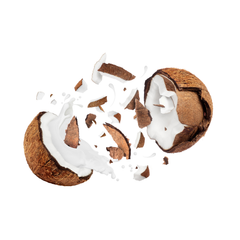
Coconut

20–25% of blend

Gamma-nonalactone imparts creamy, tropical lactonic notes, amplifying ylang-ylang’s custard and banana facets.

30%

Sandalwood

25–30% of blend

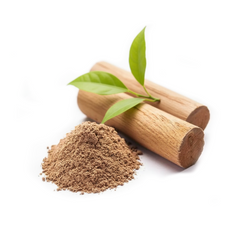
Santalol provides a soft, woody base, enhancing longevity and smoothing the accord’s evolution.

The Olfactory Layers

How Ylang-Ylang Evolves on Skin

Ylang-ylang’s olfactory evolution is marked by a bright, fruity-floral opening (volatile esters), a creamy, narcotic heart (linalool, benzyl acetate), and a balsamic, woody drydown (sesquiterpenes). The top fades within 15 minutes, revealing the persistent heart and base.

I
Top notes
0–15 min
Banana Cream Opener

The initial impression is bright, fruity, and slightly green, dominated by volatile esters such as benzyl acetate and methyl benzoate. These molecules evaporate quickly, imparting a banana-like, custard aroma with a faint citrus lift.

fruitygreenbanana-like
II
Heart notes
20–60 min
Narcotic Floral Core

The heart reveals the core floralcy—creamy, narcotic, and slightly spicy—driven by linalool, p-cresyl methyl ether, and geranyl acetate. This stage is rich, enveloping, and persistent, lasting up to an hour as the main signature of ylang-ylang.

creamyfloralnarcotic
III
Base notes
Several hours
Balsamic Woody Drydown

As the fragrance dries down, balsamic, woody, and slightly animalic facets emerge, due to sesquiterpenes like β-caryophyllene and germacrene D. The creamy sweetness lingers, anchored by subtle woody undertones.

balsamicwoodysweet
TOP NOTES Banana Cream Opener 0–15 minutes HEART NOTES Narcotic Floral Core 20–60 minutes BASE NOTES Balsamic Woody Drydown Several hours
Through the Ages

The Story of Ylang-Ylang in Perfumery

Ylang-ylang’s journey in perfumery spans from indigenous use in Southeast Asia to its central role in 20th-century French perfumery and modern niche creations.

Pre-19th Century

Traditional Use in Southeast Asia

Ylang-ylang flowers are used in indigenous rituals and as hair adornments in the Philippines and Indonesia, valued for their intoxicating aroma.

1878

Introduction to European Perfumery

German chemists Oscar Reymann and Adolf Roensch present ylang-ylang essential oil at the Paris World Expo, sparking interest among French perfumers.

1921

Chanel No. 5 Revolutionizes Floral Perfumery

Ernest Beaux incorporates ylang-ylang as a heart note in Chanel No. 5, establishing its role in aldehydic floral compositions.

1989

Guerlain’s Samsara Showcases Ylang-Ylang

Jean-Paul Guerlain uses ylang-ylang as a bridge note in Samsara, pairing it with sandalwood and jasmine for a creamy, opulent effect.

2013–Present

Niche and Modern Interpretations

Fragrances like Le Labo Ylang 49 and M. Micallef Ylang in Gold place ylang-ylang at the center, exploring its creamy, tropical, and gourmand facets.

The Art of Layering

How to Layer Ylang-Ylang

Understanding how to layer ylang-ylang is key to creating harmonious, multidimensional fragrances. Molecular compatibility with lactones, indoles, and esters enables seamless blending with florals, woods, and gourmands.

01

Enhance Creaminess

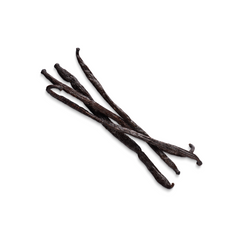
Layer ylang-ylang with vanilla or coconut to amplify lactonic, creamy facets. Gamma-nonalactone in coconut and vanillin in vanilla share molecular similarities with ylang-ylang’s esters, creating a smooth, gourmand effect. Guerlain’s Terracotta Le Parfum demonstrates this synergy.

02

Add Green Freshness

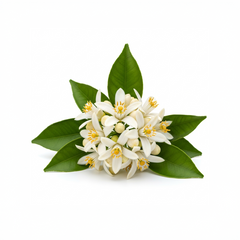
Pair ylang-ylang with bergamot or neroli to highlight its green, citrusy top notes. Shared esters and aldehydes create a bright, uplifting opening, as seen in Chanel No. 5 and Diorissimo.

03

Deepen with Woods

Combine ylang-ylang with sandalwood or patchouli to anchor its floralcy and extend longevity. Santalol and patchoulol interact with ylang-ylang’s sesquiterpenes, producing a creamy, woody drydown. Le Labo Ylang 49 exemplifies this approach.

Wear It Right

How to Wear Ylang-Ylang Like a Pro

Seasonal Guide

Fall & Winter

Cooler temperatures suppress volatility, allowing ylang-ylang’s creamy, balsamic facets to linger. Apply to pulse points and layer with sandalwood or amber for added warmth and projection.

Spring

Moderate temperatures enhance the floral and green facets. Pair with jasmine or neroli for a fresh, uplifting effect. Apply lightly to avoid overpowering in fluctuating humidity.

Summer

Heat increases volatility, amplifying fruity and green top notes but reducing longevity. Apply sparingly to neck and hair for a light, tropical aura. Layer with coconut or citrus for a beachy effect.

Year-Round Tip

Adjust application based on humidity and temperature. In dry climates, moisturize skin before applying to enhance diffusion. In humid conditions, focus on lighter concentrations or layering with fresh notes.

Application Points

Strategic application maximizes ylang-ylang’s olfactory evolution and sillage. Target pulse points and hair for optimal performance.

1

Neck

Pulse points on the neck generate heat, accelerating the release of volatile esters and revealing the creamy floral heart quickly.

2

Behind the Ears

This area is slightly cooler, allowing for slower evaporation and a more gradual scent evolution, highlighting the narcotic heart.

3

Inner Wrists

Wrist pulse points enhance projection and allow for easy reapplication. Friction can accelerate top note evaporation, so dab rather than rub.

4

Hair

Hair fibers retain scent molecules, providing a sustained release of ylang-ylang’s creamy, tropical facets throughout the day.

Pro Tip

Layer ylang-ylang with sandalwood or vanilla on moisturized skin to enhance longevity and create a seamless, creamy drydown.

Mood Architecture™

Top Ylang-Ylang Fragrances by Mood Score

These Ylang-Ylang-based fragrances scored highest on the MEI™ Mood Architecture Framework — measuring how a scent may influence your emotional state.

Highest MEI Score
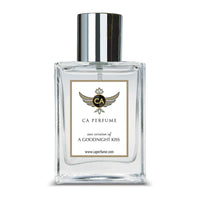
A Goodnight Kiss — A Goodnight Kiss Perfume Alternative Perfume
8.81
MEI™
Primary Romantic
Secondary Confident
Confidence
8.72
Presence
9.27
Mood Lift
9.25
Identity
9.23
Warmth
9.46
Social Ease
8.52
Energy
3.0
" I am beautiful.
View full mood profile →
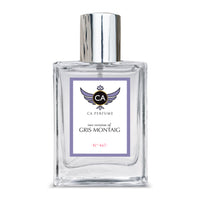
Gris Montaig — Gris Montaigne Alternative Perfume
8.7
MEI™
Primary Confident
Secondary Magnetic
Confidence
8.96
Presence
9.5
Mood Lift
8.78
Identity
9.5
Warmth
9.5
Social Ease
7.89
Energy
3.1
" I am unstoppable.
View full mood profile →
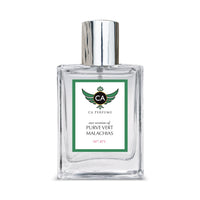
Purve Vert Malachias — Prive Vert Malachite Alternative Perfume
8.62
MEI™
Primary Romantic
Secondary Confident
Confidence
7.56
Presence
8.39
Mood Lift
9.5
Identity
8.03
Warmth
9.5
Social Ease
9.5
Energy
3.9
" I am beautiful.
View full mood profile →
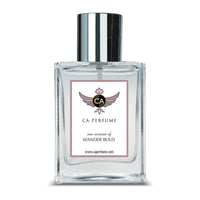
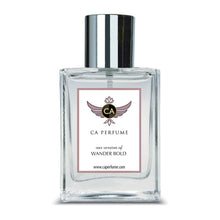
Wander Bold — Vanderbilt Alternative Perfume
8.61
MEI™
Primary Romantic
Secondary Confident
Confidence
7.86
Presence
8.37
Mood Lift
9.5
Identity
8.21
Warmth
9.5
Social Ease
8.79
Energy
4.9
" I am beautiful.
View full mood profile →
HumanSafe™

Top Ylang-Ylang Fragrances by HumanSafe™ Score

These Ylang-Ylang-based fragrances have the highest product-level HumanSafe™ scores in this ingredient collection.

Highest HumanSafe™ Score
Young Dew — Youth Dew Alternative Perfume
A-
HumanSafe™ Score Generally Safe
Safest Evaluated Ingredients EDP
AQUA Solvent / Carrier ISS 10.0
ACETIC ACID, PHENYLMETHYL ESTER Evaluated ingredient ISS 10.0
HEPTANAL, 2-(PHENYLMETHYLENE)- Evaluated ingredient ISS 9.0
BENZYL SALICYLATE EYE IRRITATION - CAT.2B [H320] Evaluated ingredient ISS 9.0
2H-1-BENZOPYRAN-2-ONE Evaluated ingredient ISS 8.0
LINALYL ACETATE Evaluated ingredient ISS 7.0
View full safety profile →
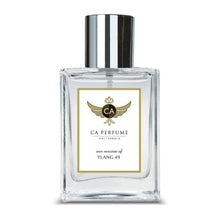
Ylang 49 — Le Labo Ylang 49 Impression Alternative Perfume
A-
HumanSafe™ Score Generally Safe
Safest Evaluated Ingredients EDP
AQUA Solvent / Carrier ISS 10.0
BENZYL SALICYLATE Evaluated ingredient ISS 9.0
LINALOOL Evaluated ingredient ISS 7.0
ALCOHOL DENAT. Solvent / Carrier ISS 7.0
1-[(2-TERT-BUTYL)CYCLOHEXYLOXY]-2-BUTANOL Evaluated ingredient ISS 7.0
View full safety profile →
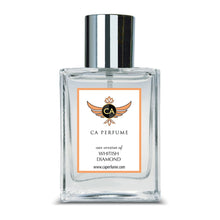
Whitish Diamond — White Diamonds Alternative Perfume
A-
HumanSafe™ Score Generally Safe
Safest Evaluated Ingredients EDP
AQUA Solvent / Carrier ISS 10.0
ACETIC ACID, PHENYLMETHYL ESTER Evaluated ingredient ISS 10.0
BENZYL SALICYLATE EYE IRRITATION - CAT.2B [H320] Evaluated ingredient ISS 9.0
OCTANAL, 2-(PHENYLMETHYLENE)- Evaluated ingredient ISS 8.0
2H-1-BENZOPYRAN-2-ONE Evaluated ingredient ISS 8.0
LINALYL ACETATE Evaluated ingredient ISS 7.0
View full safety profile →
Wander Bold — Vanderbilt Alternative Perfume
A-
HumanSafe™ Score Generally Safe
Safest Evaluated Ingredients EDP
AQUA Solvent / Carrier ISS 10.0
ACETIC ACID, PHENYLMETHYL ESTER Evaluated ingredient ISS 10.0
BENZYL SALICYLATE Evaluated ingredient ISS 9.0
3-BUTEN-2-ONE, 3-METHYL-4-(2,6,6-TRIMETHYL-2- Evaluated ingredient ISS 8.0
LINALYL ACETATE Evaluated ingredient ISS 7.0
View full safety profile →
Expert Voices

What Masters Say About Ylang-Ylang

Ylang-ylang famously clambers round the heart of some of the most beloved fragrances in the world, including the best-known of all: Chanel No. 5. (The perfume’s creator is on record as saying that without ylang-ylang in the formula, he couldn’t have used such a high dose of the champagne-like aldehydes that give No. 5 its airy overture: it ‘tethers’ the creation).
The Perfume Society
Ylang-ylang’s unique scent profile—creamy, narcotic, and tropical—makes it indispensable in both classic and modern perfumery, bridging floral and gourmand accords with molecular precision.
CA Perfume Editorial
Common Questions

Frequently Asked Questions

Answers to common questions about ylang-ylang in perfumery, from scent character to layering and safety.

Ylang-ylang in perfume smells intensely floral, creamy, and slightly fruity, with notes reminiscent of banana, custard, and honey. Its scent profile is defined by molecules such as linalool and benzyl acetate, which create a narcotic, tropical aroma. In compositions, it can also reveal spicy, balsamic, or green undertones depending on concentration and pairing.

Ylang-ylang is classified as a heart (middle) note in perfumery. Its moderate volatility allows it to bridge the gap between fresh top notes (like citrus) and deeper base notes (such as sandalwood or vanilla). In some compositions, trace amounts may appear in the top or base, but its primary role is as a heart note.

Ylang-ylang is favored in niche perfumery for its complex, multifaceted scent profile and its ability to impart both opulence and structure. Its molecular composition allows it to blend seamlessly with florals, woods, and gourmands, enabling perfumers to create unique, memorable accords. Iconic niche fragrances like Le Labo Ylang 49 and M. Micallef Ylang in Gold demonstrate its versatility.

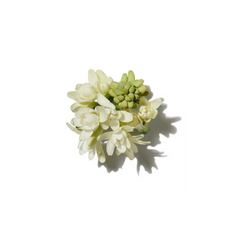
Ylang-ylang fragrance uses include pairing with jasmine, tuberose, sandalwood, vanilla, coconut, and patchouli. These ingredients share compatible molecular structures (indoles, lactones, esters), enhancing ylang-ylang’s creamy, tropical, or woody facets. Classic pairings can be found in Chanel No. 5 (with jasmine and sandalwood) and Guerlain’s Samsara (with sandalwood and jasmine).

Ylang-ylang’s fruity, green top notes and creamy heart make it well-suited to summer, especially when paired with citrus or coconut. However, its potency means it should be applied sparingly in hot weather, as heat increases volatility and projection. Lighter concentrations or layering with fresh notes are recommended for summer use.

Natural ylang-ylang oil provides moderate longevity, with the creamy floral heart persisting for 5–7 hours on skin. Synthetic analogs or higher concentrations (Parfum, oil) can extend wear to 8–12 hours. Longevity is influenced by concentration, skin type, and base composition.

Yes, ylang-ylang is highly layerable due to its molecular compatibility with florals, gourmands, and woods. Layering with vanilla or coconut enhances creaminess, while pairing with sandalwood or patchouli deepens the woody base. Always test combinations on skin, as ylang-ylang’s potency can dominate lighter notes.

For beginners, Chanel No. 5 (classic aldehydic floral), Tom Ford Black Orchid (modern, dark floral), and Le Labo Ylang 49 (chypre floral) are excellent starting points. These fragrances showcase ylang-ylang’s versatility in both traditional and contemporary contexts.

Explore CA Perfume’s collection by considering your preferred scent profile—floral, creamy, tropical, or woody. Sample different concentrations (EDP, Parfum, oil) and note pairings (e.g., with vanilla, sandalwood, or jasmine) to find the ylang-ylang fragrance that best suits your style and skin chemistry.

Ylang-ylang is traditionally associated with feminine floral compositions, but its creamy, tropical, and woody facets make it highly versatile and suitable for unisex fragrances. Modern niche and designer perfumes often use ylang-ylang in gender-neutral blends, especially when paired with woods, spices, or gourmands.

Floral Collection

Explore Our Top Ylang-Ylang Fragrances

Discover ylang-ylang’s creamy, narcotic floralcy in our most popular compositions, spanning classic florals to modern tropical blends.

Shop all ylang-ylang fragrances at CA Perfume →

Where Ylang-Ylang Comes From — Origin & Extraction

Ylang-ylang is derived from the flowers of Cananga odorata, a fast-growing tree native to Southeast Asia, particularly the Philippines, Indonesia, and Malaysia. Today, the primary commercial producers are Madagascar (notably Nosy Be island, accounting for over 60% of global supply), the Comoros archipelago (20–25%), and Réunion. Annual global production is estimated at 50–60 metric tons of essential oil. The extraction process is highly specialized: fresh flowers are harvested at dawn and immediately subjected to steam distillation. The distillation is fractionated into four grades—Extra, First, Second, and Third—each collected at different time intervals (Extra: first 1–2 hours, richest in esters and alcohols; Third: after 10–20 hours, richer in sesquiterpenes). The 'Extra' fraction is preferred for fine perfumery due to its superior olfactory complexity and higher concentrations of linalool, benzyl acetate, and p-cresyl methyl ether. Yields are low: approximately 50 kg of flowers are required to produce 1 kg of essential oil, with a typical yield of 1.5–2% by weight. Supercritical CO2 extraction is also used for solvent-free, high-purity ylang-ylang absolute, though it is less common due to cost. Natural ylang-ylang oil commands prices of $350–600/kg for standard grades, and up to $2,000/kg for 'Extra' fraction, while synthetic substitutes (e.g., synthetic linalool, benzyl acetate) cost $20–100/kg. Sustainability concerns include deforestation for firewood in distillation, overharvesting, and the energy-intensive nature of steam distillation. Several producers are shifting to solar-powered distillation and agroforestry to mitigate environmental impact.

Famous Fragrances That Define Ylang-Ylang in Perfumery

Ylang-ylang has played a pivotal role in perfumery since the early 20th century, featuring in both classic and contemporary compositions. Chanel No. 5 (1921, Ernest Beaux) is perhaps the most iconic, where ylang-ylang forms the heart of the floral bouquet, balancing aldehydic top notes and a rich base of sandalwood and vanilla. Guerlain’s Samsara (1989, Jean-Paul Guerlain) employs ylang-ylang as a bridge note, connecting creamy sandalwood with jasmine and iris. Tom Ford’s Black Orchid (2006, David Apel) uses ylang-ylang as a dominant heart note, lending narcotic, tropical depth to a dark, woody base. Le Labo Ylang 49 (2013, Frank Voelkl) showcases ylang-ylang as the central theme, paired with patchouli, oakmoss, and vetiver for a modern chypre effect. M. Micallef Ylang in Gold (2012, Jean-Claude Astier) highlights the creamy, gourmand facets of ylang-ylang, blending it with coconut, vanilla, and sandalwood. These fragrances illustrate the versatility of ylang-ylang, from classic aldehydic florals to contemporary niche creations. CA Perfume’s collection draws inspiration from this lineage, offering ylang-ylang-forward compositions that honor both tradition and innovation.

Natural vs Synthetic Ylang-Ylang in Perfumery

Natural ylang-ylang oil is a complex mixture of over 100 aromatic compounds, with linalool (CAS 78-70-6), benzyl acetate (CAS 140-11-4), and p-cresyl methyl ether (CAS 104-93-8) as primary contributors. Synthetic ylang-ylang accords are typically constructed from a blend of these isolated aroma chemicals, along with geranyl acetate (CAS 105-87-3), iso-eugenol (CAS 97-54-1), and methyl benzoate (CAS 93-58-3). Synthetic versions offer greater batch-to-batch consistency, enhanced stability, and improved longevity (often 8–12 hours vs. 3–6 hours for natural oil), but lack the nuanced evolution and depth of the natural extract. Cost is a major differentiator: natural 'Extra' ylang-ylang oil can exceed $2,000/kg, while synthetic blends are $50–200/kg. Iconic fragrances such as Chanel No. 5 and Guerlain’s Samsara use natural ylang-ylang, while many modern niche and designer fragrances employ synthetic analogs for cost and sustainability reasons. The HumanSafe™ platform at CA Perfume ensures ingredient transparency, verifying both natural and synthetic sources for allergen content and environmental impact. Sustainability is a key advantage of synthetics, as they reduce pressure on wild populations and energy use, but some consumers and perfumers still prefer the olfactory richness of natural ylang-ylang.