Ingredient Guide · Floral
Floral Family · Perfumery Note

Wisteria

A nuanced floral heart with lilac, clove, and honeyed facets.

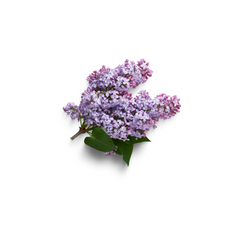
Wisteria is a floral heart note in perfumery, prized for its sweet, spicy, and lilac-like aroma. Its scent is recreated using synthetic molecules such as solanone, as natural extraction is not feasible.

Wisteria
Ingredient Profile

Wisteria

Floral Family
Family Floral
Note Position Heart Note
Usage Level <2%
Key Origins Japan, China, United States
Iconic In Eclat d’Arpège, Olene Eau de Toilette
The Ingredient

What does Wisteria smell like and why is it significant in perfumery?

Wisteria (Wisteria floribunda, Wisteria sinensis) is renowned for its sweet, spicy, and powdery floral scent. The aroma is often described as a blend of lilac, honey, and clove, with subtle musky and grape-like undertones. The primary molecular contributor to its scent is solanone, a compound also found in tobacco leaves and currant buds, imparting a green, fruity, and slightly balsamic nuance. Minor odorants, present at less than 1% concentration, play a critical role in shaping the overall wisteria scent profile, making it complex and multifaceted. In perfumery, wisteria is classified as a heart (middle) note, providing a bridge between top citrus or green notes and deeper base accords. Its typical usage concentration ranges from 0.5–2% in a formula, depending on the desired intensity and the presence of other florals. Wisteria in perfumery is almost always represented by synthetic aroma chemicals due to the flower’s low yield and the instability of its natural scent molecules. The note interacts with skin chemistry by revealing more honeyed or musky facets on warmer, slightly acidic skin, while cooler or alkaline skin can emphasize its green and spicy aspects. Notable fragrances that showcase the wisteria note include Lanvin’s Eclat d’Arpège (2003, Karine Dubreuil-Sereni), where wisteria is paired with green lilac and peach blossom, and Diptyque’s Olene (1988, Serge Kalouguine), which uses wisteria alongside narcissus and honeysuckle to evoke a Mediterranean garden. Both exemplify how wisteria’s scent profile can be adapted to various olfactory themes, from fresh and dewy to rich and enveloping.

<2%
Typical concentration of wisteria accord in a finished fragrance formula, ensuring a balanced yet distinctive floral presence.
5–7 Hours
Average longevity of wisteria-based fragrances in EDP format, due to the persistence of synthetic musks and powdery molecules.
$80–200/kg
Approximate cost of key synthetic aroma chemicals (solanone, cyclamen aldehyde) used to recreate the wisteria note.
Origin & Extraction

Where Wisteria Comes From — Origin & Extraction

Wisteria’s scent varies subtly by region, with Japanese and Chinese cultivars prized for their intensity and complexity. Soil composition, humidity, and temperature influence the floral and spicy nuances.

Wisteria is a genus of woody climbing vines in the Fabaceae family, with the most fragrant species being Wisteria floribunda (Japanese wisteria) and Wisteria sinensis (Chinese wisteria). Native to East Asia, these plants are cultivated for ornamental purposes in Japan, China, and, to a lesser extent, North America (Wisteria frutescens). Japan’s Okayama and Ashikaga regions are renowned for their extensive wisteria gardens, but commercial production for perfumery is negligible due to the flower’s extremely low essential oil yield. Natural extraction of wisteria scent is not commercially viable. The flower’s volatile compounds are too delicate for steam distillation, and solvent extraction yields only trace amounts of concrete with poor olfactory fidelity. Attempts to obtain wisteria absolute via hexane or ethanol extraction result in low yields ( Sustainability is addressed by relying on laboratory synthesis rather than agricultural extraction, reducing pressure on wild and cultivated wisteria populations. Synthetic production also ensures batch-to-batch consistency and avoids the allergenic risks associated with natural extracts. The discovery of solanone’s role in wisteria’s scent dates to the late 20th century, with Firmenich and Givaudan developing key aroma chemicals for this note.

JP

Japan

Okayama and Ashikaga are renowned for their wisteria gardens. Japanese wisteria (Wisteria floribunda) is noted for its long, fragrant racemes and a scent described as intensely sweet and spicy. No commercial extraction, but these regions set the standard for olfactory reference.

CN

China

Chinese wisteria (Wisteria sinensis) dominates in Hubei and Jiangsu provinces. The flowers are shorter but denser, with a scent that leans more toward honeyed and musky notes. No significant commercial production for perfumery.

US

United States

American wisteria (Wisteria frutescens) is cultivated ornamentally in the southeastern US. Its scent is lighter, less spicy, and more green, reflecting differences in climate and soil. Not used in perfumery extraction.

FR

France

Wisteria is grown in ornamental gardens, notably in Giverny. French-grown wisteria is used as an olfactory inspiration, not for extraction. The local climate enhances the floral and powdery aspects.

Chemistry

Natural vs Synthetic Wisteria in Perfumery

Natural wisteria essential oil is not available for commercial perfumery due to the flower’s extremely low yield and the instability of its volatile compounds. As a result, the wisteria note is recreated using synthetic aroma chemicals. Key molecules include solanone (CAS 19321-51-0), which imparts a green, fruity, and slightly tobacco-like nuance; cyclamen aldehyde (CAS 103-95-7), contributing a fresh, watery floral aspect; and lilial (CAS 80-54-6), which adds a powdery, lilac-like sweetness (though its use is now restricted in the EU due to allergenic concerns). Synthetic wisteria accords offer superior longevity, diffusion, and stability compared to any natural extract. They are also more cost-effective, with prices ranging from $80–200/kg for the main aroma chemicals, versus the impractical cost of natural extraction. Iconic fragrances such as Marc Jacobs Daisy Dream (2014, Alberto Morillas) and Burberry My Burberry Blush (2017, Francis Kurkdjian) utilize synthetic wisteria notes to achieve a consistent and recognizable floral signature. Sustainability is enhanced by the use of synthetics, as it avoids agricultural resource strain and supports transparent sourcing, as verified by the HumanSafe™ platform.

Natural
Wisteria Absolute
Cost $3,000–6,000/kg
Method Solvent / CO₂
Character Complex, variable
vs
Synthetic
Safranal & Analogues
Cost $50–200/kg
Method Lab synthesis
Character Consistent, stable
Hall of Fame

Famous Fragrances That Define Wisteria in Perfumery

2003
dominant note

Eclat d’Arpège

Lanvin
by Karine Dubreuil-Sereni
LilacPeach BlossomGreen Tea
1988
bridge note

Olene Eau de Toilette

Diptyque
by Serge Kalouguine
NarcissusHoneysuckleJasmine
2014
accent

Daisy Dream

Marc Jacobs
by Alberto Morillas
BlackberryPearBlue Wisteria
2017
supporting note

My Burberry Blush

Burberry
by Francis Kurkdjian
PomegranateRoseJasmine
2025
dominant note

Wisteria

Aerin
HoneysuckleYlang-YlangMuskWoody Notes

Wisteria has inspired a range of fragrances, often as a heart note within complex floral compositions. In Lanvin’s Eclat d’Arpège (2003, Karine Dubreuil-Sereni), wisteria is paired with green lilac and peach blossom, creating a luminous, spring-like bouquet. Diptyque’s Olene (1988, Serge Kalouguine) features wisteria alongside narcissus and honeysuckle, evoking the scent of Mediterranean gardens at dusk. Marc Jacobs Daisy Dream (2014, Alberto Morillas) uses wisteria with blackberry, pear, and blue wisteria for a fresh, airy effect. Burberry My Burberry Blush (2017, Francis Kurkdjian) incorporates wisteria with pomegranate and rose, highlighting its delicate, spicy-sweet character. Aerin Wisteria (2025, perfumer not publicly credited) showcases wisteria with honeysuckle, ylang-ylang, musk, and woody notes, capturing the lushness of spring gardens. These fragrances demonstrate wisteria’s versatility as both a dominant and supporting floral note, often paired with lilac, honeysuckle, jasmine, and soft musks. CA Perfume’s collection draws on this lineage, offering wisteria-centered compositions that reflect both classic and contemporary floral trends.

The Accord

How is a captivating Wisteria accord crafted?

A wisteria accord is typically composed of: Wisteria synthetic (solanone) 30–35%, Lilac accord 20–25%, Honeysuckle absolute 20–25%, and Musk (synthetic) 20–25%. Solanone provides the spicy, sweet floral core; lilac accord (often using lilial or cyclamen aldehyde) bridges to powdery and green facets; honeysuckle introduces a honeyed, dewy nuance; musk enhances longevity and softens the blend through olfactory masking.

35%

Wisteria Synthetic (Solanone)

30–35% of blend

Solanone imparts the characteristic spicy, fruity, and slightly balsamic floral core, mimicking natural wisteria’s complexity.

25%

Lilac Accord

20–25% of blend

Lilac accord, often built with lilial or cyclamen aldehyde, provides powdery, green, and slightly metallic facets, enhancing wisteria’s airy sweetness.

25%

Honeysuckle Absolute

20–25% of blend

Honeysuckle introduces honeyed, dewy, and slightly green nuances, supporting the sweet and fresh aspects of the accord.

25%

Musk (Synthetic)

20–25% of blend

Synthetic musk molecules (e.g., galaxolide, muscenone) extend longevity and soften the floral sharpness through olfactory masking.

The Olfactory Layers

How Wisteria Evolves on Skin

Wisteria’s olfactory evolution unfolds over several hours. Top notes are fleeting, dominated by high-volatility green and citrus molecules. The heart reveals the full floral-spicy complexity as solanone and lilac-like molecules emerge. Base notes are anchored by musks and soft woods, extending the scent’s longevity.

I
Top notes
0–15 min
Green Citrus Prelude

The initial impression is fresh, green, and slightly citrusy, driven by high-volatility molecules such as cyclamen aldehyde and traces of bergamot or lemon. These rapidly evaporate, giving way to the floral core.

GreenCitrusFresh
II
Heart notes
20–60 min
Floral-Spicy Heart

The heart is dominated by solanone and lilac accord, producing a sweet, spicy, and powdery floral character. Minor odorants contribute honeyed and clove-like nuances, with the scent reaching its most expressive phase.

FloralSpicyPowdery
III
Base notes
Several hours
Musky Woody Drydown

As the fragrance dries down, musks (e.g., galaxolide) and soft woody notes (e.g., sandalwood, ambrette seed) provide a lingering, clean, and subtly sweet finish, extending the wisteria impression.

MuskyWoodyClean
TOP NOTES Green Citrus Prelude 0–15 minutes HEART NOTES Floral-Spicy Heart 20–60 minutes BASE NOTES Musky Woody Drydown Several hours
Through the Ages

The Story of Wisteria in Perfumery

Wisteria’s journey in perfumery spans from botanical discovery to modern synthetic reconstruction, with key milestones in fragrance history.

1818

Botanical Naming by Thomas Nuttall

English botanist Thomas Nuttall formally names the genus Wisteria, honoring Caspar Wistar. The plant’s sweet scent is noted in early horticultural texts.

Late 19th Century

Cultivation in Japanese and European Gardens

Wisteria becomes a prized ornamental in Japan and Europe, celebrated for its cascading blooms and intoxicating fragrance. No commercial extraction yet.

1988

Diptyque Olene Launch

Serge Kalouguine creates Olene for Diptyque, one of the first modern fragrances to feature a prominent wisteria note, using synthetic reconstructions.

2003

Eclat d’Arpège by Lanvin

Karine Dubreuil-Sereni’s composition brings wisteria to mainstream perfumery, blending it with lilac and green tea for a luminous floral effect.

2014

Marc Jacobs Daisy Dream

Alberto Morillas incorporates wisteria as an accent in Daisy Dream, paired with blackberry and pear for a fresh, airy signature.

2025

Aerin Wisteria Debuts

Aerin introduces Wisteria as part of Les Jardins Botaniques, capturing the lush, realistic scent of wisteria in spring gardens using advanced synthetics.

The Art of Layering

How to Layer Wisteria

Understanding how to layer wisteria is essential for achieving a balanced, multidimensional fragrance. Molecular compatibility with other florals, musks, and woods allows for creative combinations that enhance or soften specific facets.

01

Enhance Sweetness

Layer wisteria with honeysuckle or orange blossom to amplify the honeyed, gourmand aspects. Both share minor odorants (e.g., methyl anthranilate), creating a seamless, sweet floral bridge. Marc Jacobs Daisy Dream demonstrates this synergy.

02

Add Depth

Pair wisteria with sandalwood or ambrette seed for a richer, more grounded effect. The woody base molecules provide a fixative anchor, extending longevity and rounding out the floral sharpness, as seen in Aerin Wisteria.

03

Lighten the Glow

Combine wisteria with green tea or citrus notes (bergamot, lemon) to emphasize freshness and reduce sweetness. The shared volatility of these molecules ensures a crisp, airy opening, as in Lanvin Eclat d’Arpège.

Wear It Right

How to Wear Wisteria Like a Pro

Seasonal Guide

Fall & Winter

In cooler months, wisteria’s spicy and powdery facets are subdued, resulting in a more restrained and elegant floral impression. Apply to pulse points under clothing for subtle diffusion, and consider layering with woody or amber notes for added warmth.

Spring

Spring is the ideal season for wisteria fragrances. Moderate temperatures enhance the floral and green nuances, while humidity boosts projection. Apply to exposed skin for a fresh, garden-like effect.

Summer

High temperatures increase the volatility of wisteria’s top notes, making the scent brighter and more diffusive. Use lighter concentrations or apply sparingly to avoid overwhelming projection. Pair with citrus or aquatic notes for a refreshing effect.

Year-Round Tip

Adjust application based on climate and setting. In dry environments, moisturize skin before applying to extend longevity. For all-day wear, layer with complementary florals or musks to maintain balance as the scent evolves.

Application Points

Strategic application enhances wisteria’s evolution and projection throughout the day.

1

Neck

Applying to the neck leverages body heat, accelerating the release of floral and spicy heart notes for a more immediate olfactory impact.

2

Behind the Ears

This area maintains a moderate temperature, allowing the scent to unfold gradually and enhancing the longevity of the musky drydown.

3

Inner Wrists

Pulse points on the wrists amplify the volatility of top notes, making the green and citrus facets more prominent in the opening.

4

Hair

Spraying on hair provides a gentle, sustained release of the wisteria accord, as hair fibers trap and slowly diffuse the scent molecules.

Pro Tip

Layer wisteria fragrances over unscented moisturizer to slow evaporation and extend the floral heart’s presence on skin.

Mood Architecture™

Top Wisteria Fragrances by Mood Score

These Wisteria-based fragrances scored highest on the MEI™ Mood Architecture Framework — measuring how a scent may influence your emotional state.

Highest MEI Score
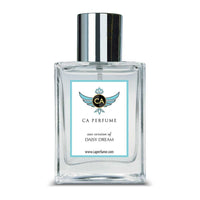
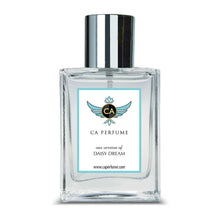
Daisy Dream — Marc Jacobs Daisy Dream Alternative Perfume
6.48
MEI™
Primary Fresh
Secondary Romantic
Confidence
5.82
Presence
6.05
Mood Lift
7.65
Identity
5.88
Warmth
6.56
Social Ease
6.93
Energy
2.8
" I am radiant.
View full mood profile →
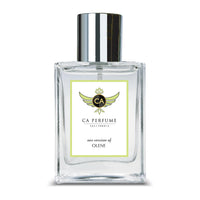
Olene — Diptyque Olene Alternative Perfume
6.3
MEI™
Primary Fresh
Secondary Romantic
Confidence
5.61
Presence
5.9
Mood Lift
7.87
Identity
5.77
Warmth
5.53
Social Ease
6.92
Energy
2.8
" I am radiant.
View full mood profile →
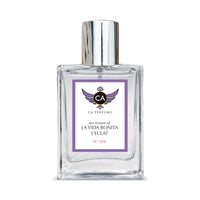
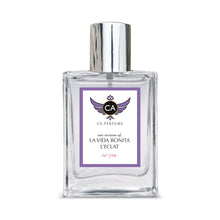
La Vida Bonita L'eclat — Eclat D'arpege Alternative Perfume
5.64
MEI™
Primary Fresh
Secondary Romantic
Confidence
4.51
Presence
4.66
Mood Lift
7.04
Identity
5.03
Warmth
5.1
Social Ease
6.96
Energy
3.9
" I am free.
View full mood profile →
HumanSafe™

Top Wisteria Fragrances by HumanSafe™ Score

These Wisteria-based fragrances have the highest product-level HumanSafe™ scores in this ingredient collection.

Highest HumanSafe™ Score
Olene — Diptyque Olene Alternative Perfume
A-
HumanSafe™ Score Generally Safe
Safest Evaluated Ingredients EDP
AQUA Solvent / Carrier ISS 10.0
ACETIC ACID, PHENYLMETHYL ESTER Evaluated ingredient ISS 10.0
HEXYL SALICYLATE Evaluated ingredient ISS 9.0
BENZOIC ACID, 2-HYDROXY-, METHYL ESTER Evaluated ingredient ISS 9.0
BENZOIC ACID, 2-AMINO-, METHYL ESTER Evaluated ingredient ISS 9.0
2-PROPENOIC ACID, 3-PHENYL-, METHYL ESTER Evaluated ingredient ISS 9.0
View full safety profile →
La Vida Bonita L'eclat — Eclat D'arpege Alternative Perfume
A-
HumanSafe™ Score Generally Safe
Safest Evaluated Ingredients EDP
AQUA Solvent / Carrier ISS 10.0
CYCLOHEXANEPROPANOL, 2,2,6-TRIMETHYL-.ALPHA.-PROPYL- Evaluated ingredient ISS 7.0
CYCLOHEXANEMETHANOL, 4-(1-METHYLETHYL)-, CIS- Evaluated ingredient ISS 7.0
CITRAL Evaluated ingredient ISS 7.0
BETA-PINENE Evaluated ingredient ISS 7.0
ALCOHOL DENAT. Solvent / Carrier ISS 7.0
View full safety profile →
Daisy Dream — Marc Jacobs Daisy Dream Alternative Perfume
A-
HumanSafe™ Score Generally Safe
Safest Evaluated Ingredients EDP
AQUA Solvent / Carrier ISS 10.0
1,4-DIOXACYCLOHEPTADECANE-5,17-DIONE Evaluated ingredient ISS 10.0
BENZYL SALICYLATE Evaluated ingredient ISS 9.0
6-OCTEN-1-OL, 3,7-DIMETHYL-, FORMATE Evaluated ingredient ISS 9.0
AMBERKETAL Evaluated ingredient ISS 8.0
View full safety profile →
Expert Voices

What Masters Say About Wisteria

Wisteria’s scent is special. It has a powdery and spicy touch to its heady, generous floral fragrance. It is loud and, as I remember, reminded me of sweet pea, but bigger, spicier, and more mature.
Elena Knezevic, Editor-in-Chief, Fragrantica
Wisteria in perfumery is almost always synthetic, as the natural flower yields no extractable oil. The note is built from molecules like solanone and cyclamen aldehyde to recreate its spicy, sweet, and lilac-like character.
CA Perfume Editorial
Common Questions

Frequently Asked Questions

Answers to the most common questions about wisteria in perfumery.

Wisteria in perfume is characterized by a sweet, spicy, and powdery floral scent, often compared to lilac, honey, and clove. The note is constructed using synthetic molecules such as solanone and cyclamen aldehyde, as natural extraction is not possible. The result is a nuanced, realistic floral profile that can be both fresh and opulent, depending on the composition.

Wisteria is typically used as a heart (middle) note in fragrance compositions. Its moderate volatility and complex floral-spicy character make it ideal for bridging top citrus or green notes with deeper base accords. In most formulas, it appears after the initial top notes fade and remains prominent for 1–2 hours.

Wisteria is favored in niche perfumery for its unique combination of sweetness, spiciness, and powdery facets, which are difficult to replicate with other florals. Its synthetic reconstruction allows perfumers to create distinctive, realistic floral bouquets that evoke spring gardens and offer a point of differentiation from more common notes like rose or jasmine.

Wisteria fragrance uses often involve pairing with lilac, honeysuckle, jasmine, orange blossom, and musk. These notes share molecular similarities or complementary volatilities, creating seamless, multidimensional floral accords. Woody and green notes, such as sandalwood or green tea, can also enhance wisteria’s complexity.

Wisteria perfumes perform well in summer due to their fresh, airy top notes and moderate projection. High temperatures increase the volatility of the green and citrus facets, making the scent brighter and more diffusive. For best results, opt for lighter concentrations or layer with citrus notes to maintain balance.

Wisteria-based fragrances in Eau de Parfum format generally last 5–7 hours, with the floral-spicy heart remaining prominent for the first 1–2 hours. Longevity is enhanced by the presence of synthetic musks and fixatives in the base.

Yes, wisteria can be layered with other florals, musks, or woods to create a personalized scent. Molecular compatibility with notes like honeysuckle, sandalwood, or bergamot allows for creative combinations that enhance or soften specific facets. Layering can also extend longevity and add complexity.

Recommended entry points include Lanvin Eclat d’Arpège, Marc Jacobs Daisy Dream, and Aerin Wisteria. These fragrances offer accessible interpretations of the wisteria note, blending it with familiar florals and musks for a balanced, versatile effect.

Consider your preferred scent profile—whether you favor fresh, green, or powdery florals—and look for compositions that highlight wisteria as a heart note. CA Perfume’s collection includes both classic and modern interpretations, allowing you to explore different facets and layering options.

Wisteria is considered a versatile floral note, suitable for both feminine and unisex fragrances. Its sweet, spicy, and powdery character can be adapted to a range of compositions, from light, airy bouquets to richer, more opulent blends. The overall impression depends on the supporting notes and the fragrance’s structure.

Floral Collection

Explore Our Top Wisteria Fragrances

Discover wisteria-centered compositions that highlight the note’s sweet, spicy, and powdery floral character, inspired by both classic and modern perfumery.

Shop all wisteria fragrances at CA Perfume →

Where Wisteria Comes From — Origin & Extraction

Wisteria is a genus of woody climbing vines in the Fabaceae family, with the most fragrant species being Wisteria floribunda (Japanese wisteria) and Wisteria sinensis (Chinese wisteria). Native to East Asia, these plants are cultivated for ornamental purposes in Japan, China, and, to a lesser extent, North America (Wisteria frutescens). Japan’s Okayama and Ashikaga regions are renowned for their extensive wisteria gardens, but commercial production for perfumery is negligible due to the flower’s extremely low essential oil yield. Natural extraction of wisteria scent is not commercially viable. The flower’s volatile compounds are too delicate for steam distillation, and solvent extraction yields only trace amounts of concrete with poor olfactory fidelity. Attempts to obtain wisteria absolute via hexane or ethanol extraction result in low yields (<0.01%) and rapid degradation of key odorants. As a result, the wisteria note in perfumery is constructed using synthetic molecules such as solanone (CAS 19321-51-0), cyclamen aldehyde (CAS 103-95-7), and lilial (CAS 80-54-6, now restricted in the EU). These synthetics cost approximately $80–200/kg, compared to the hypothetical cost of natural wisteria absolute, which would exceed $10,000/kg if it were available. Sustainability is addressed by relying on laboratory synthesis rather than agricultural extraction, reducing pressure on wild and cultivated wisteria populations. Synthetic production also ensures batch-to-batch consistency and avoids the allergenic risks associated with natural extracts. The discovery of solanone’s role in wisteria’s scent dates to the late 20th century, with Firmenich and Givaudan developing key aroma chemicals for this note.

Famous Fragrances That Define Wisteria in Perfumery

Wisteria has inspired a range of fragrances, often as a heart note within complex floral compositions. In Lanvin’s Eclat d’Arpège (2003, Karine Dubreuil-Sereni), wisteria is paired with green lilac and peach blossom, creating a luminous, spring-like bouquet. Diptyque’s Olene (1988, Serge Kalouguine) features wisteria alongside narcissus and honeysuckle, evoking the scent of Mediterranean gardens at dusk. Marc Jacobs Daisy Dream (2014, Alberto Morillas) uses wisteria with blackberry, pear, and blue wisteria for a fresh, airy effect. Burberry My Burberry Blush (2017, Francis Kurkdjian) incorporates wisteria with pomegranate and rose, highlighting its delicate, spicy-sweet character. Aerin Wisteria (2025, perfumer not publicly credited) showcases wisteria with honeysuckle, ylang-ylang, musk, and woody notes, capturing the lushness of spring gardens. These fragrances demonstrate wisteria’s versatility as both a dominant and supporting floral note, often paired with lilac, honeysuckle, jasmine, and soft musks. CA Perfume’s collection draws on this lineage, offering wisteria-centered compositions that reflect both classic and contemporary floral trends.

Natural vs Synthetic Wisteria in Perfumery

Natural wisteria essential oil is not available for commercial perfumery due to the flower’s extremely low yield and the instability of its volatile compounds. As a result, the wisteria note is recreated using synthetic aroma chemicals. Key molecules include solanone (CAS 19321-51-0), which imparts a green, fruity, and slightly tobacco-like nuance; cyclamen aldehyde (CAS 103-95-7), contributing a fresh, watery floral aspect; and lilial (CAS 80-54-6), which adds a powdery, lilac-like sweetness (though its use is now restricted in the EU due to allergenic concerns). Synthetic wisteria accords offer superior longevity, diffusion, and stability compared to any natural extract. They are also more cost-effective, with prices ranging from $80–200/kg for the main aroma chemicals, versus the impractical cost of natural extraction. Iconic fragrances such as Marc Jacobs Daisy Dream (2014, Alberto Morillas) and Burberry My Burberry Blush (2017, Francis Kurkdjian) utilize synthetic wisteria notes to achieve a consistent and recognizable floral signature. Sustainability is enhanced by the use of synthetics, as it avoids agricultural resource strain and supports transparent sourcing, as verified by the HumanSafe™ platform.