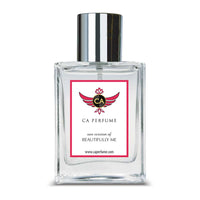
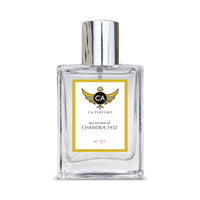
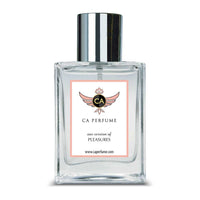
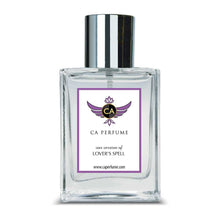
Great class packaging and the scent is spot on!
I loove this scent. It smells like the original at a reasonable price. It brings back great memories and it is spot on!
A springtime floral with powdery, green, and honeyed nuances.
Lilac is a heart note in perfumery, prized for its powdery, green, and subtly honeyed floral character. Its scent is reconstituted from key molecules like linalool, lilial, and hydroxycitronellal, as natural extraction is not feasible.
Lilac (Syringa vulgaris) is celebrated in perfumery for its delicate, powdery floral scent, which is both fresh and slightly green. The scent profile of lilac is defined by a complex interplay of molecules, primarily linalool, lilial (p-tert-butyl-alpha-methylhydrocinnamaldehyde, CAS 80-54-6), hydroxycitronellal (CAS 107-75-5), and α-terpineol, which together recreate the creamy, almondy, and subtly spicy nuances of the living flower. Trace amounts of heliotropin, phenylethyl alcohol, and paracresol lend lilac its characteristic honeyed and pollen-like undertones. Unlike many florals, lilac’s scent is a blend of powdery, green, and slightly woody notes, with a faint resemblance to lily of the valley and mimosa due to shared chemical constituents. In perfumery, lilac is classified as a heart note, typically used at concentrations of 1–5% in the fragrance formula. Because lilac is a “mute” or “silent” flower—meaning its aroma cannot be captured by direct extraction—its olfactory signature is always reconstructed through accords of natural and synthetic materials. On skin, lilac’s powdery and green facets can be more pronounced, while its creamy, almond-like sweetness is enhanced by warmth and moisture. The note’s moderate volatility allows it to bridge the transition from top to heart, providing both freshness and lasting floralcy. Lilac in perfumery is exemplified in fragrances such as Frédéric Malle En Passant (2000, Olivia Giacobetti), where a photorealistic lilac accord is paired with watery cucumber and wheat, and Amouage Lilac Love (2016, Nathalie Lorson and Elise Benat), which combines lilac with cocoa, vanilla, and heliotrope for a gourmand floral effect. These compositions showcase lilac’s versatility, from soliflore realism to complex bouquets, and demonstrate why the question “what does lilac smell like” remains central to its enduring appeal.
Lilac’s scent is shaped by geography—soil pH, climate, and altitude influence the intensity and nuance of the bloom. French, American, and Russian lilacs each offer subtle olfactory distinctions.
Lilac, botanically Syringa vulgaris (family Oleaceae), is native to the Balkan Peninsula and widely cultivated in temperate regions of Europe, North America, and Russia. Major producing countries for lilac cultivation include France (notably the Loire Valley), the United States (Northeast and Midwest), and Russia, though these are primarily horticultural rather than industrial sources. Lilac flowers bloom in late spring for only two to three weeks, and their fragrance is highly ephemeral. Lilac is classified as a 'mute' or 'silent' flower in perfumery, meaning its scent cannot be extracted by conventional means. Steam distillation and solvent extraction are ineffective due to the low oil content and thermal lability of lilac’s key aroma compounds. Enfleurage, an historical method using fat to absorb the scent, yields only trace amounts and is rarely practiced today. Modern attempts to capture lilac’s aroma include headspace analysis, which identifies the volatile molecules present in living flowers, and CO2 extraction, though the latter is prohibitively expensive (CO2 extract can cost several hundred dollars per ounce and is not widely available commercially). Because natural extraction is unfeasible, lilac’s scent in perfumery is always recreated using a blend of synthetic and natural materials. Key aroma chemicals include linalool, lilial, hydroxycitronellal, α-terpineol, heliotropin, and phenylethyl alcohol. Synthetic lilac bases are produced by major fragrance houses and cost approximately $50–200/kg, compared to the hypothetical cost of natural lilac absolute, which would exceed $10,000/kg if it were possible to produce. Sustainability considerations favor synthetics, as they avoid the need for mass harvesting of lilac blooms and reduce environmental impact.
Loire Valley lilacs are prized for their sweet, powdery aroma, attributed to chalky soils and cool spring nights. France is a historic center for lilac breeding, though not for industrial extraction.
Northeastern and Midwestern states cultivate lilacs with a fresh, green floral profile. New York’s Highland Lilac is known for its crisp, clean scent and is used in regional soliflores.
Russian lilacs, especially from the Volga region, are noted for their strong, sweet scent and cultural significance. Used in artisanal perfumery and traditional bouquets.
The Balkans and Anatolia are the original native range of Syringa vulgaris. Wild lilacs here have a more herbal-green, slightly spicy aroma, reflecting local soil and climate.
Lilac is a paradigmatic example of a perfumery note that is necessarily synthetic. The main molecules used to recreate lilac’s scent include lilial (CAS 80-54-6), hydroxycitronellal (CAS 107-75-5), and α-terpineol (CAS 98-55-5), each contributing distinct olfactory facets: lilial for creamy-powdery floralcy, hydroxycitronellal for green-fresh nuances, and α-terpineol for the characteristic lilac-lily of the valley bridge. Additional components such as heliotropin (piperonal, CAS 120-57-0), phenylethyl alcohol, and paracresol are used to fine-tune the accord. Synthetic lilac accords offer superior consistency, stability, and longevity compared to any natural extraction attempt. They are also more sustainable, as they do not require large-scale harvesting of lilac flowers. The cost of synthetic lilac bases is typically $50–200/kg, making them accessible for both niche and mass-market perfumery. Notable fragrances using synthetic lilac accords include Frédéric Malle En Passant and Amouage Lilac Love. The HumanSafe™ platform at CA Perfume ensures full transparency in sourcing and allergen disclosure for all synthetic lilac materials, with IFRA-compliant usage levels and ongoing review of any potential sensitizers such as lilial (now restricted in the EU).
Lilac has inspired a range of iconic fragrances, from vintage classics to contemporary niche compositions. In Frédéric Malle En Passant (2000, Olivia Giacobetti), lilac is rendered with photorealistic clarity, supported by watery cucumber and wheat for a dewy, springlike effect. Amouage Lilac Love (2016, Nathalie Lorson and Elise Benat) presents a gourmand interpretation, blending lilac with cocoa, vanilla, and heliotrope for a powdery, edible floralcy. Lanvin Éclat d’Arpège (2002, Karine Dubreuil) uses lilac as a bridge note, pairing it with green tea and peach blossom for a luminous, airy heart. Aerin Lilac Path (2013, Firmenich team) is a soliflore that highlights lilac’s creamy, green, and slightly almondy facets, while Elizabeth Arden 5th Avenue (1996, Ann Gottlieb) incorporates lilac as a supporting floral in a classic bouquet structure. These fragrances demonstrate lilac’s versatility—from dominant note to supporting accent—and its ability to evoke springtime nostalgia. CA Perfume’s lilac collection draws inspiration from this lineage, offering both realistic soliflores and innovative blends.
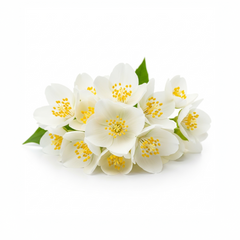
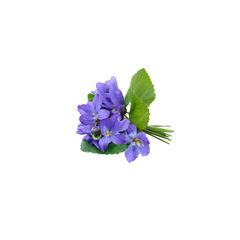
A lilac accord is constructed by blending 25–30% lilial and hydroxycitronellal (for creamy-powdery floralcy), 20–25% violet (ionones for powdery softness), 20–25% jasmine (indolic depth and green nuance), and 25–30% white honey or heliotropin (for almondy, sweet undertones). This balance mimics the living flower’s complexity and ensures the accord is both realistic and diffusive.
Provides the creamy, powdery, and green floral core, using lilial and hydroxycitronellal to mimic the living flower’s scent.
Ionones add powdery, airy softness and a pastel nuance, echoing lilac’s subtle, cosmetic facets.
Indole and benzyl acetate contribute depth, green freshness, and a naturalistic floral complexity.
Heliotropin or white honey adds almondy sweetness and a pollen-like, gourmand undertone, rounding the accord.
Lilac’s olfactory evolution begins with fresh, green top notes (cis-3-hexenol, linalool), transitions to a powdery, creamy floral heart (lilial, hydroxycitronellal), and settles into a soft, musky base (heliotropin, white musk). Volatility and molecular weight determine the time course.
The opening is marked by a burst of green freshness, driven by cis-3-hexenol and linalool. These high-volatility molecules evaporate quickly, imparting a dewy, leafy impression reminiscent of freshly cut stems and spring air.
The heart reveals lilac’s signature powdery floralcy, with lilial and hydroxycitronellal dominating. These mid-weight molecules create a creamy, almondy, and slightly spicy bouquet, blending with ionones from violet for a pastel, cosmetic effect.
As the fragrance dries down, heliotropin and white musk provide a soft, sweet, and slightly gourmand base. These low-volatility compounds linger, leaving a gentle, skin-like trail with hints of almond and honey.
Lilac’s journey in perfumery spans centuries, from its introduction to Europe to its modern synthetic reconstitution.
Lilac (Syringa vulgaris) is brought from the Ottoman Empire to Vienna by Ogier Ghiselin de Busbecq, sparking its spread across European gardens.
French breeder Victor Lemoine develops double-flowered lilac hybrids, increasing ornamental appeal and inspiring early perfumers to recreate its scent.
Perfumers use α-terpineol, heliotropin, and cinnamic alcohol to construct the first lilac bases, enabling the note’s use in classic fragrances like Fleurs de Rocaille and L’Air du Temps.
Olivia Giacobetti creates En Passant for Frédéric Malle, setting a new standard for realistic lilac accords using advanced headspace analysis and modern synthetics.
Amouage Lilac Love blends lilac with cocoa and vanilla, showcasing the note’s versatility in contemporary perfumery.
Understanding how to layer lilac is key to maximizing its scent profile—molecular compatibility with jasmine, violet, and vanilla allows for nuanced, long-lasting blends.
Layer lilac with vanilla-based fragrances—vanillin acts as an olfactory mask, softening lilac’s green sharpness and amplifying its creamy, powdery facets. Amouage Lilac Love demonstrates this pairing, where vanilla and cocoa create a gourmand floralcy.
Combine lilac with jasmine or white florals—shared indole and benzyl acetate molecules create a seamless floral bridge, intensifying the heart and adding complexity. Frédéric Malle En Passant uses this technique with subtle white musk.
Pair lilac with green or citrus notes—cis-3-hexenol and citrus aldehydes enhance the fresh, dewy top notes, making the fragrance more vibrant and suitable for daytime wear. Lanvin Éclat d’Arpège blends lilac with green tea and peach blossom for a luminous effect.
In cooler weather, lilac’s powdery and musky base notes are more prominent, while projection is subdued. Layer with vanilla, amber, or sandalwood to add warmth and longevity. Apply to pulse points under clothing for a subtle, comforting trail.
Spring is lilac’s natural season—its green, dewy top notes and powdery floral heart are most vibrant in mild temperatures. Apply generously to exposed skin for maximum freshness and projection.
Heat increases the volatility of lilac’s top notes, making the scent lighter and more fleeting. Use lighter concentrations or layer with citrus and green notes to enhance the refreshing qualities. Reapply as needed to maintain presence.
For year-round wear, layer lilac with complementary notes (violet, jasmine, musk) to adapt to changing temperatures. Adjust application to pulse points or hair for optimal diffusion and longevity.
Strategic application enhances lilac’s evolution—target pulse points and hair for optimal projection and longevity.
Applying lilac to the neck exposes the scent to body heat, accelerating the transition from green top notes to powdery heart. Ideal for a quick, vibrant impression.
This area is slightly cooler, allowing the lilac accord to evolve more slowly and prolonging the powdery floral heart.
Pulse points on the wrists intensify lilac’s green freshness and facilitate projection through natural movement.
Spraying lilac on hair provides a gentle, lingering sillage as the scent is released with every movement. Hair holds the powdery and musky facets especially well.
Layer lilac with a neutral body lotion to anchor the scent and extend longevity. This creates a subtle, skin-like effect that enhances the creamy, musky base.
These Lilac-based fragrances scored highest on the MEI™ Mood Architecture Framework — measuring how a scent may influence your emotional state.
These Lilac-based fragrances have the highest product-level HumanSafe™ scores in this ingredient collection.
Lilac in perfumes is the note of spring, the promise of summer.
Because lilac is a mute flower, its scent in perfumery is always a technical reconstitution—never a direct extract.
Answers to common questions about lilac in perfumery, from scent character to layering and longevity.
Lilac in perfume smells powdery, green, and honeyed, with creamy floral and subtle almond nuances. The scent is reconstructed from molecules such as lilial, hydroxycitronellal, and linalool, as natural extraction is not possible. In compositions like Frédéric Malle En Passant and Amouage Lilac Love, lilac can be photorealistic or blended with gourmand and musky notes for added complexity.
Lilac is typically used as a heart (middle) note in fragrance pyramids. Its moderate molecular weight and volatility allow it to bridge the transition from fresh top notes to deeper base notes, providing a lasting floralcy that persists for several hours.
Lilac’s reconstructed scent offers perfumers creative flexibility, allowing for photorealistic soliflores or complex bouquets. Its nostalgic, springlike character appeals to niche audiences seeking unique, emotionally resonant florals. Modern synthetics enable nuanced, long-lasting lilac accords.
Lilac fragrance uses include pairing with jasmine, violet, rose, vanilla, and green notes like bergamot or green tea. These combinations leverage shared molecules (ionones, indole, vanillin) for molecular harmony and olfactory balance.
Lilac’s green, dewy freshness makes it ideal for spring and summer. In hot weather, its top notes are more volatile, so lighter concentrations or layering with citrus and green notes can enhance its refreshing qualities.
Lilac fragrances in EDP or Parfum formats typically last 4–6 hours, depending on concentration and supporting notes. Longevity is influenced by the volatility of lilial and hydroxycitronellal, as well as fixatives in the formula.
Yes, lilac can be layered with vanilla, jasmine, violet, or green notes for added depth or freshness. Molecular compatibility (shared indoles, ionones, vanillin) ensures harmonious blends. See the art of layering section for technical guidance.
For beginners, Aerin Lilac Path and Pacifica French Lilac offer accessible, photorealistic interpretations. Frédéric Malle En Passant is a niche option for those seeking a more nuanced, artistic lilac experience.
Consider your preferred style—soliflore for realism, or blended bouquets for complexity. Review the scent pyramid, longevity, and layering potential. CA Perfume’s collection offers IFRA-compliant, HumanSafe™ verified lilac accords.
Lilac’s sweetness is balanced by green and powdery facets, making it versatile for daily use. Blended with green, citrus, or musky notes, lilac can be adapted to a wide range of preferences and occasions.
Discover CA Perfume’s curated selection of lilac-inspired fragrances, from photorealistic soliflores to innovative floral blends.
Shop all lilac fragrances at CA Perfume →Lilac, botanically Syringa vulgaris (family Oleaceae), is native to the Balkan Peninsula and widely cultivated in temperate regions of Europe, North America, and Russia. Major producing countries for lilac cultivation include France (notably the Loire Valley), the United States (Northeast and Midwest), and Russia, though these are primarily horticultural rather than industrial sources. Lilac flowers bloom in late spring for only two to three weeks, and their fragrance is highly ephemeral. Lilac is classified as a 'mute' or 'silent' flower in perfumery, meaning its scent cannot be extracted by conventional means. Steam distillation and solvent extraction are ineffective due to the low oil content and thermal lability of lilac’s key aroma compounds. Enfleurage, an historical method using fat to absorb the scent, yields only trace amounts and is rarely practiced today. Modern attempts to capture lilac’s aroma include headspace analysis, which identifies the volatile molecules present in living flowers, and CO2 extraction, though the latter is prohibitively expensive (CO2 extract can cost several hundred dollars per ounce and is not widely available commercially). Because natural extraction is unfeasible, lilac’s scent in perfumery is always recreated using a blend of synthetic and natural materials. Key aroma chemicals include linalool, lilial, hydroxycitronellal, α-terpineol, heliotropin, and phenylethyl alcohol. Synthetic lilac bases are produced by major fragrance houses and cost approximately $50–200/kg, compared to the hypothetical cost of natural lilac absolute, which would exceed $10,000/kg if it were possible to produce. Sustainability considerations favor synthetics, as they avoid the need for mass harvesting of lilac blooms and reduce environmental impact.
Lilac has inspired a range of iconic fragrances, from vintage classics to contemporary niche compositions. In Frédéric Malle En Passant (2000, Olivia Giacobetti), lilac is rendered with photorealistic clarity, supported by watery cucumber and wheat for a dewy, springlike effect. Amouage Lilac Love (2016, Nathalie Lorson and Elise Benat) presents a gourmand interpretation, blending lilac with cocoa, vanilla, and heliotrope for a powdery, edible floralcy. Lanvin Éclat d’Arpège (2002, Karine Dubreuil) uses lilac as a bridge note, pairing it with green tea and peach blossom for a luminous, airy heart. Aerin Lilac Path (2013, Firmenich team) is a soliflore that highlights lilac’s creamy, green, and slightly almondy facets, while Elizabeth Arden 5th Avenue (1996, Ann Gottlieb) incorporates lilac as a supporting floral in a classic bouquet structure. These fragrances demonstrate lilac’s versatility—from dominant note to supporting accent—and its ability to evoke springtime nostalgia. CA Perfume’s lilac collection draws inspiration from this lineage, offering both realistic soliflores and innovative blends.
Lilac is a paradigmatic example of a perfumery note that is necessarily synthetic. The main molecules used to recreate lilac’s scent include lilial (CAS 80-54-6), hydroxycitronellal (CAS 107-75-5), and α-terpineol (CAS 98-55-5), each contributing distinct olfactory facets: lilial for creamy-powdery floralcy, hydroxycitronellal for green-fresh nuances, and α-terpineol for the characteristic lilac-lily of the valley bridge. Additional components such as heliotropin (piperonal, CAS 120-57-0), phenylethyl alcohol, and paracresol are used to fine-tune the accord. Synthetic lilac accords offer superior consistency, stability, and longevity compared to any natural extraction attempt. They are also more sustainable, as they do not require large-scale harvesting of lilac flowers. The cost of synthetic lilac bases is typically $50–200/kg, making them accessible for both niche and mass-market perfumery. Notable fragrances using synthetic lilac accords include Frédéric Malle En Passant and Amouage Lilac Love. The HumanSafe™ platform at CA Perfume ensures full transparency in sourcing and allergen disclosure for all synthetic lilac materials, with IFRA-compliant usage levels and ongoing review of any potential sensitizers such as lilial (now restricted in the EU).