Ingredient Guide · Amber Gourmand
Amber Gourmand Family · Perfumery Note

White Honey

A floral-gourmand note with creamy, nectar-rich depth.

White Honey is a heart note in perfumery, prized for its creamy sweetness and floral undertones. Its scent profile is shaped by phenylacetic acid and methyl phenylacetate, used at concentrations below 3% for a rich, enveloping effect.

White Honey
Ingredient Profile

White Honey

Amber Gourmand Family
Family Amber Gourmand
Note Position Heart Note
Usage Level <3%
Key Origins Greece, France, United States
Iconic In L’Instant de Guerlain, Lady Million
The Ingredient

What does White Honey smell like and why is it prized in perfumery?

White Honey in perfumery is defined by a creamy, nectarous sweetness layered with subtle floral and fruity undertones. Its scent profile is primarily shaped by phenylacetic acid (CAS 103-82-2), methyl phenylacetate (CAS 101-41-7), and phenylacetaldehyde (CAS 122-78-1), which together create a honeyed, slightly animalic, and floral aroma. Unlike table honey, white honey’s olfactory signature is less syrupy and more nuanced, reminiscent of acacia or orange blossom honeys, with a soft, pollen-like powderiness. The presence of 2-phenylethanol (CAS 60-12-8) adds a gentle rose facet, while trace amounts of p-cresol (CAS 106-44-5) contribute a faint animalic warmth. This complexity answers the question, "what does white honey smell like," with a multi-layered, photorealistic sweetness that is both comforting and sophisticated. White Honey in perfumery is typically classified as a heart note, though its fixative properties allow it to persist into the base of a composition. It is used at concentrations below 3%, as its powerful sweetness can easily overwhelm other notes. On skin, white honey interacts with individual chemistry—skin pH and moisture levels can accentuate either its creamy or animalic facets, leading to a scent that is sometimes powdery and floral, sometimes deeper and more resinous. This adaptability makes it a versatile ingredient in both gourmand and floral-amber fragrances. Notable fragrances that exemplify the use of white honey include Perlier White Honey (2015), which pairs it with pear, lemon, and orange blossom for a luminous floral-gourmand effect, and Guerlain L’Instant de Guerlain (2003, Maurice Roucel), where it bridges citrus, magnolia, and benzoin in a radiant, honeyed heart. In Paco Rabanne Lady Million (2010, Anne Flipo, Dominique Ropion, Beatrice Piquet), white honey is layered with orange blossom and patchouli, demonstrating its ability to add depth and a golden sweetness to modern compositions. These examples illustrate how "white honey in perfumery" is both a signature note and a subtle enhancer, integral to contemporary scent design.

1–2 Sprays
Due to its potent sweetness and strong projection, only 1–2 sprays of a white honey fragrance are recommended for balanced wear, especially in warm weather.
4–6 Hours
White honey fragrances typically last 4–6 hours on skin, with the creamy, gourmand heart persisting longest due to the fixative properties of phenylacetic acid and vanillin.
<3%
White honey is used at concentrations below 3% in most compositions. Higher levels can overwhelm other notes and increase the risk of sensitization.
Origin & Extraction

Where White Honey Comes From — Origin & Extraction

The scent character of white honey varies by geography, with floral source, soil, and climate shaping its olfactory profile. Mediterranean honeys are lighter and more floral, while American orange blossom honeys are creamy and citrusy.

White Honey is a perfumery note derived from the nectar of white-flowering plants, most commonly acacia (Robinia pseudoacacia), orange blossom (Citrus aurantium), and wild spring flora. The primary producing countries are Greece, France, and the United States, each offering distinctive honey profiles based on local flora and climate. Greece, for example, is renowned for its acacia and thyme honeys, with annual production exceeding 25,000 metric tons, while France’s Provence region specializes in lavender and acacia honeys. In the United States, California and Florida contribute significant volumes of orange blossom honey, prized for its clarity and delicate aroma. Extraction for perfumery involves two main processes: solvent extraction of beeswax (yielding beeswax absolute, CAS 8012-89-3) and direct ethanol extraction of honey (honey absolute, CAS 91052-92-5). Beeswax absolute captures the waxy, animalic, and pollen facets, while honey absolute is richer in sugars and has a syrupy, treacle-like consistency. Both are low-yield processes—beeswax absolute yields less than 1% from raw comb, and honey absolute is even less efficient due to its high sugar content. Because natural honey absolutes are expensive (typically $800–1,500/kg), most modern "white honey" notes are constructed from synthetic aroma chemicals, such as methyl phenylacetate and phenylacetic acid, which cost $40–100/kg and offer greater batch consistency. Sustainability is a key consideration: overharvesting of honey can disrupt local ecosystems and bee populations. Synthetic alternatives reduce pressure on wild bee colonies and provide a more stable supply chain. Leading aroma chemical suppliers, including Symrise and Firmenich, produce white honey bases that are IFRA-compliant and traceable. The HumanSafe™ platform is used by CA Perfume to ensure all honey-derived ingredients are ethically sourced and allergen-screened, supporting both environmental and consumer safety.

GR

Greece

Thessaly and Peloponnese regions produce acacia and thyme honeys with a pale color and delicate floral aroma. Greek white honey is prized for its clarity and subtlety, with annual production exceeding 25,000 metric tons. Traditional beekeeping and wildflower diversity contribute to its unique profile.

FR

France

Provence and Languedoc are known for lavender and acacia honeys, characterized by a light, powdery sweetness and herbal undertones. French white honey benefits from limestone-rich soils and Mediterranean climate, with strict PDO/PGI designations ensuring quality and traceability.

US

United States

California and Florida produce orange blossom honey with creamy, citrus-inflected sweetness. Large-scale apiaries and controlled pollination yield consistent quality, with the US accounting for over 70,000 metric tons of honey annually. American white honey is valued for its clean, bright aroma.

Chemistry

Natural vs Synthetic White Honey in Perfumery

Natural white honey notes are produced via solvent extraction from acacia or orange blossom honey (honey absolute, CAS 91052-92-5) or from beeswax (beeswax absolute, CAS 8012-89-3). These materials are rich in phenylacetic acid, phenylacetaldehyde, and 2-phenylethanol, resulting in a nuanced, sometimes animalic, and pollen-rich aroma. However, natural extracts are costly, have variable composition depending on floral source and harvest year, and can contain trace allergens or impurities. Synthetic white honey accords are constructed from aroma chemicals such as methyl phenylacetate (CAS 101-41-7), ethyl phenylacetate (CAS 101-97-3), and p-cresol (CAS 106-44-5), which together replicate the creamy, floral, and slightly animalic aspects of natural honey. These synthetics offer superior stability, batch consistency, and are less likely to provoke allergic reactions. Cost is a significant differentiator: natural honey absolute can exceed $1,000/kg, while synthetic honey bases are available for $40–100/kg. Famous fragrances such as Guerlain L’Instant de Guerlain and Paco Rabanne Lady Million use synthetic honey accords for reliability and IFRA compliance, while niche brands occasionally use natural honey absolute for artisanal blends. From a sustainability perspective, synthetics reduce the environmental impact associated with large-scale honey harvesting and bee population stress. CA Perfume’s approach, verified through the HumanSafe™ platform, emphasizes transparency in sourcing, allergen screening, and the use of IFRA-approved aroma chemicals. This ensures that both natural and synthetic white honey notes are safe, sustainable, and traceable throughout the supply chain.

Natural
White Honey Absolute
Cost $3,000–6,000/kg
Method Solvent / CO₂
Character Complex, variable
vs
Synthetic
Safranal & Analogues
Cost $50–200/kg
Method Lab synthesis
Character Consistent, stable
Hall of Fame

Famous Fragrances That Define White Honey in Perfumery

2003
bridge note

L’Instant de Guerlain

Guerlain
by Maurice Roucel
citrusmagnoliabenzoinamber
2010
dominant note

Lady Million

Paco Rabanne
by Anne Flipo, Dominique Ropion, Beatrice Piquet
orange blossompatchoulineroliamber
2015
dominant note

White Honey

Perlier
pearlemonorange blossomvanillacedar
2011
accent

A*Men Pure Havane

Mugler
by Jacques Huclier
tobaccovanillacacaoamber
2012
dominant note

Mamluk

Xerjoff
by Chris Maurice
oudcaramelbenzoinjasmine

White honey has become a signature note in both mainstream and niche perfumery, especially in gourmand, floral, and amber compositions. One of the earliest landmark uses is Guerlain L’Instant de Guerlain (2003, Maurice Roucel), where white honey bridges citrus, magnolia, and benzoin, creating a radiant, creamy heart. Paco Rabanne Lady Million (2010, Anne Flipo, Dominique Ropion, Beatrice Piquet) employs white honey alongside orange blossom and patchouli, adding a golden, enveloping sweetness to its floral-woody structure. Perlier White Honey (2015) is a dedicated exploration of the note, blending acacia honey with pear, lemon, and orange blossom for a luminous, floral-gourmand effect. Mugler A*Men Pure Havane (2011, Jacques Huclier) uses honey with tobacco, vanilla, and cacao to evoke a rich, baroque gourmand experience. Xerjoff Mamluk (2012, Chris Maurice) is a niche reference, pairing white honey with oud, caramel, and benzoin for a luxurious, resinous sweetness. In each of these fragrances, white honey functions as a dominant or bridge note, often paired with white florals, vanilla, or amber to enhance depth and longevity. CA Perfume’s collection draws inspiration from this lineage, offering modern interpretations of white honey’s creamy, floral, and gourmand facets.

The Accord

How is a captivating White Honey accord crafted?

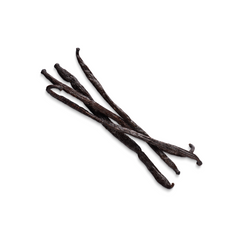
A white honey accord balances creamy sweetness with floral and woody nuances: White Honey 25–30%, Orange Blossom 20–25%, Vanilla 20–25%, Cedarwood 25–30%. White Honey provides the core nectarous profile via phenylacetic acid and methyl phenylacetate. Orange Blossom introduces indolic, citrusy facets, sharing 2-phenylethanol for a seamless floral bridge. Vanilla (vanillin, CAS 121-33-5) softens and rounds the accord, masking sharpness and enhancing longevity. Cedarwood (cedrol, CAS 77-53-2) grounds the blend, adding dry, woody depth and balancing sweetness.

30%

White Honey

25–30% of blend

Provides the primary creamy, nectarous sweetness via phenylacetic acid and methyl phenylacetate, forming the core of the accord.

25%

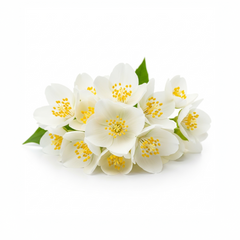
Orange Blossom

20–25% of blend

Adds indolic, citrusy, and floral facets; shares 2-phenylethanol with honey for molecular harmony and a luminous, white-floral lift.

25%

Vanilla

20–25% of blend

Vanillin softens honey’s sharpness and enhances longevity through olfactory masking, rounding the accord with creamy warmth.

30%

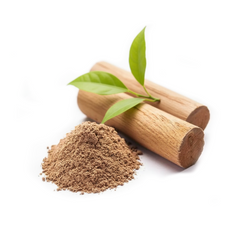
Cedarwood

25–30% of blend

Cedrol and related sesquiterpenes provide dry, woody depth, balancing the sweetness and extending the accord’s persistence.

The Olfactory Layers

How White Honey Evolves on Skin

White honey’s olfactory evolution unfolds over several hours: initial volatility reveals fruity and floral top notes, which transition to a creamy, nectarous heart dominated by phenylacetate esters. As the fragrance dries down, honey’s fixative molecules (phenylacetic acid, vanillin) persist, leaving a soft, powdery sweetness on skin.

I
Top notes
0–15 min
Fruity Nectar

The opening is bright and fruity, with volatile esters (methyl phenylacetate, ethyl phenylacetate) and citrus aldehydes providing an immediate burst of sweetness and light floralcy. Sorbet, tangerine, and pear facets are prominent, evaporating quickly due to their low molecular weight.

fruitycitrusfresh
II
Heart notes
20–60 min
Creamy Florals

The heart reveals the core white honey accord: creamy, floral, and nectarous, dominated by phenylacetic acid and 2-phenylethanol. Orange blossom, wild rose, and lily-of-the-valley add complexity, while vanillin and apricot introduce a gourmand softness.

creamyfloralgourmand
III
Base notes
Several hours
Powdered Honey

As the fragrance settles, honey’s fixative molecules—phenylacetic acid, vanillin, and cedarwood sesquiterpenes—create a persistent, powdery sweetness with woody undertones. The animalic and pollen facets linger, giving depth and longevity.

powderywoodysweet
TOP NOTES Fruity Nectar 0–15 minutes HEART NOTES Creamy Florals 20–60 minutes BASE NOTES Powdered Honey Several hours
Through the Ages

The Story of White Honey in Perfumery

White honey’s journey in perfumery spans from ancient honey rituals to modern gourmand icons, with key milestones in extraction and synthetic chemistry.

Antiquity

Honey in Ancient Rituals

Honey was used in ancient Egypt and Greece for both ceremonial and cosmetic purposes. Beeswax and honey ointments were prized for their scent and preservative qualities, laying the groundwork for honey’s later use in fragrance.

1880s

First Use of Beeswax Absolute

French perfumers in Grasse began extracting beeswax absolute via solvent extraction, capturing the waxy, animalic facets of honey for use in floral and chypre compositions.

1950s

Synthetic Honey Accords Developed

Advances in aroma chemistry led to the synthesis of methyl phenylacetate and phenylacetic acid, enabling consistent, allergen-controlled honey notes in commercial perfumery.

2003

Guerlain L’Instant de Guerlain Launches

Maurice Roucel’s L’Instant de Guerlain popularizes the white honey note as a bridge between citrus, magnolia, and amber, influencing a new generation of floral-gourmand fragrances.

2010s–Present

Gourmand Renaissance

White honey becomes a staple in gourmand and amber compositions, featured in Paco Rabanne Lady Million, Mugler A*Men Pure Havane, and niche launches like Xerjoff Mamluk. Modern extraction and synthetic bases ensure IFRA compliance and sustainability.

The Art of Layering

How to Layer White Honey

Understanding how to layer white honey involves pairing it with notes that share molecular affinities or provide olfactory contrast. This enhances complexity and wearability.

01

Enhance Sweetness

Layer white honey with vanilla or tonka bean fragrances. Vanillin and coumarin share sweet, creamy molecular structures, amplifying honey’s gourmand facets. This combination is demonstrated in Mugler A*Men Pure Havane, where honey and vanilla create a rich, enveloping base.

02

Add Depth

Pair white honey with tobacco or oud notes. Tobacco absolute contains ionones and pyrazines that interact with honey’s phenylacetate esters, producing a warm, resinous depth. Xerjoff Mamluk showcases this synergy, blending honey with oud and caramel for a luxurious, layered effect.

03

Lighten the Glow

Combine white honey with citrus or green notes. Citrus aldehydes and green galbanum molecules provide olfactory contrast, lifting honey’s sweetness and preventing cloying effects. Guerlain L’Instant de Guerlain uses citrus and magnolia to balance honey’s creamy core.

Wear It Right

How to Wear White Honey Like a Pro

Seasonal Guide

Fall & Winter

Cooler temperatures suppress volatility, allowing white honey’s creamy, gourmand facets to linger and project more subtly. Apply to pulse points and consider layering with vanilla or amber for added warmth and persistence.

Spring

Rising temperatures and humidity enhance the floral and citrus top notes, making white honey feel lighter and more luminous. Pair with green or white floral fragrances for a fresh, uplifting effect.

Summer

Heat increases molecular diffusion, intensifying the sweetness and projection of white honey. Use sparingly—1–2 sprays are sufficient to avoid cloying effects. Layer with citrus or herbal notes to balance richness.

Year-Round Tip

Adjust application based on climate and personal preference. In humid conditions, focus on lighter, skin-close applications; in dry or cool weather, layer with woody or amber notes to enhance longevity and depth.

Application Points

Strategic application maximizes white honey’s projection and longevity while balancing its sweetness.

1

Neck

Pulse points on the neck generate heat, accelerating the evaporation of top notes and enhancing the projection of white honey’s fruity and floral facets.

2

Behind the Ears

This area is less exposed to air, allowing the creamy, gourmand heart of white honey to develop gradually and persist throughout the day.

3

Inner Wrists

Wrist application allows for easy scent testing and reapplication. Body heat here intensifies the initial sweetness and reveals the full evolution of the note.

4

Hair

Spraying on hair or a hairbrush provides a subtle, long-lasting trail, as hair fibers retain volatile molecules and release them gradually with movement.

Pro Tip

Layer white honey fragrances over unscented moisturizer to slow evaporation and enhance longevity. Avoid overapplication—its potent sweetness can easily dominate a blend.

Mood Architecture™

Top White Honey Fragrances by Mood Score

These White Honey-based fragrances scored highest on the MEI™ Mood Architecture Framework — measuring how a scent may influence your emotional state.

Highest MEI Score
Metropolitan Oud — New York Oud Alternative Perfume
7.33
MEI™
Primary Romantic
Secondary Confident
Confidence
7.18
Presence
7.57
Mood Lift
7.69
Identity
7.86
Warmth
8.29
Social Ease
6.88
Energy
2.7
" I am beautiful.
View full mood profile →
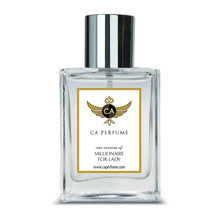
Millionaire For Lady — LADY MILLION Alternative Perfume
7.28
MEI™
Primary Fresh
Secondary Romantic
Confidence
6.58
Presence
7.0
Mood Lift
8.4
Identity
6.72
Warmth
8.04
Social Ease
7.31
Energy
3.2
" I am radiant.
View full mood profile →
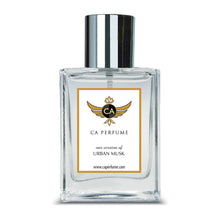
Urban Musk — Tom Ford Impression Urban Musk Alternative Perfume
6.55
MEI™
Primary Romantic
Secondary Confident
Confidence
5.94
Presence
6.3
Mood Lift
7.4
Identity
6.15
Warmth
7.26
Social Ease
6.74
Energy
2.7
" I am beautiful.
View full mood profile →
For Her Musc — For Her Musc Collection Alternative Perfume
6.39
MEI™
Primary Romantic
Secondary Confident
Confidence
5.82
Presence
5.71
Mood Lift
7.14
Identity
5.97
Warmth
7.05
Social Ease
6.89
Energy
2.6
" I am beautiful.
View full mood profile →
HumanSafe™

Top White Honey Fragrances by HumanSafe™ Score

These White Honey-based fragrances have the highest product-level HumanSafe™ scores in this ingredient collection.

Highest HumanSafe™ Score
Urban Musk — Tom Ford Impression Urban Musk Alternative Perfume
A-
HumanSafe™ Score Generally Safe
Safest Evaluated Ingredients EDP
AQUA Solvent / Carrier ISS 10.0
1,4-DIOXACYCLOHEPTADECANE-5,17-DIONE Evaluated ingredient ISS 10.0
4H-INDEN-4-ONE, 1,2,3,5,6,7-HEXAHYDRO-1,1,2,3,3- Evaluated ingredient ISS 9.0
2H-1-BENZOPYRAN-2-ONE Evaluated ingredient ISS 8.0
LINALYL ACETATE Evaluated ingredient ISS 7.0
LINALOOL Evaluated ingredient ISS 7.0
View full safety profile →
Millionaire For Lady — LADY MILLION Alternative Perfume
A-
HumanSafe™ Score Generally Safe
Safest Evaluated Ingredients EDP
AQUA Solvent / Carrier ISS 10.0
1,4-DIOXACYCLOHEPTADECANE-5,17-DIONE Evaluated ingredient ISS 10.0
BENZYL SALICYLATE Evaluated ingredient ISS 9.0
4H-INDEN-4-ONE, 1,2,3,5,6,7-HEXAHYDRO-1,1,2,3,3- Evaluated ingredient ISS 9.0
3-BUTEN-2-ONE, 3-METHYL-4-(2,6,6-TRIMETHYL-2- Evaluated ingredient ISS 8.0
View full safety profile →
Metropolitan Oud — New York Oud Alternative Perfume
A-
HumanSafe™ Score Generally Safe
Safest Evaluated Ingredients EDP
AQUA Solvent / Carrier ISS 10.0
1,4-DIOXACYCLOHEPTADECANE-5,17-DIONE Evaluated ingredient ISS 10.0
4H-INDEN-4-ONE, 1,2,3,5,6,7-HEXAHYDRO-1,1,2,3,3- Evaluated ingredient ISS 9.0
3-CYCLOPENTENE-1-ACETALDEHYDE, 2,2,3-TRIMETHYL-, Evaluated ingredient ISS 9.0
CITRAL Evaluated ingredient ISS 8.0
3-BUTEN-2-ONE, 3-METHYL-4-(2,6,6-TRIMETHYL-2- Evaluated ingredient ISS 8.0
View full safety profile →
For Her Musc — For Her Musc Collection Alternative Perfume
A-
HumanSafe™ Score Generally Safe
Safest Evaluated Ingredients EDP
AQUA Solvent / Carrier ISS 10.0
HEXYL SALICYLATE Evaluated ingredient ISS 9.0
BENZYL SALICYLATE Evaluated ingredient ISS 9.0
4H-INDEN-4-ONE, 1,2,3,5,6,7-HEXAHYDRO-1,1,2,3,3- Evaluated ingredient ISS 9.0
LINALYL ACETATE Evaluated ingredient ISS 7.0
View full safety profile →
Expert Voices

What Masters Say About White Honey

The honey note is interesting because it brings roundness; for some, it can be regressive, it is nurturing, sunny, fluffy, brings a lot of tenacity and naturalness.
Delphine Jelk, Guerlain Perfumer (from Delacourte Paris Fragrance Guide)
White honey’s scent profile is shaped by phenylacetic acid and methyl phenylacetate, producing a creamy, floral sweetness that adapts to both gourmand and floral-amber compositions.
CA Perfume Editorial
Common Questions

Frequently Asked Questions

Frequently asked questions about white honey in perfumery.

White honey in perfume smells creamy, floral, and gourmand, with a nuanced sweetness shaped by phenylacetic acid, methyl phenylacetate, and 2-phenylethanol. It opens with fruity and citrus notes, evolves into a nectarous, powdery heart, and settles into a soft, woody base. The scent is less syrupy than table honey, with subtle animalic and pollen undertones, and adapts to skin chemistry for a unique wear experience.

White honey is typically used as a heart note in perfumery, though its fixative properties allow it to persist into the base. Its creamy, sweet character bridges top citrus or floral notes and deeper woody or amber bases, providing longevity and complexity.

White honey is favored in niche perfumery for its ability to add depth, warmth, and a photorealistic sweetness to both gourmand and floral-amber compositions. Its molecular complexity allows perfumers to create unique, multi-layered scents that stand out from mainstream offerings.

White honey fragrance uses often involve pairing with orange blossom, vanilla, cedarwood, jasmine, and rose. These notes share molecular affinities or provide olfactory contrast, enhancing honey’s creamy, floral, or woody facets and creating harmonious, complex accords.

White honey can be worn in summer, but its potent sweetness and strong projection require moderation. In hot weather, use 1–2 sprays and consider layering with citrus or green notes to balance richness and prevent cloying effects.

White honey fragrances generally last 4–6 hours on skin, with the creamy, gourmand heart persisting longest due to the fixative properties of phenylacetic acid and vanillin. Longevity may vary based on concentration and skin chemistry.

Yes, white honey is highly layerable. It pairs well with vanilla, tobacco, oud, citrus, and green notes. Layering enhances complexity and allows you to customize the scent profile for different occasions or seasons.

Recommended entry points include Perlier White Honey (2015) for a luminous floral-gourmand, Guerlain L’Instant de Guerlain (2003) for a radiant, honeyed floral, and Paco Rabanne Lady Million (2010) for a modern, golden sweetness. These fragrances showcase white honey’s versatility and appeal.

Explore CA Perfume’s collection by considering your preferred style—gourmand, floral, or amber. Review scent pyramids and layering options, and sample different concentrations to find the balance of sweetness, projection, and longevity that suits your taste.

White honey’s sweetness is potent but can be balanced by careful application and layering with citrus, green, or woody notes. In moderate doses, it is suitable for daily wear, especially in cooler weather or as a comforting, skin-close scent.

Amber Gourmand Collection

Explore Our Top White Honey Fragrances

Discover CA Perfume’s most popular white honey blends, featuring creamy, floral, and gourmand interpretations for every season and style.

Shop all white honey fragrances at CA Perfume →

Where White Honey Comes From — Origin & Extraction

White Honey is a perfumery note derived from the nectar of white-flowering plants, most commonly acacia (Robinia pseudoacacia), orange blossom (Citrus aurantium), and wild spring flora. The primary producing countries are Greece, France, and the United States, each offering distinctive honey profiles based on local flora and climate. Greece, for example, is renowned for its acacia and thyme honeys, with annual production exceeding 25,000 metric tons, while France’s Provence region specializes in lavender and acacia honeys. In the United States, California and Florida contribute significant volumes of orange blossom honey, prized for its clarity and delicate aroma. Extraction for perfumery involves two main processes: solvent extraction of beeswax (yielding beeswax absolute, CAS 8012-89-3) and direct ethanol extraction of honey (honey absolute, CAS 91052-92-5). Beeswax absolute captures the waxy, animalic, and pollen facets, while honey absolute is richer in sugars and has a syrupy, treacle-like consistency. Both are low-yield processes—beeswax absolute yields less than 1% from raw comb, and honey absolute is even less efficient due to its high sugar content. Because natural honey absolutes are expensive (typically $800–1,500/kg), most modern "white honey" notes are constructed from synthetic aroma chemicals, such as methyl phenylacetate and phenylacetic acid, which cost $40–100/kg and offer greater batch consistency. Sustainability is a key consideration: overharvesting of honey can disrupt local ecosystems and bee populations. Synthetic alternatives reduce pressure on wild bee colonies and provide a more stable supply chain. Leading aroma chemical suppliers, including Symrise and Firmenich, produce white honey bases that are IFRA-compliant and traceable. The HumanSafe™ platform is used by CA Perfume to ensure all honey-derived ingredients are ethically sourced and allergen-screened, supporting both environmental and consumer safety.

Famous Fragrances That Define White Honey in Perfumery

White honey has become a signature note in both mainstream and niche perfumery, especially in gourmand, floral, and amber compositions. One of the earliest landmark uses is Guerlain L’Instant de Guerlain (2003, Maurice Roucel), where white honey bridges citrus, magnolia, and benzoin, creating a radiant, creamy heart. Paco Rabanne Lady Million (2010, Anne Flipo, Dominique Ropion, Beatrice Piquet) employs white honey alongside orange blossom and patchouli, adding a golden, enveloping sweetness to its floral-woody structure. Perlier White Honey (2015) is a dedicated exploration of the note, blending acacia honey with pear, lemon, and orange blossom for a luminous, floral-gourmand effect. Mugler A*Men Pure Havane (2011, Jacques Huclier) uses honey with tobacco, vanilla, and cacao to evoke a rich, baroque gourmand experience. Xerjoff Mamluk (2012, Chris Maurice) is a niche reference, pairing white honey with oud, caramel, and benzoin for a luxurious, resinous sweetness. In each of these fragrances, white honey functions as a dominant or bridge note, often paired with white florals, vanilla, or amber to enhance depth and longevity. CA Perfume’s collection draws inspiration from this lineage, offering modern interpretations of white honey’s creamy, floral, and gourmand facets.

Natural vs Synthetic White Honey in Perfumery

Natural white honey notes are produced via solvent extraction from acacia or orange blossom honey (honey absolute, CAS 91052-92-5) or from beeswax (beeswax absolute, CAS 8012-89-3). These materials are rich in phenylacetic acid, phenylacetaldehyde, and 2-phenylethanol, resulting in a nuanced, sometimes animalic, and pollen-rich aroma. However, natural extracts are costly, have variable composition depending on floral source and harvest year, and can contain trace allergens or impurities. Synthetic white honey accords are constructed from aroma chemicals such as methyl phenylacetate (CAS 101-41-7), ethyl phenylacetate (CAS 101-97-3), and p-cresol (CAS 106-44-5), which together replicate the creamy, floral, and slightly animalic aspects of natural honey. These synthetics offer superior stability, batch consistency, and are less likely to provoke allergic reactions. Cost is a significant differentiator: natural honey absolute can exceed $1,000/kg, while synthetic honey bases are available for $40–100/kg. Famous fragrances such as Guerlain L’Instant de Guerlain and Paco Rabanne Lady Million use synthetic honey accords for reliability and IFRA compliance, while niche brands occasionally use natural honey absolute for artisanal blends. From a sustainability perspective, synthetics reduce the environmental impact associated with large-scale honey harvesting and bee population stress. CA Perfume’s approach, verified through the HumanSafe™ platform, emphasizes transparency in sourcing, allergen screening, and the use of IFRA-approved aroma chemicals. This ensures that both natural and synthetic white honey notes are safe, sustainable, and traceable throughout the supply chain.