Ingredient Guide · Floral
Floral Family · Perfumery Note

Wildflowers

Nature's vibrant meadow in a scent

Wildflowers in perfumery represent a fresh, green, and aromatic floral note derived from a variety of meadow blossoms. Key components include aromatic compounds from daisies, poppies, and lavender, used typically at 1–5% concentration.

Wildflowers
Ingredient Profile

Wildflowers

Floral Family
Family Floral
Note Position Heart Note
Usage Level 1–5%
Key Origins France, Italy, United States
Iconic In Wild Flowers & Weeds Collection, Aqua Allegoria Flora Salvaggia
The Ingredient

What does Wildflowers smell like and why is it significant in perfumery?

Wildflowers in perfumery encompass a complex blend of floral notes sourced from various meadow blossoms such as daisies (Bellis perennis), poppies (Papaver rhoeas), and lavender (Lavandula angustifolia). The scent profile is characterized by fresh, green, and aromatic facets, often with sunny and uplifting nuances. Key aroma compounds include linalool, geraniol, and coumarin derivatives, which contribute to the vibrant and natural character of the note. In perfumery, wildflowers are typically used as heart or middle notes, with concentrations ranging from 1% to 5% in compositions. The note interacts dynamically with skin chemistry, often enhancing the perception of freshness and naturalness. Its versatility allows it to blend well with both fresh citrus and warm woody bases, making it a popular choice in floral, green, and fresh fragrance families. Notable fragrances featuring wildflowers include Jo Malone's Wild Flowers & Weeds collection (2019), where perfumers Yann Vasnier and Louise Turner crafted accords capturing the essence of wild meadows. Another example is Guerlain's Aqua Allegoria Flora Salvaggia (2020), which uses wildflower accords to evoke a sun-drenched meadow. These examples demonstrate wildflowers' role in creating naturalistic and airy floral compositions.

1–5%
Typical concentration range of wildflower extracts or accords in fragrance compositions, balancing presence and blend harmony.
750 kg
Approximate weight of jasmine flowers needed to produce 1 kg of absolute, illustrating the labor intensity of natural floral extraction relevant to wildflower components.
3–6 hours
Average longevity of wildflower-dominant fragrances on skin, depending on formulation and wearer chemistry.
Origin & Extraction

Where Wildflowers Comes From — Origin & Extraction

Wildflowers used in perfumery originate from diverse regions where wild meadows flourish. Soil composition, climate, and altitude influence the aromatic profile of these blooms, contributing to regional scent variations that perfumers exploit for complexity.

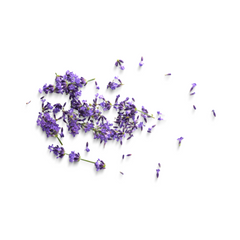
Wildflowers as a fragrance ingredient derive from a diverse range of botanical sources, including daisies (Bellis perennis), poppies (Papaver rhoeas), lavender (Lavandula angustifolia), and other meadow blooms. These flowers grow wild across temperate regions globally, with significant contributions from France (notably Provence for lavender), Italy (Tuscany's wildflower meadows), and the United States (California's diverse wildflower populations). Extraction methods vary by flower type. Lavender oil is primarily obtained via steam distillation at temperatures around 100°C, preserving its linalool and linalyl acetate content with yields of approximately 1.5–3% by weight. Daisy and poppy scents are often recreated through solvent extraction or headspace technology, as their delicate aromas are difficult to capture directly. Headspace technology involves enclosing the living flower and capturing volatile compounds without harvesting, preserving the natural scent profile. Natural wildflower extracts are relatively costly due to seasonal availability and labor-intensive harvesting. Synthetic aroma chemicals such as linalool (CAS 78-70-6), geraniol (CAS 106-24-1), and coumarin (CAS 91-64-5) are used to replicate or enhance wildflower notes, with synthetic compounds costing $20–100/kg compared to natural extracts that may exceed $1,000/kg. Sustainability considerations include the preservation of wild habitats and responsible harvesting practices, especially for wild lavender fields in Provence, which are subject to agricultural regulations to maintain biodiversity.

FR

France

Regions like Provence are renowned for wild lavender fields and diverse meadow flowers. The Mediterranean climate and calcareous soils produce aromatic profiles rich in linalool and camphor. France holds a significant market share in wildflower extracts, with sustainable harvesting practices regulated to preserve biodiversity.

IT

Italy

Tuscany's wildflower meadows offer a vibrant mix of daisies, poppies, and herbs. The temperate climate and varied terrain yield floral notes with fresh green and slightly spicy nuances. Italy contributes notably to the European wildflower extract market.

US

United States

California's diverse ecosystems support a wide range of wildflowers, including lupines and poppies. The region's sunny climate imparts a sun-kissed, lively essence to the floral notes. Wildflower extracts from the US are prized for their bright and fresh character.

ES

Spain

The maquis shrublands and Mediterranean coastlines produce wildflowers with spicy and herbal undertones, such as immortelle and wild achillea. These contribute unique aromatic facets to perfumery accords.

Chemistry

Natural vs Synthetic Wildflowers in Perfumery

Natural wildflower extracts come from solvent extraction, steam distillation, or headspace capture of various meadow flowers. These extracts contain complex mixtures of volatile compounds, including linalool, geraniol, and coumarin derivatives, which provide a nuanced and authentic scent. However, natural extracts can vary due to climate, soil, and harvest conditions, affecting batch consistency and longevity. Synthetic aroma chemicals such as linalool (CAS 78-70-6), geraniol (CAS 106-24-1), and coumarin (CAS 91-64-5) are widely used to replicate wildflower scents. Synthetics offer advantages in stability, longevity, and cost-effectiveness, with enhanced diffusion and longer-lasting scent profiles. They also allow perfumers to create novel accords that natural extracts alone cannot achieve. Famous fragrances like Jo Malone's Wild Flowers & Weeds use a blend of natural and synthetic ingredients to balance authenticity and performance. The HumanSafe™ platform ensures transparency in ingredient sourcing and safety for both natural and synthetic components. CA Perfume embraces this balanced approach, combining natural wildflower extracts with synthetics to achieve optimal scent quality and sustainability.

Natural
Wildflowers Absolute
Cost $3,000–6,000/kg
Method Solvent / CO₂
Character Complex, variable
vs
Synthetic
Safranal & Analogues
Cost $50–200/kg
Method Lab synthesis
Character Consistent, stable
Hall of Fame

Famous Fragrances That Define Wildflowers in Perfumery

2019
dominant note

Wild Flowers & Weeds Collection

Jo Malone
by Yann Vasnier & Louise Turner
lupinpatchoulinettlewild achillea
2020
heart note

Aqua Allegoria Flora Salvaggia

Guerlain
violetorange blossomwatery notes
2018
accent note

Love in Black

Creed
violetcedariris
2016
supporting note

Mandarino di Amalfi Acqua

Tom Ford
citrusaquaticwildflowers
2019
heart note

Jersey Eau de Parfum

Chanel
iriscedarwildflowers

Wildflowers have been featured prominently in several landmark fragrances over the past two decades, showcasing their versatility and natural appeal. Jo Malone's Wild Flowers & Weeds collection (2019), crafted by Yann Vasnier and Louise Turner, exemplifies the wildflower note as a central theme, blending lupin, patchouli, nettle, and wild achillea to evoke natural meadows with green and floral contrasts. Guerlain's Aqua Allegoria Flora Salvaggia (2020) uses wildflower accords alongside violet and orange blossom to create a fresh, sunlit floral composition. Creed's Love in Black (2018) incorporates wildflower notes with violet and cedar, offering a sophisticated and elegant floral-woody blend. Other notable examples include Tom Ford's Mandarino di Amalfi Acqua (2016), which integrates wildflower freshness with citrus and aquatic notes, and Chanel's Jersey Eau de Parfum (2019), where wildflowers complement iris and cedar for a refined floral experience. These fragrances demonstrate wildflowers' role as dominant or accent notes, often paired with citrus, woody, and musk elements to create balanced and evocative compositions. CA Perfume's collection honors this lineage by offering nuanced wildflower accords that reflect both tradition and innovation.

The Accord

How is a captivating Wildflowers accord crafted?

A balanced wildflowers accord typically combines 25–30% wildflower absolute or accord, 20–25% rose for classic floral depth, 20–25% jasmine to add heady sweetness and complexity, and 25–30% cashmere wood to provide a soft, warm base that enhances longevity and smooths the floral brightness. Each ingredient is chosen for its molecular compatibility: rose and jasmine share common terpenes and indoles that enrich the floral heart, while cashmere wood's lactones and woody molecules provide a creamy texture that balances the aromatic freshness of wildflowers.

30%

Wildflowers

25–30% of blend

Provides the fresh, green, and aromatic core of the accord with complex floral molecules like linalool and coumarin.

25%

Rose

20–25% of blend

Adds classic floral depth and richness through compounds such as geraniol and citronellol, harmonizing with wildflowers.

25%

Jasmine

20–25% of blend

Contributes heady sweetness and complexity with indole and benzyl acetate, enhancing the accord's floral bouquet.

30%

Cashmere Wood

25–30% of blend

Provides a soft, warm, and creamy base with lactones and woody molecules that smooth and extend the floral notes.

The Olfactory Layers

How Wildflowers Evolves on Skin

Wildflowers fragrance unfolds in three stages: the top notes offer fresh, green, and slightly citrusy impressions from volatile compounds like linalool and limonene evaporating rapidly within the first 15 minutes. The heart reveals a richer floral bouquet dominated by geraniol and indole-bearing molecules, lasting 20 to 60 minutes. The base notes emerge over several hours, where woody and musky molecules provide warmth and longevity, anchoring the airy floral character.

I
Top notes
0–15 min
Fresh Meadow Breeze

The initial impression is fresh and green, dominated by high-volatility molecules such as linalool and limonene. These compounds evaporate quickly, imparting a dewy, sunlit meadow effect with hints of citrus and aromatic herbs.

FreshGreenCitrusy
II
Heart notes
20–60 min
Floral Bloom

The heart reveals a complex floral bouquet, where geraniol, benzyl acetate, and indole contribute heady, sweet, and slightly animalic nuances. This stage embodies the essence of blooming wildflowers, rich and inviting.

FloralSweetHeady
III
Base notes
Several hours
Warm Earth

The base is composed of woody and musky molecules such as cashmeran and musk ketone, providing a warm, smooth foundation that balances the floral brightness and enhances longevity on skin.

WoodyMuskyWarm
TOP NOTES Fresh Meadow Breeze 0–15 minutes HEART NOTES Floral Bloom 20–60 minutes BASE NOTES Warm Earth Several hours
Through the Ages

The Story of Wildflowers in Perfumery

Wildflowers have inspired perfumery from ancient times through modern innovations, evolving from natural floral extracts to sophisticated accords blending natural and synthetic elements.

Antiquity

Early Use of Wildflowers in Fragrance

Ancient civilizations harvested wild meadow flowers for incense and perfumed oils, valuing their aromatic properties in religious and cultural rituals.

19th Century

Development of Extraction Techniques

Advances in steam distillation and solvent extraction enabled the capture of delicate wildflower scents, expanding their use in perfumery.

1970s

Introduction of Headspace Technology

This innovation allowed perfumers to capture the scent of living wildflowers without harvesting, preserving natural aroma profiles.

2010

Rise of Wildflower-Inspired Fragrances

Fragrances emphasizing naturalistic wildflower accords gained popularity, reflecting consumer interest in fresh and green floral scents.

2019

Jo Malone Wild Flowers & Weeds Launch

Jo Malone released a collection centered on wildflowers and weeds, showcasing sophisticated interpretations of natural meadow scents.

The Art of Layering

How to Layer Wildflowers

Understanding how to layer wildflowers involves molecular compatibility and olfactory synergy. Layering can enhance or soften facets by exploiting shared compounds or masking effects.

01

Enhance Freshness with Citrus

Layering wildflowers with citrus notes like bergamot or lemon leverages shared terpenes such as limonene, boosting brightness and creating a lively, sunlit effect as seen in Guerlain's Aqua Allegoria Flora Salvaggia.

02

Add Depth with Woody Notes

Combining wildflowers with woody bases like cashmere wood or cedar introduces lactones and vanillin derivatives that smooth floral sharpness and extend longevity, exemplified by Jo Malone's Willow & Amber.

03

Lighten the Floral Glow with Musks

Musks such as musk ketone provide olfactory masking that softens intense floral facets, creating a skin-like warmth and enhancing sillage without overpowering the wildflower accord.

Wear It Right

How to Wear Wildflowers Like a Pro

Seasonal Guide

Fall & Winter

Cooler temperatures slow evaporation, emphasizing the warm woody base notes. Layer wildflowers with cashmere wood or amber to enhance warmth and longevity during colder months.

Spring

Spring's mild climate highlights the fresh green and floral heart notes. Apply lightly for a natural, airy effect that complements the season's renewal.

Summer

Heat increases volatility, intensifying the fresh top notes but potentially shortening longevity. Use lighter applications or combine with citrus to maintain freshness without overwhelming.

Year-Round Tip

Layer wildflowers with soft musks or light woods to balance freshness and warmth, ensuring versatility across all seasons.

Application Points

Strategic application enhances wildflowers' scent projection and evolution.

1

Neck

Pulse points like the neck generate heat, accelerating evaporation of fresh top notes for an immediate floral burst.

2

Behind the Ears

This area allows subtle diffusion of the heart notes, creating an intimate floral aura.

3

Inner Wrists

Wrists provide warmth and movement, helping the scent evolve naturally throughout the day.

4

Hair

Hair holds fragrance molecules longer, releasing wildflower notes softly with each movement.

Pro Tip

Moisturize skin before application to enhance scent longevity and smooth the transition between notes.

Mood Architecture™

Top Wildflowers Fragrances by Mood Score

These Wildflowers-based fragrances scored highest on the MEI™ Mood Architecture Framework — measuring how a scent may influence your emotional state.

Highest MEI Score
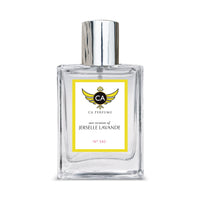
Jerselle Lavande — Jersey Alternative Perfume
7.2
MEI™
Primary Romantic
Secondary Grounding
Confidence
5.69
Presence
5.66
Mood Lift
8.39
Identity
5.74
Warmth
8.57
Social Ease
8.47
Energy
5.0
" I am beautiful.
View full mood profile →
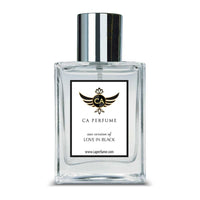
Love In Black — Creed Love In Black Alternative Perfume
5.69
MEI™
Primary Fresh
Secondary Romantic
Confidence
5.11
Presence
5.26
Mood Lift
6.5
Identity
6.09
Warmth
5.63
Social Ease
6.25
Energy
2.5
" I am radiant.
View full mood profile →
HumanSafe™

Top Wildflowers Fragrances by HumanSafe™ Score

These Wildflowers-based fragrances have the highest product-level HumanSafe™ scores in this ingredient collection.

Highest HumanSafe™ Score
Love In Black — Creed Love In Black Alternative Perfume
A-
HumanSafe™ Score Generally Safe
Safest Evaluated Ingredients EDP
AQUA Solvent / Carrier ISS 10.0
1,4-DIOXACYCLOHEPTADECANE-5,17-DIONE Evaluated ingredient ISS 10.0
BENZYL SALICYLATE Evaluated ingredient ISS 9.0
3-BUTEN-2-ONE, 4-(2,6,6-TRIMETHYL-2-CYCLOHEXEN-1- Evaluated ingredient ISS 9.0
3-BUTEN-2-ONE, 3-METHYL-4-(2,6,6-TRIMETHYL-2- Evaluated ingredient ISS 8.0
View full safety profile →
Jerselle Lavande — Jersey Alternative Perfume
A-
HumanSafe™ Score Generally Safe
Safest Evaluated Ingredients EDP
AQUA Solvent / Carrier ISS 10.0
1,4-DIOXACYCLOHEPTADECANE-5,17-DIONE Evaluated ingredient ISS 10.0
OCTANAL, 2-(PHENYLMETHYLENE)- Evaluated ingredient ISS 8.0
3-BUTEN-2-ONE, 3-METHYL-4-(2,6,6-TRIMETHYL-2- Evaluated ingredient ISS 8.0
2H-1-BENZOPYRAN-2-ONE Evaluated ingredient ISS 8.0
REACTION MASS OF: (E)-OXACYCLOHEXADEC-12-EN-2- Evaluated ingredient ISS 7.0
View full safety profile →
Expert Voices

What Masters Say About Wildflowers

With wild flowers and weeds nature takes over, with no rhyme or reason—and makes things unexpectedly beautiful.
Yann Vasnier, Perfumer at Jo Malone
Wildflowers represent a complex and vibrant accord that captures the essence of natural meadows, balancing freshness, floral sweetness, and aromatic green facets.
CA Perfume Editorial
Common Questions

Frequently Asked Questions

Answers to common questions about wildflowers in perfumery.

Wildflowers in perfume typically smell fresh, green, and aromatic, combining the scents of various meadow blossoms such as daisies, poppies, and lavender. The scent is often bright and uplifting with floral sweetness and herbal nuances. This note evokes the natural beauty of wild meadows and is used to create airy, naturalistic floral compositions.

Wildflowers are generally used as heart or middle notes in fragrance compositions. They provide the floral core that bridges the fresh top notes and the warm base notes. However, depending on the formulation, some lighter wildflower accords may appear in the top notes to impart freshness.

Wildflowers are favored in niche perfumery for their naturalistic and versatile scent profile. They offer a complex blend of floral, green, and aromatic facets that evoke authenticity and connection to nature. This complexity allows perfumers to craft unique, layered compositions that stand out from mainstream floral scents.

Wildflowers blend harmoniously with rose, jasmine, cashmere wood, lavender, and citrus notes like bergamot. These combinations enhance the floral bouquet, add depth, and balance freshness with warmth. Such pairings are common in both fresh and warm fragrance families.

Yes, wildflowers perfumes are well-suited for summer and hot weather due to their fresh and green character. The bright floral and herbal notes provide an uplifting and airy scent that feels light on the skin. However, in high heat, application may need to be lighter to avoid overwhelming intensity.

Wildflowers fragrances typically last between 3 to 6 hours on skin, depending on concentration and formulation. The floral heart notes provide moderate longevity, while woody or musky bases can extend wear time.

Yes, layering wildflowers with complementary notes like citrus, woods, or musks can enhance complexity and longevity. Layering exploits molecular compatibility, such as shared terpenes or olfactory masking, to create personalized scent profiles.

Beginner-friendly wildflowers perfumes include Jo Malone's Wild Flowers & Weeds collection and Guerlain's Aqua Allegoria Flora Salvaggia. These offer fresh, approachable floral compositions with balanced complexity suitable for everyday wear.

Choosing the right wildflowers fragrance involves considering your preference for freshness, floral intensity, and base notes. CA Perfume's HumanSafe™ verified collection provides detailed scent profiles and layering advice to help find a wildflowers fragrance that suits your style and skin chemistry.

Wildflowers generally smell fresh and green with a subtle sweetness from floral components like jasmine and rose. Some wildflower accords may include mild herbal or spicy nuances depending on the specific flowers used, but the overall character is more aromatic and fresh than overtly spicy.

Floral Collection

Explore Our Top Wildflowers Fragrances

Discover a curated selection of wildflowers perfumes that highlight fresh, green, and aromatic floral accords for all occasions.

Shop all wildflowers fragrances at CA Perfume →

Where Wildflowers Comes From — Origin & Extraction

Wildflowers as a fragrance ingredient derive from a diverse range of botanical sources, including daisies (Bellis perennis), poppies (Papaver rhoeas), lavender (Lavandula angustifolia), and other meadow blooms. These flowers grow wild across temperate regions globally, with significant contributions from France (notably Provence for lavender), Italy (Tuscany's wildflower meadows), and the United States (California's diverse wildflower populations). Extraction methods vary by flower type. Lavender oil is primarily obtained via steam distillation at temperatures around 100°C, preserving its linalool and linalyl acetate content with yields of approximately 1.5–3% by weight. Daisy and poppy scents are often recreated through solvent extraction or headspace technology, as their delicate aromas are difficult to capture directly. Headspace technology involves enclosing the living flower and capturing volatile compounds without harvesting, preserving the natural scent profile. Natural wildflower extracts are relatively costly due to seasonal availability and labor-intensive harvesting. Synthetic aroma chemicals such as linalool (CAS 78-70-6), geraniol (CAS 106-24-1), and coumarin (CAS 91-64-5) are used to replicate or enhance wildflower notes, with synthetic compounds costing $20–100/kg compared to natural extracts that may exceed $1,000/kg. Sustainability considerations include the preservation of wild habitats and responsible harvesting practices, especially for wild lavender fields in Provence, which are subject to agricultural regulations to maintain biodiversity.

Famous Fragrances That Define Wildflowers in Perfumery

Wildflowers have been featured prominently in several landmark fragrances over the past two decades, showcasing their versatility and natural appeal. Jo Malone's Wild Flowers & Weeds collection (2019), crafted by Yann Vasnier and Louise Turner, exemplifies the wildflower note as a central theme, blending lupin, patchouli, nettle, and wild achillea to evoke natural meadows with green and floral contrasts. Guerlain's Aqua Allegoria Flora Salvaggia (2020) uses wildflower accords alongside violet and orange blossom to create a fresh, sunlit floral composition. Creed's Love in Black (2018) incorporates wildflower notes with violet and cedar, offering a sophisticated and elegant floral-woody blend. Other notable examples include Tom Ford's Mandarino di Amalfi Acqua (2016), which integrates wildflower freshness with citrus and aquatic notes, and Chanel's Jersey Eau de Parfum (2019), where wildflowers complement iris and cedar for a refined floral experience. These fragrances demonstrate wildflowers' role as dominant or accent notes, often paired with citrus, woody, and musk elements to create balanced and evocative compositions. CA Perfume's collection honors this lineage by offering nuanced wildflower accords that reflect both tradition and innovation.

Natural vs Synthetic Wildflowers in Perfumery

Natural wildflower extracts come from solvent extraction, steam distillation, or headspace capture of various meadow flowers. These extracts contain complex mixtures of volatile compounds, including linalool, geraniol, and coumarin derivatives, which provide a nuanced and authentic scent. However, natural extracts can vary due to climate, soil, and harvest conditions, affecting batch consistency and longevity. Synthetic aroma chemicals such as linalool (CAS 78-70-6), geraniol (CAS 106-24-1), and coumarin (CAS 91-64-5) are widely used to replicate wildflower scents. Synthetics offer advantages in stability, longevity, and cost-effectiveness, with enhanced diffusion and longer-lasting scent profiles. They also allow perfumers to create novel accords that natural extracts alone cannot achieve. Famous fragrances like Jo Malone's Wild Flowers & Weeds use a blend of natural and synthetic ingredients to balance authenticity and performance. The HumanSafe™ platform ensures transparency in ingredient sourcing and safety for both natural and synthetic components. CA Perfume embraces this balanced approach, combining natural wildflower extracts with synthetics to achieve optimal scent quality and sustainability.