
Best customer service, the scent is great but only lasted 2 hrs on me.
Everything is as advertised and the packaging and presentation was awesome
next level packaging and pretty quick delivery. complete blind buy. so far so good
A multifaceted note: herbal, floral, and subtly camphoraceous.
Lavender is a cornerstone heart note in perfumery, prized for its aromatic freshness and powdery floralcy. Its signature scent is shaped by linalool and linalyl acetate, with concentrations in fine fragrance typically ranging from 0.5–3%.

Lavender’s scent profile is defined by a complex interplay of floral, herbal, and subtly woody facets. The primary molecular contributors are linalool (C10H18O) and linalyl acetate (C12H20O2), which together account for up to 70% of true lavender (Lavandula angustifolia) essential oil. Linalool imparts a clean, floral, slightly citrusy aroma, while linalyl acetate lends a sweet, fruity, and powdery nuance. Camphor, present in higher concentrations in Lavandula intermedia (lavandin), adds a sharper, more medicinal edge. Trace compounds such as cineole, borneol, and terpinen-4-ol contribute green, spicy, and resinous undertones, resulting in a scent that is both soothing and invigorating. In perfumery, lavender is most often classified as a heart (middle) note due to its moderate volatility and ability to bridge top citrus notes and deeper woody or resinous bases. Typical usage levels range from 0.5% in complex blends to as high as 3% in soliflore or fougère compositions. Lavender’s molecular structure allows it to interact dynamically with skin chemistry; on acidic skin, the floral and citrus aspects are accentuated, while alkaline skin can amplify herbal and camphoraceous facets. This variability makes lavender a versatile note in both masculine and feminine fragrances. Lavender in perfumery is exemplified by landmark fragrances such as Yves Saint Laurent Libre (2019, Anne Flipo and Carlos Benaïm), where Provençal lavender is paired with orange blossom and vanilla, and Maison Martin Margiela Coffee Break (2019, Jacques Cavallier), which uses lavender to evoke a creamy, aromatic warmth. These compositions demonstrate the note’s adaptability and enduring appeal across olfactory genres.
Lavender’s scent character is shaped by geography: Mediterranean soils, altitude, and climate influence oil yield and composition. High-altitude Provence produces the most refined, sweet lavender, while Bulgarian and Spanish origins yield sharper, more camphoraceous profiles.
Lavender used in perfumery is primarily derived from Lavandula angustifolia (English or true lavender) and Lavandula intermedia (lavandin), both members of the Lamiaceae family. The majority of global lavender oil production is concentrated in the Mediterranean basin, with France (notably Provence) accounting for approximately 40% of world output (estimated 80–100 metric tons annually), followed by Bulgaria, Spain, and smaller producers in the UK, Australia, and the US. Lavandin, a hybrid of L. angustifolia and L. latifolia, is cultivated for its higher oil yield and camphor content, with global production exceeding 200 metric tons per year. The primary extraction method is steam distillation, performed at temperatures between 100–110°C for 30–90 minutes. This process targets the oil glands located on the calyx of the flower spikes, yielding an essential oil with a typical linalool content of 25–40% and linalyl acetate at 30–45%. Solvent extraction (using hexane or ethanol) is occasionally employed to produce lavender absolute, which captures heavier, less volatile components and results in a deeper, more resinous scent profile. Yields vary by species and extraction method: true lavender yields 1.2–1.5% oil by weight of fresh flowers, while lavandin can yield up to 2.5%. Natural lavender oil commands prices of $120–180/kg for L. angustifolia and $40–60/kg for lavandin, while synthetic substitutes (notably linalool and linalyl acetate, CAS 78-70-6 and 115-95-7) are available at $10–30/kg. Sustainability concerns focus on monoculture farming, pesticide use, and climate change impacts on yield and oil composition. Certified organic and wild-harvested lavender oils are increasingly sought after for their traceability and ecological footprint.
Provence’s Drôme and Vaucluse regions are renowned for high-altitude (600–1,200m) Lavandula angustifolia, producing oil with high linalyl acetate and low camphor. Annual production is ~80 metric tons, with PGI status for ‘Lavande de Haute-Provence’ ensuring quality and traceability.
The Kazanlak Valley and Dobrich regions lead in volume, producing over 100 metric tons annually. Bulgarian lavender is valued for its robust, slightly sharper profile, with higher camphor and cineole content due to continental climate and soil composition.
Castilla-La Mancha and Andalusia cultivate both L. angustifolia and L. stoechas. Spanish lavender is more herbal and camphoraceous, with a drier, sun-baked aroma. Production is ~30 metric tons/year, often used in functional fragrances.
Pacific Northwest (Washington, Oregon) produces smaller volumes of L. angustifolia and L. x intermedia. Cooler, maritime climate yields oil with moderate linalool and a clean, fresh profile, favored for artisanal and organic distillations.
Natural lavender oil is a complex mixture of over 100 compounds, with linalool (CAS 78-70-6), linalyl acetate (CAS 115-95-7), and camphor (CAS 76-22-2) as principal aroma molecules. Synthetic lavender notes are typically constructed from isolated or synthesized linalool and linalyl acetate, sometimes supplemented by additional terpenes (e.g., terpineol, CAS 8000-41-7) and esters to mimic the full olfactory spectrum of natural oil. Performance-wise, synthetic lavender offers greater batch-to-batch consistency, enhanced stability, and extended longevity (8–12 hours vs. 4–6 hours for naturals), but often lacks the subtle, evolving complexity of natural extracts. Cost is a significant differentiator: synthetics can be produced for $10–30/kg, while high-quality natural lavender oil ranges from $120–180/kg. Notable fragrances using natural lavender include Chanel Jersey (2011, Jacques Polge) and Guerlain Frenchy Lavande (2021, Delphine Jelk), while many mainstream fougères and modern masculines rely on synthetics for scalability and allergen control. From a sustainability perspective, synthetic lavender reduces pressure on agricultural land and water resources, but may involve petrochemical feedstocks. The HumanSafe™ platform at CA Perfume ensures full transparency in sourcing, allergen disclosure, and IFRA compliance, whether natural or synthetic lavender is used. This approach supports both environmental stewardship and consumer safety.
Lavender’s role in perfumery is showcased in a lineage of influential fragrances. In 1889, Houbigant’s Fougère Royale (Paul Parquet) established the fougère genre, using lavender as a bridge between citrus top notes and oakmoss base. Chanel Pour Monsieur (1955, Henri Robert) refined the aromatic fougère structure, with lavender as a crisp, clean heart. Yves Saint Laurent’s La Nuit de l’Homme (2009, Anne Flipo, Dominique Ropion, Pierre Wargnye) modernized the note by pairing lavender with cardamom and cedar, creating a sensual, contemporary masculine signature. Maison Martin Margiela Coffee Break (2019, Jacques Cavallier) employs lavender to evoke a creamy, aromatic warmth, while Yves Saint Laurent Libre (2019, Anne Flipo, Carlos Benaïm) reimagines lavender in a genderless floral context, blending it with orange blossom and vanilla. These compositions illustrate lavender’s versatility as both a dominant and supporting note, bridging aromatic, floral, and gourmand accords. CA Perfume’s collection draws inspiration from this diverse heritage, offering both classic and modern interpretations.
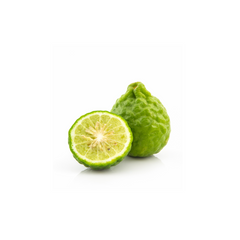
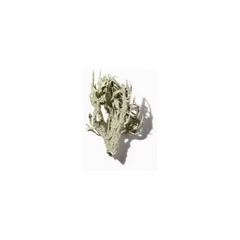
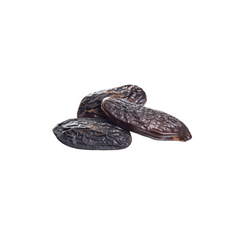
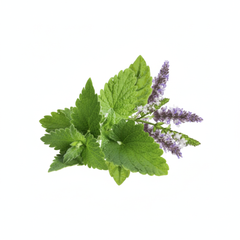
A balanced lavender accord typically features: Lavender (35–40%), Bergamot (20–25%), Oakmoss (20–25%), and Tonka Bean (15–20%). Lavender provides the aromatic-floral core, while bergamot’s limonene and linalool reinforce freshness and volatility. Oakmoss introduces earthy, mossy undertones via atranol and chloroatranol, grounding the blend. Tonka bean’s coumarin content adds creamy sweetness, smoothing the herbal edges and enhancing longevity.
Lavender’s linalool and linalyl acetate provide the aromatic-floral backbone, with subtle green and camphoraceous facets for complexity.
Bergamot’s limonene and linalool enhance lavender’s freshness and volatility, creating a bright, uplifting top accord.
Oakmoss brings earthy, mossy depth via atranol and chloroatranol, anchoring the accord and extending its drydown.
Tonka bean’s coumarin content imparts creamy, sweet warmth, rounding out herbal sharpness and enhancing overall smoothness.
Lavender’s olfactory evolution unfolds over several hours. Initial volatility is driven by monoterpenes (linalool, limonene), which evaporate within 15 minutes, revealing the heart’s floral-herbal complexity. As heavier esters and coumarins emerge, the scent transitions to a powdery, subtly woody base.
The opening is marked by a burst of herbal freshness and subtle citrus, primarily from linalool and limonene. These highly volatile molecules create an immediate sense of cleanliness and airiness, often perceived as crisp, green, and slightly camphoraceous.
As the top notes dissipate, linalyl acetate and trace esters dominate, imparting a soft, powdery floralcy with hints of honey and spice. This stage is the signature of true lavender, balancing sweetness and aromatic depth.
The drydown reveals coumarin, camphor, and subtle woody undertones. These less volatile components provide a creamy, slightly balsamic finish, extending the scent’s longevity and lending a gentle warmth to the composition.
Lavender’s history in perfumery spans from ancient Egyptian rituals to modern niche compositions, evolving from medicinal and spiritual uses to a central role in the fougère and aromatic fragrance families.
Lavender oil was used in mummification and as a perfume for royalty. Archaeological evidence from Tutankhamun’s tomb confirms its value in ancient Egyptian funerary rites.
Romans used lavender (lavare: ‘to wash’) in public baths, personal hygiene, and medicine. The plant’s name reflects its association with cleanliness and aromatic rituals.
Paul Parquet’s Fougère Royale (Houbigant) established lavender as the heart of the fougère family, combining it with oakmoss and coumarin in a new aromatic structure.
Henri Robert’s composition set a benchmark for refined, citrus-lavender masculines, influencing generations of aromatic fragrances.
Fragrances like YSL Libre and Maison Margiela Coffee Break recontextualize lavender in gender-neutral and gourmand contexts, expanding its role in contemporary perfumery.
Understanding how to layer lavender is key to maximizing its olfactory impact. Molecular compatibility—such as shared terpenes or complementary esters—enables lavender to blend seamlessly with citrus, woods, and gourmands, creating nuanced, multidimensional fragrances.
Pair lavender with bergamot or lemon to amplify its citrusy top notes. Both share linalool and limonene, creating a bright, sparkling opening. This technique is exemplified in Chanel Pour Monsieur, where citrus and lavender form a crisp, invigorating accord.
Layer lavender with patchouli or vetiver to introduce earthy, woody undertones. Patchouli’s sesquiterpenes and vetiver’s vetiverol molecules interact with lavender’s esters, producing a grounded, long-lasting base. Prada Luna Rossa Carbon demonstrates this synergy.
Combine lavender with vanilla or tonka bean to round out herbal sharpness. Vanillin and coumarin molecules mask camphoraceous edges, yielding a creamy, comforting finish, as seen in Yves Saint Laurent Libre and Maison Margiela Coffee Break.
In cooler months, lavender’s powdery and creamy facets are more prominent, as lower temperatures suppress volatility and extend longevity. Apply to pulse points under clothing for a subtle, comforting aura that persists throughout the day.
Spring’s moderate temperatures allow lavender’s herbal and floral notes to shine. Increased humidity enhances diffusion, making it ideal for daytime wear. Layer with citrus or green notes for a fresh, uplifting effect.
High heat accelerates evaporation of lavender’s volatile components, intensifying projection but shortening wear time. Apply lightly to avoid overwhelming sillage, and consider layering with aquatic or citrus notes for added freshness.
Adjust application based on climate: use higher concentrations or oil formats in dry, cold weather; opt for lighter sprays and strategic layering in heat and humidity to maintain balance and longevity.
Strategic application enhances lavender’s projection and longevity, allowing for tailored scent experiences.
Applying lavender to the neck leverages body heat and pulse points, accelerating the release of top notes and enhancing initial projection.
This area is slightly cooler, allowing lavender’s floral heart to linger and evolve gradually, extending the scent’s presence.
The warmth and movement of the wrists promote evaporation of volatile compounds, showcasing lavender’s herbal and citrus facets.
Spraying lightly on hair or a brush provides a gentle, continuous diffusion of lavender’s aroma, as hair retains scent molecules longer than skin.
Layer lavender with a complementary lotion or unscented oil to slow evaporation and enhance longevity, especially in dry climates.
These Lavender-based fragrances scored highest on the MEI™ Mood Architecture Framework — measuring how a scent may influence your emotional state.
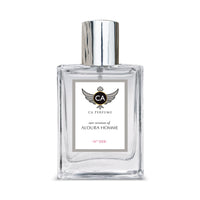
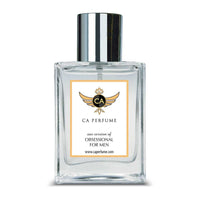
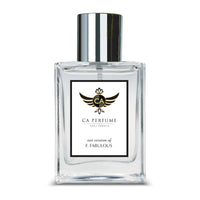
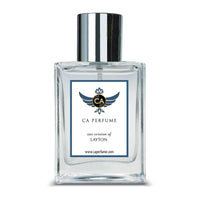
These Lavender-based fragrances have the highest product-level HumanSafe™ scores in this ingredient collection.

Lavender is one of the few materials in the perfumer’s palette that can pivot from the medicinal to the gourmand, from the barbershop to the cathedral, without losing its essential, botanical soul.
Lavender’s scent profile is shaped by linalool and linalyl acetate, with supporting terpenes creating its signature balance of herbal freshness, powdery softness, and subtle sweetness.
Lavender’s aromatic versatility allows it to complement a wide range of perfumery ingredients, from citrus and herbs to woods and gourmands.
Lavender’s complexity in perfumery raises many questions about its scent, use, and performance.
Lavender in perfume smells aromatic, floral, and slightly herbal, with powdery and camphoraceous undertones. The scent is shaped by linalool and linalyl acetate, which provide a clean, sweet, and subtly citrusy character, while camphor and other terpenes add green, medicinal facets. Depending on the variety and extraction, lavender can range from soft and honeyed (French lavender) to sharp and earthy (Spanish or lavandin types).
Lavender is most commonly used as a heart (middle) note in perfumery, due to its moderate volatility and ability to bridge fresh top notes with deeper base notes. Its molecular structure allows it to persist beyond the initial citrus opening, providing aromatic continuity and complexity throughout the fragrance’s evolution.
Lavender’s versatility, complexity, and historical significance make it a staple in niche perfumery. Its ability to shift between herbal, floral, and powdery facets allows perfumers to create unique, multidimensional compositions. Additionally, lavender’s molecular profile interacts dynamically with other notes, enabling innovative blends in both traditional and avant-garde fragrances.
Lavender fragrance uses often involve pairing with citrus (bergamot, lemon), woods (sandalwood, cedar), gourmands (vanilla, tonka bean), and herbs (rosemary, sage). These combinations leverage molecular affinities—such as shared terpenes or esters—to create harmonious, balanced accords. Classic fougère structures combine lavender with oakmoss and coumarin for a timeless effect.
Lavender’s fresh, aromatic profile makes it well-suited for summer and hot weather. Its volatility is enhanced by heat, resulting in brighter projection and a cooling, clean sensation. However, lighter concentrations or layering with citrus and aquatic notes are recommended to prevent overwhelming sillage in high temperatures.
Lavender-based fragrances generally last 4–8 hours, depending on concentration, skin type, and environmental conditions. Oil-based and higher-concentration formats (EDP, Parfum) extend longevity, while EDTs and colognes highlight lavender’s fresh, volatile aspects but fade more quickly.
Yes, lavender is highly compatible for layering due to its molecular structure. It blends well with citrus, woods, gourmands, and florals, allowing for custom scent profiles. For best results, layer with fragrances that share or complement lavender’s key molecules, such as linalool or coumarin.
Beginner-friendly lavender perfumes include Yves Saint Laurent Libre, Maison Margiela Coffee Break, and Chanel Jersey. These fragrances showcase lavender’s versatility in both classic and modern contexts, offering balanced, approachable interpretations suitable for daily wear.
Consider your preferred scent profile—herbal, floral, powdery, or gourmand—and desired concentration. CA Perfume offers a range of lavender-based fragrances, each transparently formulated and HumanSafe™ verified. Sampling different styles can help identify the ideal match for your skin chemistry and personal taste.
Lavender is inherently unisex in perfumery, used in both masculine fougères and feminine florals. Its aromatic, clean character transcends gender boundaries, making it a versatile note in contemporary and classic compositions alike.
Discover CA Perfume’s curated selection of lavender-based fragrances, spanning classic fougères, modern florals, and innovative blends for every preference.
Shop all lavender fragrances at CA Perfume →Lavender used in perfumery is primarily derived from Lavandula angustifolia (English or true lavender) and Lavandula intermedia (lavandin), both members of the Lamiaceae family. The majority of global lavender oil production is concentrated in the Mediterranean basin, with France (notably Provence) accounting for approximately 40% of world output (estimated 80–100 metric tons annually), followed by Bulgaria, Spain, and smaller producers in the UK, Australia, and the US. Lavandin, a hybrid of L. angustifolia and L. latifolia, is cultivated for its higher oil yield and camphor content, with global production exceeding 200 metric tons per year. The primary extraction method is steam distillation, performed at temperatures between 100–110°C for 30–90 minutes. This process targets the oil glands located on the calyx of the flower spikes, yielding an essential oil with a typical linalool content of 25–40% and linalyl acetate at 30–45%. Solvent extraction (using hexane or ethanol) is occasionally employed to produce lavender absolute, which captures heavier, less volatile components and results in a deeper, more resinous scent profile. Yields vary by species and extraction method: true lavender yields 1.2–1.5% oil by weight of fresh flowers, while lavandin can yield up to 2.5%. Natural lavender oil commands prices of $120–180/kg for L. angustifolia and $40–60/kg for lavandin, while synthetic substitutes (notably linalool and linalyl acetate, CAS 78-70-6 and 115-95-7) are available at $10–30/kg. Sustainability concerns focus on monoculture farming, pesticide use, and climate change impacts on yield and oil composition. Certified organic and wild-harvested lavender oils are increasingly sought after for their traceability and ecological footprint.
Lavender’s role in perfumery is showcased in a lineage of influential fragrances. In 1889, Houbigant’s Fougère Royale (Paul Parquet) established the fougère genre, using lavender as a bridge between citrus top notes and oakmoss base. Chanel Pour Monsieur (1955, Henri Robert) refined the aromatic fougère structure, with lavender as a crisp, clean heart. Yves Saint Laurent’s La Nuit de l’Homme (2009, Anne Flipo, Dominique Ropion, Pierre Wargnye) modernized the note by pairing lavender with cardamom and cedar, creating a sensual, contemporary masculine signature. Maison Martin Margiela Coffee Break (2019, Jacques Cavallier) employs lavender to evoke a creamy, aromatic warmth, while Yves Saint Laurent Libre (2019, Anne Flipo, Carlos Benaïm) reimagines lavender in a genderless floral context, blending it with orange blossom and vanilla. These compositions illustrate lavender’s versatility as both a dominant and supporting note, bridging aromatic, floral, and gourmand accords. CA Perfume’s collection draws inspiration from this diverse heritage, offering both classic and modern interpretations.
Natural lavender oil is a complex mixture of over 100 compounds, with linalool (CAS 78-70-6), linalyl acetate (CAS 115-95-7), and camphor (CAS 76-22-2) as principal aroma molecules. Synthetic lavender notes are typically constructed from isolated or synthesized linalool and linalyl acetate, sometimes supplemented by additional terpenes (e.g., terpineol, CAS 8000-41-7) and esters to mimic the full olfactory spectrum of natural oil. Performance-wise, synthetic lavender offers greater batch-to-batch consistency, enhanced stability, and extended longevity (8–12 hours vs. 4–6 hours for naturals), but often lacks the subtle, evolving complexity of natural extracts. Cost is a significant differentiator: synthetics can be produced for $10–30/kg, while high-quality natural lavender oil ranges from $120–180/kg. Notable fragrances using natural lavender include Chanel Jersey (2011, Jacques Polge) and Guerlain Frenchy Lavande (2021, Delphine Jelk), while many mainstream fougères and modern masculines rely on synthetics for scalability and allergen control. From a sustainability perspective, synthetic lavender reduces pressure on agricultural land and water resources, but may involve petrochemical feedstocks. The HumanSafe™ platform at CA Perfume ensures full transparency in sourcing, allergen disclosure, and IFRA compliance, whether natural or synthetic lavender is used. This approach supports both environmental stewardship and consumer safety.