Ingredient Guide · Woody Musky
Woody Musky Family · Perfumery Note

Cashmere Wood

A modern synthetic note with plush, skin-like softness.

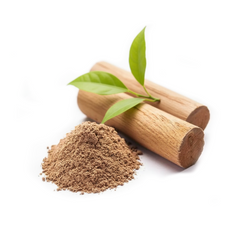
Cashmere wood is a synthetic middle-to-base note in perfumery, prized for its musky, woody, and subtly spicy character. Its defining quality comes from the molecule cashmeran, used at concentrations up to 2% for a tactile, cocooning effect.

Cashmere Wood
Ingredient Profile

Cashmere Wood

Woody Musky Family
Family Woody Musky
Note Position Heart Note
Usage Level <2%
Key Origins United States, Germany, Switzerland
Iconic In Encre Noire, This is Her!
The Ingredient

What does Cashmere Wood smell like and why is it so significant in modern perfumery?

Cashmere wood, also known as cashmeran (chemical name: 1,1,2,3,3-pentamethyl-1,3,5-cyclohexanetrione, CAS 33704-61-9), is a synthetic aroma chemical developed by IFF in 1968. Its scent profile is multifaceted: warm, musky, woody, and subtly spicy, with creamy, powdery nuances. The molecule’s structure allows it to evoke the tactile sensation of cashmere fabric—soft, slightly salty, and reminiscent of sun-warmed skin. The scent also carries hints of dried fruit, coniferous wood, and a mineral, almost paper-like undertone. This complexity is due to its polycyclic structure, which bridges musky and woody odorants, and its volatility is moderate, making it suitable for both heart and base note roles. In perfumery, cashmere wood is typically classified as a middle-to-base note. It is valued for its ability to provide warmth, texture, and a plush, skin-like quality to compositions. Usage concentrations rarely exceed 2% due to its potency and cost, but even at 0.5–1%, it imparts a lasting, enveloping character. Cashmere wood interacts with skin chemistry by amplifying musky and mineral facets on warmer, more alkaline skin, while remaining creamy and soft on cooler, acidic skin. Its molecular weight and moderate volatility mean it lingers on skin, providing a cocooning effect that enhances longevity and sillage. Notable fragrances that exemplify cashmere wood in perfumery include Lalique Encre Noire (2006, perfumer Nathalie Lorson), where it forms the mineral, woody backbone, and Mugler Alien Goddess Intense (2022), where it provides a creamy, solar base. In Phlur Vanilla Skin (2023), cashmere wood is used as a heart note to create a velvety, musky-amber effect. These examples highlight its versatility across woody, floral, and gourmand genres, cementing its status as a defining note in contemporary fragrance design.

<2%
Typical maximum concentration of cashmeran in fine fragrance formulas. Higher levels can overpower a composition and increase sensitization risk.
6–8 Hours
Average longevity of cashmere wood as a base note, due to its moderate volatility and strong skin adhesion. Sillage is persistent but intimate.
$90–150/kg
Approximate cost of cashmeran (cashmere wood) per kilogram, reflecting its synthetic origin and moderate production complexity.
Origin & Extraction

Where Cashmere Wood Comes From — Origin & Extraction

Cashmere wood is a synthetic ingredient, so its scent character is shaped by manufacturing conditions, not geography. However, the regional expertise of major aroma chemical producers—especially in the US, Germany, and Switzerland—ensures consistent quality and purity.

Cashmere wood is not derived from any botanical or natural wood source; it is a fully synthetic aroma chemical known as cashmeran. First synthesized in 1968 by John Hall at International Flavors & Fragrances (IFF), cashmeran (CAS 33704-61-9) belongs to the polycyclic musk family, though its scent bridges woody and musky domains. The molecule is produced via multi-step organic synthesis, starting from tetramethylcyclohexanone derivatives, through condensation and cyclization reactions under controlled temperatures (typically 80–120°C) and using acid or base catalysis. The resulting crystalline solid melts at 27°C and is highly hydrophobic, making it persistent on skin and fabric. Production of cashmeran is concentrated in major aroma chemical manufacturing hubs, notably IFF (USA, Netherlands), Symrise (Germany), and Givaudan (Switzerland). Global output is estimated at several hundred metric tons annually, with the majority used in fine fragrance and some in functional perfumery. The cost of cashmeran is approximately $90–150 per kilogram, significantly less than rare natural musks or sandalwood oil, but more expensive than common synthetic musks like galaxolide. No natural counterpart exists, and the note “cashmere wood” is a marketing term referencing the tactile and olfactory qualities of the molecule. Sustainability considerations favor cashmeran over natural woody musks, as its synthesis does not require harvesting endangered plant species or animal-derived materials. The supply chain is stable, with raw materials sourced from petrochemical feedstocks. Environmental impact is minimized through closed-loop manufacturing and strict effluent controls. Cashmeran is biodegradable under aerobic conditions and is not considered bioaccumulative or persistent in the environment, according to current regulatory assessments.

US

United States

IFF’s New Jersey and Texas facilities are leading producers of cashmeran. US manufacturing emphasizes closed-loop synthesis and strict quality controls, ensuring high-purity material for global perfumery. The US accounts for a significant share of global cashmeran output.

DE

Germany

Symrise’s Holzminden plant specializes in high-volume aroma chemical synthesis, including cashmeran. German production is noted for environmental compliance and advanced purification, supplying much of Europe’s fine fragrance industry.

CH

Switzerland

Givaudan’s Vernier site is a key hub for specialty aroma molecules. Swiss manufacturing is known for batch consistency and innovation in musky-woody synthetics, contributing to the global supply of high-grade cashmeran.

Chemistry

Natural vs Synthetic Cashmere Wood in Perfumery

Cashmere wood is inherently synthetic, with no direct natural analog. The primary molecule, cashmeran (CAS 33704-61-9), is supported in compositions by related aroma chemicals such as galaxolide (CAS 1222-05-5), muscenone (CAS 116-66-5), and ambroxan (CAS 6790-58-5) to enhance musky, woody, and amber facets. Compared to natural woods like sandalwood or cedar, cashmeran offers superior consistency, stability, and performance—its moderate molecular weight (m/z 206) allows for long-lasting diffusion and a persistent, skin-like drydown. Cost-wise, cashmeran is more affordable than natural sandalwood oil ($1,500–2,500/kg) but pricier than basic synthetic musks ($30–60/kg). Its use in iconic fragrances such as Lalique Encre Noire (2006) and Mugler Alien Goddess Intense (2022) demonstrates its versatility and reliability. Natural woody notes can vary by harvest and region, but cashmeran delivers a uniform scent profile across batches, supporting large-scale production and global distribution. From a sustainability perspective, synthetic cashmere wood reduces pressure on natural resources and avoids the ecological impact of overharvesting rare woods. The HumanSafe™ platform at CA Perfume ensures full transparency regarding the sourcing, purity, and safety of cashmeran and related aroma chemicals. IFRA guidelines currently allow cashmeran at concentrations up to 4% in fine fragrance, with no major allergenic restrictions. The supply chain is robust, and the ingredient’s biodegradability further supports its environmental profile.

Natural
Cashmere Wood Absolute
Cost $3,000–6,000/kg
Method Solvent / CO₂
Character Complex, variable
vs
Synthetic
Safranal & Analogues
Cost $50–200/kg
Method Lab synthesis
Character Consistent, stable
Hall of Fame

Famous Fragrances That Define Cashmere Wood in Perfumery

2006
dominant note

Encre Noire

Lalique
by Nathalie Lorson
vetivercypressmusk
2016
bridge note

This is Her!

Zadig & Voltaire
by Michel Almairac, Sidonie Lancesseur
chestnutvanillasandalwood
2022
base note

Alien Goddess Intense

Mugler
by Dominique Ropion, Nathalie Lorson, Marie Salamagne
jasmineambersolar notes
2023
heart note

Vanilla Skin

Phlur
vanillamuskamber
2016
supporting note

Fresh Cream Warm Cashmere

Philosophy
whipped creamvanilla beanamber

Cashmere wood (cashmeran) has become a signature note in modern perfumery, shaping the tactile, musky-woody backbone of numerous landmark fragrances. Lalique Encre Noire (2006, Nathalie Lorson) is widely recognized for its mineral, inky woodiness, where cashmeran anchors vetiver and cypress, creating a persistent, skin-like warmth. Zadig & Voltaire This is Her! (2016, Michel Almairac and Sidonie Lancesseur) uses cashmere wood as a creamy bridge between chestnut, vanilla, and sandalwood, giving the scent its plush, enveloping character. Mugler Alien Goddess Intense (2022, Dominique Ropion, Nathalie Lorson, and Marie Salamagne) employs cashmere wood in the base to amplify solar, amber, and jasmine notes, resulting in a radiant, long-lasting drydown. Phlur Vanilla Skin (2023) features cashmere wood as a heart note, blending it with vanilla and musks for a velvety, second-skin effect. Philosophy Fresh Cream Warm Cashmere (2016) showcases the ingredient’s ability to create a soft, gourmand-woody finish, pairing it with whipped cream and vanilla bean. Earlier examples include Paco Rabanne Sport (1986) and Cacharel Lou Lou (1987), both of which introduced cashmeran’s musky-woody complexity to broader audiences. These fragrances demonstrate cashmere wood’s adaptability across woody, floral, gourmand, and amber genres. CA Perfume’s collection draws inspiration from this lineage, offering cashmere wood compositions that highlight its plush, tactile, and contemporary appeal.

The Accord

How is a captivating Cashmere Wood accord crafted?

A cashmere wood accord balances musky, woody, and creamy facets. Typical proportions: Cashmere Wood (cashmeran) 30–35%, Sandalwood 25–30%, Ambroxan 20–25%, and Vanilla 15–20%. Cashmere wood provides the plush, mineral backbone; sandalwood adds lactonic creaminess; ambroxan enhances diffusion and amber warmth; vanilla rounds out the accord with sweetness and softens the musky edge. Together, these ingredients create a tactile, second-skin effect.

35%

Cashmere Wood (Cashmeran)

30–35% of blend

Provides the musky, woody, and mineral core. Its polycyclic structure bridges musky and woody odorants, creating a plush, tactile sensation.

30%

Sandalwood

25–30% of blend

Adds lactonic, creamy facets. Santalol molecules enhance the smoothness and longevity, complementing cashmeran’s musky warmth.

25%

Ambroxan

20–25% of blend

Boosts diffusion and imparts a radiant, ambergris-like glow. Ambroxan’s high molecular weight stabilizes the accord and extends projection.

20%

Vanilla

15–20% of blend

Vanillin softens the musky and woody edges, providing sweetness and rounding out the tactile, skin-like effect of the accord.

The Olfactory Layers

How Cashmere Wood Evolves on Skin

Cashmere wood’s olfactory evolution is gradual, with moderate volatility. Top notes fade within 15 minutes, revealing the musky-woody heart anchored by cashmeran’s persistent molecular structure. The base lingers for hours, dominated by creamy, mineral, and amber nuances.

I
Top notes
0–15 min
Mineral Airiness

Initial impressions are subtle, with faint mineral and slightly spicy facets from cashmeran’s higher-volatility isomers. These quickly give way to the heart as the molecule’s heavier components persist.

mineralspicyairy
II
Heart notes
20–60 min
Plush Musky Warmth

The core phase is dominated by plush, musky-woody warmth. Cashmeran’s polycyclic structure interacts with skin lipids, amplifying creamy, powdery, and slightly salty effects. This stage defines the tactile, skin-like signature.

muskywoodycreamy
III
Base notes
Several hours
Creamy Amber Drydown

The drydown is persistent, with cashmeran’s low volatility ensuring a long-lasting, cocooning effect. Amber, vanilla, and sandalwood molecules blend with cashmeran, producing a soft, enveloping finish that remains detectable for 6–8 hours.

amberpowderywarm
TOP NOTES Mineral Airiness 0–15 minutes HEART NOTES Plush Musky Warmth 20–60 minutes BASE NOTES Creamy Amber Drydown Several hours
Through the Ages

The Story of Cashmere Wood in Perfumery

Cashmere wood’s history in perfumery spans from its 1968 synthesis to its current role as a staple in contemporary fragrance design. Its adoption reflects shifts in aroma chemistry and the demand for tactile, skin-like scent experiences.
1968

Synthesis of Cashmeran by IFF

John Hall at International Flavors & Fragrances synthesizes cashmeran, introducing a new polycyclic musk with a unique musky-woody scent profile. This innovation marks the beginning of cashmere wood’s use in perfumery.

1986

First Major Use: Sport de Paco Rabanne

Cashmeran appears in Sport de Paco Rabanne, one of the earliest fragrances to showcase its musky-woody complexity. Its success paves the way for broader adoption in both masculine and unisex compositions.

2006

Lalique Encre Noire Launch

Nathalie Lorson’s Encre Noire for Lalique uses cashmere wood as a dominant note, establishing its reputation for mineral, inky, and skin-like warmth in modern perfumery.

2016

Expansion in Niche and Designer Fragrances

Cashmere wood becomes a staple in both niche and mainstream releases, including Zadig & Voltaire This is Her! and Philosophy Fresh Cream Warm Cashmere, reflecting the trend toward tactile, second-skin scents.

2022–2026

Contemporary Icon: Mugler Alien Goddess Intense

Cashmere wood is featured in Mugler Alien Goddess Intense, where it amplifies solar and amber notes, demonstrating its adaptability and enduring appeal in current fragrance design.

The Art of Layering

How to Layer Cashmere Wood

Understanding how to layer cashmere wood is key to crafting a multidimensional scent. Its molecular compatibility with musks, ambers, and creamy woods allows for seamless blending and olfactory masking, producing a tactile, second-skin effect.

01

Enhance Sweetness

Layering cashmere wood with vanilla or tonka bean leverages vanillin’s olfactory masking of cashmeran’s mineral edge. This combination is demonstrated in Philosophy Fresh Cream Warm Cashmere, where the sweetness softens and rounds the musky-woody core.

02

Add Depth

Pairing cashmere wood with sandalwood or ambroxan creates a deeper, more persistent base. Ambroxan’s high molecular weight stabilizes the accord, while sandalwood’s santalol molecules enhance creaminess. Lalique Encre Noire exemplifies this synergy, with cashmeran anchoring vetiver and cypress.

03

Lighten the Glow

Combining cashmere wood with citrus or airy florals (e.g., bergamot, jasmine) introduces high-volatility top notes that brighten the plush, musky base. This approach is seen in Phlur Vanilla Skin, where citrus and jasmine lift the tactile, skin-like drydown.

Wear It Right

How to Wear Cashmere Wood Like a Pro

Seasonal Guide

Fall & Winter

Cooler temperatures slow the evaporation of cashmeran, allowing its creamy, musky warmth to linger for hours. Apply to pulse points and layer with amber or vanilla for a plush, cocooning effect that stands out in crisp air.

Spring

Moderate warmth enhances the mineral and powdery facets of cashmere wood. Pair with floral or citrus notes for a balanced, uplifting impression. Apply lightly to avoid overwhelming lighter spring scents.

Summer

Heat increases volatility, amplifying the salty, mineral, and slightly spicy aspects. Use sparingly on well-moisturized skin and consider layering with fresh or aquatic notes to maintain comfort and prevent cloying.

Year-Round Tip

Adjust application based on humidity and temperature. In dry climates, moisturize skin before applying to prolong longevity. In humid conditions, focus on lighter, airy blends to keep the scent balanced and pleasant.

Application Points

Strategic application of cashmere wood fragrances maximizes their tactile, cocooning effect and ensures even diffusion.

1

Neck

Pulse points on the neck generate gentle heat, enhancing the musky, woody diffusion of cashmeran. This area allows for a soft, enveloping sillage close to the skin.

2

Behind the Ears

Application here benefits from subtle warmth and natural movement, releasing the creamy, powdery facets of cashmere wood throughout the day.

3

Inner Wrists

Wrist application exposes the fragrance to body heat and air, highlighting the mineral and musky notes as the scent evolves with movement.

4

Hair

Spraying on hair provides a persistent, gentle release of cashmeran’s tactile, skin-like aroma, as the molecule adheres well to keratin and resists rapid evaporation.

Pro Tip

Layer with a neutral, unscented moisturizer before application to increase adhesion and longevity, especially in dry or cold weather.

Mood Architecture™

Top Cashmere Wood Fragrances by Mood Score

These Cashmere Wood-based fragrances scored highest on the MEI™ Mood Architecture Framework — measuring how a scent may influence your emotional state.

Highest MEI Score
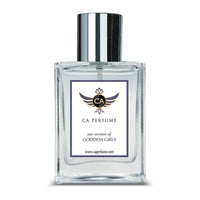
Goddess Girls — Good Girl Alternative Perfume
8.59
MEI™
Primary Romantic
Secondary Confident
Confidence
7.76
Presence
7.74
Mood Lift
9.5
Identity
8.17
Warmth
9.5
Social Ease
9.34
Energy
4.0
" I am beautiful.
View full mood profile →
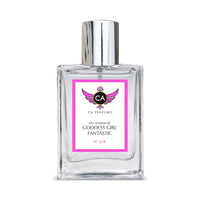
Goddess Girl Fantastic — Good Girl Fantastic Pink Alternative Perfume
8.51
MEI™
Primary Romantic
Secondary Confident
Confidence
7.42
Presence
7.52
Mood Lift
9.5
Identity
8.14
Warmth
9.5
Social Ease
9.41
Energy
4.7
" I am beautiful.
View full mood profile →
La Nuit Homme Electric — La Nuit De L'homme Eau Electrique Alternative Cologne
8.47
MEI™
Primary Romantic
Secondary Energizing
Confidence
7.29
Presence
7.18
Mood Lift
9.5
Identity
7.61
Warmth
9.5
Social Ease
9.5
Energy
6.0
" I am beautiful.
View full mood profile →
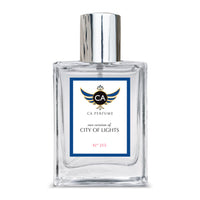
City Of Lights — Manhattan Alternative Perfume
8.17
MEI™
Primary Romantic
Secondary Confident
Confidence
7.48
Presence
8.12
Mood Lift
8.9
Identity
8.17
Warmth
9.5
Social Ease
7.97
Energy
4.0
" I am beautiful.
View full mood profile →
HumanSafe™

Top Cashmere Wood Fragrances by HumanSafe™ Score

These Cashmere Wood-based fragrances have the highest product-level HumanSafe™ scores in this ingredient collection.

Highest HumanSafe™ Score
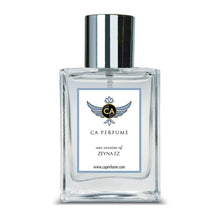
Zeyna Ez — Zegna Z Alternative Cologne
A-
HumanSafe™ Score Generally Safe
Safest Evaluated Ingredients EDP
AQUA Solvent / Carrier ISS 10.0
1,4-DIOXACYCLOHEPTADECANE-5,17-DIONE Evaluated ingredient ISS 10.0
7-OCTEN-2-OL, 2,6-DIMETHYL- Evaluated ingredient ISS 9.0
1H-3A,7-METHANOAZULENE, OCTAHYDRO-6-METHOXY-3,6,8,8- Evaluated ingredient ISS 9.0
3-BUTEN-2-ONE, 3-METHYL-4-(2,6,6-TRIMETHYL-2- Evaluated ingredient ISS 8.0
LINALYL ACETATE Evaluated ingredient ISS 7.0
View full safety profile →
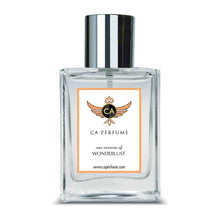
Wonderlust — Michael Kors Wonderlust Alternative Perfume
A-
HumanSafe™ Score Generally Safe
Safest Evaluated Ingredients EDP
AQUA Solvent / Carrier ISS 10.0
BENZYL SALICYLATE Evaluated ingredient ISS 9.0
3-CYCLOPENTENE-1-ACETALDEHYDE, 2,2,3-TRIMETHYL-, Evaluated ingredient ISS 9.0
LINALYL ACETATE Evaluated ingredient ISS 7.0
CITRONELLOL Evaluated ingredient ISS 7.0
View full safety profile →
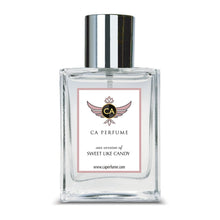
Sweet Like Candy — Ariana Grande Sweet Like Candy Alternative Perfume
A-
HumanSafe™ Score Generally Safe
Safest Evaluated Ingredients EDP
AQUA Solvent / Carrier ISS 10.0
2-(1-(3',3'-DIMETHYL-1'-CYCLOHEXYL)ETHOXY)-2-METHYL PROPYL Evaluated ingredient ISS 10.0
1,4-DIOXACYCLOHEPTADECANE-5,17-DIONE Evaluated ingredient ISS 10.0
BENZYL SALICYLATE EYE IRRITATION - CAT. 2B [H320] Evaluated ingredient ISS 9.0
3-CYCLOPENTENE-1-BUTANOL, .ALPHA.,.BETA.,2,2,3- Evaluated ingredient ISS 8.0
LINALYL ACETATE Evaluated ingredient ISS 7.0
View full safety profile →
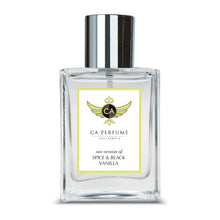
Spice & Black Vanilla Cologne
#4
Spice & Black Vanilla Cologne
Starting from $14.99
A-
HumanSafe™ Score Generally Safe
Safest Evaluated Ingredients EDP
AQUA Solvent / Carrier ISS 10.0
4H-INDEN-4-ONE, 1,2,3,5,6,7-HEXAHYDRO-1,1,2,3,3- Evaluated ingredient ISS 9.0
2-OXABICYCLO[2.2.2]OCTANE, 1,3,3-TRIMETHYL- EYE IRRITATION - CAT. 2B [H320] Evaluated ingredient ISS 9.0
1H-3A,7-METHANOAZULENE, OCTAHYDRO-6-METHOXY-3,6,8,8- Evaluated ingredient ISS 9.0
CITRAL Evaluated ingredient ISS 8.0
2H-1-BENZOPYRAN-6-OL, 3,4-DIHYDRO-2,5,7,8-TETRAMETHYL- Evaluated ingredient ISS 8.0
View full safety profile →
Expert Voices

What Masters Say About Cashmere Wood

Cashmeran was synthesized for the first time in 1968 by John Hall of IFF. Its smell is complex and multifaceted, with pronounced musk and woody nuances, a rich spicy component, and a balmy vanillic aspect.
Fragrantica Editorial
Cashmere wood’s tactile, skin-like effect is due to its polycyclic structure, which bridges musky and woody odorants, creating a plush, cocooning signature.
CA Perfume Editorial
Common Questions

Frequently Asked Questions

Answers to common questions about cashmere wood’s scent, usage, and performance in perfumery.

Cashmere wood in perfume is defined by its warm, musky, and woody scent profile, with creamy, powdery, and mineral undertones. The molecule cashmeran imparts a tactile, skin-like softness, subtle spiciness, and a slightly salty, sun-warmed effect. It is often described as plush and cocooning, with hints of dried fruit, vanilla, and coniferous wood. This complexity allows cashmere wood to serve as both a heart and base note in modern fragrances.

Cashmere wood is typically used as a middle-to-base note in fragrance compositions. Its moderate volatility and strong skin adhesion allow it to persist for 6–8 hours, providing a plush, musky-woody foundation. While it can appear in the heart of a fragrance, its primary role is to anchor the drydown and enhance longevity.

Cashmere wood’s versatility, tactile softness, and ability to blend musky, woody, and creamy facets make it a favorite in niche perfumery. It enables perfumers to create second-skin, intimate scents that feel both modern and comforting. Its synthetic origin ensures consistency and sustainability, supporting the growing demand for innovative, skin-like fragrances.

Cashmere wood fragrance uses include pairing with sandalwood, vanilla, amber, musk, and floral notes like jasmine. These combinations leverage molecular compatibility—santalol, vanillin, and ambroxan molecules blend seamlessly with cashmeran, enhancing creaminess, sweetness, or radiance, as seen in fragrances like Philosophy Fresh Cream Warm Cashmere and Lalique Encre Noire.

Cashmere wood can be worn in summer, but its plush, musky warmth is best balanced with lighter, airy notes in hot weather. High temperatures increase volatility, amplifying mineral and salty facets. For summer use, apply sparingly and consider layering with citrus or aquatic notes to maintain freshness and prevent the scent from becoming too dense.

On average, cashmere wood fragrances last 6–8 hours on skin, thanks to the molecule’s moderate volatility and hydrophobic nature. Its persistence is further enhanced when layered with other base notes like sandalwood or amber. Sillage is intimate but long-lasting, making it ideal for close-to-skin scents.

Yes, cashmere wood is highly compatible with a range of notes, especially musks, ambers, and creamy woods. Layering cashmere wood with vanilla or citrus can soften or brighten its musky-woody core. This technique is used in many modern fragrances to create multidimensional, personalized scent experiences.

Recommended entry points include Philosophy Fresh Cream Warm Cashmere, Phlur Vanilla Skin, and Zadig & Voltaire This is Her! These fragrances showcase cashmere wood’s plush, musky-woody character in approachable, well-balanced compositions suitable for daily wear.

Explore CA Perfume’s collection by considering your preferred scent profile—whether you favor creamy, musky, or woody blends. Look for fragrances that highlight cashmere wood in the heart or base, and sample different pairings (e.g., with vanilla, sandalwood, or amber) to find the most appealing tactile effect for your skin chemistry.

Cashmere wood’s scent is primarily musky and woody, with creamy, powdery, and mineral undertones. While it can have subtle spicy and dried fruit facets, especially at higher concentrations, it is not overtly sweet. When paired with vanilla or tonka bean, the sweetness becomes more pronounced, but the core remains plush, soft, and skin-like.

Woody Musky Collection

Explore Our Top Cashmere Wood Fragrances

Discover CA Perfume’s curated selection of plush, musky-woody scents featuring cashmere wood. Each fragrance highlights the note’s tactile, skin-like appeal.

Shop all cashmere wood fragrances at CA Perfume →

Where Cashmere Wood Comes From — Origin & Extraction

Cashmere wood is not derived from any botanical or natural wood source; it is a fully synthetic aroma chemical known as cashmeran. First synthesized in 1968 by John Hall at International Flavors & Fragrances (IFF), cashmeran (CAS 33704-61-9) belongs to the polycyclic musk family, though its scent bridges woody and musky domains. The molecule is produced via multi-step organic synthesis, starting from tetramethylcyclohexanone derivatives, through condensation and cyclization reactions under controlled temperatures (typically 80–120°C) and using acid or base catalysis. The resulting crystalline solid melts at 27°C and is highly hydrophobic, making it persistent on skin and fabric. Production of cashmeran is concentrated in major aroma chemical manufacturing hubs, notably IFF (USA, Netherlands), Symrise (Germany), and Givaudan (Switzerland). Global output is estimated at several hundred metric tons annually, with the majority used in fine fragrance and some in functional perfumery. The cost of cashmeran is approximately $90–150 per kilogram, significantly less than rare natural musks or sandalwood oil, but more expensive than common synthetic musks like galaxolide. No natural counterpart exists, and the note “cashmere wood” is a marketing term referencing the tactile and olfactory qualities of the molecule. Sustainability considerations favor cashmeran over natural woody musks, as its synthesis does not require harvesting endangered plant species or animal-derived materials. The supply chain is stable, with raw materials sourced from petrochemical feedstocks. Environmental impact is minimized through closed-loop manufacturing and strict effluent controls. Cashmeran is biodegradable under aerobic conditions and is not considered bioaccumulative or persistent in the environment, according to current regulatory assessments.

Famous Fragrances That Define Cashmere Wood in Perfumery

Cashmere wood (cashmeran) has become a signature note in modern perfumery, shaping the tactile, musky-woody backbone of numerous landmark fragrances. Lalique Encre Noire (2006, Nathalie Lorson) is widely recognized for its mineral, inky woodiness, where cashmeran anchors vetiver and cypress, creating a persistent, skin-like warmth. Zadig & Voltaire This is Her! (2016, Michel Almairac and Sidonie Lancesseur) uses cashmere wood as a creamy bridge between chestnut, vanilla, and sandalwood, giving the scent its plush, enveloping character. Mugler Alien Goddess Intense (2022, Dominique Ropion, Nathalie Lorson, and Marie Salamagne) employs cashmere wood in the base to amplify solar, amber, and jasmine notes, resulting in a radiant, long-lasting drydown. Phlur Vanilla Skin (2023) features cashmere wood as a heart note, blending it with vanilla and musks for a velvety, second-skin effect. Philosophy Fresh Cream Warm Cashmere (2016) showcases the ingredient’s ability to create a soft, gourmand-woody finish, pairing it with whipped cream and vanilla bean. Earlier examples include Paco Rabanne Sport (1986) and Cacharel Lou Lou (1987), both of which introduced cashmeran’s musky-woody complexity to broader audiences. These fragrances demonstrate cashmere wood’s adaptability across woody, floral, gourmand, and amber genres. CA Perfume’s collection draws inspiration from this lineage, offering cashmere wood compositions that highlight its plush, tactile, and contemporary appeal.

Natural vs Synthetic Cashmere Wood in Perfumery

Cashmere wood is inherently synthetic, with no direct natural analog. The primary molecule, cashmeran (CAS 33704-61-9), is supported in compositions by related aroma chemicals such as galaxolide (CAS 1222-05-5), muscenone (CAS 116-66-5), and ambroxan (CAS 6790-58-5) to enhance musky, woody, and amber facets. Compared to natural woods like sandalwood or cedar, cashmeran offers superior consistency, stability, and performance—its moderate molecular weight (m/z 206) allows for long-lasting diffusion and a persistent, skin-like drydown. Cost-wise, cashmeran is more affordable than natural sandalwood oil ($1,500–2,500/kg) but pricier than basic synthetic musks ($30–60/kg). Its use in iconic fragrances such as Lalique Encre Noire (2006) and Mugler Alien Goddess Intense (2022) demonstrates its versatility and reliability. Natural woody notes can vary by harvest and region, but cashmeran delivers a uniform scent profile across batches, supporting large-scale production and global distribution. From a sustainability perspective, synthetic cashmere wood reduces pressure on natural resources and avoids the ecological impact of overharvesting rare woods. The HumanSafe™ platform at CA Perfume ensures full transparency regarding the sourcing, purity, and safety of cashmeran and related aroma chemicals. IFRA guidelines currently allow cashmeran at concentrations up to 4% in fine fragrance, with no major allergenic restrictions. The supply chain is robust, and the ingredient’s biodegradability further supports its environmental profile.