Where Whipped Cream Comes From — Origin & Extraction
Whipped cream as a perfumery note is a fantasy accord, not a direct natural extract. It is constructed from a blend of synthetic and natural aroma molecules that mimic the olfactory qualities of real whipped cream. The key molecules—vanillin (C8H8O3, CAS 121-33-5), ethyl vanillin (C9H10O3, CAS 121-32-4), gamma- and delta-decalactone (CAS 706-14-9, 705-86-2), and milk lactone—are synthesized in laboratories using petrochemical or biotechnological processes. These compounds are blended with minor components such as heliotropin (piperonal, CAS 120-57-0), coumarin, and musks to recreate the creamy, airy, and sweet facets of whipped cream.
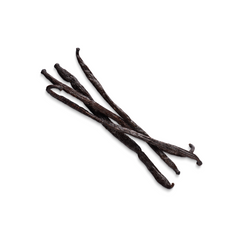
The primary producers of these aroma chemicals are multinational fragrance houses based in Switzerland, France, the United States, and Germany. Companies like Givaudan, Firmenich, IFF, and Symrise supply the bulk of the global market, with synthetic vanillin production exceeding 15,000 metric tons annually. Natural vanilla absolute, used in luxury compositions, is primarily sourced from Madagascar, which accounts for over 80% of global vanilla bean production. However, due to cost constraints—natural vanilla absolute can reach $4,000–6,000/kg—most whipped cream accords rely on synthetic vanillin ($15–25/kg) and ethyl vanillin ($25–40/kg) for their core character.
Extraction methods for natural vanilla include solvent extraction (using ethanol or hexane) and supercritical CO₂ extraction, both operating at temperatures below 60°C to preserve delicate vanillin and lactone molecules. For the synthetic components, chemical synthesis from lignin (a wood pulp byproduct) or guaiacol is standard. The overall yield and consistency of synthetic whipped cream accords are far superior to any attempt at direct extraction from dairy, which is not feasible due to the instability of milk fats and proteins. Sustainability considerations focus on minimizing petrochemical inputs, increasing use of bio-based feedstocks, and ensuring ethical sourcing of natural vanilla. The shift toward lab-created, allergen-free molecules also reduces environmental and social impacts compared to large-scale agricultural extraction.
Famous Fragrances That Define Whipped Cream in Perfumery
Whipped cream has become a defining note in contemporary gourmand perfumery, lending a plush, airy sweetness to both niche and mainstream fragrances. One of the earliest and most influential examples is Philosophy Fresh Cream (2013, perfumer Cecile Hua), which centers the whipped cream accord as a dominant, skin-close heart note, paired with vanilla and sugar for a pure, comforting effect. Ariana Grande Cloud (2018, perfumer Clement Gavarry) popularized the note in celebrity fragrance, blending whipped cream with coconut, praline, and musk to create a fluffy, cloud-like gourmand that resonates with a wide audience.
In Parfums de Marly Oriana (2021, Nathalie Lorson and Marie Salamagne), whipped cream is paired with marshmallow, orange blossom, and raspberry, forming a playful, creamy heart that bridges fruity top notes and a musky, vanilla-rich base. Amouage Love Tuberose (2018, Nathalie Lorson) features whipped cream as a supporting note, enhancing the lushness of tuberose and gardenia while adding a gourmand undertone. Phlur Heavy Cream (2024, Gil Clavien) explores the note in a modern context, combining marshmallow, coconut, and caramel with a pronounced whipped cream base for a confectionery, lactonic effect.
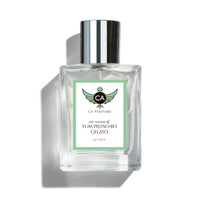
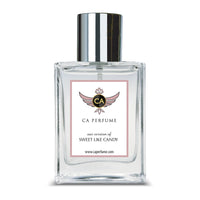
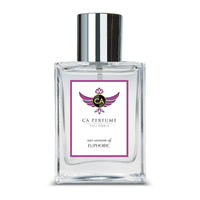
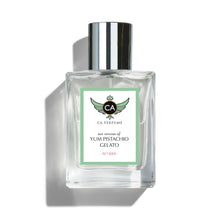
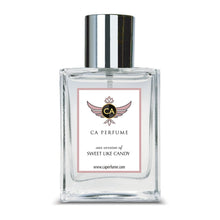
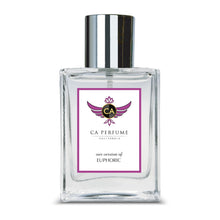
Other notable examples include Victoria’s Secret Eau So Sexy (2014), which uses whipped cream to soften bright apple and bergamot, and Jousset Parfums Strawberry & Whipped Cream (2026), where the note is paired with fresh strawberry for a photorealistic dessert impression. CA Perfume’s collection draws inspiration from these landmark fragrances, offering whipped cream accords that balance sweetness, airiness, and versatility for both layering and standalone wear.
Natural vs Synthetic Whipped Cream in Perfumery
Whipped cream as a perfumery note is almost exclusively synthetic, as direct extraction from dairy is chemically impractical. The core aroma molecules—vanillin (CAS 121-33-5), ethyl vanillin (CAS 121-32-4), and gamma-decalactone (CAS 706-14-9)—are synthesized for consistency, purity, and cost-effectiveness. Synthetic vanillin and ethyl vanillin are produced via guaiacol or lignin-based processes, with prices ranging from $15–40/kg, compared to $4,000–6,000/kg for natural vanilla absolute. Milk lactone (gamma-nonalactone, CAS 104-61-0) and heliotropin (piperonal, CAS 120-57-0) are also key synthetic contributors, providing creamy, powdery, and almond-like nuances.
Performance-wise, synthetic whipped cream accords offer superior stability, longevity, and olfactory precision. They are less prone to oxidation or batch variability than natural extracts, ensuring a consistent scent profile across large production runs. Famous fragrances such as Ariana Grande Cloud (2018) and Parfums de Marly Oriana (2021) rely on synthetic whipped cream accords for their signature creamy sweetness. Natural vanilla is sometimes included for depth in luxury compositions, but its use is limited by cost and supply volatility.
From a sustainability perspective, synthetic molecules reduce the environmental impact associated with large-scale vanilla or dairy farming. Modern fragrance houses increasingly use bio-based or green chemistry routes to produce vanillin and lactones, lowering carbon footprints. The HumanSafe™ platform provides transparency on ingredient sourcing, allergen content, and environmental impact, ensuring that whipped cream accords meet rigorous safety and sustainability standards. CA Perfume prioritizes HumanSafe™ verified aroma chemicals in all whipped cream-based fragrances.