Ingredient Guide · Aquatic
Aquatic Family · Perfumery Note

Water Notes

The transparent, ozonic signature of contemporary perfumery.

Water notes are a heart note in the aquatic fragrance family, prized for their crisp, clean, and ozonic character. Their defining quality comes from aroma molecules like Calone and Hedione, used at concentrations below 10% to impart a sense of fluid freshness.

Water Notes
Ingredient Profile

Water Notes

Aquatic Family
Family Aquatic
Note Position Heart Note
Usage Level <10%
Key Origins Japan, France, Australia
Iconic In Cool Water, L’Eau d’Issey
The Ingredient

What does Water Notes smell like and why are they essential in modern perfumery?

Water notes in perfumery are defined by their fresh, clean, and ozonic scent profile, achieved through the use of specific synthetic molecules such as Calone (CAS 28940-11-6), Hedione (methyl dihydrojasmonate), and occasionally natural extracts like lotus absolute. What does water notes smell like? The answer is a blend of crisp aquatic freshness, subtle mineral nuances, and a transparent, airy quality reminiscent of sea spray, rain, or mountain streams. These molecules are engineered to mimic the sensation of water—an inherently odorless substance—by evoking the cool, dewy, and slightly salty aspects of natural aquatic environments. The water notes scent profile is often described as luminous, effervescent, and pure, with a subtle green or melon-like undertone depending on the molecular blend. In perfumery, water notes are classified as heart notes, typically used at concentrations below 10%. They act as a bridge between volatile citrus top notes and more substantial woody or musky bases, enhancing vibrancy and clarity in a composition. Water notes in perfumery interact with skin chemistry by amplifying freshness and projection, especially on warmer or more humid skin. Their molecular volatility ensures a pronounced initial impact, followed by a gradual diffusion that maintains a sense of lightness throughout the fragrance's evolution. This makes them a staple in modern aquatic, sporty, and unisex fragrances, as well as in compositions seeking a contemporary, minimalist character. Notable examples of water notes in action include Issey Miyake L’Eau d’Issey (1992, Jacques Cavallier), which pioneered the aquatic genre with Calone as a central component, and Davidoff Cool Water (1988, Pierre Bourdon), where water notes are paired with green, floral, and fruity accords to evoke the sensation of oceanic freshness. More recent fragrances such as Parfums de Marly Sedley (2019) and D.S. & Durga Jazmín Yucatan (2021) continue to explore the versatility of water notes, demonstrating their enduring significance in contemporary perfumery.

<10%
Typical concentration of water notes in a fragrance composition. Higher levels can overwhelm other notes due to the potency of molecules like Calone.
4–6 Hours
Average longevity of fragrances with prominent water notes, reflecting the volatility of aquatic molecules and their rapid evaporation from the skin.
1.5% Max
IFRA-recommended maximum concentration for Calone in finished fragrances, ensuring safety and minimizing sensitization risk.
Origin & Extraction

Where Water Notes Comes From — Origin & Extraction

The geography of water notes is defined by the cultural and environmental associations of aquatic freshness. Regions like Japan, France, and Australia inspire the olfactory character of water notes, with local water bodies, climate, and flora shaping the nuances of aquatic compositions.

Water notes do not originate from a single botanical or mineral source; rather, they are constructed using both synthetic aroma chemicals and, less commonly, natural extracts. The most influential molecule, Calone (7-methyl-2H-1,5-benzodioxepin-3(4H)-one), was discovered by Pfizer chemists in 1951 and introduced to perfumery in the late 1980s. Calone is synthesized via a multi-step laboratory process involving aromatic ring formation and methylation, yielding a crystalline powder with a powerful marine, ozonic, and slightly melon-like scent. Other key molecules include Hedione (methyl dihydrojasmonate, CAS 24851-98-7), which imparts a transparent, dewy freshness, and Floralozone (CAS 67634-15-5), which adds an airy, atmospheric character. Natural aquatic nuances can be obtained from solvent extraction or CO₂ extraction of lotus (Nelumbo nucifera) and certain algae, but these materials are rarely used due to low yield and high cost—water notes absolute from lotus can cost $3,000–6,000/kg, while synthetic Calone is available at $50–200/kg. Primary production of synthetic water note molecules is concentrated in chemical manufacturing hubs in France (notably Grasse), Japan, and the United States, with leading suppliers including Firmenich, Givaudan, and IFF. Sustainability considerations favor synthetic production, as it reduces pressure on aquatic plant populations and allows for consistent quality and supply. The use of water notes in perfumery reflects a blend of technical innovation and olfactory artistry, with extraction and synthesis processes designed to maximize purity, stability, and environmental responsibility.

JP

Japan

Japanese water notes draw inspiration from clear rivers and serene lakes, particularly in regions such as Hokkaido and Honshu. The purity and clarity of local water sources inform the crystalline, minimalist style of Japanese aquatic fragrances. Japan's influence is reflected in the use of lotus and water lily, with an emphasis on subtlety and balance.

FR

France

France’s coastal regions, notably Brittany and the Côte d’Azur, are renowned for their marine breezes and mineral-rich waters. French aquatic fragrances often incorporate ozonic and salty nuances, with Grasse serving as a hub for the synthesis of key water note molecules. France accounts for a significant share of global aquatic fragrance production.

AU

Australia

Australia’s aquatic notes are inspired by the pristine beaches and natural water sources of New South Wales and Queensland. The region’s high sunlight, oceanic winds, and diverse flora contribute to a bright, vibrant aquatic character, often paired with citrus and green notes for added freshness.

Chemistry

Natural vs Synthetic Water Notes in Perfumery

The vast majority of water notes in perfumery are synthetic, as water itself is odorless and natural aquatic extracts are rare, costly, and variable. The primary synthetic molecules include Calone (CAS 28940-11-6), Hedione (CAS 24851-98-7), and Floralozone (CAS 67634-15-5). Calone delivers a powerful marine, ozonic, and slightly fruity effect, while Hedione imparts a soft, dewy transparency, and Floralozone enhances the sensation of fresh air and atmospheric lightness. Synthetic water notes offer superior performance in terms of longevity, diffusion, and batch-to-batch consistency, with costs typically ranging from $50–200/kg compared to $3,000–6,000/kg for rare natural absolutes like lotus. Famous fragrances such as Issey Miyake L’Eau d’Issey and Davidoff Cool Water rely on synthetic water notes for their signature aquatic effect. Natural aquatic materials, such as lotus absolute and algae extracts, are sometimes used in niche compositions for added complexity but are limited by low yield and high variability. From a sustainability perspective, synthetics are preferred, as they minimize environmental impact and allow for transparent supply chain management. The HumanSafe™ platform at CA Perfume ensures that all water note ingredients are fully traceable, IFRA-compliant, and free from persistent environmental toxins. This approach balances olfactory innovation with safety and ecological stewardship.

Natural
Water Notes Absolute
Cost $3,000–6,000/kg
Method Solvent / CO₂
Character Complex, variable
vs
Synthetic
Safranal & Analogues
Cost $50–200/kg
Method Lab synthesis
Character Consistent, stable
Hall of Fame

Famous Fragrances That Define Water Notes in Perfumery

1988
dominant note

Cool Water

Davidoff
by Pierre Bourdon
green notesmelonlotusmusk
1992
dominant note

L’Eau d’Issey

Issey Miyake
by Jacques Cavallier
lotusmeloncyclamenrose
1996
bridge note

L’Eau par Kenzo

Kenzo
by Olivier Cresp
water lilymintgreen notes
2019
accent

Sedley

Parfums de Marly
citrusaromatic herbsmusk
2021
supporting note

Jazmín Yucatan

D.S. & Durga
jungle jasminegreen resinfloral notes

The evolution of water notes in perfumery is closely tied to several landmark fragrances that have shaped the aquatic genre. Davidoff Cool Water (1988, Pierre Bourdon) is widely credited with popularizing synthetic water notes, using Calone to evoke the sensation of oceanic freshness, paired with green, fruity, and floral notes. Issey Miyake L’Eau d’Issey (1992, Jacques Cavallier) further advanced the genre, blending water notes with lotus, cyclamen, and melon to create a crystalline, transparent effect. Kenzo L’Eau par Kenzo (1996, Olivier Cresp) introduced a softer, more floral interpretation, using water lily and mint to enhance the aquatic accord. More recent examples include Parfums de Marly Sedley (2019), which combines water notes with citrus and aromatic herbs for a modern, unisex freshness, and D.S. & Durga Jazmín Yucatan (2021), where water notes are paired with jungle florals and green resins to evoke a humid, tropical atmosphere. These fragrances demonstrate the versatility of water notes as both dominant and supporting elements, often paired with citrus, green, and floral notes to amplify their refreshing character. CA Perfume’s aquatic collection draws inspiration from this lineage, offering contemporary interpretations that emphasize transparency, vibrancy, and technical precision.

The Accord

How is a captivating Water Notes accord crafted?

A water notes accord is constructed by balancing aquatic molecules (Calone, Hedione) with citrus, green, and floral notes. Typical proportions: Water Notes (Calone/Hedione) 25–30%, Citrus 25–30%, Green Notes 20–25%, Floral Notes 20–25%. Citrus enhances the crispness, green notes add a dewy, vegetal nuance, and florals provide buoyancy and lift. This molecular interplay creates a transparent, effervescent effect that defines the modern aquatic genre.

30%

Water Notes (Calone/Hedione)

25–30% of blend

Synthetic molecules like Calone and Hedione provide the core aquatic, ozonic, and dewy effect, mimicking the sensation of water and sea spray through their high volatility and airy molecular structure.

30%

Citrus

25–30% of blend

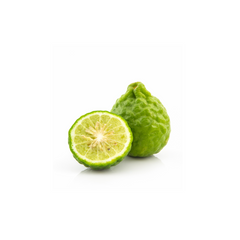
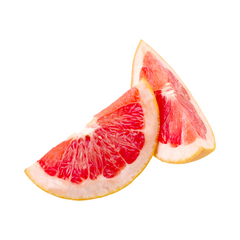
Citrus notes (bergamot, lemon, grapefruit) introduce high-volatility aldehydes and terpenes, amplifying the initial freshness and enhancing the sparkling, effervescent quality of the accord.

25%

Green Notes

20–25% of blend

Green notes (galbanum, violet leaf, mint) contribute hexenol and isoprene derivatives, adding a vegetal, dewy nuance that reinforces the naturalistic aspect of the water accord.

25%

Floral Notes

20–25% of blend

Floral notes (lotus, water lily, jasmine) introduce transparent, airy facets and subtle indoles, providing lift and buoyancy to the aquatic accord, ensuring a seamless transition from top to heart.

The Olfactory Layers

How Water Notes Evolves on Skin

The olfactory evolution of water notes is marked by a rapid, sparkling opening, a luminous heart, and a gentle, lingering base. High-volatility molecules like Calone and citrus aldehydes evaporate first, followed by transparent florals and soft musks that extend the aquatic impression.

I
Top notes
0–15 min
Effervescent Freshness

The initial impression is a burst of bright, effervescent freshness, driven by Calone, citrus aldehydes, and green hexenols. These high-volatility molecules evaporate quickly, creating a sparkling, dewy effect reminiscent of sea spray or morning dew.

SparklingCrispEffervescent
II
Heart notes
20–60 min
Luminous Clarity

As the top fades, transparent florals (lotus, water lily, jasmine) and Hedione emerge, imparting a buoyant, airy quality. The heart is defined by a seamless blend of aquatic and floral molecules, maintaining clarity and lift while softening the initial sharpness.

LuminousAiryBuoyant
III
Base notes
Several hours
Serene Depth

The dry down reveals gentle musks and subtle woody notes, providing a smooth, serene finish. Low-volatility molecules like ambrettolide and soft woods anchor the aquatic accord, leaving a quiet, persistent sense of calm and depth.

SereneSmoothQuiet
TOP NOTES Effervescent Freshness 0–15 minutes HEART NOTES Luminous Clarity 20–60 minutes BASE NOTES Serene Depth Several hours
Through the Ages

The Story of Water Notes in Perfumery

The history of water notes in perfumery spans from the discovery of synthetic aquatic molecules in the mid-20th century to their dominance in contemporary fragrance design.

1951

Discovery of Calone

Pfizer chemists synthesize Calone (7-methyl-2H-1,5-benzodioxepin-3(4H)-one) while searching for a watermelon flavorant. Its marine, ozonic scent is later recognized as a breakthrough for aquatic perfumery.

1988

Launch of Davidoff Cool Water

Pierre Bourdon introduces Cool Water, the first mainstream fragrance to use Calone as a dominant note, establishing the aquatic genre and influencing decades of fragrance design.

1992

Issey Miyake L’Eau d’Issey Debuts

Jacques Cavallier creates L’Eau d’Issey, blending water notes with lotus and melon for a crystalline, transparent effect. The fragrance becomes a global icon and solidifies the popularity of aquatic notes.

2000s

Expansion of Aquatic Molecules

New synthetic molecules such as Floralozone and Azurone are developed, expanding the palette of aquatic and ozonic effects available to perfumers.

2019–2021

Modern Interpretations

Fragrances like Parfums de Marly Sedley and D.S. & Durga Jazmín Yucatan showcase the versatility of water notes, pairing them with citrus, green, and floral elements for contemporary, unisex compositions.

The Art of Layering

How to Layer Water Notes

Understanding how to layer water notes is key to creating a personalized aquatic signature. Molecular compatibility with citrus, green, and floral notes enhances transparency and freshness.

01

Enhance Freshness

Layering water notes with citrus-dominant fragrances (e.g., bergamot, grapefruit) amplifies the sparkling, effervescent quality. Shared aldehydic and terpene molecules create a seamless transition, as seen in Parfums de Marly Sedley.

02

Add Depth

Pairing water notes with green or herbal accords (e.g., mint, violet leaf, galbanum) introduces hexenol and isoprene derivatives, adding complexity and a dewy, vegetal nuance. This technique is demonstrated in D.S. & Durga Jazmín Yucatan.

03

Soften the Edge

Combining water notes with soft florals (e.g., lotus, water lily, jasmine) introduces indoles and lactones, rounding out the aquatic sharpness and creating a luminous, airy heart. Issey Miyake L’Eau d’Issey exemplifies this approach.

Wear It Right

How to Wear Water Notes Like a Pro

Seasonal Guide

Fall & Winter

In cooler temperatures, water notes become more subdued and persistent, with less volatility. Apply to pulse points and layer with woody or musky fragrances to add depth and warmth, compensating for reduced projection.

Spring

Spring’s moderate humidity and mild warmth enhance the natural freshness of water notes. Pair with green or floral fragrances for a vibrant, uplifting effect that mirrors the season’s renewal.

Summer

High heat and humidity increase the volatility of water notes, amplifying their projection but shortening their longevity. Apply sparingly to avoid overwhelming freshness, and consider layering with citrus or light florals for a refreshing, cooling effect.

Year-Round Tip

For consistent performance, moisturize skin before application and avoid over-applying in hot weather. Water notes are versatile and can be adapted to any season by adjusting layering partners and application technique.

Application Points

Strategic application of water notes maximizes their freshness and longevity. Focus on areas with moderate heat and moisture for optimal diffusion.

1

Neck

Applying water notes to the neck leverages body heat to enhance volatility and projection, ensuring the aquatic freshness is immediately noticeable.

2

Behind the Ears

This area maintains a stable temperature and moderate moisture, allowing water notes to diffuse gradually and maintain a subtle, lingering presence.

3

Inner Wrists

The pulse points on the wrists provide warmth and movement, activating the high-volatility molecules in water notes for a sparkling, dynamic effect.

4

Hair

Spraying water notes lightly on hair allows for slow, sustained release as the hair moves, extending the aquatic impression throughout the day.

Pro Tip

Layer water notes over a neutral body lotion to enhance longevity and prevent rapid evaporation, especially in hot or dry climates.

Mood Architecture™

Top Water Notes Fragrances by Mood Score

These Water Notes-based fragrances scored highest on the MEI™ Mood Architecture Framework — measuring how a scent may influence your emotional state.

Highest MEI Score
Roses Vanile — Roses Vanille Alternative Perfume
7.83
MEI™
Primary Romantic
Secondary Confident
Confidence
6.85
Presence
6.81
Mood Lift
8.68
Identity
7.35
Warmth
8.93
Social Ease
8.72
Energy
3.7
" I am beautiful.
View full mood profile →
Legend Spirit — Mont Blanc Legend Spirit Alternative Cologne
7.23
MEI™
Primary Fresh
Secondary Energizing
Confidence
5.82
Presence
6.51
Mood Lift
9.05
Identity
5.51
Warmth
7.02
Social Ease
8.28
Energy
6.0
" I am radiant.
View full mood profile →
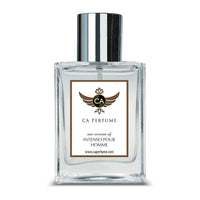
Intenso Pour Homme — Intenso Alternative Cologne
6.97
MEI™
Primary Romantic
Secondary Grounding
Confidence
6.51
Presence
6.89
Mood Lift
7.28
Identity
6.77
Warmth
8.06
Social Ease
6.75
Energy
5.6
" I am beautiful.
View full mood profile →
L'homme Cologne — L Cologne Alternative Cologne
6.91
MEI™
Primary Romantic
Secondary Confident
Confidence
6.47
Presence
6.55
Mood Lift
7.76
Identity
6.1
Warmth
7.78
Social Ease
6.56
Energy
4.9
" I am beautiful.
View full mood profile →
HumanSafe™

Top Water Notes Fragrances by HumanSafe™ Score

These Water Notes-based fragrances have the highest product-level HumanSafe™ scores in this ingredient collection.

Highest HumanSafe™ Score
Roses Vanile — Roses Vanille Alternative Perfume
A-
HumanSafe™ Score Generally Safe
Safest Evaluated Ingredients EDP
AQUA Solvent / Carrier ISS 10.0
BENZYL SALICYLATE Evaluated ingredient ISS 9.0
LINALYL ACETATE Evaluated ingredient ISS 7.0
LINALOOL Evaluated ingredient ISS 7.0
ALCOHOL DENAT. Solvent / Carrier ISS 7.0
View full safety profile →
Legend Spirit — Mont Blanc Legend Spirit Alternative Cologne
A-
HumanSafe™ Score Generally Safe
Safest Evaluated Ingredients EDP
AQUA Solvent / Carrier ISS 10.0
BENZYL SALICYLATE Evaluated ingredient ISS 9.0
7-OCTEN-2-OL, 2,6-DIMETHYL- Evaluated ingredient ISS 9.0
4H-INDEN-4-ONE, 1,2,3,5,6,7-HEXAHYDRO-1,1,2,3,3- Evaluated ingredient ISS 9.0
2H-1-BENZOPYRAN-2-ONE Evaluated ingredient ISS 8.0
View full safety profile →
L'homme Cologne — L Cologne Alternative Cologne
A-
HumanSafe™ Score Generally Safe
Safest Evaluated Ingredients EDP
AQUA Solvent / Carrier ISS 10.0
7-OCTEN-2-OL, 2,6-DIMETHYL- Evaluated ingredient ISS 9.0
2H-1-BENZOPYRAN-2-ONE Evaluated ingredient ISS 8.0
LINALYL ACETATE Evaluated ingredient ISS 7.0
ALPHA-CEDRENE Evaluated ingredient ISS 7.0
ALCOHOL DENAT. Solvent / Carrier ISS 7.0
View full safety profile →
Intenso Pour Homme — Intenso Alternative Cologne
A-
HumanSafe™ Score Generally Safe
Safest Evaluated Ingredients EDP
AQUA Solvent / Carrier ISS 10.0
1,4-DIOXACYCLOHEPTADECANE-5,17-DIONE Evaluated ingredient ISS 10.0
7-OCTEN-2-OL, 2,6-DIMETHYL- Evaluated ingredient ISS 9.0
3-CYCLOPENTENE-1-ACETALDEHYDE, 2,2,3-TRIMETHYL-, Evaluated ingredient ISS 9.0
2H-1-BENZOPYRAN-2-ONE Evaluated ingredient ISS 8.0
LINALYL ACETATE Evaluated ingredient ISS 7.0
View full safety profile →
Expert Voices

What Masters Say About Water Notes

Calone, one of the primary molecules utilized in water perfumes, is known for its ability to emulate the sea-like freshness. Its unique chemical structure successfully replicates the bracing sensation of ocean air, making it a crucial ingredient in creating water-inspired scents.
Urania London Editorial
Water notes in perfumery are engineered to evoke the sensation of clarity, purity, and transparent freshness, bridging the gap between citrus top notes and musky bases.
CA Perfume Editorial
Common Questions

Frequently Asked Questions

Frequently asked questions about water notes in perfumery.

Water notes in perfume smell crisp, ozonic, and clean, with subtle hints of sea spray, morning dew, and mineral freshness. The scent profile is achieved through molecules like Calone and Hedione, which create an airy, transparent effect. Depending on the composition, water notes may also evoke melon, cucumber, or subtle floral nuances. Notable examples include Issey Miyake L’Eau d’Issey and Davidoff Cool Water, both of which use water notes to deliver a modern, aquatic freshness.

Water notes are typically classified as heart (middle) notes in fragrance pyramids. They bridge the gap between volatile citrus top notes and more substantial base notes like musk and woods. Their molecular volatility ensures a pronounced initial impact, but their presence persists into the heart of the fragrance, providing sustained freshness and clarity.

Water notes are favored in niche perfumery for their ability to impart a sense of modernity, transparency, and minimalism. Their clean, ozonic character appeals to consumers seeking fresh, unisex, and contemporary scents. The versatility of water notes allows perfumers to experiment with layering, pairing them with citrus, green, floral, or woody notes to create innovative and distinctive compositions.

Water notes fragrance uses often involve pairing with citrus (bergamot, grapefruit), green notes (mint, violet leaf), florals (lotus, water lily, jasmine), and soft woods (sandalwood, cedar). These combinations enhance the aquatic freshness and provide balance, depth, and complexity to the composition.

Yes, water notes are especially well-suited to summer and hot weather due to their high volatility and refreshing character. They provide an immediate cooling effect and project well in humid conditions. However, their longevity may be reduced in extreme heat, so lighter application and layering with citrus or green notes is recommended for optimal performance.

Fragrances with prominent water notes typically last 4–6 hours on the skin. The high volatility of aquatic molecules like Calone means the initial freshness is pronounced but may fade more quickly than heavier base notes. Longevity can be extended by layering with musks or woody accords and applying to moisturized skin.

Yes, water notes are highly compatible with a range of fragrance families. They can be layered with citrus, green, floral, or woody scents to enhance freshness, add depth, or create a personalized signature. Molecular compatibility with aldehydes, terpenes, and indoles ensures seamless blending and harmonious evolution.

Recommended entry points for water notes include Davidoff Cool Water, Issey Miyake L’Eau d’Issey, and Kenzo L’Eau par Kenzo. These fragrances offer balanced aquatic freshness with approachable citrus, floral, and green elements, making them ideal for those new to the aquatic genre.

At CA Perfume, explore sample sets or discovery collections featuring water notes in combination with citrus, green, or floral accords. Consider your personal preference for freshness, projection, and complexity, and consult ingredient transparency data via the HumanSafe™ platform to ensure safety and sustainability.

Water notes are primarily perceived as clean, crisp, and ozonic rather than sweet. However, when paired with melon, cucumber, or certain florals, they may acquire a subtle, watery sweetness. The overall impression remains transparent and refreshing, with minimal gourmand or sugary facets.

Aquatic Collection

Explore Our Top Water Notes Fragrances

Discover CA Perfume’s curated selection of aquatic fragrances, each crafted to showcase the clarity, freshness, and technical precision of water notes.

Shop all water notes fragrances at CA Perfume →

Where Water Notes Comes From — Origin & Extraction

Water notes do not originate from a single botanical or mineral source; rather, they are constructed using both synthetic aroma chemicals and, less commonly, natural extracts. The most influential molecule, Calone (7-methyl-2H-1,5-benzodioxepin-3(4H)-one), was discovered by Pfizer chemists in 1951 and introduced to perfumery in the late 1980s. Calone is synthesized via a multi-step laboratory process involving aromatic ring formation and methylation, yielding a crystalline powder with a powerful marine, ozonic, and slightly melon-like scent. Other key molecules include Hedione (methyl dihydrojasmonate, CAS 24851-98-7), which imparts a transparent, dewy freshness, and Floralozone (CAS 67634-15-5), which adds an airy, atmospheric character. Natural aquatic nuances can be obtained from solvent extraction or CO₂ extraction of lotus (Nelumbo nucifera) and certain algae, but these materials are rarely used due to low yield and high cost—water notes absolute from lotus can cost $3,000–6,000/kg, while synthetic Calone is available at $50–200/kg. Primary production of synthetic water note molecules is concentrated in chemical manufacturing hubs in France (notably Grasse), Japan, and the United States, with leading suppliers including Firmenich, Givaudan, and IFF. Sustainability considerations favor synthetic production, as it reduces pressure on aquatic plant populations and allows for consistent quality and supply. The use of water notes in perfumery reflects a blend of technical innovation and olfactory artistry, with extraction and synthesis processes designed to maximize purity, stability, and environmental responsibility.

Famous Fragrances That Define Water Notes in Perfumery

The evolution of water notes in perfumery is closely tied to several landmark fragrances that have shaped the aquatic genre. Davidoff Cool Water (1988, Pierre Bourdon) is widely credited with popularizing synthetic water notes, using Calone to evoke the sensation of oceanic freshness, paired with green, fruity, and floral notes. Issey Miyake L’Eau d’Issey (1992, Jacques Cavallier) further advanced the genre, blending water notes with lotus, cyclamen, and melon to create a crystalline, transparent effect. Kenzo L’Eau par Kenzo (1996, Olivier Cresp) introduced a softer, more floral interpretation, using water lily and mint to enhance the aquatic accord. More recent examples include Parfums de Marly Sedley (2019), which combines water notes with citrus and aromatic herbs for a modern, unisex freshness, and D.S. & Durga Jazmín Yucatan (2021), where water notes are paired with jungle florals and green resins to evoke a humid, tropical atmosphere. These fragrances demonstrate the versatility of water notes as both dominant and supporting elements, often paired with citrus, green, and floral notes to amplify their refreshing character. CA Perfume’s aquatic collection draws inspiration from this lineage, offering contemporary interpretations that emphasize transparency, vibrancy, and technical precision.

Natural vs Synthetic Water Notes in Perfumery

The vast majority of water notes in perfumery are synthetic, as water itself is odorless and natural aquatic extracts are rare, costly, and variable. The primary synthetic molecules include Calone (CAS 28940-11-6), Hedione (CAS 24851-98-7), and Floralozone (CAS 67634-15-5). Calone delivers a powerful marine, ozonic, and slightly fruity effect, while Hedione imparts a soft, dewy transparency, and Floralozone enhances the sensation of fresh air and atmospheric lightness. Synthetic water notes offer superior performance in terms of longevity, diffusion, and batch-to-batch consistency, with costs typically ranging from $50–200/kg compared to $3,000–6,000/kg for rare natural absolutes like lotus. Famous fragrances such as Issey Miyake L’Eau d’Issey and Davidoff Cool Water rely on synthetic water notes for their signature aquatic effect. Natural aquatic materials, such as lotus absolute and algae extracts, are sometimes used in niche compositions for added complexity but are limited by low yield and high variability. From a sustainability perspective, synthetics are preferred, as they minimize environmental impact and allow for transparent supply chain management. The HumanSafe™ platform at CA Perfume ensures that all water note ingredients are fully traceable, IFRA-compliant, and free from persistent environmental toxins. This approach balances olfactory innovation with safety and ecological stewardship.