
Ingredient Guide · Floral Aquatic
Floral Aquatic Family · Perfumery Note

Water Lily

A serene aquatic floral, reimagined for contemporary perfumery.

Water lily is a fantasy floral note in perfumery, classified as a heart note with a fresh, dewy, and soft aquatic character. It is constructed using synthetic molecules such as hydroxycitronellal and calone, typically at 1–5% of the composition for a luminous, watery effect.

Water Lily
Ingredient Profile

Water Lily

Floral Aquatic Family
Family Floral Aquatic
Note Position Heart Note
Usage Level 1–5% of formula
Key Origins Switzerland, France, United States
Iconic In Cool Water Woman, Eden
The Ingredient

What does Water Lily smell like and why is it significant in perfumery?

Water lily (genus Nymphaea) in perfumery is not a direct botanical extract but a reconstructed note, designed to evoke the impression of the living flower. The scent profile is defined by a blend of soft, aqueous, and green-floral facets, primarily achieved through synthetic molecules such as hydroxycitronellal (CAS 107-75-5), calone (CAS 28940-11-6), and cyclamen aldehyde (CAS 103-95-7). These compounds impart a delicate, watery freshness, subtle sweetness, and a faintly green, almost cucumber-like nuance. The resulting aroma is less heady than white lilies or lotus, with a gentle, translucent floralcy and a clean, pastel quality. This makes the water lily scent profile highly sought after for its ability to convey purity, calm, and a sense of open space. In perfumery, water lily is classified as a heart note, typically used at concentrations of 1–5% within the total formula. Its molecular structure allows it to bridge the volatility of top notes and the persistence of base notes, making it ideal for imparting a lasting, airy floral impression. Water lily interacts with skin chemistry by maintaining its aquatic freshness, as the key molecules are relatively stable and resist rapid oxidation. However, the note’s transparency means it can be subtly altered by skin pH, sometimes leaning greener or more powdery depending on individual skin acidity. Notable fragrances that exemplify water lily in perfumery include Davidoff Cool Water Woman (1996, perfumer Pierre Bourdon), where it forms the core of the aquatic floral heart, and Versace Yellow Diamond (2011, perfumer Alberto Morillas), which uses water lily to add a crystalline, dewy effect to a citrus-floral bouquet. In both, water lily is paired with notes like melon, lotus, and soft woods to create a luminous, modern floral signature.

1–5% of formula
Typical concentration of water lily accord in modern fragrances, balancing transparency and presence without overpowering the composition.
5–8 hours
Average longevity of water lily fragrances in EDP format, due to the persistence of synthetic floral and musky molecules.
$30–400/kg
Cost range for key synthetic molecules (hydroxycitronellal, calone, cyclamen aldehyde) used to construct water lily accords.
Origin & Extraction

Where Water Lily Comes From — Origin & Extraction

Water lily species are native to temperate and tropical regions worldwide, but the perfumery note is synthesized in laboratories, not extracted from any specific locale. The aquatic, dewy character is inspired by the natural habitat—still ponds and slow-moving rivers—where mineral content, water purity, and sunlight influence the living flower’s scent.

The water lily note in perfumery is inspired by the aquatic perennial plants of the genus Nymphaea, which are native to temperate and tropical regions worldwide. Key species include Nymphaea alba (European white water lily), Nymphaea odorata (North American fragrant water lily), and the Amazonian Victoria amazonica. Despite their widespread botanical presence, there is no commercial extraction of water lily essential oil or absolute due to the extremely low yield and instability of the flower’s volatile compounds. Artisanal extractions of Nymphaea species exist but are not used at scale in perfumery. Instead, the water lily note is constructed synthetically. The process typically involves blending hydroxycitronellal (providing a soft, green-floral backbone), calone (imparting a marine, watery freshness), and cyclamen aldehyde (adding powdery, airy facets). These aroma chemicals are produced industrially, with hydroxycitronellal priced around $30–50/kg and calone at $200–400/kg, compared to the hypothetical cost of natural extraction, which would be prohibitively high due to the vast quantity of petals required and extremely low extraction yield (less than 0.01%). Major producers of these synthetic materials include Firmenich, Givaudan, and IFF, with manufacturing facilities in Switzerland, France, and the United States. Sustainability is a key consideration: synthetic water lily accords reduce pressure on wild water lily populations and offer consistent quality and supply. There are no IFRA restrictions on the use of water lily accords, as the constituent molecules are well-studied and regulated for safety.

CH

Switzerland

Geneva and Basel are home to major fragrance houses (Firmenich, Givaudan) that produce the synthetic molecules used in water lily accords. Swiss production is known for high purity and regulatory rigor.

FR

France

Grasse and Paris are centers of fragrance innovation, with companies like IFF and Mane developing water lily accords. French expertise emphasizes nuanced, balanced blends and strict quality standards.

US

United States

New Jersey and New York host manufacturing for IFF and Symrise, supplying global markets with synthetic water lily materials. US facilities focus on large-scale, consistent production.

BR

Brazil

The Amazon region inspires water lily-themed fragrances, especially those referencing Victoria amazonica. While not a source of extraction, it shapes the olfactory imagination of perfumers.

Chemistry

Natural vs Synthetic Water Lily in Perfumery

There is no commercially viable natural water lily essential oil or absolute in perfumery. All water lily notes are constructed using synthetic aroma chemicals. The primary molecules include hydroxycitronellal (CAS 107-75-5), calone (CAS 28940-11-6), and cyclamen aldehyde (CAS 103-95-7). Hydroxycitronellal provides a soft, green-floral core, calone imparts an aquatic, ozonic freshness, and cyclamen aldehyde adds a powdery, transparent floral nuance. Other supporting molecules such as lilial (CAS 80-54-6, now restricted in the EU), and floralozone (CAS 67634-15-5) may also be used to enhance the watery, airy effect. Synthetic water lily accords offer superior performance in terms of longevity, diffusion, and batch consistency compared to any hypothetical natural extraction. They are stable under light and heat, and their molecular profile is specifically engineered for safety and regulatory compliance. Cost-wise, synthetics are highly affordable and scalable, with key molecules ranging from $30–400/kg, whereas a true natural extraction would be economically and ecologically unfeasible. Famous fragrances such as Davidoff Cool Water Woman and Bvlgari Omnia Coral rely exclusively on synthetic water lily notes. CA Perfume utilizes only HumanSafe™ verified synthetic water lily accords, ensuring transparency and traceability in sourcing, with full disclosure of constituent molecules and regulatory compliance. This approach supports sustainability by avoiding overharvesting and habitat disruption.

Natural
Water Lily Absolute
Cost $3,000–6,000/kg
Method Solvent / CO₂
Character Complex, variable
vs
Synthetic
Safranal & Analogues
Cost $50–200/kg
Method Lab synthesis
Character Consistent, stable
Hall of Fame

Famous Fragrances That Define Water Lily in Perfumery

1996
dominant note

Cool Water Woman

Davidoff
by Pierre Bourdon
melonlotusmuskcitrus
1994
dominant note

Eden

Cacharel
by Jean Guichard
melonpatchoulicitruslotus
2011
accent

Yellow Diamond

Versace
by Alberto Morillas
lemonmimosapearamber
2012
bridge note

Omnia Coral

Bvlgari
by Alberto Morillas
hibiscuspomegranatemuskcedar
2019
bridge note

Greenwich Village

Bond No. 9
by Michel Almairac
lycheepeonymuskoakmoss

Water lily has become a defining note in contemporary perfumery, particularly in aquatic and modern floral compositions. Davidoff Cool Water Woman (1996, Pierre Bourdon) is perhaps the most iconic, using a synthetic water lily accord to create a fresh, dewy heart that became a blueprint for aquatic florals. Cacharel Eden (1994, Jean Guichard) features water lily as a dominant note, paired with melon and patchouli for a lush, green-aquatic effect. Versace Yellow Diamond (2011, Alberto Morillas) incorporates water lily to add a crystalline, luminous floralcy to a citrus-floral structure. Bvlgari Omnia Coral (2012, Alberto Morillas) uses water lily alongside hibiscus and pomegranate to evoke a tropical, watery freshness. Bond No. 9 Greenwich Village (2019, Michel Almairac) employs water lily as a bridge note, linking green, fruity, and musky facets for a modern, unisex signature. These fragrances demonstrate the versatility of water lily in perfumery—serving as a dominant note, a bridge between aquatic and floral elements, or as an accent to enhance transparency. CA Perfume’s collection draws inspiration from this lineage, offering water lily-centered compositions that reflect both classic and contemporary interpretations.

The Accord

How is a captivating Water Lily accord crafted?

A water lily accord is built by blending hydroxycitronellal (30–35%), calone (20–25%), cyclamen aldehyde (20–25%), and a touch of violet leaf absolute (15–20%). Hydroxycitronellal provides the soft, green-floral core; calone imparts aquatic freshness; cyclamen aldehyde adds powdery transparency; violet leaf introduces a subtle green, ozonic nuance. This combination mimics the watery, dewy, and translucent quality of the living flower.

35%

Hydroxycitronellal

30–35% of blend

Hydroxycitronellal is the backbone of the water lily accord, providing a soft, green-floral note with subtle sweetness and high stability. It mimics the delicate, petal-like character of the flower.

25%

Calone

20–25% of blend

Calone delivers the aquatic, ozonic freshness that defines the watery aspect of water lily, contributing a marine, slightly melon-like nuance that enhances the sense of dewy transparency.

25%

Cyclamen Aldehyde

20–25% of blend

Cyclamen aldehyde imparts powdery, airy floralcy, increasing the accord’s lift and giving a sense of open space. It supports the ethereal, pastel quality of the water lily note.

20%

Violet Leaf Absolute

15–20% of blend

Violet leaf introduces a green, ozonic nuance, reinforcing the aquatic and slightly metallic facets of the water lily accord for greater realism and complexity.

The Olfactory Layers

How Water Lily Evolves on Skin

Water lily fragrances evolve from a crisp, watery-green opening to a soft, powdery floral heart and a clean, musky base. High-volatility molecules like calone and cyclamen aldehyde dominate the top, while hydroxycitronellal persists into the heart, and subtle musks anchor the base.

I
Top notes
0–15 min
Dewy Aquatic Burst

The opening is marked by a burst of aquatic freshness, primarily from calone and cyclamen aldehyde. These high-volatility molecules evaporate quickly, creating an immediate impression of dew, water, and green stems. The effect is crisp, airy, and slightly ozonic, setting the stage for the floral heart.

aquaticdewygreen
II
Heart notes
20–60 min
Soft Floral Transparency

As the top fades, hydroxycitronellal and supporting floral molecules emerge, delivering a soft, pastel floralcy reminiscent of fresh petals and still water. This stage is luminous, with a gentle sweetness and a subtle green undertone, maintaining the water lily’s signature transparency.

floralsofttranslucent
III
Base notes
Several hours
Clean Musky Veil

The drydown is anchored by clean musks and faint woody notes, which provide longevity and a skin-like finish. The aquatic and floral facets recede, leaving a subtle, powdery trace that lingers close to the skin, shaped by the fixative properties of musks and low-volatility synthetic florals.

cleanmuskypowdery
TOP NOTES Dewy Aquatic Burst 0–15 minutes HEART NOTES Soft Floral Transparency 20–60 minutes BASE NOTES Clean Musky Veil Several hours
Through the Ages

The Story of Water Lily in Perfumery

Water lily’s journey in perfumery reflects advances in synthetic chemistry and the rise of aquatic-floral trends from the late 20th century to today.

1882

Synthetic Florals Enter Perfumery

Paul Parquet’s use of coumarin in Houbigant Fougère Royale marks the beginning of synthetic floral notes, paving the way for fantasy accords like water lily.

1994

Cacharel Eden Launches

Jean Guichard’s Eden introduces a lush, green-aquatic floral structure with water lily as a dominant note, establishing the template for modern aquatic florals.

1996

Cool Water Woman Popularizes Aquatic Florals

Pierre Bourdon’s Cool Water Woman uses a synthetic water lily accord to create a fresh, dewy heart, influencing a generation of aquatic-floral fragrances.

2011

Versace Yellow Diamond Debuts

Alberto Morillas incorporates water lily as an accent in Yellow Diamond, blending it with citrus and mimosa for a luminous, crystalline effect.

2019

Bond No. 9 Greenwich Village Modernizes the Note

Michel Almairac’s Greenwich Village employs water lily as a bridge between fruity, green, and musky facets, showcasing the note’s versatility in contemporary unisex perfumery.

The Art of Layering

How to Layer Water Lily

Understanding how to layer water lily involves pairing it with notes that complement its molecular structure—such as green, citrus, or soft musky accords—for enhanced freshness or depth.

01

Enhance Freshness

Layer water lily with citrus notes like bergamot or lemon. Both share volatile aldehydes and terpenes, which amplify the dewy, sparkling facets. Fragrances such as Versace Yellow Diamond demonstrate this synergy, where citrus top notes brighten the aquatic heart.

02

Add Depth

Combine water lily with soft woods or musks. The musky base molecules (e.g., galaxolide) provide a fixative effect, extending the longevity of the floral-aquatic accord. Bond No. 9 Greenwich Village uses this pairing to create a modern, skin-like finish.

03

Green Accents

Pair water lily with green notes like violet leaf or galbanum. These share ionones and green aldehydes, reinforcing the naturalistic, watery impression. Cacharel Eden illustrates this approach, blending water lily with green and fruity notes for a lush, garden-like effect.

Wear It Right

How to Wear Water Lily Like a Pro

Seasonal Guide

Fall & Winter

In cooler temperatures, water lily’s aquatic and floral notes are less volatile, resulting in a softer, more intimate projection. Apply to pulse points and consider layering with warmer notes like sandalwood or amber to enhance longevity and add depth.

Spring

Spring’s mild temperatures and moderate humidity allow water lily’s dewy freshness to shine. The note projects well without becoming overpowering, making it ideal for daytime wear. Pair with green or citrus notes for a crisp, uplifting effect.

Summer

Heat and humidity increase the volatility of water lily’s top notes, amplifying its aquatic and green facets. Apply sparingly to avoid overwhelming projection, and consider layering with light musks or citrus for a refreshing, cooling sensation.

Year-Round Tip

Water lily’s versatility makes it suitable for all seasons. Adjust application based on climate—more in cool weather, less in heat. For lasting freshness, reapply to pulse points or layer with complementary florals and musks throughout the day.

Application Points

Strategic application enhances water lily’s luminous, aquatic character and ensures optimal projection and longevity.

1

Neck

Applying to the neck leverages body heat and pulse points, accelerating the evaporation of top notes and enhancing the initial aquatic burst.

2

Behind the Ears

This area is slightly cooler, allowing the heart notes to develop gradually and preserving the soft floralcy of water lily.

3

Inner Wrists

Pulse points on the wrists intensify the dewy, green facets, while frequent movement helps diffuse the scent in the air.

4

Hair

Spraying on hair provides a gentle, lingering trail, as the fibers hold onto the aquatic and musky molecules, releasing them with movement.

Pro Tip

Layer water lily fragrances over unscented moisturizer to lock in the scent and extend the longevity of the aquatic and floral notes.

Mood Architecture™

Top Water Lily Fragrances by Mood Score

These Water Lily-based fragrances scored highest on the MEI™ Mood Architecture Framework — measuring how a scent may influence your emotional state.

Highest MEI Score
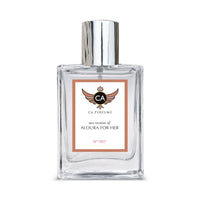
Aloura For Her — Chanel Allure For Her Alternative Perfume
8.68
MEI™
Primary Romantic
Secondary Confident
Confidence
7.83
Presence
8.15
Mood Lift
9.5
Identity
7.83
Warmth
9.5
Social Ease
9.5
Energy
4.6
" I am beautiful.
View full mood profile →
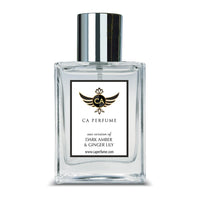
Dark Amber & Ginger Lily — Jo Malone Dark Amber & Ginger Lily Alternative Perfume
7.92
MEI™
Primary Confident
Secondary Magnetic
Confidence
8.02
Presence
8.46
Mood Lift
7.81
Identity
8.17
Warmth
9.43
Social Ease
6.91
Energy
4.8
" I am unstoppable.
View full mood profile →
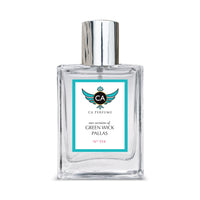
Green Wick Pallas — Greenwich Village Alternative Perfume
7.58
MEI™
Primary Romantic
Secondary Confident
Confidence
7.01
Presence
7.28
Mood Lift
8.18
Identity
6.9
Warmth
8.78
Social Ease
7.86
Energy
2.9
" I am beautiful.
View full mood profile →
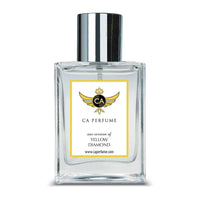
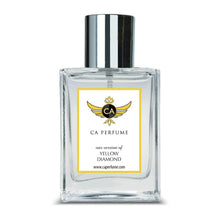
Yellow Diamond — Versace Yellow Diamond Alternative Perfume
6.26
MEI™
Primary Fresh
Secondary Romantic
Confidence
5.2
Presence
5.31
Mood Lift
8.1
Identity
5.2
Warmth
6.08
Social Ease
6.91
Energy
3.7
" I am radiant.
View full mood profile →
HumanSafe™

Top Water Lily Fragrances by HumanSafe™ Score

These Water Lily-based fragrances have the highest product-level HumanSafe™ scores in this ingredient collection.

Highest HumanSafe™ Score
Yellow Diamond — Versace Yellow Diamond Alternative Perfume
A-
HumanSafe™ Score Generally Safe
Safest Evaluated Ingredients EDP
AQUA Solvent / Carrier ISS 10.0
2-(1-(3',3'-DIMETHYL-1'-CYCLOHEXYL)ETHOXY)-2-METHYL Evaluated ingredient ISS 10.0
1,4-DIOXACYCLOHEPTADECANE-5,17-DIONE Evaluated ingredient ISS 10.0
BENZYL SALICYLATE EYE IRRITATION - CAT.2B [H320] Evaluated ingredient ISS 9.0
3-BUTEN-2-ONE, 3-METHYL-4-(2,6,6-TRIMETHYL-2- Evaluated ingredient ISS 8.0
1,6,10-DODECATRIEN-3-OL, 3,7,11-TRIMETHYL- EYE IRRITATION - CAT.2B [H320] Evaluated ingredient ISS 8.0
View full safety profile →
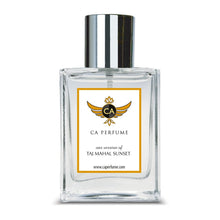
Taj Mahal Sunset — Taj Sunset Alternative Perfume
A-
HumanSafe™ Score Generally Safe
Safest Evaluated Ingredients EDP
AQUA Solvent / Carrier ISS 10.0
HEXYL SALICYLATE Evaluated ingredient ISS 9.0
OCTANAL, 2-(PHENYLMETHYLENE)- Evaluated ingredient ISS 8.0
LINALYL ACETATE Evaluated ingredient ISS 7.0
LINALOOL Evaluated ingredient ISS 7.0
CYCLOPENTANONE, 2-[2-(4-METHYL-3-CYCLOHEXEN-1- Evaluated ingredient ISS 7.0
View full safety profile →
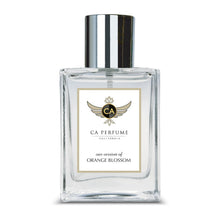
Orange Blossom — Jo Malone Orange Blossom Alternative Perfume
A-
HumanSafe™ Score Generally Safe
Safest Evaluated Ingredients EDP
AQUA Solvent / Carrier ISS 10.0
CITRAL Evaluated ingredient ISS 8.0
LINALOOL Evaluated ingredient ISS 7.0
BENZENEPROPANOL, .ALPHA.,.ALPHA.-DIMETHYL- Evaluated ingredient ISS 7.0
ALCOHOL DENAT. Solvent / Carrier ISS 7.0
2,6-DI-TERT-BUTYL-P-CRESOL Evaluated ingredient ISS 7.0
View full safety profile →
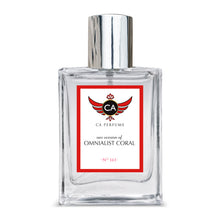
Omnialist Coral — Omnia Coral Alternative Perfume
A-
HumanSafe™ Score Generally Safe
Safest Evaluated Ingredients EDP
AQUA Solvent / Carrier ISS 10.0
1,4-DIOXACYCLOHEPTADECANE-5,17-DIONE Evaluated ingredient ISS 10.0
4H-INDEN-4-ONE, 1,2,3,5,6,7-HEXAHYDRO-1,1,2,3,3- Evaluated ingredient ISS 9.0
3-BUTEN-2-ONE, 3-METHYL-4-(2,6,6-TRIMETHYL-2- Evaluated ingredient ISS 8.0
LINALYL ACETATE Evaluated ingredient ISS 7.0
LINALOOL Evaluated ingredient ISS 7.0
View full safety profile →
Expert Voices

What Masters Say About Water Lily

There is no natural water lily extraction or essence in perfume, all water lily accords are created synthetically. The live lily is fresh, lightly sweet, a little aquatic and a little lemony.
CA Perfume Editorial
Water lilies infuse a fragrance with a limpid, dewy, and pale green halo that’s airy and mysterious. They shine brightest when featured with other light, dewy florals like lotus and peony.
CA Perfume Editorial
Common Questions

Frequently Asked Questions

Frequently asked questions about water lily in perfumery.

Water lily in perfume smells fresh, dewy, and aquatic, with a soft, translucent floralcy. The scent is constructed using synthetic molecules such as hydroxycitronellal, calone, and cyclamen aldehyde, which together create a luminous, watery impression. It is less heady than true lilies, with a gentle green undertone and a clean, pastel quality. Notable fragrances like Davidoff Cool Water Woman and Versace Yellow Diamond showcase this signature aquatic-floral scent.

Water lily is primarily used as a heart note in perfumery. Its molecular structure allows it to bridge the volatility of top notes and the persistence of base notes, providing a lasting, airy floral impression. In most compositions, water lily emerges after the initial citrus or green top notes and remains present through the heart of the fragrance.

Water lily is favored in niche perfumery for its ability to impart a sense of purity, calm, and modernity. Its synthetic construction allows for precise control over scent profile and performance, enabling perfumers to create luminous, aquatic-floral effects that evoke serenity and open space. The note’s versatility makes it suitable for both feminine and unisex compositions.

Water lily fragrance uses often involve pairing with other aquatic florals (lotus, peony), green notes (violet leaf, galbanum), citrus (bergamot, lemon), and soft musks or woods. These combinations enhance the watery, fresh, and translucent qualities of water lily, as seen in fragrances like Cacharel Eden and Bond No. 9 Greenwich Village.

Yes, water lily perfumes are especially well-suited for summer and hot weather. The aquatic and green facets are amplified by heat, creating a refreshing, cooling effect. However, increased volatility means the scent may project more strongly and fade faster, so lighter application or layering with musks is recommended in high temperatures.

Water lily fragrances in Eau de Parfum format typically last 5–8 hours, with the aquatic and floral heart persisting for several hours before fading to a clean, musky base. Longevity can be influenced by skin type, application method, and environmental conditions.

Yes, water lily can be layered with citrus, green, musky, or woody fragrances to enhance freshness or add depth. The molecular compatibility of water lily’s synthetic components allows for seamless blending, as demonstrated in many contemporary aquatic-floral compositions.

For those new to water lily, recommended entry points include Davidoff Cool Water Woman, Versace Yellow Diamond, and Bvlgari Omnia Coral. These fragrances showcase the note’s aquatic-floral character in accessible, well-balanced compositions.

To select the ideal water lily fragrance at CA Perfume, consider your preferred scent profile—whether you favor aquatic, green, or musky accents. Explore sample sets or consult the scent pyramid and accord formula to find a composition that aligns with your taste and seasonal needs.

Water lily in fragrance is primarily fresh and dewy, with only a subtle, gentle sweetness. The note is characterized by its aquatic, green, and translucent floral facets, making it more refreshing than overtly sweet. This balance is achieved through the careful use of synthetic molecules that mimic the living flower’s natural aroma.

Floral Aquatic Collection

Explore Our Top Water Lily Fragrances

Discover water lily’s luminous aquatic character in our curated collection. Each fragrance highlights the note’s fresh, dewy, and modern floral signature.

Shop all water lily fragrances at CA Perfume →

Where Water Lily Comes From — Origin & Extraction

The water lily note in perfumery is inspired by the aquatic perennial plants of the genus Nymphaea, which are native to temperate and tropical regions worldwide. Key species include Nymphaea alba (European white water lily), Nymphaea odorata (North American fragrant water lily), and the Amazonian Victoria amazonica. Despite their widespread botanical presence, there is no commercial extraction of water lily essential oil or absolute due to the extremely low yield and instability of the flower’s volatile compounds. Artisanal extractions of Nymphaea species exist but are not used at scale in perfumery. Instead, the water lily note is constructed synthetically. The process typically involves blending hydroxycitronellal (providing a soft, green-floral backbone), calone (imparting a marine, watery freshness), and cyclamen aldehyde (adding powdery, airy facets). These aroma chemicals are produced industrially, with hydroxycitronellal priced around $30–50/kg and calone at $200–400/kg, compared to the hypothetical cost of natural extraction, which would be prohibitively high due to the vast quantity of petals required and extremely low extraction yield (less than 0.01%). Major producers of these synthetic materials include Firmenich, Givaudan, and IFF, with manufacturing facilities in Switzerland, France, and the United States. Sustainability is a key consideration: synthetic water lily accords reduce pressure on wild water lily populations and offer consistent quality and supply. There are no IFRA restrictions on the use of water lily accords, as the constituent molecules are well-studied and regulated for safety.

Famous Fragrances That Define Water Lily in Perfumery

Water lily has become a defining note in contemporary perfumery, particularly in aquatic and modern floral compositions. Davidoff Cool Water Woman (1996, Pierre Bourdon) is perhaps the most iconic, using a synthetic water lily accord to create a fresh, dewy heart that became a blueprint for aquatic florals. Cacharel Eden (1994, Jean Guichard) features water lily as a dominant note, paired with melon and patchouli for a lush, green-aquatic effect. Versace Yellow Diamond (2011, Alberto Morillas) incorporates water lily to add a crystalline, luminous floralcy to a citrus-floral structure. Bvlgari Omnia Coral (2012, Alberto Morillas) uses water lily alongside hibiscus and pomegranate to evoke a tropical, watery freshness. Bond No. 9 Greenwich Village (2019, Michel Almairac) employs water lily as a bridge note, linking green, fruity, and musky facets for a modern, unisex signature. These fragrances demonstrate the versatility of water lily in perfumery—serving as a dominant note, a bridge between aquatic and floral elements, or as an accent to enhance transparency. CA Perfume’s collection draws inspiration from this lineage, offering water lily-centered compositions that reflect both classic and contemporary interpretations.

Natural vs Synthetic Water Lily in Perfumery

There is no commercially viable natural water lily essential oil or absolute in perfumery. All water lily notes are constructed using synthetic aroma chemicals. The primary molecules include hydroxycitronellal (CAS 107-75-5), calone (CAS 28940-11-6), and cyclamen aldehyde (CAS 103-95-7). Hydroxycitronellal provides a soft, green-floral core, calone imparts an aquatic, ozonic freshness, and cyclamen aldehyde adds a powdery, transparent floral nuance. Other supporting molecules such as lilial (CAS 80-54-6, now restricted in the EU), and floralozone (CAS 67634-15-5) may also be used to enhance the watery, airy effect. Synthetic water lily accords offer superior performance in terms of longevity, diffusion, and batch consistency compared to any hypothetical natural extraction. They are stable under light and heat, and their molecular profile is specifically engineered for safety and regulatory compliance. Cost-wise, synthetics are highly affordable and scalable, with key molecules ranging from $30–400/kg, whereas a true natural extraction would be economically and ecologically unfeasible. Famous fragrances such as Davidoff Cool Water Woman and Bvlgari Omnia Coral rely exclusively on synthetic water lily notes. CA Perfume utilizes only HumanSafe™ verified synthetic water lily accords, ensuring transparency and traceability in sourcing, with full disclosure of constituent molecules and regulatory compliance. This approach supports sustainability by avoiding overharvesting and habitat disruption.