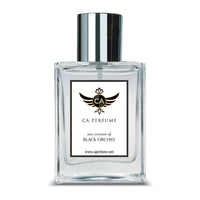
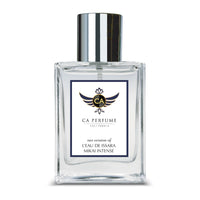
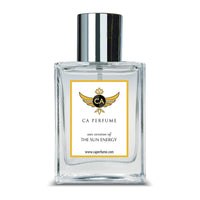
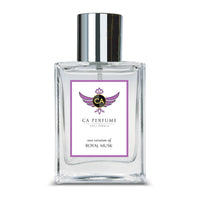
This formula was discontinued and is one of my fave perfumes. Love💜💜💜
Lotus
A translucent, watery floral bridging freshness and serenity.
Lotus is a heart note in perfumery, prized for its aquatic, airy, and subtly sweet floral character. Most lotus notes are synthetically reconstructed, using ozonic and light floral molecules to evoke its ethereal transparency.
Lotus
What does Lotus smell like and why is it significant in perfumery?
Lotus, botanically Nelumbo nucifera (sacred lotus) and Nymphaea caerulea (blue lotus), is renowned in perfumery for its aquatic, ethereal floral scent profile. The aroma is not intensely floral or heady; instead, it is described as watery, fresh, delicately sweet, and softly powdery, with a subtle creamy or honeyed undertone depending on the species. Volatile compounds such as 1,8-cineole, terpenes, and minor aldehydes contribute to its clean, pond-like freshness. Blue lotus (Nymphaea caerulea) introduces faint earthy, tea-like, and honeyed nuances, while white lotus leans toward a powdery, clean sweetness. The lotus scent profile is often compared to a gentle morning breeze over still water, with a translucent, non-intrusive presence. In perfumery, lotus functions almost exclusively as a heart note, bridging the gap between aquatic top notes and floral or musky bases. Its typical concentration in compositions ranges from 0.2% to 1% when using natural absolute, but most modern fragrances employ synthetic reconstructions at similar or lower levels for consistency and stability. Lotus interacts subtly with skin chemistry: its aquatic molecules (such as Calone and other ozonic compounds) can be masked or enhanced by individual skin pH, sometimes amplifying the watery freshness or revealing a faintly green or musky facet. The note is valued for imparting a sense of space and clarity within a fragrance pyramid, without dominating the blend. Notable fragrances that exemplify the use of lotus include Bvlgari Omnia Crystalline (2005, Alberto Morillas), where lotus provides a crystalline, watery heart, and Hermès Un Jardin Sur Le Nil (2005, Jean-Claude Ellena), which uses lotus to evoke the riverine landscapes of Egypt. Other prominent examples are Issey Miyake L’Eau d’Issey (1992, Jacques Cavallier) and Jo Malone London Fig & Lotus Flower (2020, Sophie Labbé), both of which showcase lotus’s ability to infuse compositions with a clean, aquatic floral signature. The question "what does lotus smell like" is central to understanding its role: lotus in perfumery is less about bold projection and more about creating a serene, meditative olfactory space.
Where Lotus Comes From — Origin & Extraction
Lotus’s scent character is shaped by geography: soil mineral content, water purity, and climate all influence the aromatic profile. Warm, humid regions yield blooms with a more pronounced creamy sweetness, while cooler climates favor fresher, more aquatic notes.
Lotus in perfumery primarily refers to two botanical sources: Nelumbo nucifera (sacred lotus) and Nymphaea caerulea (blue lotus), both aquatic plants native to Asia and historically cultivated in India, Egypt, China, and Southeast Asia. The sacred lotus is the national flower of India and Vietnam, while blue lotus is closely associated with ancient Egyptian ritual and perfumery. Major producing countries for natural lotus absolute include India and Egypt, but the global supply is extremely limited due to the flower’s fragility and low yield. For pink lotus absolute (Nelumbo nucifera), solvent extraction with warm hexane is used: fresh petals are processed over several hours to yield a concrete, which is then washed with alcohol to separate the absolute. The yield is exceptionally low—approximately 3 metric tons of flowers are required to produce 1 kg of absolute, resulting in prices exceeding $8,000–$12,000/kg for genuine material. Blue lotus absolute (Nymphaea caerulea) is extracted similarly, with even lower yields and higher costs. CO2 extraction is sometimes employed for a cleaner, more faithful aroma, but the process remains costly and labor-intensive. Steam distillation is rarely used, as the delicate floral molecules degrade at high temperatures. In ancient Egypt, enfleurage (fat absorption) was practiced, with lotus petals layered on animal fat to capture their scent for ceremonial oils. Modern perfumery, however, relies almost entirely on synthetic reconstruction, as the natural absolute is prohibitively expensive and unstable in large-scale production. Synthetic lotus accords are built from ozonic molecules (such as Calone, CAS 3984-69-0), light floral aldehydes, and trace amounts of ionones and musks to mimic the watery, airy profile. Sustainability concerns arise from overharvesting wild lotus populations and the high resource input for natural extraction; synthetic alternatives offer a lower environmental footprint and greater supply chain transparency.
India
The Ganges basin in Uttar Pradesh and West Bengal is a major source of Nelumbo nucifera. Lotus grown here is known for its rich, honeyed floral aroma, influenced by mineral-rich alluvial soils and monsoon-driven humidity. India supplies a limited but high-quality yield, with most production for ceremonial and niche perfumery use.
Egypt
The Nile Delta produces blue lotus (Nymphaea caerulea), prized for its subtle, tea-like, and slightly narcotic aroma. Ancient Egyptian methods included enfleurage, and the region’s alkaline waters and high solar exposure yield blooms with a unique earthy-sweet profile. Egypt’s output is small but historically significant.
China
Hubei and Jiangsu provinces cultivate sacred lotus for both culinary and aromatic use. Chinese lotus is noted for its clean, powdery sweetness and is often used in traditional medicine and perfumery. Production is moderate, with a focus on sustainable water garden cultivation.
Vietnam
The Mekong Delta’s warm, humid climate produces lotus with a delicate, airy aroma. Vietnamese lotus is recognized for its clarity and subtlety, with a focus on sustainable harvesting for both fragrance and tea production. The country holds a significant share of regional cultivation.
Natural vs Synthetic Lotus in Perfumery
Natural lotus absolute, whether from Nelumbo nucifera or Nymphaea caerulea, is characterized by a dense, honeyed, earthy-sweet floral aroma with green and coumarin-like undertones. The principal volatile compounds include 1,8-cineole, terpenes, and minor aldehydes, but the overall yield is extremely low—making natural lotus one of the most expensive floral materials in perfumery. In contrast, synthetic lotus notes are constructed using a blend of aroma chemicals, most notably Calone (CAS 3984-69-0), Lilial (CAS 80-54-6, now restricted), and various ozonic and ionone derivatives. These molecules provide the aquatic, airy, and slightly sweet effect associated with lotus, with greater stability and consistency across batches. Performance-wise, synthetic lotus accords offer superior longevity, diffusion, and resistance to oxidation compared to natural absolute, which tends to be short-lived and sensitive to light and heat. Cost is a major differentiator: synthetic lotus accords can be produced for $50–$200/kg, while natural absolute exceeds $8,000–$12,000/kg. Most commercial fragrances, including Bvlgari Omnia Crystalline and Hermès Un Jardin Sur Le Nil, use synthetic lotus for both economic and sustainability reasons. The HumanSafe™ platform at CA Perfume verifies all synthetic lotus materials for transparency and safety, ensuring traceability and compliance with IFRA standards. While natural lotus offers a richer, more nuanced scent profile, its use is largely limited to niche and artisanal perfumery due to cost and supply constraints. Synthetic lotus enables broader creative expression and environmental responsibility.
Famous Fragrances That Define Lotus in Perfumery
Omnia Crystalline
Un Jardin Sur Le Nil
L’Eau d’Issey
Fig & Lotus Flower
Bright Crystal
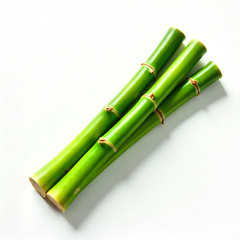
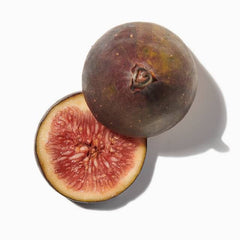
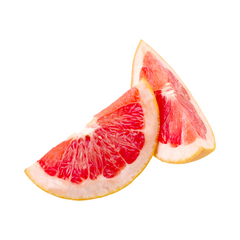
Lotus has become a defining note in modern perfumery, especially in aquatic and transparent floral compositions. One of the most influential uses is in Bvlgari Omnia Crystalline (2005, Alberto Morillas), where lotus forms the heart of a composition celebrated for its crystalline, watery clarity, paired with bamboo and pear. Hermès Un Jardin Sur Le Nil (2005, Jean-Claude Ellena) uses lotus to evoke the lush, riverine landscapes of Egypt, blending it with green mango, grapefruit, and sycamore wood for a meditative, aquatic effect. Issey Miyake L’Eau d’Issey (1992, Jacques Cavallier) is another landmark, with lotus providing an airy, watery floral accent in a composition that helped popularize the aquatic floral genre. Jo Malone London Fig & Lotus Flower (2020, Sophie Labbé) demonstrates lotus’s compatibility with green fig and vetiver for a fresh, modern floral. Versace Bright Crystal (2006, Alberto Morillas) employs lotus as a supporting note, adding a watery, luminous quality to peony and yuzu. These fragrances illustrate lotus’s versatility: as a dominant note (Omnia Crystalline), a bridge (Un Jardin Sur Le Nil), or an accent (Bright Crystal). CA Perfume’s collection draws inspiration from this lineage, offering lotus-centered compositions that highlight its serene, aquatic character.
How is a captivating Lotus accord crafted?
A lotus accord blends aquatic, floral, and green facets for ethereal clarity: Lotus absolute or synthetic (25–30%), Calone (20–25%), green fig leaf (20–25%), and white musk (25–30%). Calone imparts the signature watery freshness, fig leaf adds a green, milky nuance, and white musk provides a soft, diffusive base that enhances the lotus’s airy quality.
Lotus Absolute or Synthetic
Provides the core aquatic-floral character, with 1,8-cineole and terpenes contributing to its watery, airy, and faintly sweet signature.
Calone
A powerful ozonic molecule (CAS 3984-69-0) that imparts marine, watery freshness, essential for the transparent effect of a lotus accord.
Green Fig Leaf
Adds a green, milky nuance via Stemone™ and related lactones, enhancing the naturalistic, dewy aspect of lotus.
White Musk
Provides a soft, diffusive base, supporting the lotus’s ethereal presence and prolonging its delicate sillage.
How Lotus Evolves on Skin
Lotus unfolds gradually in a fragrance pyramid: the top notes offer a fleeting aquatic freshness, quickly giving way to the heart’s floral transparency, before settling into a soft, musky base. High-volatility ozonic molecules evaporate first, while heavier musks and lactones provide lasting diffusion.
The initial impression is a burst of watery, dewy freshness, driven by high-volatility ozonic molecules such as Calone and light aldehydes. This stage mimics the sensation of a cool pond breeze at sunrise, with faint green and slightly fruity nuances that dissipate quickly.
As the top notes fade, the true lotus character emerges: a translucent, softly sweet floral with powdery and creamy undertones. Molecules like 1,8-cineole, terpenes, and lactones dominate, creating an airy, meditative effect that bridges aquatic and floral facets.
The drydown is subtle and intimate, with white musks and faint woody or creamy notes lingering on the skin. These heavier molecules act as fixatives, extending the lotus’s delicate presence without overwhelming the composition.
The Story of Lotus in Perfumery
Lotus has a rich history in perfumery, from ancient Egyptian rituals to modern aquatic florals. Its journey reflects both cultural symbolism and technical innovation.
Lotus in Sacred Perfume Oils
Blue lotus (Nymphaea caerulea) was used in ceremonial oils and unguents, extracted via enfleurage and maceration. Recipes inscribed in temple walls included lotus with myrrh and cinnamon, symbolizing rebirth and divine favor.
Lotus in Early Asian Perfumery
Sacred lotus (Nelumbo nucifera) appears in early Chinese and Indian perfumery texts, valued for its calming, meditative scent. Lotus petals were infused in oils for ritual and medicinal use.
Solvent Extraction Techniques
Advances in solvent extraction allowed the first true lotus absolutes to be produced, though yields remained low and the material was reserved for high-end perfumery and aromatherapy.
Aquatic Florals in Modern Perfumery
Issey Miyake L’Eau d’Issey (Jacques Cavallier) popularizes the aquatic floral genre, using synthetic lotus notes to evoke watery freshness and transparency.
Lotus as a Signature Heart Note
Lotus becomes a staple in contemporary perfumery, featured in Bvlgari Omnia Crystalline, Hermès Un Jardin Sur Le Nil, and numerous niche compositions. Synthetic accords dominate, enabling broader creative use.
How to Layer Lotus
Understanding how to layer lotus is key to maximizing its aquatic, floral, and musky facets. Molecular compatibility with green, citrus, and woody notes allows for versatile combinations.
Amplify Freshness
Layering lotus with green notes (such as fig leaf or bamboo) leverages shared lactones and green aldehydes, enhancing the watery, dewy effect. Jo Malone Fig & Lotus Flower demonstrates this synergy, where Stemone™ in fig leaf complements lotus’s aquatic molecules for a vibrant, fresh accord.
Add Warmth
Pairing lotus with soft musks or sandalwood introduces a creamy, skin-like warmth through olfactory masking. White musks (such as Galaxolide) blend seamlessly with lotus’s powdery facets, as seen in Bvlgari Omnia Crystalline, where musk anchors the airy floral heart.
Brighten with Citrus
Combining lotus with citrus notes (yuzu, grapefruit) exploits the volatility of both, creating an uplifting, sparkling effect. Hermès Un Jardin Sur Le Nil uses this approach, where grapefruit and green mango brighten lotus’s aquatic core, producing a luminous, transparent composition.
How to Wear Lotus Like a Pro
Fall & Winter
Cooler temperatures suppress the volatility of lotus’s aquatic molecules, resulting in a softer, more intimate scent. Apply to pulse points under clothing to preserve warmth and longevity. Layer with musky or woody notes for added depth.
Spring
Spring’s moderate temperatures and rising humidity enhance lotus’s fresh, dewy character. The scent feels especially vibrant and uplifting, making it ideal for daytime wear. Apply lightly to avoid overwhelming the delicate heart note.
Summer
Heat increases the volatility of lotus’s top notes, amplifying its aquatic freshness but shortening its lifespan. Apply to cooler areas (inner elbows, behind knees) for sustained release, and consider layering with citrus or green notes for extra brightness.
Year-Round Tip
Lotus’s versatility allows for year-round use. Adjust application based on climate: more in cool, dry air; less in heat and humidity. Layer with complementary florals or musks to tailor the scent to seasonal moods.
Strategic application enhances lotus’s delicate projection and longevity.
Neck
Pulse points on the neck provide gentle warmth, helping lotus’s aquatic and floral molecules diffuse gradually for a soft, lingering effect.
Behind the Ears
This area retains scent well due to lower oil production, allowing lotus’s airy heart note to remain perceptible throughout the day.
Inner Wrists
Body heat from the wrists accelerates the evaporation of top notes, quickly revealing the lotus heart. Reapply as needed for sustained freshness.
Hair
Spraying on hair provides a subtle, continuous release of lotus’s watery floral aroma, as hair fibers trap and slowly release volatile molecules.
Pro Tip
Apply to lightly moisturized skin to enhance longevity, as hydrated skin slows evaporation and preserves lotus’s delicate heart note.
Top Lotus Fragrances by Mood Score
These Lotus-based fragrances scored highest on the MEI™ Mood Architecture Framework — measuring how a scent may influence your emotional state.
Top Lotus Fragrances by HumanSafe™ Score
These Lotus-based fragrances have the highest product-level HumanSafe™ scores in this ingredient collection.
What Masters Say About Lotus
The lotus flower scent is subtle, aquatic, slightly sweet, and softly powdery—a fragrance that feels more like a quiet presence than a statement.
Lotus in perfumery is less about bold projection and more about creating a serene, meditative olfactory space.
Frequently Asked Questions
Answers to common questions about lotus in perfumery, its scent, use, and performance.
Lotus in perfume is characterized by an aquatic, airy, and softly sweet floral aroma. It is not an intense or heady floral; instead, it evokes the sensation of a clean pond breeze, with subtle powdery and creamy undertones. The scent profile is translucent and meditative, often described as serene and luminous. In most fragrances, lotus is synthetically reconstructed to ensure consistency and stability, resulting in a delicate, watery floral note that sits close to the skin.
Lotus is almost always used as a heart (middle) note in perfumery. Its molecular composition—primarily ozonic and light floral molecules—means it emerges after the initial top notes dissipate, providing a bridge between fresh, aquatic openings and musky or woody bases. Lotus’s delicate nature makes it unsuitable as a base note, and its subtlety would be lost as a fleeting top note.
Lotus is favored in niche perfumery for its ability to impart an ethereal, meditative quality to compositions. Its aquatic, airy character creates a sense of space and calm, distinguishing it from more conventional florals. The note’s versatility allows it to blend seamlessly with green, citrus, and musky accords, enabling perfumers to craft unique, modern interpretations that appeal to those seeking understated elegance.
Lotus fragrance uses often involve pairing with green notes (bamboo, fig leaf), citrus (yuzu, grapefruit), and soft musks or woods (sandalwood, vetiver). These combinations enhance lotus’s aquatic freshness, amplify its dewy quality, or add warmth and structure to the composition. Notable examples include Jo Malone Fig & Lotus Flower (fig, vetiver) and Hermès Un Jardin Sur Le Nil (grapefruit, sycamore wood).
Yes, lotus perfumes are especially well-suited for summer and hot weather. The high volatility of aquatic and ozonic molecules means the scent feels refreshing and light, without becoming overwhelming. However, heat can accelerate evaporation, so reapplication may be necessary for sustained presence. Lotus’s clean, airy profile makes it ideal for daytime and warm climates.
Lotus, as a heart note, typically lasts 4–6 hours in Eau de Parfum format. Its projection is intimate, remaining close to the skin due to the rapid evaporation of top aquatic molecules. Longevity may be extended by layering with musks or applying to moisturized skin, but the overall effect is subtle and ephemeral.
Yes, lotus is highly compatible for layering due to its molecular transparency. It can be paired with green, citrus, floral, or musky notes to create customized accords. For example, layering with fig leaf or bamboo enhances freshness, while pairing with white musk or sandalwood adds warmth. This flexibility makes lotus a versatile base for personal scent creation.
Recommended entry points for lotus fragrances include Bvlgari Omnia Crystalline, Jo Malone Fig & Lotus Flower, and Hermès Un Jardin Sur Le Nil. These fragrances showcase lotus’s aquatic, airy character in approachable, modern compositions. Versace Bright Crystal and Issey Miyake L’Eau d’Issey are also popular for their clean, luminous interpretations.
Selecting a lotus fragrance depends on your preferred scent profile: if you favor aquatic freshness, look for blends with green or citrus notes; for a warmer, more intimate effect, choose compositions with musk or sandalwood. CA Perfume’s collection offers a range of lotus-centered fragrances, each highlighting different facets of the note. Sampling is recommended to find the best fit for your skin chemistry and style.
Lotus perfumes are designed for subtlety and close-to-skin wear, making them ideal for everyday use, especially in professional or intimate settings. While the projection is not strong, the scent’s clean, meditative quality provides a refined, understated presence. For greater impact, lotus can be layered with complementary notes or reapplied throughout the day.
Explore Our Top Lotus Fragrances
Discover lotus-centered compositions that showcase aquatic, floral, and musky facets, inspired by landmark fragrances in the aquatic floral genre.
Shop all lotus fragrances at CA Perfume →Where Lotus Comes From — Origin & Extraction
Lotus in perfumery primarily refers to two botanical sources: Nelumbo nucifera (sacred lotus) and Nymphaea caerulea (blue lotus), both aquatic plants native to Asia and historically cultivated in India, Egypt, China, and Southeast Asia. The sacred lotus is the national flower of India and Vietnam, while blue lotus is closely associated with ancient Egyptian ritual and perfumery. Major producing countries for natural lotus absolute include India and Egypt, but the global supply is extremely limited due to the flower’s fragility and low yield. For pink lotus absolute (Nelumbo nucifera), solvent extraction with warm hexane is used: fresh petals are processed over several hours to yield a concrete, which is then washed with alcohol to separate the absolute. The yield is exceptionally low—approximately 3 metric tons of flowers are required to produce 1 kg of absolute, resulting in prices exceeding $8,000–$12,000/kg for genuine material. Blue lotus absolute (Nymphaea caerulea) is extracted similarly, with even lower yields and higher costs. CO2 extraction is sometimes employed for a cleaner, more faithful aroma, but the process remains costly and labor-intensive. Steam distillation is rarely used, as the delicate floral molecules degrade at high temperatures. In ancient Egypt, enfleurage (fat absorption) was practiced, with lotus petals layered on animal fat to capture their scent for ceremonial oils. Modern perfumery, however, relies almost entirely on synthetic reconstruction, as the natural absolute is prohibitively expensive and unstable in large-scale production. Synthetic lotus accords are built from ozonic molecules (such as Calone, CAS 3984-69-0), light floral aldehydes, and trace amounts of ionones and musks to mimic the watery, airy profile. Sustainability concerns arise from overharvesting wild lotus populations and the high resource input for natural extraction; synthetic alternatives offer a lower environmental footprint and greater supply chain transparency.
Famous Fragrances That Define Lotus in Perfumery
Lotus has become a defining note in modern perfumery, especially in aquatic and transparent floral compositions. One of the most influential uses is in Bvlgari Omnia Crystalline (2005, Alberto Morillas), where lotus forms the heart of a composition celebrated for its crystalline, watery clarity, paired with bamboo and pear. Hermès Un Jardin Sur Le Nil (2005, Jean-Claude Ellena) uses lotus to evoke the lush, riverine landscapes of Egypt, blending it with green mango, grapefruit, and sycamore wood for a meditative, aquatic effect. Issey Miyake L’Eau d’Issey (1992, Jacques Cavallier) is another landmark, with lotus providing an airy, watery floral accent in a composition that helped popularize the aquatic floral genre. Jo Malone London Fig & Lotus Flower (2020, Sophie Labbé) demonstrates lotus’s compatibility with green fig and vetiver for a fresh, modern floral. Versace Bright Crystal (2006, Alberto Morillas) employs lotus as a supporting note, adding a watery, luminous quality to peony and yuzu. These fragrances illustrate lotus’s versatility: as a dominant note (Omnia Crystalline), a bridge (Un Jardin Sur Le Nil), or an accent (Bright Crystal). CA Perfume’s collection draws inspiration from this lineage, offering lotus-centered compositions that highlight its serene, aquatic character.
Natural vs Synthetic Lotus in Perfumery
Natural lotus absolute, whether from Nelumbo nucifera or Nymphaea caerulea, is characterized by a dense, honeyed, earthy-sweet floral aroma with green and coumarin-like undertones. The principal volatile compounds include 1,8-cineole, terpenes, and minor aldehydes, but the overall yield is extremely low—making natural lotus one of the most expensive floral materials in perfumery. In contrast, synthetic lotus notes are constructed using a blend of aroma chemicals, most notably Calone (CAS 3984-69-0), Lilial (CAS 80-54-6, now restricted), and various ozonic and ionone derivatives. These molecules provide the aquatic, airy, and slightly sweet effect associated with lotus, with greater stability and consistency across batches. Performance-wise, synthetic lotus accords offer superior longevity, diffusion, and resistance to oxidation compared to natural absolute, which tends to be short-lived and sensitive to light and heat. Cost is a major differentiator: synthetic lotus accords can be produced for $50–$200/kg, while natural absolute exceeds $8,000–$12,000/kg. Most commercial fragrances, including Bvlgari Omnia Crystalline and Hermès Un Jardin Sur Le Nil, use synthetic lotus for both economic and sustainability reasons. The HumanSafe™ platform at CA Perfume verifies all synthetic lotus materials for transparency and safety, ensuring traceability and compliance with IFRA standards. While natural lotus offers a richer, more nuanced scent profile, its use is largely limited to niche and artisanal perfumery due to cost and supply constraints. Synthetic lotus enables broader creative expression and environmental responsibility.
- Choosing a selection results in a full page refresh.