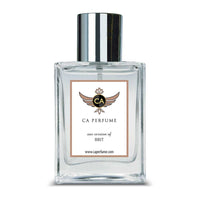
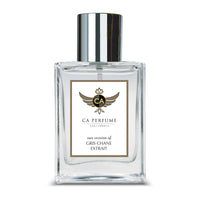
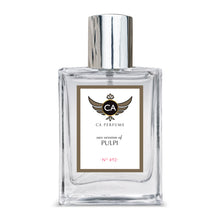
Great class packaging and the scent is spot on!
I loove this scent. It smells like the original at a reasonable price. It brings back great memories and it is spot on!
Exploring fig's unique scent in modern perfumery
Fig is a complex fragrance note combining green leafy, creamy lactonic, and sweet fruity facets. Key molecules include stemone and gamma-octalactone, used at 0.1–1% concentrations.
Fig in perfumery captures the multifaceted scent of the Ficus carica tree, including its green leaves, milky sap, and sweet fruit. The note’s character arises from key aroma molecules such as stemone, which imparts a fresh, minty green tone reminiscent of crushed fig leaves and sap, and gamma-octalactone, which provides a creamy, lactonic nuance akin to coconut milk. The fig fruit accord is sweet, honeyed, and slightly floral, with prune-like aspects from octalactone gamma. This combination creates a complex green, creamy, and sweet scent profile that bridges fruity and woody families. Typically classified as a heart note, fig is used in perfumery at concentrations ranging from 0.1% to 1%, depending on the desired intensity. Its lactonic and green components interact dynamically with skin chemistry, often revealing a fresh, slightly bitter green top with a creamy, warm base. Fig accords are usually synthetic blends, as natural fig leaf absolute is prohibited due to skin sensitization risks. Notable fragrances featuring fig include Diptyque Philosykos (1996), which evokes the entire fig tree with leafy and milky fruit facets, and L’Artisan Parfumeur Premier Figuier (1994), which highlights fig leaf and creamy sandalwood. These fragrances demonstrate fig’s versatility in perfumery, from fresh and green to creamy and gourmand, making it a prized note in both niche and mainstream compositions.
Fig trees (Ficus carica) thrive in Mediterranean climates characterized by warm, dry summers and mild, wet winters. Soil composition, altitude, and harvesting methods influence the scent profile of fig-derived materials. Key producing regions include southern Turkey (ancient Caria), Syria, Egypt, and parts of Iran. These regions produce figs with distinct aromatic qualities due to soil mineral content and climate. Mediterranean figs often exhibit a balance of green, creamy, and sweet notes, reflecting their terroir.
Fig fragrance notes derive from the Ficus carica tree, a subtropical deciduous plant native to the Mediterranean region, including Turkey, southern Arabia, Egypt, Syria, and the broader Mediterranean basin. The tree produces figs enclosed in a syconium, a hollow structure lined with flowers. The fig fruit itself has a short shelf life and is often dried or preserved. Natural extraction of fig scent is limited because fig leaf absolute production ceased due to its irritant properties and phototoxicity risks. Historically, fig leaf absolute was produced in France using sequential extraction with petroleum ether and ethanol, yielding a dark green material with honeyed, tobacco-like, and woody nuances. However, this production never exceeded 200 kg annually and is now discontinued. Today, fig scent in perfumery is primarily created through synthetic accords combining aroma chemicals such as stemone (a green, minty molecule), gamma-octalactone (creamy, coconut-like), and labienoxime or damascones (fruity, blackcurrant-like). These synthetic molecules allow consistent reproduction of fig’s complex scent profile without seasonal or supply constraints. Synthetic fig accords are cost-effective compared to natural materials, with prices ranging from $100 to $500 per kilogram depending on purity and supplier. Sustainability considerations favor synthetic production, avoiding overharvesting and ecological impact on fig trees. The International Fragrance Association (IFRA) prohibits fig leaf absolute due to dermal sensitization and phototoxicity concerns, making synthetic fig accords the standard in modern perfumery.
Ancient Caria, modern-day southwestern Turkey, is considered the fig's homeland. The region's calcareous soils and Mediterranean climate produce figs with pronounced green and resinous notes. Production volume is significant, supplying both fresh and dried figs for culinary and aromatic uses.
Egyptian figs grow in Nile Delta soils with warm temperatures and irrigation. These figs have a sweeter, honeyed aroma with floral undertones. Harvesting is timed to maximize fruit ripeness and aromatic intensity.
Iranian figs benefit from diverse climates ranging from arid to temperate. The figs here tend to have a richer, more resinous scent profile, influenced by soil mineral content and altitude.
Syrian figs grow in Mediterranean foothills with limestone-rich soils. They are known for a balanced green and sweet aroma, often used in traditional perfumery and culinary applications.
Natural fig materials are scarce and largely unavailable due to safety concerns. Fig leaf absolute, once produced in limited quantities, is no longer used because of its phototoxic and irritant properties. The milky sap of the fig tree also poses dermal sensitization risks, leading to IFRA restrictions that prohibit its use in fragrances. Synthetic fig accords are constructed from aroma chemicals such as stemone (CAS 133747-75-1), gamma-octalactone (CAS 706-14-9), labienoxime, and damascones. Stemone provides the green, fresh, and slightly minty facet, while gamma-octalactone contributes creamy, lactonic notes reminiscent of coconut milk. Labienoxime and damascones add fruity and floral nuances that evoke ripe fig fruit. Performance-wise, synthetic fig accords offer superior stability, longevity, and diffusion compared to natural fig materials, which are limited and unstable. Synthetic accords also allow perfumers to tailor the scent profile precisely, balancing green, fruity, and creamy facets. Cost differentials are significant: natural fig leaf absolute historically cost several thousand dollars per kilogram, whereas synthetic aroma chemicals range from $100 to $500 per kilogram. Sustainability is enhanced by synthetic production, reducing pressure on fig tree populations and avoiding ecological damage. CA Perfume sources fig accords verified through the HumanSafe™ platform, ensuring transparency and compliance with safety standards. This approach guarantees high-quality, safe, and sustainable fig fragrance ingredients.
Fig has become a defining note in modern perfumery, especially within niche and artisanal brands. L’Artisan Parfumeur’s Premier Figuier (1994), created by Olivia Giacobetti, is widely regarded as the first true fig fragrance, featuring fig leaf as a top note, fig fruit in the heart, and creamy sandalwood in the base. This fragrance set the standard for fig accords, emphasizing the green, milky, and woody facets. Diptyque’s Philosykos (1996), also by Giacobetti, is a cult classic that captures the entire fig tree experience, blending leafy fig leaves, milky sap, and ripe fruit with cedar and woody notes. Philosykos remains one of the most recognizable fig perfumes worldwide. Acqua di Parma’s Blu Mediterraneo - Fico di Amalfi (2018) evokes the sunny Mediterranean with juicy fig, sparkling lemon, and almond wood, offering a fresh and vibrant interpretation. Tom Ford’s Figue Érotique (2007) presents a richer, more sensual fig accord combined with floral and woody notes, highlighting the fruit’s honeyed and gourmand aspects. Phlur’s Father Figure (2017) uses fig as a bridge note, blending it with woody and aromatic accords for a modern masculine scent. These fragrances illustrate fig’s versatility, from fresh and green to creamy and gourmand. CA Perfume’s collection honors this lineage by offering fig accords that reflect these diverse olfactory expressions without compromising safety or sustainability.
A typical fig accord blend balances green, creamy, fruity, and woody facets to replicate the complex scent of the fig tree. Stemone (green, minty) forms 25–30% of the blend, providing fresh leafy character. Gamma-octalactone (creamy, coconut-like) contributes 20–25%, adding lactonic softness. Labienoxime or damascones (fruity, blackcurrant-like) make up 15–20%, imparting ripe fruit nuances. Vertofix coeur or Iso E Super (woody, amber) comprise 20–25%, giving depth and longevity. This blend totals approximately 90–100%, creating a harmonious fig scent that is fresh, creamy, and slightly sweet.
Provides the green, fresh, and minty facet reminiscent of fig leaves and sap, essential for fig's leafy character.
Adds creamy, lactonic notes similar to coconut milk, replicating the milky sap and soft fruit facets.
Contributes fruity and floral nuances that evoke ripe fig fruit and prune-like sweetness.
Provides woody, amber, and dynamic facets that add depth, diffusion, and longevity to the fig accord.
Fig fragrances evolve from fresh, green top notes dominated by volatile molecules like stemone, through creamy and fruity heart notes with gamma-octalactone and damascones, to woody, musky base notes that provide lasting depth and warmth over several hours.
The initial impression is dominated by green, fresh, and slightly bitter notes from stemone and aldehydes resembling crushed fig leaves and sap. These high-volatility compounds evaporate quickly, imparting a crisp, sun-drenched green aroma with subtle herbal facets.
The heart reveals creamy, lactonic facets from gamma-octalactone combined with fruity, honeyed, and floral nuances from damascones and labienoxime. This stage balances the green top with a soft, milky sweetness reminiscent of ripe fig fruit and sap.
The base is composed of woody, amber, and musky notes from Iso E Super and sandalwood derivatives, providing a warm, dry, and slightly resinous foundation. These low-volatility molecules ensure longevity and diffusion, anchoring the fig accord.
The fig note's history in perfumery spans from ancient symbolic uses to modern synthetic accords, with key milestones marking its evolution as a fragrance ingredient.
Figs appear in ancient texts including the Bible, where Adam and Eve used fig leaves for modesty. The fig was revered in Mediterranean cultures as a symbol of fertility and prosperity.
Fig leaf absolute was produced in small quantities in France via sequential extraction but was rarely used due to irritant properties and limited supply.
Olivia Giacobetti created one of the first true fig fragrances, emphasizing fig leaf, fruit, and creamy sandalwood, setting a benchmark for fig accords.
Philosykos captured the full fig tree experience, combining leafy, milky, and woody aspects, becoming a cult classic and popularizing fig in niche perfumery.
Due to IFRA restrictions and supply limitations, synthetic fig accords using stemone, gamma-octalactone, and damascones became standard, enabling consistent and safe fig fragrances.
Understanding how to layer fig with other notes enhances its olfactory expression by leveraging molecular compatibility and masking effects.
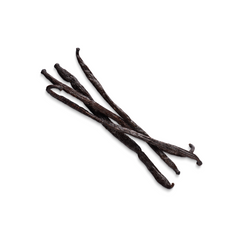
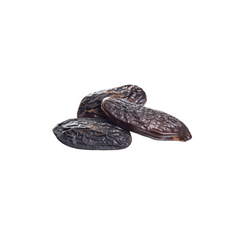
Layer fig with vanilla or tonka bean to soften its green edge through olfactory masking. Vanillin’s sweet threshold masks fig’s slight bitterness, creating a creamy, gourmand warmth. This pairing is exemplified in Tom Ford’s Figue Érotique.
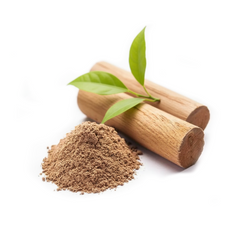
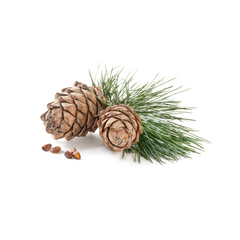
Combine fig with woody notes like sandalwood or cedar to anchor its airy green facets. Woody molecules like Iso E Super provide a dynamic base that prolongs fig’s presence, as seen in Diptyque Philosykos.
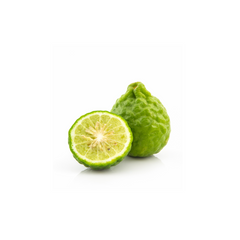
Pair fig with citrus or herbal notes such as bergamot or basil to brighten its creamy facets and add freshness. The green molecules in fig and citrus synergize to create a vibrant, sun-drenched effect, used in Acqua di Parma Blu Mediterraneo - Fico di Amalfi.
Cooler temperatures slow molecular evaporation, emphasizing fig’s creamy and woody base notes. Apply more liberally to enhance warmth and longevity. Layer with warm spices or vanilla to complement fig’s natural sweetness.
Moderate temperatures balance fig’s green freshness and creamy heart. Light application highlights crisp fig leaf facets. Pair with floral or citrus notes for a fresh, uplifting spring scent.
Heat increases volatility, intensifying fig’s green and fruity top notes. Use sparingly to avoid overpowering freshness. Layer with aquatic or herbal accords to enhance cooling effect and maintain balance.
Adjust application based on temperature and occasion. Fig’s versatile profile allows it to transition smoothly between seasons when layered thoughtfully.
Strategic application of fig fragrances enhances their olfactory impact and longevity.
Pulse points on the neck emit warmth that activates fig’s creamy and fruity molecules, enhancing projection and scent evolution.
This area’s warmth and subtle movement help diffuse fig’s green and fresh notes softly, creating an intimate aura.
High blood flow warms the skin here, intensifying fig’s lactonic and sweet facets, ideal for close encounters.
Hair holds fragrance oils well, releasing fig notes gradually with movement, extending scent longevity.
Layer fig fragrance with complementary notes like sandalwood or vanilla on clothing or skin to enhance depth and complexity.
These Fig-based fragrances scored highest on the MEI™ Mood Architecture Framework — measuring how a scent may influence your emotional state.
These Fig-based fragrances have the highest product-level HumanSafe™ scores in this ingredient collection.
Fig’s scent profile is a complex blend of green leaf, creamy lactones, and sweet fruit, making it a versatile and evocative note in modern perfumery.
The fig accord bridges fresh, fruity, and woody families, with molecules like stemone and gamma-octalactone providing its signature green and creamy facets.
Frequently asked questions about fig in perfumery, addressing scent, usage, and layering.
Fig in perfume smells like a complex combination of green, creamy, and sweet notes. It captures the scent of fig leaves with a fresh, slightly bitter green aroma from molecules like stemone, the creamy, lactonic sap reminiscent of coconut milk from gamma-octalactone, and the sweet, honeyed fruit facets from damascones. This multifaceted profile makes fig a unique and versatile note in perfumery, often used as a heart note in concentrations of 0.1–1%.
Fig is primarily used as a heart note in fragrances. Its green, fresh facets appear briefly in the top notes, but the creamy and fruity aspects develop in the heart, while woody base notes provide longevity. The complexity of fig accords means it spans multiple layers but is mostly centered in the heart for balanced evolution.
Fig’s complex scent profile, combining green, creamy, and sweet elements, offers niche perfumers a versatile and evocative ingredient. It bridges fruity, woody, and gourmand families, allowing creative expression and nuanced compositions. Its rarity as a natural material and reliance on synthetic accords also encourages innovative blending, making fig a favorite in artistic perfumery.
Fig fragrance uses commonly pair with sandalwood and cedar to add woody depth, vanilla and tonka bean to enhance creamy sweetness, bergamot and basil for fresh brightness, and almond or coconut for lactonic softness. These combinations complement fig’s green, creamy, and fruity facets, creating harmonious accords.
Yes, fig perfumes are well-suited for summer due to their fresh green and fruity top notes that provide a cooling effect. However, heat increases volatility, so lighter application is recommended to avoid overpowering the scent. Layering with aquatic or herbal notes can enhance freshness in hot weather.
Fig fragrances typically last 5–7 hours depending on concentration and formulation. Parfum concentrations with woody base notes offer the longest longevity, while lighter Eau de Toilettes emphasize fresh top notes with shorter duration. Synthetic fig accords contribute to stable and lasting scent performance.
Yes, layering fig with complementary notes like vanilla, sandalwood, or citrus enhances its facets and personalizes the scent. Molecular compatibility allows fig’s green and creamy notes to blend well with woody, gourmand, and fresh accords, creating unique olfactory experiences.
Beginner-friendly fig perfumes include Diptyque Philosykos for a balanced fig tree scent, L’Artisan Parfumeur Premier Figuier for a creamy fig accord, and Acqua di Parma Blu Mediterraneo - Fico di Amalfi for a fresh, citrusy fig interpretation. These offer approachable, well-rounded fig profiles.
Choosing the right fig fragrance involves considering your preference for green freshness, creamy sweetness, or woody depth. CA Perfume offers fig accords verified by the HumanSafe™ platform, ensuring safety and quality. Sampling different fig profiles and layering options can help find your ideal scent.
Fig primarily smells sweet, creamy, and green rather than spicy. Its sweetness is honeyed and fruity, balanced by fresh, slightly bitter green notes. Spicy facets are usually introduced by other ingredients paired with fig rather than from fig itself.
Discover expertly crafted fig perfumes that showcase the note’s green, creamy, and sweet facets across diverse olfactory styles.
Shop all fig fragrances at CA Perfume →Fig fragrance notes derive from the Ficus carica tree, a subtropical deciduous plant native to the Mediterranean region, including Turkey, southern Arabia, Egypt, Syria, and the broader Mediterranean basin. The tree produces figs enclosed in a syconium, a hollow structure lined with flowers. The fig fruit itself has a short shelf life and is often dried or preserved. Natural extraction of fig scent is limited because fig leaf absolute production ceased due to its irritant properties and phototoxicity risks. Historically, fig leaf absolute was produced in France using sequential extraction with petroleum ether and ethanol, yielding a dark green material with honeyed, tobacco-like, and woody nuances. However, this production never exceeded 200 kg annually and is now discontinued. Today, fig scent in perfumery is primarily created through synthetic accords combining aroma chemicals such as stemone (a green, minty molecule), gamma-octalactone (creamy, coconut-like), and labienoxime or damascones (fruity, blackcurrant-like). These synthetic molecules allow consistent reproduction of fig’s complex scent profile without seasonal or supply constraints. Synthetic fig accords are cost-effective compared to natural materials, with prices ranging from $100 to $500 per kilogram depending on purity and supplier. Sustainability considerations favor synthetic production, avoiding overharvesting and ecological impact on fig trees. The International Fragrance Association (IFRA) prohibits fig leaf absolute due to dermal sensitization and phototoxicity concerns, making synthetic fig accords the standard in modern perfumery.
Fig has become a defining note in modern perfumery, especially within niche and artisanal brands. L’Artisan Parfumeur’s Premier Figuier (1994), created by Olivia Giacobetti, is widely regarded as the first true fig fragrance, featuring fig leaf as a top note, fig fruit in the heart, and creamy sandalwood in the base. This fragrance set the standard for fig accords, emphasizing the green, milky, and woody facets. Diptyque’s Philosykos (1996), also by Giacobetti, is a cult classic that captures the entire fig tree experience, blending leafy fig leaves, milky sap, and ripe fruit with cedar and woody notes. Philosykos remains one of the most recognizable fig perfumes worldwide. Acqua di Parma’s Blu Mediterraneo - Fico di Amalfi (2018) evokes the sunny Mediterranean with juicy fig, sparkling lemon, and almond wood, offering a fresh and vibrant interpretation. Tom Ford’s Figue Érotique (2007) presents a richer, more sensual fig accord combined with floral and woody notes, highlighting the fruit’s honeyed and gourmand aspects. Phlur’s Father Figure (2017) uses fig as a bridge note, blending it with woody and aromatic accords for a modern masculine scent. These fragrances illustrate fig’s versatility, from fresh and green to creamy and gourmand. CA Perfume’s collection honors this lineage by offering fig accords that reflect these diverse olfactory expressions without compromising safety or sustainability.
Natural fig materials are scarce and largely unavailable due to safety concerns. Fig leaf absolute, once produced in limited quantities, is no longer used because of its phototoxic and irritant properties. The milky sap of the fig tree also poses dermal sensitization risks, leading to IFRA restrictions that prohibit its use in fragrances. Synthetic fig accords are constructed from aroma chemicals such as stemone (CAS 133747-75-1), gamma-octalactone (CAS 706-14-9), labienoxime, and damascones. Stemone provides the green, fresh, and slightly minty facet, while gamma-octalactone contributes creamy, lactonic notes reminiscent of coconut milk. Labienoxime and damascones add fruity and floral nuances that evoke ripe fig fruit. Performance-wise, synthetic fig accords offer superior stability, longevity, and diffusion compared to natural fig materials, which are limited and unstable. Synthetic accords also allow perfumers to tailor the scent profile precisely, balancing green, fruity, and creamy facets. Cost differentials are significant: natural fig leaf absolute historically cost several thousand dollars per kilogram, whereas synthetic aroma chemicals range from $100 to $500 per kilogram. Sustainability is enhanced by synthetic production, reducing pressure on fig tree populations and avoiding ecological damage. CA Perfume sources fig accords verified through the HumanSafe™ platform, ensuring transparency and compliance with safety standards. This approach guarantees high-quality, safe, and sustainable fig fragrance ingredients.