Where Peony Comes From — Origin & Extraction
Peony (Paeonia spp.) is botanically native to temperate regions of Asia, Europe, and North America, with Paeonia lactiflora and Paeonia suffruticosa being the most culturally significant species. China, particularly the Luoyang region in Henan province, is renowned for its centuries-old cultivation and annual production of ornamental peonies, but no commercial extraction of peony essential oil exists. The flower is considered ‘muette’ in perfumery, meaning its volatile scent compounds cannot be captured through traditional extraction methods such as steam distillation, solvent extraction, or enfleurage. Attempts at solvent extraction yield only waxy, low-aroma concretes, with negligible olfactory resemblance to the living flower.
Consequently, the peony note in perfumery is always a synthetic reconstruction. The accord is built from a palette of aroma chemicals: phenylethyl alcohol (CAS 60-12-8), geraniol (CAS 106-24-1), citronellol (CAS 106-22-9), linalool (CAS 78-70-6), cyclamen aldehyde (CAS 103-95-7), and ionones (CAS 127-41-3 for alpha-ionone). These molecules are sourced from global fragrance manufacturers, primarily in Europe (France, Switzerland, Germany) and the United States. The cost of a peony accord ranges from $40–$120/kg, depending on the complexity and purity of the blend, compared to natural floral absolutes like rose ($6,000–$12,000/kg).
Sustainability is inherent in peony’s synthetic use: no wild harvesting or agricultural monoculture is required, and the supply chain is stable and transparent. The HumanSafe™ platform verifies the safety and traceability of all aroma chemicals used in CA Perfume’s peony accords. The absence of a true natural extract means there is no ecological impact from peony farming for fragrance, and the synthetic route ensures consistent quality and allergen control.
Famous Fragrances That Define Peony in Perfumery
Peony has become a signature floral note in modern perfumery, especially since the late 20th century. One of the earliest and most influential uses is Dior Miss Dior Blooming Bouquet (2014, François Demachy), where peony is paired with rose and white musk to create a luminous, spring-like heart. Jo Malone Peony & Blush Suede (2013, Christine Nagel) is another benchmark, blending peony with red apple and suede for a fresh yet sophisticated floral profile. Armani Privé Pivoine Suzhou (2015, perfumers Julie Massé, Olivier Cresp, and Nadège Le Garlantezec) explores peony’s watery, rosy facets with mandarin, rose, and patchouli, evoking the gardens of Suzhou.
Versace Bright Crystal (2006, Alberto Morillas) uses peony as a dominant note, layered with yuzu, pomegranate, and lotus for a sparkling, youthful effect. Parfums de Marly Delina (2017, Quentin Bisch) features peony as a bridge between Turkish rose, lychee, and rhubarb, creating a vibrant, modern floral. These fragrances demonstrate peony’s versatility as a heart note, often paired with rose, citrus, fruity, or musky elements to achieve a fresh, airy, and elegant character. CA Perfume’s peony collection draws inspiration from this lineage, offering contemporary interpretations grounded in technical fidelity.
Natural vs Synthetic Peony in Perfumery
Peony is a classic example of a 'mute flower' in perfumery: its scent cannot be extracted from the living bloom. All peony notes in fragrance are synthetic accords, constructed from a blend of aroma molecules. The primary components are phenylethyl alcohol (CAS 60-12-8), which imparts a rosy, slightly green freshness; cyclamen aldehyde (CAS 103-95-7), responsible for the dewy, watery effect; and alpha-ionone (CAS 127-41-3), which adds a powdery, violet-like nuance. Linalool (CAS 78-70-6) and citronellol (CAS 106-22-9) are also frequently used to round out the accord.
Synthetic peony accords offer superior performance in terms of longevity (typically 4–7 hours) and stability compared to hypothetical natural extracts. The cost of a synthetic peony accord ($40–$120/kg) is significantly lower than that of natural floral absolutes, and the supply chain is more sustainable, with no agricultural or ecological burden. Notable fragrances using synthetic peony include Dior Miss Dior Blooming Bouquet, Jo Malone Peony & Blush Suede, and Armani Privé Pivoine Suzhou. CA Perfume utilizes HumanSafe™ verified aroma chemicals, ensuring transparency and allergen management in all peony-based compositions.
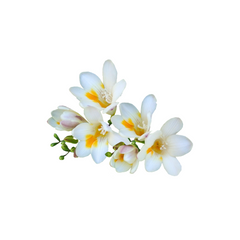
While some natural extracts (such as rose or freesia) may be blended to enhance realism, the peony note itself is always a perfumer’s interpretation, never a direct botanical extract. This reliance on synthetics allows for creative flexibility and consistent quality, with minimal environmental impact.