Where Freesia Comes From — Origin & Extraction
Freesia, botanically classified as Freesia refracta (Iridaceae), is native to the Western Cape Province of South Africa, specifically the Cape Floral Region. The plant was first documented in the 19th century by Danish botanist Christian Ecklon, who named it after his friend Friedrich Freese. Today, freesia is cultivated in several regions worldwide, including the Netherlands (notably in Westland and Aalsmeer), South Africa, and the United States (primarily California). Dutch greenhouses account for a significant share of global cut flower production, with the Netherlands exporting over 100 million freesia stems annually.
Despite its widespread cultivation, natural freesia essential oil is not commercially available due to the extremely low yield of volatile compounds and the flower’s delicate chemistry. Traditional extraction methods such as steam distillation or solvent extraction are ineffective, as they fail to capture the true scent of the living bloom. Instead, the freesia note in perfumery is created using headspace technology, which analyzes the volatile molecules emitted by the fresh flower and allows perfumers to reconstruct its aroma using synthetic materials. Key aroma chemicals include linalool, miraldiacetate (freesia acetate), and various ionones and aldehydes. The cost of producing a natural freesia absolute, if possible, would exceed $3,000–6,000/kg, while synthetic freesia accords can be manufactured for $50–200/kg, depending on the complexity and purity of the blend.
Sustainability considerations favor the use of synthetic freesia, as it avoids the resource-intensive cultivation and waste associated with attempting to extract natural oils. Synthetic production also ensures batch-to-batch consistency and reduces the environmental impact associated with large-scale flower farming. The HumanSafe™ platform provides transparency regarding the sourcing and safety of synthetic freesia materials, ensuring compliance with IFRA standards and minimizing allergenic potential.
Famous Fragrances That Define Freesia in Perfumery
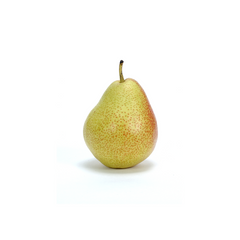
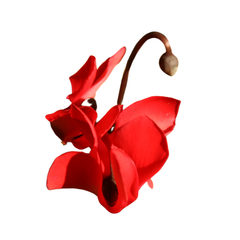
Freesia has become a signature note in modern perfumery, especially in compositions seeking a fresh, clean, and subtly fruity floral effect. One of the most influential examples is Jo Malone London English Pear & Freesia (2010, Christine Nagel), where freesia forms the heart of the fragrance, bridging crisp pear with rose and musk. Byredo La Tulipe (2010, Jérôme Epinette) features freesia in the top notes, paired with cyclamen and rhubarb for a vibrant, dewy opening that transitions to a tulip heart. Lancôme Miracle (2000, Harry Fremont and Alberto Morillas) uses freesia as a luminous accent alongside lychee and magnolia, creating a sparkling, modern floral bouquet.
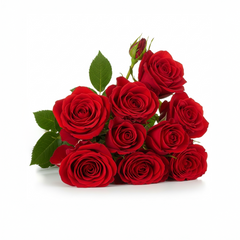
Diptyque Ofresia (1999, Olivia Giacobetti) is a classic example of a soliflore freesia, highlighting the note’s peppery, green, and slightly spicy nuances. Viktor&Rolf Flowerbomb (2005, Olivier Polge, Carlos Benaïm, Domitille Michalon-Bertier) incorporates freesia as a bridge note, adding freshness to a rich blend of jasmine, rose, and patchouli. In each of these compositions, freesia’s synthetic reconstruction allows perfumers to achieve a consistent, uplifting effect that complements both fruity and floral accords. CA Perfume’s collection draws inspiration from this lineage, offering freesia-centered fragrances that balance modernity with olfactory authenticity.
Natural vs Synthetic Freesia in Perfumery
Natural freesia oil is virtually nonexistent in perfumery due to the flower’s low yield and the instability of its volatile compounds. As a result, the freesia note is almost exclusively recreated using synthetic aroma chemicals. Key molecules include miraldiacetate (freesia acetate, CAS 5413-60-5), which provides the characteristic fresh, green, and slightly spicy effect; linalool (CAS 78-70-6), contributing floral-citrus brightness; and beta-ionone (CAS 14901-07-6), which imparts a soft, powdery floral nuance. These synthetics offer superior stability, longevity, and batch consistency compared to any hypothetical natural extract.
Performance-wise, synthetic freesia accords exhibit moderate longevity (4–6 hours) and good diffusion, especially when paired with other florals or green notes. Cost is a significant differentiator: while a hypothetical natural absolute would be prohibitively expensive ($3,000–6,000/kg), synthetic freesia accords are available for $50–200/kg. Notable fragrances using synthetic freesia include Jo Malone English Pear & Freesia, Byredo La Tulipe, and Viktor&Rolf Flowerbomb. These compositions rely on the stability and versatility of synthetics to achieve a true-to-flower effect.
From a sustainability perspective, synthetic freesia reduces the environmental impact associated with large-scale flower farming and avoids the waste of non-volatile plant material. The HumanSafe™ platform ensures that all synthetic freesia materials used by CA Perfume are fully traceable, IFRA-compliant, and screened for allergenic potential, providing transparency and consumer safety. This approach aligns with modern perfumery’s emphasis on both olfactory fidelity and environmental responsibility.