Ingredient Guide · Floral
Floral Family · Perfumery Note

Cyclamen

Delicate, green, and slightly spicy floral note

Cyclamen is a synthetic floral note used as a top or middle note in perfumery, characterized by fresh, green, and slightly spicy nuances. Cyclamen aldehyde (CAS 103-95-7) is the primary molecule defining its scent profile.

Cyclamen
Ingredient Profile

Cyclamen

Floral Family
Family Floral
Note Position Heart Note
Usage Level 0.1–1%
Key Origins Turkey, Greece, Iran
Iconic In Acqua di Giò pour Homme, D&G Anthology L'Imperatrice 3
The Ingredient

What does Cyclamen smell like and why is it significant in perfumery?

Cyclamen in perfumery is primarily represented by synthetic molecules such as cyclamen aldehyde (2-methyl-3-(para-isopropylphenyl)propionaldehyde, CAS 103-95-7), which imparts a fresh, green-floral scent reminiscent of lily-of-the-valley, lilac, and cyclamen flowers. This scent is characterized by watery, ozonic, and slightly spicy facets, with subtle fruity-vegetal nuances akin to cucumber and melon. Cyclamen functions mainly as a top to heart note in fragrance compositions, typically used at low concentrations (0.1–1%) to provide brightness, freshness, and diffusion. It interacts with skin chemistry by offering a clean, airy floral impression that enhances other notes without overpowering them. Cyclamen's synthetic nature ensures consistency and longevity on skin and fabric. Notable fragrances featuring cyclamen include Giorgio Armani's Acqua di Giò pour Homme (1996), where it contributes to the fresh aquatic character, and Dolce & Gabbana's D&G Anthology L'Imperatrice 3 (2009), which uses cyclamen to add a crisp floral heart. These examples illustrate cyclamen's versatility in both masculine and feminine compositions, reinforcing its importance in modern perfumery.

0.1–1%
Typical concentration range of cyclamen aldehyde in fragrance formulations to achieve fresh, floral brightness without overpowering.
40–72 hours
Longevity of cyclamen aldehyde on smelling strips, indicating strong substantivity and diffusion in compositions.
270–275 °C
Boiling point of cyclamen aldehyde, reflecting its stability and suitability for various fragrance media.
Origin & Extraction

Where Cyclamen Comes From — Origin & Extraction

Cyclamen plants grow natively in the Middle East, Mediterranean Europe, and parts of Africa, where soil composition and climate influence subtle botanical variations. These regions provide the natural context for cyclamen's botanical identity, though the fragrance note is synthetic. The Mediterranean basin, including Turkey, Levant, and North Africa, is notable for cyclamen aldehyde production and fragrance chemical manufacturing.

Cyclamen as a fragrance ingredient is derived from the botanical genus Cyclamen, primarily Cyclamen persicum, a perennial plant native to the Middle East, central and southern Europe, and parts of Africa such as Somalia. The plant is known for its delicate flowers and tuberous roots. However, natural cyclamen flowers have a very faint scent, making commercial extraction impractical. Due to the rarity and low yield of natural aroma compounds from cyclamen flowers, perfumery relies almost exclusively on synthetic production. The key synthetic molecule, cyclamen aldehyde (CAS 103-95-7), was first synthesized in the 20th century to replicate and amplify the idealized scent of cyclamen flowers. It is produced via condensation of 4-isopropylbenzaldehyde with acetaldehyde followed by hydrogenation. Major producers of cyclamen aldehyde include fragrance chemical manufacturers in Europe and the Mediterranean region. The synthetic process yields a colorless to pale yellow liquid with medium odor strength. Natural extraction is negligible and not commercially viable. Synthetic cyclamen aldehyde costs approximately $200–500 per kilogram, significantly less than the hypothetical cost of natural extraction. Sustainability is enhanced by synthetic production, avoiding overharvesting of wild cyclamen species, some of which are endangered. No significant IFRA restrictions apply to cyclamen aldehyde, facilitating its widespread use.

TR

Turkey

Turkey, part of the Mediterranean region, hosts fragrance chemical producers specializing in synthetic cyclamen aldehyde. The region's expertise in aroma chemical synthesis supports the global supply of cyclamen fragrance ingredients.

GR

Greece

Greece, with native cyclamen species, contributes to botanical knowledge though natural extraction is negligible. The country is part of the Mediterranean chemical production network.

IR

Iran

Iran, historically Persia, is the believed origin of Cyclamen persicum. While natural extraction is rare, the region's botanical heritage informs the cyclamen fragrance's conceptual origin.

EG

Egypt

Egypt, within the Mediterranean basin, participates in regional fragrance chemical trade and manufacturing, supporting synthetic cyclamen aldehyde availability.

Chemistry

Natural vs Synthetic Cyclamen in Perfumery

Natural cyclamen flowers emit a very faint scent, insufficient for commercial extraction or use in perfumery. Consequently, cyclamen fragrance notes are almost exclusively synthetic, with cyclamen aldehyde (2-methyl-3-(para-isopropylphenyl)propionaldehyde, CAS 103-95-7) being the principal molecule. Synthetic cyclamen aldehyde offers superior longevity, diffusion, and stability compared to any natural extracts. It functions effectively at low concentrations (0.1–1%) and is stable in various media, including soaps and detergents. Variants like methyl cyclamen aldehyde, cyclamen alcohol, and methyl cyclamen alcohol provide perfumers with options to tailor intensity, spiciness, and warmth. Cost-wise, synthetic cyclamen aldehyde is affordable relative to rare natural extracts, priced around $200–500/kg. Its synthetic nature ensures batch-to-batch consistency and supply chain reliability. Famous fragrances such as Acqua di Giò (Giorgio Armani) and D&G Anthology L'Imperatrice 3 (Dolce & Gabbana) utilize synthetic cyclamen aldehyde. Sustainability benefits arise from avoiding wild plant harvesting. The HumanSafe™ platform verifies synthetic cyclamen aldehyde's safety profile, supporting its responsible use in perfumery.

Natural
Cyclamen Absolute
Cost $3,000–6,000/kg
Method Solvent / CO₂
Character Complex, variable
vs
Synthetic
Safranal & Analogues
Cost $50–200/kg
Method Lab synthesis
Character Consistent, stable
Hall of Fame

Famous Fragrances That Define Cyclamen in Perfumery

1996
heart note

Acqua di Giò pour Homme

Giorgio Armani
by Alberto Morillas
bergamotmarine notesgreen florals
2009
heart note

D&G Anthology L'Imperatrice 3

Dolce & Gabbana
by Alberto Morillas
lemontangerineroselily-of-the-valley
2009
accent note

Bal d'Afrique

Byredo
by Ben Gorham
woody notescitrus
2009
dominant note

Cyclamen

L'Atelier Boheme
by Crystelle Darchicourt
lemontangerineroselily-of-the-valleymusk
1900
dominant note

Cyclamen

Fragrifert Parfumeur
by Gustave Alphonse Fragrifert

Cyclamen has been a defining note in numerous notable fragrances, often used to impart fresh, green-floral brightness and a slightly ozonic character. 1. Giorgio Armani's Acqua di Giò pour Homme (1996), perfumer Alberto Morillas, uses cyclamen aldehyde to enhance the aquatic freshness and green floral heart, paired with bergamot and marine notes. 2. Dolce & Gabbana D&G Anthology L'Imperatrice 3 (2009), perfumer Alberto Morillas, features cyclamen as a crisp floral heart note alongside lemon, tangerine, rose, and lily-of-the-valley. 3. Byredo Bal d'Afrique (2009), perfumer Ben Gorham, incorporates cyclamen to add a fresh floral lift within a woody and citrus composition. 4. L'Atelier Boheme Cyclamen (2009), perfumer Crystelle Darchicourt, highlights cyclamen in a feminine floral-musky fragrance with lemon, tangerine, rose, and lily-of-the-valley. 5. Fragrifert Parfumeur Cyclamen (1900), perfumer Gustave Alphonse Fragrifert, an early example using cyclamen to evoke a refined, cool floral scent. These fragrances demonstrate cyclamen's versatility across gendered and olfactory categories. CA Perfume's collection respects this lineage by offering nuanced cyclamen expressions that balance freshness with floral complexity.

The Accord

How is a captivating Cyclamen accord crafted?

A balanced cyclamen accord typically includes Cyclamen Aldehyde (30-35%) for fresh, green-floral brightness; Rose (20-25%) to add depth and a shared damascenone compound that bridges floral notes; Violet Leaf (15-20%) for a green, slightly powdery nuance complementing cyclamen's watery facets; and Musk (20-25%) to provide softness and longevity, masking cyclamen's sharp edges and enhancing skin-like warmth. This blend totals approximately 90-100%, creating a fresh, airy floral accord with complexity and lasting power.

35%

Cyclamen Aldehyde

30–35% of blend

Provides the signature fresh, green-floral and watery facets essential to the cyclamen accord.

25%

Rose

20–25% of blend

Adds floral depth and shares damascenone, creating a molecular bridge with cyclamen.

20%

Violet Leaf

15–20% of blend

Contributes green, slightly powdery nuances that complement cyclamen's watery freshness.

25%

Musk

20–25% of blend

Softens cyclamen's sharpness and provides skin-like warmth and longevity.

The Olfactory Layers

How Cyclamen Evolves on Skin

Cyclamen's olfactory evolution begins with a bright, fresh top note dominated by volatile green and ozonic molecules, transitioning within 15-20 minutes to a floral heart where cyclamen aldehyde's mid-volatility compounds provide a clean, airy floralcy. The base notes emerge over hours, where musk and woody elements anchor the scent, softening cyclamen's sharpness and extending longevity.

I
Top notes
0–15 min
Fresh Green Opening

The initial impression features high-volatility compounds like cyclamen aldehyde's fresh green facets and ozonic nuances, creating a crisp, watery floral opening reminiscent of a greenhouse after rain.

freshgreenozonic
II
Heart notes
20–60 min
Floral and Slightly Spicy

Mid-volatility floral molecules dominate, with cyclamen aldehyde providing a clean, airy floralcy combined with lily-of-the-valley and lilac nuances, balanced by subtle spicy and fruity undertones.

floralairyslightly spicy
III
Base notes
Several hours
Soft Musky Drydown

Lower-volatility musks and woody notes emerge, grounding the floral brightness and adding skin-like warmth and longevity, softening cyclamen's sharp edges for a smooth dry down.

muskywoodywarm
TOP NOTES Fresh Green Opening 0–15 minutes HEART NOTES Floral and Slightly Spicy 20–60 minutes BASE NOTES Soft Musky Drydown Several hours
Through the Ages

The Story of Cyclamen in Perfumery

Cyclamen's journey in perfumery spans from early botanical recognition to modern synthetic innovation, marking key milestones in its adoption as a signature floral note.

Antiquity

Botanical Recognition of Cyclamen

Cyclamen plants were known in ancient Mediterranean cultures, valued for their ornamental and symbolic uses, though their scent was not commercially exploited.

1900

Early Cyclamen Fragrance Use

Fragrifert Parfumeur launched 'Cyclamen,' one of the earliest perfumes featuring the cyclamen note, marking its initial introduction to perfumery.

1980s

Introduction of Synthetic Cyclamen Aldehyde

Cyclamen aldehyde was synthesized to replicate and amplify the faint natural scent, enabling consistent use in perfumery and expanding its popularity.

1996

Acqua di Giò Launch

Giorgio Armani's Acqua di Giò pour Homme incorporated cyclamen aldehyde, popularizing the note in fresh aquatic masculine fragrances.

2009

Rise in Cyclamen-Centric Fragrances

Fragrances like Dolce & Gabbana's L'Imperatrice 3 and Byredo's Bal d'Afrique showcased cyclamen's versatility in modern floral compositions.

The Art of Layering

How to Layer Cyclamen

Understanding how to layer cyclamen involves molecular compatibility and olfactory synergy, enhancing its fresh floral character without overpowering.

01

Enhance Sweetness

Pair cyclamen with vanilla or tonka bean to soften its green sharpness via olfactory masking, where vanillin's sweet threshold overrides cyclamen's crispness. This creates a balanced floral gourmand effect seen in fragrances like Dolce & Gabbana L'Imperatrice 3.

02

Add Depth

Layering cyclamen with woody notes like cedarwood or sandalwood introduces molecular complexity through shared sesquiterpenes, grounding cyclamen's airy facets and extending longevity, as exemplified in Byredo Bal d'Afrique.

03

Lighten the Glow

Combining cyclamen with citrus notes such as bergamot or lemon enhances brightness due to shared volatile esters, producing a crisp, clean opening. This technique is used in Giorgio Armani Acqua di Giò pour Homme to create fresh aquatic accords.

Wear It Right

How to Wear Cyclamen Like a Pro

Seasonal Guide

Fall & Winter

Cooler temperatures reduce cyclamen's volatility, softening its freshness but allowing woody and musky bases to emerge. Layer with warm spices or amber to enhance warmth and longevity.

Spring

Ideal season for cyclamen's crisp, green floralcy. The moderate climate supports balanced diffusion, making it perfect for fresh, airy compositions.

Summer

Heat increases cyclamen's volatility, intensifying its fresh top notes but potentially shortening longevity. Apply lightly and consider layering with aquatic or citrus notes for cooling effect.

Year-Round Tip

Cyclamen blends well with musks and woods to stabilize its airy facets, ensuring consistent wearability regardless of season.

Application Points

Strategic application of cyclamen fragrances enhances their fresh, airy qualities and longevity.

1

Neck

Pulse points like the neck emit heat that activates cyclamen's fresh top notes, enhancing initial brightness and projection.

2

Behind the Ears

This area allows subtle diffusion of cyclamen's airy floralcy, creating an intimate scent trail.

3

Inner Wrists

Warm pulse points here help release cyclamen's green and slightly spicy heart notes throughout the day.

4

Hair

Hair fibers hold fragrance molecules longer, allowing cyclamen's fresh and musky nuances to linger softly.

Pro Tip

Layer cyclamen fragrances with complementary musk or woody notes on clothing for extended longevity without overwhelming freshness.

Mood Architecture™

Top Cyclamen Fragrances by Mood Score

These Cyclamen-based fragrances scored highest on the MEI™ Mood Architecture Framework — measuring how a scent may influence your emotional state.

Highest MEI Score
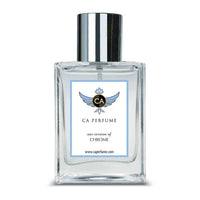
Chrome — Azzaro Chrome Alternative Cologne
6.85
MEI™
Primary Fresh
Secondary Energizing
Confidence
6.2
Presence
6.21
Mood Lift
8.53
Identity
5.69
Warmth
6.2
Social Ease
7.14
Energy
5.0
" I am radiant.
View full mood profile →
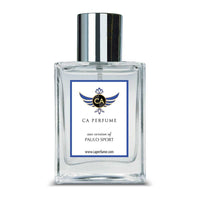
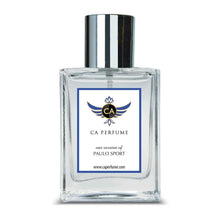
Paulo Sport — Polo Sport Alternative Cologne
6.35
MEI™
Primary Fresh
Secondary Energizing
Confidence
5.78
Presence
5.99
Mood Lift
7.26
Identity
5.62
Warmth
6.63
Social Ease
6.37
Energy
5.7
" I am radiant.
View full mood profile →
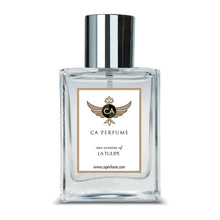
La Tulipe — Byredo La Tulipe Alternative Perfume
6.18
MEI™
Primary Fresh
Secondary Romantic
Confidence
5.53
Presence
5.89
Mood Lift
7.5
Identity
6.04
Warmth
5.46
Social Ease
6.73
Energy
3.2
" I am free.
View full mood profile →
L'eau De Issara Mikai Woman — L'eau D'issey For Woman Alternative Perfume
6.13
MEI™
Primary Fresh
Secondary Romantic
Confidence
5.13
Presence
5.39
Mood Lift
7.47
Identity
5.74
Warmth
6.05
Social Ease
7.06
Energy
2.8
" I am radiant.
View full mood profile →
HumanSafe™

Top Cyclamen Fragrances by HumanSafe™ Score

These Cyclamen-based fragrances have the highest product-level HumanSafe™ scores in this ingredient collection.

Highest HumanSafe™ Score
Paulo Sport — Polo Sport Alternative Cologne
A-
HumanSafe™ Score Generally Safe
Safest Evaluated Ingredients EDP
AQUA Solvent / Carrier ISS 10.0
BENZYL SALICYLATE Evaluated ingredient ISS 9.0
7-OCTEN-2-OL, 2,6-DIMETHYL- Evaluated ingredient ISS 9.0
LINALYL ACETATE Evaluated ingredient ISS 7.0
LINALOOL Evaluated ingredient ISS 7.0
View full safety profile →
La Tulipe — Byredo La Tulipe Alternative Perfume
A-
HumanSafe™ Score Generally Safe
Safest Evaluated Ingredients EDP
AQUA Solvent / Carrier ISS 10.0
CITRAL Evaluated ingredient ISS 8.0
LINALYL ACETATE Evaluated ingredient ISS 7.0
LINALOOL Evaluated ingredient ISS 7.0
CITRONELLOL Evaluated ingredient ISS 7.0
ALCOHOL DENAT. Solvent / Carrier ISS 7.0
View full safety profile →
L'eau De Issara Mikai Woman — L'eau D'issey For Woman Alternative Perfume
A-
HumanSafe™ Score Generally Safe
Safest Evaluated Ingredients EDP
AQUA Solvent / Carrier ISS 10.0
BENZENEPROPANAL, 4-METHOXY-.ALPHA.-METHYL- Evaluated ingredient ISS 9.0
OCTANAL, 2-(PHENYLMETHYLENE)- Evaluated ingredient ISS 8.0
LINALOOL Evaluated ingredient ISS 7.0
CYCLOHEXANEMETHANOL, 4-(1-METHYLETHYL)-, CIS- Evaluated ingredient ISS 7.0
CITRONELLOL Evaluated ingredient ISS 7.0
View full safety profile →
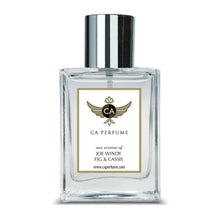
Joe Windy Fig & Cassis — Wild Fig & Cassis Alternative Perfume
A-
HumanSafe™ Score Generally Safe
Safest Evaluated Ingredients EDP
AQUA Solvent / Carrier ISS 10.0
1H-3A,7-METHANOAZULENE, OCTAHYDRO-6-METHOXY- Evaluated ingredient ISS 9.0
3-HEPTANONE, 5-METHYL-, OXIME Evaluated ingredient ISS 8.0
2-HEXENAL, (E)- Evaluated ingredient ISS 8.0
1,2-BENZENEDICARBOXYLIC ACID, DIETHYL ESTER Evaluated ingredient ISS 8.0
BETA-PINENE Evaluated ingredient ISS 7.0
View full safety profile →
Expert Voices

What Masters Say About Cyclamen

Despite being named after cyclamen flowers, cyclamen aldehyde has never been identified in the actual plant. The molecule was designed to capture an idealized, amplified version of what cyclamen might smell like if its flowers were more fragrant.
Première Peau
Cyclamen works well across seasons. In warm-weather fragrances, it reinforces freshness and clarity. In year-round scents, it prevents richness from feeling overwhelming. It adds an effortless, wearable quality that feels current and refined.
CA Perfume Editorial
Common Questions

Frequently Asked Questions

Common questions about cyclamen in perfumery answered with technical detail.

Cyclamen in perfume smells fresh, floral, and green with a slightly spicy and watery character. It is often described as delicate and airy, reminiscent of lily-of-the-valley or rose with a subtle peppery nuance. Cyclamen aldehyde, the synthetic molecule used, provides a clean, ozonic floralcy that brightens compositions without overpowering them. Notable perfumes featuring cyclamen include Acqua di Giò pour Homme and D&G Anthology L'Imperatrice 3.

Cyclamen functions primarily as a top to middle (heart) note in perfumery. Its fresh, green-floral facets are most prominent in the initial 15 to 60 minutes of wear, providing brightness and lift. It is rarely used as a base note due to its volatility and light character.

Cyclamen is favored in niche perfumery for its unique ability to add fresh, airy floral brightness with subtle green and watery nuances. Its synthetic nature allows perfumers precise control over intensity and character, enabling complex, modern floral compositions that feel transparent and sophisticated without heaviness.

Cyclamen fragrance uses include pairing with rose and lily-of-the-valley for complementary floral depth, musk for softness and longevity, cedarwood and sandalwood for woody grounding, and bergamot or citrus for bright, fresh openings. These combinations enhance cyclamen's fresh floral character and create balanced accords.

Yes, cyclamen perfumes are well-suited for summer and hot weather due to their fresh, airy, and green floral profile. However, heat increases volatility, which may shorten longevity, so lighter application or layering with musks can improve wearability in warm climates.

Cyclamen aldehyde exhibits longevity of 40 to 72 hours on smelling strips, indicating strong substantivity. On skin, cyclamen's freshness typically lasts several hours, with longevity influenced by concentration and supporting base notes like musk or woods.

Yes, layering cyclamen perfumes is effective. It blends well with musks, woods, and sweet notes like vanilla to soften its sharpness, or with citrus and green notes to enhance freshness. Layering enhances complexity and longevity while maintaining cyclamen's airy floral character.

Beginner-friendly cyclamen perfumes include Dolce & Gabbana D&G Anthology L'Imperatrice 3 for a fresh, fruity-floral experience, and Giorgio Armani Acqua di Giò pour Homme for a classic aquatic with green floral facets. These offer balanced cyclamen presence without overwhelming complexity.

Choosing the right cyclamen fragrance involves considering desired intensity, supporting notes, and occasion. CA Perfume offers options ranging from fresh, airy compositions to richer floral blends. Sampling and understanding cyclamen's role as a top or heart note helps select a fragrance that suits your style and season.

Cyclamen's scent profile includes subtle spicy facets, often described as a gentle peppery nuance, alongside its fresh floral sweetness. Variants like methyl cyclamen aldehyde intensify the spicy and sweet aspects, allowing perfumers to tailor the balance according to the fragrance concept.

Floral Collection

Explore Our Top Cyclamen Fragrances

Discover fresh, floral, and green cyclamen-based perfumes that showcase this versatile note's airy elegance.

Shop all cyclamen fragrances at CA Perfume →

Where Cyclamen Comes From — Origin & Extraction

Cyclamen as a fragrance ingredient is derived from the botanical genus Cyclamen, primarily Cyclamen persicum, a perennial plant native to the Middle East, central and southern Europe, and parts of Africa such as Somalia. The plant is known for its delicate flowers and tuberous roots. However, natural cyclamen flowers have a very faint scent, making commercial extraction impractical. Due to the rarity and low yield of natural aroma compounds from cyclamen flowers, perfumery relies almost exclusively on synthetic production. The key synthetic molecule, cyclamen aldehyde (CAS 103-95-7), was first synthesized in the 20th century to replicate and amplify the idealized scent of cyclamen flowers. It is produced via condensation of 4-isopropylbenzaldehyde with acetaldehyde followed by hydrogenation. Major producers of cyclamen aldehyde include fragrance chemical manufacturers in Europe and the Mediterranean region. The synthetic process yields a colorless to pale yellow liquid with medium odor strength. Natural extraction is negligible and not commercially viable. Synthetic cyclamen aldehyde costs approximately $200–500 per kilogram, significantly less than the hypothetical cost of natural extraction. Sustainability is enhanced by synthetic production, avoiding overharvesting of wild cyclamen species, some of which are endangered. No significant IFRA restrictions apply to cyclamen aldehyde, facilitating its widespread use.

Famous Fragrances That Define Cyclamen in Perfumery

Cyclamen has been a defining note in numerous notable fragrances, often used to impart fresh, green-floral brightness and a slightly ozonic character. 1. Giorgio Armani's Acqua di Giò pour Homme (1996), perfumer Alberto Morillas, uses cyclamen aldehyde to enhance the aquatic freshness and green floral heart, paired with bergamot and marine notes. 2. Dolce & Gabbana D&G Anthology L'Imperatrice 3 (2009), perfumer Alberto Morillas, features cyclamen as a crisp floral heart note alongside lemon, tangerine, rose, and lily-of-the-valley. 3. Byredo Bal d'Afrique (2009), perfumer Ben Gorham, incorporates cyclamen to add a fresh floral lift within a woody and citrus composition. 4. L'Atelier Boheme Cyclamen (2009), perfumer Crystelle Darchicourt, highlights cyclamen in a feminine floral-musky fragrance with lemon, tangerine, rose, and lily-of-the-valley. 5. Fragrifert Parfumeur Cyclamen (1900), perfumer Gustave Alphonse Fragrifert, an early example using cyclamen to evoke a refined, cool floral scent. These fragrances demonstrate cyclamen's versatility across gendered and olfactory categories. CA Perfume's collection respects this lineage by offering nuanced cyclamen expressions that balance freshness with floral complexity.

Natural vs Synthetic Cyclamen in Perfumery

Natural cyclamen flowers emit a very faint scent, insufficient for commercial extraction or use in perfumery. Consequently, cyclamen fragrance notes are almost exclusively synthetic, with cyclamen aldehyde (2-methyl-3-(para-isopropylphenyl)propionaldehyde, CAS 103-95-7) being the principal molecule. Synthetic cyclamen aldehyde offers superior longevity, diffusion, and stability compared to any natural extracts. It functions effectively at low concentrations (0.1–1%) and is stable in various media, including soaps and detergents. Variants like methyl cyclamen aldehyde, cyclamen alcohol, and methyl cyclamen alcohol provide perfumers with options to tailor intensity, spiciness, and warmth. Cost-wise, synthetic cyclamen aldehyde is affordable relative to rare natural extracts, priced around $200–500/kg. Its synthetic nature ensures batch-to-batch consistency and supply chain reliability. Famous fragrances such as Acqua di Giò (Giorgio Armani) and D&G Anthology L'Imperatrice 3 (Dolce & Gabbana) utilize synthetic cyclamen aldehyde. Sustainability benefits arise from avoiding wild plant harvesting. The HumanSafe™ platform verifies synthetic cyclamen aldehyde's safety profile, supporting its responsible use in perfumery.