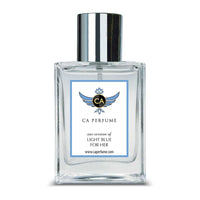
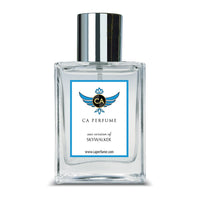
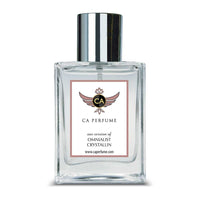
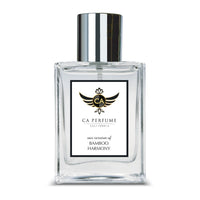
Great class packaging and the scent is spot on!
I loove this scent. It smells like the original at a reasonable price. It brings back great memories and it is spot on!
A study in green, watery, and woody clarity.
Bamboo is a synthetic heart note in perfumery, prized for its clean, green, and watery character. Its scent profile is constructed from molecules like cis-3-hexenol and Calone, used at 1–5% in blends for a transparent, unisex freshness.
Bamboo in perfumery is not a direct botanical extract but a fantasy note, constructed to evoke the impression of freshly cut bamboo stems. The scent profile is defined by green, watery, and slightly woody facets, achieved through molecules such as cis-3-hexenol (leaf alcohol), hexanal, and watery-ozonic materials like Calone and Helional. These compounds create an olfactory experience reminiscent of crushed green stems, sap, and the moist interior of bamboo, with a subtle mineral undertone and faint grassy sweetness. The result is a clean, transparent, and unisex aroma that sits between green-floral and aquatic-woody categories, lighter than vetiver and less sweet than coumarin. In perfumery, bamboo is classified as a heart note due to its moderate volatility and ability to bridge top citrus notes with deeper woods and musks. Typical usage concentration ranges from 1–5% of the formula, depending on the desired intensity of green freshness. Bamboo’s synthetic construction ensures consistency and stability, making it a reliable component in modern compositions. Its interaction with skin chemistry is subtle; the note tends to maintain its clarity and freshness, with minor variations based on skin pH and moisture, but without the dramatic shifts seen in more reactive natural materials. Bamboo in perfumery is exemplified by fragrances such as Dolce&Gabbana Light Blue (2001, Olivier Cresp), where it provides a crisp, green backbone to the citrus and apple top notes, and Bvlgari Omnia Crystalline (2005, Alberto Morillas), where bamboo’s watery-green accord supports lotus, peony, and woody musks. These compositions showcase how bamboo can impart a sense of calm, open space, and modern minimalism, making it a staple in both unisex and gendered fragrances.
Bamboo’s scent profile is inspired by Asian landscapes, where high humidity, mineral-rich soils, and rapid growth contribute to its green, watery, and subtly woody character. The synthetic note draws on these environmental cues for authenticity.
Bamboo (subfamily Bambusoideae, Poaceae) encompasses over 1,400 species of fast-growing grasses native to Asia, particularly China, Japan, India, and Southeast Asia. In perfumery, however, there is no direct extraction of bamboo essential oil or absolute, as the plant does not yield a commercially viable aromatic oil. Attempts at extracting volatile oil from bamboo leaves or shoots via steam distillation or solvent extraction result in extremely low yields and lack the distinctive green, watery scent associated with bamboo in fragrance. Most so-called 'bamboo extracts' used in cosmetics are for antioxidant or skincare purposes and are not olfactorily significant. The bamboo note in perfumery is a reproduction accord, synthesized in the laboratory. Key molecules include cis-3-hexenol (leaf alcohol), hexanal, (Z)-3-hexenal, Calone (CAS 3984-63-2), and Helional (CAS 141-13-9). These are blended with light woody bases and sometimes faintly sweet, grassy materials to mimic the impression of a freshly split bamboo stem. Major manufacturers of these aroma chemicals include Firmenich, Givaudan, and IFF. The cost of synthetic bamboo accords is relatively low, typically $30–150/kg, compared to natural green absolutes like galbanum, which can exceed $1,000/kg. Primary producing countries for natural bamboo are China (over 60% of global bamboo biomass), India, Indonesia, and Japan, but these are not sources for perfumery-grade aroma. Sustainability is a key advantage of the synthetic approach: bamboo is a renewable resource, but the perfumery note avoids agricultural impact altogether by relying on lab synthesis, reducing pressure on wild or cultivated bamboo stocks. There are no IFRA restrictions or known allergenic concerns for the synthetic bamboo accord.
The Sichuan and Zhejiang provinces are major bamboo producers, with dense groves thriving in humid, subtropical climates. While not used for perfumery extraction, Chinese bamboo is the global reference for the plant’s green, mineral freshness.
Kyoto’s Arashiyama region is famed for its bamboo forests, where volcanic soils and misty mornings inspire the aquatic, zen-like qualities of the bamboo accord in fragrance.
West Java’s highland bamboo is known for its rapid growth and lush, green density. The climate’s high rainfall and volcanic soils contribute to the plant’s vibrant, fresh aroma.
Assam and Kerala cultivate bamboo for construction and food, but the green, earthy scent of young shoots is often referenced in regional perfumery and incense traditions.
There is no natural bamboo essential oil or absolute used in fine fragrance; the bamboo note is entirely synthetic. The core molecules are cis-3-hexenol (CAS 928-96-1), Calone (CAS 3984-63-2), and Helional (CAS 141-13-9). These provide the green, watery, and ozonic facets of bamboo’s scent. Synthetic bamboo accords offer superior consistency, stability, and longevity compared to any botanical extract, which would be faint and unstable if it existed. Performance-wise, synthetic bamboo notes have moderate longevity (2–5 hours as a heart note) and diffuse cleanly without overwhelming other ingredients. Cost is a significant factor: synthetic bamboo accords are priced at $30–150/kg, whereas natural green notes like galbanum absolute can exceed $1,000/kg. Notable fragrances using synthetic bamboo include Dolce&Gabbana Light Blue, Bvlgari Omnia Crystalline, and Calvin Klein Truth. There are no known fragrances using a natural bamboo extract as a primary note. From a sustainability perspective, synthetic bamboo avoids the environmental impact of large-scale bamboo harvesting, which is primarily for construction and food. The HumanSafe™ platform ensures transparency in the sourcing and safety of all aroma chemicals used in CA Perfume’s bamboo accords. This approach guarantees allergen-free, IFRA-compliant, and environmentally responsible use of the bamboo note.
Bamboo’s synthetic, green-aquatic character has made it a popular note in modern perfumery, especially in compositions seeking clarity, freshness, and a sense of open space. One of the earliest and most influential uses was in Dolce&Gabbana Light Blue (2001, Olivier Cresp), where bamboo forms the heart, bridging citrus and apple top notes with cedar and amber base. Bvlgari Omnia Crystalline (2005, Alberto Morillas) employs bamboo alongside lotus and peony to evoke a dewy, crystalline freshness. Calvin Klein Truth (2000, Alberto Morillas and Jacques Cavallier) uses bamboo as a structural element, supporting vetiver, patchouli, and white peony for a transparent, woody-floral effect. By Kilian Bamboo Harmony (2012, Calice Becker) explores a more meditative, tea-inflected bamboo, pairing it with bergamot, white tea, and fig leaf for a zen-like composition. Montblanc Starwalker (2005, Michel Almairac) features bamboo in a woody-aromatic context, where it adds a green, watery lift to cedar, sandalwood, and musk. These fragrances demonstrate bamboo’s versatility as both a dominant and supporting note, often paired with citrus, florals, and light woods. CA Perfume’s collection draws inspiration from this lineage, offering bamboo-based scents that emphasize clarity, balance, and modern freshness.
A bamboo accord typically blends 30–35% cis-3-hexenol (for green, leafy freshness), 20–25% Calone or Helional (for watery, ozonic clarity), 20–25% light woody bases (such as Iso E Super or cedarwood acetate for subtle woodiness), and 20% soft musks (for smooth, airy diffusion). Each component is chosen for its molecular compatibility: cis-3-hexenol mimics the green sap, Calone/Helional evoke water and dew, woody bases provide structure, and musks ensure a seamless, lingering finish.
Cis-3-hexenol delivers the signature green, leafy character, mimicking the scent of freshly cut bamboo stems through its high volatility and powerful green note.
Calone and Helional provide watery, ozonic freshness, essential for recreating bamboo’s aquatic, dewy impression at a molecular level.
Cedarwood acetate imparts a subtle, dry woodiness, grounding the green and watery notes and enhancing the accord’s structure.
Soft musks act as fixatives, smoothing the transition between green, watery, and woody facets, and extending the accord’s longevity on skin.
Bamboo’s olfactory evolution begins with a burst of green freshness, transitions to a watery, airy heart, and settles into a soft, woody base. High-volatility molecules like cis-3-hexenol evaporate quickly, while musks and woods linger.
The initial impression is intensely green and dewy, dominated by cis-3-hexenol and hexanal. These high-volatility molecules create the sensation of freshly cut stems and sap, with a fleeting, almost grassy sharpness that dissipates rapidly.
As the top fades, watery-ozonic molecules like Calone and Helional emerge, imparting a sense of aquatic clarity and open space. The green facets soften, and a subtle, mineral sweetness develops, blending with light woods.
The drydown reveals a gentle, woody undertone from cedarwood acetate and soft musks. The green and watery notes recede, leaving a clean, slightly mineral, and quietly persistent base that anchors the composition.
Bamboo’s journey in perfumery is a modern story, shaped by advances in synthetic chemistry and cultural symbolism.
Bamboo is revered in Chinese and Japanese culture for its resilience and purity, used in incense, art, and architecture, but not as a direct fragrance material.
The isolation and synthesis of cis-3-hexenol and Calone enable perfumers to create green, watery accords, laying the groundwork for the bamboo note.
Alberto Morillas and Jacques Cavallier use a bamboo accord as a structural element in Truth, introducing the note to mainstream perfumery.
Olivier Cresp’s Light Blue features bamboo as a heart note, popularizing its crisp, green freshness in a global best-seller.
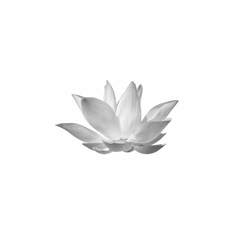
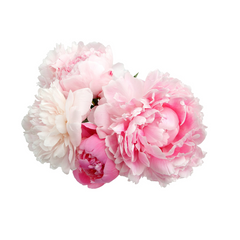
Alberto Morillas crafts a dewy, aquatic bamboo accord, paired with lotus and peony, cementing bamboo’s role in modern floral-aquatic perfumery.
Calice Becker explores bamboo’s zen-like qualities, blending it with white tea and fig leaf in a meditative, niche composition.
Understanding how to layer bamboo is key to maximizing its green, watery character. Molecular compatibility with florals, citrus, and musks creates harmonious blends that enhance freshness and longevity.
Bamboo’s green, watery molecules (cis-3-hexenol, Calone) share olfactory space with floral aldehydes and white florals like lotus and peony. Layering with these notes creates a seamless, airy bouquet, as seen in Bvlgari Omnia Crystalline and By Kilian Bamboo Harmony.
The clean, grassy undertones of bamboo interact with citrus molecules (limonene, citral) through olfactory masking, rounding sharp citrus edges and enhancing perceived freshness. Dolce&Gabbana Light Blue demonstrates this synergy with Sicilian lemon and bamboo.
Soft musks and light woods (Iso E Super, cedarwood acetate) provide a molecular bridge, extending bamboo’s longevity and smoothing its green facets. This technique is used in Calvin Klein Truth and Montblanc Starwalker.
In cooler months, bamboo’s green and watery notes are less volatile, resulting in a softer, more intimate scent. Apply to pulse points and layer with woods or musks to enhance warmth and persistence.
Spring’s moderate temperatures allow bamboo’s freshness to shine. The note projects well, evoking new growth and clean air. Pair with florals or citrus for a bright, uplifting effect.
Heat increases bamboo’s volatility, amplifying its green, dewy facets but shortening longevity. Apply lightly and consider layering with aquatic or citrus notes to maintain freshness in high humidity.
For consistent performance, apply bamboo-based fragrances to well-moisturized skin and avoid over-application. The note’s clean, unisex profile adapts easily to changing climates and occasions.
Strategic application enhances bamboo’s projection and evolution, allowing its green freshness to interact optimally with skin and hair.
Pulse points on the neck generate heat, accelerating evaporation of green top notes for an immediate burst of freshness.
This area retains scent due to lower oil production, allowing bamboo’s watery and musky facets to linger subtly.
Frequent movement and warmth here help diffuse bamboo’s green and aquatic notes, creating a gentle scent trail.
Spraying on hair provides a slow, sustained release of bamboo’s clean, airy character, especially effective in humid environments.
Layer bamboo fragrances with light florals or citrus on clothing for extended projection, as fabric holds the synthetic molecules longer than skin.
These Bamboo-based fragrances scored highest on the MEI™ Mood Architecture Framework — measuring how a scent may influence your emotional state.
These Bamboo-based fragrances have the highest product-level HumanSafe™ scores in this ingredient collection.
Bamboo in perfumery is the idea of a freshly split green stem, sap still visible. No essential oil exists. The note is entirely synthetic: a constructed impression of aquatic freshness, green crispness, and woody lightness.
Bamboo’s scent profile is clean, green, and translucent with a watery-aquatic quality. Like snapping a fresh green stem — you get sap, chlorophyll, and a faint woody crispness.
Frequently asked questions about bamboo in perfumery.
In perfume, bamboo smells green, watery, and subtly woody, with a clean, transparent freshness. The scent is constructed from molecules like cis-3-hexenol and Calone, evoking the impression of freshly cut stems, sap, and dew. It is lighter than vetiver, less sweet than hay, and often described as calm and unisex. Notable examples include Dolce&Gabbana Light Blue and Bvlgari Omnia Crystalline.
Bamboo is typically used as a heart note in fragrance compositions. Its moderate volatility allows it to bridge the freshness of top citrus notes with deeper woody and musky bases. The note persists for 2–5 hours, providing structure and clarity without dominating the composition.
Bamboo’s synthetic, green-aquatic character offers a sense of modern minimalism, clarity, and calm. It is favored in niche perfumery for its ability to evoke open space, zen-like tranquility, and a clean, unisex freshness. Its versatility allows it to pair seamlessly with florals, citrus, and woods, making it a popular choice for contemporary, gender-neutral compositions.
Bamboo fragrance uses often involve pairing with lotus, peony, citrus (especially bergamot and lemon), light woods (cedar, sandalwood), and soft musks. These combinations enhance bamboo’s green, watery, and woody facets, creating harmonious, airy blends. Florals like jasmine and osmanthus also complement bamboo’s profile.
Yes, bamboo’s volatility and aquatic freshness make it especially suitable for summer and hot weather. The note projects well in heat, providing a crisp, dewy sensation. However, high temperatures can shorten longevity, so lighter application and layering with citrus or aquatic notes are recommended for sustained freshness.
Bamboo fragrances generally last 2–5 hours on skin, with the green top notes fading within the first hour and the woody-musky base lingering longer. Longevity depends on concentration (EDP vs EDT), skin type, and environmental conditions. Layering and application to clothing can extend performance.
Yes, bamboo’s clean, green profile makes it highly compatible for layering. It blends well with florals, citrus, musks, and light woods. Layering enhances freshness and complexity, as seen in fragrances like Bvlgari Omnia Crystalline (bamboo and lotus) and Dolce&Gabbana Light Blue (bamboo and citrus).
For those new to bamboo, Dolce&Gabbana Light Blue, Bvlgari Omnia Crystalline, and Calvin Klein Truth are excellent starting points. These fragrances showcase bamboo’s green, watery character in accessible, balanced compositions suitable for daily wear.
Consider your preferred scent profile—whether you enjoy green, aquatic, floral, or woody notes. CA Perfume offers bamboo-based fragrances inspired by iconic blends, allowing you to explore different interpretations of the note. Sampling is recommended to find the best match for your skin chemistry and style.
Bamboo in fragrance is primarily green and watery, with a subtle woody undertone. It is less sweet than notes like cucumber or aloe, and its woody aspect is gentle, providing structure without heaviness. The overall impression is clean, fresh, and balanced rather than overtly sweet or dry.
Discover bamboo-inspired scents that highlight green, watery, and woody freshness. Each fragrance is crafted to evoke clarity and calm, suitable for any season.
Shop all bamboo fragrances at CA Perfume →Bamboo (subfamily Bambusoideae, Poaceae) encompasses over 1,400 species of fast-growing grasses native to Asia, particularly China, Japan, India, and Southeast Asia. In perfumery, however, there is no direct extraction of bamboo essential oil or absolute, as the plant does not yield a commercially viable aromatic oil. Attempts at extracting volatile oil from bamboo leaves or shoots via steam distillation or solvent extraction result in extremely low yields and lack the distinctive green, watery scent associated with bamboo in fragrance. Most so-called 'bamboo extracts' used in cosmetics are for antioxidant or skincare purposes and are not olfactorily significant. The bamboo note in perfumery is a reproduction accord, synthesized in the laboratory. Key molecules include cis-3-hexenol (leaf alcohol), hexanal, (Z)-3-hexenal, Calone (CAS 3984-63-2), and Helional (CAS 141-13-9). These are blended with light woody bases and sometimes faintly sweet, grassy materials to mimic the impression of a freshly split bamboo stem. Major manufacturers of these aroma chemicals include Firmenich, Givaudan, and IFF. The cost of synthetic bamboo accords is relatively low, typically $30–150/kg, compared to natural green absolutes like galbanum, which can exceed $1,000/kg. Primary producing countries for natural bamboo are China (over 60% of global bamboo biomass), India, Indonesia, and Japan, but these are not sources for perfumery-grade aroma. Sustainability is a key advantage of the synthetic approach: bamboo is a renewable resource, but the perfumery note avoids agricultural impact altogether by relying on lab synthesis, reducing pressure on wild or cultivated bamboo stocks. There are no IFRA restrictions or known allergenic concerns for the synthetic bamboo accord.
Bamboo’s synthetic, green-aquatic character has made it a popular note in modern perfumery, especially in compositions seeking clarity, freshness, and a sense of open space. One of the earliest and most influential uses was in Dolce&Gabbana Light Blue (2001, Olivier Cresp), where bamboo forms the heart, bridging citrus and apple top notes with cedar and amber base. Bvlgari Omnia Crystalline (2005, Alberto Morillas) employs bamboo alongside lotus and peony to evoke a dewy, crystalline freshness. Calvin Klein Truth (2000, Alberto Morillas and Jacques Cavallier) uses bamboo as a structural element, supporting vetiver, patchouli, and white peony for a transparent, woody-floral effect. By Kilian Bamboo Harmony (2012, Calice Becker) explores a more meditative, tea-inflected bamboo, pairing it with bergamot, white tea, and fig leaf for a zen-like composition. Montblanc Starwalker (2005, Michel Almairac) features bamboo in a woody-aromatic context, where it adds a green, watery lift to cedar, sandalwood, and musk. These fragrances demonstrate bamboo’s versatility as both a dominant and supporting note, often paired with citrus, florals, and light woods. CA Perfume’s collection draws inspiration from this lineage, offering bamboo-based scents that emphasize clarity, balance, and modern freshness.
There is no natural bamboo essential oil or absolute used in fine fragrance; the bamboo note is entirely synthetic. The core molecules are cis-3-hexenol (CAS 928-96-1), Calone (CAS 3984-63-2), and Helional (CAS 141-13-9). These provide the green, watery, and ozonic facets of bamboo’s scent. Synthetic bamboo accords offer superior consistency, stability, and longevity compared to any botanical extract, which would be faint and unstable if it existed. Performance-wise, synthetic bamboo notes have moderate longevity (2–5 hours as a heart note) and diffuse cleanly without overwhelming other ingredients. Cost is a significant factor: synthetic bamboo accords are priced at $30–150/kg, whereas natural green notes like galbanum absolute can exceed $1,000/kg. Notable fragrances using synthetic bamboo include Dolce&Gabbana Light Blue, Bvlgari Omnia Crystalline, and Calvin Klein Truth. There are no known fragrances using a natural bamboo extract as a primary note. From a sustainability perspective, synthetic bamboo avoids the environmental impact of large-scale bamboo harvesting, which is primarily for construction and food. The HumanSafe™ platform ensures transparency in the sourcing and safety of all aroma chemicals used in CA Perfume’s bamboo accords. This approach guarantees allergen-free, IFRA-compliant, and environmentally responsible use of the bamboo note.