Ingredient Guide · Green Aromatic
Green Aromatic Family · Perfumery Note

Violet Leaf

A crisp, ozonic note with cucumber and grassy facets.

Violet leaf is a prized heart note in perfumery, delivering a green, watery, and slightly metallic character. Its defining aroma arises from molecules like trans-2-cis-6-nonadienal, imparting a cucumber-like freshness even at low concentrations.

Violet Leaf
Ingredient Profile

Violet Leaf

Green Aromatic Family
Family Green Aromatic
Note Position Heart Note
Usage Level 0.05–1%
Key Origins Egypt, France, Italy
Iconic In Fahrenheit, Green Irish Tweed
The Ingredient

What does Violet Leaf smell like and why is it a signature green note?

Violet leaf (Viola odorata L.) in perfumery is renowned for its intensely green, watery, and slightly metallic scent, distinct from the sweet, powdery aroma of violet flowers. The primary odorants responsible for its character are trans-2-cis-6-nonadienal (imparting cucumber and ozonic facets), cis-3-hexenol (fresh-cut grass), and nonadienol. These molecules, present in concentrations below 1% in the absolute, create a profile described as cool, leafy, and subtly floral, with an underlying earthy-woody nuance. This unique composition makes violet leaf a staple in the green fragrance family, often classified as a heart note due to its moderate volatility and ability to bridge top and base notes. In perfumery, violet leaf is typically used at concentrations ranging from 0.05% to 1% of the total formula, depending on the desired intensity. Its green, dewy freshness interacts dynamically with skin chemistry—on warmer, more acidic skin, the note can become sharper and more metallic, while on drier or cooler skin, its grassy and aquatic facets are more pronounced. Violet leaf in perfumery is valued for its ability to impart a naturalistic, outdoorsy quality, enhancing both floral and woody compositions. Notable fragrances that exemplify the use of violet leaf include Dior Fahrenheit (1988, Michel Almairac & Jean-Louis Sieuzac), where it forms a crisp, green heart amid leather and woods, and Marc Jacobs Daisy (2007, Alberto Morillas), where it provides a fresh, uplifting opening paired with strawberry and gardenia. These examples showcase the versatility of violet leaf in both masculine and feminine contexts, cementing its role as a foundational green note in modern perfumery.

2300 kg
Amount of fresh violet leaves required to produce 1 kg of absolute. This low yield underscores the ingredient’s rarity and high cost.
0.05–1%
Typical concentration of violet leaf absolute in fine fragrance formulas. Even at low levels, its green character dominates the blend.
4–6 hours
Average longevity of violet leaf’s perceptible scent on skin, depending on concentration and pairing notes.
Origin & Extraction

Where Violet Leaf Comes From — Origin & Extraction

The terroir of violet leaf cultivation imparts subtle differences in scent profile, with Egyptian leaves prized for their clarity and intensity due to Nile Delta soils and climate.

Violet leaf absolute is derived from the leaves of Viola odorata L., a perennial plant native to temperate regions of Europe, North Africa, and western Asia. The majority of commercial violet leaf absolute is produced in Egypt’s Nile Delta, where the climate and fertile soils yield high-quality leaves. Annual production is limited due to the labor-intensive nature of harvesting—one hectare yields approximately 10 metric tons of leaves, but it takes roughly 2300 kg of fresh leaves to produce just 1 kg of absolute. Extraction is performed via solvent extraction, typically using hexane, to obtain a concrete, which is then washed with ethanol to yield the absolute. The process preserves delicate aroma compounds such as trans-2-cis-6-nonadienal, cis-3-hexenol, and linolenic acid. The yield is extremely low: 1 ton of leaves produces about 900 grams of concrete, making violet leaf absolute one of the costliest natural perfume ingredients, with prices ranging from $4,000 to $8,000 per kg. In contrast, synthetic substitutes (e.g., cis-3-hexenol, nonadienal) cost $50–200 per kg. Sustainability concerns include the high water and labor demands of violet cultivation and the use of organic solvents in extraction. Some producers are exploring greener alternatives, such as CO2 extraction, but solvent extraction remains the industry standard due to its efficiency in capturing the full olfactory spectrum of the leaf.

EG

Egypt

Nile Delta region; deep alluvial soils and high humidity yield leaves with pronounced green, watery facets. Egypt supplies over 80% of global violet leaf absolute, with manual harvests four times a year.

FR

France

Toulouse and Grasse; calcareous soils and temperate climate produce leaves with a softer, more floral green aroma. French production is limited but valued for artisanal quality.

IT

Italy

Parma and Liguria; Mediterranean conditions yield leaves with a slightly sweeter, less metallic green profile. Italian absolutes are rare and mostly used in niche perfumery.

NL

Netherlands

Greenhouse cultivation in Flevoland; controlled environments allow for consistent quality, though volumes are small. Dutch absolutes are noted for their balanced, grassy-green scent.

Chemistry

Natural vs Synthetic Violet Leaf in Perfumery

Natural violet leaf absolute is a complex mixture of aroma compounds, including trans-2-cis-6-nonadienal (CAS 557-48-2), cis-3-hexenol (CAS 928-96-1), and nonadienal, which together create its characteristic green, watery scent. Synthetic versions often rely on cis-3-hexenol for the grassy facet, nonadienal for cucumber freshness, and methyl ionone (CAS 127-51-5) to enhance floral nuances. Synthetic violet leaf notes offer greater batch-to-batch consistency, improved stability, and reduced allergen risk compared to the natural absolute, which can vary depending on harvest and extraction conditions. Natural violet leaf absolute is prized for its complexity and subtle earthy undertones, but it is cost-prohibitive for most mass-market applications. Synthetic substitutes are widely used in mainstream perfumery, especially in functional products and where IFRA restrictions on natural allergens (such as D-limonene and benzyl alcohol) apply. Notably, Dior Fahrenheit uses natural absolute, while Marc Jacobs Daisy relies on a blend of natural and synthetic materials. The HumanSafe™ platform at CA Perfume ensures full transparency regarding the source and allergen content of violet leaf notes in all formulas, supporting both safety and environmental stewardship.

Natural
Violet Leaf Absolute
Cost $3,000–6,000/kg
Method Solvent / CO₂
Character Complex, variable
vs
Synthetic
Safranal & Analogues
Cost $50–200/kg
Method Lab synthesis
Character Consistent, stable
Hall of Fame

Famous Fragrances That Define Violet Leaf in Perfumery

1988
heart note

Fahrenheit

Dior
by Michel Almairac & Jean-Louis Sieuzac
leathernutmegjasminecedarsandalwood
1985
dominant note

Green Irish Tweed

Creed
by Olivier Creed & Pierre Bourdon
irissandalwoodambergrislemon verbena
2007
top note

Daisy

Marc Jacobs
by Alberto Morillas
strawberrygardeniajasminemuskwoods
2015
accent

Tuxedo

Yves Saint Laurent
by Juliette Karagueuzoglou
patchouliblack pepperroseambergris
2021
accent

Ombré Leather Parfum

Tom Ford
by Sonia Constant
leathercedarwoodjasmine sambacmoss

Violet leaf has played a pivotal role in shaping the modern green fragrance family. One of the earliest and most influential uses was in Dior Fahrenheit (1988, Michel Almairac & Jean-Louis Sieuzac), where violet leaf absolute lends a crisp, metallic freshness to a leather-woody base. Creed Green Irish Tweed (1985, Olivier Creed & Pierre Bourdon) employs violet leaf to evoke the sensation of lush meadows and dewy grass, paired with iris and sandalwood. Marc Jacobs Daisy (2007, Alberto Morillas) showcases violet leaf in the top notes, providing a sparkling, green introduction to a floral heart of violet and gardenia. Yves Saint Laurent Tuxedo (2015, Juliette Karagueuzoglou) integrates violet leaf for a modern, mineral-green accent alongside patchouli and black pepper. Tom Ford Ombré Leather Parfum (2021, Sonia Constant) uses violet leaf to add a cool, vegetal nuance to a rich leather composition. These fragrances illustrate the versatility of violet leaf as both a dominant and supporting note, bridging floral, woody, and leather accords. CA Perfume’s collection draws inspiration from this lineage, offering violet leaf interpretations that honor both classic and contemporary green signatures.

The Accord

How is a captivating Violet Leaf accord crafted?

A violet leaf accord balances green, watery freshness with floral and woody nuances. Typical proportions: Violet Leaf Absolute 25–30%, Jasmine Absolute 20–25%, Sandalwood 20–25%, Benzoin 25–30%. Jasmine provides a floral bridge via shared ionone derivatives, sandalwood stabilizes the green notes with creamy lactones, and benzoin anchors the accord with a sweet, balsamic undertone that tempers sharpness.

30%

Violet Leaf Absolute

25–30% of blend

Provides the core green, watery, and slightly metallic character via trans-2-cis-6-nonadienal and cis-3-hexenol.

25%

Jasmine Absolute

20–25% of blend

Introduces floralcy and a subtle indolic warmth, enhancing the naturalistic effect through shared ionone derivatives.

25%

Sandalwood

20–25% of blend

Stabilizes the accord with creamy, woody lactones, softening the green sharpness and extending longevity.

30%

Benzoin

25–30% of blend

Adds a sweet, balsamic base that rounds off the metallic edge of violet leaf, enhancing the overall smoothness.

The Olfactory Layers

How Violet Leaf Evolves on Skin

Violet leaf evolves from a crisp, ozonic opening to a grassy, floral heart and finally a muted, earthy base. Volatile aldehydes and alcohols evaporate quickly, while heavier fatty acids and woody molecules linger.

I
Top notes
0–15 min
Dewy Green Burst

The initial impression is dominated by trans-2-cis-6-nonadienal and cis-3-hexenol, creating a burst of cucumber-like, watery freshness and cut grass. These highly volatile molecules evaporate rapidly, providing an invigorating, almost aquatic opening.

ozoniccucumbergreen
II
Heart notes
20–60 min
Leafy Floral Veil

As the top notes dissipate, the heart reveals a blend of green, leafy, and slightly floral nuances. Ionones and nonadienol contribute a soft, powdery-green effect, while subtle earthy undertones emerge. The scent is both fresh and slightly woody at this stage.

leafyfloralearthy
III
Base notes
Several hours
Earthy Woody Drydown

The drydown is muted and grassy, with faint green-floral notes and a soft, woody-ambery base. Fatty acids and residual benzyl alcohols provide a gentle, lingering earthiness that anchors the composition without overpowering.

grassywoodysoft
TOP NOTES Dewy Green Burst 0–15 minutes HEART NOTES Leafy Floral Veil 20–60 minutes BASE NOTES Earthy Woody Drydown Several hours
Through the Ages

The Story of Violet Leaf in Perfumery

Violet leaf’s journey in perfumery spans from ancient symbolic uses to its modern role as a green signature in both classic and contemporary fragrances.

Ancient Greece

Symbolic Use in Antiquity

Violet plants were associated with fertility and love, dedicated to Aphrodite and used in Athenian wine. The name 'Ion' (violet) is rooted in Greek mythology.

1867

First Violet Fields in Grasse

Violet cultivation for fragrance began in Grasse, France, using enfleurage to extract the flower’s scent. Leaf extraction was not yet practiced.

1920s

Solvent Extraction of Leaves

Advances in solvent extraction enabled the production of violet leaf absolute, distinguishing the green, watery note from the powdery violet flower.

1988

Dior Fahrenheit Launch

Michel Almairac and Jean-Louis Sieuzac use violet leaf absolute as a defining green note, setting a new standard for masculine perfumery.

2007

Marc Jacobs Daisy Debuts

Alberto Morillas incorporates violet leaf in the top notes, popularizing its use in modern, youthful floral compositions.

2020s

Sustainable Cultivation and CO2 Extraction

Producers experiment with greener extraction methods and sustainable sourcing, responding to environmental and regulatory pressures.

The Art of Layering

How to Layer Violet Leaf

Understanding how to layer violet leaf is key to maximizing its impact. At a molecular level, violet leaf’s green aldehydes and alcohols pair well with citrus, woods, and soft florals, creating harmonious blends.

01

Enhance Freshness

Layer violet leaf with citrus notes like bergamot or grapefruit. Shared aldehydic compounds amplify the sparkling, green facets, as seen in Creed Green Irish Tweed and Cartier Eau de Cartier. This synergy creates a vibrant, uplifting effect ideal for summer.

02

Add Depth

Combine violet leaf with sandalwood or vetiver. The woody lactones and earthy terpenes in these notes stabilize violet leaf’s volatility, extending its presence and adding complexity. Tom Ford Ombré Leather Parfum demonstrates this pairing with a cool, vegetal undertone.

03

Soften the Green

Pair violet leaf with soft florals like jasmine or rose. Ionone derivatives in both notes create a molecular bridge, smoothing the metallic edge and yielding a balanced, naturalistic accord. Marc Jacobs Daisy exemplifies this approach.

Wear It Right

How to Wear Violet Leaf Like a Pro

Seasonal Guide

Fall & Winter

Cooler temperatures suppress volatility, allowing the earthy, woody base of violet leaf to linger. Apply to pulse points under clothing to maximize warmth and projection. The note’s green clarity provides a refreshing contrast to heavier winter scents.

Spring

Spring’s mild humidity and moderate warmth enhance violet leaf’s dewy, grassy facets. Layer with floral notes for a naturalistic bouquet that echoes the season’s renewal. Apply lightly to avoid overpowering delicate spring compositions.

Summer

Heat increases the volatility of violet leaf’s top notes, amplifying its watery, cucumber freshness but reducing longevity. For best results, apply to cooler areas (inner elbows, behind knees) and consider layering with citrus or aquatic notes.

Year-Round Tip

Violet leaf’s versatility makes it suitable for all seasons when paired thoughtfully. Adjust application and layering partners to balance its green intensity with the ambient climate, ensuring a harmonious scent experience.

Application Points

Strategic application of violet leaf fragrances enhances their freshness and longevity.

1

Neck

Applying to the neck leverages body heat to diffuse the green, ozonic top notes, creating an immediate aura of freshness around the wearer.

2

Behind the Ears

This area is less exposed to air, allowing violet leaf’s heart notes to develop slowly and maintain their leafy, floral character throughout the day.

3

Inner Wrists

Pulse points on the wrists accelerate evaporation, highlighting the crisp, grassy opening. Reapply as needed to sustain the effect.

4

Hair

Spraying on hair provides a gentle, prolonged release of violet leaf’s green facets, as hair retains scent molecules longer than skin.

Pro Tip

Layer violet leaf with a light moisturizer or unscented oil to slow evaporation and enhance the longevity of its delicate green notes.

Mood Architecture™

Top Violet Leaf Fragrances by Mood Score

These Violet Leaf-based fragrances scored highest on the MEI™ Mood Architecture Framework — measuring how a scent may influence your emotional state.

Highest MEI Score
Emblem Intense — Mont Blanc Emblem Intense Alternative Cologne
8.33
MEI™
Primary Romantic
Secondary Confident
Confidence
7.99
Presence
8.23
Mood Lift
8.91
Identity
8.01
Warmth
9.41
Social Ease
8.03
Energy
4.5
" I am beautiful.
View full mood profile →
French Affair — Ex Nihilo French Affair Alternative Perfume
8.02
MEI™
Primary Magnetic
Secondary Confident
Confidence
8.63
Presence
9.5
Mood Lift
7.64
Identity
9.26
Warmth
8.27
Social Ease
7.08
Energy
3.1
" I am bold.
View full mood profile →
Iris Porcelana — Ex Nihilo Iris Porcelana Alternative Perfume
7.47
MEI™
Primary Romantic
Secondary Confident
Confidence
7.2
Presence
7.47
Mood Lift
7.86
Identity
7.79
Warmth
8.1
Social Ease
7.59
Energy
3.0
" I am beautiful.
View full mood profile →
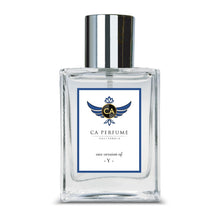
Y — YSL Y Alternative Cologne
#4
Y — YSL Y Alternative Cologne
Starting from $14.99
7.45
MEI™
Primary Fresh
Secondary Energizing
Confidence
6.83
Presence
7.35
Mood Lift
9.5
Identity
6.73
Warmth
6.43
Social Ease
7.2
Energy
5.2
" I am radiant.
View full mood profile →
HumanSafe™

Top Violet Leaf Fragrances by HumanSafe™ Score

These Violet Leaf-based fragrances have the highest product-level HumanSafe™ scores in this ingredient collection.

Highest HumanSafe™ Score
Y — YSL Y Alternative Cologne
#1
Y — YSL Y Alternative Cologne
Starting from $14.99
A-
HumanSafe™ Score Generally Safe
Safest Evaluated Ingredients EDP
AQUA Solvent / Carrier ISS 10.0
1,4-DIOXACYCLOHEPTADECANE-5,17-DIONE Evaluated ingredient ISS 10.0
7-OCTEN-2-OL, 2,6-DIMETHYL- Evaluated ingredient ISS 9.0
2-HEXENE, 6,6-DIMETHOXY-2,5,5-TRIMETHYL- Evaluated ingredient ISS 8.0
LINALYL ACETATE Evaluated ingredient ISS 7.0
LINALOOL Evaluated ingredient ISS 7.0
View full safety profile →
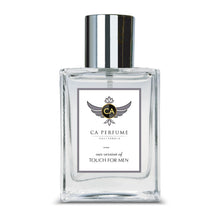
Touch For Men — Touch Alternative Cologne
A-
HumanSafe™ Score Generally Safe
Safest Evaluated Ingredients EDP
AQUA Solvent / Carrier ISS 10.0
1,4-DIOXACYCLOHEPTADECANE-5,17-DIONE Evaluated ingredient ISS 10.0
7-OCTEN-2-OL, 2,6-DIMETHYL- CAT. 3 Evaluated ingredient ISS 9.0
3-BUTEN-2-ONE, 3-METHYL-4-(2,6,6-TRIMETHYL-2- Evaluated ingredient ISS 8.0
2H-1-BENZOPYRAN-2-ONE Evaluated ingredient ISS 8.0
LINALYL ACETATE Evaluated ingredient ISS 7.0
View full safety profile →
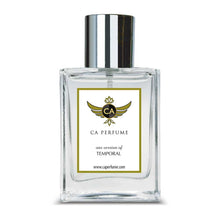
Temporal — Tempo Alternative Perfume
#3
Temporal — Tempo Alternative Perfume
Starting from $14.99
A-
HumanSafe™ Score Generally Safe
Safest Evaluated Ingredients EDP
AQUA Solvent / Carrier ISS 10.0
1,4-DIOXACYCLOHEPTADECANE-5,17-DIONE Evaluated ingredient ISS 10.0
AMBROXIDE Evaluated ingredient ISS 9.0
3-BUTEN-2-ONE, 3-METHYL-4-(2,6,6-TRIMETHYL-2- Evaluated ingredient ISS 8.0
LINALYL ACETATE Evaluated ingredient ISS 7.0
LINALOOL Evaluated ingredient ISS 7.0
View full safety profile →
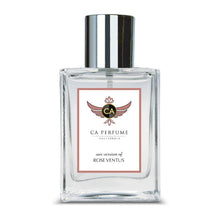
Rose Ventus — Rose Des Vents Alternative Perfume
A-
HumanSafe™ Score Generally Safe
Safest Evaluated Ingredients EDP
AQUA Solvent / Carrier ISS 10.0
1,4-DIOXACYCLOHEPTADECANE-5,17-DIONE Evaluated ingredient ISS 10.0
HEXYL SALICYLATE Evaluated ingredient ISS 9.0
AMBROXIDE Evaluated ingredient ISS 9.0
4H-INDEN-4-ONE, 1,2,3,5,6,7-HEXAHYDRO-1,1,2,3,3- Evaluated ingredient ISS 9.0
View full safety profile →
Expert Voices

What Masters Say About Violet Leaf

Both green and leathery – with a distinctive aqueous cucumber note – Violet Leaf’s perfume is completely different from the sweet, reminiscent of candy, floral, and powdery scent of the species’ purple colored flower.
Olfactive Studio Editorial
Violet leaf absolute is one of the costliest and most labor-intensive natural fragrance materials to produce – approximately 2300 kilos of hand-picked leaves yield only 1 kilo of the absolute.
CA Perfume Editorial
Common Questions

Frequently Asked Questions

Answers to common questions about violet leaf in perfumery.

Violet leaf in perfume smells intensely green, watery, and slightly metallic, with a crisp cucumber-like freshness. The scent is driven by molecules such as trans-2-cis-6-nonadienal and cis-3-hexenol, which create an ozonic, dewy effect distinct from the powdery sweetness of violet flowers. In compositions like Dior Fahrenheit and Creed Green Irish Tweed, violet leaf imparts a naturalistic, outdoorsy quality that is both invigorating and elegant.

Violet leaf is typically classified as a heart (middle) note due to its moderate volatility and persistence. It bridges the transition between fleeting top notes (such as citrus) and long-lasting base notes (like woods or musks). However, in some formulas, it can also appear in the top accord for an immediate green impact.

Violet leaf is favored in niche perfumery for its ability to impart a realistic, natural green freshness that is difficult to replicate with other ingredients. Its unique molecular composition allows perfumers to create compositions that evoke the outdoors, add complexity to florals, or modernize classic structures. Its high cost and labor-intensive extraction also contribute to its prestige.

Violet leaf fragrance uses often involve pairing with citrus (bergamot, grapefruit), woods (sandalwood, vetiver), and soft florals (jasmine, rose). These combinations create harmonious, multidimensional accords by balancing green sharpness with creamy, floral, or woody undertones. Notable examples include Marc Jacobs Daisy (with strawberry and gardenia) and Tom Ford Ombré Leather Parfum (with leather and jasmine).

Yes, violet leaf’s watery, green freshness makes it particularly well-suited for summer and hot climates. Its volatile aldehydes and alcohols diffuse quickly in heat, amplifying the crisp, refreshing effect. However, longevity may be reduced, so lighter application or layering with citrus and aquatic notes is recommended.

On average, violet leaf’s perceptible scent lasts 4–6 hours on skin, depending on concentration and accompanying notes. In Eau de Parfum formats, the green heart can persist longer, especially when anchored by woody or balsamic bases. The top notes are most prominent in the first 30 minutes.

Absolutely. Violet leaf is highly versatile for layering due to its molecular compatibility with citrus, woods, and florals. Layering with bergamot or grapefruit enhances freshness, while pairing with sandalwood or jasmine softens the green edge. This technique is demonstrated in fragrances like Creed Green Irish Tweed and Marc Jacobs Daisy.

For those new to violet leaf, recommended entry points include Marc Jacobs Daisy (2007), Creed Green Irish Tweed (1985), and Dior Fahrenheit (1988). These fragrances showcase violet leaf’s green freshness in accessible, balanced compositions, making them ideal for exploring the note’s versatility.

When selecting a violet leaf fragrance at CA Perfume, consider your preferred scent profile—whether you favor crisp, green freshness, floral softness, or woody depth. Review the fragrance pyramid and note pairings to find a composition that matches your style. The HumanSafe™ platform provides transparency on ingredient sourcing and allergen content.

Violet leaf is predominantly green, watery, and slightly metallic, with only a faint underlying sweetness. Unlike the violet flower, which is powdery and candy-like, violet leaf’s scent is crisp, vegetal, and reminiscent of cucumber and fresh-cut grass. Its green character is what defines its role in modern perfumery.

Green Aromatic Collection

Explore Our Top Violet Leaf Fragrances

Discover CA Perfume’s curated selection of violet leaf fragrances, each highlighting the note’s green, watery freshness in both classic and modern compositions.

Shop all violet leaf fragrances at CA Perfume →

Where Violet Leaf Comes From — Origin & Extraction

Violet leaf absolute is derived from the leaves of Viola odorata L., a perennial plant native to temperate regions of Europe, North Africa, and western Asia. The majority of commercial violet leaf absolute is produced in Egypt’s Nile Delta, where the climate and fertile soils yield high-quality leaves. Annual production is limited due to the labor-intensive nature of harvesting—one hectare yields approximately 10 metric tons of leaves, but it takes roughly 2300 kg of fresh leaves to produce just 1 kg of absolute. Extraction is performed via solvent extraction, typically using hexane, to obtain a concrete, which is then washed with ethanol to yield the absolute. The process preserves delicate aroma compounds such as trans-2-cis-6-nonadienal, cis-3-hexenol, and linolenic acid. The yield is extremely low: 1 ton of leaves produces about 900 grams of concrete, making violet leaf absolute one of the costliest natural perfume ingredients, with prices ranging from $4,000 to $8,000 per kg. In contrast, synthetic substitutes (e.g., cis-3-hexenol, nonadienal) cost $50–200 per kg. Sustainability concerns include the high water and labor demands of violet cultivation and the use of organic solvents in extraction. Some producers are exploring greener alternatives, such as CO2 extraction, but solvent extraction remains the industry standard due to its efficiency in capturing the full olfactory spectrum of the leaf.

Famous Fragrances That Define Violet Leaf in Perfumery

Violet leaf has played a pivotal role in shaping the modern green fragrance family. One of the earliest and most influential uses was in Dior Fahrenheit (1988, Michel Almairac & Jean-Louis Sieuzac), where violet leaf absolute lends a crisp, metallic freshness to a leather-woody base. Creed Green Irish Tweed (1985, Olivier Creed & Pierre Bourdon) employs violet leaf to evoke the sensation of lush meadows and dewy grass, paired with iris and sandalwood. Marc Jacobs Daisy (2007, Alberto Morillas) showcases violet leaf in the top notes, providing a sparkling, green introduction to a floral heart of violet and gardenia. Yves Saint Laurent Tuxedo (2015, Juliette Karagueuzoglou) integrates violet leaf for a modern, mineral-green accent alongside patchouli and black pepper. Tom Ford Ombré Leather Parfum (2021, Sonia Constant) uses violet leaf to add a cool, vegetal nuance to a rich leather composition. These fragrances illustrate the versatility of violet leaf as both a dominant and supporting note, bridging floral, woody, and leather accords. CA Perfume’s collection draws inspiration from this lineage, offering violet leaf interpretations that honor both classic and contemporary green signatures.

Natural vs Synthetic Violet Leaf in Perfumery

Natural violet leaf absolute is a complex mixture of aroma compounds, including trans-2-cis-6-nonadienal (CAS 557-48-2), cis-3-hexenol (CAS 928-96-1), and nonadienal, which together create its characteristic green, watery scent. Synthetic versions often rely on cis-3-hexenol for the grassy facet, nonadienal for cucumber freshness, and methyl ionone (CAS 127-51-5) to enhance floral nuances. Synthetic violet leaf notes offer greater batch-to-batch consistency, improved stability, and reduced allergen risk compared to the natural absolute, which can vary depending on harvest and extraction conditions. Natural violet leaf absolute is prized for its complexity and subtle earthy undertones, but it is cost-prohibitive for most mass-market applications. Synthetic substitutes are widely used in mainstream perfumery, especially in functional products and where IFRA restrictions on natural allergens (such as D-limonene and benzyl alcohol) apply. Notably, Dior Fahrenheit uses natural absolute, while Marc Jacobs Daisy relies on a blend of natural and synthetic materials. The HumanSafe™ platform at CA Perfume ensures full transparency regarding the source and allergen content of violet leaf notes in all formulas, supporting both safety and environmental stewardship.