
Great class packaging and the scent is spot on!
I loove this scent. It smells like the original at a reasonable price. It brings back great memories and it is spot on!
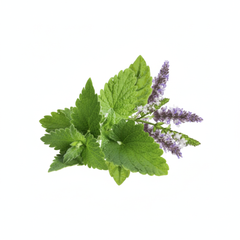
A crisp, mentholated note that enlivens modern and classic scents.
In perfumery, mint is a top note prized for its brisk, mentholated freshness and green, peppery facets. Its defining character comes from menthol and menthone, used at 0.5–3% in compositions for a vivid, cooling effect.

Mint in perfumery is defined by its instantly cooling, green, and peppery aroma, derived from the essential oils of several Mentha species—primarily Mentha piperita (peppermint) and Mentha spicata (spearmint). The dominant scent molecules are menthol (CAS 89-78-1), menthone, and carvone, which together create a spectrum from icy, camphoraceous sharpness (peppermint) to sweet, herbaceous greenness (spearmint). The 'mint scent profile' is further nuanced by minor constituents such as pulegone and limonene, lending subtle citrus or earthy undertones. This multifaceted freshness is what makes mint so versatile and recognizable in fragrance design. In perfumery, mint is almost exclusively used as a top note due to its high volatility and rapid evaporation rate. Typical concentrations in fine fragrance range from 0.5% to 3% of the total formula, depending on the desired intensity and the specific mint species used. On skin, menthol activates cold-sensitive TRPM8 receptors, producing a physiological cooling effect that enhances the perception of freshness. This interaction with skin chemistry means that mint can project sharply at first, then recede to reveal supporting green or herbal notes as the fragrance evolves. 'What does mint smell like' is a question best answered by examining its use in iconic fragrances. Versace Eros (2012, perfumer Aurelien Guichard) features a prominent peppermint top note, paired with green apple and tonka bean for a vibrant, energetic opening. Guerlain Homme Eau de Parfum (2016, perfumer Thierry Wasser) employs mint alongside lime and rum to evoke the classic mojito cocktail, demonstrating mint’s ability to bridge citrus, herbal, and woody accords. These examples illustrate why 'mint in perfumery' remains essential for creating both classic fougère structures and contemporary fresh compositions.
Mint’s aromatic profile is shaped by geography—soil type, rainfall, and climate influence menthol and carvone content. High-altitude, well-drained soils yield oils with greater clarity and sweetness.
Mint in perfumery is sourced from several species within the genus Mentha (family Lamiaceae), most notably Mentha piperita (peppermint), Mentha spicata (spearmint), and Mentha arvensis (corn mint). Peppermint is a natural hybrid of spearmint and water mint (Mentha aquatica). The primary producing countries for mint essential oil are the United States (notably the Pacific Northwest for peppermint), India (leading global producer of Mentha arvensis), China, Egypt, and Morocco. India alone accounts for over 80% of global Mentha arvensis oil production, with annual volumes exceeding 25,000 metric tons. Extraction is typically performed via steam distillation of fresh or partially dried aerial parts (leaves and stems) harvested just before flowering. The distillation process operates at 100°C for 1–3 hours, yielding 0.3–1.0% essential oil by weight. The resulting oil is then fractionated to remove undesirable components (e.g., menthofuran, dimethyl sulfide) and standardized for menthol content. Peppermint oil is often rectified to achieve menthol concentrations of 32–50%. Spearmint oil, rich in carvone, is similarly distilled but yields a sweeter, less camphoraceous profile. Natural mint oil prices vary by species and origin: peppermint oil typically ranges from $25–$50/kg, while Mentha arvensis oil can be as low as $15–$30/kg. Synthetic menthol (produced from thymol or via catalytic hydrogenation of myrcene) costs $8–$15/kg, making it a cost-effective alternative for large-scale applications. Sustainability concerns focus on water usage, pesticide management, and crop rotation. Some producers are transitioning to integrated pest management and organic cultivation to meet demand for 'clean' ingredients. Synthetic menthol offers a lower environmental impact but lacks the olfactory complexity of natural mint oils.
The Pacific Northwest (Oregon, Washington) produces high-menthol peppermint oil, prized for its clarity and intensity. Annual output exceeds 4,000 metric tons, with strict quality standards and advanced crop rotation practices.
Uttar Pradesh is the world’s largest producer of Mentha arvensis (corn mint), yielding over 25,000 metric tons annually. Warm, humid conditions and alluvial soils favor high menthol content. India supplies over 80% of the global market.
The Meknes and Fes regions cultivate spearmint (Mentha spicata), known for its sweet, mild oil rich in carvone. Moroccan spearmint is favored for culinary and perfumery uses, with a distinctive herbal-green aroma.
China is a major producer of both peppermint and spearmint oils, supplying global markets with competitively priced material. Varied climates yield oils with diverse menthol and carvone ratios.
Natural mint essential oils are complex mixtures dominated by menthol (CAS 89-78-1) in peppermint and carvone (CAS 99-49-0) in spearmint, with supporting roles from menthone (CAS 10458-14-7), pulegone, and limonene. Synthetic mint notes are primarily constructed from pure menthol, isomenthone, and synthetic carvone, sometimes supplemented with isopulegol or menthyl acetate for added nuance. Synthetic menthol is produced on an industrial scale via catalytic hydrogenation of thymol or myrcene, resulting in a product with high purity and consistent performance. Performance-wise, synthetic menthol offers greater stability, longevity, and batch-to-batch consistency compared to natural oils, which can vary due to climate and harvest conditions. However, natural mint oils provide a more nuanced, evolving scent profile with subtle green, earthy, or floral undertones absent in synthetics. Cost is a major differentiator: synthetic menthol is available at $8–$15/kg, while natural peppermint oil ranges from $25–$50/kg. Many modern fragrances, such as Versace Eros and Jean Paul Gaultier Le Male, use a blend of natural and synthetic mint materials to optimize both olfactory impact and cost. Sustainability is increasingly important: synthetic menthol reduces pressure on agricultural land and water resources but may rely on petrochemical feedstocks. The HumanSafe™ platform at CA Perfume ensures full traceability and IFRA compliance for both natural and synthetic mint ingredients, with transparent sourcing and allergen disclosure. Notable aroma chemicals for synthetic mint effects include menthol, isopulegol, and menthyl acetate.
Mint has played a pivotal role in both classic and contemporary fragrance compositions. In Versace Eros (2012, perfumer Aurelien Guichard), peppermint is the dominant top note, delivering an immediate burst of icy freshness that sets the tone for a modern fougère. Guerlain Homme Eau de Parfum (2016, Thierry Wasser) uses mint alongside lime and rum, creating a mojito-inspired accord that bridges citrus and woody notes. Jean Paul Gaultier Le Male (1995, Francis Kurkdjian) features mint as a bridge note, seamlessly linking lavender and vanilla for a signature clean-yet-sensual effect. Diptyque Eau de Minthé (2019, Fabrice Pellegrin) revisits the classic fougère structure, placing mint at the heart and pairing it with patchouli and geranium for a green, aromatic twist. Amouage Beach Hut Man (2017, Elise Benat) employs mint as a supporting note, enhancing the composition’s cool, mineralic character alongside vetiver and moss. Chronologically, mint’s use has evolved from subtle supporting roles in early colognes to starring as a dominant note in modern masculine and unisex fragrances. CA Perfume’s collection draws inspiration from this lineage, offering mint-forward scents that balance freshness with complexity.
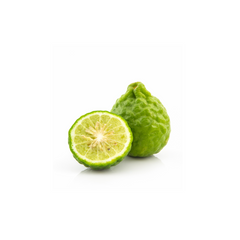
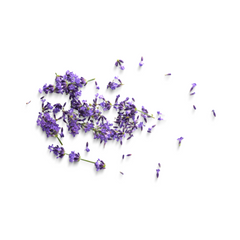
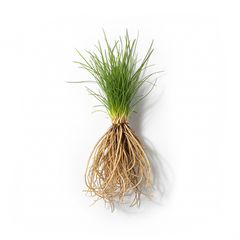
A mint accord balances mentholic freshness with green, citrus, and herbal facets. Typical proportions: Mint (peppermint/spearmint) 30–35%, Bergamot 20–25%, Lavender 20–25%, Vetiver 20–25%. Mint provides the cooling top note via menthol and carvone; bergamot adds sparkling citrus via limonene and linalyl acetate; lavender bridges with herbaceous, floral facets through linalool and coumarin; vetiver anchors with earthy, woody depth (vetiverol, vetivone). This structure yields a multidimensional, long-lasting green freshness.
Menthol and carvone deliver the signature cooling, green, and peppery facets essential to a mint accord.
Limonene and linalyl acetate provide citrus brightness, enhancing mint’s freshness and extending its top note impact.
Linalool and coumarin bridge herbal and floral facets, softening mint’s sharpness and adding aromatic complexity.
Vetiverol and vetivone ground the accord, providing earthy, woody depth that balances mint’s volatility.
Mint’s olfactory evolution is rapid: high-volatility menthol and carvone dominate the opening, dissipating within 15–20 minutes. As these evaporate, supporting green and herbal notes emerge, followed by subtle woody or musky undertones in the base.
A burst of menthol and carvone creates an immediate cooling, green, and peppery sensation. The high volatility of these molecules ensures a vivid, airy opening that quickly enlivens the senses.
As menthol dissipates, softer herbal and floral facets—often from linalool, coumarin, and minor terpenes—emerge. The scent becomes rounder, with hints of sweetness and a lingering green freshness.
Mint’s base is subtle: faint woody, musky, or earthy nuances may persist, especially when paired with vetiver or moss. These are due to low-volatility terpenoids and fixatives anchoring the accord.
Mint’s history in perfumery spans from ancient herbal remedies to a defining note in modern fougères and fresh fragrances.
Mint (Mentha) was used in ancient Greece and Rome for its aromatic and medicinal properties. It was strewn on floors to freshen air and used in early herbal infusions.
Mint became a popular ingredient in Eau de Cologne formulas, valued for its invigorating freshness and ability to mask odors in crowded cities.
Steam distillation of peppermint and spearmint became standardized, enabling large-scale production of essential oils for perfumery and flavoring.
Jean Paul Gaultier Le Male (Francis Kurkdjian) popularized mint as a bridge between lavender and vanilla, influencing a generation of fresh fougères.
Mint features as a dominant note in fragrances like Versace Eros (2012) and Diptyque Eau de Minthé (2019), highlighting its versatility in both masculine and unisex compositions.
Understanding how to layer mint is key to maximizing its freshness and versatility. At a molecular level, mint’s menthol and carvone interact with citrus, floral, and woody notes through olfactory masking and synergistic effects.
Layering mint with citrus notes (e.g., bergamot, lime) creates a synergistic effect—limonene and menthol amplify each other’s freshness, resulting in a sparkling, invigorating top accord. Guerlain Homme and Versace Eros both demonstrate this pairing.
Combining mint with lavender or rosemary leverages shared terpenoids (linalool, camphor), producing a complex, aromatic profile. Jean Paul Gaultier Le Male and Amouage Beach Hut Man illustrate how herbal notes extend mint’s green character.
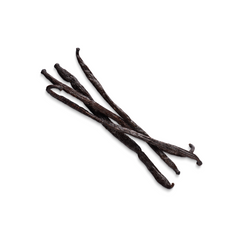
Vanillin’s sweet, creamy profile masks menthol’s sharpness, yielding a smoother, more wearable blend. This olfactory masking is evident in Le Male, where vanilla tempers mint’s intensity for a balanced, sensual finish.
In cooler months, mint’s freshness is subdued—projection is lower, and the herbal, earthy facets become more prominent. Layer with woods, amber, or vanilla to add warmth and depth. Apply to pulse points under clothing for a subtle, lingering effect.
Spring’s mild temperatures allow mint’s green, aromatic qualities to shine. Pair with florals or citrus for a bright, uplifting scent. Apply lightly to exposed skin for a crisp, clean impression.
Heat amplifies mint’s volatility—expect a vivid, cooling burst that projects strongly but fades quickly. Reapply as needed, and consider layering with aquatic or citrus notes for maximum freshness.
Mint adapts well to layering—combine with complementary notes to tailor projection and longevity. In dry climates, use a moisturizing base to prolong the scent; in humid conditions, apply sparingly to avoid overwhelming freshness.
Strategic application maximizes mint’s freshness and longevity. Focus on pulse points and areas with moderate warmth.
The neck’s warmth enhances mint’s initial projection, allowing menthol to diffuse rapidly for an immediate cooling effect.
This area provides gentle warmth and is less exposed, helping mint’s freshness linger longer without overwhelming the senses.
Pulse points on the wrists accelerate evaporation, showcasing mint’s top note brilliance. Reapply as needed for sustained freshness.
Spraying mint-based fragrance on hair allows for gradual diffusion with movement, extending the scent’s airy, green facets.
Layer mint with a moisturizing unscented lotion to slow evaporation and enhance longevity, especially in dry or cold weather.
These Mint-based fragrances scored highest on the MEI™ Mood Architecture Framework — measuring how a scent may influence your emotional state.
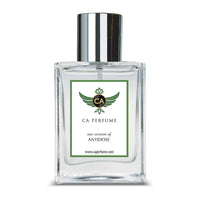
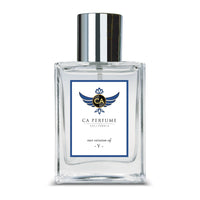
These Mint-based fragrances have the highest product-level HumanSafe™ scores in this ingredient collection.

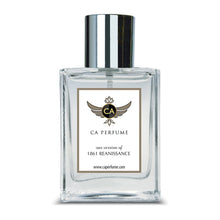
A good mint note is never just 'mint.' It can be bright and leafy like a crushed garden sprig, watery and airy, or dense and oily, almost resinous. Often it comes with a camphorous edge, a faint medicinal chill that makes the greenness feel clean and vivid rather than sweet.
Menthol has a very characteristic 'cold' smell, transparent and clean with camphoric, green and spicy shades. Its corresponding ketone, menthone, also has a characteristic minty smell with much brighter, herbal-green, anisic aspects.
Mint pairs well with a range of complementary ingredients, enhancing both fresh and aromatic accords.
Answers to common questions about mint in perfumery.
Mint in perfume is defined by menthol’s icy, cooling freshness and carvone’s sweet, green undertones. The result is a crisp, invigorating scent with peppery, herbal, and occasionally camphoraceous nuances. Depending on the species, mint can be sharp and bracing (peppermint) or soft and sweet (spearmint), often paired with citrus, woods, or florals for added complexity. Iconic examples include Versace Eros and Guerlain Homme.
Mint is almost exclusively used as a top note in fragrance due to its high volatility and rapid evaporation. Its main constituents, menthol and carvone, evaporate quickly, providing an immediate burst of freshness that typically lasts 15–30 minutes before yielding to heart and base notes.
Mint’s unique cooling effect and multidimensional scent profile make it a favorite in niche perfumery. It can add contrast, lift, and clarity to complex compositions, and its versatility allows perfumers to create both classic fougères and innovative fresh accords. Mint’s ability to interact with citrus, florals, and woods expands creative possibilities.
Mint fragrance uses often involve pairing with citrus (bergamot, lime), herbal (lavender, rosemary), floral (jasmine, rose), or woody (vetiver, sandalwood) notes. These combinations create balanced, multidimensional scents—citrus amplifies freshness, florals add softness, and woods provide depth.
Yes, mint’s volatility and cooling effect make it ideal for summer and hot weather. The menthol content provides a refreshing sensation, while its rapid evaporation prevents the scent from becoming overwhelming. For best results, apply lightly and reapply as needed in high temperatures.
Mint’s top note typically projects for 15–30 minutes, after which supporting herbal or woody notes become more prominent. In Eau de Parfum formats, the overall freshness can linger for 2–4 hours, depending on concentration and skin chemistry.
Yes, mint is highly versatile for layering. It can be combined with citrus for added sparkle, with florals for a clean, modern twist, or with woods for depth. Layering at a molecular level allows for olfactory masking and synergistic effects, as demonstrated in fragrances like Le Male and Guerlain Homme.
Recommended entry points include Versace Eros (fresh, energetic), Guerlain Homme (mojito-inspired), and Jean Paul Gaultier Le Male (aromatic fougère). These fragrances showcase mint’s versatility in both masculine and unisex contexts.
Consider your preferred scent profile—whether you favor crisp, citrusy freshness or a more herbal, aromatic effect. Explore CA Perfume’s collection for mint-forward options, and use the HumanSafe™ platform for ingredient transparency and allergen information.
Mint can exhibit both sweet and spicy facets depending on the species and composition. Peppermint leans spicy and camphoraceous due to menthol, while spearmint is sweeter thanks to carvone. In blends, mint often bridges sweetness and spice, especially when paired with vanilla, amber, or aromatic herbs.
Discover CA Perfume’s most popular mint-forward scents, each showcasing the ingredient’s crisp, invigorating character in both classic and modern compositions.
Shop all mint fragrances at CA Perfume →Mint in perfumery is sourced from several species within the genus Mentha (family Lamiaceae), most notably Mentha piperita (peppermint), Mentha spicata (spearmint), and Mentha arvensis (corn mint). Peppermint is a natural hybrid of spearmint and water mint (Mentha aquatica). The primary producing countries for mint essential oil are the United States (notably the Pacific Northwest for peppermint), India (leading global producer of Mentha arvensis), China, Egypt, and Morocco. India alone accounts for over 80% of global Mentha arvensis oil production, with annual volumes exceeding 25,000 metric tons. Extraction is typically performed via steam distillation of fresh or partially dried aerial parts (leaves and stems) harvested just before flowering. The distillation process operates at 100°C for 1–3 hours, yielding 0.3–1.0% essential oil by weight. The resulting oil is then fractionated to remove undesirable components (e.g., menthofuran, dimethyl sulfide) and standardized for menthol content. Peppermint oil is often rectified to achieve menthol concentrations of 32–50%. Spearmint oil, rich in carvone, is similarly distilled but yields a sweeter, less camphoraceous profile. Natural mint oil prices vary by species and origin: peppermint oil typically ranges from $25–$50/kg, while Mentha arvensis oil can be as low as $15–$30/kg. Synthetic menthol (produced from thymol or via catalytic hydrogenation of myrcene) costs $8–$15/kg, making it a cost-effective alternative for large-scale applications. Sustainability concerns focus on water usage, pesticide management, and crop rotation. Some producers are transitioning to integrated pest management and organic cultivation to meet demand for 'clean' ingredients. Synthetic menthol offers a lower environmental impact but lacks the olfactory complexity of natural mint oils.
Mint has played a pivotal role in both classic and contemporary fragrance compositions. In Versace Eros (2012, perfumer Aurelien Guichard), peppermint is the dominant top note, delivering an immediate burst of icy freshness that sets the tone for a modern fougère. Guerlain Homme Eau de Parfum (2016, Thierry Wasser) uses mint alongside lime and rum, creating a mojito-inspired accord that bridges citrus and woody notes. Jean Paul Gaultier Le Male (1995, Francis Kurkdjian) features mint as a bridge note, seamlessly linking lavender and vanilla for a signature clean-yet-sensual effect. Diptyque Eau de Minthé (2019, Fabrice Pellegrin) revisits the classic fougère structure, placing mint at the heart and pairing it with patchouli and geranium for a green, aromatic twist. Amouage Beach Hut Man (2017, Elise Benat) employs mint as a supporting note, enhancing the composition’s cool, mineralic character alongside vetiver and moss. Chronologically, mint’s use has evolved from subtle supporting roles in early colognes to starring as a dominant note in modern masculine and unisex fragrances. CA Perfume’s collection draws inspiration from this lineage, offering mint-forward scents that balance freshness with complexity.
Natural mint essential oils are complex mixtures dominated by menthol (CAS 89-78-1) in peppermint and carvone (CAS 99-49-0) in spearmint, with supporting roles from menthone (CAS 10458-14-7), pulegone, and limonene. Synthetic mint notes are primarily constructed from pure menthol, isomenthone, and synthetic carvone, sometimes supplemented with isopulegol or menthyl acetate for added nuance. Synthetic menthol is produced on an industrial scale via catalytic hydrogenation of thymol or myrcene, resulting in a product with high purity and consistent performance. Performance-wise, synthetic menthol offers greater stability, longevity, and batch-to-batch consistency compared to natural oils, which can vary due to climate and harvest conditions. However, natural mint oils provide a more nuanced, evolving scent profile with subtle green, earthy, or floral undertones absent in synthetics. Cost is a major differentiator: synthetic menthol is available at $8–$15/kg, while natural peppermint oil ranges from $25–$50/kg. Many modern fragrances, such as Versace Eros and Jean Paul Gaultier Le Male, use a blend of natural and synthetic mint materials to optimize both olfactory impact and cost. Sustainability is increasingly important: synthetic menthol reduces pressure on agricultural land and water resources but may rely on petrochemical feedstocks. The HumanSafe™ platform at CA Perfume ensures full traceability and IFRA compliance for both natural and synthetic mint ingredients, with transparent sourcing and allergen disclosure. Notable aroma chemicals for synthetic mint effects include menthol, isopulegol, and menthyl acetate.