Ingredient Guide · Floral Powdery
Floral Powdery Family · Perfumery Note

Violet

Powdery petals and verdant leaves, a study in contrasts.

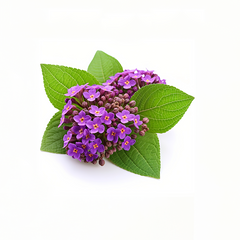
In perfumery, violet is both a classic floral note and a modern green accent, appearing as heart or supporting note. Its signature comes from ionones (for the flower) and nonadienal (for the leaf), with typical use at 0.1–0.5% for the flower accord and 0.05–0.2% for leaf absolute.

Violet
Ingredient Profile

Violet

Floral Powdery Family
Family Floral Powdery
Note Position Heart Note
Usage Level 0.1–0.5%
Key Origins Egypt, France, Italy
Iconic In Après L’Ondée, Aimez-Moi
The Ingredient

What does Violet smell like and why is it so significant in perfumery?

Violet in perfumery is defined by two distinct olfactory signatures: the flower and the leaf. The violet flower (Viola odorata) is renowned for its powdery, sweet, and slightly dewy aroma, often described as reminiscent of Parma violet candies. This scent is primarily due to the presence of ionones—specifically alpha-ionone (CAS 127-51-5) and beta-ionone (CAS 14901-07-6)—which impart a soft, airy, and purple-floral character. In contrast, violet leaf absolute is extracted from the leaves and delivers a sharply green, watery, and cucumber-like scent, dominated by (2E,6Z)-2,6-nonadienal and cis-3-hexenol. These two facets are rarely found together in nature but are frequently blended in perfumery to construct a nuanced violet accord. In perfumery, violet is most often used as a heart note, though violet leaf can appear in the top or heart due to its volatility. Typical concentrations for violet flower accord (synthetic ionones) range from 0.1–0.5% of the concentrate, while violet leaf absolute is dosed at 0.05–0.2% due to its intense green profile. Violet interacts with skin chemistry in complex ways: on acidic skin, the powdery facets are accentuated, while on alkaline skin, the green and earthy notes may become more prominent. This duality allows violet to serve as both a dominant note and a subtle modifier, boosting floral bouquets or adding a vintage cosmetic nuance. Notable fragrances exemplifying violet in perfumery include Guerlain Insolence (2006, perfumers Maurice Roucel and Sylvaine Delacourte), where candied violet and iris are paired with red fruits and vanilla, and Bal d’Afrique by Byredo (2009, Jérôme Epinette), which uses violet as a bridge between citrus and woody notes. In both, the violet note is central to the scent profile and demonstrates the ingredient’s versatility in both classic and contemporary compositions.

0.1–0.5%
Typical concentration of synthetic ionones in a fragrance concentrate. Higher levels can overwhelm, while lower levels subtly modify floral bouquets.
2,300 kg
Amount of fresh violet leaves required to produce 1 kg of violet leaf absolute. This underscores the rarity and cost of natural violet materials.
4–7 hours
Average longevity of violet as a heart note in Eau de Parfum. The powdery floral heart persists, while green facets fade after 30–60 minutes.
Origin & Extraction

Where Violet Comes From — Origin & Extraction

Violet’s scent profile is shaped by geography: Egyptian leaves yield a more intense, leathery green absolute, while French (Grasse) material is cleaner and grassier. Soil composition, irrigation, and climate all influence the resulting aroma.

The primary botanical source for violet in perfumery is Viola odorata, also known as sweet violet. While the flower itself is iconic, its essential oil yield is extremely low—requiring up to 33 tons of petals to produce 1 kg of absolute, making natural violet flower absolute prohibitively expensive (historically over $20,000/kg). As a result, the violet flower note is now almost exclusively recreated using synthetic ionones, first synthesized by Tiemann and Krüger in 1893. The discovery of ionones revolutionized perfumery, allowing for consistent and affordable violet accords. Violet leaf absolute, in contrast, is a natural extract obtained from the leaves of Viola odorata. The main producing countries are Egypt (accounting for approximately 90% of global supply), France (notably Grasse), and Italy. The extraction process involves solvent extraction (typically with hexane), followed by ethanol washing and vacuum distillation to yield a dark green absolute. The process is labor-intensive: roughly 2,300 kg of fresh leaves are required to produce 1 kg of absolute, with a typical yield of 0.09%. Wholesale prices for violet leaf absolute range from $2,000–$4,000/kg, while synthetic ionones cost $50–$200/kg. Sustainability considerations include the high resource demand for natural extraction and the environmental impact of solvent use. Synthetic ionones offer a more sustainable and consistent supply, with a lower ecological footprint. The HumanSafe™ platform at CA Perfume ensures full traceability and IFRA compliance for both natural and synthetic violet materials.

EG

Egypt

Nile Delta region produces ~90% of global violet leaf absolute. Rich alluvial soils and warm climate yield leaves with an intense, leathery-green, and slightly metallic profile. Harvested May–December, with a focus on sustainability and high yield.

FR

France

Grasse region is known for cleaner, grassier violet leaf absolute, with a subtle floral undertone. Lower production volume than Egypt, but prized for its refined profile. Traditional solvent extraction is still practiced.

IT

Italy

Tuscany and Liguria regions grow both flowers and leaves. Italian violet is used for both perfumery and confectionery, with a focus on Parma violets. Production is small but valued for artisanal quality.

DE

Germany

Historic center for violet cultivation and early synthetic ionone production. German research in the late 19th century led to the industrial synthesis of violet aroma molecules, shaping modern perfumery.

Chemistry

Natural vs Synthetic Violet in Perfumery

Natural violet flower absolute is rarely used in modern perfumery due to its extremely low yield and high cost. Instead, the violet flower note is recreated using synthetic molecules—primarily alpha-ionone (CAS 127-51-5), beta-ionone (CAS 14901-07-6), and methyl ionone (CAS 1335-46-2). For violet leaf, the dominant natural molecule is (2E,6Z)-2,6-nonadienal (cucumber aldehyde, CAS 557-48-2), with supporting roles from cis-3-hexenol and methyl 2-octynoate (CAS 111-12-6). Synthetic ionones provide excellent stability, longevity, and batch-to-batch consistency, and are widely used in both fine fragrance and functional perfumery. Violet leaf absolute, being a natural extract, is more variable in profile and can introduce subtle earthy or leathery undertones depending on origin. Performance-wise, synthetic ionones offer moderate diffusion and longevity (4–7 hours), while violet leaf absolute is more volatile and acts as a heart note with top-note impact. Cost is a major differentiator: natural violet flower absolute can exceed $20,000/kg, while synthetic ionones are $50–$200/kg. Violet leaf absolute is $2,000–$4,000/kg. Famous fragrances using synthetic violet include Guerlain Insolence, Chanel Misia, and Byredo Bal d’Afrique. The HumanSafe™ platform at CA Perfume ensures all violet materials—natural or synthetic—are fully IFRA-compliant and transparently sourced. Sustainability is enhanced by the use of synthetic ionones, which reduce pressure on wild and cultivated violet populations.

Natural
Violet Absolute
Cost $3,000–6,000/kg
Method Solvent / CO₂
Character Complex, variable
vs
Synthetic
Safranal & Analogues
Cost $50–200/kg
Method Lab synthesis
Character Consistent, stable
Hall of Fame

Famous Fragrances That Define Violet in Perfumery

1906
dominant note

Après L’Ondée

Guerlain
by Jacques Guerlain
irisaniseheliotropemusk
1996
dominant note

Aimez-Moi

Caron
by Dominique Ropion
anisemintheliotroperose
2006
dominant note

Insolence

Guerlain
by Maurice Roucel, Sylvaine Delacourte
red fruitsiristonka beanorange blossom
2009
bridge note

Bal d’Afrique

Byredo
by Jérôme Epinette
bergamotlemonnerolicedarwood
2021
dominant note

Violette 30

Le Labo
by Frank Voelkl
white teawoodsmusk

Violet has played a pivotal role in perfumery from the late 19th century to the present, both as a dominant note and as a subtle modifier. Guerlain Après L’Ondée (1906, Jacques Guerlain) is a landmark fragrance, blending violet and iris with anise and heliotrope to create a melancholic, powdery floral. Caron Aimez-Moi (1996, Dominique Ropion) modernized the violet theme, pairing it with anise, mint, and heliotrope for a spicy, warm floral effect. Guerlain Insolence (2006, Maurice Roucel and Sylvaine Delacourte) brought candied violet and red fruits to a new generation, using synthetic ionones for a luminous, modern profile. Byredo Bal d’Afrique (2009, Jérôme Epinette) uses violet as a bridge between citrus and woody notes, demonstrating violet’s versatility in contemporary niche perfumery. Le Labo Violette 30 (2021, Frank Voelkl) offers a powdery, vintage-inspired violet soliflore, supported by tea and woods. In all these fragrances, violet functions as either a dominant note or a bridge, often paired with iris, rose, heliotrope, or green notes. CA Perfume’s collection draws inspiration from this lineage, offering both classic and modern interpretations of the violet note.

The Accord

How is a captivating Violet accord crafted?

A classic violet accord balances powdery, floral, and green facets. Violet (ionones) 20–25%, orris 20–25%, violet leaf absolute 20–25%, and heliotrope 30–35%. Ionones provide the signature powdery-floral core, orris adds buttery, woody-powdery depth via irones, violet leaf brings green-cucumber freshness (nonadienal), and heliotrope contributes almondy, sweet-powdery nuances (heliotropin), rounding out the accord.

25%

Violet (Ionones)

20–25% of blend

Synthetic ionones (alpha and beta) provide the signature powdery, sweet, and dewy floral core, mimicking the scent of violet petals.

25%

Orris

20–25% of blend

Orris butter (rich in irones) adds woody, buttery, and powdery depth, enhancing the violet’s floral and cosmetic facets.

25%

Violet Leaf Absolute

20–25% of blend

Violet leaf absolute introduces green, cucumber-like freshness (from nonadienal), contrasting the powdery sweetness of the flower.

35%

Heliotrope

30–35% of blend

Heliotropin (piperonal) imparts almondy, sweet, and powdery nuances, rounding the accord and reinforcing the vintage cosmetic effect.

The Olfactory Layers

How Violet Evolves on Skin

Violet fragrances evolve from green, dewy top notes (violet leaf, nonadienal) to powdery, floral heart notes (ionones, orris), and finally to soft, musky or woody bases. Volatility of leaf aldehydes ensures a fresh opening, while ionones persist in the heart.

I
Top notes
0–15 min
Green Dew

The initial impression is green, watery, and slightly metallic—driven by (2E,6Z)-2,6-nonadienal and cis-3-hexenol from violet leaf absolute. These high-volatility molecules evaporate quickly, providing a cucumber-like freshness and a fleeting, naturalistic green aura.

GreenWateryFresh
II
Heart notes
20–60 min
Powdered Petals

As the top fades, ionones (alpha and beta) emerge, delivering the characteristic powdery, sweet, and floral violet scent. Orris and heliotrope may reinforce the heart, creating a vintage cosmetic or lipstick effect. These molecules have moderate volatility, lasting through the heart phase.

PowderyFloralSweet
III
Base notes
Several hours
Soft Veil

The drydown is soft, musky, and subtly woody, with traces of violet’s floral sweetness lingering. Musk and woody fixatives (e.g., sandalwood, cedar) anchor the composition, while faint ionone residues provide a gentle, persistent floral veil.

SoftMuskyWoody
TOP NOTES Green Dew 0–15 minutes HEART NOTES Powdered Petals 20–60 minutes BASE NOTES Soft Veil Several hours
Through the Ages

The Story of Violet in Perfumery

Violet’s history in perfumery spans ancient mythology, 19th-century extraction, and modern synthetic chemistry.

4th century BC

Mythological Origins

Violets are referenced in Greek mythology as symbols of love and modesty. The name 'Ion' (violet in Greek) is linked to the legend of Zeus and Io, and violets were used to flavor wine in ancient Athens.

1867

Violet Fields in Grasse

First large-scale violet cultivation in Grasse, France. Enfleurage and solvent extraction techniques are used to obtain violet flower and leaf scents for perfumery.

1893

Synthesis of Ionones

Ferdinand Tiemann and Wilhelm Krüger synthesize ionones, enabling the affordable and consistent recreation of violet flower scent in perfumery. This marks a turning point for violet’s accessibility.

1906

Après L’Ondée by Guerlain

Jacques Guerlain launches Après L’Ondée, blending violet and iris with anise and heliotrope. This fragrance becomes a benchmark for powdery-floral compositions.

2006–present

Modern Violet Renaissance

Contemporary fragrances such as Guerlain Insolence, Byredo Bal d’Afrique, and Le Labo Violette 30 revive violet as a central note, leveraging both synthetic ionones and natural violet leaf absolute for nuanced effects.

The Art of Layering

How to Layer Violet

Understanding how to layer violet is key to maximizing its powdery, floral, or green facets. Molecular compatibility—especially with ionones, musks, and aldehydes—enables seamless blending with other notes.

01

Enhance Sweetness

Layer violet with heliotrope or vanilla to amplify its sweet, powdery facets. Heliotropin (piperonal) and vanillin share similar olfactory thresholds, creating a creamy, almondy sweetness. Guerlain Insolence demonstrates this synergy with violet, red fruits, and vanilla.

02

Add Green Freshness

Pair violet with galbanum or vetiver to highlight its green, dewy qualities. Galbanum’s leaf alcohols (cis-3-hexenol) reinforce violet leaf’s freshness, while vetiver’s earthy, rooty base grounds the composition. Byredo Bal d’Afrique uses violet as a bridge between citrus and woods.

03

Soften with Florals

Combine violet with rose or iris for a seamless floral bouquet. All three share ionones and damascenone, creating molecular continuity. Yves Saint Laurent Paris blends violet, rose, and orris for a classic floral-powdery effect.

Wear It Right

How to Wear Violet Like a Pro

Seasonal Guide

Fall & Winter

Cool temperatures suppress volatility, allowing the powdery, sweet, and musky aspects of violet to linger. Apply to pulse points under clothing for a soft, enveloping effect. Layer with woods or musks to enhance longevity.

Spring

Spring’s moderate warmth brings out violet’s dewy, green, and floral facets. Apply to exposed skin for a fresh, uplifting aura. Pair with citrus or light florals to accentuate the season’s renewal.

Summer

Heat increases volatility, causing green and watery notes to project more strongly but dissipate quickly. Apply sparingly to avoid overwhelming freshness, and consider layering with citrus or aquatic notes for a cooling effect.

Year-Round Tip

For consistent performance, moisturize skin before application and avoid over-spraying. Violet’s subtlety makes it suitable for office and close-contact settings in any season.

Application Points

Strategic application optimizes violet’s nuanced evolution and projection.

1

Neck

Applying to the neck allows body heat to gently diffuse violet’s powdery and green facets, enhancing sillage during the heart phase.

2

Behind the Ears

This area is slightly cooler, helping preserve the delicate floral and powdery notes, while still allowing for subtle projection.

3

Inner Wrists

Pulse points on the wrists accelerate the evaporation of green top notes, quickly revealing the heart. Reapply as needed for longevity.

4

Hair

Spraying on hair provides a soft, persistent trail as the hair moves, emphasizing violet’s powdery sweetness without overwhelming freshness.

Pro Tip

Layer violet with complementary notes (rose, iris, musk) on different pulse points to create a multidimensional, evolving scent experience.

Mood Architecture™

Top Violet Fragrances by Mood Score

These Violet-based fragrances scored highest on the MEI™ Mood Architecture Framework — measuring how a scent may influence your emotional state.

Highest MEI Score
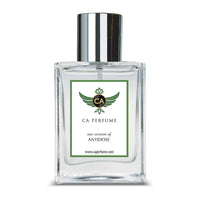
Antidose — Antidote Alternative Cologne
9.09
MEI™
Primary Romantic
Secondary Confident
Confidence
8.63
Presence
9.1
Mood Lift
9.5
Identity
8.51
Warmth
9.5
Social Ease
9.5
Energy
6.7
" I am beautiful.
View full mood profile →
Britannian — Britannia Alternative Perfume
8.87
MEI™
Primary Romantic
Secondary Confident
Confidence
8.33
Presence
8.68
Mood Lift
9.5
Identity
9.09
Warmth
9.5
Social Ease
9.24
Energy
4.3
" I am beautiful.
View full mood profile →
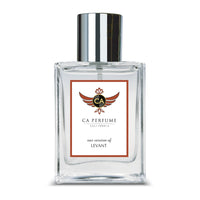
Levant — Penhaligon's Levantium Alternative Perfume
8.37
MEI™
Primary Confident
Secondary Magnetic
Confidence
9.41
Presence
8.98
Mood Lift
7.78
Identity
9.26
Warmth
9.5
Social Ease
6.97
Energy
3.2
" I am unstoppable.
View full mood profile →
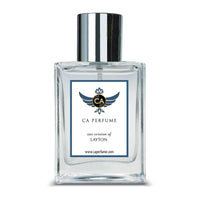
Layton — Parfums De Marly Layton Alternative Perfume
8.14
MEI™
Primary Romantic
Secondary Confident
Confidence
7.52
Presence
7.64
Mood Lift
8.61
Identity
7.72
Warmth
9.5
Social Ease
8.38
Energy
4.8
" I am beautiful.
View full mood profile →
HumanSafe™

Top Violet Fragrances by HumanSafe™ Score

These Violet-based fragrances have the highest product-level HumanSafe™ scores in this ingredient collection.

Highest HumanSafe™ Score
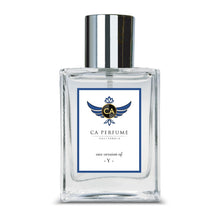
Y — YSL Y Alternative Cologne
#1
Y — YSL Y Alternative Cologne
Starting from $14.99
A-
HumanSafe™ Score Generally Safe
Safest Evaluated Ingredients EDP
AQUA Solvent / Carrier ISS 10.0
1,4-DIOXACYCLOHEPTADECANE-5,17-DIONE Evaluated ingredient ISS 10.0
7-OCTEN-2-OL, 2,6-DIMETHYL- Evaluated ingredient ISS 9.0
2-HEXENE, 6,6-DIMETHOXY-2,5,5-TRIMETHYL- Evaluated ingredient ISS 8.0
LINALYL ACETATE Evaluated ingredient ISS 7.0
LINALOOL Evaluated ingredient ISS 7.0
View full safety profile →
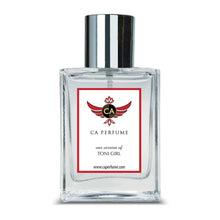
Toni Girl — Tommy Girl Alternative Perfume
A-
HumanSafe™ Score Generally Safe
Safest Evaluated Ingredients EDP
AQUA Solvent / Carrier ISS 10.0
ACETIC ACID, PHENYLMETHYL ESTER Evaluated ingredient ISS 10.0
1,4-DIOXACYCLOHEPTADECANE-5,17-DIONE Evaluated ingredient ISS 10.0
LINALOOL Evaluated ingredient ISS 7.0
CITRONELLOL Evaluated ingredient ISS 7.0
ALCOHOL DENAT. Solvent / Carrier ISS 7.0
View full safety profile →
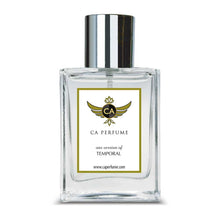
Temporal — Tempo Alternative Perfume
#3
Temporal — Tempo Alternative Perfume
Starting from $14.99
A-
HumanSafe™ Score Generally Safe
Safest Evaluated Ingredients EDP
AQUA Solvent / Carrier ISS 10.0
1,4-DIOXACYCLOHEPTADECANE-5,17-DIONE Evaluated ingredient ISS 10.0
AMBROXIDE Evaluated ingredient ISS 9.0
3-BUTEN-2-ONE, 3-METHYL-4-(2,6,6-TRIMETHYL-2- Evaluated ingredient ISS 8.0
LINALYL ACETATE Evaluated ingredient ISS 7.0
LINALOOL Evaluated ingredient ISS 7.0
View full safety profile →
Spells on Yourself — Spell On You Alternative Perfume
A-
HumanSafe™ Score Generally Safe
Safest Evaluated Ingredients EDP
AQUA Solvent / Carrier ISS 10.0
1,4-DIOXACYCLOHEPTADECANE-5,17-DIONE Evaluated ingredient ISS 10.0
BENZYL SALICYLATE Evaluated ingredient ISS 9.0
3-BUTEN-2-ONE, 3-METHYL-4-(2,6,6-TRIMETHYL-2- Evaluated ingredient ISS 8.0
LINALOOL Evaluated ingredient ISS 7.0
View full safety profile →
Expert Voices

What Masters Say About Violet

The violet flower’s scent is recreated with ionones, while violet leaf absolute provides a green, cucumber-like aroma—two distinct profiles from the same plant.
CA Perfume Editorial
Violet notes can lay in the background of a fragrance, boosting all the other notes around it, and it can be the star of the show.
Parfumerie Nasreen, fragrance retailer
Common Questions

Frequently Asked Questions

Frequently asked questions about violet in perfumery.

Violet in perfume can smell powdery, sweet, and floral (from synthetic ionones), or green, watery, and slightly metallic (from violet leaf absolute). The flower note is reminiscent of Parma violet candies and vintage cosmetics, while the leaf note is crisp and cucumber-like. Famous examples include Guerlain Insolence (candied, powdery) and Byredo Bal d’Afrique (green, fresh).

Violet is typically used as a heart note, especially when built from ionones or violet leaf absolute. Violet leaf can also appear in the top due to its volatility, while the powdery floral aspect persists into the base. Its role depends on the composition and the desired effect.

Violet offers a unique combination of powdery, sweet, and green facets, enabling perfumers to create both vintage and modern effects. Its versatility as a modifier or dominant note, coupled with the availability of high-quality synthetic ionones, makes it a favorite in niche and artistic perfumery.

Violet fragrance uses include pairing with rose, orris, heliotrope, musk, vanilla, galbanum, and vetiver. These notes share molecular affinities (ionones, damascenone) or provide olfactory contrast, allowing for seamless blending and nuanced accords.

Violet’s green, dewy facets are well-suited to warm weather, offering freshness and lightness. However, high temperatures can cause rapid evaporation, so apply sparingly and consider layering with citrus or aquatic notes for a cooling effect.

Violet as a heart note typically lasts 4–7 hours in Eau de Parfum format. The green top notes fade within 30–60 minutes, while the powdery floral heart persists. Longevity depends on concentration, skin chemistry, and supporting notes.

Yes, violet is highly versatile for layering. It blends well with florals (rose, iris), greens (galbanum), musks, and woods. Layering can emphasize sweetness, powderiness, or green freshness, depending on the pairing. See the art of layering section for technical advice.

Recommended entry points include Guerlain Insolence (powdery-sweet), Byredo Bal d’Afrique (green-floral), and Le Labo Violette 30 (powdery soliflore). These fragrances showcase violet’s range from classic to modern interpretations.

Consider whether you prefer powdery, sweet, or green facets. Explore CA Perfume’s collection for both classic and contemporary violet interpretations, and consult the scent profile and layering guides for tailored recommendations.

While some violet perfumes are sweet and powdery, many modern compositions balance these facets with green, woody, or musky notes. Violet’s subtlety and versatility make it suitable for daily wear, especially in office or close-contact settings.

Floral Powdery Collection

Explore Our Top Violet Fragrances

Discover CA Perfume’s most popular violet-inspired scents, from powdery florals to green, dewy blends—each crafted for nuanced, lasting wear.

Shop all violet fragrances at CA Perfume →

Where Violet Comes From — Origin & Extraction

The primary botanical source for violet in perfumery is Viola odorata, also known as sweet violet. While the flower itself is iconic, its essential oil yield is extremely low—requiring up to 33 tons of petals to produce 1 kg of absolute, making natural violet flower absolute prohibitively expensive (historically over $20,000/kg). As a result, the violet flower note is now almost exclusively recreated using synthetic ionones, first synthesized by Tiemann and Krüger in 1893. The discovery of ionones revolutionized perfumery, allowing for consistent and affordable violet accords. Violet leaf absolute, in contrast, is a natural extract obtained from the leaves of Viola odorata. The main producing countries are Egypt (accounting for approximately 90% of global supply), France (notably Grasse), and Italy. The extraction process involves solvent extraction (typically with hexane), followed by ethanol washing and vacuum distillation to yield a dark green absolute. The process is labor-intensive: roughly 2,300 kg of fresh leaves are required to produce 1 kg of absolute, with a typical yield of 0.09%. Wholesale prices for violet leaf absolute range from $2,000–$4,000/kg, while synthetic ionones cost $50–$200/kg. Sustainability considerations include the high resource demand for natural extraction and the environmental impact of solvent use. Synthetic ionones offer a more sustainable and consistent supply, with a lower ecological footprint. The HumanSafe™ platform at CA Perfume ensures full traceability and IFRA compliance for both natural and synthetic violet materials.

Famous Fragrances That Define Violet in Perfumery

Violet has played a pivotal role in perfumery from the late 19th century to the present, both as a dominant note and as a subtle modifier. Guerlain Après L’Ondée (1906, Jacques Guerlain) is a landmark fragrance, blending violet and iris with anise and heliotrope to create a melancholic, powdery floral. Caron Aimez-Moi (1996, Dominique Ropion) modernized the violet theme, pairing it with anise, mint, and heliotrope for a spicy, warm floral effect. Guerlain Insolence (2006, Maurice Roucel and Sylvaine Delacourte) brought candied violet and red fruits to a new generation, using synthetic ionones for a luminous, modern profile. Byredo Bal d’Afrique (2009, Jérôme Epinette) uses violet as a bridge between citrus and woody notes, demonstrating violet’s versatility in contemporary niche perfumery. Le Labo Violette 30 (2021, Frank Voelkl) offers a powdery, vintage-inspired violet soliflore, supported by tea and woods. In all these fragrances, violet functions as either a dominant note or a bridge, often paired with iris, rose, heliotrope, or green notes. CA Perfume’s collection draws inspiration from this lineage, offering both classic and modern interpretations of the violet note.

Natural vs Synthetic Violet in Perfumery

Natural violet flower absolute is rarely used in modern perfumery due to its extremely low yield and high cost. Instead, the violet flower note is recreated using synthetic molecules—primarily alpha-ionone (CAS 127-51-5), beta-ionone (CAS 14901-07-6), and methyl ionone (CAS 1335-46-2). For violet leaf, the dominant natural molecule is (2E,6Z)-2,6-nonadienal (cucumber aldehyde, CAS 557-48-2), with supporting roles from cis-3-hexenol and methyl 2-octynoate (CAS 111-12-6). Synthetic ionones provide excellent stability, longevity, and batch-to-batch consistency, and are widely used in both fine fragrance and functional perfumery. Violet leaf absolute, being a natural extract, is more variable in profile and can introduce subtle earthy or leathery undertones depending on origin. Performance-wise, synthetic ionones offer moderate diffusion and longevity (4–7 hours), while violet leaf absolute is more volatile and acts as a heart note with top-note impact. Cost is a major differentiator: natural violet flower absolute can exceed $20,000/kg, while synthetic ionones are $50–$200/kg. Violet leaf absolute is $2,000–$4,000/kg. Famous fragrances using synthetic violet include Guerlain Insolence, Chanel Misia, and Byredo Bal d’Afrique. The HumanSafe™ platform at CA Perfume ensures all violet materials—natural or synthetic—are fully IFRA-compliant and transparently sourced. Sustainability is enhanced by the use of synthetic ionones, which reduce pressure on wild and cultivated violet populations.