Ingredient Guide · Green Chypre
Green Chypre Family · Perfumery Note

Galbanum

The archetype of green, bitter, and resinous notes in fine fragrance.

Galbanum is a classic top-to-heart note in perfumery, renowned for its intensely green, bitter, and resinous character. Its primary odorants—such as α-pinene, β-pinene, and undecatriene—create a powerful green impact at concentrations of 0.1–2% in compositions.

Galbanum
Ingredient Profile

Galbanum

Green Chypre Family
Family Green Chypre
Note Position Heart Note
Usage Level 0.1–2%
Key Origins Iran, Turkey, Afghanistan
Iconic In Vent Vert, Bandit
The Ingredient

What does Galbanum smell like and why is it so significant in perfumery?

Galbanum, derived from the resin of Ferula gummosa (syn. galbaniflua), is famed for its intensely green, bitter, and resinous scent profile. Chemically, its aroma is dominated by monoterpenes (notably α-pinene and β-pinene), sabinene, limonene, and the unsaturated hydrocarbon undecatriene, which imparts a sharp, leafy, and slightly metallic edge. The green facet is so pronounced that galbanum is often described as smelling like torn leaves, crushed stems, and sap, with undertones of pine, earth, and even a faint metallic or “paint-like” nuance. This unique molecular composition makes galbanum the benchmark for the “green” olfactory family in perfumery. In perfumery, galbanum is typically classified as a top or heart note due to its volatility and projection, but its resinous fixative properties allow it to persist into the base. It is used in concentrations ranging from 0.1% (to impart a subtle green lift) up to 2% (for a dominant, assertive effect, as in vintage chypres). Galbanum’s interaction with skin chemistry is notable: on acidic skin, its sharpness is accentuated, while on more alkaline skin, its balsamic and woody undertones become more prominent. This variability is due to the interplay of galbanum’s aldehydes and terpenes with skin pH and moisture. Galbanum in perfumery is exemplified by its starring role in Balmain Vent Vert (1947, Germaine Cellier), where it was used at an unprecedented 8% of the formula, creating the archetype of “green” fragrances. Chanel No. 19 (1970, Henri Robert) also showcases galbanum’s ability to impart a crisp, bitter-green signature, balanced by iris and vetiver. These fragrances demonstrate galbanum’s versatility as both a dominant note and a structural accent in complex compositions.

0.1–2%
Typical concentration of galbanum oil in fine fragrance compositions. Higher percentages (up to 8%) are rare and reserved for vintage-style green fragrances.
5–8%
Average yield of essential oil from steam distillation of galbanum resin. This efficiency makes galbanum a valuable but not overly scarce raw material.
0.8%
Maximum IFRA-recommended concentration of galbanum oil in finished fragrance due to sensitization risk. Compliance ensures safety for most users.
Origin & Extraction

Where Galbanum Comes From — Origin & Extraction

Galbanum’s scent character is deeply influenced by the arid, mineral-rich soils and high-altitude climates of Iran and Central Asia, where Ferula gummosa thrives. The resin’s molecular profile varies subtly with terroir, affecting its intensity and complexity.

Galbanum is an oleoresin obtained from the Ferula gummosa (syn. galbaniflua), a perennial herbaceous plant in the Apiaceae family, native to the highlands of Iran and parts of Central Asia. Iran remains the world’s principal producer, accounting for over 80% of global galbanum resin and essential oil output, with annual exports estimated at several hundred metric tons. The resin is collected by making incisions in the plant’s lower stem and roots during the dry season, allowing the milky exudate to harden into translucent yellow-green tears. Extraction for perfumery is performed primarily by steam distillation of the crude oleoresin, yielding a pale olive to colorless essential oil rich in monoterpenes and sesquiterpenes. The process operates at temperatures of 100–110°C for 2–4 hours, with typical yields of 5–8% oil by weight. Hydro-distillation and, more recently, supercritical CO₂ extraction are also used to preserve delicate volatile fractions. The resulting oil is refined to remove waxes and impurities before use in fragrance compounding. Natural galbanum oil (CAS 8023-91-4) commands prices of $400–800/kg, depending on purity and origin, while synthetic green notes (such as cis-3-hexenol and triplal) cost $50–150/kg. Sustainability challenges include overharvesting and habitat loss in Iran, but initiatives for controlled wildcrafting and cultivation have improved resource management. Synthetic alternatives provide supply security but lack the full complexity of natural galbanum’s molecular profile.

IR

Iran

The Zagros Mountains in western Iran produce the world’s highest quality galbanum, with resin collected from wild Ferula gummosa at elevations of 1,500–2,500 meters. Iranian galbanum is prized for its intense green, bitter, and slightly piney aroma. Annual production exceeds 80% of global supply, with strict wildcrafting protocols to ensure sustainability.

TR

Turkey

The Anatolian plateau yields galbanum with a softer, less bitter profile due to higher rainfall and clay-rich soils. Turkish galbanum is often blended with Iranian resin to moderate intensity. Production is smaller, with artisanal harvesting in the east.

AF

Afghanistan

Afghan galbanum is harvested in the Hindu Kush foothills, where drier conditions yield a resin with pronounced earthy and woody undertones. Volume is limited, but the material is valued for its fixative properties in regional perfumery.

RU

Russia

Southern Russia, particularly the Caucasus region, produces galbanum with a lighter, more herbal scent due to cooler temperatures and loamy soils. Russian galbanum is used mainly for industrial essential oil production.

Chemistry

Natural vs Synthetic Galbanum in Perfumery

Natural galbanum oil is a complex mixture dominated by α-pinene, β-pinene, sabinene, limonene, and undecatriene, along with natural aldehydes such as heptanal, octanal, and nonanal. These aldehydes contribute to galbanum’s sharp, green, and slightly balsamic scent. Synthetic substitutes include cis-3-hexenol (CAS 928-96-1), triplal (CAS 68039-49-6), and stemone (CAS 106-68-3), each providing facets of the green, leafy, or grassy aroma but lacking the resinous depth of the natural oil. Performance-wise, natural galbanum offers greater complexity and a more nuanced evolution on skin, but is less consistent batch-to-batch due to climatic and geographic factors. Synthetic green notes are prized for their stability, longevity, and cost-effectiveness, and are often used to reinforce or replace natural galbanum in modern formulations. For example, Chanel No. 19 and Balmain Vent Vert originally relied on natural galbanum, but reformulations now blend natural and synthetic green molecules for regulatory and sustainability reasons. Natural galbanum is more expensive and subject to supply volatility, while synthetics ensure continuity and IFRA compliance. The HumanSafe™ platform at CA Perfume ensures full traceability and safety data for both natural and synthetic galbanum sources, supporting transparency and responsible sourcing.

Natural
Galbanum Absolute
Cost $3,000–6,000/kg
Method Solvent / CO₂
Character Complex, variable
vs
Synthetic
Safranal & Analogues
Cost $50–200/kg
Method Lab synthesis
Character Consistent, stable
Hall of Fame

Famous Fragrances That Define Galbanum in Perfumery

1947
dominant note

Vent Vert

Balmain
by Germaine Cellier
hyacinthoakmosscitrusvetiver
1944
bridge note

Bandit

Robert Piguet
by Germaine Cellier
leatheroakmosspatchoulijasmine
1970
dominant note

Chanel No. 19

Chanel
by Henri Robert
irisvetiverrosemoss
1969
accent

Chamade

Guerlain
by Jean-Paul Guerlain
hyacinthblackcurrant budvanillaamber
1978
dominant note

Silences

Jacomo
by Gerard Goupy
irishyacinthoakmossvetiver
2021
dominant note

Synthetic Jungle

Frederic Malle
by Anne Flipo
lily of the valleyblackcurrant budpatchoulibasil

Galbanum has shaped the identity of green and chypre fragrances since the mid-20th century. Balmain Vent Vert (1947, Germaine Cellier) is the archetype, featuring galbanum at 8% of the formula for an explosive green opening. Robert Piguet Bandit (1944, Germaine Cellier) used galbanum to impart a bitter, leathery edge, paired with oakmoss and leather. Chanel No. 19 (1970, Henri Robert) is perhaps the most iconic, with galbanum providing a crisp, assertive green top that segues into iris and vetiver. Guerlain Chamade (1969, Jean-Paul Guerlain) and Jacomo Silences (1978, Gerard Goupy) both showcase galbanum’s ability to lend structure and lift to floral and woody compositions. In contemporary perfumery, Frederic Malle Synthetic Jungle (2021, Anne Flipo) reinterprets the galbanum motif with modern green molecules. CA Perfume’s collection draws inspiration from this lineage, offering galbanum-rich fragrances that balance vintage intensity with modern wearability.

The Accord

How is a captivating Galbanum accord crafted?

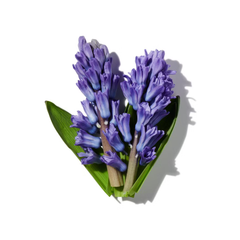
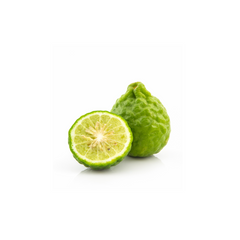
A classic galbanum accord balances its intense green bitterness with floral, woody, and mossy notes. Galbanum (25–30%) provides the sharp, leafy impact. Hyacinth (20–25%) adds a dewy, floral-green lift via its ionone content. Oakmoss (25–30%) grounds the accord with earthy, mossy undertones (atranol, chloroatranol). Bergamot (20–25%) introduces a citrusy brightness, rich in linalyl acetate, which tempers the bitterness and enhances diffusion. This structure is foundational to the chypre-green family.

30%

Galbanum

25–30% of blend

Provides the core green, bitter, and resinous character through monoterpenes and undecatriene, establishing the accord’s signature.

25%

Hyacinth

20–25% of blend

Contributes a fresh, dewy floral-green nuance via ionones and benzyl acetate, softening galbanum’s sharpness.

30%

Oakmoss

25–30% of blend

Imparts earthy, mossy depth with atranol and chloroatranol, anchoring the green top notes and enhancing longevity.

25%

Bergamot

20–25% of blend

Adds citrusy brightness and linalyl acetate, which moderates bitterness and increases the accord’s radiance.

The Olfactory Layers

How Galbanum Evolves on Skin

Galbanum’s olfactory evolution begins with a volatile, sharp green burst that settles into a persistent, resinous heart and a subtle earthy base. Its high proportion of monoterpenes ensures rapid top note diffusion, while heavier sesquiterpenes and aldehydes anchor the scent for hours.

I
Top notes
0–15 min
Green Shock

The initial impression is a piercing, bitter-green aroma, dominated by α-pinene, β-pinene, and undecatriene. These highly volatile molecules evaporate quickly, producing a sensation reminiscent of crushed leaves, sap, and fresh-cut grass. The effect is both invigorating and slightly metallic.

bitter-greensharpleafy
II
Heart notes
20–60 min
Resinous Depth

As the top notes dissipate, galbanum’s resinous and balsamic qualities emerge. Aldehydes (heptanal, octanal) and sesquiterpenes create a nuanced, earthy-green heart, with hints of pine, moss, and a faintly spicy undertone. The green persists, but softens and becomes more rounded.

resinousearthybalsamic
III
Base notes
Several hours
Woody Persistence

The base is subtle but persistent, with woody and slightly musky nuances. Residual sesquiterpenes and trace lactones contribute to a dry, mossy, and faintly animalic finish. Galbanum’s fixative properties help anchor lighter notes, extending the fragrance’s longevity.

woodymossymusky
TOP NOTES Green Shock 0–15 minutes HEART NOTES Resinous Depth 20–60 minutes BASE NOTES Woody Persistence Several hours
Through the Ages

The Story of Galbanum in Perfumery

Galbanum’s history in perfumery spans from ancient incense rituals to its pivotal role in modern green fragrances, reflecting both cultural significance and technical innovation.

Antiquity

Galbanum in Sacred Incense

Galbanum resin is documented in ancient Egyptian and Hebrew incense formulas, including the sacred Ketoret described in the Book of Exodus. Its intense aroma was valued for ceremonial purification and as a fixative in early perfumery.

19th Century

Introduction to European Perfumery

Galbanum enters Western perfumery as a rare, exotic resin, used in colognes and fougères for its green and fixative qualities. Early suppliers source the resin from Persia (modern Iran).

1947

Balmain Vent Vert Launch

Germaine Cellier revolutionizes perfumery with Vent Vert, using galbanum at unprecedented concentration (8%) to create the first true “green” fragrance, establishing a new olfactory family.

1970

Chanel No. 19 Debuts

Henri Robert’s Chanel No. 19 features galbanum as a dominant top note, paired with iris and vetiver, cementing the note’s association with sophistication and assertiveness in modern perfumery.

2000s–Present

Sustainable Sourcing and Modern Green Fragrances

Efforts to ensure sustainable harvesting in Iran and Central Asia coincide with a resurgence of green fragrances, as contemporary perfumers blend natural galbanum with advanced synthetic green molecules for nuanced effects.

The Art of Layering

How to Layer Galbanum

Understanding how to layer galbanum is key to harnessing its green complexity. Molecular compatibility with florals, woods, and citrus notes enables nuanced, multidimensional blends.

01

Enhance Florals

Layering galbanum with floral notes such as iris, hyacinth, or rose leverages shared ionone and aldehyde compounds, creating a seamless transition from green to floral. Chanel No. 19 and Guerlain Chamade exemplify this synergy, where galbanum sharpens and lifts the floral heart.

02

Add Earthy Depth

Pairing galbanum with oakmoss, vetiver, or patchouli exploits complementary earthy and woody molecules (atranol, vetiverol), grounding the green top and extending longevity. Balmain Vent Vert and Jacomo Silences use this strategy for a classic chypre effect.

03

Brighten with Citrus

Combining galbanum with bergamot or grapefruit introduces linalyl acetate and limonene, which moderate bitterness and boost diffusion. This technique is seen in Chanel Cristalle, where citrus notes soften galbanum’s intensity for a more approachable profile.

Wear It Right

How to Wear Galbanum Like a Pro

Seasonal Guide

Fall & Winter

In cooler weather, galbanum’s green sharpness is less volatile, resulting in a more subdued, mossy character. Apply to pulse points under clothing to enhance warmth and diffusion. The resinous and woody facets become more prominent, providing grounding and depth.

Spring

Spring’s moderate temperatures highlight galbanum’s fresh, leafy qualities. The green top note projects well in crisp air, pairing naturally with floral and citrus compositions. Apply lightly to avoid overwhelming delicate spring scents.

Summer

Heat increases the volatility of galbanum’s monoterpenes, amplifying the sharp, bitter-green opening but shortening its duration. Use sparingly, focusing on areas less exposed to direct sun. Layer with citrus or aquatic notes for a refreshing effect.

Year-Round Tip

Galbanum’s adaptability allows for creative layering across seasons. Adjust application intensity and layering partners (florals in spring, woods in winter) to suit environmental conditions and personal style.

Application Points

Strategic application of galbanum fragrances enhances their green impact and longevity.

1

Neck

Applying galbanum to the neck leverages body heat to volatilize green top notes, creating an immediate, assertive projection. The area’s warmth accelerates the transition to the resinous heart.

2

Behind the Ears

This area provides moderate warmth and less exposure to air, allowing galbanum’s green facets to linger and evolve gradually, balancing intensity and longevity.

3

Inner Wrists

Pulse points on the wrists amplify galbanum’s sharp opening, but frequent movement and exposure may accelerate evaporation. Reapply as needed for sustained effect.

4

Hair

Spraying galbanum-based fragrance on hair allows for slow, diffuse release of green and woody notes. The resinous molecules adhere to hair fibers, extending the scent’s presence.

Pro Tip

Layer galbanum with floral or citrus fragrances on different pulse points to create a multidimensional scent trail. This technique leverages molecular diffusion and olfactory contrast.

HumanSafe™

Galbanum Safety Profile in Our Fragrances

No ingredient collection was found for galbanum.

Create or connect a collection with the same handle as this ingredient, then add products that contain this ingredient.

Expert Voices

What Masters Say About Galbanum

Galbanum is bitter green in its most classical, unmistakable form. It smells like torn leaves, resinous sap, and the sharp bite of wild herbs, with a darkness underneath that makes it feel dramatic rather than merely fresh.
Fragrantica Editorial
The dosage of galbanum within a formula must be extremely precise, as its scent can easily become overwhelming.
CA Perfume Editorial
Common Questions

Frequently Asked Questions

Answers to common technical and practical questions about galbanum in perfumery.

Galbanum in perfume is intensely green, bitter, and resinous, with a scent reminiscent of crushed leaves, sap, and wild herbs. Its aroma is driven by molecules such as α-pinene, β-pinene, and undecatriene, which create a sharp, leafy, and slightly metallic effect. As the fragrance evolves, galbanum reveals resinous, earthy, and woody undertones, making it a cornerstone of green and chypre compositions. Notable examples include Chanel No. 19 and Balmain Vent Vert.

Galbanum is primarily used as a top or heart note due to its high volatility and strong projection. However, as a natural resin, it also possesses fixative properties, allowing its green and balsamic facets to persist into the base. Its role depends on the formula: in classic green fragrances, galbanum dominates the opening but lingers throughout the scent’s evolution.

Galbanum’s unique green bitterness and complex evolution make it a favorite among niche perfumers seeking to create distinctive, naturalistic compositions. Its ability to impart structure, lift, and freshness—while also providing fixative qualities—enables innovative blends. Galbanum’s historical significance and versatility in chypre, floral, and woody families further enhance its appeal.

Galbanum fragrance uses often involve pairing with oakmoss, iris, hyacinth, rose, and citrus notes. These combinations leverage molecular affinities—such as shared aldehydes and ionones—to create harmonious, multidimensional accords. Classic chypres and green florals exemplify these pairings.

Galbanum’s volatility increases in heat, amplifying its sharp, green opening but shortening its duration. In summer, it is best used sparingly or layered with citrus and aquatic notes for a refreshing effect. Its crispness can be invigorating in hot weather, but overapplication may overwhelm.

Galbanum’s top note is highly volatile and projects strongly for 15–30 minutes, but its resinous and woody undertones can persist for several hours, especially when paired with fixatives like oakmoss or patchouli. Longevity depends on concentration and composition, with EDP formats offering the best balance.

Yes, galbanum is highly layerable. Its green, bitter profile can be enhanced with florals (iris, hyacinth), grounded with woods and mosses, or brightened with citrus. Layering techniques exploit molecular compatibility and olfactory contrast, as seen in Chanel No. 19 and Guerlain Chamade.

For those new to galbanum, Chanel No. 19 (EDP), Jacomo Silences, and Guerlain Chamade offer accessible introductions to the note’s green complexity. These fragrances balance galbanum’s intensity with floral, woody, or powdery elements, making them approachable yet distinctive.

Consider your preferred intensity and style: if you enjoy sharp, assertive green notes, look for galbanum-dominant compositions. For a softer effect, select fragrances where galbanum is balanced by florals or woods. CA Perfume’s collection provides detailed scent profiles and layering suggestions to guide your choice.

Galbanum is primarily green, bitter, and resinous, with a clean, sharp opening. However, its drydown can reveal earthy, woody, and slightly smoky undertones, especially when paired with mosses or woods. The overall impression is more clean and naturalistic than smoky.

Green Chypre Collection

Explore Our Top Galbanum Fragrances

Discover CA Perfume’s curated selection of galbanum-rich fragrances, from vintage-inspired green chypres to modern, multidimensional blends.

Shop all galbanum fragrances at CA Perfume →

Where Galbanum Comes From — Origin & Extraction

Galbanum is an oleoresin obtained from the Ferula gummosa (syn. galbaniflua), a perennial herbaceous plant in the Apiaceae family, native to the highlands of Iran and parts of Central Asia. Iran remains the world’s principal producer, accounting for over 80% of global galbanum resin and essential oil output, with annual exports estimated at several hundred metric tons. The resin is collected by making incisions in the plant’s lower stem and roots during the dry season, allowing the milky exudate to harden into translucent yellow-green tears. Extraction for perfumery is performed primarily by steam distillation of the crude oleoresin, yielding a pale olive to colorless essential oil rich in monoterpenes and sesquiterpenes. The process operates at temperatures of 100–110°C for 2–4 hours, with typical yields of 5–8% oil by weight. Hydro-distillation and, more recently, supercritical CO₂ extraction are also used to preserve delicate volatile fractions. The resulting oil is refined to remove waxes and impurities before use in fragrance compounding. Natural galbanum oil (CAS 8023-91-4) commands prices of $400–800/kg, depending on purity and origin, while synthetic green notes (such as cis-3-hexenol and triplal) cost $50–150/kg. Sustainability challenges include overharvesting and habitat loss in Iran, but initiatives for controlled wildcrafting and cultivation have improved resource management. Synthetic alternatives provide supply security but lack the full complexity of natural galbanum’s molecular profile.

Famous Fragrances That Define Galbanum in Perfumery

Galbanum has shaped the identity of green and chypre fragrances since the mid-20th century. Balmain Vent Vert (1947, Germaine Cellier) is the archetype, featuring galbanum at 8% of the formula for an explosive green opening. Robert Piguet Bandit (1944, Germaine Cellier) used galbanum to impart a bitter, leathery edge, paired with oakmoss and leather. Chanel No. 19 (1970, Henri Robert) is perhaps the most iconic, with galbanum providing a crisp, assertive green top that segues into iris and vetiver. Guerlain Chamade (1969, Jean-Paul Guerlain) and Jacomo Silences (1978, Gerard Goupy) both showcase galbanum’s ability to lend structure and lift to floral and woody compositions. In contemporary perfumery, Frederic Malle Synthetic Jungle (2021, Anne Flipo) reinterprets the galbanum motif with modern green molecules. CA Perfume’s collection draws inspiration from this lineage, offering galbanum-rich fragrances that balance vintage intensity with modern wearability.

Natural vs Synthetic Galbanum in Perfumery

Natural galbanum oil is a complex mixture dominated by α-pinene, β-pinene, sabinene, limonene, and undecatriene, along with natural aldehydes such as heptanal, octanal, and nonanal. These aldehydes contribute to galbanum’s sharp, green, and slightly balsamic scent. Synthetic substitutes include cis-3-hexenol (CAS 928-96-1), triplal (CAS 68039-49-6), and stemone (CAS 106-68-3), each providing facets of the green, leafy, or grassy aroma but lacking the resinous depth of the natural oil. Performance-wise, natural galbanum offers greater complexity and a more nuanced evolution on skin, but is less consistent batch-to-batch due to climatic and geographic factors. Synthetic green notes are prized for their stability, longevity, and cost-effectiveness, and are often used to reinforce or replace natural galbanum in modern formulations. For example, Chanel No. 19 and Balmain Vent Vert originally relied on natural galbanum, but reformulations now blend natural and synthetic green molecules for regulatory and sustainability reasons. Natural galbanum is more expensive and subject to supply volatility, while synthetics ensure continuity and IFRA compliance. The HumanSafe™ platform at CA Perfume ensures full traceability and safety data for both natural and synthetic galbanum sources, supporting transparency and responsible sourcing.