Ingredient Guide · Floral Green
Floral Green Family · Perfumery Note

Hyacinth

A springtime floral with piercing green-honeyed sharpness and earthy undertones.

Hyacinth is a heart note in perfumery, valued for its intense green, honeyed, and earthy scent profile. Its defining quality comes from phenylacetaldehyde, used at micro-doses (0.01–0.1%) due to its potency and cost.

Hyacinth
Ingredient Profile

Hyacinth

Floral Green Family
Family Floral Green
Note Position Heart Note
Usage Level 0.01–0.1%
Key Origins Netherlands, France, Turkey
Iconic In Cristalle Eau de Toilette, Anaïs Anaïs
The Ingredient

What does Hyacinth smell like and why is it a signature floral in perfumery?

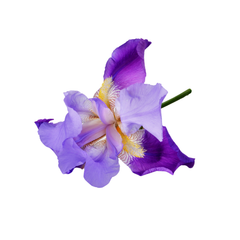
Hyacinth (Hyacinthus orientalis) is botanically classified within the Asparagaceae family and is renowned in perfumery for its complex, multifaceted scent. What does hyacinth smell like? Its scent profile is defined by a piercing green-honeyed aldehydic top (primarily from phenylacetaldehyde), a narcotic floral heart with jasmine-like and rose-like nuances (benzyl acetate, phenylethyl alcohol), and an earthy, mushroom-like undertone (1-octen-3-ol). Indole adds a subtle animalic warmth, while cinnamyl alcohol imparts spicy-balsamic depth. This combination creates a scent that oscillates between springtime freshness and a darker, almost narcotic richness. The hyacinth scent profile is more aggressive and green than jasmine, heavier and more aldehydic than narcissus, and sweeter than galbanum. In perfumery, hyacinth is almost always used as a heart note due to its moderate volatility and high odor strength. Hyacinth absolute is deployed at extremely low concentrations—typically 0.01–0.1% in a finished formula—because of its potency and cost (natural absolute can reach $3,000–$12,000/kg). Even trace amounts can decisively shift a composition toward a green-floral spring character. Hyacinth interacts with skin chemistry by amplifying its green and earthy facets on warmer, more acidic skin, while on drier or cooler skin, its floral sweetness and aldehydic sharpness are more pronounced. Its complex molecular structure means it can behave unpredictably, sometimes veering toward a damp, vegetal, or even slightly animalic impression depending on the wearer. Hyacinth in perfumery is exemplified in several landmark fragrances. Serge Lutens Bas de Soie (2010, perfumer Christopher Sheldrake) is considered a textbook hyacinth, blending the note with iris and galbanum for a cold, photorealistic effect. Chanel Cristalle Eau de Toilette (1974, Henri Robert) uses hyacinth to bridge citrus top notes and a green-floral heart, while Cacharel Anaïs Anaïs (1978, Paul Léger, Raymond Chaillan, Roger Pellegrino, Robert Gonnon) features hyacinth as a key component in its iconic white floral bouquet.

0.01–0.1%
Typical concentration of hyacinth absolute in finished fragrance formulas. Higher doses can overwhelm a composition due to the note’s potency and IFRA restrictions.
4–6 Hours
Average longevity of hyacinth-based fragrances on skin. Volatile aldehydes dissipate quickly, while the floral and earthy base persists for several hours.
$3,000–$12,000/kg
Cost of natural hyacinth absolute, reflecting the enormous quantity of flowers required for extraction and the labor-intensive process.
Origin & Extraction

Where Hyacinth Comes From — Origin & Extraction

Hyacinth’s scent is shaped by geography—Dutch sandy soils yield a greener, sharper profile, while French and Mediterranean origins are softer and more floral. Climate, soil composition, and cultivation methods all influence the olfactory nuances of hyacinth absolute.

Hyacinth used in perfumery is derived primarily from Hyacinthus orientalis, a bulbous perennial native to the eastern Mediterranean (Turkey, Syria, Lebanon, Iran). Modern cultivation is centered in the Netherlands, which produces approximately 90% of the world's hyacinth for both ornamental and fragrance purposes. The sandy soils around Haarlem and Lisse are particularly renowned for bulb production, with millions of bulbs harvested annually. Extraction of hyacinth for perfumery is technically challenging and extremely resource-intensive. No essential oil is produced commercially, as steam distillation destroys the fragile aldehydic and floral compounds that define the scent. Instead, hyacinth absolute is obtained via solvent extraction (historically using petroleum ether, now hexane or ethanol) of freshly picked flowers. The yield is exceptionally low: 0.13–0.22% concrete from fresh flowers, and only 10–14% absolute from the concrete, requiring roughly 6,000 kg of flowers to produce one liter of absolute. The process must be conducted at low temperatures to preserve key molecules such as phenylacetaldehyde and benzyl acetate. Enfleurage (cold fat extraction) was historically used but is now rare due to labor and cost. Natural hyacinth absolute is among the most expensive floral materials, costing $3,000–$12,000/kg, compared to $50–$200/kg for synthetic reconstructions. The high cost and low yield, combined with IFRA restrictions on certain components, have led most modern perfumers to use synthetic analogues. Sustainability concerns are significant: large-scale extraction is not environmentally viable, and most hyacinth fields are cultivated for ornamental use. Synthetic hyacinth molecules, such as phenylacetaldehyde dimethyl acetal (PADMA, CAS 101-48-4) and phenylacetaldehyde glycerol acetal (CAS 2556-10-7), offer a more consistent and sustainable alternative. Hyacinth was introduced to European gardens in the 15th century and became a perfumery material in the 19th and 20th centuries, with Dutch and French origins historically prized for their distinctive scent profiles.

NL

Netherlands

The Haarlem and Lisse regions produce 90% of the world’s hyacinth bulbs. Sandy, well-drained soils and cool, damp springs yield a greener, sharper, and more powerful hyacinth scent. Dutch absolute is prized for its intensity and is used as a reference standard in perfumery.

FR

France

The Grasse region historically produced hyacinth absolute via solvent extraction. French hyacinth is softer, more floral, and less green than Dutch, with a slightly higher yield (0.19–0.23% concrete). Production has largely ceased due to cost and the rise of synthetics.

TR

Turkey

Native to the eastern Mediterranean, wild hyacinth from Anatolia is richer in spicy and balsamic facets due to local soil minerals and climate. Most Turkish hyacinth is cultivated for ornamental use rather than extraction.

IR

Iran

Iranian hyacinth, grown in the Caspian region, is noted for its deep color and pronounced floral sweetness. Small-scale extraction is rare, but the region’s climate supports high aromatic oil content in the blooms.

Chemistry

Natural vs Synthetic Hyacinth in Perfumery

Natural hyacinth absolute is a complex mixture containing over 70 identifiable compounds, including phenylethyl alcohol (22–26%), benzyl acetate (14–20%), cinnamyl alcohol (9–16%), benzyl benzoate (6–9%), and trans-beta-ocimene (1–7%). The defining molecule, phenylacetaldehyde (CAS 122-78-1), is present at only 1–1.1% but has an extremely low detection threshold, giving hyacinth its characteristic green-honeyed sharpness. Other key contributors include indole (CAS 120-72-9), 1-octen-3-ol (CAS 3391-86-4), and 1,2,3-trimethoxybenzene (CAS 536-90-3). Due to the extreme cost and limited availability of natural hyacinth absolute, most modern perfumery relies on synthetic reconstructions. Key synthetic molecules include phenylacetaldehyde dimethyl acetal (PADMA, CAS 101-48-4) for the green-honeyed top note, phenylacetaldehyde glycerol acetal (Hyacinth Body, CAS 2556-10-7) for a softer, longer-lasting effect, and benzyl acetate (CAS 140-11-4) for the jasmine-like heart. These synthetics offer greater stability, consistency, and safety, with costs typically $50–$200/kg. Performance-wise, synthetics provide reliable longevity and diffusion, while natural absolute is more nuanced but less stable and more prone to oxidation. Famous fragrances such as Serge Lutens Bas de Soie and Frederic Malle Synthetic Jungle (2021, Anne Flipo) use sophisticated synthetic hyacinth accords. The HumanSafe™ platform at CA Perfume ensures full transparency regarding the use of natural and synthetic hyacinth, prioritizing IFRA compliance and environmental responsibility. Synthetic hyacinth is favored for its lower environmental impact and supply chain reliability, while natural absolute is reserved for niche, artisanal, or vintage compositions.

Natural
Hyacinth Absolute
Cost $3,000–6,000/kg
Method Solvent / CO₂
Character Complex, variable
vs
Synthetic
Safranal & Analogues
Cost $50–200/kg
Method Lab synthesis
Character Consistent, stable
Hall of Fame

Famous Fragrances That Define Hyacinth in Perfumery

1974
bridge note

Cristalle Eau de Toilette

Chanel
by Henri Robert
galbanumlemonoakmoss
1978
supporting note

Anaïs Anaïs

Cacharel
by Paul Léger, Raymond Chaillan, Roger Pellegrino, Robert Gonnon
lilyjasmineorange blossom
1973
bridge note

Private Collection

Estée Lauder
by Vincent Marcello
galbanumroseylang-ylangoakmoss
2010
dominant note

Bas de Soie

Serge Lutens
by Christopher Sheldrake
irisgalbanum
2021
dominant note

Synthetic Jungle

Frederic Malle
by Anne Flipo
lily of the valleygalbanumbasil
1978
dominant note

Bluebell

Penhaligon’s
by Michael Pickthall
clovemosswet earth

Hyacinth has played a pivotal role in both classic and contemporary perfumery, often serving as a bridge between green and white floral notes or as a dominant heart note in spring-inspired compositions. Notable examples include: 1. Chanel Cristalle Eau de Toilette (1974, Henri Robert): Hyacinth bridges the citrus top and floral heart, paired with galbanum, lemon, and oakmoss for a crisp, green-floral chypre effect. 2. Cacharel Anaïs Anaïs (1978, Paul Léger, Raymond Chaillan, Roger Pellegrino, Robert Gonnon): Hyacinth is a key component in the iconic white floral bouquet, supporting lily, jasmine, and orange blossom. 3. Estée Lauder Private Collection (1973, Vincent Marcello): Hyacinth acts as a bridge note, linking green galbanum with rose, ylang-ylang, and oakmoss. 4. Serge Lutens Bas de Soie (2010, Christopher Sheldrake): A modern reference for hyacinth, using a photorealistic accord with iris and galbanum to evoke the cold, green, and powdery facets of the flower. 5. Frederic Malle Synthetic Jungle (2021, Anne Flipo): A contemporary green-floral that reconstructs hyacinth using advanced synthetics, paired with lily of the valley, galbanum, and basil for a hyper-realistic effect. 6. Penhaligon’s Bluebell (1978, Michael Pickthall): Although named for bluebell, this fragrance is renowned for its cold, green hyacinth character, enhanced by clove and wet earth notes. CA Perfume’s collection draws inspiration from this lineage, offering both classic and modern interpretations of hyacinth, always prioritizing ingredient transparency and IFRA compliance.

The Accord

How is a captivating Hyacinth accord crafted?

A hyacinth accord is constructed by blending 25–30% hyacinth (natural or synthetic), 20–25% galbanum for green sharpness, 25–30% jasmine for indolic floral depth, and 20–25% lily of the valley for dewy freshness. Galbanum’s isodihydrojasmonate bridges the green and floral facets, jasmine’s indole and benzyl acetate reinforce the narcotic heart, and lily of the valley’s hydroxycitronellal adds a crisp, airy lift.

30%

Hyacinth

25–30% of blend

Provides the core green-honeyed, aldehydic, and earthy floral signature through phenylacetaldehyde, indole, and 1-octen-3-ol.

25%

Galbanum

20–25% of blend

Adds sharp, green, and slightly bitter facets via isodihydrojasmonate and galbanol, enhancing hyacinth’s vegetal intensity.

30%

Jasmine

25–30% of blend

Contributes indolic, narcotic floralcy and benzyl acetate, amplifying the heart’s complexity and linking to hyacinth’s own indole content.

25%

Lily of the Valley

20–25% of blend

Hydroxycitronellal and other aldehydes provide dewy, airy freshness, lightening the accord and supporting hyacinth’s springlike character.

The Olfactory Layers

How Hyacinth Evolves on Skin

Hyacinth’s olfactory evolution begins with a sharp, green aldehydic burst, transitions to a narcotic floral heart, and settles into an earthy, animalic base. High-volatility aldehydes evaporate quickly, while heavier indoles and alcohols persist, shaping the scent’s progression over hours.

I
Top notes
0–15 min
Green-Honeyed Burst

The initial impression is a piercing, green-honeyed aldehydic sharpness, dominated by phenylacetaldehyde and supported by trans-beta-ocimene and farnesene. These high-volatility molecules create a fresh, almost metallic brightness that quickly diffuses, evoking the sensation of crushed spring leaves and dewy petals.

GreenAldehydicFresh
II
Heart notes
20–60 min
Narcotic Floral Heart

As the top fades, the heart reveals a narcotic, jasmine-like floralcy from benzyl acetate and phenylethyl alcohol, with spicy-balsamic undertones from cinnamyl alcohol. Indole adds a subtle animalic warmth, while the overall effect is lush, dewy, and intensely floral—evocative of a spring garden in full bloom.

FloralNarcoticDewy
III
Base notes
Several hours
Earthy-Mushroom Drydown

The base is earthy and musky, with 1-octen-3-ol (mushroom alcohol) and benzyl benzoate providing damp, woody, and slightly animalic facets. A faint medicinal-animalic note from trimethoxybenzene lingers, grounding the composition and adding depth long after the initial freshness has dissipated.

EarthyMuskyWoody
TOP NOTES Green-Honeyed Burst 0–15 minutes HEART NOTES Narcotic Floral Heart 20–60 minutes BASE NOTES Earthy-Mushroom Drydown Several hours
Through the Ages

The Story of Hyacinth in Perfumery

Hyacinth’s journey in perfumery spans from ancient Mediterranean mythology to modern synthetic reconstructions, reflecting shifts in extraction technology and olfactory fashion.

Antiquity

Mythological Origins

Hyacinth is named for Hyacinthus, a youth in Greek mythology whose death at Apollo’s hands gave rise to the flower. The plant was revered in ancient Greece and Rome for its fragrance and symbolism of rebirth.

15th Century

Introduction to European Gardens

Hyacinth is introduced to European horticulture from Asia Minor, quickly becoming a prized ornamental in Dutch and French gardens. Early attempts at enfleurage and tincture extraction are documented in France.

1920s

Solvent Extraction in Grasse

French perfumers in Grasse develop solvent extraction methods for hyacinth, producing small quantities of absolute for high-end fragrances. Dutch and French absolutes are compared for their distinctive scent profiles.

1970s

Hyacinth in Classic Chypres

Hyacinth features prominently in green-floral chypres such as Chanel Cristalle and Estée Lauder Private Collection, defining the springtime bouquet trend of the era.

2010s–2020s

Synthetic Reconstructions and Niche Revival

With natural absolute scarce and costly, perfumers turn to advanced synthetics for photorealistic hyacinth accords. Serge Lutens Bas de Soie and Frederic Malle Synthetic Jungle exemplify this modern approach.

The Art of Layering

How to Layer Hyacinth

Understanding how to layer hyacinth is key to customizing its scent profile. Molecular compatibility with other notes—such as shared indole or aldehyde content—determines the success of each pairing.

01

Enhance Sweetness

Layer hyacinth with sweet florals like rose or orange blossom to amplify its honeyed and dewy facets. Both share benzyl acetate and phenylethyl alcohol, creating a seamless floral bridge. Chanel Cristalle and Guerlain Nahema demonstrate this pairing, where hyacinth’s green sharpness tempers the sweetness of rose.

02

Add Depth

Combine hyacinth with woody or resinous notes (such as sandalwood or labdanum) to ground its green intensity. The fixative properties of benzyl benzoate and the balsamic undertones of cinnamyl alcohol in hyacinth interact synergistically with woods, as seen in Estée Lauder Private Collection and Hermès 24 Faubourg.

03

Lighten the Glow

Pair hyacinth with citrus or aquatic notes to emphasize its fresh, green aldehydic top. The shared volatility of aldehydes ensures a bright, uplifting effect. Frederic Malle Synthetic Jungle and Chanel Chance Eau Tendre use this strategy to create a sparkling, photorealistic spring bouquet.

Wear It Right

How to Wear Hyacinth Like a Pro

Seasonal Guide

Fall & Winter

In cooler weather, hyacinth’s earthy and musky base notes are more prominent, while the green aldehydic top is subdued. Apply to pulse points under clothing to allow body heat to gradually release the floral heart. The note’s complexity can provide a refreshing contrast to heavier winter scents.

Spring

Spring is hyacinth’s natural season—warmer temperatures enhance the green, dewy facets and increase volatility, resulting in greater projection. Apply sparingly to avoid overwhelming the senses, and consider layering with other spring florals for a garden-fresh effect.

Summer

High temperatures accelerate the evaporation of hyacinth’s volatile aldehydes, intensifying the green and sharp facets while shortening longevity. Use lighter concentrations (EDT or body mist) and apply to cooler areas of the body to prevent the scent from becoming too aggressive.

Year-Round Tip

Hyacinth can be worn year-round by adjusting concentration and application. In humid climates, its green notes linger longer, while in dry conditions, the earthy base dominates. Layer with citrus or aquatic notes for a refreshing summer twist, or with woods and resins for winter depth.

Application Points

Strategic application of hyacinth fragrances maximizes their olfactory evolution and projection. Pulse points and hair offer different diffusion profiles.

1

Neck

Applying hyacinth to the neck utilizes body heat to accelerate the release of volatile aldehydes, enhancing the green top notes and ensuring a vivid first impression.

2

Behind the Ears

This area is slightly cooler, allowing the floral heart and earthy base to develop more gradually. Ideal for prolonging the narcotic, dewy facets of hyacinth.

3

Inner Wrists

Pulse points on the wrists provide warmth and movement, intensifying the scent’s evolution from green to floral to earthy. Frequent movement aids in sillage.

4

Hair

Spraying hyacinth on hair or a hairbrush offers a slow, sustained release of the floral and green notes, as hair retains fragrance molecules longer than skin.

Pro Tip

Layer hyacinth with a light moisturizer or unscented oil to slow evaporation and enhance longevity, especially in dry or cold conditions.

Mood Architecture™

Top Hyacinth Fragrances by Mood Score

These Hyacinth-based fragrances scored highest on the MEI™ Mood Architecture Framework — measuring how a scent may influence your emotional state.

Highest MEI Score
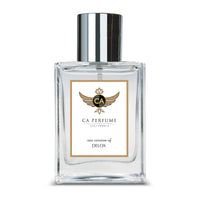
Delox — Tiziana Terenzi Delox Alternative Perfume
8.26
MEI™
Primary Romantic
Secondary Confident
Confidence
7.07
Presence
7.2
Mood Lift
9.45
Identity
7.55
Warmth
9.5
Social Ease
9.06
Energy
4.1
" I am beautiful.
View full mood profile →
Accento — Sospiro Accento Alternative Perfume
7.94
MEI™
Primary Romantic
Secondary Confident
Confidence
7.91
Presence
8.39
Mood Lift
8.06
Identity
8.22
Warmth
8.9
Social Ease
7.59
Energy
3.0
" I am beautiful.
View full mood profile →
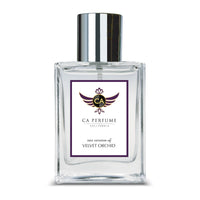
Velvet Orchid — Tom Ford Velvet Orchid Alternative Perfume
7.92
MEI™
Primary Romantic
Secondary Confident
Confidence
7.19
Presence
7.62
Mood Lift
8.55
Identity
7.84
Warmth
9.5
Social Ease
7.82
Energy
4.0
" I am beautiful.
View full mood profile →
Ilhan De Mel — Ilha Do Mel Alternative Perfume
7.56
MEI™
Primary Fresh
Secondary Romantic
Confidence
6.41
Presence
6.54
Mood Lift
9.23
Identity
6.45
Warmth
8.26
Social Ease
8.22
Energy
3.1
" I am radiant.
View full mood profile →
HumanSafe™

Top Hyacinth Fragrances by HumanSafe™ Score

These Hyacinth-based fragrances have the highest product-level HumanSafe™ scores in this ingredient collection.

Highest HumanSafe™ Score
Delox — Tiziana Terenzi Delox Alternative Perfume
A
HumanSafe™ Score Very Safe
Safest Evaluated Ingredients EDP
AQUA Solvent / Carrier ISS 10.0
1,4-DIOXACYCLOHEPTADECANE-5,17-DIONE Evaluated ingredient ISS 10.0
N° TURKISH REACH: 01-0000453802-44- Evaluated ingredient ISS 7.0
CITRONELLOL Evaluated ingredient ISS 7.0
BENZENEMETHANOL, 4-METHOXY-, ACETATE Evaluated ingredient ISS 7.0
View full safety profile →
Velvet Orchid — Tom Ford Velvet Orchid Alternative Perfume
A-
HumanSafe™ Score Generally Safe
Safest Evaluated Ingredients EDP
AQUA Solvent / Carrier ISS 10.0
ACETIC ACID, PHENYLMETHYL ESTER Evaluated ingredient ISS 10.0
BENZYL SALICYLATE Evaluated ingredient ISS 9.0
3-CYCLOPENTENE-1-ACETALDEHYDE, 2,2,3-TRIMETHYL-, Evaluated ingredient ISS 9.0
3-BUTEN-2-ONE, 3-METHYL-4-(2,6,6-TRIMETHYL-2- Evaluated ingredient ISS 8.0
View full safety profile →
The Revenge Of Blanche — The Revenge Of Lady Blanche Alternative Perfume
A-
HumanSafe™ Score Generally Safe
Safest Evaluated Ingredients EDP
AQUA Solvent / Carrier ISS 10.0
AMBROXID Evaluated ingredient ISS 10.0
ACETIC ACID, PHENYLMETHYL ESTER Evaluated ingredient ISS 10.0
1,4-DIOXACYCLOHEPTADECANE-5,17-DIONE Evaluated ingredient ISS 10.0
4H-INDEN-4-ONE, 1,2,3,5,6,7-HEXAHYDRO-1,1,2,3,3- Evaluated ingredient ISS 9.0
3-BUTEN-2-ONE, 3-METHYL-4-(2,6,6-TRIMETHYL-2- Evaluated ingredient ISS 8.0
View full safety profile →
Ombre De Hyacinth — Tom Ford Ombre De Hyacinth Alternative Perfume
A-
HumanSafe™ Score Generally Safe
Safest Evaluated Ingredients EDP
AQUA Solvent / Carrier ISS 10.0
ACETIC ACID, PHENYLMETHYL ESTER Evaluated ingredient ISS 10.0
1,4-DIOXACYCLOHEPTADECANE-5,17-DIONE Evaluated ingredient ISS 10.0
BENZYL SALICYLATE Evaluated ingredient ISS 9.0
3-BUTEN-2-ONE, 3-METHYL-4-(2,6,6-TRIMETHYL-2- Evaluated ingredient ISS 8.0
View full safety profile →
Expert Voices

What Masters Say About Hyacinth

The unique aspect of the hyacinth aroma is determined by phenylacetaldehyde, but other important ingredients that form the smell are benzyl acetate, phenylethyl alcohol, balmy benzyl benzoate, indole, 'mushroom alcohol' 1-octen-3-ol, terpenes (among them farnesene and ocimene), and trimetoxybenzene, with a rather strange, medicinal animalic smell.
Mat Yudov, Fragrantica Chemist
Hyacinth’s green-honeyed sharpness, narcotic floral heart, and earthy undertone make it one of the most complex and photorealistic floral notes in perfumery.
CA Perfume Editorial
Common Questions

Frequently Asked Questions

Answers to the most common questions about hyacinth in perfumery.

Hyacinth in perfume smells intensely green, honeyed, and floral, with a sharp aldehydic top, a narcotic heart reminiscent of jasmine and rose, and an earthy, mushroom-like base. The scent is multifaceted, oscillating between springtime freshness and a subtle animalic depth, due to molecules like phenylacetaldehyde, indole, and 1-octen-3-ol. It is often described as both invigorating and slightly mysterious, with a distinctive presence even at low concentrations.

Hyacinth is classified as a heart note in perfumery. Its volatility is moderate, allowing it to persist after the initial top notes dissipate but before the heavier base notes emerge. The note’s complexity and intensity make it ideal for the heart of a composition, where it can bridge green and white floral elements.

Hyacinth is favored in niche perfumery for its photorealistic, naturalistic scent and its ability to evoke springtime gardens with a single accord. Its complexity—green, floral, earthy, and slightly animalic—adds depth and realism to compositions. Niche brands often use advanced synthetic reconstructions to achieve a true-to-life hyacinth effect, as seen in Frederic Malle Synthetic Jungle and Serge Lutens Bas de Soie.

Hyacinth fragrance uses often involve pairing with green notes like galbanum, white florals such as jasmine and lily of the valley, and woody or mossy bases like sandalwood and oakmoss. These combinations create a balanced bouquet, with shared molecules (indole, benzyl acetate) ensuring molecular compatibility and olfactory harmony.

Hyacinth’s fresh, green aldehydic top makes it suitable for spring and early summer, but in very hot weather, its volatility can cause the scent to become sharp or fleeting. For summer use, opt for lighter concentrations (EDT or body mist) and layer with citrus or aquatic notes to maintain freshness without overwhelming the senses.

Hyacinth-based fragrances generally last 4–6 hours on skin. The green aldehydic top notes dissipate quickly, while the floral heart and earthy base persist longer. Longevity depends on concentration, formulation, and skin chemistry.

Yes, hyacinth is highly versatile for layering. It enhances sweetness when paired with rose or orange blossom, adds depth with woods or resins, and lightens with citrus or aquatic notes. Molecular compatibility (shared indole, aldehydes) ensures smooth blending. Experiment with different pairings to customize your scent profile.

Recommended entry points include Chanel Cristalle Eau de Toilette, Cacharel Anaïs Anaïs, and Estée Lauder Private Collection. These classics showcase hyacinth’s green-floral character in balanced, accessible compositions. For a modern take, try Frederic Malle Synthetic Jungle or Serge Lutens Bas de Soie.

Explore CA Perfume’s hyacinth collection by considering your preferred scent profile—green and fresh, floral and narcotic, or earthy and musky. Review the fragrance pyramid and layering suggestions to find a composition that matches your style and season. All formulas are HumanSafe™ verified for ingredient transparency.

Hyacinth is primarily green and floral with a honeyed sweetness, but it also contains spicy-balsamic undertones from cinnamyl alcohol and earthy, musky facets from indole and mushroom alcohol. The overall impression is more sweet-green than spicy, but the note’s complexity allows for both interpretations depending on the composition.

Floral Green Collection

Explore Our Top Hyacinth Fragrances

Discover CA Perfume’s curated selection of hyacinth fragrances, from classic green-floral bouquets to modern photorealistic accords, all HumanSafe™ verified.

Shop all hyacinth fragrances at CA Perfume →

Where Hyacinth Comes From — Origin & Extraction

Hyacinth used in perfumery is derived primarily from Hyacinthus orientalis, a bulbous perennial native to the eastern Mediterranean (Turkey, Syria, Lebanon, Iran). Modern cultivation is centered in the Netherlands, which produces approximately 90% of the world's hyacinth for both ornamental and fragrance purposes. The sandy soils around Haarlem and Lisse are particularly renowned for bulb production, with millions of bulbs harvested annually. Extraction of hyacinth for perfumery is technically challenging and extremely resource-intensive. No essential oil is produced commercially, as steam distillation destroys the fragile aldehydic and floral compounds that define the scent. Instead, hyacinth absolute is obtained via solvent extraction (historically using petroleum ether, now hexane or ethanol) of freshly picked flowers. The yield is exceptionally low: 0.13–0.22% concrete from fresh flowers, and only 10–14% absolute from the concrete, requiring roughly 6,000 kg of flowers to produce one liter of absolute. The process must be conducted at low temperatures to preserve key molecules such as phenylacetaldehyde and benzyl acetate. Enfleurage (cold fat extraction) was historically used but is now rare due to labor and cost. Natural hyacinth absolute is among the most expensive floral materials, costing $3,000–$12,000/kg, compared to $50–$200/kg for synthetic reconstructions. The high cost and low yield, combined with IFRA restrictions on certain components, have led most modern perfumers to use synthetic analogues. Sustainability concerns are significant: large-scale extraction is not environmentally viable, and most hyacinth fields are cultivated for ornamental use. Synthetic hyacinth molecules, such as phenylacetaldehyde dimethyl acetal (PADMA, CAS 101-48-4) and phenylacetaldehyde glycerol acetal (CAS 2556-10-7), offer a more consistent and sustainable alternative. Hyacinth was introduced to European gardens in the 15th century and became a perfumery material in the 19th and 20th centuries, with Dutch and French origins historically prized for their distinctive scent profiles.

Famous Fragrances That Define Hyacinth in Perfumery

Hyacinth has played a pivotal role in both classic and contemporary perfumery, often serving as a bridge between green and white floral notes or as a dominant heart note in spring-inspired compositions. Notable examples include: 1. Chanel Cristalle Eau de Toilette (1974, Henri Robert): Hyacinth bridges the citrus top and floral heart, paired with galbanum, lemon, and oakmoss for a crisp, green-floral chypre effect. 2. Cacharel Anaïs Anaïs (1978, Paul Léger, Raymond Chaillan, Roger Pellegrino, Robert Gonnon): Hyacinth is a key component in the iconic white floral bouquet, supporting lily, jasmine, and orange blossom. 3. Estée Lauder Private Collection (1973, Vincent Marcello): Hyacinth acts as a bridge note, linking green galbanum with rose, ylang-ylang, and oakmoss. 4. Serge Lutens Bas de Soie (2010, Christopher Sheldrake): A modern reference for hyacinth, using a photorealistic accord with iris and galbanum to evoke the cold, green, and powdery facets of the flower. 5. Frederic Malle Synthetic Jungle (2021, Anne Flipo): A contemporary green-floral that reconstructs hyacinth using advanced synthetics, paired with lily of the valley, galbanum, and basil for a hyper-realistic effect. 6. Penhaligon’s Bluebell (1978, Michael Pickthall): Although named for bluebell, this fragrance is renowned for its cold, green hyacinth character, enhanced by clove and wet earth notes. CA Perfume’s collection draws inspiration from this lineage, offering both classic and modern interpretations of hyacinth, always prioritizing ingredient transparency and IFRA compliance.

Natural vs Synthetic Hyacinth in Perfumery

Natural hyacinth absolute is a complex mixture containing over 70 identifiable compounds, including phenylethyl alcohol (22–26%), benzyl acetate (14–20%), cinnamyl alcohol (9–16%), benzyl benzoate (6–9%), and trans-beta-ocimene (1–7%). The defining molecule, phenylacetaldehyde (CAS 122-78-1), is present at only 1–1.1% but has an extremely low detection threshold, giving hyacinth its characteristic green-honeyed sharpness. Other key contributors include indole (CAS 120-72-9), 1-octen-3-ol (CAS 3391-86-4), and 1,2,3-trimethoxybenzene (CAS 536-90-3). Due to the extreme cost and limited availability of natural hyacinth absolute, most modern perfumery relies on synthetic reconstructions. Key synthetic molecules include phenylacetaldehyde dimethyl acetal (PADMA, CAS 101-48-4) for the green-honeyed top note, phenylacetaldehyde glycerol acetal (Hyacinth Body, CAS 2556-10-7) for a softer, longer-lasting effect, and benzyl acetate (CAS 140-11-4) for the jasmine-like heart. These synthetics offer greater stability, consistency, and safety, with costs typically $50–$200/kg. Performance-wise, synthetics provide reliable longevity and diffusion, while natural absolute is more nuanced but less stable and more prone to oxidation. Famous fragrances such as Serge Lutens Bas de Soie and Frederic Malle Synthetic Jungle (2021, Anne Flipo) use sophisticated synthetic hyacinth accords. The HumanSafe™ platform at CA Perfume ensures full transparency regarding the use of natural and synthetic hyacinth, prioritizing IFRA compliance and environmental responsibility. Synthetic hyacinth is favored for its lower environmental impact and supply chain reliability, while natural absolute is reserved for niche, artisanal, or vintage compositions.