Ingredient Guide · Fruity Floral
Fruity Floral Family · Perfumery Note

Tamarind

A vibrant blend of sweet and sour notes in perfumery

Tamarind is a heart note in perfumery, known for its fresh, tangy, and sweet character. It contains tartaric acid and furan derivatives, used at concentrations below 3%.

Tamarind
Ingredient Profile

Tamarind

Fruity Floral Family
Family Fruity Floral
Note Position Heart Note
Usage Level <3%
Key Origins India, Thailand, Brazil
Iconic In Tamarindo, Sparkling Tamarind
The Ingredient

What does Tamarind smell like and why is it celebrated?

Tamarind, derived from the tropical Tamarindus indica tree, offers a distinctive scent profile characterized by a blend of sweet, citrusy, and subtly tangy notes. This unique aroma results from complex chemical components including tartaric acid (C4H6O6), furfural, and 2-acetyl furan, which contribute to its bittersweet and slightly caramel-like facets. The note is classified as a heart note in perfumery, typically used at concentrations below 3% to provide a fresh and vibrant character without overwhelming sweetness. In perfumery, tamarind functions primarily as a heart note that infuses compositions with an invigorating and exotic layer. Its interaction with skin chemistry allows it to maintain a lively presence for approximately 4–6 hours, with its tartaric acid content contributing to a perceived freshness that balances sweetness and acidity. Tamarind's versatility enables it to enhance fruity accords or add complexity to floral blends, making it a favored ingredient in tropical and gourmand fragrances. Notable fragrances featuring tamarind include Memo Paris's Tamarindo (2018), where it supports a spicy oriental composition alongside jasmine sambac and vanilla absolute, and Salum Parfums' Sparkling Tamarind (2024), which pairs tamarind with citrus, fir, and woody notes for a fresh spicy effect. These examples illustrate tamarind's ability to provide both brightness and depth within diverse fragrance structures.

1–2 Sprays
Recommended application amount to enjoy tamarind's lively essence without overpowering the fragrance composition.
4–6 Hours
Typical longevity of tamarind-based fragrances on skin, reflecting the balance of volatile acids and longer-lasting compounds.
<3%
Maximum usage level advised by IFRA to prevent sensitization while maintaining aromatic impact.
Origin & Extraction

Where Tamarind Comes From — Origin & Extraction

Tamarind's scent nuances are influenced by its geographic origins, where soil composition, climate, and traditional harvesting methods impart unique aromatic characteristics. Key producing countries include India, Thailand, and Brazil, each contributing distinct profiles shaped by local environmental factors.

Tamarindus indica, a tropical legume tree native to Africa but extensively cultivated in India, Thailand, and Brazil, is the botanical source of tamarind used in perfumery. The tree produces seed pods containing a thick, dark brown pulp rich in tartaric acid (8-18%), furfural, and other aromatic compounds responsible for its distinctive bittersweet scent. India is a key producer, where tamarind is culturally significant and widely used in culinary and traditional remedies. Thailand and Brazil also contribute substantially to global tamarind production, with Brazil emphasizing its use in refreshing beverages and desserts. The cultivation regions influence the pulp's aromatic nuances due to soil composition and climate. Extraction methods for tamarind absolute primarily involve solvent extraction and supercritical CO₂ extraction of the pulp, as steam distillation is unsuitable due to the non-volatile nature of key acids and furanones. These processes preserve the complex aromatic profile, yielding a variable but rich extract. The extraction yield varies, with solvent extraction providing a complex, variable character. Natural tamarind absolute costs approximately $3,000–6,000 per kilogram, reflecting its labor-intensive harvesting and extraction. Synthetic analogues, primarily based on safranal and related molecules, are produced via laboratory synthesis at $50–200 per kilogram, offering consistent quality and stability. Sustainability considerations focus on responsible harvesting and minimizing solvent use during extraction.

IN

India

India is a major producer of tamarind, where it is culturally significant and widely used in cuisine and traditional medicine. Indian tamarind pulp is noted for its sweet-tart balance, influenced by tropical soil rich in minerals. Harvesting is manual, with pods collected at peak ripeness, contributing to a rich aromatic profile.

TH

Thailand

Thailand cultivates tamarind primarily for culinary and fragrance uses. The tropical monsoon climate and fertile alluvial soils produce tamarind with pronounced tangy and bright notes. Thai tamarind is harvested during the dry season to optimize pulp quality and aromatic intensity.

BR

Brazil

Brazilian tamarind grows in tropical regions with diverse soil types, imparting a vibrant and slightly sweeter aromatic character. It is commonly used in beverages and desserts, reflecting a joyous and uplifting scent profile. Harvesting methods emphasize sustainable practices to preserve tree longevity.

Chemistry

Natural vs Synthetic Tamarind in Perfumery

Natural tamarind absolute is extracted from the pulp of Tamarindus indica using solvent or supercritical CO₂ extraction methods, resulting in a complex and variable aromatic profile rich in tartaric acid, furfural, and 2-acetyl furan. This natural extract offers a bittersweet, gourmand note with subtle sourness and warm caramel undertones. However, its variability and higher cost ($3,000–6,000/kg) limit its widespread use. Synthetic tamarind substitutes rely on aroma chemicals such as safranal (CAS 116-26-7) and analogues, which replicate the tart, citrusy, and slightly metallic facets of natural tamarind. These synthetics provide consistent performance, greater stability, and cost-effectiveness ($50–200/kg). Synthetic molecules also offer improved longevity and diffusion in fragrance compositions. Famous fragrances like Memo Paris Tamarindo use natural tamarind absolute for its complex character, while others may employ synthetic analogues for stability and cost reasons. The HumanSafe™ platform emphasizes transparency in sourcing and safety, guiding perfumers in selecting natural or synthetic tamarind based on formulation goals and sustainability. CA Perfume values both forms, leveraging natural tamarind for artisanal, complex blends and synthetics for consistent, accessible fragrances.

Natural
Tamarind Absolute
Cost $3,000–6,000/kg
Method Solvent / CO₂
Character Complex, variable
vs
Synthetic
Safranal & Analogues
Cost $50–200/kg
Method Lab synthesis
Character Consistent, stable
Hall of Fame

Famous Fragrances That Define Tamarind in Perfumery

2018
supporting note

Tamarindo

Memo Paris
by Sophie Labbé
Jasmine SambacPeachVanilla AbsoluteBenzoinPatchouliAmber
2024
heart note

Sparkling Tamarind

Salum Parfums
by Sofia Bardelli
Coca-ColaLimeFir TreeSpicesBaobabVetiverCedar
accent note

Cocoa Tamarind

Voluspa
CacaoGardeniaCloveOrangeMusk
2007
accent note

Black XS for Her

Rabanne
SpicesAmber
2008
top note

Lalique White

Lalique
Citrus Aromatic

Tamarind has been featured in a variety of notable fragrances, showcasing its versatility as a bittersweet, gourmand note with exotic tang. Memo Paris's Tamarindo (2018), crafted by perfumer Sophie Labbé, uses tamarind as a supporting note in an oriental spicy composition, paired with jasmine sambac, peach, vanilla absolute, benzoin, patchouli, and amber. Here, tamarind adds a lively, tropical nuance that enhances the fragrance's warmth and complexity. Salum Parfums' Sparkling Tamarind (2024), by Sofia Bardelli, places tamarind in the heart, combined with coca-cola, lime, fir tree, spices, baobab, vetiver, and cedar. Tamarind contributes a fresh, zesty, and slightly dusty sweetness that balances the woody and spicy accords. Voluspa's Cocoa Tamarind blends tamarind with cacao, gardenia, clove, orange, and musk, creating a rich floral fruity gourmand fragrance where tamarind adds a bittersweet depth. Other examples include Rabanne's Black XS for Her (2007), Lalique White (2008), and Lucky You for Men (2000), where tamarind functions as a sharp, spicy, or citrusy accent, enhancing the overall composition. CA Perfume recognizes tamarind's role in modern perfumery as a unique ingredient that adds exotic freshness and gourmand complexity, reflected in both niche and mainstream collections.

The Accord

How is a captivating Tamarind accord crafted?

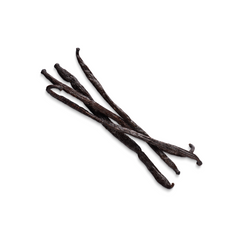
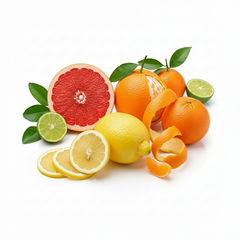
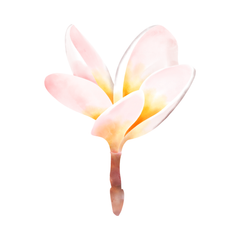
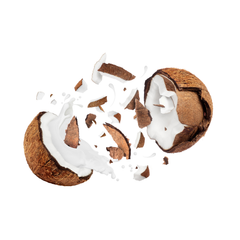
A balanced tamarind accord blends the tart and sweet facets of tamarind with complementary ingredients to enhance its vibrant character. Typically, tamarind forms 20-25% of the blend, providing the core bittersweet note. Citrus (20-25%) amplifies the fresh, zesty qualities through shared volatile terpenes. Vanilla (20-25%) adds warmth and softens tamarind's acidity via vanillin's olfactory masking effect. Tropical florals like frangipani or coconut (20-25%) contribute creamy, exotic nuances that harmonize with tamarind's fruity complexity, creating a well-rounded, exotic fragrance experience.

25%

Tamarind

20–25% of blend

Provides the core bittersweet and tangy character through tartaric acid and furan derivatives.

25%

Citrus

20–25% of blend

Enhances freshness and zesty brightness via shared volatile terpenes with tamarind.

25%

Vanilla

20–25% of blend

Softens acidity and adds warmth through vanillin's olfactory masking properties.

25%

Frangipani

20–25% of blend

Contributes creamy, exotic floral nuances that harmonize with tamarind's fruity complexity.

The Olfactory Layers

How Tamarind Evolves on Skin

Tamarind's olfactory evolution begins with a bright, fresh top impression dominated by volatile acids and furan derivatives that evaporate quickly within the first 15 minutes. The heart phase reveals the fuller bittersweet and creamy facets as less volatile molecules emerge between 20 and 60 minutes. The base notes, lasting several hours, showcase warm, velvety, and slightly caramelized undertones from heavier compounds and fixatives that anchor the scent.

I
Top notes
0–15 min
Bright Zesty Burst

The initial phase features high-volatility molecules such as tartaric acid and light furanones, producing a fresh, zesty, and tangy impression. These compounds evaporate rapidly, creating an invigorating opening that awakens the senses with a citrusy and slightly sour brightness.

FreshZestyTangy
II
Heart notes
20–60 min
Bittersweet Creaminess

During the heart phase, medium-volatility compounds like furfural and 2-acetyl furan emerge, imparting a bittersweet, warm, and creamy character. This stage balances the initial acidity with subtle sweetness and exotic fruitiness, enriching the fragrance's complexity.

BittersweetCreamyWarm
III
Base notes
Several hours
Velvety Warmth

The base notes consist of low-volatility molecules and fixatives that provide a velvety, slightly caramelized, and enduring foundation. These heavier compounds ensure longevity and depth, rounding out the fragrance with a soft, gourmand finish.

VelvetyCaramelizedLong-lasting
TOP NOTES Bright Zesty Burst 0–15 minutes HEART NOTES Bittersweet Creaminess 20–60 minutes BASE NOTES Velvety Warmth Several hours
Through the Ages

The Story of Tamarind in Perfumery

Tamarind's journey in perfumery spans from ancient cultural uses to modern niche fragrances, highlighting its evolving role as a unique gourmand and exotic note.

Antiquity

Early Culinary and Medicinal Use

Tamarind (Tamarindus indica) was used in traditional Asian, African, and Latin American cuisines and remedies, valued for its sweet-sour pulp and aromatic qualities.

18th Century

Introduction to Tropical America

Tamarind was introduced to tropical America, Bermuda, and the West Indies, expanding its geographic and cultural significance beyond its African origins.

Late 20th Century

Emergence in Perfumery

Tamarind began to be incorporated as a distinctive gourmand and exotic note in perfumery, recognized for its bittersweet and tangy scent profile.

2007

Black XS for Her Launch

Rabanne's Black XS for Her featured tamarind as a sharp, spicy accent, marking one of the early uses of tamarind in mainstream perfumery.

2018

Memo Paris Tamarindo Release

Memo Paris launched Tamarindo, a fragrance highlighting tamarind's exotic and spicy facets within an oriental composition by Sophie Labbé.

2024

Salum Parfums Sparkling Tamarind

Salum Parfums introduced Sparkling Tamarind, showcasing tamarind's fresh and zesty qualities combined with woody and spicy notes.

The Art of Layering

How to Layer Tamarind

Understanding how to layer tamarind involves recognizing molecular compatibilities and olfactory interactions that enhance or balance its unique scent profile.

01

Enhance Sweetness

Layer tamarind with vanilla, whose vanillin molecule masks tamarind's acidic edges, creating a smooth, warm gourmand effect. This combination is exemplified in Voluspa's Cocoa Tamarind.

02

Add Depth

Pair tamarind with woody notes like sandalwood or cedar, which provide a stable base and complement tamarind's bittersweet facets through shared lactone compounds, as seen in Salum Parfums' Sparkling Tamarind.

03

Lighten the Glow

Combine tamarind with citrus notes such as bergamot or lime; shared terpenes enhance brightness and zesty freshness, balancing tamarind's richness. This layering is common in tropical and fruity accords.

Wear It Right

How to Wear Tamarind Like a Pro

Seasonal Guide

Fall & Winter

Cooler temperatures slow molecular diffusion, enhancing tamarind's warm, creamy base notes and longevity. Apply moderately to pulse points for a cozy, intimate effect.

Spring

Mild weather balances tamarind's zesty top and creamy heart notes. Layer with light florals or vanilla to complement the fresh atmosphere.

Summer

Heat increases volatility, emphasizing tamarind's bright, tangy facets but shortening longevity. Use lighter concentrations and apply sparingly for a refreshing, uplifting scent.

Year-Round Tip

Adjust application based on climate; layer tamarind with complementary notes like citrus or vanilla to modulate freshness and warmth throughout the year.

Application Points

Strategic application enhances tamarind's olfactory impact by leveraging body heat and evaporation rates.

1

Neck

Pulse points at the neck provide warmth that activates tamarind's volatile acids, enhancing the fresh, tangy opening.

2

Behind the Ears

This area offers moderate heat and subtle diffusion, ideal for a balanced release of tamarind's bittersweet facets.

3

Inner Wrists

High heat and movement here intensify tamarind's zesty top notes, making the fragrance lively and noticeable.

4

Hair

Hair fibers retain fragrance molecules, allowing tamarind's creamy and velvety base notes to unfold gradually with natural movement.

Pro Tip

Layer tamarind-based fragrances with complementary vanilla or citrus scents on clothing or skin to extend longevity and complexity.

Mood Architecture™

Top Tamarind Fragrances by Mood Score

These Tamarind-based fragrances scored highest on the MEI™ Mood Architecture Framework — measuring how a scent may influence your emotional state.

Highest MEI Score
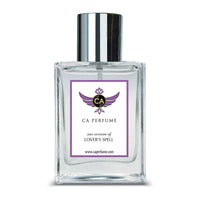
Lover's Spell — Love Spell Alternative Perfume
4.58
MEI™
Primary Fresh
Secondary Romantic
Confidence
3.8
Presence
3.88
Mood Lift
5.77
Identity
3.87
Warmth
4.42
Social Ease
5.33
Energy
2.4
" I am free.
View full mood profile →
HumanSafe™

Top Tamarind Fragrances by HumanSafe™ Score

These Tamarind-based fragrances have the highest product-level HumanSafe™ scores in this ingredient collection.

Highest HumanSafe™ Score
Lover's Spell — Love Spell Alternative Perfume
A-
HumanSafe™ Score Generally Safe
Safest Evaluated Ingredients EDP
AQUA Solvent / Carrier ISS 10.0
2(3H)-FURANONE, 5-HEPTYLDIHYDRO- Evaluated ingredient ISS 10.0
1,6-HEPTADIEN-3-ONE, 1-(2,6,6-TRIMETHYL-2- Evaluated ingredient ISS 9.0
CITRAL Evaluated ingredient ISS 8.0
BUTANOIC ACID, 1,1-DIMETHYL-2-PHENYLETHYL ESTER Evaluated ingredient ISS 8.0
LINALYL ACETATE Evaluated ingredient ISS 7.0
View full safety profile →
Expert Voices

What Masters Say About Tamarind

Tamarind provides a gourmand-exotic note with unusual tartness, useful in compositions seeking sourness without citrus.
Première Peau
Tamarind evokes a unique balance of sweet and sour, weaving a rich tapestry that ignites the senses with its electrifying presence.
CA Perfume Editorial
Common Questions

Frequently Asked Questions

Answers to common questions about tamarind's scent, use, and characteristics in perfumery.

Tamarind in perfume smells fresh, tangy, and sweet, combining a bittersweet gourmand character with citrusy and caramel-like undertones. Its scent arises from tartaric acid and furan derivatives, offering a lively, exotic aroma often used as a heart note in concentrations below 3%. Notable fragrances featuring tamarind include Memo Paris Tamarindo and Salum Parfums Sparkling Tamarind.

Tamarind is primarily used as a heart note in perfumery. It provides a complex bittersweet and tangy character that bridges the bright top notes and the warm, creamy base notes. Its volatility and aromatic compounds allow it to maintain presence for 4–6 hours on skin.

Tamarind's unique bittersweet and exotic scent profile offers niche perfumers a distinctive ingredient that adds complexity and novelty. Its balance of sweet, sour, and creamy facets allows for creative layering with tropical florals, spices, and gourmand notes, appealing to consumers seeking adventurous and vibrant fragrances.

Tamarind fragrance uses include pairing with citrus notes like bergamot and lime to enhance freshness, vanilla to add warmth and smooth acidity, and tropical florals such as frangipani or jasmine for exotic creaminess. Woody notes like sandalwood and patchouli provide depth and longevity, complementing tamarind's bittersweet character.

Yes, tamarind thrives in summer formulations due to its fresh, zesty, and tangy qualities that feel uplifting and exotic. However, heat increases volatility, so lighter concentrations and sparing application are advised to maintain balance and longevity in hot weather.

Tamarind-based fragrances typically last between 4 to 6 hours on skin. The longevity depends on formulation and supporting notes, with creamy and woody bases extending the scent's presence beyond the initial fresh and tangy top phase.

Yes, layering tamarind with complementary notes like vanilla, citrus, or sandalwood can enhance its complexity and balance. Understanding how to layer tamarind involves molecular compatibility, such as vanillin masking acidity or terpenes amplifying freshness, to create a unique personalized scent.

Beginner-friendly tamarind perfumes include Memo Paris Tamarindo for a balanced oriental spicy experience and Voluspa Cocoa Tamarind for a rich floral gourmand. These fragrances showcase tamarind's versatility without overwhelming complexity.

Choosing a tamarind fragrance involves considering your preference for freshness, sweetness, or warmth. CA Perfume offers a curated selection emphasizing natural and synthetic tamarind's unique profiles, with transparency through the HumanSafe™ platform to guide informed choices.

Tamarind smells primarily bittersweet with a tangy, sour edge rather than spicy. Its aroma combines sweet caramel-like notes with citrusy acidity, creating a gourmand-exotic character that is more sweet-tart than overtly spicy.

Fruity Floral Collection

Explore Our Top Tamarind Fragrances

Discover a curated selection of fragrances featuring tamarind's unique bittersweet and exotic scent profile.

Shop all tamarind fragrances at CA Perfume →

Where Tamarind Comes From — Origin & Extraction

Tamarindus indica, a tropical legume tree native to Africa but extensively cultivated in India, Thailand, and Brazil, is the botanical source of tamarind used in perfumery. The tree produces seed pods containing a thick, dark brown pulp rich in tartaric acid (8-18%), furfural, and other aromatic compounds responsible for its distinctive bittersweet scent. India is a key producer, where tamarind is culturally significant and widely used in culinary and traditional remedies. Thailand and Brazil also contribute substantially to global tamarind production, with Brazil emphasizing its use in refreshing beverages and desserts. The cultivation regions influence the pulp's aromatic nuances due to soil composition and climate. Extraction methods for tamarind absolute primarily involve solvent extraction and supercritical CO₂ extraction of the pulp, as steam distillation is unsuitable due to the non-volatile nature of key acids and furanones. These processes preserve the complex aromatic profile, yielding a variable but rich extract. The extraction yield varies, with solvent extraction providing a complex, variable character. Natural tamarind absolute costs approximately $3,000–6,000 per kilogram, reflecting its labor-intensive harvesting and extraction. Synthetic analogues, primarily based on safranal and related molecules, are produced via laboratory synthesis at $50–200 per kilogram, offering consistent quality and stability. Sustainability considerations focus on responsible harvesting and minimizing solvent use during extraction.

Famous Fragrances That Define Tamarind in Perfumery

Tamarind has been featured in a variety of notable fragrances, showcasing its versatility as a bittersweet, gourmand note with exotic tang. Memo Paris's Tamarindo (2018), crafted by perfumer Sophie Labbé, uses tamarind as a supporting note in an oriental spicy composition, paired with jasmine sambac, peach, vanilla absolute, benzoin, patchouli, and amber. Here, tamarind adds a lively, tropical nuance that enhances the fragrance's warmth and complexity. Salum Parfums' Sparkling Tamarind (2024), by Sofia Bardelli, places tamarind in the heart, combined with coca-cola, lime, fir tree, spices, baobab, vetiver, and cedar. Tamarind contributes a fresh, zesty, and slightly dusty sweetness that balances the woody and spicy accords. Voluspa's Cocoa Tamarind blends tamarind with cacao, gardenia, clove, orange, and musk, creating a rich floral fruity gourmand fragrance where tamarind adds a bittersweet depth. Other examples include Rabanne's Black XS for Her (2007), Lalique White (2008), and Lucky You for Men (2000), where tamarind functions as a sharp, spicy, or citrusy accent, enhancing the overall composition. CA Perfume recognizes tamarind's role in modern perfumery as a unique ingredient that adds exotic freshness and gourmand complexity, reflected in both niche and mainstream collections.

Natural vs Synthetic Tamarind in Perfumery

Natural tamarind absolute is extracted from the pulp of Tamarindus indica using solvent or supercritical CO₂ extraction methods, resulting in a complex and variable aromatic profile rich in tartaric acid, furfural, and 2-acetyl furan. This natural extract offers a bittersweet, gourmand note with subtle sourness and warm caramel undertones. However, its variability and higher cost ($3,000–6,000/kg) limit its widespread use. Synthetic tamarind substitutes rely on aroma chemicals such as safranal (CAS 116-26-7) and analogues, which replicate the tart, citrusy, and slightly metallic facets of natural tamarind. These synthetics provide consistent performance, greater stability, and cost-effectiveness ($50–200/kg). Synthetic molecules also offer improved longevity and diffusion in fragrance compositions. Famous fragrances like Memo Paris Tamarindo use natural tamarind absolute for its complex character, while others may employ synthetic analogues for stability and cost reasons. The HumanSafe™ platform emphasizes transparency in sourcing and safety, guiding perfumers in selecting natural or synthetic tamarind based on formulation goals and sustainability. CA Perfume values both forms, leveraging natural tamarind for artisanal, complex blends and synthetics for consistent, accessible fragrances.