Where Frangipani Comes From — Origin & Extraction
Frangipani refers to the flowers of the Plumeria genus, particularly Plumeria rubra and Plumeria alba, native to Central America, Mexico, and the Caribbean. The tree is now widely cultivated in tropical and subtropical regions, including Southeast Asia (notably Thailand, Indonesia, and India), the Pacific Islands, and parts of Australia. The flowers are culturally significant, used in leis and temple offerings, and are the national flower of Laos (dok champa).
In perfumery, true frangipani absolute is rarely produced, as the delicate flowers yield minimal essential oil and their aroma is highly unstable. Solvent extraction (using hexane or ethanol) can produce a frangipani absolute, but the yield is extremely low—often less than 0.01% by weight—and the resulting material is thick, waxy, and only partially representative of the living scent. Enfleurage, a historical method, was once used but is now largely obsolete due to inefficiency and cost. Most commercial frangipani notes are reconstructions, blending natural isolates (such as benzyl salicylate, linalool, and methyl benzoate) with synthetic aroma chemicals (notably methyl anthranilate and heliotropin) to mimic the flower’s creamy, fruity, and almond-like facets.
The cost of true frangipani absolute can exceed $5,000–10,000 per kg, but reconstructed accords are far more economical, with key synthetics priced between $50–200 per kg. Sustainability is a concern for natural extraction, as large quantities of flowers are required for minimal output, and the trees are slow-growing. Synthetic reconstructions are favored for consistency, cost, and reduced environmental impact. No major IFRA restrictions exist for frangipani, but the reconstructed accord is preferred for safety and reproducibility.
Famous Fragrances That Define Frangipani in Perfumery
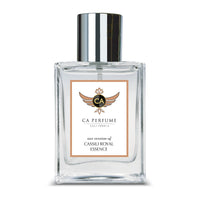
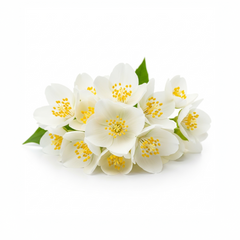
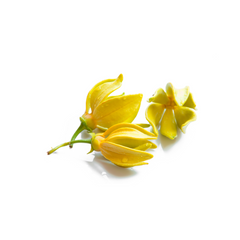
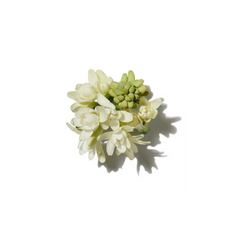
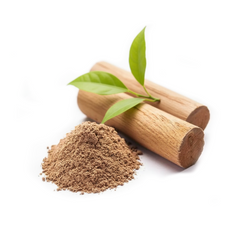
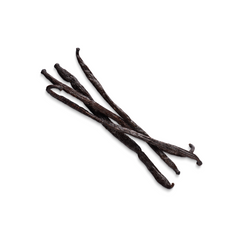
Frangipani has been a central note in many iconic fragrances, especially those evoking tropical, solar, or white floral themes. Ormonde Jayne Frangipani (2003, perfumer Geza Schoen) is a benchmark, using a reconstructed frangipani accord with magnolia, lime, and tuberose to create a luminous, creamy heart. Parfums de Marly Cassili (2019) by Quentin Bisch and Emilie Bevierre-Coppermann features frangipani paired with plum, mimosa, and vanilla, resulting in a plush, solar floral composition. Jo Malone London Frangipani Flower Cologne (2019, Marie Salamagne) highlights frangipani with ylang-ylang, jasmine, and sandalwood, capturing the flower’s tropical, creamy radiance.
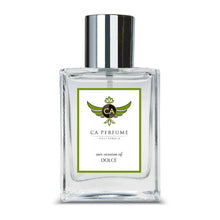
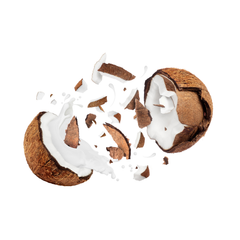
Kenzo Amour (2006, Daphné Bugey and Olivier Cresp) uses frangipani alongside rice, cherry blossom, and vanilla to evoke a soft, powdery, and exotic floral trail. Chanel Beige (2008, Jacques Polge) incorporates frangipani with hawthorn and honey, lending a creamy, sunlit floralcy to the composition. These fragrances demonstrate frangipani’s versatility as both a dominant and supporting note, often paired with other white florals (tuberose, jasmine), lactonic notes (coconut, almond), and solar accords. CA Perfume’s collection draws inspiration from this lineage, offering frangipani-centered compositions that honor both the technical and sensory legacy of the note.
Natural vs Synthetic Frangipani in Perfumery
Natural frangipani absolute is extremely rare due to the low yield and instability of the extracted oil. The most common extraction method is solvent extraction, but even this fails to capture the full olfactory complexity of the living flower. As a result, perfumers rely on synthetic and reconstructed accords to represent frangipani in fragrance compositions. Key synthetic molecules include methyl anthranilate (CAS 134-20-3), which imparts a grape-like, fruity nuance; heliotropin (piperonal, CAS 120-57-0), which provides almond-vanilla creaminess; and benzyl salicylate (CAS 118-58-1), which adds a solar, white-floral radiance. These molecules are blended with natural isolates such as linalool and methyl benzoate to create a convincing frangipani accord.
Synthetic frangipani accords offer superior stability, longevity, and batch-to-batch consistency compared to the natural extract, which is highly variable and prone to rapid degradation. The cost differential is significant: synthetics and reconstructed accords are available for $50–200 per kg, while natural absolute can exceed $5,000–10,000 per kg. Notable fragrances using reconstructed frangipani include Ormonde Jayne Frangipani (2003), Parfums de Marly Cassili (2019), and Jo Malone London Frangipani Flower Cologne (2019).
From a sustainability perspective, synthetic and reconstructed frangipani reduce the environmental burden associated with harvesting vast quantities of flowers. CA Perfume’s HumanSafe™ platform ensures transparency in sourcing and formulation, prioritizing reconstructed accords for both safety and environmental stewardship.