Ingredient Guide · Fruity Floral
Fruity Floral Family · Perfumery Note

Raspberry Bloom

A refined fruity floral note with a nuanced rose character

Raspberry Bloom in perfumery is a fantasy fruity floral note characterized by bright raspberry ketone and a subtle rose nuance. It is typically used in concentrations around 0.1-0.3% as a heart or top-middle note.

Raspberry Bloom
Ingredient Profile

Raspberry Bloom

Fruity Floral Family
Family Fruity Floral
Note Position Top Note
Usage Level 0.1–0.3%
Key Origins Scotland, French Alps, Russia (Ural Mountains)
Iconic In Eden Juicy Apple | 01 Eau De Parfum, Rose Of No Man's Land
The Ingredient

What does Raspberry Bloom smell like and why is it significant in perfumery?

Raspberry Bloom is a complex fragrance note derived from the raspberry plant (Rubus idaeus), a member of the Rosaceae family. Its scent profile is dominated by the molecule raspberry ketone (4-(4-hydroxyphenyl)butan-2-one), which imparts a juicy, fruity sweetness with a subtle tartness and a delicate floral nuance reminiscent of rose. This combination creates a fantasy fruity floral note that is both fresh and sophisticated. In perfumery, Raspberry Bloom is classified primarily as a heart or top-middle note, used at concentrations typically ranging from 0.1% to 0.3%. It interacts with skin chemistry by blending its fruity sweetness with floral undertones, often enhancing the perception of freshness and brightness on the wearer. Raspberry Bloom’s volatility allows it to emerge shortly after the top notes, providing a juicy, uplifting character that bridges to floral or gourmand bases. Notable fragrances featuring Raspberry Bloom include Kayali Fragrances' Eden Juicy Apple | 01 Eau De Parfum (2023), where it complements apple and jasmine for a vibrant fruity floral, and Byredo's Rose Of No Man's Land (2018), which uses it to add a soft, rosy fruitiness that enhances the rose heart. These examples demonstrate Raspberry Bloom’s versatility in modern perfumery.

0.1–0.3%
Typical concentration range of Raspberry Bloom in fragrance formulas, balancing olfactory impact and safety.
3–6 hours
Average longevity of Raspberry Bloom's fruity floral character on skin in Eau de Parfum concentrations.
50–200 USD/kg
Approximate cost range for synthetic raspberry ketone, the primary aroma chemical replicating Raspberry Bloom.
Origin & Extraction

Where Raspberry Bloom Comes From — Origin & Extraction

Raspberry Bloom's scent character is influenced by the geography of raspberry cultivation, where cool temperate climates and slow ripening enhance aromatic compound concentration. Soil composition and altitude in regions like Scotland and the French Alps contribute to the intensity and nuance of raspberry aroma.

Raspberry Bloom originates from the raspberry plant, Rubus idaeus, native to temperate regions of Europe and Asia. The plant thrives in cool climates with distinct seasons, such as Scotland and the French Alps, where slow ripening enhances aromatic compound concentration. The raspberry fruit itself contains raspberry ketone, the key odorant molecule responsible for its characteristic scent. Natural extraction of raspberry ketone is challenging and economically unviable for perfumery due to its low concentration in fresh berries; several tons of raspberries are required to yield one kilogram of pure ketone. Consequently, synthetic raspberry ketone production dominates the market. Extraction methods for natural raspberry aroma include solvent extraction and supercritical CO2 extraction, which preserve delicate volatile compounds without heat degradation. Synthetic raspberry ketone (CAS 5471-51-2) was first isolated in 1903 and is now produced industrially through chemical synthesis. Natural raspberry ketone costs upwards of $3,000–6,000 per kilogram, whereas synthetic forms are available at $50–200 per kilogram. Sustainability concerns favor synthetic production due to the environmental impact and labor intensity of natural harvesting. Raspberry Bloom fragrance accords often combine natural isolates with synthetic aroma chemicals to balance authenticity and cost.

GB

Scotland

Scottish raspberries benefit from cool summers and acidic, well-drained soils, producing berries with concentrated aromatic ketones. Scotland contributes significantly to European raspberry production with sustainable harvesting practices.

FR

French Alps

The French Alps offer high-altitude cultivation with cool temperatures and mineral-rich soils, resulting in raspberries with pronounced fruity and floral notes. This region is known for premium raspberry varieties used in perfumery.

RU

Russia (Ural Mountains)

Raspberries from the Ural Mountains grow in cold climates with long winters, yielding berries with a distinct tartness and aromatic complexity favored in natural extracts.

PL

Poland

Poland is a major raspberry producer in Europe, with temperate climate and fertile soils. Polish raspberries are widely used in food and fragrance industries, with emphasis on sustainable agriculture.

Chemistry

Natural vs Synthetic Raspberry Bloom in Perfumery

Natural Raspberry Bloom aroma derives from raspberry ketone and raspberry leaf absolute, providing a rich, jammy, and fresh fruity floral character. However, natural extraction yields are low, and the material is costly and variable due to agricultural factors. Synthetic raspberry ketone (CAS 5471-51-2), frambinone, and other aroma chemicals like beta-ionone and maltol are widely used to replicate and enhance raspberry scent profiles. Synthetic molecules offer greater stability, longevity, and diffusion compared to natural extracts, which tend to be more delicate and variable. Cost differentials are significant, with synthetic raspberry ketone costing roughly $50–200/kg versus $3,000–6,000/kg for natural extracts. Famous fragrances such as Guerlain Insolence and Marc Jacobs Daisy Eau So Fresh utilize synthetic raspberry accords for consistency. Sustainability considerations favor synthetics due to reduced environmental strain and more reliable supply chains. CA Perfume employs the HumanSafe™ platform to ensure transparency and safety in sourcing both natural and synthetic raspberry materials, balancing olfactory quality with ethical standards.

Natural
Raspberry Bloom Absolute
Cost $3,000–6,000/kg
Method Solvent / CO₂
Character Complex, variable
vs
Synthetic
Safranal & Analogues
Cost $50–200/kg
Method Lab synthesis
Character Consistent, stable
Hall of Fame

Famous Fragrances That Define Raspberry Bloom in Perfumery

2023
heart note

Eden Juicy Apple | 01 Eau De Parfum

Kayali Fragrances
applelycheejasmine
2018
accent note

Rose Of No Man's Land

Byredo
rosevioletpink pepper
2020
dominant note

Candy Eau de Parfum

Thomas Kosmala
vanillamuskflorals
2021
bridge note

Eternal Roots

Orebella
woody notesflorals
2022
layered note

Empathy

The House of Oud
oudamber

Raspberry Bloom has become a defining note in contemporary fruity floral fragrances, appearing in a variety of celebrated perfumes. Kayali Fragrances' Eden Juicy Apple | 01 Eau De Parfum (2023) uses Raspberry Bloom as a vibrant heart note, paired with apple, lychee, and jasmine to create a fresh, juicy composition. Byredo's Rose Of No Man's Land (2018) features Raspberry Bloom as a subtle accent, enhancing the rose heart with fruity softness. Thomas Kosmala's Candy Eau de Parfum (2020) employs Raspberry Bloom as a dominant fruity floral note, balanced with vanilla and musk for gourmand warmth. Orebella's Eternal Roots (2021) integrates Raspberry Bloom as a bridge note, combining it with woody and floral accords for complexity. The House of Oud's Empathy (2022) uses Raspberry Bloom to add a delicate fruity layer over oud and amber bases. These examples illustrate Raspberry Bloom's versatility in bridging fruity freshness with floral and gourmand elements. CA Perfume's collection reflects this lineage by incorporating Raspberry Bloom in accords that emphasize its multifaceted character without overwhelming sweetness.

The Accord

How is a captivating Raspberry Bloom accord crafted?

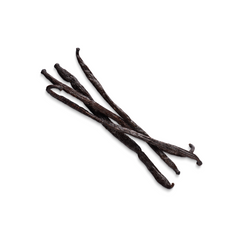
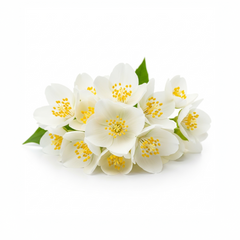
A Raspberry Bloom accord typically blends 25-30% Raspberry Bloom, 20-25% Rose, 20-25% Jasmine, and 25-30% Vanilla. Raspberry Bloom provides the juicy, fruity floral heart with raspberry ketone's signature sweetness. Rose offers a complementary floral bridge through shared damascenone traces, enhancing depth. Jasmine adds a fresh, indolic floral brightness that balances the accord. Vanilla's vanillin softens the metallic edges of raspberry ketone via olfactory masking, creating a smooth, warm finish.

30%

Raspberry Bloom

25–30% of blend

Provides the core fruity floral character with raspberry ketone's juicy sweetness and subtle rose nuances.

25%

Rose

20–25% of blend

Shares damascenone compounds with raspberry, creating a seamless floral-fruity bridge enhancing accord complexity.

25%

Jasmine

20–25% of blend

Adds fresh, indolic floral brightness that balances the sweetness and provides olfactory lift.

30%

Vanilla

25–30% of blend

Softens raspberry's metallic edge through vanillin's olfactory masking, rounding the accord with warmth.

The Olfactory Layers

How Raspberry Bloom Evolves on Skin

Raspberry Bloom unfolds with an initial bright fruity floral burst dominated by high-volatility raspberry ketone molecules, lasting approximately 15-30 minutes. The heart phase reveals floral nuances of rose and jasmine, stabilized by mid-volatility compounds, persisting up to an hour. The base phase features warm vanilla and musk notes with low volatility, providing lasting depth for several hours.

I
Top notes
0–15 min
Bright Juicy Burst

The initial impression is a juicy, bright raspberry aroma driven by volatile raspberry ketone molecules (4-(4-hydroxyphenyl)butan-2-one). This stage is characterized by fresh, sweet, and slightly tart fruity facets that rapidly evaporate, creating an uplifting opening.

JuicyBrightFruity
II
Heart notes
20–60 min
Soft Floral Nuance

The heart reveals floral nuances from damascenone-related compounds shared with rose and jasmine, providing a soft, elegant floral sweetness. This phase balances the initial fruitiness with a refined floral character, maintaining moderate volatility.

FloralSoftElegant
III
Base notes
Several hours
Warm Creamy Finish

The base phase comprises warm vanilla (vanillin) and musk molecules with low volatility, which soften the raspberry's metallic edges and prolong the scent's presence on skin. These notes provide a creamy, smooth finish that anchors the composition.

WarmCreamyLong-lasting
TOP NOTES Bright Juicy Burst 0–15 minutes HEART NOTES Soft Floral Nuance 20–60 minutes BASE NOTES Warm Creamy Finish Several hours
Through the Ages

The Story of Raspberry Bloom in Perfumery

Raspberry Bloom's journey in perfumery spans from early botanical use to modern synthetic innovation, highlighting key milestones in its chemical identification and fragrance applications.

1903

Isolation of Raspberry Ketone

Firmenich chemists Christian Friedrich Seidel and Hans Schinz first isolated and characterized raspberry ketone (4-(4-hydroxyphenyl)butan-2-one), the key molecule responsible for raspberry's scent.

Mid-20th Century

Synthetic Production Begins

Due to low natural yields, synthetic raspberry ketone production was developed, enabling widespread use in perfumery and flavor industries.

1980s

Introduction in Fruity Floral Perfumes

Raspberry Bloom notes began appearing prominently in fruity floral perfumes, adding fresh, juicy character to compositions.

2010s

Rise in Niche Perfumery

Niche perfumers increasingly used Raspberry Bloom accords for complex fruity floral blends, often combining natural isolates with synthetics.

2020s

Popularity Surge in Modern Fragrances

Raspberry Bloom became a trending note in mainstream and niche perfumes, featured in notable releases like Kayali's Eden Juicy Apple (2023).

The Art of Layering

How to Layer Raspberry Bloom

Understanding how to layer Raspberry Bloom involves molecular compatibility and olfactory synergy. Layering enhances complexity and personalizes scent expression.

01

Enhance Sweetness

Pair Raspberry Bloom with vanilla or tonka bean to soften its tartness. Vanillin masks metallic edges of raspberry ketone, creating a creamy, sweet finish. This combination is evident in fragrances like Kayali Eden Juicy Apple.

02

Add Depth

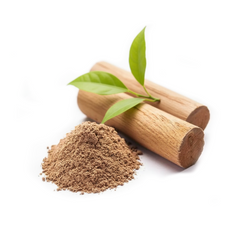
Combine Raspberry Bloom with woody notes such as sandalwood or cashmere wood. These base notes provide a warm, smooth foundation that anchors the bright fruitiness, as seen in Byredo Rose Of No Man's Land.

03

Lighten the Glow

Layer with fresh florals like jasmine or waterlily to amplify the airy, delicate facets of Raspberry Bloom. The shared floral compounds create a seamless blend, enhancing vibrancy and freshness.

Wear It Right

How to Wear Raspberry Bloom Like a Pro

Seasonal Guide

Fall & Winter

Cooler temperatures slow molecular evaporation, allowing Raspberry Bloom's warm vanilla base to shine. Apply moderately for cozy, enveloping wear.

Spring

Moderate warmth highlights the fruity floral heart, making Raspberry Bloom feel fresh and vibrant. Layer with light florals for daytime elegance.

Summer

Heat increases volatility, emphasizing the bright raspberry top notes but shortening longevity. Use lighter application or pair with musk for softness.

Year-Round Tip

Layer Raspberry Bloom with complementary vanilla or musk products to balance freshness and warmth, adapting to changing climates.

Application Points

Strategic application of Raspberry Bloom enhances its olfactory impact and longevity.

1

Neck

Pulse points like the neck provide warmth that activates Raspberry Bloom's fruity floral molecules, enhancing projection.

2

Behind the Ears

This discreet area allows subtle diffusion of the scent, ideal for intimate settings.

3

Inner Wrists

High blood flow here intensifies scent release, making Raspberry Bloom's bright top notes more noticeable.

4

Hair

Hair holds fragrance oils longer, releasing Raspberry Bloom gradually with movement and warmth.

★

Pro Tip

Apply a light layer of unscented moisturizer before spraying to increase scent adherence and longevity.

Mood Architecture™

Top Raspberry Bloom Fragrances by Mood Score

These Raspberry Bloom-based fragrances scored highest on the MEI™ Mood Architecture Framework — measuring how a scent may influence your emotional state.

Highest MEI Score
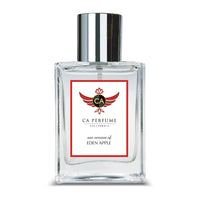
Eden Apple — Eden Juicy Apple 01 Alternative Perfume
7.2
MEI™
Primary Romantic
Secondary Confident
Confidence
6.49
Presence
6.83
Mood Lift
8.18
Identity
6.7
Warmth
8.1
Social Ease
7.58
Energy
3.57
" I am beautiful.
View full mood profile →
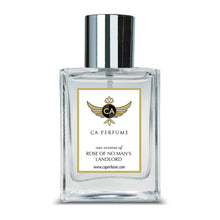
Rose Of No Man's Landlord — Rose Of No Man's Land Alternative Cologne
5.6
MEI™
Primary Fresh
Secondary Romantic
Confidence
5.2
Presence
5.55
Mood Lift
6.38
Identity
5.9
Warmth
5.65
Social Ease
5.88
Energy
2.1
" I am radiant.
View full mood profile →
HumanSafe™

Top Raspberry Bloom Fragrances by HumanSafe™ Score

These Raspberry Bloom-based fragrances have the highest product-level HumanSafe™ scores in this ingredient collection.

Highest HumanSafe™ Score
Rose Of No Man's Landlord — Rose Of No Man's Land Alternative Cologne
A-
HumanSafe™ Score Generally Safe
Safest Evaluated Ingredients EDP
AQUA Solvent / Carrier ISS 10.0
AMBROXID Evaluated ingredient ISS 10.0
AMBROXIDE Evaluated ingredient ISS 9.0
BULNESIA SARMIENTI, EXT., ACETATE Evaluated ingredient ISS 7.0
ALCOHOL DENAT. Solvent / Carrier ISS 7.0
2,6-OCTADIEN-1-OL, 3,7-DIMETHYL-, ACETATE, (E)- Evaluated ingredient ISS 7.0
View full safety profile →
Eden Apple — Eden Juicy Apple 01 Alternative Perfume
A-
HumanSafe™ Score Generally Safe
Safest Evaluated Ingredients EDP
AQUA Solvent / Carrier ISS 10.0
BENZYL SALICYLATE Evaluated ingredient ISS 9.0
LINALYL ACETATE Evaluated ingredient ISS 7.0
LINALOOL Evaluated ingredient ISS 7.0
BENZOIC ACID, 2,4-DIHYDROXY-3,6-DIMETHYL-, METHYL Evaluated ingredient ISS 7.0
ALCOHOL DENAT. Solvent / Carrier ISS 7.0
View full safety profile →
Expert Voices

What Masters Say About Raspberry Bloom

“
I do not use that many fruit chords in my creations, but raspberry is just perfect with roses. And jasmine. I sometimes wonder why the combination of fruits and berries with flowers are so enchanting. Maybe it is because it brings together the ethereal pleasure of scent and the down-to-earth joy of pampering our body with food.
Andy Tauer, Perfumer
“
Raspberry Bloom's scent profile is a fantasy fruity floral note with a nuance of rose, characterized by the key molecule raspberry ketone, which provides a juicy, fresh sweetness balanced by subtle floral undertones.
CA Perfume Editorial
Common Questions

Frequently Asked Questions

Answers to common questions about Raspberry Bloom in perfumery.

Raspberry Bloom smells like a bright, juicy raspberry fruit with a subtle floral nuance reminiscent of rose. The scent is characterized by the molecule raspberry ketone, which imparts a sweet, fresh, and slightly tart aroma. It is often described as a fantasy fruity floral note, combining the lusciousness of ripe berries with delicate floral softness, used in heart or top-middle notes in perfumes.

Raspberry Bloom is primarily used as a heart or top-middle note in fragrance compositions. Its volatile fruity molecules provide an initial juicy freshness that emerges after the top notes, while its floral nuances sustain the heart phase. It is rarely used as a base note due to its higher volatility and lighter character.

Raspberry Bloom is favored in niche perfumery for its unique ability to blend fruity sweetness with floral elegance, offering complexity and freshness. Its synthetic and natural components allow perfumers to craft sophisticated accords that evoke both edible and floral sensations, appealing to consumers seeking distinctive, multi-dimensional scents.

Raspberry Bloom fragrance uses best pair with rose and jasmine due to shared molecular compounds like damascenone, which create seamless transitions. Vanilla softens its metallic edges via vanillin's olfactory masking, while woody notes like sandalwood and cashmere wood add depth and warmth, enhancing longevity and balance.

Yes, Raspberry Bloom perfumes are suitable for summer due to their fresh, bright fruity floral profile. However, heat increases volatility, emphasizing the top fruity notes but potentially shortening longevity. Lighter applications or layering with musk can help maintain balance and wearability in hot climates.

Raspberry Bloom fragrances typically last 3 to 6 hours on skin in Eau de Parfum concentrations. Longevity depends on formulation, concentration, and skin chemistry, with synthetic raspberry ketone providing enhanced stability and diffusion compared to natural extracts.

Yes, layering Raspberry Bloom with complementary notes like vanilla, musk, rose, or sandalwood enhances complexity and wearability. Molecular compatibility, such as shared aroma compounds and olfactory masking effects, ensures harmonious blends that personalize scent profiles.

Beginner-friendly Raspberry Bloom perfumes include Kayali Fragrances Eden Juicy Apple | 01 Eau De Parfum and Byredo Rose Of No Man's Land, which showcase the note's fresh fruity floral character in balanced, approachable compositions.

At CA Perfume, selecting a Raspberry Bloom fragrance involves considering concentration, complementary notes, and personal skin chemistry. Our HumanSafe™ verified collection offers transparent ingredient sourcing and accords designed to highlight Raspberry Bloom's multifaceted character for diverse preferences.

Raspberry Bloom primarily smells sweet and fruity with a subtle tartness, complemented by floral nuances. It is not inherently spicy but can be paired with spices like pink pepper or ginger to add warmth and complexity in fragrance compositions.

Fruity Floral Collection

Explore Our Top Raspberry Bloom Fragrances

Discover a curated selection of perfumes featuring Raspberry Bloom's vibrant fruity floral character.

Shop all raspberry bloom fragrances at CA Perfume →

Where Raspberry Bloom Comes From — Origin & Extraction

Raspberry Bloom originates from the raspberry plant, Rubus idaeus, native to temperate regions of Europe and Asia. The plant thrives in cool climates with distinct seasons, such as Scotland and the French Alps, where slow ripening enhances aromatic compound concentration. The raspberry fruit itself contains raspberry ketone, the key odorant molecule responsible for its characteristic scent. Natural extraction of raspberry ketone is challenging and economically unviable for perfumery due to its low concentration in fresh berries; several tons of raspberries are required to yield one kilogram of pure ketone. Consequently, synthetic raspberry ketone production dominates the market. Extraction methods for natural raspberry aroma include solvent extraction and supercritical CO2 extraction, which preserve delicate volatile compounds without heat degradation. Synthetic raspberry ketone (CAS 5471-51-2) was first isolated in 1903 and is now produced industrially through chemical synthesis. Natural raspberry ketone costs upwards of $3,000–6,000 per kilogram, whereas synthetic forms are available at $50–200 per kilogram. Sustainability concerns favor synthetic production due to the environmental impact and labor intensity of natural harvesting. Raspberry Bloom fragrance accords often combine natural isolates with synthetic aroma chemicals to balance authenticity and cost.

Famous Fragrances That Define Raspberry Bloom in Perfumery

Raspberry Bloom has become a defining note in contemporary fruity floral fragrances, appearing in a variety of celebrated perfumes. Kayali Fragrances' Eden Juicy Apple | 01 Eau De Parfum (2023) uses Raspberry Bloom as a vibrant heart note, paired with apple, lychee, and jasmine to create a fresh, juicy composition. Byredo's Rose Of No Man's Land (2018) features Raspberry Bloom as a subtle accent, enhancing the rose heart with fruity softness. Thomas Kosmala's Candy Eau de Parfum (2020) employs Raspberry Bloom as a dominant fruity floral note, balanced with vanilla and musk for gourmand warmth. Orebella's Eternal Roots (2021) integrates Raspberry Bloom as a bridge note, combining it with woody and floral accords for complexity. The House of Oud's Empathy (2022) uses Raspberry Bloom to add a delicate fruity layer over oud and amber bases. These examples illustrate Raspberry Bloom's versatility in bridging fruity freshness with floral and gourmand elements. CA Perfume's collection reflects this lineage by incorporating Raspberry Bloom in accords that emphasize its multifaceted character without overwhelming sweetness.

Natural vs Synthetic Raspberry Bloom in Perfumery

Natural Raspberry Bloom aroma derives from raspberry ketone and raspberry leaf absolute, providing a rich, jammy, and fresh fruity floral character. However, natural extraction yields are low, and the material is costly and variable due to agricultural factors. Synthetic raspberry ketone (CAS 5471-51-2), frambinone, and other aroma chemicals like beta-ionone and maltol are widely used to replicate and enhance raspberry scent profiles. Synthetic molecules offer greater stability, longevity, and diffusion compared to natural extracts, which tend to be more delicate and variable. Cost differentials are significant, with synthetic raspberry ketone costing roughly $50–200/kg versus $3,000–6,000/kg for natural extracts. Famous fragrances such as Guerlain Insolence and Marc Jacobs Daisy Eau So Fresh utilize synthetic raspberry accords for consistency. Sustainability considerations favor synthetics due to reduced environmental strain and more reliable supply chains. CA Perfume employs the HumanSafe™ platform to ensure transparency and safety in sourcing both natural and synthetic raspberry materials, balancing olfactory quality with ethical standards.