Ingredient Guide · Fruity
Fruity Family · Perfumery Note

Peach

A lush, creamy, and powdery fruit note in modern perfumery.

In perfumery, peach is a heart-to-top note prized for its juicy, creamy, and powdery character, achieved almost exclusively through synthesis. Gamma-undecalactone, the key molecule, imparts the signature velvety, nectarous aroma at concentrations typically below 2%.

Peach
Ingredient Profile

Peach

Fruity Family
Family Fruity
Note Position Top Note
Usage Level <2%
Key Origins China, United States, Italy
Iconic In Mitsouko, Coco
The Ingredient

What does Peach smell like and why is it so significant in perfumery?

Peach in perfumery is defined by a lush, juicy, and creamy scent profile, often described as nectarous, powdery, and slightly lactonic. The core of this aroma is gamma-undecalactone (C14 aldehyde, CAS 104-67-6), a lactone that delivers the characteristic velvety, ripe peach impression. Supporting molecules such as delta-decalactone and various esters contribute to the fruit’s creamy, milky undertone, while aldehydes and green notes can add brightness or tartness depending on the desired effect. The result is a multi-faceted scent that evokes both the flesh and fuzzy skin of a ripe peach, sometimes with subtle coconut or almond nuances due to shared lactonic chemistry. In perfumery, peach is most commonly used as a heart or top note, depending on the formulation. Its volatility is moderate, allowing it to bridge the transition from sparkling top notes to the richer heart of a fragrance. Typical concentrations in fine fragrance range from 0.2% to 2% of the formula, with higher percentages reserved for gourmand or overtly fruity compositions. The peach note interacts dynamically with skin chemistry: on warmer, more acidic skin, its lactonic facets may become creamier, while on drier or more alkaline skin, the powdery and green aspects can be more pronounced. This variability makes peach a versatile tool for perfumers seeking to add a sense of lushness or playful brightness to a composition. Peach in perfumery is exemplified in landmark fragrances such as Guerlain Mitsouko (1919, Jacques Guerlain), where a peach-lactone accord grounds the chypre structure, and Tom Ford Bitter Peach (2020, Louise Turner), which explores the note’s boozy, syrupy, and slightly animalic facets. More recently, Lancôme Idôle Peach ‘N Roses (2026, Shyamala Maisondieu, Nadège Le Garlantezec, Adriana Medina-Baez) demonstrates the modern, photorealistic peach paired with rose for a fresh, juicy, and luminous effect. These examples illustrate the note’s adaptability and enduring appeal in both classic and contemporary perfumery.

<2%
Typical concentration of gamma-undecalactone (peach lactone) in fine fragrance formulas. Higher levels can become overpowering or waxy.
4–8 Hours
Average longevity of peach notes in eau de parfum formulations, driven by the persistence of lactones and supporting musks.
$30–$80/kg
Industrial cost of synthetic gamma-undecalactone, making it accessible for widespread use compared to hypothetical natural extraction.
Origin & Extraction

Where Peach Comes From — Origin & Extraction

Geography influences the aromatic nuances of peach, with soil, climate, and cultivation methods affecting the fruit’s lactone content and aromatic intensity. These variations inform the inspiration for synthetic peach accords in perfumery.

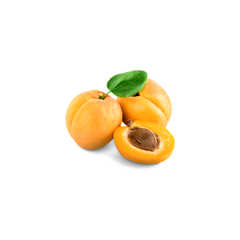
The peach (Prunus persica) is native to Northwest China but is now cultivated globally, with major production in China, Italy, the United States (notably Georgia and California), and Spain. While the fruit itself is celebrated for its culinary uses, the direct extraction of peach essential oil is not feasible due to the high water content and instability of its volatile compounds. Attempts to distill or extract the aroma from peach flesh or skin yield negligible and unstable results, with extremely low yields (less than 0.01% by weight) and rapid oxidative degradation. As a result, the peach note in perfumery is recreated almost exclusively through synthetic chemistry. The key molecule, gamma-undecalactone (C14 aldehyde), was first identified in the late 19th century and commercialized in the early 20th century. This lactone, along with delta-decalactone and supporting esters (such as ethyl butyrate and amyl acetate), forms the backbone of the peach accord. Gamma-undecalactone is produced via chemical synthesis from castor oil derivatives or petrochemical feedstocks, with yields exceeding 90% in industrial processes. The cost of synthetic gamma-undecalactone is typically $30–$80 per kg, compared to the hypothetical cost of natural extraction, which would exceed $10,000 per kg due to the vast quantity of fruit required. Sustainability considerations favor the use of synthetics: gamma-undecalactone production has a relatively low environmental impact, especially when derived from renewable plant oils. No large-scale agricultural land is diverted from food production, and the process avoids the waste and spoilage associated with extracting from fresh fruit. The HumanSafe™ platform at CA Perfume verifies the traceability and safety of all synthetic peach aroma chemicals used.

CN

China

The Yangtze River basin is the ancestral home of Prunus persica, producing peaches with high lactone content and intense sweetness. China accounts for over 60% of global peach production, with regional cultivars prized for their aromatic complexity.

US

United States

Georgia and California are major producers, with Georgia’s red clay soils and warm climate yielding peaches with pronounced juiciness and a balance of acidity and sweetness. The U.S. supplies approximately 10% of global production.

IT

Italy

Emilia-Romagna and Campania regions are renowned for peaches with delicate, floral aromas and fine texture, favored in both culinary and fragrance applications. Italian peaches are celebrated for their aromatic intensity and are protected by regional quality standards.

ES

Spain

The Murcia region produces peaches with a high sugar content and subtle floral notes, benefiting from Mediterranean climate and advanced irrigation. Spain is a leading exporter to the European fragrance industry.

Chemistry

Natural vs Synthetic Peach in Perfumery

Natural extraction of peach aroma is not commercially viable; the fruit’s high water content and the instability of its volatile compounds make direct distillation or solvent extraction impractical. Instead, the peach note is constructed using synthetic aroma chemicals, primarily gamma-undecalactone (CAS 104-67-6), delta-decalactone (CAS 705-86-2), and supporting esters such as ethyl butyrate (CAS 105-54-4) and amyl acetate (CAS 628-63-7). Gamma-undecalactone is the principal molecule responsible for the creamy, juicy, and powdery facets of peach, while delta-decalactone adds a milky, coconut-like undertone. Synthetic peach notes offer superior performance in terms of longevity, diffusion, and batch-to-batch consistency compared to any natural extract. Gamma-undecalactone is highly stable and diffusive, persisting for 4–8 hours on skin depending on concentration and formulation. The cost differential is significant: synthetics are available at $30–$80 per kg, while natural extraction would be prohibitively expensive and unsustainable. Notable fragrances using synthetic peach include Guerlain Mitsouko (1919), Tom Ford Bitter Peach (2020), and Lancôme Idôle Peach ‘N Roses (2026). No major commercial fragrance uses a natural peach extract due to technical limitations. From a sustainability and supply chain perspective, synthetics reduce pressure on agricultural resources and minimize waste. The HumanSafe™ platform at CA Perfume ensures full transparency and safety in sourcing all peach aroma chemicals, prioritizing renewable feedstocks and minimizing allergenic risk. The use of synthetics also allows for creative manipulation of the peach note, enabling perfumers to tailor the scent profile for specific olfactory effects.

Natural
Peach Absolute
Cost $3,000–6,000/kg
Method Solvent / CO₂
Character Complex, variable
vs
Synthetic
Safranal & Analogues
Cost $50–200/kg
Method Lab synthesis
Character Consistent, stable
Hall of Fame

Famous Fragrances That Define Peach in Perfumery

1919
bridge note

Mitsouko

Guerlain
by Jacques Guerlain
oakmossspicesrosejasmine
1984
accent note

Coco

Chanel
by Jacques Polge
clovevanillarosejasmine
1999
dominant note

Rush

Gucci
by Michel Almairac
gardeniapatchoulicorianderjasmine
2020
dominant note

Bitter Peach

Tom Ford
by Louise Turner
davanarumpatchoulijasmine
2026
dominant note

Idôle Peach ‘N Roses

Lancôme
by Shyamala Maisondieu, Nadège Le Garlantezec, Adriana Medina-Baez
rosered berriespink pepper

Peach has played a pivotal role in perfumery since the early 20th century, often as a bridge or accent note in both classic and modern compositions. Guerlain Mitsouko (1919, Jacques Guerlain) is a landmark fragrance where the peach-lactone accord grounds the chypre structure, lending a velvety, powdery fruitiness that softens the mossy and spicy facets. Chanel Coco (1984, Jacques Polge) features a creamy peach note in the top and heart, paired with clove and vanilla to create a rich, baroque floral-oriental profile. Gucci Rush (1999, Michel Almairac) uses peach to emphasize the impulsive, synthetic, and almost neon character of the fragrance, blending it with exotic florals and patchouli for a bold, modern effect. Tom Ford Bitter Peach (2020, Louise Turner) explores the note’s syrupy, boozy, and slightly animalic dimensions, pairing peach with davana, rum, and patchouli for a decadent, unisex statement. Most recently, Lancôme Idôle Peach ‘N Roses (2026, Shyamala Maisondieu, Nadège Le Garlantezec, Adriana Medina-Baez) demonstrates a photorealistic peach paired with rose, creating a fresh, juicy, and luminous effect. CA Perfume’s collection draws inspiration from this lineage, offering peach-forward fragrances that explore both classic chypre and contemporary gourmand structures.

The Accord

How is a captivating Peach accord crafted?

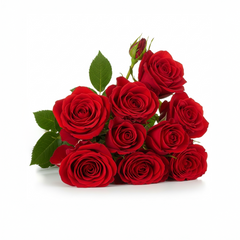
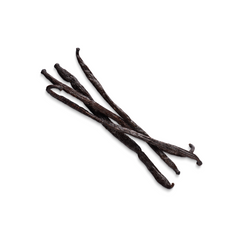
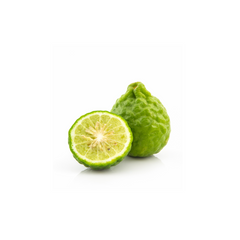
A peach accord is constructed by blending gamma-undecalactone (20–25%), rose absolute (20–25%), vanilla (25–30%), and citrus oils (20–25%). Gamma-undecalactone provides the creamy, juicy core; rose introduces a floral, slightly green facet that bridges the fruit and floral notes via shared ionones; vanilla adds lactonic sweetness and rounds off sharpness; citrus oils (such as bergamot or orange) supply brightness and lift, enhancing the top note’s diffusion.

25%

Gamma-undecalactone (Peach Lactone)

20–25% of blend

Gamma-undecalactone is the principal molecule responsible for the creamy, juicy, and powdery facets of peach. Its lactonic structure mimics the aroma of ripe peach flesh and skin.

25%

Rose Absolute

20–25% of blend

Rose absolute introduces a floral, slightly green nuance. Ionones present in both rose and peach create a molecular bridge, enhancing the accord’s realism and complexity.

30%

Vanilla

25–30% of blend

Vanillin and related compounds add creamy sweetness, softening the lactonic sharpness of peach and extending the accord’s longevity through olfactory masking.

25%

Citrus Oils (Bergamot/Orange)

20–25% of blend

Citrus oils provide top note brightness and effervescence, enhancing the diffusion of the peach accord and preventing it from becoming overly heavy or syrupy.

The Olfactory Layers

How Peach Evolves on Skin

Peach unfolds in three distinct stages: an initial burst of juicy, effervescent fruitiness (driven by high-volatility esters and aldehydes), a creamy, lactonic heart (gamma-undecalactone, delta-decalactone), and a powdery, musky drydown. The transition is governed by the volatility and molecular weight of each component.

I
Top notes
0–15 min
Juicy Sparkle

The opening features bright, juicy, and slightly tart facets, created by volatile esters such as ethyl butyrate and amyl acetate. These molecules evaporate rapidly, delivering an immediate impression of fresh peach flesh and a hint of citrus.

JuicyEffervescentBright
II
Heart notes
20–60 min
Creamy Velvet

The heart reveals the creamy, nectarous, and powdery core of peach, dominated by gamma-undecalactone and delta-decalactone. These lactones have moderate volatility, persisting as the top notes fade and imparting a velvety, skin-like sensation.

CreamyPowderyNectarous
III
Base notes
Several hours
Powdery Softness

The drydown is characterized by soft musk and subtle woody undertones, as the heavier lactones and supporting musks (such as musk ketone) linger. The peach note becomes more abstract, blending with vanilla or sandalwood in complex compositions.

SoftMuskyAbstract
TOP NOTES Juicy Sparkle 0–15 minutes HEART NOTES Creamy Velvet 20–60 minutes BASE NOTES Powdery Softness Several hours
Through the Ages

The Story of Peach in Perfumery

Peach’s journey in perfumery spans from ancient ointments to modern synthetic accords, with key milestones marking its evolution as a fragrance note.

Antiquity

Peach in Early Scented Ointments

Peach kernels and flesh were used in ointments and scented preparations in ancient China and Persia, prized for their sweet aroma and symbolic associations with longevity and immortality.

17th Century

Introduction to Europe

Spanish explorers introduced peaches to the Americas, while European perfumers began referencing the fruit in scented waters and pomanders, though true peach aroma was not yet isolated.

Late 19th Century

Discovery of Gamma-Undecalactone

The identification and synthesis of gamma-undecalactone enabled perfumers to recreate the peach aroma, revolutionizing fruit accords in both fine fragrance and flavor industries.

1919

Guerlain Mitsouko Launch

Jacques Guerlain’s Mitsouko used a peach-lactone accord to anchor the chypre structure, establishing peach as a key note in classical perfumery.

2020s

Modern Peach Renaissance

Contemporary fragrances such as Tom Ford Bitter Peach and Lancôme Idôle Peach ‘N Roses showcase advanced synthetic peach accords, emphasizing photorealism, gourmand facets, and innovative pairings.

The Art of Layering

How to Layer Peach

Understanding how to layer peach is essential for achieving a balanced, multidimensional scent. Peach’s lactonic and fruity molecules pair well with vanilla, florals, and woods due to shared or complementary olfactory compounds.

01

Enhance Sweetness

Layering peach with vanilla amplifies the creamy, gourmand aspects through olfactory masking: vanillin softens the sharpness of lactones, creating a smooth, dessert-like effect. This combination is exemplified in fragrances like Tom Ford Bitter Peach and Bath & Body Works Peach Prosecco Macaron.

02

Add Depth

Pairing peach with sandalwood or musk grounds the fruitiness, as the woody and musky molecules provide a fixative base that extends longevity and adds sophistication. Gucci Rush demonstrates this synergy, blending peach with patchouli and musk for a lasting, modern impression.

03

Lighten the Glow

Combining peach with citrus notes (bergamot, orange) or light florals (jasmine, rose) enhances brightness and freshness. The shared ionones and esters create a seamless transition, as seen in Lancôme Idôle Peach ‘N Roses, where peach and rose form a luminous, airy accord.

Wear It Right

How to Wear Peach Like a Pro

Seasonal Guide

Fall & Winter

In cooler weather, peach’s creamy and powdery facets are more pronounced as lower temperatures slow evaporation. Layer with vanilla or sandalwood for added warmth and longevity. Apply to pulse points under clothing to enhance projection.

Spring

Spring’s moderate temperatures highlight peach’s juicy and floral aspects. Pair with rose or jasmine for a fresh, uplifting effect. Apply lightly to neck and wrists for a soft, inviting sillage.

Summer

Heat increases the volatility of peach’s top notes, amplifying juiciness and brightness but shortening longevity. Use lighter concentrations (EDT or body mist) and reapply as needed. Combine with citrus or green notes for a refreshing, energetic impression.

Year-Round Tip

For consistent performance, moisturize skin before application. Layer peach with complementary notes (vanilla, musk, florals) to adapt the scent profile to changing weather and personal style.

Application Points

Strategic application enhances peach’s projection and evolution, allowing its facets to unfold optimally.

1

Neck

Applying peach to the neck maximizes diffusion, as body heat accelerates the evaporation of top-note esters, releasing the juicy facets quickly and creating an inviting aura.

2

Behind the Ears

This area retains fragrance longer due to lower sebaceous activity, allowing the creamy, lactonic heart of peach to persist and blend with natural skin musk.

3

Inner Wrists

Pulse points on the wrists enhance the volatility of peach’s top notes, providing a burst of freshness with each movement. Avoid rubbing to preserve molecular integrity.

4

Hair

Spraying peach-infused fragrance on hair offers sustained release, as the scent clings to hair fibers and diffuses gradually throughout the day.

Pro Tip

Layer peach with a complementary body lotion or oil to extend longevity and create a multidimensional scent experience. Moisturized skin retains lactones more effectively, enhancing projection.

Mood Architecture™

Top Peach Fragrances by Mood Score

These Peach-based fragrances scored highest on the MEI™ Mood Architecture Framework — measuring how a scent may influence your emotional state.

Highest MEI Score
Britannian — Britannia Alternative Perfume
8.87
MEI™
Primary Romantic
Secondary Confident
Confidence
8.33
Presence
8.68
Mood Lift
9.5
Identity
9.09
Warmth
9.5
Social Ease
9.24
Energy
4.3
" I am beautiful.
View full mood profile →
A Goodnight Kiss — A Goodnight Kiss Perfume Alternative Perfume
8.81
MEI™
Primary Romantic
Secondary Confident
Confidence
8.72
Presence
9.27
Mood Lift
9.25
Identity
9.23
Warmth
9.46
Social Ease
8.52
Energy
3.0
" I am beautiful.
View full mood profile →
Aloura For Her — Chanel Allure For Her Alternative Perfume
8.68
MEI™
Primary Romantic
Secondary Confident
Confidence
7.83
Presence
8.15
Mood Lift
9.5
Identity
7.83
Warmth
9.5
Social Ease
9.5
Energy
4.6
" I am beautiful.
View full mood profile →
Cacao Noir — Coco Noir Alternative Perfume
8.54
MEI™
Primary Romantic
Secondary Confident
Confidence
8.35
Presence
9.29
Mood Lift
8.75
Identity
9.26
Warmth
9.5
Social Ease
8.03
Energy
3.7
" I am beautiful.
View full mood profile →
HumanSafe™

Top Peach Fragrances by HumanSafe™ Score

These Peach-based fragrances have the highest product-level HumanSafe™ scores in this ingredient collection.

Highest HumanSafe™ Score
Young Dew — Youth Dew Alternative Perfume
A-
HumanSafe™ Score Generally Safe
Safest Evaluated Ingredients EDP
AQUA Solvent / Carrier ISS 10.0
ACETIC ACID, PHENYLMETHYL ESTER Evaluated ingredient ISS 10.0
HEPTANAL, 2-(PHENYLMETHYLENE)- Evaluated ingredient ISS 9.0
BENZYL SALICYLATE EYE IRRITATION - CAT.2B [H320] Evaluated ingredient ISS 9.0
2H-1-BENZOPYRAN-2-ONE Evaluated ingredient ISS 8.0
LINALYL ACETATE Evaluated ingredient ISS 7.0
View full safety profile →
X For Woman — Clive Christian X For Woman Alternative Perfume
A-
HumanSafe™ Score Generally Safe
Safest Evaluated Ingredients EDP
AQUA Solvent / Carrier ISS 10.0
3-BUTEN-2-ONE, 4-(2,6,6-TRIMETHYL-1-CYCLOHEXEN-1-YL)- Evaluated ingredient ISS 10.0
HEXYL SALICYLATE Evaluated ingredient ISS 9.0
1,6-HEPTADIEN-3-ONE, 1-(2,6,6-TRIMETHYL-2-CYCLOHEXEN-1- Evaluated ingredient ISS 9.0
OCTANAL, 2-(PHENYLMETHYLENE)- Evaluated ingredient ISS 8.0
BENZENEPROPANAL, 4-ETHYL-.ALPHA.,.ALPHA.-DIMETHYL- Evaluated ingredient ISS 8.0
View full safety profile →
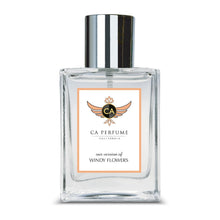
Windy Flowers — Wind Flowers Alternative Perfume
A-
HumanSafe™ Score Generally Safe
Safest Evaluated Ingredients EDP
AQUA Solvent / Carrier ISS 10.0
AMBROXID Evaluated ingredient ISS 10.0
1,4-DIOXACYCLOHEPTADECANE-5,17-DIONE Evaluated ingredient ISS 10.0
BENZENEPROPANAL, 4-ETHYL-.ALPHA.,.ALPHA.-DIMETHYL- Evaluated ingredient ISS 8.0
LINALOOL Evaluated ingredient ISS 7.0
AMBREIN Evaluated ingredient ISS 7.0
View full safety profile →
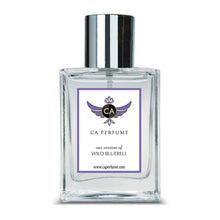
Wild Bluebell — Jo Malone Wild Bluebell Alternative Perfume
A-
HumanSafe™ Score Generally Safe
Safest Evaluated Ingredients EDP
AQUA Solvent / Carrier ISS 10.0
1,4-DIOXACYCLOHEPTADECANE-5,17-DIONE Evaluated ingredient ISS 10.0
BENZYL SALICYLATE Evaluated ingredient ISS 9.0
3-HEXEN-1-OL, BENZOATE, (Z)- Evaluated ingredient ISS 9.0
BENZENEPROPANAL, 4-ETHYL-.ALPHA.,.ALPHA.-DIMETHYL- Evaluated ingredient ISS 8.0
View full safety profile →
Expert Voices

What Masters Say About Peach

The nectar-like aroma you smell in a ‘peach-y’ fragrance, though, may actually be a synthetic: aldehyde C14 (a.k.a. gamma-undecalactone) smells delectably peach-like and edible, and we defy most untrained noses to tell the difference.
The Perfume Society
Peach’s scent profile is defined by gamma-undecalactone, which imparts a creamy, juicy, and powdery character that is both versatile and photorealistic in modern perfumery.
CA Perfume Editorial
Common Questions

Frequently Asked Questions

Answers to common questions about peach in perfumery.

Peach in perfume smells juicy, creamy, and powdery, with a distinct nectarous sweetness and subtle lactonic undertones. The core aroma is produced by gamma-undecalactone, which mimics the scent of ripe peach flesh and fuzzy skin. Depending on the composition, peach can also reveal green, almond, or coconut nuances. Notable examples include Guerlain Mitsouko and Tom Ford Bitter Peach.

Peach is typically used as a heart or top note in fragrance. Its moderate volatility allows it to bridge the transition from sparkling top notes to richer heart notes. In some compositions, especially those with high concentrations of lactones, peach may persist into the base, but it is rarely a true base note.

Peach is favored in niche perfumery for its versatility and ability to add a photorealistic, juicy, and creamy dimension to both floral and gourmand compositions. Synthetic peach accords allow perfumers to create unique, memorable signatures, and the note’s adaptability to various olfactory families makes it a popular choice for innovative, modern fragrances.

Peach fragrance uses often involve pairing with vanilla, rose, jasmine, sandalwood, and citrus notes. These ingredients share complementary molecular structures (lactones, ionones, esters) that enhance peach’s juiciness, creaminess, or brightness. Notable pairings include peach and rose in Lancôme Idôle Peach ‘N Roses and peach and vanilla in Tom Ford Bitter Peach.

Yes, peach perfumes are well-suited for summer due to their fresh, juicy, and uplifting character. However, high temperatures increase the volatility of peach’s top notes, making the scent more pronounced but potentially shortening longevity. Lighter concentrations (EDT, body mist) and layering with citrus or green notes are recommended for hot weather.

Peach fragrances in eau de parfum format typically last 4–8 hours, depending on concentration and supporting notes. The longevity is driven by the persistence of lactones like gamma-undecalactone, which linger on skin after the more volatile esters have evaporated.

Yes, peach is highly versatile for layering. It blends well with vanilla, florals, woods, and musks due to shared or complementary olfactory molecules. Layering can enhance sweetness, add depth, or brighten the scent profile, as demonstrated in fragrances like Tom Ford Bitter Peach and Gucci Rush.

Beginner-friendly peach perfumes include Jo Malone Nectarine Blossom & Honey, Gucci Rush, and Lancôme Idôle Peach ‘N Roses. These fragrances showcase peach’s juicy and creamy facets in accessible, well-balanced compositions suitable for daily wear.

To select the right peach fragrance at CA Perfume, consider your preferred scent profile—whether you favor juicy and bright, creamy and gourmand, or powdery and soft interpretations. Explore the collection’s scent descriptions and layering recommendations to find a peach-forward fragrance that matches your style and season.

Peach can be sweet, but its scent profile is balanced by creamy, powdery, and sometimes green or woody facets. When blended with florals, woods, or musks, peach fragrances can be sophisticated and versatile, suitable for both casual and formal occasions. The perceived sweetness can be adjusted through layering and supporting notes.

Fruity Collection

Explore Our Top Peach Fragrances

Discover CA Perfume’s curated selection of peach-forward fragrances, each showcasing the note’s juicy, creamy, and powdery facets in both classic and modern interpretations.

Shop all peach fragrances at CA Perfume →

Where Peach Comes From — Origin & Extraction

The peach (Prunus persica) is native to Northwest China but is now cultivated globally, with major production in China, Italy, the United States (notably Georgia and California), and Spain. While the fruit itself is celebrated for its culinary uses, the direct extraction of peach essential oil is not feasible due to the high water content and instability of its volatile compounds. Attempts to distill or extract the aroma from peach flesh or skin yield negligible and unstable results, with extremely low yields (less than 0.01% by weight) and rapid oxidative degradation. As a result, the peach note in perfumery is recreated almost exclusively through synthetic chemistry. The key molecule, gamma-undecalactone (C14 aldehyde), was first identified in the late 19th century and commercialized in the early 20th century. This lactone, along with delta-decalactone and supporting esters (such as ethyl butyrate and amyl acetate), forms the backbone of the peach accord. Gamma-undecalactone is produced via chemical synthesis from castor oil derivatives or petrochemical feedstocks, with yields exceeding 90% in industrial processes. The cost of synthetic gamma-undecalactone is typically $30–$80 per kg, compared to the hypothetical cost of natural extraction, which would exceed $10,000 per kg due to the vast quantity of fruit required. Sustainability considerations favor the use of synthetics: gamma-undecalactone production has a relatively low environmental impact, especially when derived from renewable plant oils. No large-scale agricultural land is diverted from food production, and the process avoids the waste and spoilage associated with extracting from fresh fruit. The HumanSafe™ platform at CA Perfume verifies the traceability and safety of all synthetic peach aroma chemicals used.

Famous Fragrances That Define Peach in Perfumery

Peach has played a pivotal role in perfumery since the early 20th century, often as a bridge or accent note in both classic and modern compositions. Guerlain Mitsouko (1919, Jacques Guerlain) is a landmark fragrance where the peach-lactone accord grounds the chypre structure, lending a velvety, powdery fruitiness that softens the mossy and spicy facets. Chanel Coco (1984, Jacques Polge) features a creamy peach note in the top and heart, paired with clove and vanilla to create a rich, baroque floral-oriental profile. Gucci Rush (1999, Michel Almairac) uses peach to emphasize the impulsive, synthetic, and almost neon character of the fragrance, blending it with exotic florals and patchouli for a bold, modern effect. Tom Ford Bitter Peach (2020, Louise Turner) explores the note’s syrupy, boozy, and slightly animalic dimensions, pairing peach with davana, rum, and patchouli for a decadent, unisex statement. Most recently, Lancôme Idôle Peach ‘N Roses (2026, Shyamala Maisondieu, Nadège Le Garlantezec, Adriana Medina-Baez) demonstrates a photorealistic peach paired with rose, creating a fresh, juicy, and luminous effect. CA Perfume’s collection draws inspiration from this lineage, offering peach-forward fragrances that explore both classic chypre and contemporary gourmand structures.

Natural vs Synthetic Peach in Perfumery

Natural extraction of peach aroma is not commercially viable; the fruit’s high water content and the instability of its volatile compounds make direct distillation or solvent extraction impractical. Instead, the peach note is constructed using synthetic aroma chemicals, primarily gamma-undecalactone (CAS 104-67-6), delta-decalactone (CAS 705-86-2), and supporting esters such as ethyl butyrate (CAS 105-54-4) and amyl acetate (CAS 628-63-7). Gamma-undecalactone is the principal molecule responsible for the creamy, juicy, and powdery facets of peach, while delta-decalactone adds a milky, coconut-like undertone. Synthetic peach notes offer superior performance in terms of longevity, diffusion, and batch-to-batch consistency compared to any natural extract. Gamma-undecalactone is highly stable and diffusive, persisting for 4–8 hours on skin depending on concentration and formulation. The cost differential is significant: synthetics are available at $30–$80 per kg, while natural extraction would be prohibitively expensive and unsustainable. Notable fragrances using synthetic peach include Guerlain Mitsouko (1919), Tom Ford Bitter Peach (2020), and Lancôme Idôle Peach ‘N Roses (2026). No major commercial fragrance uses a natural peach extract due to technical limitations. From a sustainability and supply chain perspective, synthetics reduce pressure on agricultural resources and minimize waste. The HumanSafe™ platform at CA Perfume ensures full transparency and safety in sourcing all peach aroma chemicals, prioritizing renewable feedstocks and minimizing allergenic risk. The use of synthetics also allows for creative manipulation of the peach note, enabling perfumers to tailor the scent profile for specific olfactory effects.