
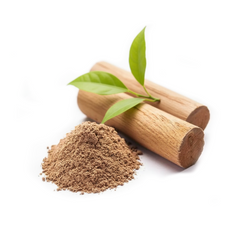
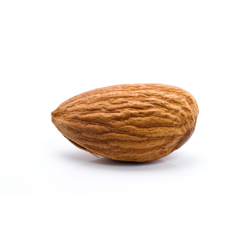
This is soooo nice !!!! Very much like wu long cha, or ethereal wave from liss but a fraction of the cost ! Full bottle worthy if you like tea scents.
Smells like heaven. Fast shipping. I will purchase from this company again.
A creamy, powdery fruit note with a sunlit softness.
Apricot is a heart note in perfumery, prized for its fuzzy, lactonic, and powdery character. Its signature aroma is shaped by lactones and benzaldehyde, with synthetic reconstructions used at 0.5–3% in modern compositions.

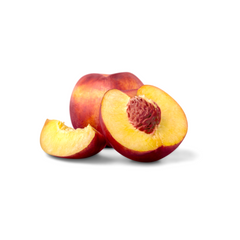
Apricot in perfumery is defined by a soft, fuzzy fruitiness with creamy, lactonic undertones and a subtle powdery warmth. The scent profile is primarily constructed from gamma-decalactone (CAS 706-14-9) and gamma-undecalactone (CAS 104-67-6), which impart the characteristic creamy, peach-apricot aroma. Benzaldehyde (CAS 100-52-7) adds a bitter-almond nuance, while beta-ionone (CAS 14901-07-6) contributes a violet-powdery facet. The result is a note that is less sugary than peach, less airy than nectarine, and distinctly reminiscent of sun-warmed apricot skin and jam. In perfumery, apricot is typically classified as a heart note due to its moderate volatility and ability to bridge top citrus notes with floral or gourmand bases. It is used at concentrations ranging from 0.5% to 3% of a formula, depending on the desired intensity. The note interacts with skin chemistry by amplifying lactonic and powdery facets on warmer, more acidic skin, while drier skin may emphasize its almond and woody undertones. This adaptability makes apricot a versatile modifier in both feminine and unisex fragrances. Notable fragrances that showcase apricot include Lancôme Trésor (1990, perfumer Sophia Grojsman), where it forms the heart of a powdery floral bouquet, and Amouage Sunshine Woman (2014, perfumer Sidonie Lancesseur), which uses apricot to bridge osmanthus and tobacco. In both, apricot’s creamy, fuzzy sweetness is central to the composition’s identity, illustrating the enduring appeal of the apricot scent profile in modern perfumery.
Apricot’s scent profile is influenced by the fruit’s origin, with soil, climate, and altitude affecting the lactone and benzaldehyde content. Regions with hot summers and mineral-rich soils yield fruit with more intense, creamy aromas.
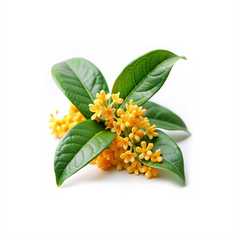
The apricot note in perfumery is inspired by the fruit of Prunus armeniaca, a small tree native to Central Asia and widely cultivated in Turkey, Iran, Uzbekistan, and China. While the fruit itself is valued for its edible flesh, the scent used in perfumery is rarely derived from direct extraction of the fruit due to low yield and instability. Instead, natural apricot nuances are sometimes obtained from osmanthus absolute (Osmanthus fragrans), which contains lactones that mimic apricot’s creamy, fruity aroma. Osmanthus is primarily produced in China, with annual output estimated at several hundred kilograms of absolute, priced at $6,000–10,000/kg. Direct extraction of apricot fruit or blossom is not commercially viable; the fruit contains little volatile oil, and the blossom yields no absolute or essential oil. Apricot kernel oil, rich in benzaldehyde, is used more in flavor than in fragrance, but the kernel’s bitter-almond note can be isolated by solvent extraction. The main natural source of benzaldehyde for perfumery is apricot stone, with a benzaldehyde content of approximately 1.2% (see Kliszcz et al., 2021). Extraction involves crushing and solvent extraction, followed by distillation to isolate the aldehyde. Most apricot notes are constructed synthetically using gamma-decalactone, gamma-undecalactone, and benzaldehyde. These aroma chemicals are produced by leading manufacturers such as Robertet (France), Ultra International (India), and Symrise (Germany). Synthetic lactones cost $50–200/kg, while osmanthus absolute is significantly more expensive. Sustainability considerations favor synthetics, as large-scale cultivation of osmanthus or apricot for fragrance would be resource-intensive. The use of synthetic molecules allows for consistent quality, reduced allergenicity, and lower environmental impact.
Malatya region is renowned for apricots with high sugar and lactone content, producing fruit with a rich, creamy aroma. Turkey accounts for over 20% of global apricot production, with annual output exceeding 800,000 metric tons. The region’s volcanic soil and dry climate enhance the fruit’s aromatic intensity.
Xinjiang province produces apricots with a strong, sweet aroma and high benzaldehyde content in the kernels. China is the world’s largest apricot producer, with over 2 million metric tons annually. The arid climate and wide temperature swings contribute to concentrated fruit flavors.
Fergana Valley apricots are prized for their balance of sweetness and acidity, yielding a nuanced, floral-fruity aroma. Uzbekistan produces around 500,000 metric tons per year, with traditional sun-drying methods preserving aromatic compounds.
The Rhône Valley produces apricots with delicate, floral notes and a subtle powdery finish. French apricots are used in high-end culinary and fragrance applications, with PDO designations ensuring quality and traceability.
Natural apricot scent is difficult to extract directly from the fruit or blossom, so perfumers rely on synthetic molecules to recreate its signature aroma. Key synthetic compounds include gamma-decalactone (CAS 706-14-9), gamma-undecalactone (CAS 104-67-6), and benzaldehyde (CAS 100-52-7). Gamma-decalactone imparts the creamy, peach-apricot skin note; gamma-undecalactone adds a milky, coconut nuance; benzaldehyde provides the bitter-almond facet found in apricot kernels. Beta-ionone (CAS 14901-07-6) is also used for its powdery, violet-like depth. Synthetic apricot notes offer superior stability, longevity, and batch-to-batch consistency compared to natural extracts. They are also more cost-effective, with lactones priced at $50–200/kg versus $6,000–10,000/kg for osmanthus absolute. Iconic fragrances such as Lancôme Trésor and Amouage Sunshine Woman employ synthetic apricot accords, while osmanthus absolute is reserved for high-end niche compositions due to its cost and limited availability. From a sustainability perspective, synthetics reduce pressure on agricultural resources and minimize allergen risk. The HumanSafe™ platform ensures transparency in sourcing and allergen disclosure for all aroma chemicals used in CA Perfume’s apricot accords. This approach balances olfactory authenticity with ethical and environmental responsibility.
Apricot has featured prominently in several landmark fragrances, each illustrating a different facet of its scent profile. Lancôme Trésor (1990, Sophia Grojsman) is perhaps the most iconic, using a synthetic apricot accord as the heart of its powdery floral structure, paired with rose, iris, and vanilla. Amouage Sunshine Woman (2014, Sidonie Lancesseur) employs apricot to bridge osmanthus, almond, and tobacco, creating a creamy, sunlit impression. Dior Miss Dior Eau de Parfum (2021) introduces a photorealistic apricot note in the heart, lending a juicy, modern fruitiness to the classic floral bouquet. Burberry Women (1995, Michel Almairac) uses apricot alongside peach and vanilla for a soft, enveloping signature. Comptoir Sud Pacifique Vanille Abricot (1993) highlights apricot as a gourmand accent, blending it with vanilla and sugar for a dessert-like effect. In each case, apricot functions as either a dominant note or a bridge, paired with florals, woods, or gourmand bases. CA Perfume’s apricot-inspired collection continues this lineage, offering contemporary interpretations grounded in technical authenticity.
A classic apricot accord is built from: Apricot lactones (25–30%), Osmanthus absolute (20–25%), Benzaldehyde (20–25%), and Beta-ionone (25–30%). Lactones provide the creamy, fuzzy fruit core; osmanthus adds floral-leathery nuance; benzaldehyde gives bitter-almond depth; beta-ionone brings powdery violet structure. Together, these ingredients create a multidimensional apricot effect that balances fruit, floral, and powdery facets.
Gamma-decalactone and gamma-undecalactone provide the creamy, fuzzy, and fruity core of the apricot accord, mimicking the skin and pulp.
Osmanthus absolute contains natural lactones and ionones, adding floral-leathery and apricot nuances that enhance realism and complexity.
Benzaldehyde imparts a bitter-almond, marzipan-like note, echoing the kernel of the apricot and providing depth and contrast.
Beta-ionone introduces a powdery, violet-like structure that stabilizes the accord and adds a soft, floral-powdery finish.
Apricot’s olfactory evolution begins with a burst of creamy, fuzzy fruitiness, transitions to a powdery, floral heart, and settles into a soft, almond-woody base. Volatile lactones evaporate quickly, while ionones and benzaldehyde linger, shaping the scent’s progression over several hours.
The initial impression is dominated by gamma-decalactone and gamma-undecalactone, which create a creamy, peach-apricot skin aroma. These high-volatility lactones evaporate rapidly, delivering a fresh, fuzzy fruitiness with a subtle green edge reminiscent of just-cut apricot.
As the top lactones dissipate, beta-ionone and osmanthus-derived molecules emerge, introducing a powdery, floral character. The apricot note becomes rounder and more nuanced, with violet and almond undertones blending with the fruit core for a soft, enveloping effect.
In the drydown, benzaldehyde and residual lactones persist, imparting a marzipan-like, woody warmth. The scent is now less fruity, more reminiscent of apricot kernel and soft woods, with a lingering powdery sweetness that anchors the composition.
Apricot’s journey in perfumery spans from ancient aromatic traditions to modern synthetic reconstructions, with key milestones shaping its role as a signature fruity note.
Al-Kindi’s treatises record the use of apricot and its derivatives in early Arab perfumery, where fruit and kernel extracts were combined with rose and musk in scented oils.
The introduction of synthetic lactones (notably C14 for peach) enabled the creation of realistic fruit notes. Apricot accords followed, expanding the palette for perfumers.
Sophia Grojsman’s Trésor popularizes the modern apricot accord, blending synthetic lactones and ionones for a powdery, creamy heart that defines a generation of floral-fruity perfumes.
Sidonie Lancesseur’s composition uses apricot as a bridge between osmanthus, almond, and tobacco, showcasing the note’s versatility in contemporary niche perfumery.
Dior’s reformulation introduces a photorealistic apricot note in the heart, reflecting advances in aroma chemical synthesis and consumer demand for naturalistic fruit profiles.
Understanding how to layer apricot involves molecular compatibility—lactones, ionones, and benzaldehyde interact with complementary notes to create seamless, multidimensional blends. This is the science behind how to layer apricot for maximum effect.
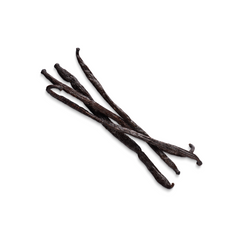
Layer apricot with vanilla or tonka bean. Vanillin and coumarin share lactonic and almond-like molecules, reinforcing apricot’s creamy, powdery facets. This combination is demonstrated in Comptoir Sud Pacifique Vanille Abricot, where vanilla amplifies the dessert-like quality of apricot.
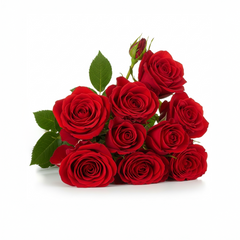
Pair apricot with osmanthus or rose. Both contain ionones and damascones, which bridge fruit and floral registers, enhancing the powdery, violet-like dimension. Amouage Sunshine Woman uses osmanthus to elevate apricot’s floral nuance.
Combine apricot with sandalwood or cedar. The woody base molecules (santalol, cedrol) stabilize lactones and extend the drydown, creating a creamy-woody effect. Burberry Women demonstrates this pairing, with apricot and cedar forming a soft, enveloping signature.
Cooler temperatures suppress the volatility of lactones, allowing apricot’s creamy, powdery facets to linger. Apply to pulse points and layer with vanilla or woods for a cozy, enveloping effect. The note’s warmth and subtle sweetness are particularly comforting in cold weather.
Moderate temperatures highlight apricot’s floral and fruity aspects. The note pairs well with peony, rose, and green notes, creating a fresh, uplifting impression. Apply lightly to avoid overwhelming delicate spring florals.
Heat increases the volatility of apricot’s lactones, making the scent bloom rapidly but fade faster. To maintain longevity, apply to cooler areas of the body (behind the knees, inner elbows) and consider layering with musks or light woods.
Humidity enhances apricot’s projection, while dry air can shorten its lifespan. Adjust application based on climate: use more in dry environments, less in humid conditions. Layering with powdery or woody notes can stabilize the scent in any season.
Strategic application enhances apricot’s evolution and projection, maximizing its creamy, powdery signature.
The warmth of the neck accelerates evaporation of lactones, allowing apricot’s top notes to bloom quickly. Ideal for immediate impact and moderate sillage.
This area retains scent well and is less exposed to air, prolonging the powdery heart and marzipan-like base of apricot accords.
Pulse points on the wrists amplify apricot’s creamy facets, but frequent hand washing may reduce longevity. Reapply as needed for consistent projection.
Hair fibers trap aroma chemicals, releasing apricot’s fruity-powdery signature gradually throughout the day. Avoid overapplication to prevent dryness.
Layer apricot-based fragrances over unscented moisturizer to lock in lactones and extend the creamy, powdery drydown. This technique maximizes longevity and diffusion.
These Apricot-based fragrances scored highest on the MEI™ Mood Architecture Framework — measuring how a scent may influence your emotional state.

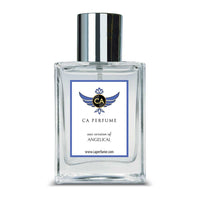
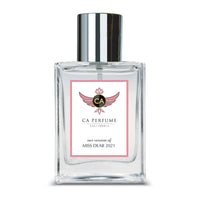

These Apricot-based fragrances have the highest product-level HumanSafe™ scores in this ingredient collection.


Apricot’s scent in perfumery is a perfumer’s fiction—built from benzaldehyde, lactones, and ionones to evoke the imagined warmth of sunlit fruit and almond kernel.
The apricot note in perfumery is created using different ingredients. Osmanthus absolutes give a fruity-leathery smell, while synthetic molecules give the aroma the juiciness of overripe fruit and velvety sweetness.
Apricot pairs well with a range of complementary ingredients, each enhancing a different facet of its scent profile.
Answers to common questions about apricot in perfumery.
Apricot in perfume smells creamy, fuzzy, and powdery, with lactonic undertones reminiscent of peach skin and a subtle almond-kernel nuance. The scent is constructed from molecules such as gamma-decalactone, gamma-undecalactone, and benzaldehyde, resulting in a soft, sunlit fruitiness that evolves into a powdery, marzipan-like drydown. Notable examples include Lancôme Trésor and Amouage Sunshine Woman.
Apricot is typically used as a heart note in perfumery. Its moderate volatility allows it to bridge the transition from bright top notes to deeper base notes, providing a creamy, powdery core that anchors floral, fruity, or gourmand compositions. In some cases, synthetic apricot can appear in the top or base, depending on the formula.
Apricot is favored in niche perfumery for its multidimensional character—combining creamy fruitiness, powdery softness, and almond-like depth. Its versatility allows it to complement florals, woods, and gourmands, and its photorealistic synthetic reconstruction enables perfumers to create unique, memorable signatures. Fragrances like Amouage Sunshine Woman and Burberry Women showcase its appeal.
Apricot fragrance uses include pairing with osmanthus (for floral-leathery nuance), vanilla and tonka bean (for creamy sweetness), rose and jasmine (for floral lift), and sandalwood or cedar (for woody depth). These combinations enhance apricot’s creamy, powdery, or fruity facets, as seen in Trésor, Sunshine Woman, and Vanille Abricot.
Apricot perfumes can be worn year-round, but their creamy, fruity character is especially appealing in spring and summer. Heat increases the volatility of lactones, causing the scent to bloom quickly but fade faster. Applying to cooler skin areas and layering with musks or woods can help maintain longevity in hot weather.
Apricot notes in Eau de Parfum formats typically last 4–8 hours, depending on concentration, skin chemistry, and environmental factors. The creamy, powdery facets linger longer in Parfum and oil-based formats, while EDTs emphasize the juicy top but fade more quickly.
Yes, apricot can be layered with complementary notes such as vanilla, osmanthus, rose, sandalwood, and musk. Layering enhances specific facets—creaminess, floral lift, or woody depth—by leveraging molecular compatibility among lactones, ionones, and aldehydes. This technique is demonstrated in fragrances like Vanille Abricot and Sunshine Woman.
Recommended entry points include Lancôme Trésor (classic powdery apricot), Burberry Women (soft, enveloping fruitiness), Comptoir Sud Pacifique Vanille Abricot (gourmand accent), and Dior Miss Dior Eau de Parfum (modern floral-apricot). These fragrances offer approachable, well-balanced apricot signatures.
Explore CA Perfume’s apricot-inspired collection by considering the desired balance of fruitiness, powder, and creaminess. Review scent pyramids and note pairings to select a profile that matches your preferences. Sampling is recommended to experience how apricot evolves on your skin.
Apricot’s sweetness is moderated by powdery and almond-like facets, making it suitable for daily wear. The note is less sugary than peach and more nuanced, with creamy and powdery undertones that prevent it from becoming cloying. Its versatility allows for both casual and formal use.
Discover CA Perfume’s most popular apricot-inspired scents, each showcasing the creamy, powdery, and fruity facets of this beloved note.
Shop all apricot fragrances at CA Perfume →The apricot note in perfumery is inspired by the fruit of Prunus armeniaca, a small tree native to Central Asia and widely cultivated in Turkey, Iran, Uzbekistan, and China. While the fruit itself is valued for its edible flesh, the scent used in perfumery is rarely derived from direct extraction of the fruit due to low yield and instability. Instead, natural apricot nuances are sometimes obtained from osmanthus absolute (Osmanthus fragrans), which contains lactones that mimic apricot’s creamy, fruity aroma. Osmanthus is primarily produced in China, with annual output estimated at several hundred kilograms of absolute, priced at $6,000–10,000/kg. Direct extraction of apricot fruit or blossom is not commercially viable; the fruit contains little volatile oil, and the blossom yields no absolute or essential oil. Apricot kernel oil, rich in benzaldehyde, is used more in flavor than in fragrance, but the kernel’s bitter-almond note can be isolated by solvent extraction. The main natural source of benzaldehyde for perfumery is apricot stone, with a benzaldehyde content of approximately 1.2% (see Kliszcz et al., 2021). Extraction involves crushing and solvent extraction, followed by distillation to isolate the aldehyde. Most apricot notes are constructed synthetically using gamma-decalactone, gamma-undecalactone, and benzaldehyde. These aroma chemicals are produced by leading manufacturers such as Robertet (France), Ultra International (India), and Symrise (Germany). Synthetic lactones cost $50–200/kg, while osmanthus absolute is significantly more expensive. Sustainability considerations favor synthetics, as large-scale cultivation of osmanthus or apricot for fragrance would be resource-intensive. The use of synthetic molecules allows for consistent quality, reduced allergenicity, and lower environmental impact.
Apricot has featured prominently in several landmark fragrances, each illustrating a different facet of its scent profile. Lancôme Trésor (1990, Sophia Grojsman) is perhaps the most iconic, using a synthetic apricot accord as the heart of its powdery floral structure, paired with rose, iris, and vanilla. Amouage Sunshine Woman (2014, Sidonie Lancesseur) employs apricot to bridge osmanthus, almond, and tobacco, creating a creamy, sunlit impression. Dior Miss Dior Eau de Parfum (2021) introduces a photorealistic apricot note in the heart, lending a juicy, modern fruitiness to the classic floral bouquet. Burberry Women (1995, Michel Almairac) uses apricot alongside peach and vanilla for a soft, enveloping signature. Comptoir Sud Pacifique Vanille Abricot (1993) highlights apricot as a gourmand accent, blending it with vanilla and sugar for a dessert-like effect. In each case, apricot functions as either a dominant note or a bridge, paired with florals, woods, or gourmand bases. CA Perfume’s apricot-inspired collection continues this lineage, offering contemporary interpretations grounded in technical authenticity.
Natural apricot scent is difficult to extract directly from the fruit or blossom, so perfumers rely on synthetic molecules to recreate its signature aroma. Key synthetic compounds include gamma-decalactone (CAS 706-14-9), gamma-undecalactone (CAS 104-67-6), and benzaldehyde (CAS 100-52-7). Gamma-decalactone imparts the creamy, peach-apricot skin note; gamma-undecalactone adds a milky, coconut nuance; benzaldehyde provides the bitter-almond facet found in apricot kernels. Beta-ionone (CAS 14901-07-6) is also used for its powdery, violet-like depth. Synthetic apricot notes offer superior stability, longevity, and batch-to-batch consistency compared to natural extracts. They are also more cost-effective, with lactones priced at $50–200/kg versus $6,000–10,000/kg for osmanthus absolute. Iconic fragrances such as Lancôme Trésor and Amouage Sunshine Woman employ synthetic apricot accords, while osmanthus absolute is reserved for high-end niche compositions due to its cost and limited availability. From a sustainability perspective, synthetics reduce pressure on agricultural resources and minimize allergen risk. The HumanSafe™ platform ensures transparency in sourcing and allergen disclosure for all aroma chemicals used in CA Perfume’s apricot accords. This approach balances olfactory authenticity with ethical and environmental responsibility.