

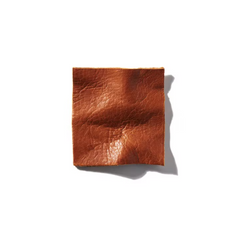
Best customer service, the scent is great but only lasted 2 hrs on me.
Everything is as advertised and the packaging and presentation was awesome
A rare flower yielding a natural fruity-floral-leather note.
Osmanthus is a prized heart-to-base note in perfumery, renowned for its unique fusion of apricot-like fruitiness and suede-leather undertones. Its signature scent comes from lactones and ionones, used at 0.1–1% concentration for a nuanced, long-lasting effect.

Osmanthus (Osmanthus fragrans) is botanically part of the Oleaceae family, native to East Asia. In perfumery, what does osmanthus smell like? Its scent profile is exceptionally complex: the dominant impression is a natural fruity note—evoking dried apricot, ripe peach, and plum—supported by creamy, floral, and suede-leather nuances. This complexity is due to a high concentration of γ-decalactone and γ-undecalactone (fruity lactones), β-ionone (violet/woody), and minor amounts of damascones and coumarin. The result is a floral note with a gourmand, almost edible edge, yet with a subtle animalic, hay-like undertone that distinguishes osmanthus from other white florals. Osmanthus in perfumery is classified as a heart to base note, with moderate to strong tenacity and a slow evaporation curve. Typical usage is 0.1–1% of the total formula, as its aroma is both potent and multifaceted. On skin, osmanthus interacts with individual chemistry: higher skin pH can amplify its leathery and green facets, while warmth and moisture accentuate the fruity-apricot core. The note’s natural complexity allows it to bridge floral, fruity, and leather compositions, making it highly versatile for both feminine and unisex fragrances. Notable examples of osmanthus in perfumery include Hermès Osmanthe Yunnan (2005, Jean-Claude Ellena), where it is paired with tea and freesia for a translucent, apricot-tea effect, and By Kilian Good Girl Gone Bad (2012, Alberto Morillas), which uses osmanthus as a sensuous, creamy heart note alongside tuberose and jasmine. These compositions demonstrate osmanthus’s ability to impart both brightness and depth, and its role as a signature note in modern niche perfumery.
Osmanthus’s scent character is shaped by the terroir of southern China—humid subtropical climate, acidic soils, and seasonal rainfall yield blossoms with intense apricot and leathery notes. Microclimate and altitude influence the balance of fruity and green facets.
Osmanthus used in perfumery is derived from the flowers of Osmanthus fragrans, an evergreen shrub native to southern China, particularly the Guangxi, Sichuan, and Chongqing regions. China accounts for nearly 95% of global osmanthus absolute production, with Guilin—literally 'forest of osmanthus'—as a historic cultivation center. Annual output is extremely limited: only about 1 ton of osmanthus concrete is produced worldwide each year, reflecting the labor-intensive harvest and low extraction yield. Harvesting occurs in late autumn, with flowers either shaken from branches onto cloths or picked by hand. To preserve their delicate aroma, the blossoms are immersed in a brine (saltwater) solution for 3–4 months, preventing enzymatic degradation. After brining, the flowers are washed and subjected to solvent extraction (traditionally hexane, but now often ethanol or hexane-free organic solvents), yielding a concrete. This is further processed with ethanol to obtain the absolute. The yield is extremely low: approximately 720–3,000 kg of flowers are needed for 1 kg of absolute, with a typical extraction yield of 0.03–0.14%. Osmanthus absolute (CAS 68917-05-5) is a viscous, amber-brown liquid with intense aroma. Natural osmanthus absolute is among the most expensive perfumery ingredients, costing $4,000–8,000 per kg, compared to $100–300/kg for synthetic alternatives. Sustainability concerns include habitat preservation, fair labor, and the high water and salt use of the brining process. Some plantations are experimenting with ultrasonic extraction and supercritical CO2 to improve yield and reduce environmental impact. Synthetic osmanthus bases are increasingly used to reduce pressure on wild and cultivated stocks.
Guilin (Guangxi), Sichuan, and Chongqing are the main osmanthus-producing regions. Guilin’s red clay soils and humid subtropical climate yield flowers with pronounced apricot and suede notes. China produces over 95% of global osmanthus absolute, with annual output under 1 ton. No PDO/PGI, but Guilin osmanthus is considered the gold standard.
Kinmokusei (golden osmanthus) is cultivated in Honshu and Kyushu. Japanese osmanthus is prized for its delicate, soapy-fruity aroma, shaped by volcanic soils and cooler autumns. Production is small and mostly for domestic use in tea and confections.
Jeju Island and southern provinces grow osmanthus for ornamental and culinary use. The maritime climate and basaltic soils yield blossoms with a lighter, more floral scent. Commercial extraction is rare; most is used in traditional infusions.
Grasse occasionally imports osmanthus absolute for high-end perfumery. While not a producer, French houses use Chinese osmanthus in niche and luxury fragrances, blending it with Mediterranean florals and citrus.
Natural osmanthus absolute is chemically complex, with key odorants including γ-decalactone (CAS 706-14-9), γ-undecalactone (CAS 104-67-6), β-ionone (CAS 14901-07-6), and damascone derivatives. These molecules create the signature fruity-apricot, floral, and suede-leather facets. However, natural absolute is costly, batch-variable, and can contain trace animalic or green notes that are difficult to standardize. Synthetic osmanthus bases, such as Firmenich’s Osmanthus ABS Synth 138 B (proprietary blend), are composed of lactones, ionones, and damascone derivatives. These provide a consistent fruity-floral profile with creamy suede nuances, but generally lack the subtle animalic and hay-like undertones of the natural extract. Synthetic bases offer superior color stability, batch-to-batch reproducibility, and dramatically lower cost—often $50–200/kg. Longevity and projection are comparable to the natural absolute, but the dry-down may be less nuanced. Famous fragrances using natural osmanthus include Hermès Osmanthe Yunnan and Jean Patou 1000 (1972, Jean Kerléo). Synthetic osmanthus is common in larger-scale commercial perfumes and functional products. Supply chain transparency is increasingly important; the HumanSafe™ platform is used to verify the origin and safety of both natural and synthetic osmanthus in CA Perfume’s sourcing. Sustainability is a key concern, with synthetic alternatives helping to reduce pressure on wild populations and improve IFRA compliance.
Osmanthus has inspired a lineage of iconic fragrances, each highlighting a different facet of its apricot-leather complexity. Jean Patou 1000 (1972, Jean Kerléo) was among the first Western perfumes to feature osmanthus absolute, using it as a bridge between rose and jasmine in a lush floral bouquet. Hermès Osmanthe Yunnan (2005, Jean-Claude Ellena) is a modern classic, pairing osmanthus with Chinese tea and freesia for a translucent, apricot-tea effect that redefined the floral-fruity genre. Memo Paris Inlé (2007, Alienor Massenet) explores osmanthus’s affinity with mate tea, mint, and bergamot, creating a cool, aquatic impression. By Kilian Good Girl Gone Bad (2012, Alberto Morillas) uses osmanthus as a creamy, sensuous heart note alongside tuberose and jasmine, while Serge Lutens Nuit de Cellophane (2009, Christopher Sheldrake) emphasizes the note’s sweet, milky, and slightly soapy qualities in a blend with white florals. Other notable examples include Acqua di Parma Osmanthus (2019), which presents a delicate, veil-like osmanthus soliflore, and Ormonde Jayne Osmanthus (2004, Geza Schoen), which uses pomelo and davana to accentuate the fruity aspects. CA Perfume’s collection draws inspiration from these benchmarks, offering osmanthus-centered compositions that reflect both the traditional and contemporary uses of this rare ingredient.
A classic osmanthus accord balances fruity, floral, and leather nuances. Osmanthus absolute (25–30%) provides the apricot-peach core and suede undertone. Jasmine absolute (20–25%) amplifies the creamy, white-floral aspect via shared ionones. Tea absolute (20–25%) introduces green, slightly bitter facets, enhancing freshness and transparency. Sandalwood (25–30%) anchors the blend, reinforcing the creamy, woody dry-down and extending longevity. Together, these ingredients create a seamless, multifaceted osmanthus impression.
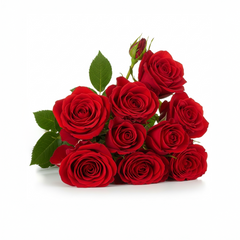
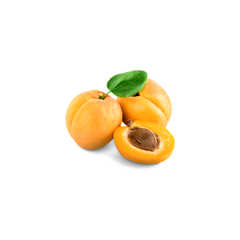
Provides the signature apricot-peach fruitiness and suede-leather undertone via γ-decalactone, β-ionone, and damascone.
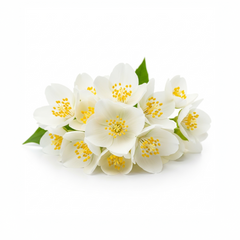
Amplifies the creamy, white-floral character through shared ionones and indoles, enhancing the floral heart.
Introduces green, slightly bitter facets and boosts transparency, echoing osmanthus’s natural tea-like nuance.
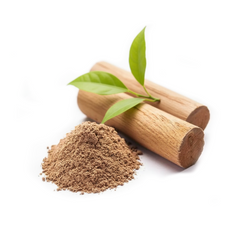
Acts as a fixative, reinforcing the creamy, woody dry-down and extending the accord’s longevity through santalol.
Osmanthus evolves from a luminous, fruity-floral opening to a creamy, suede-leather heart, then settles into a soft, woody base. High-volatility lactones and ionones dominate the first 15 minutes, followed by slower-evaporating damascones and santalol, ensuring a nuanced, long-lasting dry-down.
The initial impression is a burst of juicy apricot and peach, driven by γ-decalactone and γ-undecalactone. These high-volatility lactones evaporate quickly, creating a bright, fruity opening with subtle green and tea-like nuances from minor ionones and coumarin.
As the top fades, osmanthus’s creamy floral and suede-leather core emerges. β-ionone and damascone derivatives provide a soft, powdery, and slightly animalic character, while indole and jasmine-like notes add depth. The heart is both floral and gourmand, with a translucent, tea-like quality.
The dry-down is anchored by sandalwood and subtle woody-musky notes. Santalol and residual damascones create a lingering, velvety base, while faint green and hay-like undertones persist. The base is soft, slightly leathery, and long-lasting.
Osmanthus has a rich history in Asian culture and perfumery, evolving from traditional tea flavoring to a prized note in modern niche fragrances.
Osmanthus fragrans is cultivated in southern China for over 2,000 years, celebrated in poetry and used to flavor tea, wine, and confections. Guilin becomes a center of osmanthus culture.
Jean Kerléo introduces 1000, one of the first Western perfumes to feature osmanthus absolute, using it as a bridge between rose and jasmine in a complex floral composition.
Jean-Claude Ellena creates Osmanthe Yunnan, pairing osmanthus with Chinese tea and freesia. This fragrance redefines osmanthus as a translucent, modern floral-fruity note.
Alberto Morillas uses osmanthus as a creamy, sensuous heart note alongside tuberose and jasmine, popularizing the note in luxury niche perfumery.
Firmenich and other houses introduce proprietary synthetic osmanthus bases, improving accessibility and sustainability while maintaining the signature fruity-leather profile.
Understanding how to layer osmanthus is key to unlocking its full olfactory potential. At a molecular level, osmanthus’s lactones and ionones pair synergistically with tea, citrus, and woody notes, creating harmonious or contrasting effects.
Layer osmanthus with green or black tea fragrances. Both share ionones and coumarin, creating a seamless bridge that accentuates the tea-like, translucent quality of osmanthus. Hermès Osmanthe Yunnan exemplifies this pairing, where osmanthus and tea form a serene, luminous accord.
Pair osmanthus with sandalwood or soft leather notes. Santalol in sandalwood reinforces the creamy, woody base, while leather accords amplify the suede facet via shared damascones. Serge Lutens Nuit de Cellophane demonstrates this effect, creating a plush, enveloping dry-down.
Combine osmanthus with bergamot or mandarin. Citrus aldehydes and lactones interact to boost the fruity-apricot top, adding sparkle and lift. Acqua di Parma Osmanthus uses this technique for a radiant, veil-like effect.
Cool, dry air slows the evaporation of lactones and damascones, allowing osmanthus’s creamy, suede-leather base to linger. Apply to pulse points and under clothing for a warm, enveloping effect. Layer with woody or amber notes to enhance depth.
Mild temperatures highlight osmanthus’s floral and fruity facets. Increased humidity amplifies projection, making the apricot-peach core more radiant. Pair with green or tea notes for a fresh, uplifting impression.
Heat accelerates volatility, causing the fruity top notes to bloom quickly but fade faster. Apply sparingly to avoid overwhelming sweetness. Layer with citrus or aquatic notes to maintain lightness and transparency.
Adjust application to climate: more in winter, less in summer. For longevity, apply to moisturized skin and hair. Osmanthus’s multifaceted profile makes it suitable for both day and evening wear throughout the year.
Strategic application enhances osmanthus’s nuanced evolution and optimizes projection and longevity.
Pulse points on the neck generate warmth, accelerating the release of fruity lactones and amplifying the apricot opening.
This area is less exposed to air, allowing the creamy, floral heart to develop gradually and persist longer.
Body heat on the wrists enhances the evolution from fruity top to suede-leather base, but frequent washing may reduce longevity.
Spraying on hair provides a gentle, diffusive sillage, extending the soft, woody dry-down and preserving the floral-fruity core.
Layer osmanthus with a tea or sandalwood fragrance on clothing for a multidimensional effect and enhanced longevity.
These Osmanthus-based fragrances scored highest on the MEI™ Mood Architecture Framework — measuring how a scent may influence your emotional state.
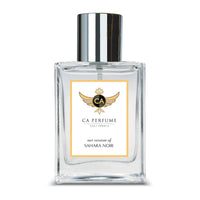

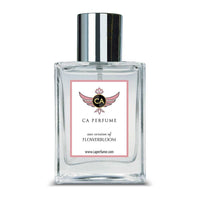
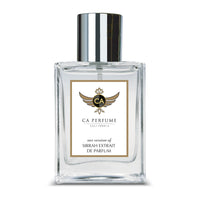
These Osmanthus-based fragrances have the highest product-level HumanSafe™ scores in this ingredient collection.
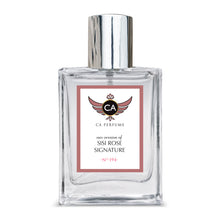
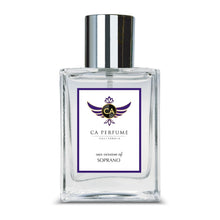
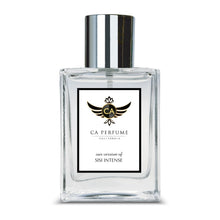
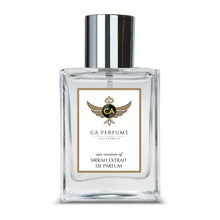
Osmanthus’s scent is a paradox—at once fruity, floral, and leathery, with a complexity that challenges even seasoned perfumers.
In Hermès Osmanthe Yunnan, osmanthus absolute is paired with tea to create a fragrance that is both luminous and serene, a modern classic.
Osmanthus pairs well with a range of complementary ingredients, each enhancing a different facet of its scent profile.
Answers to common questions about osmanthus in perfumery.
Osmanthus in perfume is renowned for its apricot-like fruitiness, creamy floral heart, and suede-leather undertones. The scent profile is shaped by lactones (γ-decalactone, γ-undecalactone), ionones, and damascones, resulting in a nuanced, evolving aroma. Notable fragrances such as Hermès Osmanthe Yunnan and By Kilian Good Girl Gone Bad showcase osmanthus’s ability to bridge floral, fruity, and leather notes, making it a prized ingredient in both niche and luxury compositions.
Osmanthus is typically classified as a heart-to-base note in perfumery. Its moderate volatility allows it to persist through the middle and dry-down phases of a fragrance, providing both a luminous fruity opening and a creamy, suede-leather base. This makes it highly versatile for structuring complex floral or fruity compositions.
Osmanthus’s natural complexity—combining fruity, floral, and leathery facets—offers perfumers a unique palette for creating multidimensional fragrances. Its rarity, high cost, and evolving scent profile make it especially valued in niche perfumery, where originality and depth are prized. Modern extraction and synthetic bases have further expanded its use.
Osmanthus fragrance uses include pairing with tea (green or black), jasmine, rose, sandalwood, and citrus notes. These combinations work at a molecular level—ionones and lactones in osmanthus harmonize with similar compounds in tea and florals, while sandalwood and leather reinforce the creamy, suede-like base.
Yes, osmanthus adapts well to summer due to its luminous, fruity top notes and translucent floral heart. However, heat accelerates volatility, causing the apricot-peach facets to bloom quickly and fade faster. For best results, apply sparingly and consider layering with citrus or aquatic notes to maintain freshness.
Osmanthus fragrances generally last 6–10 hours on skin, with the creamy, suede-leather base persisting longest. Longevity depends on concentration (EDP or Parfum formats last longer), skin chemistry, and environmental factors such as temperature and humidity.
Absolutely. Osmanthus layers well with tea, sandalwood, citrus, and white florals. Shared molecular components (ionones, lactones) create harmonious blends, while contrasting notes like citrus or woods can highlight different facets. Hermès Osmanthe Yunnan and Memo Inlé are examples of successful osmanthus layering in commercial compositions.
Recommended entry points include Hermès Osmanthe Yunnan (a luminous, tea-infused osmanthus), Acqua di Parma Osmanthus (delicate and veil-like), and Serge Lutens Nuit de Cellophane (sweet, milky, and approachable). These fragrances highlight osmanthus’s signature facets in accessible, well-balanced blends.
Start by considering your preferred scent profile—fruity, floral, or leathery. CA Perfume’s osmanthus collection includes both soliflore and blended compositions, with options for every season and style. Sampling is recommended to experience how osmanthus evolves on your skin.
Osmanthus is primarily sweet and fruity, with dominant apricot and peach notes. However, it also contains subtle spicy, green, and leathery undertones due to its complex molecular composition. The overall impression is balanced rather than overtly sweet or spicy, making it versatile for both floral and woody blends.
Discover CA Perfume’s curated selection of osmanthus-centered fragrances, from luminous soliflores to complex floral-leather blends.
Shop all osmanthus fragrances at CA Perfume →Osmanthus used in perfumery is derived from the flowers of Osmanthus fragrans, an evergreen shrub native to southern China, particularly the Guangxi, Sichuan, and Chongqing regions. China accounts for nearly 95% of global osmanthus absolute production, with Guilin—literally 'forest of osmanthus'—as a historic cultivation center. Annual output is extremely limited: only about 1 ton of osmanthus concrete is produced worldwide each year, reflecting the labor-intensive harvest and low extraction yield. Harvesting occurs in late autumn, with flowers either shaken from branches onto cloths or picked by hand. To preserve their delicate aroma, the blossoms are immersed in a brine (saltwater) solution for 3–4 months, preventing enzymatic degradation. After brining, the flowers are washed and subjected to solvent extraction (traditionally hexane, but now often ethanol or hexane-free organic solvents), yielding a concrete. This is further processed with ethanol to obtain the absolute. The yield is extremely low: approximately 720–3,000 kg of flowers are needed for 1 kg of absolute, with a typical extraction yield of 0.03–0.14%. Osmanthus absolute (CAS 68917-05-5) is a viscous, amber-brown liquid with intense aroma. Natural osmanthus absolute is among the most expensive perfumery ingredients, costing $4,000–8,000 per kg, compared to $100–300/kg for synthetic alternatives. Sustainability concerns include habitat preservation, fair labor, and the high water and salt use of the brining process. Some plantations are experimenting with ultrasonic extraction and supercritical CO2 to improve yield and reduce environmental impact. Synthetic osmanthus bases are increasingly used to reduce pressure on wild and cultivated stocks.
Osmanthus has inspired a lineage of iconic fragrances, each highlighting a different facet of its apricot-leather complexity. Jean Patou 1000 (1972, Jean Kerléo) was among the first Western perfumes to feature osmanthus absolute, using it as a bridge between rose and jasmine in a lush floral bouquet. Hermès Osmanthe Yunnan (2005, Jean-Claude Ellena) is a modern classic, pairing osmanthus with Chinese tea and freesia for a translucent, apricot-tea effect that redefined the floral-fruity genre. Memo Paris Inlé (2007, Alienor Massenet) explores osmanthus’s affinity with mate tea, mint, and bergamot, creating a cool, aquatic impression. By Kilian Good Girl Gone Bad (2012, Alberto Morillas) uses osmanthus as a creamy, sensuous heart note alongside tuberose and jasmine, while Serge Lutens Nuit de Cellophane (2009, Christopher Sheldrake) emphasizes the note’s sweet, milky, and slightly soapy qualities in a blend with white florals. Other notable examples include Acqua di Parma Osmanthus (2019), which presents a delicate, veil-like osmanthus soliflore, and Ormonde Jayne Osmanthus (2004, Geza Schoen), which uses pomelo and davana to accentuate the fruity aspects. CA Perfume’s collection draws inspiration from these benchmarks, offering osmanthus-centered compositions that reflect both the traditional and contemporary uses of this rare ingredient.
Natural osmanthus absolute is chemically complex, with key odorants including γ-decalactone (CAS 706-14-9), γ-undecalactone (CAS 104-67-6), β-ionone (CAS 14901-07-6), and damascone derivatives. These molecules create the signature fruity-apricot, floral, and suede-leather facets. However, natural absolute is costly, batch-variable, and can contain trace animalic or green notes that are difficult to standardize. Synthetic osmanthus bases, such as Firmenich’s Osmanthus ABS Synth 138 B (proprietary blend), are composed of lactones, ionones, and damascone derivatives. These provide a consistent fruity-floral profile with creamy suede nuances, but generally lack the subtle animalic and hay-like undertones of the natural extract. Synthetic bases offer superior color stability, batch-to-batch reproducibility, and dramatically lower cost—often $50–200/kg. Longevity and projection are comparable to the natural absolute, but the dry-down may be less nuanced. Famous fragrances using natural osmanthus include Hermès Osmanthe Yunnan and Jean Patou 1000 (1972, Jean Kerléo). Synthetic osmanthus is common in larger-scale commercial perfumes and functional products. Supply chain transparency is increasingly important; the HumanSafe™ platform is used to verify the origin and safety of both natural and synthetic osmanthus in CA Perfume’s sourcing. Sustainability is a key concern, with synthetic alternatives helping to reduce pressure on wild populations and improve IFRA compliance.