Where Tea Comes From — Origin & Extraction
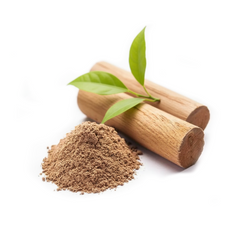
The tea note in perfumery is derived primarily from the leaves of Camellia sinensis, a shrub native to East Asia. The two main cultivated varieties are C. sinensis var. sinensis (China, Japan) and C. sinensis var. assamica (India, Sri Lanka). China and India together account for over 60% of global tea production, with China producing approximately 2.8 million metric tons and India 1.3 million metric tons annually. For perfumery, only the youngest leaves and buds are harvested, as these contain the highest concentrations of aromatic precursors.
Extraction of tea aroma for perfumery typically involves solvent extraction (using ethanol or hexane) to produce tea absolute, or supercritical CO2 extraction for a more selective, low-temperature process that preserves delicate volatiles. Yields are low: approximately 0.1–0.2% by weight of fresh leaf. The resulting absolute is intensely colored and often requires molecular distillation to reduce coloration and concentrate key aroma molecules. Green tea absolute is herbaceous and woody, while black tea absolute is smoky, leathery, and animalic due to Maillard reaction products and higher levels of β-ionone and indole. Synthetic tea accords are constructed using aroma chemicals such as cis-3-hexenol, linalool, methyl salicylate, and ionones, allowing for greater olfactory control and cost efficiency. Natural tea absolute can cost $1,500–3,000/kg, while synthetic tea accords are typically $50–200/kg.
Sustainability concerns include the high water and land use of tea cultivation, as well as the energy intensity of solvent extraction. Synthetic alternatives reduce pressure on agricultural resources and offer consistent quality. Major suppliers of natural tea extracts include Robertet and Firmenich, while leading synthetic aroma chemical producers are Givaudan and Symrise.
Famous Fragrances That Define Tea in Perfumery
Tea notes have become a signature in both niche and mainstream perfumery, with landmark fragrances spanning from the early 1990s to the present. Bvlgari Eau Parfumée au Thé Vert (1992, Jean-Claude Ellena) is widely credited as the first fragrance to showcase a photorealistic green tea accord, blending citrus, green tea, and jasmine for a fresh, unisex signature. Elizabeth Arden Green Tea (1999, Francis Kurkdjian) popularized the note globally, pairing green tea with mint, rhubarb, and oakmoss for a crisp, uplifting effect. Le Labo Thé Noir 29 (2015, Frank Voelkl) introduced a smoky black tea accord, layered with fig, tobacco, and bay leaf, demonstrating the note’s versatility in both fresh and dark compositions. Vilhelm Parfumerie Dear Polly (2015, Jérôme Epinette) captures the comfort of Ceylon black tea with apple and musk, while Nishane Wulong Cha (2015, Jorge Lee) uses oolong tea, bergamot, and musk for a luminous, airy impression. These fragrances illustrate tea’s role as a dominant note, bridge, or accent, often paired with citrus, florals, woods, and musks. CA Perfume’s tea collection draws inspiration from this lineage, offering both green and black tea interpretations.
Natural vs Synthetic Tea in Perfumery
Natural tea extracts, such as green or black tea absolute, contain a complex mixture of volatiles: linalool (CAS 78-70-6), methyl salicylate (CAS 119-36-8), β-ionone (CAS 14901-07-6), and cis-3-hexenol (CAS 928-96-1). Synthetic tea accords are built from these and other molecules, including phenylethyl alcohol (CAS 60-12-8) for floral nuance and coumarin (CAS 91-64-5) for hay-like warmth. Synthetic versions offer superior stability, longevity, and batch-to-batch consistency, with greater resistance to oxidation and color change compared to natural absolutes, which can degrade or discolor over time.
Cost is a major differentiator: natural tea absolute is expensive due to low extraction yields, while synthetic accords are affordable and scalable. Iconic fragrances such as Bvlgari Eau Parfumée au Thé Vert use a blend of natural and synthetic materials, while Le Labo Thé Noir 29 and Escentric Molecules Molecule 01 + Black Tea rely heavily on synthetic construction for clarity and projection. Sustainability is improved with synthetics, reducing the environmental impact of large-scale tea farming and solvent use. The HumanSafe™ platform at CA Perfume ensures full transparency of both natural and synthetic tea sources, with IFRA compliance and traceability for all aroma chemicals.