Ingredient Guide · Floral
Floral Family · Perfumery Note

Passion Flower

A vibrant floral note with sweet, fruity elegance

Passion Flower is a floral perfume note known for its sweet, tropical, and fruity character. Its scent profile includes grape-like nuances, used typically at 0.1-0.5% concentration in compositions.

Passion Flower
Ingredient Profile

Passion Flower

Floral Family
Family Floral
Note Position Heart Note
Usage Level 0.1–0.5%
Key Origins Brazil, Peru, Mexico
Iconic In Hypnôse, Passiflora Cologne
The Ingredient

What does Passion Flower smell like and why is it significant in perfumery?

Passion Flower, botanically from the genus Passiflora (family Passifloraceae), is prized in perfumery for its sweet, tropical fragrance reminiscent of grapes. The scent profile is characterized by a complex blend of fruity and floral notes, with subtle nuances of heliotrope and a delicate sweetness that evokes tropical freshness. This note is often achieved through natural extraction or synthetic reproduction, capturing its vibrant essence. In perfumery, Passion Flower is classified as a heart note, typically used at concentrations ranging from 0.1% to 0.5%. It interacts well with skin chemistry by blending smoothly with both floral and fruity accords, providing a romantic and uplifting aura. Its moderate volatility allows it to maintain presence for 4 to 6 hours, contributing to the fragrance's overall balance and longevity. Notable fragrances featuring Passion Flower include Lancôme's Hypnôse (2005), where it adds a lush floral sweetness, and Jo Malone London's Passiflora Cologne (2024), which highlights its tropical charm paired with vanilla and tonka bean. These examples demonstrate Passion Flower's versatility and its role in creating fresh, exotic, and elegant perfume compositions.

0.1–0.5%
Typical concentration range of Passion Flower absolute or synthetic accord in perfume formulations to achieve balanced floral-fruity character without overpowering.
4–6 Hours
Average longevity of Passion Flower in fragrance compositions, influenced by fixatives and layering with base notes.
3
Number of primary producing countries (Brazil, Peru, Mexico) contributing the majority of Passion Flower raw material supply.
Origin & Extraction

Where Passion Flower Comes From — Origin & Extraction

Passion Flower's scent profile is influenced by its tropical origins, where warm, humid climates and rich soils support vibrant blooms with complex aromatic compounds.

Passion Flower originates from tropical and subtropical regions, primarily in the Americas. The genus Passiflora includes many species, with Passiflora edulis (Passifloraceae) being the most commercially significant for perfumery. This species is native to southern Brazil, Paraguay, and northern Argentina, with cultivation extending to Peru, Mexico, and other tropical zones. Brazil is a key producer, benefiting from its warm, humid climate that nurtures the vibrant blooms and complex aromatic profiles. Extraction of Passion Flower's fragrance is challenging due to the delicate nature of its scent compounds. Traditional methods include solvent extraction and enfleurage, with enfleurage being a labor-intensive process where fresh flowers are placed on odorless fats to absorb their scent over time. Modern perfumery increasingly relies on headspace technology and solvent extraction using ethanol or hexane at controlled temperatures to preserve the floral and fruity notes without degradation. Natural Passion Flower absolute is rare and costly, with prices varying significantly based on quality and yield. Synthetic recreations using aroma chemicals are common to meet demand and maintain sustainability. The synthetic molecules mimic the sweet, tropical facets of the flower, providing cost-effective alternatives. Sustainability concerns focus on preserving wild populations and reducing environmental impact through responsible farming and synthetic innovation.

BR

Brazil

Brazil is a major producer of Passion Flower, especially in the Amazon and Atlantic Forest regions. The warm, humid climate and fertile soils contribute to rich, sweet floral notes. Brazil accounts for a significant share of global Passion Flower cultivation, with sustainable farming practices increasingly adopted.

PE

Peru

Peru's diverse ecosystems, from tropical lowlands to Andean foothills, produce Passion Flowers with a pronounced fruity and aromatic profile. Local cultivation emphasizes organic methods, supporting biodiversity and high-quality floral extracts.

MX

Mexico

Mexico, the historical origin of many Passiflora species, offers abundant sunshine and fertile volcanic soils. Passion Flowers here exhibit fresh, exotic scents with traditional harvesting methods that preserve aromatic integrity.

Chemistry

Natural vs Synthetic Passion Flower in Perfumery

Natural Passion Flower fragrance is derived from the extraction of fresh flowers, primarily through enfleurage or solvent extraction methods. These natural extracts contain complex mixtures of volatile organic compounds, including lactones and esters responsible for the sweet, fruity, and floral aroma. However, natural extracts are limited by seasonal availability, extraction yield, and cost, often reaching prices upwards of several thousand dollars per kilogram. Synthetic alternatives replicate the key odorants of Passion Flower using molecules such as gamma-undecalactone (CAS 104-67-6), ethyl maltol (CAS 4940-11-8), and methyl dihydrojasmonate (CAS 24851-98-7). These synthetics provide enhanced stability, consistency, and longevity in fragrance compositions, with costs significantly lower than natural absolutes. Synthetics also allow perfumers to tailor the scent profile precisely, improving diffusion and performance. Famous fragrances like Lancôme Hypnôse utilize natural Passion Flower extracts, while Jo Malone London's Passiflora Cologne blends natural and synthetic elements for balanced expression. The HumanSafe™ platform ensures transparency in ingredient sourcing and safety, with CA Perfume favoring ethically sourced natural extracts complemented by high-quality synthetics to optimize sustainability and olfactory excellence.

Natural
Passion Flower Absolute
Cost $3,000–6,000/kg
Method Solvent / CO₂
Character Complex, variable
vs
Synthetic
Safranal & Analogues
Cost $50–200/kg
Method Lab synthesis
Character Consistent, stable
Hall of Fame

Famous Fragrances That Define Passion Flower in Perfumery

2005
supporting note

Hypnôse

Lancôme
by Annick Menardo
vanillairisPassion Flower
2024
heart note

Passiflora Cologne

Jo Malone London
by Christine Nagel
vanillatonka beanvetiver
2004
accent note

Eternity Moment

Calvin Klein
peonyfreesiaPassion Flower
2018
accent note

Jazmin Yucatan

DS&Durga
jasminePassion Flower
2020
accent note

Tropidelic

Bath & Body Works
citruscoconutPassion Flower

Passion Flower has been featured in numerous notable fragrances, showcasing its sweet, tropical floral character. Lancôme's Hypnôse (2005), crafted by perfumer Annick Menardo, uses Passion Flower as a supporting note, enhancing the fragrance's lush, seductive floral heart alongside vanilla and iris. Jo Malone London's Passiflora Cologne (2024), by perfumer Christine Nagel, places Passion Flower prominently in the heart, paired with vanilla, tonka bean, and vetiver to create a fresh yet warm floral composition. Calvin Klein's Eternity Moment (2004) incorporates Passion Flower as an accent note, blending it with peony and freesia to evoke romantic softness. DS&Durga's Jazmin Yucatan (2018) uses Passion Flower to add exotic sweetness within a floral-fruity accord. Bath & Body Works' Tropidelic (2020) highlights Passion Flower in a vibrant tropical blend with citrus and coconut. These examples illustrate Passion Flower's versatility as a bridge and accent note, contributing to both fresh and warm fragrance families. CA Perfume's curated collection honors this lineage by emphasizing Passion Flower's natural elegance and tropical allure.

The Accord

How is a captivating Passion Flower accord crafted?

A Passion Flower accord balances its sweet, fruity facets with complementary floral and creamy notes to evoke a lively, refreshing scent. The relative proportions ensure the accord maintains the flower's exotic essence while providing depth and warmth.

35%

Passion Flower

30–35% of blend

Provides the core sweet, tropical floral character with grape-like fruity nuances, forming the accord's heart.

30%

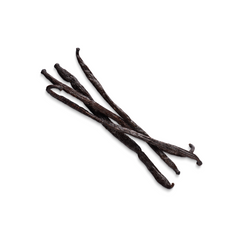
Vanilla

25–30% of blend

Introduces creamy sweetness that softens and rounds the fruity facets of Passion Flower, enhancing warmth.

20%

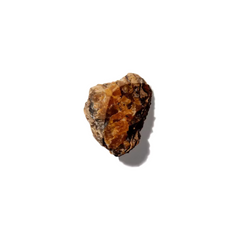
Benzoin

15–20% of blend

Adds a balsamic, resinous texture that enriches the accord’s sweetness and provides a velvety base.

25%

Cashmere Wood

20–25% of blend

Contributes soft, creamy woody warmth that grounds the floral freshness and extends longevity.

The Olfactory Layers

How Passion Flower Evolves on Skin

Passion Flower fragrances evolve from bright, sweet fruity top notes to a floral heart and a warm, creamy base. The volatile esters and lactones evaporate first, followed by the floral lactones, while the base notes of vanilla and benzoin provide lasting warmth.

I
Top notes
0–15 min
Bright Tropical Sweetness

The initial impression features bright, sweet fruity notes reminiscent of tropical grapes and subtle citrus facets. These are primarily due to volatile esters and lactones that evaporate quickly, creating an inviting and fresh opening.

SweetFruityTropical
II
Heart notes
20–60 min
Creamy Floral Essence

The heart reveals the floral essence of Passion Flower, with creamy, slightly powdery lactones and heliotrope-like nuances. This stage balances the initial fruitiness with a lush, romantic floral character that is both uplifting and elegant.

FloralCreamyRomantic
III
Base notes
Several hours
Warm Sweet Dry-down

The base unfolds into warm, sweet notes of vanilla, benzoin, and cashmere wood. These compounds have low volatility, providing depth, longevity, and a comforting dry-down that anchors the fragrance.

WarmSweetWoody
TOP NOTES Bright Tropical Sweetness 0–15 minutes HEART NOTES Creamy Floral Essence 20–60 minutes BASE NOTES Warm Sweet Dry-down Several hours
Through the Ages

The Story of Passion Flower in Perfumery

Passion Flower's journey in perfumery spans from its botanical discovery to modern synthetic recreations, marking key milestones in extraction and fragrance innovation.

17th Century

Naming and Symbolism

Spanish Catholic missionaries named the Passion Flower, associating its floral structure with the Passion of Christ, embedding cultural and symbolic significance that influenced its perception.

Early 1900s

Early Extraction Techniques

Perfumers utilized enfleurage to extract delicate floral scents, a laborious process that limited widespread use of Passion Flower in fragrances.

1920s

Advancement in Extraction

Solvent extraction and absolute production methods improved, allowing more efficient capture of floral essences, including Passion Flower, facilitating its inclusion in fine perfumery.

Late 20th Century

Synthetic Molecule Development

Synthetic aroma chemicals replicating Passion Flower's sweet, fruity facets were developed, expanding perfumers' palettes and enabling cost-effective formulations.

2020s

Modern Fragrance Innovation

Fragrances like Jo Malone London's Passiflora Cologne (2024) highlight Passion Flower's renewed popularity, combining natural extracts with synthetics for balanced, sustainable compositions.

The Art of Layering

How to Layer Passion Flower

Understanding how to layer Passion Flower involves combining it with notes that complement its molecular profile, enhancing or balancing its sweet, fruity, and floral facets.

01

Enhance Sweetness

Layer Passion Flower with vanilla and white honey. Vanillin masks the metallic edges of fruity esters, while white honey amplifies nectar-like sweetness, creating a rich, creamy floral gourmand accord. This pairing is exemplified in Jo Malone London's Passiflora Cologne.

02

Add Depth

Combine Passion Flower with benzoin and cashmere wood. Benzoin's balsamic resinous compounds deepen sweetness and provide a velvety texture, while cashmere wood adds creamy, soft woody warmth. This molecular synergy extends longevity and grounds the floral brightness.

03

Lighten the Glow

Pair Passion Flower with fresh citrus notes like mandarin or bergamot. The shared ester compounds create a seamless transition, brightening the accord and adding sparkling freshness. This layering is ideal for summer fragrances seeking vibrancy and lift.

Wear It Right

How to Wear Passion Flower Like a Pro

Seasonal Guide

Fall & Winter

Cooler temperatures slow molecular diffusion, enhancing the warm, creamy base notes of Passion Flower accords. Apply more liberally for better projection and to enjoy its comforting sweetness during colder months.

Spring

Moderate temperatures allow a balanced evolution of fruity top notes and floral heart. Light application suits fresh daytime wear, highlighting Passion Flower's vibrant and uplifting facets.

Summer

Heat increases volatility, making Passion Flower's bright fruity notes more prominent but potentially shortening longevity. Use lighter sprays and consider layering with musks or woods to extend wear.

Year-Round Tip

Adjust application based on climate and occasion. Layer with complementary notes like vanilla or cashmere wood to modulate intensity and enhance lasting power regardless of season.

Application Points

Strategic application enhances Passion Flower's olfactory impact and longevity.

1

Neck

Pulse points at the neck provide warmth that activates Passion Flower's volatile esters, enhancing projection and scent diffusion.

2

Behind the Ears

This area offers subtle heat and proximity to the nose, allowing the floral heart to reveal gradually during close encounters.

3

Inner Wrists

Wrists provide warmth and movement, helping to release the fresh fruity top notes dynamically throughout the day.

4

Hair

Hair fibers hold fragrance molecules longer, releasing Passion Flower's sweet aroma softly with natural movement and air flow.

★

Pro Tip

Layer Passion Flower perfumes with vanilla or musk-based body lotions to enhance longevity and create a harmonious scent experience.

Mood Architecture™

Top Passion Flower Fragrances by Mood Score

These Passion Flower-based fragrances scored highest on the MEI™ Mood Architecture Framework — measuring how a scent may influence your emotional state.

Highest MEI Score
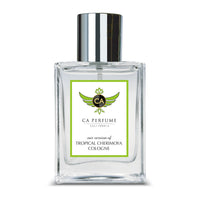
Tropical Cherimoya Cologne — Jo Malone Tropical Cherimoya Cologne Alternative Cologne
4.8
MEI™
Primary Fresh
Secondary Romantic
Confidence
4.05
Presence
3.95
Mood Lift
5.62
Identity
4.05
Warmth
5.42
Social Ease
5.23
Energy
2.32
" I am free.
View full mood profile →
HumanSafe™

Top Passion Flower Fragrances by HumanSafe™ Score

These Passion Flower-based fragrances have the highest product-level HumanSafe™ scores in this ingredient collection.

Highest HumanSafe™ Score
Tropical Cherimoya Cologne — Jo Malone Tropical Cherimoya Cologne Alternative Cologne
A-
HumanSafe™ Score Generally Safe
Safest Evaluated Ingredients EDP
AQUA Solvent / Carrier ISS 10.0
1,4-DIOXACYCLOHEPTADECANE-5,17-DIONE Evaluated ingredient ISS 10.0
BENZYL SALICYLATE EYE IRRITATION - CAT. 2B [H320] Evaluated ingredient ISS 9.0
LINALYL ACETATE Evaluated ingredient ISS 7.0
ALPHA-CEDRENE Evaluated ingredient ISS 7.0
ALCOHOL DENAT. Solvent / Carrier ISS 7.0
View full safety profile →
Expert Voices

What Masters Say About Passion Flower

“
Passion Flower's sweet, tropical fragrance with fruity nuances makes it a versatile and uplifting note in modern perfumery, blending seamlessly with florals and gourmand elements.
CA Perfume Editorial
“
The challenge with Passion Flower is capturing its delicate, fresh essence without losing the vibrant tropical character, which modern extraction and synthetic techniques now allow.
CA Perfume Editorial
Common Questions

Frequently Asked Questions

Answers to common questions about Passion Flower in perfumery.

Passion Flower in perfume smells sweet, tropical, and fruity, often reminiscent of grapes with floral and creamy undertones. It is used as a heart note to add freshness and vibrancy. Examples include Lancôme Hypnôse and Jo Malone London's Passiflora Cologne.

Passion Flower is primarily used as a heart (middle) note in fragrance compositions. Its moderate volatility allows it to bridge bright top notes and warm base notes, contributing to the floral core of a perfume.

Passion Flower offers a unique sweet tropical floral scent that enhances freshness and exotic appeal. Its versatility and ability to blend with fruity, floral, and gourmand notes make it popular in niche perfumery seeking distinctive, elegant compositions.

Passion Flower fragrance uses include pairing with vanilla, benzoin, cashmere wood, white honey, jasmine, and mandarin. These combinations balance sweetness, add depth, and enhance longevity, creating lush and harmonious accords.

Yes, Passion Flower is excellent for summer perfumes due to its refreshing, vibrant, and tropical scent profile. Its bright fruity and floral notes evoke warmth and joy, making it ideal for sunny days and breezy evenings.

Fragrances featuring Passion Flower typically exhibit moderate longevity, lasting about 4 to 6 hours. Longevity depends on the concentration and supporting base notes used in the composition.

Yes, layering Passion Flower with complementary notes like vanilla, musk, or citrus enhances its scent profile. Molecular compatibility allows for smooth blending, extending wear and creating personalized fragrance experiences.

Beginner-friendly Passion Flower perfumes include Lancôme Hypnôse, Jo Malone London's Passiflora Cologne, and Calvin Klein Eternity Moment. These offer balanced, approachable expressions of the note within elegant compositions.

Selecting a Passion Flower fragrance at CA Perfume involves considering scent preferences, concentration levels, and complementary notes. Our curated collection features diverse interpretations, allowing you to find a scent that matches your style and occasion.

Passion Flower primarily smells sweet and fruity with tropical floral nuances. It is not typically spicy but may be combined with spicy notes in compositions to add complexity.

Floral Collection

Explore Our Top Passion Flower Fragrances

Discover a curated selection of perfumes featuring Passion Flower, showcasing its sweet, tropical floral charm across diverse compositions.

Shop all passion flower fragrances at CA Perfume →

Where Passion Flower Comes From — Origin & Extraction

Passion Flower originates from tropical and subtropical regions, primarily in the Americas. The genus Passiflora includes many species, with Passiflora edulis (Passifloraceae) being the most commercially significant for perfumery. This species is native to southern Brazil, Paraguay, and northern Argentina, with cultivation extending to Peru, Mexico, and other tropical zones. Brazil is a key producer, benefiting from its warm, humid climate that nurtures the vibrant blooms and complex aromatic profiles. Extraction of Passion Flower's fragrance is challenging due to the delicate nature of its scent compounds. Traditional methods include solvent extraction and enfleurage, with enfleurage being a labor-intensive process where fresh flowers are placed on odorless fats to absorb their scent over time. Modern perfumery increasingly relies on headspace technology and solvent extraction using ethanol or hexane at controlled temperatures to preserve the floral and fruity notes without degradation. Natural Passion Flower absolute is rare and costly, with prices varying significantly based on quality and yield. Synthetic recreations using aroma chemicals are common to meet demand and maintain sustainability. The synthetic molecules mimic the sweet, tropical facets of the flower, providing cost-effective alternatives. Sustainability concerns focus on preserving wild populations and reducing environmental impact through responsible farming and synthetic innovation.

Famous Fragrances That Define Passion Flower in Perfumery

Passion Flower has been featured in numerous notable fragrances, showcasing its sweet, tropical floral character. Lancôme's Hypnôse (2005), crafted by perfumer Annick Menardo, uses Passion Flower as a supporting note, enhancing the fragrance's lush, seductive floral heart alongside vanilla and iris. Jo Malone London's Passiflora Cologne (2024), by perfumer Christine Nagel, places Passion Flower prominently in the heart, paired with vanilla, tonka bean, and vetiver to create a fresh yet warm floral composition. Calvin Klein's Eternity Moment (2004) incorporates Passion Flower as an accent note, blending it with peony and freesia to evoke romantic softness. DS&Durga's Jazmin Yucatan (2018) uses Passion Flower to add exotic sweetness within a floral-fruity accord. Bath & Body Works' Tropidelic (2020) highlights Passion Flower in a vibrant tropical blend with citrus and coconut. These examples illustrate Passion Flower's versatility as a bridge and accent note, contributing to both fresh and warm fragrance families. CA Perfume's curated collection honors this lineage by emphasizing Passion Flower's natural elegance and tropical allure.

Natural vs Synthetic Passion Flower in Perfumery

Natural Passion Flower fragrance is derived from the extraction of fresh flowers, primarily through enfleurage or solvent extraction methods. These natural extracts contain complex mixtures of volatile organic compounds, including lactones and esters responsible for the sweet, fruity, and floral aroma. However, natural extracts are limited by seasonal availability, extraction yield, and cost, often reaching prices upwards of several thousand dollars per kilogram. Synthetic alternatives replicate the key odorants of Passion Flower using molecules such as gamma-undecalactone (CAS 104-67-6), ethyl maltol (CAS 4940-11-8), and methyl dihydrojasmonate (CAS 24851-98-7). These synthetics provide enhanced stability, consistency, and longevity in fragrance compositions, with costs significantly lower than natural absolutes. Synthetics also allow perfumers to tailor the scent profile precisely, improving diffusion and performance. Famous fragrances like Lancôme Hypnôse utilize natural Passion Flower extracts, while Jo Malone London's Passiflora Cologne blends natural and synthetic elements for balanced expression. The HumanSafe™ platform ensures transparency in ingredient sourcing and safety, with CA Perfume favoring ethically sourced natural extracts complemented by high-quality synthetics to optimize sustainability and olfactory excellence.