Ingredient Guide · Woods & Earth
Woods & Earth Family · Perfumery Note

Palm Tree

Evoking tropical escapes with fresh green nuances

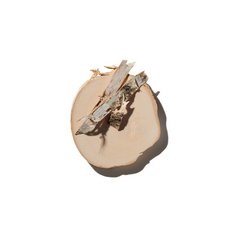
Palm Tree in perfumery is a green, fresh note often used as a top or heart note to evoke tropical and woody accords. It features vegetal and creamy undertones that add depth and vibrancy.

Palm Tree
Ingredient Profile

Palm Tree

Woods & Earth Family
Family Woods & Earth
Note Position Heart Note
Usage Level 1–5%
Key Origins Brazil, Indonesia, Thailand
Iconic In Libre Flowers & Flames, Eau Nabati
The Ingredient

What does Palm Tree smell like and why is it significant in perfumery?

Palm Tree in perfumery presents a fresh, green, and tropical scent profile characterized by vegetal and creamy nuances. The scent is reminiscent of sun-drenched palm fronds and tropical landscapes, evoking a sense of tranquility and escape. Chemically, the note captures leafy green aldehydes and lactones that contribute to its fresh and slightly creamy facets. Typically classified within the green and woody families, Palm Tree functions primarily as a top or heart note in fragrance compositions. It is used at concentrations ranging from 1% to 5% depending on the desired intensity and blend complexity. Its interaction with skin chemistry often enhances the perception of freshness and adds a subtle creamy warmth as the fragrance evolves. Notable examples of Palm Tree in perfumery include Yves Saint Laurent's Libre Flowers & Flames (2023), where it bridges floral and woody accords, and Diptyque's Eau Nabati (2021), which uses Palm Tree to evoke tropical freshness. These fragrances demonstrate Palm Tree's versatility in both niche and designer contexts, highlighting its role in creating vibrant, green, and tropical scent profiles.

1–5%
Typical concentration range of Palm Tree note in perfume formulations, balancing freshness and complexity without overpowering.
4–6 hours
Average longevity of Palm Tree fragrances on skin, influenced by formulation and individual skin chemistry.
$50–500/kg
Estimated price range for Palm Tree natural extracts and synthetic accords, reflecting rarity and extraction complexity.
Origin & Extraction

Where Palm Tree Comes From — Origin & Extraction

Palm Tree fragrance notes reflect the diverse tropical regions where palms grow, each imparting unique olfactory nuances influenced by soil, climate, and harvesting methods.

The Palm Tree fragrance note is derived primarily from the aromatic elements of various palm species, notably the date palm (Phoenix dactylifera) and coconut palm (Cocos nucifera). These palms thrive in tropical and subtropical regions such as the Middle East, Brazil, Indonesia, Thailand, and the Philippines, each contributing unique nuances to the palm scent profile. Extraction methods for palm notes in perfumery often involve solvent extraction and headspace technology to capture the delicate green and floral facets of palm fronds and flowers. For example, the date palm’s fronds, husk, and tiny flowers are analyzed in situ and recreated synthetically or via solvent extraction in laboratories, as exemplified by the creation of the exclusive palm note in FO’AH perfumes. Solvent extraction typically uses hexane or ethanol at controlled temperatures to preserve the fresh green aldehydes and lactones responsible for the palm’s signature scent. Natural palm extracts are relatively rare and costly due to the labor-intensive harvesting and delicate nature of the raw materials. Synthetic molecules and accords replicating palm tree scent offer cost-effective alternatives, with prices ranging from $100 to $500 per kilogram for natural extracts versus $50 to $150 per kilogram for synthetic accords. Sustainability considerations include the protection of palm habitats and ethical sourcing practices, especially given the ecological importance of palm species in tropical ecosystems.

BR

Brazil

Brazil’s tropical climate and rainforest soil produce palm notes with a vibrant green and earthy character. The country is a significant source of palm derivatives used in perfumery, with sustainable harvesting practices increasingly adopted.

ID

Indonesia

Indonesia’s island environment yields palm notes rich in floral and fruity nuances, reflecting the aromatic diversity of local palm species. Extraction often involves solvent methods to capture delicate aromas.

TH

Thailand

Thailand’s lush jungles and coastal areas produce palm notes with fresh, bright green qualities and subtle tropical sweetness. The region’s palm extracts are prized for their clarity and vibrancy.

PH

Philippines

The Philippines’ diverse palm species contribute sweet and tropical notes with creamy undertones, reflecting the islands’ warm climate and rich biodiversity. Harvesting focuses on flowers and fronds for aromatic extraction.

Chemistry

Natural vs Synthetic Palm Tree in Perfumery

Natural palm notes are derived from botanical sources such as palm fronds, flowers, and fruits, often extracted via solvent extraction or headspace techniques. These natural extracts provide complex, multi-faceted scent profiles with subtle variations due to geographic origin and harvest conditions. However, natural palm extracts can be unstable, prone to oxidation, and costly due to limited availability and labor-intensive harvesting. Synthetic palm accords are composed of aroma chemicals such as cis-3-hexenol (CAS 928-96-1), gamma-decalactone (CAS 706-14-9), and aldehyde C14 (CAS 18829-55-5), which replicate the fresh green, creamy, and tropical nuances of palm scent. These synthetics offer enhanced longevity, consistency, and diffusion compared to natural extracts. Synthetic palm accords are more affordable and sustainable, requiring less environmental impact and providing allergen-free alternatives. Famous fragrances like FO’AH by Simone Andreoli utilize a blend of natural and synthetic components to achieve a realistic palm scent. CA Perfume’s approach emphasizes transparency through the HumanSafe™ platform, ensuring ingredient safety and sustainability by balancing natural extracts with high-quality synthetics to optimize performance and ecological responsibility.

Natural
Palm Tree Absolute
Cost $3,000–6,000/kg
Method Solvent / CO₂
Character Complex, variable
vs
Synthetic
Safranal & Analogues
Cost $50–200/kg
Method Lab synthesis
Character Consistent, stable
Hall of Fame

Famous Fragrances That Define Palm Tree in Perfumery

2023
bridge note

Libre Flowers & Flames

Yves Saint Laurent
by Anne Flipo
floralwoodybergamot
2021
heart note

Eau Nabati

Diptyque
by Fabrice Pellegrin
orange blossommuskwhite flowers
2019
accent

Amazingreen

Comme des Garcons
by Antoine Lie
greenvegetalwoody
2018
dominant note

FO’AH

Simone Andreoli
by Olivier Pescheux
date palm frondsambermusk
2001
supporting note

Gucci Rush 2

Gucci
by Alberto Morillas
floralgreenwoody

Palm Tree has been embraced by various perfumers to evoke tropical freshness and green woody accords. Noteworthy fragrances include: 1. Yves Saint Laurent - Libre Flowers & Flames (2023, perfumer: Anne Flipo) uses Palm Tree as a bridge note between floral and woody accords, enhancing the fragrance’s vibrant green character. 2. Diptyque - Eau Nabati (2021, perfumer: Fabrice Pellegrin) features Palm Tree in the heart, contributing to its tropical and fresh aura alongside orange blossom and musk. 3. Comme des Garcons - Amazingreen (2019, perfumer: Antoine Lie) employs Palm Tree to amplify its green and vegetal facets, creating a lush forest-like atmosphere. 4. Simone Andreoli - FO’AH (2018, perfumer: Olivier Pescheux) centers Palm Tree in a complex accord that captures the date palm’s fronds, flowers, and husk, evoking Middle Eastern desert oasis imagery. 5. Gucci - Gucci Rush 2 (2001, perfumer: Alberto Morillas) incorporates Palm Tree to add a fresh, green dimension to its floral composition. These fragrances illustrate Palm Tree’s versatility across niche and designer houses, from fresh and tropical to green and woody profiles. CA Perfume’s collection acknowledges this lineage by offering fragrances that highlight Palm Tree’s multifaceted nature without overwhelming the composition.

The Accord

How is a captivating Palm Tree accord crafted?

A Palm Tree accord is constructed by blending fresh green notes with creamy and woody elements to evoke tropical lushness. The relative proportions balance freshness and warmth, typically totaling 90-100% within the accord. For example, Palm Tree 30-35% provides the green core, Cashmere Wood 25-30% adds soft creaminess and depth, Rose 15-20% introduces floral richness, and White Honey 20-25% contributes warm sweetness and complexity.

35%

Palm Tree

30–35% of blend

Provides the fresh, green, and tropical core of the accord with vegetal aldehydes and lactones.

30%

Cashmere Wood

25–30% of blend

Adds a soft, creamy texture that enhances the palm’s natural warmth and smoothness.

20%

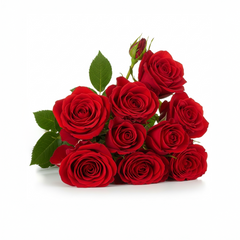
Rose

15–20% of blend

Introduces lush floral facets that complement the tropical green notes with damascenone and phenyl ethyl alcohol.

25%

White Honey

20–25% of blend

Contributes warm, sweet nuances that balance the green freshness with a rich, enveloping sweetness.

The Olfactory Layers

How Palm Tree Evolves on Skin

Palm Tree fragrances evolve from bright, fresh green top notes to lush floral and tropical heart notes, finally settling into warm, creamy, and woody base notes. The volatility of aldehydes and lactones drives the initial freshness, while heavier molecules like musks and amber provide lasting depth.

I
Top notes
0–15 min
Bright Green Freshness

The opening features high-volatility green aldehydes and citrusy lactones that create a fresh, vibrant impression reminiscent of sunlit palm fronds and tropical leaves. These molecules evaporate quickly, delivering an immediate burst of airy freshness.

FreshGreenAiry
II
Heart notes
20–60 min
Floral Creaminess

The heart reveals floral and creamy nuances from molecules like damascenone and phenyl ethyl alcohol, blending with tropical lactones to form a lush, inviting bouquet. This stage balances freshness with warmth and complexity.

FloralCreamyTropical
III
Base notes
Several hours
Warm Woody Depth

The dry down consists of warm, woody, and musky molecules such as cashmeran and white musk, providing a soft, velvety finish that lingers on the skin. These low-volatility compounds ensure longevity and depth.

WarmWoodyVelvety
TOP NOTES Bright Green Freshness 0–15 minutes HEART NOTES Floral Creaminess 20–60 minutes BASE NOTES Warm Woody Depth Several hours
Through the Ages

The Story of Palm Tree in Perfumery

The use of Palm Tree notes in perfumery has evolved from traditional tropical accords to sophisticated modern interpretations, with key milestones marking its rise in niche and designer fragrances.

Antiquity

Early Aromatic Use of Palm

Palm trees have been culturally significant since antiquity, with their leaves and flowers used in rituals and early aromatic preparations in Middle Eastern and Mediterranean societies.

2001

Gucci Rush 2 Launch

Gucci Rush 2, launched in 2001 by perfumer Alberto Morillas, incorporated Palm Tree notes to add fresh green dimensions to its floral composition, marking early modern use in designer perfumes.

2018

FO’AH by Simone Andreoli Debut

FO’AH, created by Olivier Pescheux, introduced an exclusive palm accord capturing date palm fronds, flowers, and husk, representing a novel and complex olfactory signature in niche perfumery.

2021

Diptyque Eau Nabati Release

Eau Nabati by Diptyque, perfumer Fabrice Pellegrin, featured Palm Tree prominently in its heart, blending tropical freshness with floral and musky notes, enhancing the note's popularity.

2023

Yves Saint Laurent Libre Flowers & Flames

Anne Flipo’s composition for Libre Flowers & Flames utilized Palm Tree as a bridge note, demonstrating its versatility in contemporary high-end perfumery.

The Art of Layering

How to Layer Palm Tree

Understanding how to layer Palm Tree involves molecular compatibility and olfactory synergy. Layering enhances or balances the note’s green freshness and creamy warmth for a personalized scent.

01

Enhance Sweetness

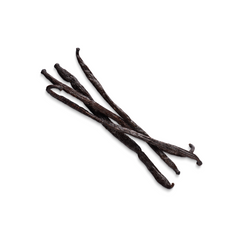
Pair Palm Tree with white honey or vanilla to soften its green aldehydes through olfactory masking. Vanillin’s sweet threshold reduces sharpness, creating a warm, tropical gourmand effect, as seen in FO’AH by Simone Andreoli.

02

Add Depth

Combine Palm Tree with cashmere wood or sandalwood to introduce creamy, woody molecules that complement the palm’s natural warmth. This layering extends longevity and adds a velvety base, exemplified in Diptyque’s Eau Nabati.

03

Lighten the Glow

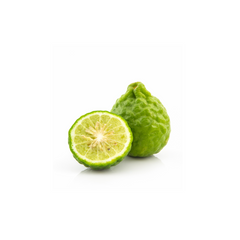
Mix Palm Tree with citrus notes like bergamot or grapefruit to amplify its fresh, green facets. The shared aldehydic compounds create a seamless transition, producing a bright, airy accord ideal for spring and summer wear.

Wear It Right

How to Wear Palm Tree Like a Pro

Seasonal Guide

Fall & Winter

Cooler temperatures reduce volatility, allowing the creamy and woody base notes of Palm Tree to shine. Apply more generously for enhanced warmth and sillage. Layer with warm musks or amber to complement the season.

Spring

Moderate temperatures balance fresh green top notes with emerging floral heart notes. Light application on pulse points maximizes freshness without overpowering. Ideal for daytime wear.

Summer

Heat increases volatility, intensifying the fresh, green aldehydes of Palm Tree. Use sparingly to avoid overwhelming brightness. Layer with citrus or aquatic notes for a refreshing tropical vibe.

Year-Round Tip

Adjust application based on climate and occasion. Palm Tree’s versatility allows it to be layered with florals or woods to suit any season, providing a fresh yet warm olfactory experience.

Application Points

Strategic application enhances Palm Tree’s fresh and creamy facets for optimal scent experience.

1

Neck

Pulse points on the neck provide warmth that activates Palm Tree’s green aldehydes, enhancing projection and longevity.

2

Behind the Ears

This area’s subtle heat helps release the note’s creamy undertones gradually, creating a soft, enveloping aura.

3

Inner Wrists

Wrists offer a balance of warmth and airflow, allowing the fresh top notes to bloom while maintaining scent clarity.

4

Hair

Hair fibers retain fragrance molecules longer, releasing Palm Tree’s tropical freshness with movement for a dynamic effect.

★

Pro Tip

Apply a matching unscented moisturizer before Palm Tree fragrance to create a hydrated base that enhances scent diffusion and longevity.

Mood Architecture™

Top Palm Tree Fragrances by Mood Score

These Palm Tree-based fragrances scored highest on the MEI™ Mood Architecture Framework — measuring how a scent may influence your emotional state.

Highest MEI Score
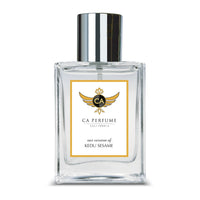
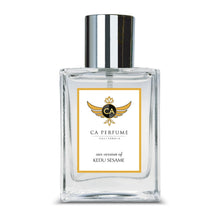
Kedu Sesame — Memo Kedu Sesame Alternative Perfume
6.3
MEI™
Primary Fresh
Secondary Romantic
Confidence
5.78
Presence
6.05
Mood Lift
7.3
Identity
5.93
Warmth
6.07
Social Ease
6.83
Energy
3.77
" I am radiant.
View full mood profile →
HumanSafe™

Top Palm Tree Fragrances by HumanSafe™ Score

These Palm Tree-based fragrances have the highest product-level HumanSafe™ scores in this ingredient collection.

Highest HumanSafe™ Score
Kedu Sesame — Memo Kedu Sesame Alternative Perfume
A-
HumanSafe™ Score Generally Safe
Safest Evaluated Ingredients EDP
OXACYCLOHEPTADEC-10-EN-2-ONE Evaluated ingredient ISS 10.0
AQUA Solvent / Carrier ISS 10.0
2-HEXENE, 6,6-DIMETHOXY-2,5,5-TRIMETHYL- Evaluated ingredient ISS 8.0
1,6,10-DODECATRIEN-3-OL, 3,7,11-TRIMETHYL- Evaluated ingredient ISS 8.0
LINALYL ACETATE Evaluated ingredient ISS 7.0
LINALOOL Evaluated ingredient ISS 7.0
View full safety profile →
Expert Voices

What Masters Say About Palm Tree

“
The creators placed the date palm’s fronds, husk, and tiny flowers under a bell jar to analyze its natural fragrance in the desert air, then recreated the scent at laboratories in France… and thus was a new creation born.
Olivier Pescheux, Master Perfumer
“
Palm Tree notes offer a vibrant green freshness with creamy undertones that evoke tropical landscapes, providing a versatile ingredient for both fresh and woody accords.
CA Perfume Editorial
Common Questions

Frequently Asked Questions

Common questions about Palm Tree in perfumery answered with detailed insights.

Palm Tree in perfume smells fresh, green, and tropical with vegetal and creamy nuances. It evokes the scent of sunlit palm fronds and tropical foliage, combining aldehydic green notes with subtle creamy undertones. This note is used to create uplifting, airy accords that recall tropical landscapes and relaxed elegance, as seen in fragrances like Yves Saint Laurent's Libre Flowers & Flames.

Palm Tree is primarily used as a top or heart note in fragrance compositions. Its fresh green aldehydes provide an immediate burst of freshness in the top notes, while its creamy and woody facets develop in the heart, adding depth and complexity. It rarely functions as a base note due to its volatility and lighter character.

Palm Tree is favored in niche perfumes for its unique ability to evoke tropical freshness and green woody accords that are both versatile and sophisticated. Its complex scent profile, combining fresh aldehydes with creamy undertones, allows perfumers to create evocative, multi-dimensional compositions that stand out in the niche market.

Palm Tree fragrance uses often pair it with cashmere wood for creamy warmth, rose for floral richness, white honey for sweetness, and citrus notes like bergamot to enhance freshness. These combinations create balanced accords that highlight Palm Tree’s tropical and green facets while adding depth and complexity.

Yes, Palm Tree perfumes are particularly suitable for summer and hot weather due to their fresh, green, and tropical character. The note’s bright aldehydes and airy qualities provide a cooling effect, making it ideal for warm climates. However, application should be moderate to prevent overwhelming brightness in high heat.

Palm Tree fragrances typically last between 4 to 6 hours on the skin, depending on the formulation and concentration. Parfum and oil formats extend longevity by incorporating fixatives, while Eau de Toilette versions emphasize freshness with shorter duration.

Yes, you can layer Palm Tree perfume with complementary notes such as vanilla, musk, or citrus to enhance its tropical freshness or add warmth. Layering allows customization of the scent profile, balancing Palm Tree’s green aldehydes with creamy or sweet accords for a personalized fragrance experience.

Beginner-friendly Palm Tree perfumes include Yves Saint Laurent’s Libre Flowers & Flames and Diptyque’s Eau Nabati, which showcase the note in balanced, accessible compositions. These fragrances highlight Palm Tree’s fresh and floral facets without overwhelming complexity.

Choosing the right Palm Tree fragrance involves considering your preference for freshness versus creaminess, concentration level, and complementary notes. CA Perfume offers a curated selection with detailed descriptions and layering advice to help you find a scent that matches your style and occasion.

Palm Tree primarily smells fresh and green with creamy and tropical nuances rather than sweet or spicy. However, in some compositions, it can be blended with sweet notes like white honey or vanilla to add warmth, or with spices to create a more complex accord, but the palm note itself is not inherently spicy.

Woods & Earth Collection

Explore Our Top Palm Tree Fragrances

Discover a curated selection of fragrances featuring Palm Tree notes, showcasing fresh, green, and tropical accords for every preference.

Shop all palm tree fragrances at CA Perfume →

Where Palm Tree Comes From — Origin & Extraction

The Palm Tree fragrance note is derived primarily from the aromatic elements of various palm species, notably the date palm (Phoenix dactylifera) and coconut palm (Cocos nucifera). These palms thrive in tropical and subtropical regions such as the Middle East, Brazil, Indonesia, Thailand, and the Philippines, each contributing unique nuances to the palm scent profile. Extraction methods for palm notes in perfumery often involve solvent extraction and headspace technology to capture the delicate green and floral facets of palm fronds and flowers. For example, the date palm’s fronds, husk, and tiny flowers are analyzed in situ and recreated synthetically or via solvent extraction in laboratories, as exemplified by the creation of the exclusive palm note in FO’AH perfumes. Solvent extraction typically uses hexane or ethanol at controlled temperatures to preserve the fresh green aldehydes and lactones responsible for the palm’s signature scent. Natural palm extracts are relatively rare and costly due to the labor-intensive harvesting and delicate nature of the raw materials. Synthetic molecules and accords replicating palm tree scent offer cost-effective alternatives, with prices ranging from $100 to $500 per kilogram for natural extracts versus $50 to $150 per kilogram for synthetic accords. Sustainability considerations include the protection of palm habitats and ethical sourcing practices, especially given the ecological importance of palm species in tropical ecosystems.

Famous Fragrances That Define Palm Tree in Perfumery

Palm Tree has been embraced by various perfumers to evoke tropical freshness and green woody accords. Noteworthy fragrances include: 1. Yves Saint Laurent - Libre Flowers & Flames (2023, perfumer: Anne Flipo) uses Palm Tree as a bridge note between floral and woody accords, enhancing the fragrance’s vibrant green character. 2. Diptyque - Eau Nabati (2021, perfumer: Fabrice Pellegrin) features Palm Tree in the heart, contributing to its tropical and fresh aura alongside orange blossom and musk. 3. Comme des Garcons - Amazingreen (2019, perfumer: Antoine Lie) employs Palm Tree to amplify its green and vegetal facets, creating a lush forest-like atmosphere. 4. Simone Andreoli - FO’AH (2018, perfumer: Olivier Pescheux) centers Palm Tree in a complex accord that captures the date palm’s fronds, flowers, and husk, evoking Middle Eastern desert oasis imagery. 5. Gucci - Gucci Rush 2 (2001, perfumer: Alberto Morillas) incorporates Palm Tree to add a fresh, green dimension to its floral composition. These fragrances illustrate Palm Tree’s versatility across niche and designer houses, from fresh and tropical to green and woody profiles. CA Perfume’s collection acknowledges this lineage by offering fragrances that highlight Palm Tree’s multifaceted nature without overwhelming the composition.

Natural vs Synthetic Palm Tree in Perfumery

Natural palm notes are derived from botanical sources such as palm fronds, flowers, and fruits, often extracted via solvent extraction or headspace techniques. These natural extracts provide complex, multi-faceted scent profiles with subtle variations due to geographic origin and harvest conditions. However, natural palm extracts can be unstable, prone to oxidation, and costly due to limited availability and labor-intensive harvesting. Synthetic palm accords are composed of aroma chemicals such as cis-3-hexenol (CAS 928-96-1), gamma-decalactone (CAS 706-14-9), and aldehyde C14 (CAS 18829-55-5), which replicate the fresh green, creamy, and tropical nuances of palm scent. These synthetics offer enhanced longevity, consistency, and diffusion compared to natural extracts. Synthetic palm accords are more affordable and sustainable, requiring less environmental impact and providing allergen-free alternatives. Famous fragrances like FO’AH by Simone Andreoli utilize a blend of natural and synthetic components to achieve a realistic palm scent. CA Perfume’s approach emphasizes transparency through the HumanSafe™ platform, ensuring ingredient safety and sustainability by balancing natural extracts with high-quality synthetics to optimize performance and ecological responsibility.