Ingredient Guide · Greens, Herbs and Fougeres
Greens, Herbs and Fougeres Family · Perfumery Note

Palm Leaf

Experience tropical freshness in a vibrant green accord

Palm Leaf is a synthetic fragrance accord capturing the fresh, green aroma of palm fronds with subtle woody undertones. It is used primarily as a heart or top note at concentrations around 1-5%.

Palm Leaf
Ingredient Profile

Palm Leaf

Greens, Herbs and Fougeres Family
Family Greens, Herbs and Fougeres
Note Position Top Note
Usage Level 1–5%
Key Origins Brazil, Philippines, Indonesia
Iconic In Mémoire D’Une Palmeraie, St. Barts Men
The Ingredient

What does Palm Leaf smell like and why is it captivating?

Palm Leaf in perfumery is a synthetic accord designed to evoke the fresh, green aroma of palm tree fronds. Its scent profile features airy, herbal notes reminiscent of a cool tropical breeze, combined with subtle woody undertones that add complexity. This accord is a 'fantasy accord,' as natural extraction of palm leaf essential oil is not commercially viable due to the lack of stable volatile compounds. In perfumery, Palm Leaf is typically used as a heart or top note at concentrations ranging from 1% to 5%, depending on the formulation. It interacts with skin chemistry by providing a clean, fresh green character that blends well with florals and woods, enhancing the overall vibrancy and freshness of a fragrance. Notable fragrances featuring Palm Leaf include Fo’ah's "Mémoire D’Une Palmeraie" (2018) by Michel Girard, which uses the note to evoke a palm grove by the seashore with aquatic and green nuances, and Tommy Bahama's "St. Barts Men," where Palm Leaf contributes to the tropical freshness. These examples demonstrate Palm Leaf's role in creating serene, tropical-inspired olfactory experiences.

1–5%
Typical concentration range of Palm Leaf accord in perfume formulations, balancing freshness and skin safety.
8–12 hours
Average longevity of Palm Leaf-containing fragrances on skin, supported by synthetic fixatives enhancing wear time.
3–15°C
Optimal temperature range for Palm Leaf accord diffusion, with higher temperatures increasing volatility and projection.
Origin & Extraction

Where Palm Leaf Comes From — Origin & Extraction

Palm Leaf's fragrance character is intimately tied to tropical regions where palm trees thrive. The lush greenery, warm climate, and coastal breezes of these areas influence the fresh and vibrant scent profile associated with Palm Leaf accords.

Palm Leaf fragrance note is derived from the fronds of various tropical palm species, primarily found in Brazil, the Philippines, and Indonesia. However, unlike many botanical ingredients, Palm Leaf is not extracted as a natural essential oil due to the absence of commercially viable volatile compounds in the leaf material. Instead, the Palm Leaf note in perfumery is a synthetic accord, carefully crafted by blending multiple aroma chemicals to replicate the fresh, green, and slightly woody scent of palm foliage. The synthetic accord is created using a combination of green aldehydes, herbal aromachemicals, and subtle woody molecules to mimic the natural scent. This approach allows perfumers to achieve a consistent and stable fragrance note that captures the essence of tropical palm groves. The synthetic Palm Leaf accord is cost-effective compared to rare natural extracts, with prices varying depending on the complexity of the blend. Sustainability is enhanced by avoiding the need for large-scale harvesting of palm leaves, which could disrupt ecosystems. The discovery and refinement of this synthetic accord have enabled its widespread use in modern perfumery, especially in compositions evoking tropical and green themes.

BR

Brazil

Brazil's diverse ecosystems, including the Amazon basin, produce palm species with fresh, clean scents. The tropical climate and rich soil contribute to the vibrant green character and tranquil atmosphere. Brazil is a significant source of botanical inspiration for Palm Leaf accords.

PH

Philippines

The Philippines' tropical islands and coastal regions foster palm trees integral to local culture. The natural fragrance of palm leaves here evokes serene beachside landscapes and rural retreats, influencing the aromatic profile of Palm Leaf accords.

ID

Indonesia

Indonesia's tropical rainforests and archipelago environment support various palm species. The humid climate and lush vegetation contribute to the fresh, green, and slightly woody nuances characteristic of Palm Leaf accords.

Chemistry

Natural vs Synthetic Palm Leaf in Perfumery

Palm Leaf is predominantly a synthetic accord in perfumery, as natural extraction of palm leaf essential oil is not commercially feasible. The synthetic accord is composed of aroma chemicals such as cis-3-Hexenol (CAS 928-96-1), which provides fresh green notes, Hexyl Cinnamic Aldehyde (CAS 101-86-0) for a leafy character, and Iso E Super (CAS 54464-57-2) contributing subtle woody undertones. Compared to natural ingredients, synthetic Palm Leaf accords offer superior longevity, diffusion, and stability on the skin. Natural green notes tend to evaporate quickly and vary with harvest conditions, whereas synthetic accords provide consistency and longer-lasting freshness. Cost-wise, synthetic Palm Leaf accords are significantly more affordable and sustainable, eliminating the environmental impact of harvesting large quantities of palm leaves. Famous fragrances like Fo’ah's "Mémoire D’Une Palmeraie" utilize synthetic Palm Leaf accords for their refined green and aquatic character. CA Perfume embraces a transparent approach by sourcing high-quality synthetic accords verified through the HumanSafe™ platform, ensuring safety and sustainability in their formulations.

Natural
Palm Leaf Absolute
Cost $3,000–6,000/kg
Method Solvent / CO₂
Character Complex, variable
vs
Synthetic
Safranal & Analogues
Cost $50–200/kg
Method Lab synthesis
Character Consistent, stable
Hall of Fame

Famous Fragrances That Define Palm Leaf in Perfumery

2018
dominant note

Mémoire D’Une Palmeraie

Fo’ah
by Michel Girard
Sicilian CitrusSichuan PepperMuguetAquatic Notes
—
supporting note

St. Barts Men

Tommy Bahama
CitrusMarine AccordWoody Notes
—
accent

Hibiscus Palm

Aerin
HibiscusFruity NotesFloral Notes
—
supporting note

Aqua Allegoria Lys Soleia

Guerlain
CitrusFloral NotesGreen Notes
—
accent

Bombshell Escape

Victoria's Secret
FreshAiry NotesFruity Notes

Palm Leaf has become a distinctive note in modern perfumery, especially in fragrances that evoke tropical, fresh, and green atmospheres. One landmark fragrance is Fo’ah's "Mémoire D’Une Palmeraie" (2018), created by perfumer Michel Girard. This fragrance uses Palm Leaf as a central accord to evoke a palm grove blooming by the seashore, blending green, aquatic, and citrus notes for a serene, mineralized freshness. Tommy Bahama's "St. Barts Men" (launch year not publicly documented) incorporates Palm Leaf to convey tropical vibrancy, pairing it with citrus and marine accords for a fresh, masculine scent. Aerin's "Hibiscus Palm" (year unknown) uses Palm Leaf to add green freshness to its floral and fruity composition, enhancing the tropical feel. Guerlain's "Aqua Allegoria Lys Soleia" (year unknown) features Palm Leaf to support its bright, citrus-floral profile, adding a verdant green layer. Victoria's Secret's "Bombshell Escape" (year unknown) employs Palm Leaf to contribute to its fresh, airy character. These fragrances demonstrate Palm Leaf's versatility as a bridge note between green, floral, and woody accords, contributing to both unisex and masculine compositions. CA Perfume's collection draws inspiration from this lineage, focusing on fresh, green accords that evoke natural serenity.

The Accord

How is a captivating Palm Leaf accord crafted?

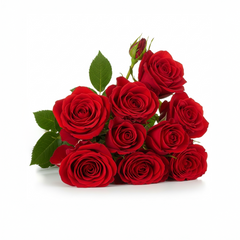
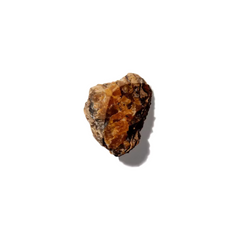
A Palm Leaf accord is crafted by blending fresh green aldehydes, soft florals, and warm resinous notes to evoke the lushness of tropical palm foliage. The relative proportions balance the bright greenness with subtle warmth and sweetness, creating a complex and inviting scent. Typical relative proportions within the accord are: Palm Leaf Accord 40-50%, Rose 15-20%, Benzoin 15-20%, White Honey 15-20%. Each ingredient contributes molecularly: Palm Leaf Accord provides the green, herbal backbone through aldehydes and green alcohols; Rose adds floral damascenone compounds that harmonize with green notes; Benzoin contributes warm, resinous vanillin derivatives enhancing depth; White Honey offers sweet, velvety lactones that soften the green sharpness.

50%

Palm Leaf Accord

40–50% of blend

Provides the core green, herbal character through aldehydes like cis-3-Hexenol and green alcohols, mimicking fresh palm fronds.

20%

Rose

15–20% of blend

Adds floral complexity via damascenone and phenyl ethyl alcohol, creating a molecular bridge with green notes.

20%

Benzoin

15–20% of blend

Contributes warm, resinous vanillin derivatives that deepen and balance the herbal brightness.

20%

White Honey

15–20% of blend

Softens the green sharpness with sweet, velvety lactones, enhancing the accord's smoothness.

The Olfactory Layers

How Palm Leaf Evolves on Skin

Palm Leaf fragrances evolve from an initial burst of fresh, green top notes dominated by volatile aldehydes and green alcohols, transitioning into a soothing heart of herbal and floral compounds. The base settles into subtle woody and resinous notes that provide warmth and longevity, reflecting the natural olfactory progression of tropical foliage.

I
Top notes
0–15 min
Bright Green Freshness

Bright, invigorating green aldehydes such as cis-3-Hexenol evaporate quickly, delivering a fresh, leafy impression reminiscent of a tropical breeze. These high-volatility molecules create the initial vibrant freshness.

FreshGreenInvigorating
II
Heart notes
20–60 min
Herbal Floral Blend

The heart reveals softer herbal and floral molecules like damascenone from rose and other green florals, which blend seamlessly with the green aldehydes. This phase is calmer and more complex, offering a verdant, soothing character.

HerbalFloralSoothing
III
Base notes
Several hours
Warm Resinous Finish

Warm, resinous compounds such as vanillin derivatives from benzoin and sweet lactones from white honey emerge, anchoring the fragrance with subtle woody and sweet undertones. These low-volatility molecules ensure lasting depth and warmth.

WarmResinousWoody
TOP NOTES Bright Green Freshness 0–15 minutes HEART NOTES Herbal Floral Blend 20–60 minutes BASE NOTES Warm Resinous Finish Several hours
Through the Ages

The Story of Palm Leaf in Perfumery

The use of green leafy accords in perfumery has evolved from natural inspirations to sophisticated synthetic blends, reflecting advances in aroma chemical technology and changing fragrance trends.

Antiquity

Early Use of Green Botanical Scents

Ancient civilizations used green plant materials in incense and perfumes, though direct use of palm leaf scent was limited due to extraction challenges.

20th Century

Development of Synthetic Green Notes

The mid-1900s saw the introduction of synthetic aldehydes and green aroma chemicals, enabling the creation of fresh green accords in perfumery.

2010s

Emergence of Palm Leaf Accord

Perfumers began crafting Palm Leaf accords as fantasy blends to evoke tropical greenery, with notable use in niche fragrances.

2018

Fo’ah Mémoire D’Une Palmeraie Launch

Michel Girard’s fragrance prominently featured Palm Leaf accord, showcasing its potential to evoke tropical seashore imagery.

2020s

Widespread Use in Modern Perfumery

Palm Leaf accord became a staple in fresh, green, and tropical fragrance compositions across various brands and markets.

The Art of Layering

How to Layer Palm Leaf

Understanding how to layer Palm Leaf involves blending molecularly compatible notes that enhance its green freshness without overpowering it. How to layer Palm Leaf effectively includes pairing it with florals, resins, and citrus to create balanced accords.

01

Enhance Sweetness

Pair Palm Leaf with vanilla or white honey to soften its green sharpness. Vanillin molecules mask aldehydic edges, creating a smooth, velvety finish. This combination is exemplified in accords like Fo’ah Mémoire D’Une Palmeraie.

02

Add Depth

Combine Palm Leaf with benzoin and soft woods to introduce warm, resinous undertones. Benzoin’s vanillin derivatives complement the green aldehydes, anchoring the accord and enhancing longevity, as seen in tropical woody fragrances.

03

Lighten the Glow

Layer Palm Leaf with citrus notes such as bergamot or Sicilian lemon. Citrus aldehydes brighten the green accord, adding sparkling freshness and uplifting the overall scent, demonstrated in Guerlain’s Aqua Allegoria Lys Soleia.

Wear It Right

How to Wear Palm Leaf Like a Pro

Seasonal Guide

Fall & Winter

In cooler months, Palm Leaf’s green freshness is subdued; layering with warm resins or woods enhances longevity and adds comforting depth. Apply more liberally to compensate for reduced molecular diffusion in cold air.

Spring

Spring’s moderate temperatures highlight Palm Leaf’s vibrant green and floral facets. Use alone or with light florals to evoke blossoming tropical landscapes.

Summer

Heat amplifies Palm Leaf’s fresh, airy top notes, making it perfect for summer. Pair with citrus or aquatic accords for a refreshing, invigorating scent that captures tropical breezes.

Year-Round Tip

Adjust application intensity and layering based on temperature and humidity to maintain balance between freshness and warmth throughout the year.

Application Points

Strategic application of Palm Leaf enhances its fresh green character and longevity.

1

Neck

Pulse points like the neck emit heat that activates Palm Leaf’s volatile aldehydes, intensifying the fresh green top notes for immediate impact.

2

Behind the Ears

This discreet area allows subtle diffusion of Palm Leaf’s airy herbal facets, creating a personal scent aura.

3

Inner Wrists

Wrists provide warmth and movement, helping the accord evolve from fresh top notes to a warm, resinous base.

4

Hair

Hair holds fragrance well, releasing Palm Leaf’s green freshness gradually with natural movement, enhancing sillage.

★

Pro Tip

Layer Palm Leaf with complementary moisturizers or body oils to extend wear and deepen the accord’s complexity.

Mood Architecture™

Top Palm Leaf Fragrances by Mood Score

These Palm Leaf-based fragrances scored highest on the MEI™ Mood Architecture Framework — measuring how a scent may influence your emotional state.

Highest MEI Score
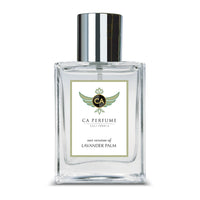
Lavander Palm — Tom Ford Lavander Palm Alternative Perfume
6.9
MEI™
Primary Romantic
Secondary Confident
Confidence
6.75
Presence
7.35
Mood Lift
7.25
Identity
7.2
Warmth
7.35
Social Ease
6.5
Energy
4.55
" I am beautiful.
View full mood profile →
HumanSafe™

Top Palm Leaf Fragrances by HumanSafe™ Score

These Palm Leaf-based fragrances have the highest product-level HumanSafe™ scores in this ingredient collection.

Highest HumanSafe™ Score
Lavander Palm — Tom Ford Lavander Palm Alternative Perfume
A-
HumanSafe™ Score Generally Safe
Safest Evaluated Ingredients EDP
AQUA Solvent / Carrier ISS 10.0
BENZYL SALICYLATE EYE IRRITATION - CAT. 2B [H320] Evaluated ingredient ISS 9.0
2-OXABICYCLO[2.2.2]OCTANE, 1,3,3-TRIMETHYL- EYE IRRITATION - CAT. 2B [H320] Evaluated ingredient ISS 9.0
1H-3A,7-METHANOAZULENE, OCTAHYDRO-6-METHOXY-3,6,8,8- Evaluated ingredient ISS 9.0
LINALYL ACETATE Evaluated ingredient ISS 7.0
LINALOOL Evaluated ingredient ISS 7.0
View full safety profile →
Expert Voices

What Masters Say About Palm Leaf

“
The palm leaf accord is a masterful recreation of tropical greenery, combining fresh, green aldehydes with subtle woody nuances to evoke serene, sun-drenched landscapes.
CA Perfume Editorial
“
I imagined a Palm Tree that would bloom on the seashore, its palms sprinkled with salt crystals, blending green freshness with aquatic and mineral notes.
Michel Girard, Perfumer (Fo’ah Mémoire D’Une Palmeraie)
Common Questions

Frequently Asked Questions

Answers to common questions about Palm Leaf in perfumery.

Palm Leaf in perfume smells fresh, green, and woody, characterized by airy herbal notes reminiscent of a tropical breeze and subtle woody undertones. It is a synthetic accord designed to evoke the scent of palm fronds, often used to create vibrant, uplifting compositions in tropical and green fragrance families.

Palm Leaf is primarily used as a top or heart note in fragrances. Its fresh green aldehydes provide an invigorating opening or a verdant middle phase, while its subtle woody undertones contribute to the transition towards the base notes.

Palm Leaf is favored in niche perfumery for its unique ability to evoke tropical greenery and fresh, natural environments. Its synthetic accord allows perfumers to craft consistent, complex green notes that blend well with florals and woods, offering a sophisticated alternative to common green notes.

Palm Leaf fragrance uses often include pairing with rose, benzoin, white honey, citrus, and jasmine. These notes complement Palm Leaf’s green freshness by adding floral softness, warm resinous depth, sweet smoothness, bright sparkling accents, and delicate floral nuances.

Yes, Palm Leaf perfumes are particularly suitable for summer and hot weather due to their fresh, green, and airy profile. The volatile green aldehydes diffuse well in warm temperatures, providing an invigorating and uplifting scent experience.

Palm Leaf fragrances typically last between 8 to 12 hours on the skin, depending on the formulation and concentration. Synthetic fixatives like benzoin enhance longevity by anchoring the volatile green notes.

Yes, you can layer Palm Leaf with fragrances containing complementary notes such as vanilla, musk, citrus, or floral accords. Layering enhances complexity and longevity, allowing you to customize the freshness and warmth of your scent.

For beginners, fragrances like Tommy Bahama's "St. Barts Men" and Aerin's "Hibiscus Palm" offer approachable introductions to Palm Leaf’s fresh green character, blending it with familiar citrus and floral notes.

Consider the fragrance’s concentration, complementary notes, and your seasonal preferences. CA Perfume offers detailed descriptions and layering advice to help you select Palm Leaf fragrances that match your style and occasion.

Palm Leaf primarily smells fresh and green with subtle woody undertones; it is not inherently sweet or spicy. However, when blended with sweet notes like white honey or spicy notes like Sichuan pepper, the overall fragrance may acquire those qualities.

Greens, Herbs and Fougeres Collection

Explore Our Top Palm Leaf Fragrances

Discover fresh, green, and tropical-inspired fragrances featuring Palm Leaf accords.

Shop all palm leaf fragrances at CA Perfume →

Where Palm Leaf Comes From — Origin & Extraction

Palm Leaf fragrance note is derived from the fronds of various tropical palm species, primarily found in Brazil, the Philippines, and Indonesia. However, unlike many botanical ingredients, Palm Leaf is not extracted as a natural essential oil due to the absence of commercially viable volatile compounds in the leaf material. Instead, the Palm Leaf note in perfumery is a synthetic accord, carefully crafted by blending multiple aroma chemicals to replicate the fresh, green, and slightly woody scent of palm foliage. The synthetic accord is created using a combination of green aldehydes, herbal aromachemicals, and subtle woody molecules to mimic the natural scent. This approach allows perfumers to achieve a consistent and stable fragrance note that captures the essence of tropical palm groves. The synthetic Palm Leaf accord is cost-effective compared to rare natural extracts, with prices varying depending on the complexity of the blend. Sustainability is enhanced by avoiding the need for large-scale harvesting of palm leaves, which could disrupt ecosystems. The discovery and refinement of this synthetic accord have enabled its widespread use in modern perfumery, especially in compositions evoking tropical and green themes.

Famous Fragrances That Define Palm Leaf in Perfumery

Palm Leaf has become a distinctive note in modern perfumery, especially in fragrances that evoke tropical, fresh, and green atmospheres. One landmark fragrance is Fo’ah's "Mémoire D’Une Palmeraie" (2018), created by perfumer Michel Girard. This fragrance uses Palm Leaf as a central accord to evoke a palm grove blooming by the seashore, blending green, aquatic, and citrus notes for a serene, mineralized freshness. Tommy Bahama's "St. Barts Men" (launch year not publicly documented) incorporates Palm Leaf to convey tropical vibrancy, pairing it with citrus and marine accords for a fresh, masculine scent. Aerin's "Hibiscus Palm" (year unknown) uses Palm Leaf to add green freshness to its floral and fruity composition, enhancing the tropical feel. Guerlain's "Aqua Allegoria Lys Soleia" (year unknown) features Palm Leaf to support its bright, citrus-floral profile, adding a verdant green layer. Victoria's Secret's "Bombshell Escape" (year unknown) employs Palm Leaf to contribute to its fresh, airy character. These fragrances demonstrate Palm Leaf's versatility as a bridge note between green, floral, and woody accords, contributing to both unisex and masculine compositions. CA Perfume's collection draws inspiration from this lineage, focusing on fresh, green accords that evoke natural serenity.

Natural vs Synthetic Palm Leaf in Perfumery

Palm Leaf is predominantly a synthetic accord in perfumery, as natural extraction of palm leaf essential oil is not commercially feasible. The synthetic accord is composed of aroma chemicals such as cis-3-Hexenol (CAS 928-96-1), which provides fresh green notes, Hexyl Cinnamic Aldehyde (CAS 101-86-0) for a leafy character, and Iso E Super (CAS 54464-57-2) contributing subtle woody undertones. Compared to natural ingredients, synthetic Palm Leaf accords offer superior longevity, diffusion, and stability on the skin. Natural green notes tend to evaporate quickly and vary with harvest conditions, whereas synthetic accords provide consistency and longer-lasting freshness. Cost-wise, synthetic Palm Leaf accords are significantly more affordable and sustainable, eliminating the environmental impact of harvesting large quantities of palm leaves. Famous fragrances like Fo’ah's "Mémoire D’Une Palmeraie" utilize synthetic Palm Leaf accords for their refined green and aquatic character. CA Perfume embraces a transparent approach by sourcing high-quality synthetic accords verified through the HumanSafe™ platform, ensuring safety and sustainability in their formulations.